
Coral is not a plant; it is an animal. Specifically, corals are marine invertebrates that belong to the animal kingdom and are closely related to jellyfish and sea anemones.
Understanding the nature of coral can be quite fascinating, as it plays a significant role in marine ecosystems and has unique biological features.
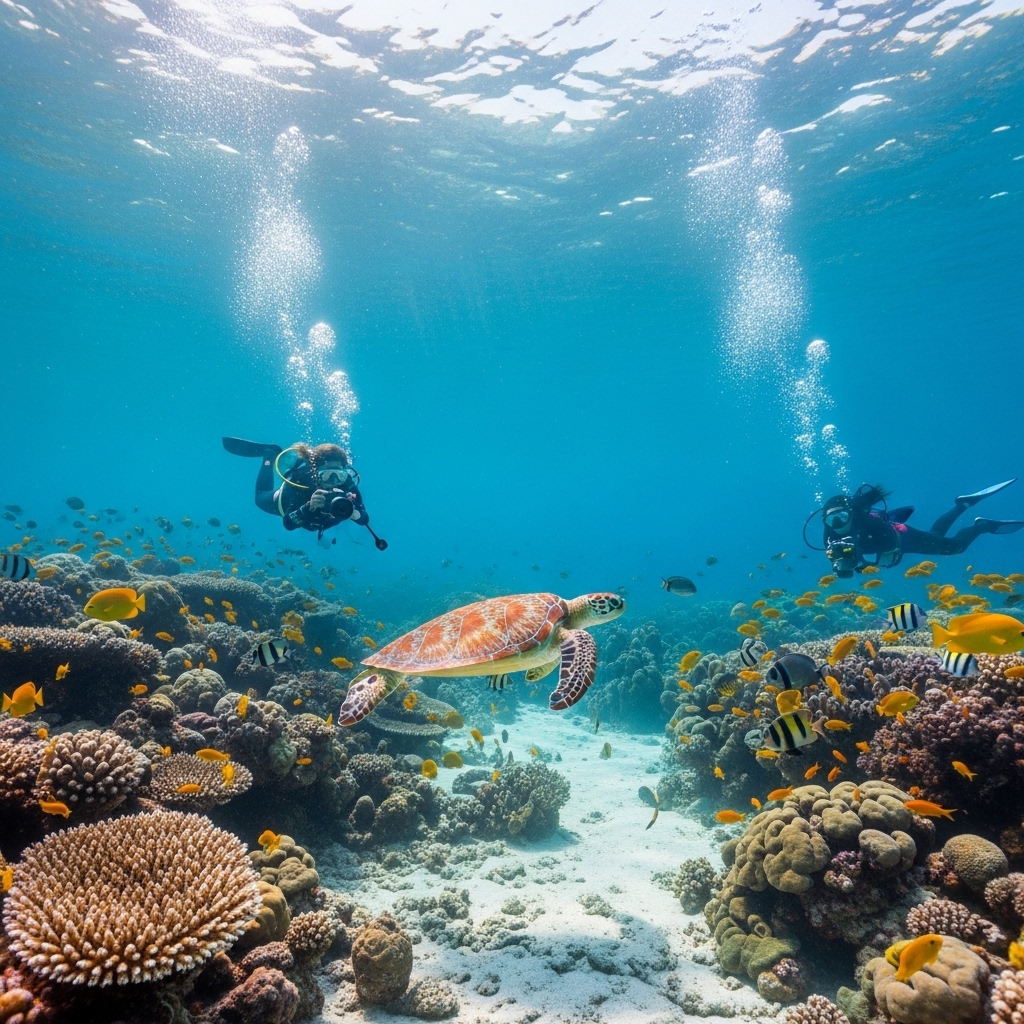
Understanding Coral: An Overview
What is Coral?
Coral can be found in oceans all around the world, often forming vast underwater structures known as coral reefs. These reefs are not just beautiful underwater gardens; they are essential ecosystems that provide habitat and shelter for a diverse range of marine life. I remember the first time I went snorkeling near a coral reef; the vibrant colors and the variety of fish darting around were mesmerizing. I didn’t realize then how complex and vital these organisms are to the health of our oceans.
The Biology of Coral
Corals are made up of tiny, soft-bodied organisms called polyps. Each polyp is like a tiny sac with a mouth surrounded by tentacles. These polyps live together in colonies, forming the hard structures we associate with coral reefs. What struck me about corals is their capacity to create massive calcium carbonate structures over thousands of years, which are not only beautiful but also critical for marine biodiversity. I learned that these coral colonies can grow into complex shapes and sizes, adding to the diversity of the reef environment.
Coral as an Organism
As living organisms, corals require specific conditions to thrive. They usually grow in warm, shallow waters where sunlight can penetrate, as they depend on photosynthesis. This reliance on sunlight is a fascinating aspect of coral biology; it blurs the lines between animals and plants, leading many to confuse their classification. I found it interesting that while the polyps are animals, they also have a symbiotic relationship with tiny algae called zooxanthellae, which live inside their tissues. This relationship is crucial for their survival and growth.
Coral Classification: Animal, Plant, or Something Else?
Coral Polyps: The Building Blocks
Coral polyps are the fundamental units of coral organisms. Each polyp has its own set of tentacles that can capture tiny plankton and organic debris from the water, providing essential nutrients. What I discovered is that these polyps can reproduce asexually by budding, allowing a single coral organism to create a large colony. This feature highlights their unique nature as animals, capable of expanding and building massive reef structures.
The Role of Zooxanthellae
One of the most intriguing aspects of coral is the role of zooxanthellae. These microscopic algae live within the tissues of coral polyps and perform photosynthesis, converting sunlight into energy. In return, the coral provides the algae with a protected environment and the necessary nutrients. This partnership is a beautiful example of symbiosis that I find incredibly fascinating—the algae supply energy, while the coral provides a home. It’s a win-win situation. This relationship is so vital that when corals are stressed, often due to rising water temperatures, they expel the zooxanthellae, leading to coral bleaching and, ultimately, the death of the coral if conditions do not improve.
Symbiotic Relationships in Coral Ecosystems
Corals are at the center of complex ecosystems that involve a variety of organisms. The symbiotic relationships don’t end with zooxanthellae; corals also interact with various fish and invertebrates. For instance, certain fish like clownfish find refuge within the tentacles of anemones and corals, creating a protective environment for both parties involved. I find this interconnectedness in nature quite humbling. Each creature, big or small, plays a role in maintaining the health of coral reefs. This balance is crucial; when one part of the ecosystem is threatened, it can have a ripple effect on others.
Key Differences: Coral vs. Plants
Photosynthesis and Energy Sources
While corals rely on photosynthesis through their symbiotic algae, they are not plants. Unlike plants that can produce energy solely through sunlight, corals also consume small particles and plankton from the water. This dual method of obtaining energy is a unique characteristic that distinguishes them from plant life. I often think about how plants and corals share some similarities but function quite differently in the grand scheme of ecosystems.
Structural Composition: Calcium Carbonate vs. Cellulose
Another major difference is in their structural composition. Plants are primarily made of cellulose, while corals build their skeletons from calcium carbonate (lime). This robust structure provides not only support for the coral but also contributes to the overall architecture of coral reefs. When I learned about the process of how corals secrete calcium carbonate, it struck me how incredibly resilient these organisms are, capable of withstanding the powerful forces of the ocean.
Reproductive Strategies
Corals have unique reproductive strategies that further separate them from plants. They can reproduce both sexually and asexually. In sexual reproduction, many corals engage in a fascinating event known as “mass spawning,” where they release eggs and sperm into the water simultaneously. I think this is such a beautiful spectacle! Watching this event can be a once-in-a-lifetime experience, showcasing the incredible adaptability and resilience of coral species.
With this understanding of coral’s biology and classification, I hope you’re beginning to appreciate just how unique these organisms are. The more I learn about them, the more fascinated I become with the intricate web of life that coral supports. In the next sections, we’ll dive deeper into the misconceptions surrounding coral, their crucial role in ecosystems, and the threats they face today.
Common Misconceptions About Coral
Coral and Plant Life: Debunking Myths
One of the most common misconceptions I’ve encountered about coral is the belief that they are plants. I’ve heard friends call them “underwater flowers” or “sea plants,” which is understandable given their beautiful appearance. However, this misunderstanding can be quite misleading. It’s easy to see why people might think that way, especially when they witness the stunning colors and forms of coral. But remembering that corals are animals is crucial for appreciating their ecological role. I often remind myself that while they share some characteristics with plants, such as the ability to harness sunlight through their symbiotic algae, their biological processes are distinctly animal-like. For instance, corals can move their tentacles, capturing prey, which is a clear indicator of their animal nature.
Coral Reefs and Marine Life
Another misconception I find prevalent is that coral reefs are just lifeless rocks or formations. In reality, coral reefs are bustling ecosystems, filled with life and diversity. When I visited the Great Barrier Reef, I was amazed to see the sheer number of species that thrive in and around coral structures. From colorful fish to intricate invertebrates, these reefs host a staggering variety of marine life. Some people think that if corals die, the surrounding fish populations will simply move elsewhere, but that’s not the case. Coral reefs provide critical habitat and breeding grounds for many marine species. Losing these reefs means losing entire communities of marine life. I feel it’s essential for us to recognize that every part of the reef is interconnected, and the health of corals directly impacts the health of broader marine ecosystems.
The Importance of Coral in Ecosystems
Coral Reefs: Biodiversity Hotspots
Coral reefs are often referred to as the “rainforests of the sea,” and I can see why. They cover only about 0.1% of the ocean’s surface but support an incredible diversity of life. I’ve read that nearly 25% of all marine species depend on coral reefs at some stage of their life cycle. This statistic really drives home the importance of these ecosystems. I remember diving in a coral reef and being surrounded by an array of species, from vibrant clownfish to majestic sea turtles. Each organism plays a role, whether it’s helping to maintain the reef structure or contributing to nutrient cycling. It’s inspiring to think about how these small organisms can have such a massive impact on global biodiversity.
Coral’s Role in Marine Food Chains
Corals also play a crucial role in marine food chains. They provide food not only for the species that live directly within the reef but also for larger predators. I learned that the energy produced by zooxanthellae through photosynthesis ultimately supports many marine organisms. For example, small fish eat the zooplankton and algae that corals provide, and then larger fish eat those smaller fish. I find it fascinating how the energy flows through these interconnected relationships, showcasing the importance of coral reefs in sustaining marine life. Without healthy corals, these food chains could collapse, leading to declines in fish populations that many coastal communities rely on for their livelihoods.
Impact of Coral on Coastal Protection
Beyond their biological significance, coral reefs also offer substantial protection to coastlines. When I learned about the role of coral reefs in buffering shorelines against storm surges and erosion, it was a real eye-opener. Healthy reefs can reduce wave energy by up to 97%, acting as a natural barrier against powerful ocean forces. I’ve seen firsthand how areas with healthy reefs fared better during storms compared to those without. If corals are damaged or destroyed, coastal communities can face increased flooding and erosion, causing not just environmental damage but also economic challenges. I think it’s vital that we recognize the multifaceted benefits of coral reefs, from their ecological role to the protection they offer to human settlements.
Threats to Coral and Conservation Efforts
Climate Change and Coral Bleaching
Unfortunately, coral reefs are facing significant threats today, primarily from climate change. The rising temperatures of our oceans have led to occurrences of coral bleaching. I remember the first time I heard about coral bleaching; I was shocked to learn that when stressed by warmer waters, corals expel their symbiotic zooxanthellae, turning them white and leaving them vulnerable. It’s heartbreaking to think about the loss of color and life. Bleached corals are not dead, but they are definitely weakened and more susceptible to disease. I believe that raising awareness about climate change is crucial in protecting these ecosystems. It’s not just about corals; it’s about preserving the entire marine environment.
Overfishing and Pollution
Besides climate change, overfishing and pollution pose significant threats to coral reefs. Overfishing can disrupt the delicate balance of reef ecosystems, leading to declines in fish populations that play essential roles in maintaining coral health. Pollution from agricultural runoff and plastic waste further stresses coral reefs by introducing harmful toxins and nutrients that can lead to algal blooms. I’ve seen how litter and pollution can affect marine life, and it’s disheartening to think that our actions on land can directly impact these beautiful underwater worlds. It’s a reminder that we are all connected and that the health of our planet relies on our choices.
Conservation Strategies and Organizations
In light of these challenges, various organizations and communities have committed themselves to coral conservation efforts. I’ve been inspired by grassroots initiatives that focus on reef restoration and protection. Programs that educate local communities about sustainable fishing practices and reducing pollution are vital. I also think engaging with technology, like coral farming and genetic research, can offer hope for the future. Read Interesting article: Orchidea Gondozása Virágzás Után – Mit Tegyünk? (Megoldás) There’s so much we can do to advocate for coral health, from supporting responsible seafood choices to participating in local clean-up events. Each small action can contribute to a larger movement toward preserving these vital ecosystems.
Understanding Coral: An Overview
The Importance of Coral in Ecosystems
Coral reefs are truly remarkable ecosystems. I’ve often heard them referred to as the “rainforests of the sea,” and I believe this analogy captures their essence perfectly. These vibrant underwater habitats support an astonishing variety of marine life, despite covering only a small fraction of the ocean’s surface. I remember my first dive near a coral reef, surrounded by schools of fish and vibrant marine creatures. It was an unforgettable experience that made me appreciate just how crucial these ecosystems are to the health of our oceans.
Coral Reefs: Biodiversity Hotspots
Coral reefs are home to nearly 25% of all marine species, making them one of the most biodiverse ecosystems on the planet. I’ve read that they provide essential habitats for countless fish, invertebrates, and other marine organisms. When I visited the Great Barrier Reef, I was astounded by the sheer variety of life existing in such a small area. From colorful parrotfish to delicate seahorses, every creature had a role to play in maintaining the balance of this vibrant ecosystem. It was a humbling reminder of how interconnected life is in the ocean.
Coral’s Role in Marine Food Chains
Corals serve as a foundational species in marine food chains. They not only provide habitat for countless organisms but also produce energy that supports larger marine life. The energy generated by the zooxanthellae living within coral polyps ultimately feeds smaller fish, which in turn become food for larger predators. I recently learned that the health of coral reefs directly influences the health of fish populations that many coastal communities depend on for sustenance. This delicate balance is something I think about often, especially when considering how human actions can disrupt these ecosystems.
Impact of Coral on Coastal Protection
Beyond their crucial role in marine ecosystems, coral reefs also provide significant protection for coastlines. I was surprised to learn that healthy reefs can reduce wave energy by up to 97%, acting as a natural barrier against storms and erosion. I’ve witnessed the damage that storms can inflict on coastal communities, and it’s clear to me how vital healthy coral reefs are for safeguarding human settlements. When reefs are damaged or destroyed, communities can face increased flooding and erosion, leading to devastating economic impacts. This realization has deepened my appreciation for the multifaceted benefits that coral reefs offer, extending beyond marine life to human welfare.
Threats to Coral and Conservation Efforts
Climate Change and Coral Bleaching
One of the most pressing threats to coral reefs today is climate change. Rising ocean temperatures have led to widespread coral bleaching, a phenomenon I first heard about during a marine biology class. When corals become stressed due to temperature increases, they expel their symbiotic zooxanthellae, which not only leads to the loss of color but also makes them more vulnerable to disease. I remember the somber feeling I had when I learned how prevalent coral bleaching has become. It’s a stark reminder of how interconnected our planet is; the health of coral reefs reflects the overall state of our marine environments.
Overfishing and Pollution
Overfishing and pollution are two additional threats that pose significant risks to coral reefs. Overfishing disrupts the delicate balance of reef ecosystems, leading to declines in fish populations that are essential for maintaining coral health. Pollution from agricultural runoff and plastic waste introduces harmful toxins and excess nutrients into the ocean, contributing to algal blooms that can suffocate corals. I’ve seen how litter and pollution can impact marine life, and it pains me to think that our choices on land can ripple out and affect these beautiful underwater worlds. It serves as a reminder that we all have a role to play in protecting marine environments.
Conservation Strategies and Organizations
In response to these challenges, various organizations and communities are stepping up to protect coral reefs. I’ve been inspired by grassroots initiatives focused on reef restoration and conservation. Programs that educate local communities about sustainable fishing practices and pollution reduction are vital. I also believe that technology can play a significant role in coral conservation; efforts like coral farming and genetic research offer promising paths forward. Each of us can contribute to these conservation efforts, whether through responsible seafood choices, participating in local clean-up events, or advocating for policies that protect marine environments. It’s empowering to know that even small actions can lead to meaningful change in preserving these vital ecosystems.
Frequently Asked Questions
What exactly is coral?
Coral is a marine invertebrate, not a plant. It belongs to the animal kingdom and is closely related to jellyfish and sea anemones.
What roles do coral reefs play in marine ecosystems?
Coral reefs are essential ecosystems that provide habitat and shelter for a diverse range of marine life, supporting nearly 25% of all marine species at some stage of their life cycle.
How do coral polyps contribute to the structure of coral reefs?
Coral polyps are the fundamental units of coral organisms, living in colonies and forming hard structures made of calcium carbonate. These structures are critical for marine biodiversity.
What is the relationship between corals and zooxanthellae?
Corals have a symbiotic relationship with tiny algae called zooxanthellae, which live within their tissues. The algae perform photosynthesis, providing energy for the coral, while the coral offers a protected environment for the algae.
How do corals reproduce?
Corals can reproduce both sexually and asexually. In sexual reproduction, many corals engage in mass spawning, releasing eggs and sperm into the water simultaneously. Asexually, they can reproduce by budding to create large colonies.
What are the main threats to coral reefs?
The primary threats to coral reefs include climate change, which causes coral bleaching, as well as overfishing and pollution that disrupt the balance of reef ecosystems.
What is coral bleaching?
Coral bleaching occurs when corals expel their symbiotic zooxanthellae due to stress from rising water temperatures, leading to a loss of color and increased vulnerability to disease.
How do coral reefs provide protection to coastlines?
Healthy coral reefs can reduce wave energy by up to 97%, acting as a natural barrier against storm surges and erosion, thereby protecting coastal communities from flooding and economic damage.
Why are coral reefs often referred to as the “rainforests of the sea”?
Coral reefs are called the “rainforests of the sea” because they support an astonishing variety of marine life despite covering only a small fraction of the ocean’s surface.
What conservation efforts are being made to protect coral reefs?
Various organizations and grassroots initiatives focus on reef restoration and conservation, including educating local communities about sustainable fishing practices and pollution reduction, as well as utilizing technology like coral farming and genetic research.