
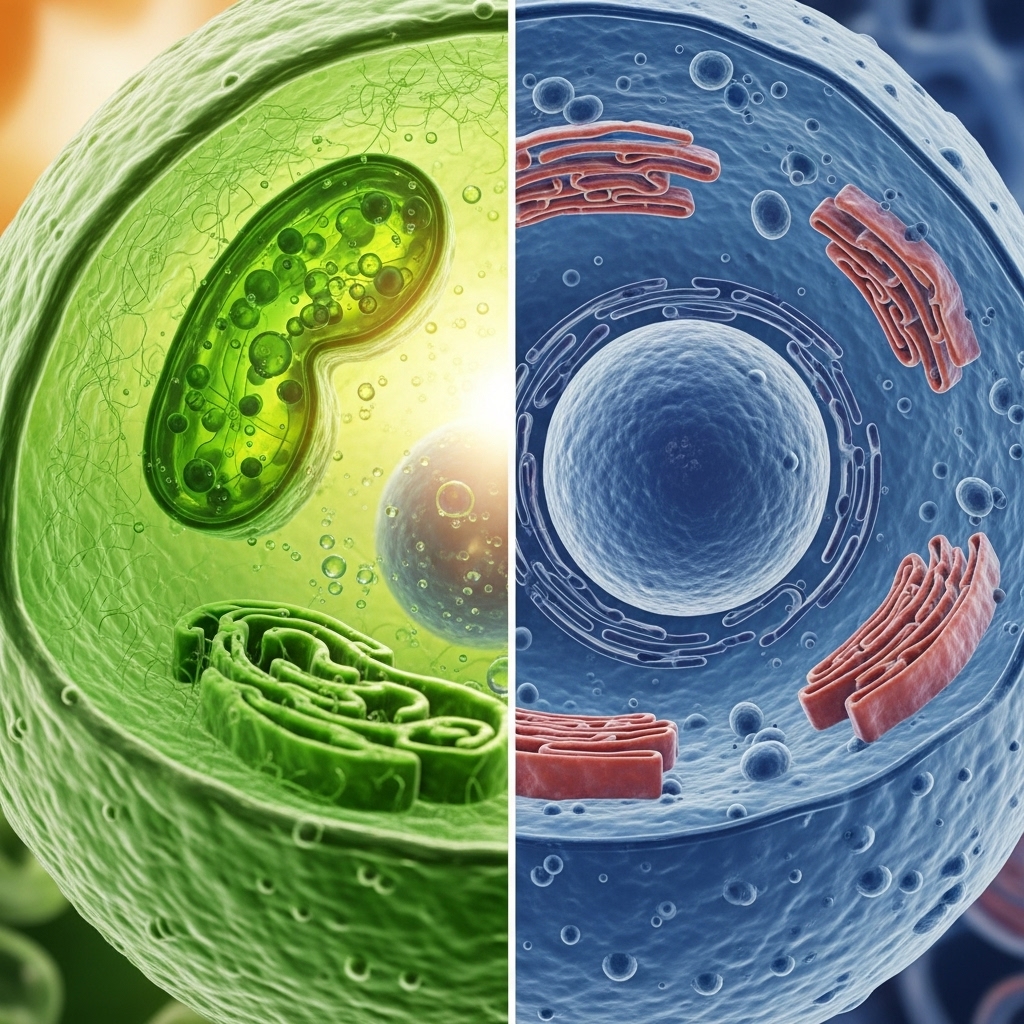
Cytoplasm is present in both plant and animal cells, serving as the medium where essential cellular processes occur. It is crucial for maintaining the cell’s structure and facilitating various functions. Understanding how plant cells and animal cells differ can help clarify the unique roles of cytoplasm in each type of cell.
Understanding Cytoplasm
Definition of Cytoplasm
Cytoplasm is the jelly-like substance that fills the interior of a cell, surrounded by the cell membrane. It is composed mainly of water, salts, and organic molecules, which together create a dynamic environment that supports cellular activities. I remember the first time I learned about cytoplasm in biology class; it was fascinating to discover how this gooey substance plays such a vital role in the life of a cell.
Role of Cytoplasm in Cell Function
The cytoplasm is not just a passive filler; it is actively involved in several crucial functions. For instance, it houses organelles, the specialized structures that perform specific tasks within the cell. This includes mitochondria, ribosomes, and the endoplasmic reticulum, among others. I find it interesting how the cytoplasm allows these organelles to work together, much like a bustling city with various departments working towards common goals.
Additionally, cytoplasm plays a key role in cellular metabolism, which includes all the chemical reactions that occur within the cell to maintain life. This is where nutrients are converted into energy, and waste products are broken down. The fluid nature of cytoplasm allows for the movement of molecules throughout the cell, making sure that everything is interconnected. It’s almost like a river running through a landscape, carrying necessary resources to different areas. I often think about how vital this flow is for keeping the cell healthy and functioning.
Moreover, the cytoplasm is involved in cell signaling, where it helps transmit signals from the cell membrane to the nucleus and other organelles. This communication is essential for the cell to respond appropriately to changes in its environment. I’ve noticed that this aspect of cytoplasm often gets overlooked, yet it’s fundamental for the cell’s adaptability and survival.
Cytoplasm in Plant Cells
Structure of Plant Cell Cytoplasm
When I think about plant cells, I can’t help but remember how unique they are compared to animal cells. The cytoplasm in plant cells contains all the same components as in animal cells, but it also has some additional features. One notable characteristic is the presence of large vacuoles, which store nutrients, waste products, and help maintain turgor pressure. This pressure is what keeps the plant cells firm and upright, contributing to the overall structure of the plant. I once had a plant at home that wilted because it didn’t get enough water, and I quickly learned how vital those vacuoles are for plant health.
Functions of Cytoplasm in Plant Cells
The cytoplasm in plant cells is crucial for photosynthesis, a process that converts sunlight into energy. It contains chloroplasts, the organelles responsible for this transformation. I remember being amazed by how plants can take sunlight and convert it into food. The chloroplasts float in the cytoplasm, where they can efficiently harness sunlight and carry out photosynthesis. This ability makes plants unique and essential for life on Earth, as they are primary producers in ecosystems.
Additionally, the cytoplasm in plant cells plays a role in the synthesis and transport of proteins. Ribosomes, which can be found suspended in the cytoplasm or attached to the endoplasmic reticulum, help translate genetic information into proteins, which are essential for the plant’s growth and development. I’ve always found it inspiring how plants can create so many different compounds from just sunlight, water, and minerals, all thanks to the activities happening in their cytoplasm.
Differences in Cytoplasm between Plant Cells and Other Cells
One of the main differences between the cytoplasm of plant cells and that of animal cells is the presence of organelles like chloroplasts and large central vacuoles in plant cells. Animal cells, on the other hand, have smaller vacuoles and do not contain chloroplasts, as they do not perform photosynthesis. This distinction highlights the different roles these cells play in their respective organisms. I often think about how the differences in cytoplasm reflect the unique lifestyles of plants and animals. While plants harness sunlight, animals rely on consuming other organisms for energy, which is a fascinating contrast.
Another difference is the presence of a rigid cell wall in plant cells, which provides structural support. This wall is outside the cell membrane and gives plant cells a definite shape. In animal cells, the lack of a cell wall allows for more flexibility and a variety of shapes, but it also means they rely more on the cytoplasm to maintain their internal organization. I find it intriguing how these differences in cytoplasm and structure ultimately shape the life forms we see around us. Do plant cells have a cell wall? is a question that often arises in this context.
Cytoplasm in Animal Cells
Structure of Animal Cell Cytoplasm
Moving on to animal cells, the structure of their cytoplasm is quite fascinating too. Unlike plant cells, animal cell cytoplasm is generally more fluid, which allows for greater movement and flexibility. This fluidity plays a key role in how animal cells interact with their environment and each other. I remember watching a video of white blood cells moving through blood vessels, and it struck me how the cytoplasm allowed them to change shape and navigate through narrow spaces. It’s almost like watching a dancer gracefully move through a crowded room.
Functions of Cytoplasm in Animal Cells
In animal cells, the cytoplasm serves many of the same functions as in plant cells, such as housing organelles and facilitating metabolic processes. However, one significant difference is in how animal cells handle energy production. Mitochondria, the powerhouses of the cell, are abundant in animal cell cytoplasm, as they play a crucial role in converting nutrients into usable energy through cellular respiration. I’ve always been fascinated by how these tiny organelles produce ATP, which fuels almost every cellular activity.
Another function of animal cell cytoplasm is its involvement in cell signaling and communication. The cytoplasm acts as a medium where signaling molecules can diffuse rapidly to reach their target organelles, ensuring that the cell can respond quickly to changes. I’ve often marveled at how such tiny structures within the cytoplasm can have such significant impacts on the cell’s behavior and functions.
Differences in Cytoplasm between Animal Cells and Other Cells
Comparing animal cells to plant cells highlights some key differences in their cytoplasmic structures. For one, animal cells lack cell walls, allowing them to adopt various shapes and sizes. This absence of a rigid structure means that the cytoplasm plays a more dynamic role in maintaining shape and organization. Additionally, the types of organelles present differ; animal cells contain lysosomes, which are involved in digestion and waste removal, while plant cells do not have these organelles. I’ve always found it fascinating how these differences in cytoplasm reflect the unique functions and needs of animal cells compared to plant cells.
Comparative Analysis of Cytoplasm in Plant and Animal Cells
Common Features of Cytoplasm in Both Cell Types
When I think about the commonalities between plant and animal cells, I can’t help but appreciate the shared features of their cytoplasm. Both types of cells have a jelly-like substance that fills the interior and serves as a site for numerous vital cellular processes. Regardless of whether a cell comes from a plant or an animal, the cytoplasm contains water, salts, and organic compounds, creating a medium where life happens.
One aspect that stands out to me is the presence of organelles within both cytoplasms. While the specific organelles differ, the function of housing these specialized structures is consistent across cell types. Organelles like mitochondria, ribosomes, and the endoplasmic reticulum are found in both plant and animal cells, playing crucial roles in energy production, protein synthesis, and metabolic activities. I find it fascinating that despite their different functions, all cells rely on this fluid environment to facilitate their operations.
Additionally, cytoplasm in both plant and animal cells is involved in cell signaling. The ability to transmit signals rapidly is essential for maintaining homeostasis and responding to environmental changes. I often reflect on how this shared feature underscores the fundamental similarities in life processes across diverse organisms, highlighting our common biological heritage.
Unique Features of Cytoplasm in Plant vs. Animal Cells
While there are many similarities, I’ve also noticed some significant differences in the cytoplasm of plant and animal cells that reflect their unique lifestyles and functions. One of the most striking differences is the presence of chloroplasts in plant cell cytoplasm, which allows plants to harness sunlight for photosynthesis. This ability to convert light energy into chemical energy is a game-changer in how organisms acquire their food. I remember learning about the various pigments in chloroplasts, which can give plants their vibrant colors, from deep greens to bright reds. It’s a beautiful example of how cytoplasm can influence a cell’s interaction with the environment.
Another unique feature in plant cells is the large central vacuole, which plays a critical role in maintaining turgor pressure and storing nutrients and waste products. In contrast, animal cells typically have smaller vacuoles, which serve different functions, often related to digestion and transport. I think about how this difference highlights the distinct needs of plants and animals; while plants need to maintain structure and support growth, animals must focus on mobility and interaction with their surroundings.
The differences in cytoplasm extend to the types of organelles found in each cell type. For example, animal cells contain lysosomes that are responsible for breaking down waste materials. This feature is absent in plant cells, which have other mechanisms in place for waste removal. I’ve often marveled at how each adaptation serves a particular purpose, allowing different organisms to thrive in their environments.
Cytoplasm and Cellular Processes
Cytoplasm’s Role in Metabolism
The role of cytoplasm in metabolism is something I find particularly interesting. Metabolism encompasses all the chemical reactions that occur within a cell to maintain life, and the cytoplasm is the bustling hub where much of this activity takes place. Inside the cytoplasm, nutrients are broken down, and energy is produced through various metabolic pathways. I remember a lab experiment where we observed yeast fermentation, and it struck me how the cytoplasm facilitated the conversion of sugar into carbon dioxide and alcohol. It’s incredible to think about how such processes are happening constantly in our bodies and in the cells of living organisms all around us.
In both plant and animal cells, the cytoplasm enables the transport of enzymes and substrates, allowing metabolic reactions to proceed efficiently. The fluid nature of the cytoplasm is key here, as it permits the swift movement of these molecules, much like how a busy marketplace operates with goods moving quickly from one stall to another. I’ve often thought about how this dynamic environment ensures that cells can respond to their energy needs in real-time.
Cytoplasm’s Role in Protein Synthesis
Protein synthesis is another critical function that takes place in the cytoplasm, and I’ve always found it fascinating how this process brings together the information stored in DNA and the actual building blocks of life. In both plant and animal cells, ribosomes are found either floating freely in the cytoplasm or attached to the endoplasmic reticulum. I remember when I first learned about how ribosomes translate mRNA into proteins; it felt like a magical transformation where genetic information turned into something tangible and functional.
The cytoplasm provides the necessary environment for this synthesis, facilitating the assembly of amino acids into proteins. I often think about how this process is fundamental to growth, repair, and maintaining the health of cells. Every time I eat a meal rich in proteins, I can’t help but appreciate the intricate dance happening in my cells as they utilize those nutrients to create proteins essential for my body’s functions.
Cytoplasm’s Role in Cell Division
Cell division is one of the most incredible processes that occur in living organisms, and the cytoplasm plays a vital role in this event. During mitosis and meiosis, the cytoplasm helps ensure that organelles are properly distributed between the two daughter cells. I remember watching a time-lapse video of plant cells dividing, and it was mesmerizing to see how the cytoplasm pinched and separated to form new cells. It’s a perfect example of how the cytoplasm isn’t just a static substance; it actively participates in the life cycle of a cell.
During cell division, the cytoplasm also aids in forming structures like the cleavage furrow in animal cells, which helps separate the two new cells. I find it amazing how this process is so finely tuned, allowing for the accurate replication of cellular components. Ultimately, the cytoplasm is more than just a container; it’s an essential player in the complex orchestration of life at the cellular level.
Frequently Asked Questions
What is cytoplasm?
Cytoplasm is the jelly-like substance that fills the interior of a cell, surrounded by the cell membrane. It is composed mainly of water, salts, and organic molecules, creating a dynamic environment that supports cellular activities.
What role does cytoplasm play in cell function?
The cytoplasm houses organelles, facilitates cellular metabolism, and is involved in cell signaling. It allows organelles to work together, aids in chemical reactions, and helps transmit signals from the cell membrane to the nucleus and other organelles.
How does cytoplasm differ in plant and animal cells?
The cytoplasm in plant cells contains chloroplasts and large central vacuoles, while animal cell cytoplasm is generally more fluid and contains lysosomes. These differences reflect the unique functions and needs of each type of cell. Do plant cells have a cell membrane? is another question that often arises in discussions about cell structure.
What is the function of chloroplasts in plant cell cytoplasm?
Chloroplasts in plant cell cytoplasm are responsible for photosynthesis, converting sunlight into energy, which is essential for the plant’s growth and sustenance.
What are the functions of ribosomes in cytoplasm?
Ribosomes found in the cytoplasm are crucial for protein synthesis. They translate genetic information into proteins, which are essential for growth and development in both plant and animal cells.
How does cytoplasm facilitate metabolism?
Cytoplasm serves as the site where various chemical reactions occur, enabling the breakdown of nutrients and energy production. Its fluid nature allows for the swift transport of enzymes and substrates necessary for metabolic reactions.
What role does cytoplasm play in cell division?
During cell division, cytoplasm helps ensure that organelles are properly distributed between daughter cells and aids in forming structures like the cleavage furrow in animal cells, which helps separate the new cells.
What is the importance of vacuoles in plant cell cytoplasm?
Vacuoles in plant cell cytoplasm store nutrients and waste products while maintaining turgor pressure, which keeps plant cells firm and upright, contributing to the overall structure of the plant.
How does the fluidity of animal cell cytoplasm benefit the cell?
The fluidity of animal cell cytoplasm allows for greater movement and flexibility, enabling cells to interact more dynamically with their environment and adapt to changes.
What common features do cytoplasm have in both plant and animal cells?
Both plant and animal cells have a jelly-like substance that serves as a medium for vital cellular processes, containing water, salts, and organic compounds, and housing organelles that play crucial roles in energy production, protein synthesis, and metabolism.