
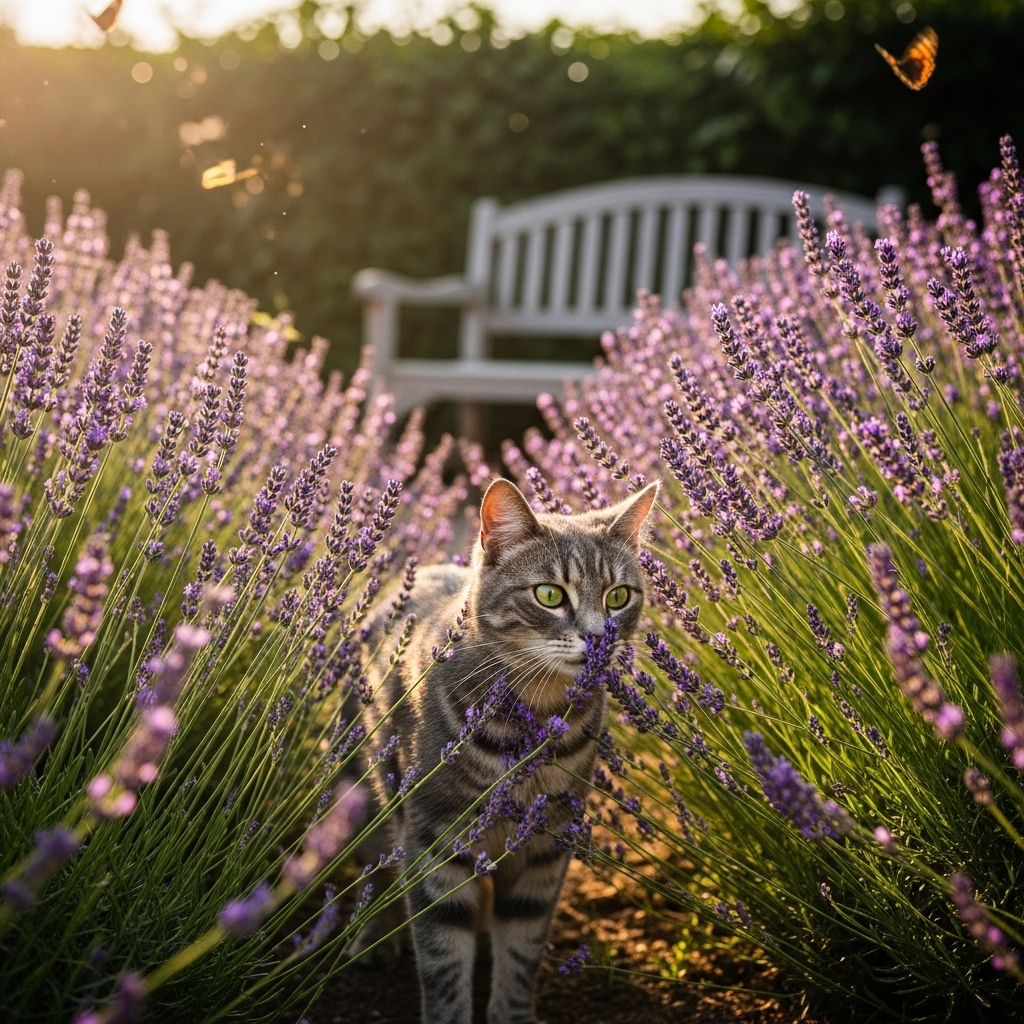
Lavender is generally considered safe for cats in small amounts, but it can cause mild gastrointestinal upset if ingested in larger quantities. It’s essential for pet owners to be aware of their cat’s reactions and consult a veterinarian if any concerns arise. For more information, you can check out this what plants are safe for cats article.
Understanding Lavender: Overview and Varieties
What is Lavender?
Lavender is a beautiful and fragrant herb that belongs to the mint family, Lamiaceae. I first became enchanted by lavender during a visit to a local botanical garden. The sight of those vibrant purple flowers swaying gently in the breeze was mesmerizing. Beyond its stunning appearance, lavender is widely known for its aromatic qualities and various uses in cooking, beauty products, and home remedies. It has a long history of being used for its calming effects, which I’ve personally found to be true after using lavender essential oil during stressful moments.
Common Varieties of Lavender
There are several varieties of lavender, each with its unique characteristics. The most common ones include:
- English Lavender (Lavandula angustifolia): This variety is known for its sweet fragrance and is often used in essential oils and culinary dishes. I love using dried English lavender in my baking, as it adds a unique floral flavor.
- French Lavender (Lavandula dentata): French lavender has a more intense scent and distinctive serrated leaves. I remember visiting a lavender farm where the air was filled with the pungent aroma of this variety.
- Spanish Lavender (Lavandula stoechas): Recognizable by its rabbit-ear-like flower spikes, Spanish lavender has a more medicinal scent. It’s beautiful, but I’ve found it’s less commonly used in cooking.
Each type of lavender has its own appeal, whether you’re growing it in your garden for aesthetics or using it for its therapeutic benefits. Choosing the right variety depends on your specific needs and preferences.
Uses of Lavender in Homes and Gardens
Lavender is not just a pretty flower; it has a multitude of uses both indoors and outdoors. In my experience, having lavender plants in the garden attracts pollinators like bees and butterflies, creating a lively and vibrant atmosphere. Here are some common ways lavender is utilized:
- Aromatherapy: One of the most popular uses of lavender is in aromatherapy. Essential oils derived from lavender are often used to promote relaxation and reduce anxiety. I’ve found that diffusing lavender oil in my home can create a peaceful environment, especially during hectic days.
- Culinary Uses: Lavender can be used in cooking and baking, adding a unique flavor to dishes and beverages. I’ve experimented with lavender-infused lemonade and found it to be incredibly refreshing.
- Natural Insect Repellent: Lavender is known for its insect-repelling properties. I’ve planted it around my porch to keep mosquitoes at bay during summer nights. For more on this topic, check out what plants keep mosquitoes away.
- Potpourri and Sachets: Dried lavender flowers make excellent potpourri and sachets for closets or drawers, providing a fresh scent that can last for months. I love making my own sachets to keep my linens smelling lovely.
With so many uses, it’s no wonder that lavender has become a staple in many homes and gardens. Its versatility makes it a favorite among gardeners and health enthusiasts alike.
Is Lavender Toxic to Cats? Safety Assessment
Overview of Lavender Toxicity
When it comes to our furry friends, ensuring their safety is always a priority. I’ve often wondered about the safety of plants in my home, especially since I have a curious cat who loves to explore. Lavender is not listed among the highly toxic plants for cats, but it’s important to note that cats can be sensitive to certain compounds found in the plant. The primary concern is linalool, which, while safe in small amounts, can lead to adverse reactions if ingested in larger quantities.
Symptoms of Lavender Poisoning in Cats
While serious toxicity is rare, I believe it’s crucial to be aware of potential symptoms if a cat happens to ingest lavender. Some signs of lavender poisoning may include:
- Vomiting
- Diarrhea
- Loss of appetite
- Excessive drooling
- Abdominal discomfort
If you notice any of these symptoms in your cat after they’ve been around lavender, it’s best to consult a veterinarian immediately. I’ve always found that erring on the side of caution is the best approach when it comes to our pets’ health.
What to Do If Your Cat Ingests Lavender
If you realize that your cat has ingested lavender, the first step is to stay calm. I know it can be alarming, but panicking won’t help. Here’s what you should do:
- Take note of how much lavender your cat may have consumed.
- Monitor your cat for any symptoms of distress or poisoning.
- If symptoms arise, contact your veterinarian for guidance. They may recommend bringing your cat in for an examination or provide advice on how to proceed at home.
It’s always better to be safe than sorry. I remember when I thought my cat had gotten into something she shouldn’t have; I made sure to consult our vet right away, and it gave me peace of mind.
Pet Safety: Safe Plants for Cats
List of Non-Toxic Plants for Cats
As a cat owner, I know how important it is to have a home full of beautiful greenery while ensuring our furry friends are safe. Fortunately, there are many lovely plants that are safe for cats. Here are some of my favorites:
- Spider Plant (Chlorophytum comosum): I adore spider plants for their air-purifying qualities and their ability to thrive in various conditions. Plus, my cat loves to bat at the long, arching leaves!
- Boston Fern (Nephrolepis exaltata): This lush plant adds a tropical vibe to any room. I find it quite forgiving when it comes to care, and it’s non-toxic to cats.
- Areca Palm (Dypsis lutescens): I’ve placed an Areca palm in my living room, and it’s like having a little piece of the tropics at home. It’s pet-friendly and brings a refreshing feel to the space.
- Cat Grass (Dactylis glomerata): This is a must-have in my household. Not only can my cat nibble on it safely, but it also aids in digestion. Plus, it’s easy to grow indoors!
- Parlor Palm (Chamaedorea elegans): This plant is perfect for beginners. I find it very forgiving, and it adds a nice touch of greenery without posing any risk to my kitty.
These plants not only beautify our homes but also provide a safe haven for our adventurous pets. I tend to rotate plants regularly to keep things fresh and interesting for both myself and my cats.
Common Household Plants That Are Toxic to Cats
While there are plenty of safe options, I’ve learned that there are also many common plants that can be harmful to cats. It’s crucial to be aware of these so we can avoid potential accidents. Here are some plants I’ve made sure to keep out of reach:
- Lilies: Even a small amount can be very dangerous for cats, leading to kidney failure. I’ve always steered clear of them in my home.
- Philodendron: This popular houseplant can cause significant irritation and swelling of the mouth and throat in cats. I learned this the hard way when a friend’s cat had a reaction.
- Aloe Vera: While it’s great for humans, aloe is toxic to cats and can cause vomiting and diarrhea. I’ve opted for safer alternatives for my skincare needs.
- Dieffenbachia (Dumb Cane): This plant can lead to severe oral irritation and difficulty swallowing if ingested. I always remind my friends to keep this one out of the reach of their pets.
- Oleander: This beautiful plant is highly toxic and can cause serious heart problems. I remember being mesmerized by its flowers before realizing just how dangerous it is.
Being aware of these toxic plants has helped me create a more secure environment for my pets. It’s always best to research thoroughly before bringing a new plant into our space.
How to Create a Cat-Safe Environment
Creating a cat-safe environment is something I’ve put a lot of thought into. I want my home to be a sanctuary, not just for me, but for my feline friends too. Here are some steps I’ve taken to ensure safety:
- Research Before Buying: Before purchasing any plant, I do a quick search to confirm its safety for cats. It’s become a habit that I encourage all pet owners to adopt.
- Designate Plant Areas: I’ve set up specific areas in my home for plants that are safe for cats. This way, I can keep an eye on them and ensure my cats aren’t getting into anything they shouldn’t.
- Regularly Check for Hazards: I periodically check my plants for any signs of distress or decay, which might attract curiosity from my cats. Keeping them healthy is as important for their safety as it is for aesthetics.
- Use Hanging Planters: I’ve found that hanging planters are a great way to keep plants out of reach while still enjoying their beauty. It also adds a nice visual element to the room!
- Educate Family and Friends: I talk to anyone who visits about the plants in my home and their safety. It’s surprising how many people aren’t aware of certain plants being toxic to pets.
By following these steps, I feel more confident about the environment I’ve created. It’s all about balance—having a beautiful home while ensuring it’s safe for my furry companions. After all, they deserve just as much care and consideration as we do.
Benefits of Lavender for Humans
Lavender’s Calming Effects
One of the things I love most about lavender is its incredible calming effects. There have been countless times when I’ve felt overwhelmed or stressed, and just a whiff of lavender has helped soothe my nerves. Research supports this, showing that the scent of lavender can reduce anxiety and promote relaxation. I remember a particularly hectic week, and I decided to try a lavender-scented candle in my living room. The moment I lit it, I felt a wave of calm wash over me. It’s fascinating how something as simple as a scent can have such a profound impact on our mood. Many people, including myself, find that incorporating lavender into their daily routine—whether through essential oils, teas, or simply having fresh flowers around—can create a more peaceful environment.
Uses of Lavender in Aromatherapy
Aromatherapy has gained popularity in recent years, and lavender is often at the forefront of this practice. I’ve dabbled in aromatherapy myself and have found that using lavender essential oil in a diffuser can transform a room into a relaxing oasis. When I have friends over, we often enjoy a calming lavender-infused evening together, sharing stories and sipping herbal tea while the soothing scent floats through the air. Lavender oil is known for its ability to help with sleep issues, too. On nights when I struggle to drift off, I dab a bit of lavender oil on my pillow or use a lavender-scented sleep mask. It’s become a comforting bedtime ritual for me. The science behind it suggests that inhaling lavender may increase slow-wave sleep, which is essential for restorative rest.
Lavender in Pet Care Products
While we have to be cautious with lavender around our cats, I’ve discovered that many pet care products use lavender for its benefits. Some shampoos and grooming products contain lavender oil, leveraging its soothing properties for both pets and humans alike. I’ve used a lavender-based pet shampoo on my cat, which left her coat soft and smelling delightful without any adverse effects. It’s worth mentioning, though, that I always check the ingredient list and ensure that the product is specifically designed for pets. There are some amazing pet-safe options out there, and they often combine lavender with other calming herbs, making bath time a pleasant experience for both my cat and me.
Alternatives to Lavender for Cat Owners
Cat-Friendly Herbs and Plants
As much as I adore lavender, I’ve learned that there are plenty of other cat-friendly herbs and plants that can bring beauty and joy into our homes without the worry of toxicity. For instance, catnip is a favorite in my household. I’ve seen my cat go from a sleepy bundle to a playful whirlwind when she encounters catnip. It’s delightful to watch! Another herb I enjoy is chamomile, which not only has calming properties for humans but is also safe for cats. I like to brew chamomile tea and share a little with my cat, as it can help soothe her tummy after a meal.
Popular Non-Toxic Alternatives to Lavender
In my quest for safe plants, I’ve come across several lovely alternatives to lavender that can still provide a calming atmosphere. Here are a few that I’ve incorporated into my home:
- Rosemary: This fragrant herb adds a beautiful touch to my kitchen. I love cooking with it, and it’s also safe for cats! The scent is invigorating, and I often find myself inspired to cook when I have fresh rosemary around.
- Basil: Not only does basil smell amazing, but it’s also non-toxic to cats. I’ve enjoyed growing basil on my windowsill. The fresh leaves are perfect for adding to salads and sauces.
- Peppermint: I find that peppermint can be refreshing and uplifting. It’s safe for cats when used in moderation, and I love making peppermint tea for a delightful pick-me-up.
- Parsley: This herb is not only safe for cats, but it’s also loaded with nutrients. I sometimes sprinkle it on my own meals, and my cat loves to nibble on the leaves.
These alternatives allow me to maintain a beautiful and aromatic home while ensuring the safety of my furry friend. It’s all about finding that balance, and I’m grateful to have discovered so many wonderful plants that fit the bill. For further insights, you might want to read about what is a mosquito repellent plant.
Frequently Asked Questions
Is lavender safe for cats?
Lavender is generally considered safe for cats in small amounts, but it can cause mild gastrointestinal upset if ingested in larger quantities. It’s important for pet owners to monitor their cat’s reactions and consult a veterinarian if any concerns arise.
What are the symptoms of lavender poisoning in cats?
Symptoms of lavender poisoning in cats may include vomiting, diarrhea, loss of appetite, excessive drooling, and abdominal discomfort. If any of these symptoms occur after exposure to lavender, it is best to consult a veterinarian immediately.
What should I do if my cat ingests lavender?
If your cat ingests lavender, stay calm and take note of how much was consumed. Monitor your cat for any symptoms and contact your veterinarian for guidance, as they may recommend bringing your cat in for an examination.
What are some common varieties of lavender?
Common varieties of lavender include English Lavender (Lavandula angustifolia), known for its sweet fragrance; French Lavender (Lavandula dentata), which has a more intense scent; and Spanish Lavender (Lavandula stoechas), recognizable by its rabbit-ear-like flower spikes.
Can lavender be used in cooking?
Yes, lavender can be used in cooking and baking, adding a unique flavor to dishes and beverages. It is often utilized in recipes such as lavender-infused lemonade.
What are some safe plants for cats?
Some safe plants for cats include Spider Plant, Boston Fern, Areca Palm, Cat Grass, and Parlor Palm. These plants are non-toxic and can beautify your home without posing a risk to your pets.
Which common household plants are toxic to cats?
Common household plants that are toxic to cats include lilies, philodendron, aloe vera, dieffenbachia (Dumb Cane), and oleander. These plants can cause various health issues if ingested by cats.
How can I create a cat-safe environment in my home?
To create a cat-safe environment, research plants before buying them, designate specific areas for safe plants, regularly check for hazards, use hanging planters, and educate family and friends about plant safety.
What are the benefits of lavender for humans?
Lavender is known for its calming effects, helping to reduce anxiety and promote relaxation. It is commonly used in aromatherapy to improve sleep and create a peaceful environment.
What are some alternatives to lavender for cat owners?
Alternatives to lavender that are safe for cats include catnip, chamomile, rosemary, basil, peppermint, and parsley. These herbs can provide beauty and a pleasant aroma without the toxicity concerns associated with lavender.