
The rhubarb plant is not entirely poisonous, but its leaves are highly toxic, containing oxalic acid and anthraquinone glycosides. While the stalks are safe to eat when cooked, it’s important to avoid consuming the leaves entirely.
Rhubarb has long been a staple in gardens and kitchens, known for its unique tart flavor, often used in desserts and jams. However, understanding its toxic parts is essential for safe consumption. Read Interesting article: What Is a Perennial Plant? Meaning + Examples
Understanding Rhubarb: An Overview
What is Rhubarb?
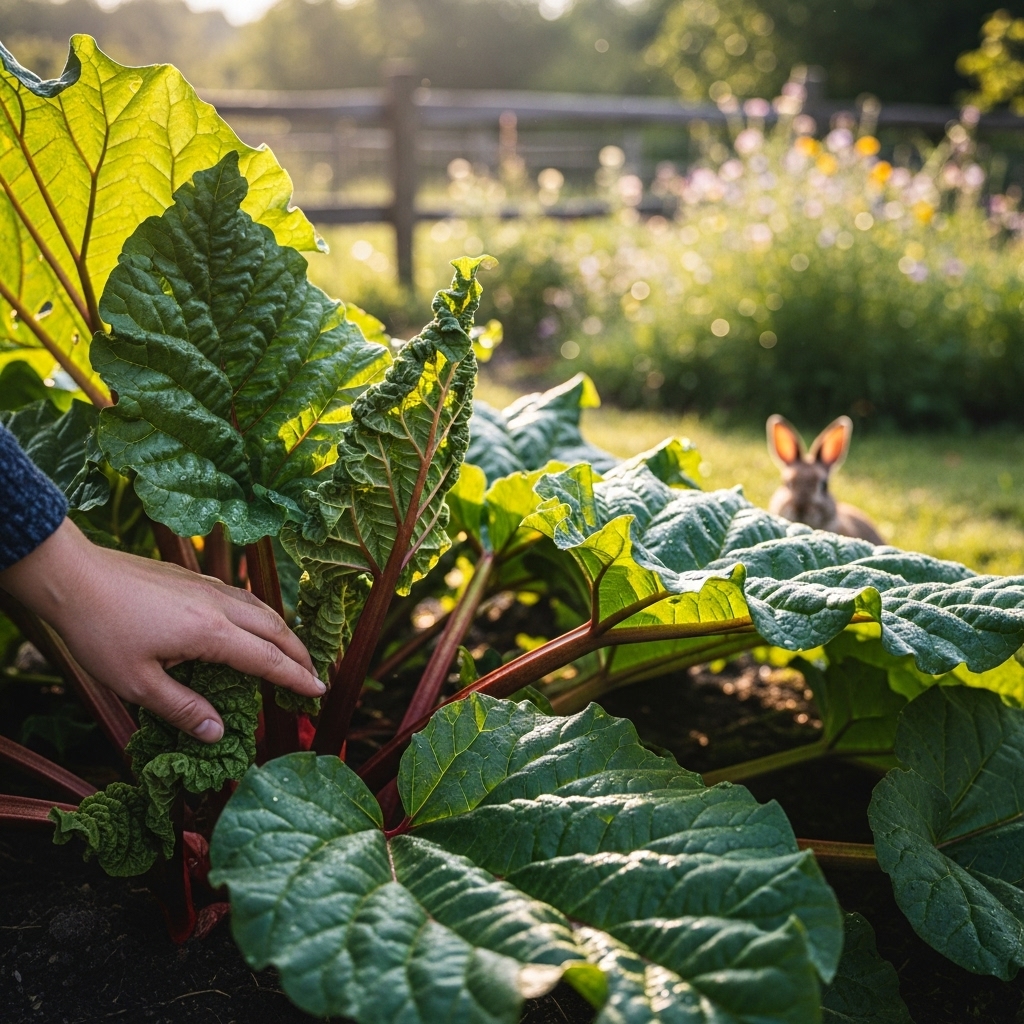
Rhubarb is a perennial vegetable that is often mistaken for a fruit due to its culinary uses. Its thick, fleshy stalks are typically red or green and can reach impressive heights. I remember the first time I encountered rhubarb in my grandmother’s garden; the striking colors and large leaves were captivating. The tartness of rhubarb is what makes it a popular ingredient in pies and jams, adding a delightful zing to sweet dishes.
Botanical Classification of Rhubarb
Botanically, rhubarb belongs to the family Polygonaceae, which makes it related to buckwheat and sorrel. Its scientific name is Rheum rhabarbarum. This classification has always fascinated me; I never realized how interconnected plants can be until I started learning about them. Rhubarb thrives in cooler climates, making it a favorite in northern gardens. The plant itself is quite hardy, with a growth cycle that can last for many years if properly cared for. Read Interesting article: Arizona Caterpillars Exposed: Identify Your Desert Crawlers!
Common Uses of Rhubarb
Rhubarb is most often associated with desserts, particularly in recipes for rhubarb pie, where its tartness beautifully balances sweetness. I’ve made rhubarb crisp a few times, and the way the flavor melds with sugar and spices is simply delightful. Beyond desserts, rhubarb can also be used to make sauces, beverages, and even savory dishes. Interestingly, its leaves are sometimes used in ornamental arrangements due to their striking appearance, but this is where caution is needed. Many people are unaware that the leaves contain harmful substances, making them inedible.
Is Rhubarb Plant Poisonous? Exploring Toxicity
General Toxicity of Rhubarb
When discussing whether rhubarb is poisonous, it’s crucial to clarify that while the plant is not inherently toxic, it does possess parts that are harmful. The primary concern lies with the leaves. I’ve always found it important to educate myself about what I grow or consume, and rhubarb is no exception. The leaves harbor significant amounts of oxalic acid and anthraquinone glycosides, which can lead to serious health issues if ingested. It’s a stark reminder that not all parts of a plant are safe, even if the edible parts are enjoyed widely.
Health Risks Associated with Rhubarb
Ingesting rhubarb leaves can lead to a range of health issues, from mild digestive discomfort to severe poisoning. Symptoms might include nausea, vomiting, and diarrhea. I once read a story about someone who mistakenly thought they could use the leaves in a salad, not realizing the danger. This experience serves as a cautionary tale; the high levels of oxalic acid can interfere with calcium absorption and lead to kidney stones. For those who enjoy gardening or cooking with rhubarb, knowing which parts are safe is essential to avoid these risks.
Symptoms of Rhubarb Poisoning
Recognizing the symptoms of rhubarb poisoning can be vital if someone accidentally ingests the toxic leaves. Symptoms typically present within a few hours and can include extreme stomach pain, a burning sensation in the throat, and difficulty breathing. I remember a friend expressing concern after their child nibbled on a leaf, and it was a scary moment. It’s vital to act quickly in such situations, as severe cases may require medical intervention. Always keep in mind that the sooner the symptoms are recognized, the better the chances of a swift recovery.
Identifying Toxic Parts of the Rhubarb Plant
Leaves: The Most Toxic Part
When I think about rhubarb, my mind immediately pictures those oversized leaves. They look so lush and inviting but, as I’ve learned, they’re also the most dangerous part of the plant. These leaves contain the highest concentrations of oxalic acid and anthraquinone glycosides. I can’t help but feel a little uneasy knowing that something so beautiful can pose such a risk. It’s important to educate ourselves about these leaves; even a small bite can lead to significant health issues. In our gardening adventures, we’ve made it a rule to keep the leaves far away from our cooking and dining areas, just to be on the safe side.
Stems: Are They Safe to Eat?
The good news is that the stalks of the rhubarb plant are safe to eat and are the parts we typically enjoy. I remember the first time I sliced into a fresh stalk; the crunch and vibrant color were delightful. Cooking rhubarb transforms its tartness into a sweet delight, especially when combined with sugar in recipes. However, it’s essential to ensure that the stalks are properly cleaned and prepared before cooking. I’ve found that removing any blemishes or tough outer layers can enhance the overall taste and texture. While the stalks are delicious, we should always remain vigilant about the leaves and keep them out of reach.
Roots and their Toxicity
Interestingly, the roots of the rhubarb plant are also considered toxic, but not in the same way as the leaves. In my exploration of rhubarb, I discovered that the roots contain some of the same harmful compounds, albeit in lower concentrations. Traditionally, rhubarb roots have been used in herbal medicine, mainly for their laxative properties. However, I’ve learned that consuming rhubarb root can still lead to adverse effects, especially if taken in large amounts. It’s a reminder that not all plant parts are created equal, and just because something has historical uses doesn’t mean it’s always safe. It’s best to stick to the stalks for culinary adventures.
Safe Consumption of Rhubarb
Cooking and Preparation Methods
Cooking rhubarb is where the fun begins! I’ve tried various methods, but my favorite is probably making a classic rhubarb pie. The key to preparing rhubarb is to remember that it should always be cooked before eating. This process not only enhances the flavor but also helps to neutralize some of the oxalic acid present in the stalks. I’ve noticed that adding a bit of sugar or pairing rhubarb with sweeter fruits like strawberries can create a wonderful balance of flavors. Stewing rhubarb is another great option; it allows the natural sugars to come out and makes for a delicious topping on yogurt or pancakes.
Recommended Portions and Serving Sizes
When it comes to eating rhubarb, moderation is crucial. I’ve read that the recommended serving size is about 1 cup of cooked rhubarb, which provides a good balance of flavor without overdoing it. Personally, I like to mix it with other fruits, which helps to tone down the tartness while also providing a variety of nutrients. I’ve found that by enjoying rhubarb as part of a larger dish, I can savor its unique flavor without worrying about overindulging. It’s always important to listen to our bodies and pay attention to how we feel after eating it.
Health Benefits of Eating Rhubarb
There are some surprising health benefits to consuming rhubarb that I’ve come to appreciate. For one, rhubarb is a good source of dietary fiber, which is beneficial for digestion. I often incorporate it into my diet when I’m trying to boost my fiber intake. Additionally, it contains vitamins C and K, both of which support immune function and bone health. I’ve also learned that the antioxidants in rhubarb can help combat oxidative stress in our bodies. So, while we need to be cautious about its toxic parts, enjoying the stalks in moderation can be a flavorful way to add some health benefits to our diet.
Common Myths and Misconceptions
Debunking Rhubarb Myths
Throughout my journey with rhubarb, I’ve come across several myths that can lead to confusion. One of the most common misconceptions is that all parts of the rhubarb plant are edible, thanks to the popularity of its stalks. I can understand why people might think this, especially if they see beautiful rhubarb leaves and assume they’re safe. However, as we’ve discussed, the leaves are highly toxic, and it’s essential to clarify this point. I remember being surprised when I first learned that such a vibrant and appealing part of the plant could be so dangerous.
Another myth is that cooking rhubarb completely neutralizes its toxicity. While cooking does reduce some of the oxalic acid levels in the stalks, it doesn’t eliminate the risks associated with the leaves. I’ve noticed that some people will still try to experiment with using leaves in recipes, thinking that cooking will make them safe. This is a dangerous gamble, and I highly recommend sticking to the stalks only. There’s plenty of deliciousness to be had without taking unnecessary risks!
Lastly, there’s the belief that rhubarb can be used as a vegetable or a fruit interchangeably. In reality, rhubarb is primarily classified as a vegetable, even though we often use it in sweet dishes like fruit. I’ve found it helpful to think of rhubarb as a unique ingredient that bridges the gap between the two categories. This categorization can influence how we cook with it, and understanding its role can enhance our culinary experiences.
Comparing Rhubarb to Other Toxic Plants
When I first began exploring edible plants, I noticed that rhubarb is often mentioned in the same breath as other toxic plants. Some friends have asked me how it compares to well-known toxic plants like nightshade or hemlock. I think it’s important to recognize that while rhubarb does have toxic parts, it’s not in the same league as these other plants. For example, nightshade contains alkaloids that can cause severe poisoning or even death, while rhubarb’s toxicity is primarily related to its leaves, which are not commonly consumed.
In my experience, understanding the distinctions between these plants helps us appreciate rhubarb more. For instance, while both nightshade and hemlock can be deadly, rhubarb has a long history of safe consumption when prepared correctly. I’ve learned to always do my research, especially when trying new plants in the kitchen. Knowing what to watch out for can make the difference between a delightful dish and a dangerous situation.
I’ve also discovered that some plants, like elderberries, have toxic parts but are generally safe when cooked properly. This parallel with rhubarb reinforces the importance of education and preparation in our kitchens. We can embrace the culinary world with curiosity while also respecting the plants we use.
What to Do if Poisoning Occurs
Immediate Actions to Take
If someone ingests rhubarb leaves or suspect they may have come into contact with the toxic parts of the plant, knowing what to do next is crucial. I remember feeling anxious when I learned about the potential dangers of various plants, and having a plan in mind can help alleviate some of that fear. The first step is to remain calm. Panic can make a situation worse, so take a deep breath and assess the situation.
The next immediate action is to ensure that the person who may have ingested the leaves does not induce vomiting. I’ve read that this can sometimes cause more harm than good. Instead, it’s best to rinse their mouth with water and offer them small sips of water if they can swallow. I’ve found that keeping the person comfortable is essential. If they’re showing any signs of distress or discomfort, monitoring their symptoms is key.
When to Seek Medical Help
In some cases, it’s necessary to seek medical help. If the individual experiences severe symptoms such as extreme stomach pain, difficulty breathing, or persistent vomiting, it’s vital to get them to the emergency room or call poison control. I remember a time when a friend’s child accidentally ingested something potentially harmful, and quick action made all the difference. Having a number for poison control saved us valuable time, and I recommend everyone have that information easily accessible.
For mild symptoms, it might be appropriate to wait and observe how they respond after taking initial measures. However, trusting your instincts is important; if something feels off, don’t hesitate to get help. I’ve learned that being proactive can sometimes save a lot of trouble down the line.
Long-term Effects of Rhubarb Poisoning
Understanding the long-term effects of rhubarb poisoning can also be enlightening. While most mild cases may resolve without serious consequences, more severe cases can lead to lasting health issues. I remember reading about individuals who suffered kidney damage after consuming significant amounts of rhubarb leaves. This highlighted the importance of knowing the risks associated with any plant we choose to consume, even those we might consider familiar.
In my opinion, the best approach is to treat rhubarb with respect and caution. By embracing its delicious stalks while remaining wary of the leaves, we can enjoy all the benefits rhubarb has to offer without jeopardizing our health. Learning about the potential risks, symptoms, and appropriate actions to take can empower us in the kitchen and beyond.
Frequently Asked Questions
1. Is rhubarb plant poisonous?
Rhubarb is not entirely poisonous, but its leaves are highly toxic, containing oxalic acid and anthraquinone glycosides. The stalks are safe to eat when cooked, but the leaves should be avoided entirely.
2. What parts of the rhubarb plant are safe to eat?
The stalks of the rhubarb plant are safe to eat and commonly used in cooking. However, the leaves and roots are considered toxic and should not be consumed.
3. What health risks are associated with consuming rhubarb leaves?
Ingesting rhubarb leaves can lead to health issues ranging from mild digestive discomfort to severe poisoning, with symptoms including nausea, vomiting, and diarrhea. High levels of oxalic acid can also interfere with calcium absorption and lead to kidney stones.
4. What are the symptoms of rhubarb poisoning?
Symptoms of rhubarb poisoning can present within a few hours and may include extreme stomach pain, a burning sensation in the throat, and difficulty breathing.
5. How should rhubarb be prepared for safe consumption?
Rhubarb should always be cooked before eating, as cooking enhances the flavor and helps to neutralize some of the oxalic acid present in the stalks.
6. What is the recommended serving size for cooked rhubarb?
The recommended serving size for cooked rhubarb is about 1 cup, which provides a good balance of flavor without overindulging.
7. Are there any health benefits to eating rhubarb?
Yes, rhubarb is a good source of dietary fiber, vitamins C and K, and contains antioxidants that can help combat oxidative stress in the body.
8. Can cooking rhubarb leaves make them safe to eat?
No, cooking does reduce some of the oxalic acid levels in the stalks but does not eliminate the risks associated with the leaves, which remain toxic regardless of preparation.
9. What should you do if someone ingests rhubarb leaves?
If someone ingests rhubarb leaves, remain calm and do not induce vomiting. Rinse their mouth with water and offer small sips of water if they can swallow. Monitoring their symptoms is key.
10. When should medical help be sought after rhubarb poisoning?
Medical help should be sought if the individual experiences severe symptoms such as extreme stomach pain, difficulty breathing, or persistent vomiting. For mild symptoms, it may be appropriate to wait and observe their response after initial measures.