
Yes, snake plants are toxic to cats. They contain saponins, which can cause gastrointestinal upset and other symptoms if ingested. As a cat owner, it’s crucial to be aware of this to keep your feline friend safe. For more information on similar plants, you can check out Are Spider Plants Poisonous to Cats? Safety Guide.
Understanding Snake Plants
What is a Snake Plant?
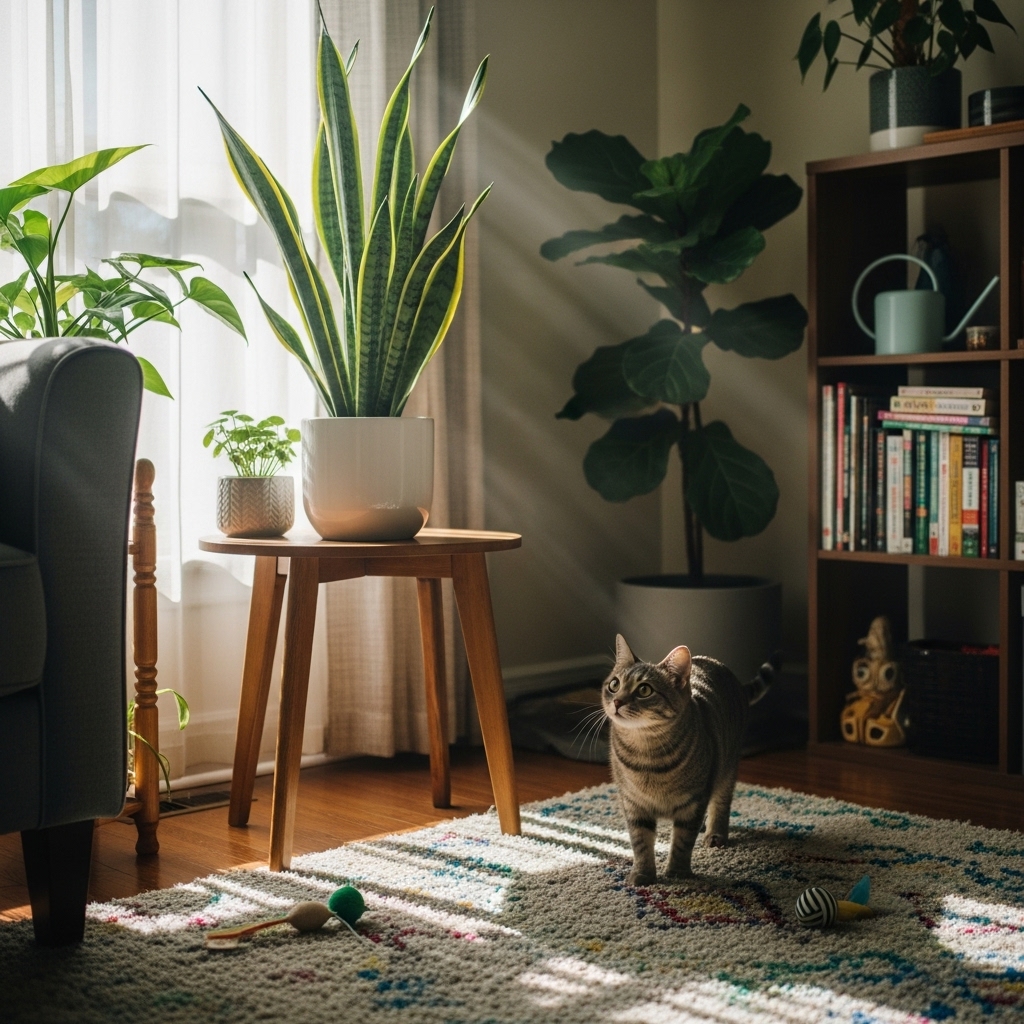
Snake plants, also known as Sansevieria or mother-in-law’s tongue, are popular houseplants known for their striking appearance and resilience. I remember the first time I brought one home; the tall, sword-like leaves with their vibrant green and yellow edges instantly added a touch of elegance to my living space. These plants are native to Africa and are often praised for their air-purifying qualities. They thrive in various conditions, making them a favorite among both novice and seasoned plant enthusiasts.
Common Varieties of Snake Plants
There are several varieties of snake plants, each with unique characteristics. The most common ones include:
- Sansevieria trifasciata: This is the classic snake plant with upright leaves that can grow up to several feet tall. Its striking bands of green and lighter green make it a showstopper.
- Sansevieria cylindrica: Also known as cylindrical snake plant, this variety has round, tubular leaves that can reach impressive heights. They are often sold in decorative planters and can be a fun addition to your home.
- Sansevieria laurentii: Recognized by the yellow margins on its leaves, this variety adds a pop of color to any indoor setting.
Each type of snake plant has its charm, and I’ve found that they all bring a sense of calm to my space. However, while they’re beautiful, it’s essential to consider their toxicity, especially if you have pets. For more details on the toxicity of snake plants, refer to Are Snake Plants Toxic to Dogs? Symptoms + Treatment.
Growth Conditions and Care
Snake plants are incredibly forgiving when it comes to care. They can survive in low light and require minimal watering, which is one of the reasons I’ve kept them around for so long. Here are some essential tips for caring for snake plants:
- Light: Snake plants prefer indirect light but can also tolerate low-light conditions. I’ve noticed that when I place them in a spot with some bright, indirect sunlight, they seem to thrive even more.
- Watering: Overwatering is the most common mistake I see. These plants need to dry out between waterings, so I typically water them every two to three weeks. During the winter months, I reduce this frequency even further.
- Soil: A well-draining potting mix is best. I’ve found that using a cactus or succulent mix works wonders for these plants.
- Temperature: Snake plants prefer temperatures between 60°F and 80°F. They aren’t fond of drafts or extreme temperature changes, so I always keep mine away from windows that are frequently opened in winter.
With these care tips, I’ve seen my snake plants flourish, and it’s been rewarding to watch them grow. However, I always keep in mind that, despite their hardiness, they pose a risk to my cats, which leads me to consider their safety alongside my love for these plants.
Toxicity of Snake Plants
Are Snake Plants Toxic to Cats?
As mentioned earlier, snake plants are indeed toxic to cats. This toxicity is primarily due to the presence of saponins, a natural chemical compound found in many plants. These compounds can lead to a range of symptoms if ingested by cats, and being informed about this aspect has helped me make better choices in my home.
Mechanism of Toxicity
The toxicity of snake plants stems from the saponins, which are produced as a defense mechanism against pests and diseases. When a cat ingests any part of the plant, these saponins can interfere with cellular processes, leading to gastrointestinal distress. I learned this the hard way when I found one of my cats nibbling on a leaf. Understanding how these compounds work has reinforced my resolve to keep my plants out of reach.
Comparison with Other Common Houseplants
It’s interesting to compare snake plants with other houseplants that are also toxic to pets. For example, philodendrons and pothos are well-known for their toxicity to cats, but snake plants are often considered less harmful. This doesn’t mean they are safe, but I find it crucial to be aware of their relative toxicity levels. I always look for non-toxic alternatives, especially since I want my home to be a safe haven for my furry friends.
Warning Signs of Snake Plant Toxicity in Cats
Common Symptoms of Poisoning
If you suspect your cat has ingested a part of a snake plant, it’s important to recognize the common symptoms of poisoning. I remember when I first learned about the signs—having a pet means being vigilant and aware of any changes in their behavior. The symptoms of snake plant toxicity usually include gastrointestinal upset. You might notice your cat experiencing vomiting, diarrhea, or even signs of lethargy. Sometimes, the symptoms may seem mild, but it’s crucial not to overlook them. I’ve noticed that cats can be masters at hiding their discomfort, so it’s essential to pay close attention to any shifts in their routine or behavior.
Severe Symptoms and When to Seek Veterinary Care
In some cases, the effects of snake plant ingestion can escalate. If your cat starts showing severe symptoms—like persistent vomiting, extreme lethargy, or any signs of distress—it’s time to act swiftly. I once had a friend whose cat became overly drooly and started to shake after chewing on a snake plant leaf. That was a clear signal for her to seek veterinary help. Severe reactions can also include difficulty breathing or unusual behavior, which can be quite alarming. I always recommend erring on the side of caution; if you’re in doubt about your cat’s condition, don’t hesitate to contact your veterinarian. Our furry companions rely on us to keep them safe, and sometimes that means making tough calls to ensure their well-being.
Behavioral Changes to Watch For
In addition to physical symptoms, I’ve found that behavioral changes can be just as telling when it comes to potential poisoning. If your cat suddenly becomes withdrawn or seems less interested in their usual activities, it’s worth investigating. I once noticed my cat, who is usually a playful ball of energy, suddenly become disinterested in playtime after nibbling on a snake plant. Changes in appetite, such as refusing food or water, can also be red flags. Being aware of how your cat typically behaves has helped me spot these changes more readily. Our pets communicate with us in their own ways, and paying attention to those signals can make a big difference in their health.
What to Do if Your Cat Ingests a Snake Plant
Immediate Steps to Take
If you catch your cat in the act of munching on a snake plant, don’t panic. The first thing I do is remove the plant from their reach. Keeping calm helps you think clearly. After that, I recommend checking to see how much they’ve eaten. If it’s a small amount, you might not need to take immediate action, but it’s always a good idea to monitor them closely. I’ve learned that keeping a close eye on their behavior for the next few hours helps catch any developing symptoms early. If your cat shows any signs of distress, you’ll need to take the next steps.
When to Contact Your Veterinarian
Knowing when to call your vet can be tricky, but there’s no harm in being cautious. If your cat displays any of the severe symptoms mentioned earlier, or if you’re uncertain about how much of the plant they consumed, it’s always best to reach out to your veterinarian. I remember a time when I hesitated to call because my cat seemed fine, but I eventually decided to get advice. My vet was very reassuring and provided guidance on what to watch for. If nothing else, having that peace of mind is worth it. They can offer advice specific to your cat’s health and situation.
Potential Treatments for Snake Plant Poisoning
Treatments for snake plant poisoning can vary based on the severity of the case. In mild situations, your vet may recommend monitoring your cat at home and providing supportive care, like ensuring they stay hydrated. However, if the symptoms are more severe, they may need to induce vomiting or administer activated charcoal to prevent further absorption of the toxins. I’ve learned that the treatment method depends on how long ago the ingestion occurred and how much of the plant was consumed. When I had to take my friend’s cat to the vet, the vet provided immediate care, and within a few hours, the cat was feeling much better. It’s such a relief to know that prompt action can lead to a positive outcome.
Safe Care Practices for Cat Owners
Best Placement for Snake Plants in a Cat-Friendly Home
When it comes to keeping snake plants in a home with cats, placement is key. I’ve learned the hard way that no matter how high I think I’ve put a plant, my curious cats always find a way to reach it. I recommend placing snake plants on high shelves or in hanging planters. This not only keeps them out of reach but also creates a visually appealing display. If you don’t have high spaces available, consider using plant stands that elevate your snake plants off the ground. I found that this simple adjustment can make a significant difference in both the safety of my cats and the overall aesthetic of my living space.
Additionally, consider placing snake plants in areas where your cat doesn’t spend much time. If you have a room or corner that your cats rarely visit, that could be an ideal spot. I often switch up the arrangement of my plants to see what looks best, but I’m always mindful of where my cats like to roam. Keeping the plants in less frequented areas gives me peace of mind.
Alternatives to Snake Plants for Cat Owners
If you’re a cat owner who loves plants but wants to avoid the risks associated with toxic varieties like snake plants, don’t worry—there are plenty of beautiful, non-toxic alternatives. I did some research and found that spider plants, Boston ferns, and certain types of palms are safe for cats. I’ve even created a little indoor jungle with these plants, and my cats love exploring it without the worry of toxicity. For more on spider plants, check out Are Spider Plants Toxic to Dogs? Safety Guide.
Another fantastic option is the cat grass, which is not only safe but also beneficial for our feline friends. It provides them with a natural source of fiber, which can aid digestion and help prevent hairballs. I’ve seen my cats enjoy munching on it, and it’s a delightful sight to watch them happily nibble. Incorporating these non-toxic plants into your home can provide the greenery you love while ensuring your pets remain safe.
Creating a Safe Indoor Environment for Cats
Ensuring a safe indoor environment goes beyond just selecting the right plants. I’ve realized that it’s essential to create a space where my cats can explore safely. This means being mindful of other potential hazards, like small objects, toxic cleaning supplies, and other plants that might not be cat-friendly. I’ve taken the time to cat-proof my home, and it’s paid off in reducing my worries.
Consider using barriers or pet gates to keep your cats out of areas where you have snake plants or other toxic plants. I’ve found this especially useful in rooms where I have my plants displayed. Additionally, using natural deterrents can help keep cats away from certain areas. For instance, I’ve sprinkled some citrus peels around plants, as many cats dislike the scent of citrus. It’s amazing how simple tactics can keep both my plants and my cats safe.
Also, providing plenty of engaging cat toys and climbing structures can help satisfy your cats’ natural curiosity. I’ve noticed that when my cats have access to stimulating play and exploration options, they are less likely to get into trouble with my plants. Creating a balance between a cat-friendly home and my love for greenery has been a rewarding journey, and I encourage other pet owners to find that sweet spot too.
Frequently Asked Questions
Are snake plants toxic to cats?
Yes, snake plants are toxic to cats due to the presence of saponins, which can cause gastrointestinal upset and other symptoms if ingested.
What are the common symptoms of snake plant poisoning in cats?
Common symptoms of snake plant poisoning in cats include gastrointestinal upset, vomiting, diarrhea, and signs of lethargy.
What should I do if my cat ingests a snake plant?
If you catch your cat munching on a snake plant, remove the plant from their reach and monitor them closely for any developing symptoms.
When should I contact my veterinarian regarding my cat’s health after ingesting a snake plant?
You should contact your veterinarian if your cat displays severe symptoms like persistent vomiting, extreme lethargy, or if you are uncertain about how much of the plant they consumed.
What kind of care do snake plants require?
Snake plants prefer indirect light, minimal watering every two to three weeks, well-draining potting mix, and temperatures between 60°F and 80°F.
What are some alternatives to snake plants for cat owners?
Non-toxic alternatives to snake plants for cat owners include spider plants, Boston ferns, certain types of palms, and cat grass.
How can I keep snake plants safe in a home with cats?
To keep snake plants safe in a home with cats, place them on high shelves, use hanging planters, or position them in areas where cats rarely visit.
What severe symptoms should I be aware of if my cat ingests a snake plant?
Severe symptoms include persistent vomiting, extreme lethargy, difficulty breathing, and unusual behavior. If these occur, contact your veterinarian immediately.
How can I create a safe indoor environment for my cats?
To create a safe indoor environment for cats, cat-proof your home by removing potential hazards, using barriers to keep cats away from toxic plants, and providing engaging toys and climbing structures.
What is the mechanism of toxicity in snake plants?
The toxicity of snake plants is due to saponins, which interfere with cellular processes in cats when ingested, leading to gastrointestinal distress.