
Spider plants are generally non-toxic to cats, making them a safe option for pet owners who want to enjoy greenery in their homes. However, while these plants won’t poison your feline friend, it’s important to still monitor your cat’s interactions with them. Read Interesting article: Er Spidervækster Giftige for Katte? Hvad Kæledyrsejere Skal Vide
Table of Contents
Understanding Spider Plants
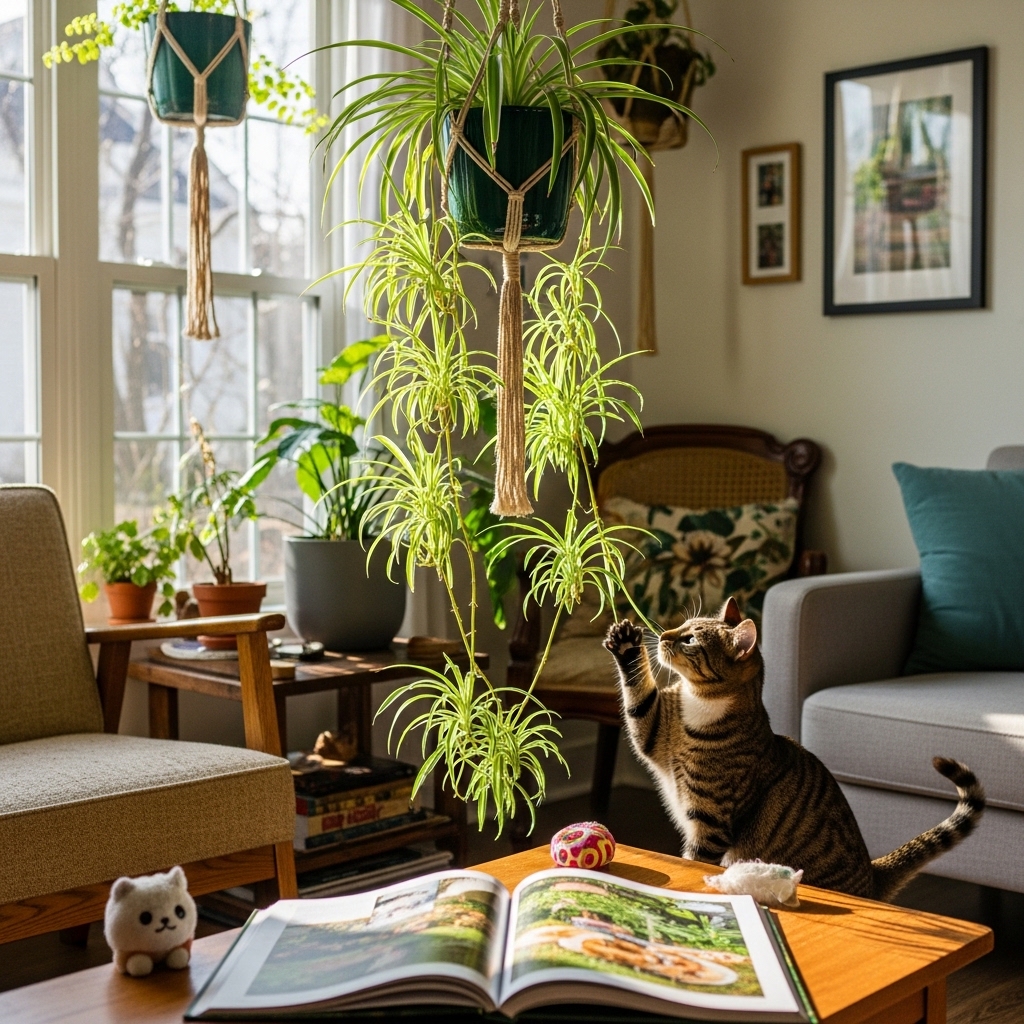
What is a Spider Plant?
The spider plant, known scientifically as *Chlorophytum comosum*, is a popular houseplant admired for its beautiful green foliage and easy care requirements. I remember the first time I brought one home; its long arching leaves and tiny white flowers immediately brightened up my living space. These plants are not just pretty to look at; they have a unique way of propagating themselves through “pups” or small offshoots that can grow into new plants. This characteristic makes them an excellent choice for anyone looking to expand their indoor garden.
Common Varieties of Spider Plants
There are several popular varieties of spider plants that you might come across. The most common is the classic green spider plant, but I’ve also seen variegated versions with white or yellow stripes. Each variety offers a different aesthetic, and I personally love mixing them for a more dynamic look. Some other notable types include the ‘Bonnie’ spider plant, with its curly leaves, and the ‘Ocean’ spider plant, which features wider leaves. Each variety has its unique charm, making it easy to find one that suits your style.
Growth and Care Requirements
Taking care of a spider plant is relatively straightforward, which is part of why they are so beloved. They thrive in bright, indirect sunlight but can also tolerate lower light situations. I recall once placing mine in a slightly darker corner, and while it didn’t flourish as much, it still held its own. Watering is key, and I’ve learned that allowing the top inch of soil to dry out between waterings is the best approach. Overwatering can lead to root rot, which is something I’ve unfortunately dealt with before. A well-draining potting mix and occasional fertilization during the growing season keep these plants happy and healthy. Additionally, spider plants tend to prefer humidity, so misting them occasionally—especially in drier months—can be beneficial.
Are Spider Plants Toxic to Cats?
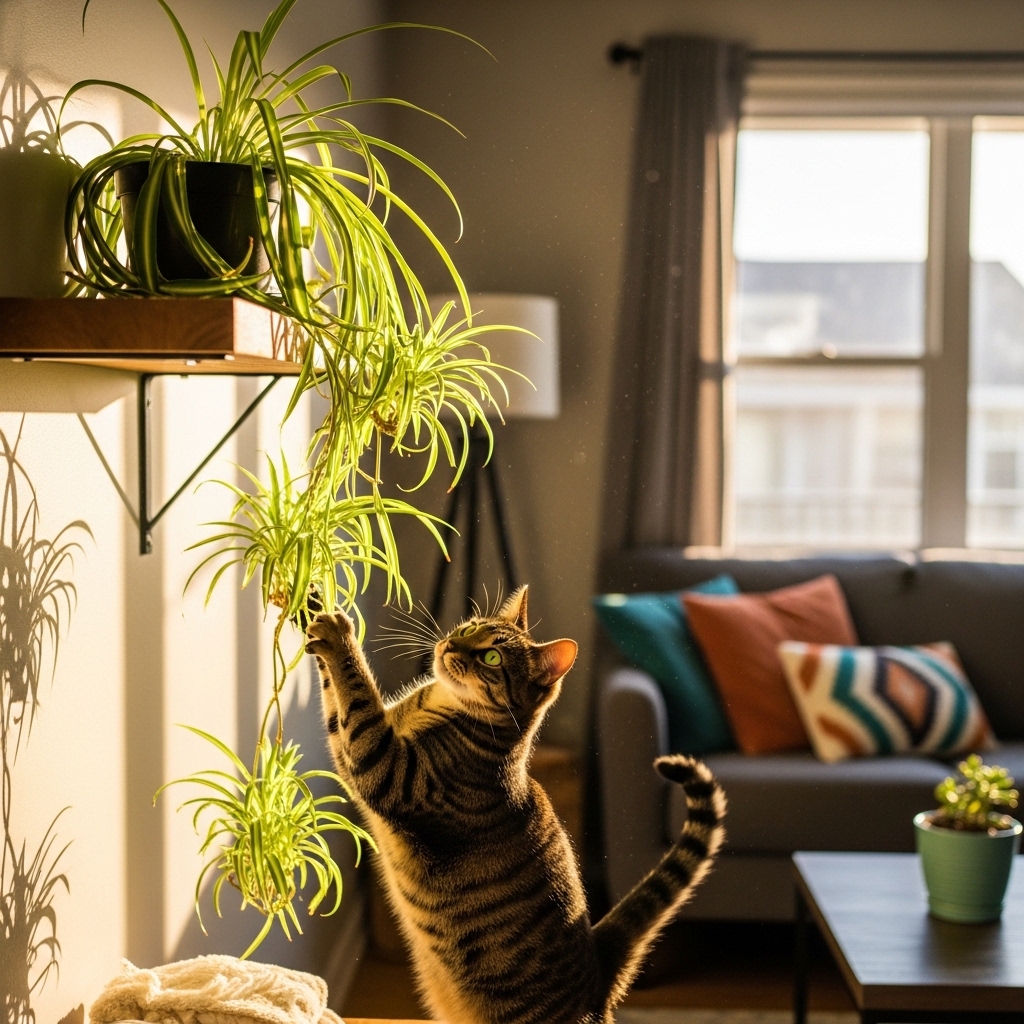
Scientific Classification of Spider Plants
To understand if spider plants are safe for our furry friends, it helps to look at their scientific classification. As mentioned earlier, spider plants belong to the *Chlorophytum* genus. They are considered non-toxic according to sources like the ASPCA, which has been a relief for many pet owners, including myself. Knowing that I can have these beautiful plants without worrying about my cat’s safety gives me peace of mind. This classification means that if your cat were to nibble on a leaf or two, it shouldn’t cause any severe harm. For more information, check out this article on What Plants Are Toxic to Dogs? Full List + Symptoms.
Common Myths About Spider Plants and Cats
There are many myths surrounding the safety of spider plants and cats. I’ve often heard people say that spider plants can cause cats to become sick or behave oddly. While it’s true that cats may be attracted to the long, dangling leaves, it doesn’t mean they are harmful. In fact, I’ve noticed that many cats enjoy chewing on houseplants out of curiosity. Some believe that spider plants can lead to hallucinations in cats due to a compound they contain, but there’s no scientific evidence to back this up. Instead, it’s more likely that your cat is just being playful or bored.
Research Findings on Spider Plants and Pet Safety
Recent studies and expert opinions support the idea that spider plants are safe for cats. My research into this topic led me to various veterinary sources that confirm these plants do not contain any toxic compounds. I also found that while some cats may exhibit minor gastrointestinal upset if they consume large amounts, it’s rarely serious. From my experience, when my own cat has taken a few bites, it usually results in a little stomach upset that passes quickly. So, while it’s still advisable to monitor your pet’s behavior around plants, spider plants shouldn’t be a cause for alarm.
Potential Symptoms of Toxicity in Cats
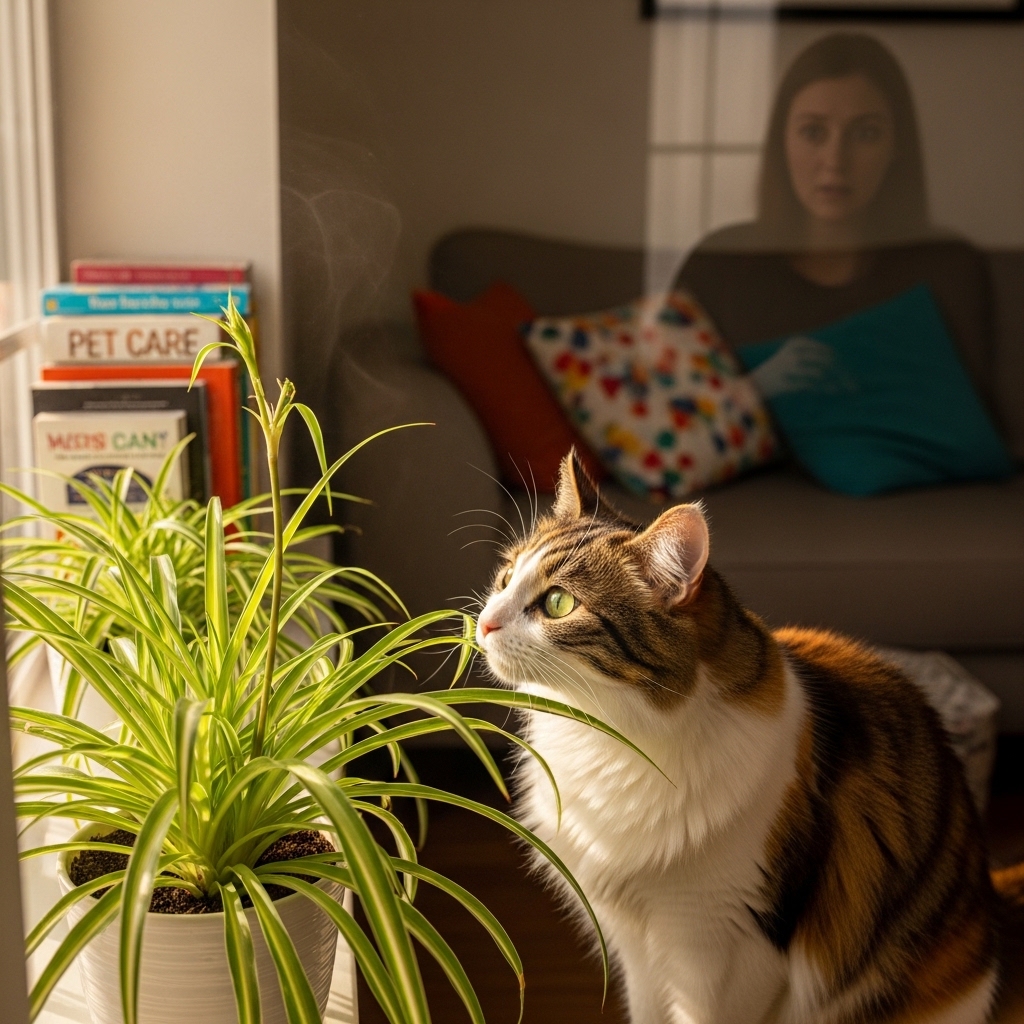
Signs of Poisoning in Cats
Even though spider plants are classified as non-toxic, it’s still essential to know what to look for if you suspect your cat might have ingested something harmful. I remember the first time I saw my cat munching on one of my spider plants; I felt a rush of concern, thinking about what could happen. While spider plants generally don’t pose a serious threat, I’ve learned that it’s useful to be aware of common signs of poisoning or distress in cats. Some symptoms to watch for include:
- Vomiting
- Diarrhea
- Loss of appetite
- Lethargy
- Behavioral changes
If my cat starts exhibiting any of these signs after interacting with a plant, I take it seriously. Although it might just be a reaction to something they consumed, it’s always better to be safe than sorry. The symptoms can vary based on the individual cat and how much they’ve eaten, so keeping a close eye on them is vital.
What to Do If Your Cat Shows Symptoms
When I noticed my cat acting a bit off after snacking on a spider plant, I immediately took action. The first step is to assess the situation. If your cat is displaying mild symptoms like a little vomiting or lethargy, it might just need time to recover. I usually make sure they have access to fresh water and a comfortable spot to rest. However, if the symptoms persist or worsen, I recommend contacting your veterinarian right away. They can provide guidance tailored to your cat’s specific situation.
In some cases, they might suggest bringing your cat in for an examination or recommend treatment options. I’ve found that having my vet’s contact information handy is helpful. They’ve always been reassuring and informative, which has helped me feel more at ease when navigating pet emergencies. Remember, it’s always better to err on the side of caution when it comes to our furry friends.
Safety Precautions for Cat Owners
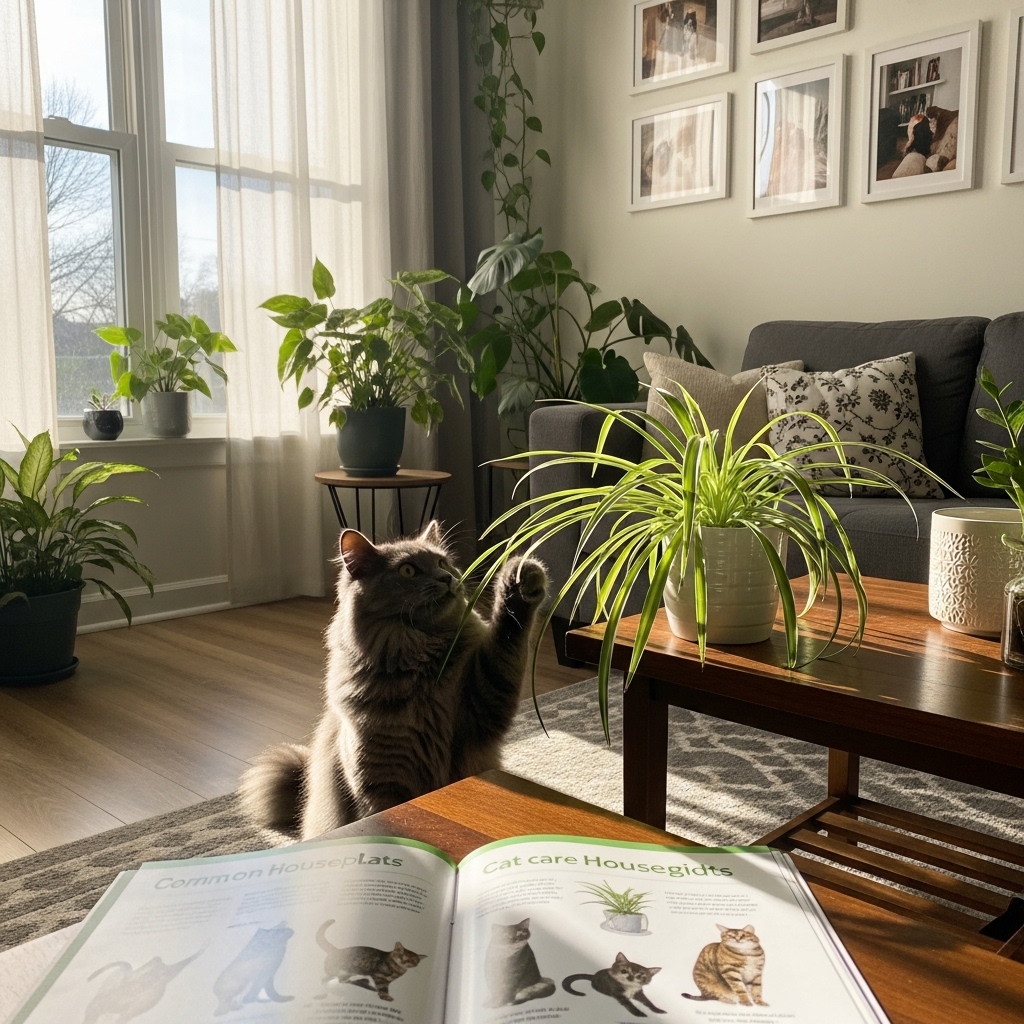
Best Practices for Plant Placement
As a cat owner, I’ve learned that creating a pet-friendly environment while still enjoying indoor plants is possible with a few precautions. One of my favorite practices is to strategically place plants out of my cat’s reach. I’ve found that high shelves or hanging planters can keep the spider plants safe while still letting me enjoy their beauty. It took some experimenting, but now I can have a green space without worrying about my cat getting too curious.
Another option I considered was using decorative plant stands. These can elevate your plants, making them less accessible to playful paws. I remember one time, after I set up a beautiful stand for my spider plant, my cat was still determined to investigate but couldn’t reach it! It was a small win in the ongoing battle between my love for plants and my cat’s natural curiosity. Keeping an eye on your cat’s behavior around plants is key; if you notice them showing too much interest, it might be time to change up your plant placement.
Alternatives to Spider Plants for Cat Owners
If you’re still worried about having spider plants around your cat, there are plenty of other non-toxic plants to consider. I’ve explored various options and found some great alternatives that are equally beautiful and safe. For instance, cat grass is a fantastic choice; not only is it safe, but it also gives cats something to chew on that can aid their digestion. My cat loves it, and I enjoy seeing her happily munching away.
Some other lovely alternatives include:
- Boston Fern
- Areca Palm
- Calathea
- Ponytail Palm
- Parlor Palm
Each of these plants brings its unique charm to your home while keeping your feline friend safe. I like to mix and match different plants to create a vibrant atmosphere. It’s comforting to know that I can have greenery around without worrying about my cat’s safety. Plus, I’ve heard that having plants can positively affect the mood in a home, and I wholeheartedly agree!
Benefits of Spider Plants for Your Home
Air-Purifying Properties
One of the best things about spider plants, aside from their beauty, is their amazing ability to purify the air. I was pleasantly surprised to learn that these plants can remove toxins like formaldehyde and xylene from the air, which is a huge plus for anyone concerned about indoor air quality. I remember reading about their air-purifying properties and decided to place a few around my living room and bedroom. The difference in how fresh the space feels is incredible!
Having a few spider plants in your home not only adds a lovely touch of greenery but also contributes to a healthier living environment. I find it especially beneficial during the winter months when windows are often closed, and indoor air can get stale. I’ve experienced firsthand how having these plants around can make the air feel lighter and more vibrant.
Non-Toxic Alternatives for Cat Owners
For those of us with curious cats, the non-toxic nature of spider plants is a major benefit. However, it’s nice to know that if I ever want to switch things up, there are plenty of other options out there. I’ve come across many other beautiful, non-toxic plants that can thrive alongside my cat. This variety allows me to experiment with different looks in my home without sacrificing my pet’s safety.
By actively choosing plants that are safe for pets, I feel like I’m creating a nurturing environment for both my greenery and my furry friend. It’s a wonderful balance, and I genuinely enjoy every moment spent caring for my plants while knowing my cat can roam freely without any worries.
Frequently Asked Questions
Can Cats Eat Spider Plant Leaves?
Many cat owners, including myself, often wonder if it’s okay for our pets to nibble on spider plant leaves. While I’ve learned that spider plants are non-toxic, I still think it’s best to approach the situation with caution. Cats are naturally curious creatures, and they may chew on the leaves out of instinct or boredom. From my experience, if my cat decides to munch on a leaf or two, she usually doesn’t have any severe reactions. However, I’ve noticed that too much of anything can lead to a bit of an upset stomach. So, while it’s generally safe, I recommend keeping an eye on your cat and ensuring they don’t overindulge.
What Other Houseplants Are Safe for Cats?
As someone who loves having plants around, I can appreciate the need for alternatives that are also safe for our furry friends. Besides spider plants, there are several beautiful houseplants that won’t pose a risk to our cats. Here are a few that I’ve personally enjoyed having in my home:
- Ponytail Palm: This quirky plant adds a fun touch with its unique shape and isn’t harmful to cats.
- Boston Fern: With its lush, feathery leaves, this plant thrives in humidity and is safe for pets.
- Areca Palm: A favorite of mine, this palm not only looks great but also purifies the air.
- Calathea: Known for its striking patterns, calathea is another non-toxic beauty to consider.
- Parlor Palm: This classic houseplant is easy to care for and safe for curious cats.
In my quest to curate a pet-friendly plant collection, I’ve found joy in mixing these plants with spider plants for a vibrant display. It’s a comforting feeling knowing I can create a lively, lush environment without putting my cat’s health at risk.
How to Care for Spider Plants Around Pets
Caring for spider plants while ensuring they’re safe for our pets can be a balancing act, but I’ve discovered some effective strategies. First, I make sure to monitor my plants regularly for any signs of damage from my cat’s playful antics. If I notice any chewed leaves, I might consider relocating the plant to a more secure spot. I also ensure that all my plants, including spider plants, are placed in sturdy pots to prevent any accidental tipping or spills.
Watering is another aspect I keep an eye on. I learned that it’s best to water my spider plants when my cat isn’t around, just in case she gets curious about the dripping water. Additionally, I’ve found that using a well-draining potting mix helps prevent overwatering, which is crucial for plant health and reduces any potential mess.
Furthermore, I try to engage my cat with other toys and activities to satisfy her curiosity. Providing alternatives like cat grass or interactive toys can keep her entertained and distracted from my beloved spider plants. It’s all about finding that perfect balance between nurturing my green friends and ensuring my cat stays safe and happy.
Frequently Asked Questions
Are spider plants toxic to cats?
No, spider plants are generally considered non-toxic to cats, according to sources like the ASPCA. They won’t poison your feline friend, but it’s still important to monitor their interactions with the plants.
What is a spider plant?
The spider plant, scientifically known as *Chlorophytum comosum*, is a popular houseplant known for its beautiful green foliage and easy care requirements. It propagates itself through “pups” or small offshoots.
What are the common varieties of spider plants?
Common varieties of spider plants include the classic green spider plant, variegated versions with white or yellow stripes, the ‘Bonnie’ spider plant with curly leaves, and the ‘Ocean’ spider plant featuring wider leaves.
What are the care requirements for spider plants?
Spider plants thrive in bright, indirect sunlight but can tolerate lower light. They prefer to have the top inch of soil dry out between waterings and benefit from a well-draining potting mix and occasional fertilization.
What symptoms should I watch for if my cat interacts with spider plants?
While spider plants are non-toxic, it’s important to watch for signs of poisoning or distress in cats, such as vomiting, diarrhea, loss of appetite, lethargy, and behavioral changes.
What should I do if my cat shows symptoms after eating spider plants?
If your cat exhibits mild symptoms like vomiting or lethargy, ensure they have access to fresh water and a comfortable resting spot. However, if symptoms persist or worsen, contact your veterinarian for guidance.
What precautions can I take for plant placement around cats?
To create a pet-friendly environment, consider placing plants out of reach on high shelves or using decorative plant stands. Keeping an eye on your cat’s behavior around plants is also important.
What are some alternatives to spider plants for cat owners?
Some non-toxic alternatives for cat owners include cat grass, Boston Fern, Areca Palm, Calathea, Ponytail Palm, and Parlor Palm. These plants are safe and beautiful options for your home.
How do spider plants purify the air?
Spider plants can remove toxins like formaldehyde and xylene from the air, contributing to a healthier living environment. They are particularly beneficial during winter when indoor air can get stale.
How can I care for spider plants while ensuring my cat’s safety?
Caring for spider plants around pets involves monitoring for damage from your cat, watering when your cat isn’t around, using sturdy pots, and providing alternative toys or activities to keep your cat distracted.