
The sap of Balsam Fir is considered to have natural antiseptic properties. It contains compounds that can inhibit the growth of bacteria and fungi, making it useful for treating minor wounds and infections.
Understanding Balsam Fir and Its Properties
Balsam Fir, scientifically known as Abies balsamea, is a coniferous tree native to North America. It is commonly found in the northeastern United States and Canada. Known for its fragrant aroma and dense foliage, Balsam Fir plays a significant role in various ecological and cultural aspects. The tree has been traditionally used by Indigenous peoples for its medicinal properties, including its sap.
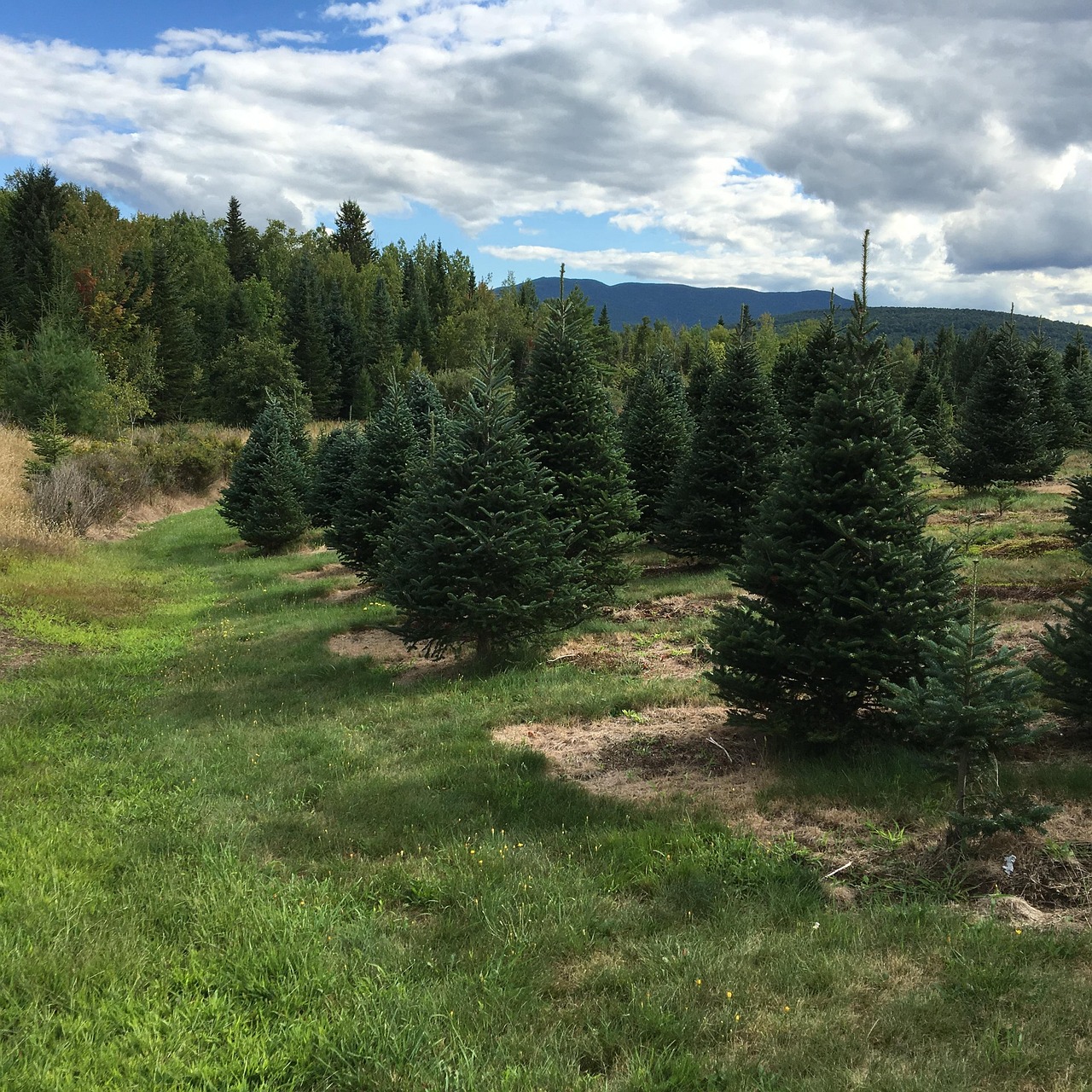
The sap of Balsam Fir is a sticky, resinous substance that exudes from the bark when the tree is injured. This natural resin has been harvested for centuries due to its unique properties. In addition to its pleasant scent, Balsam Fir sap is rich in terpenes and other organic compounds that contribute to its potential health benefits.
Antiseptic Properties of Balsam Fir Sap
Antiseptics are substances that prevent the growth of disease-causing microorganisms. They are commonly used in medical settings to clean wounds and prevent infections. The sap of Balsam Fir contains several components that may provide these antiseptic effects.
- Terpenes: These are organic compounds found in many plants, including Balsam Fir. Terpenes like alpha-pinene and beta-pinene are known for their antimicrobial properties.
- Resin Acids: Resins contain acids that can inhibit bacterial growth. These acids contribute to the protective qualities of the sap.
- Essential Oils: The essential oils derived from Balsam Fir also exhibit antiseptic qualities. They can help to cleanse wounds and promote healing.
Research has shown that various natural resins have antiseptic effects. The specific components of Balsam Fir sap may help in reducing the risk of infection in minor cuts and abrasions. However, while the sap can be beneficial, it is essential to approach its use with caution and awareness.
Historical Uses of Balsam Fir Sap
Historically, Indigenous peoples utilized Balsam Fir sap for various medicinal purposes. They applied it topically to treat wounds, burns, and skin irritations. The sap’s natural stickiness made it a suitable candidate for wound dressing, helping to seal the area and protect it from external contaminants.
In addition to its antiseptic uses, Balsam Fir sap was also used in traditional ceremonies and rituals. The pleasant smell of the resin was believed to purify spaces and ward off negative energies. This cultural significance highlights the deep connection between nature and human practices.
Modern Applications of Balsam Fir Sap
Today, Balsam Fir sap continues to find its place in modern herbal medicine and natural skincare products. Many companies incorporate it into ointments, balms, and salves designed to promote skin health. The growing interest in natural remedies has led to renewed research into the potential benefits of this resin.
| Property | Description |
|---|---|
| Antimicrobial Activity | Inhibits growth of bacteria and fungi. |
| Wound Healing | Promotes healing of minor cuts and abrasions. |
| Natural Aroma | Provides a soothing scent which can enhance mood. |
The sap can be harvested sustainably without harming the tree. This practice not only provides a valuable resource but also encourages the conservation of Balsam Fir forests. As interest in natural products grows, the sustainable harvesting of Balsam Fir sap serves as an example of how we can utilize nature responsibly.
Research into the antiseptic properties of Balsam Fir sap is ongoing. Scientific studies aim to quantify its effectiveness compared to synthetic antiseptics. These findings could pave the way for new applications in healthcare and wellness.
Scientific Studies on Balsam Fir Sap
As interest in natural remedies grows, scientists are conducting studies to explore the antiseptic properties of Balsam Fir sap. These studies aim to understand how effective the sap is in comparison to conventional antiseptics. Research has focused on the chemical composition of the sap and its potential health benefits.
Chemical Composition
The chemical makeup of Balsam Fir sap is complex. It consists of various compounds that contribute to its antiseptic properties. Key components include:
- Resins: These are sticky substances that protect the tree from pathogens and insect damage.
- Essential Oils: These oils are extracted from the needles and bark. They contain antimicrobial properties.
- Phenolic Compounds: Present in many plants, these compounds have antioxidant and antimicrobial effects.
Understanding these components helps researchers assess the efficacy of Balsam Fir sap as an antiseptic. Initial studies suggest that its natural compounds may effectively combat certain bacteria and fungi.
Research Findings
Several studies have examined the antimicrobial activity of Balsam Fir sap. These studies often involve testing the sap against common pathogens. Some relevant findings include:
- Effective Against Staphylococcus aureus: This bacterium is known for causing skin infections. Research indicates that Balsam Fir sap can inhibit its growth.
- Activity Against Fungal Strains: Tests have shown that the sap can be effective against certain fungi, which can cause infections.
- Comparative Studies: Some research compares Balsam Fir sap with synthetic antiseptics, showcasing its potential as a natural alternative.
These findings highlight the importance of further research into the therapeutic uses of Balsam Fir sap. The results may support its use in natural medicine and skincare products.
Applications in Natural Medicine
Balsam Fir sap has various applications in natural medicine. Its antiseptic properties make it a valuable ingredient in many remedies and treatments. Some common uses include:
Topical Applications
The sap can be applied directly to minor cuts, scrapes, and burns. Many people use it as a natural ointment due to its protective qualities. When applied to the skin, it forms a barrier that helps to keep out dirt and bacteria.
Formulations in Herbal Products
Balsam Fir sap is increasingly being incorporated into herbal products. These include:
- Ointments and Balms: Used for soothing irritated skin and promoting healing.
- Salves: Often infused with other natural ingredients, these products enhance skin protection.
- Essential Oil Blends: Used in aromatherapy, these blends utilize the fragrance and potential health benefits of the sap.
Cautions and Considerations
While Balsam Fir sap has many benefits, it is essential to use it wisely. There are some cautions to consider when using this natural product:
- Allergic Reactions: Some individuals may be sensitive or allergic to tree resins. A patch test is advisable before widespread use.
- Purity of Product: Ensure that any commercially available products containing Balsam Fir sap are sourced from reputable suppliers to avoid contamination.
- Not a Substitute for Medical Advice: While it may have antiseptic properties, it should not replace professional medical treatment for serious wounds or infections.
Understanding these considerations is crucial for safe usage. Awareness can help maximize the benefits while minimizing potential risks associated with its use.
Sustainable Harvesting Practices
The sustainable harvesting of Balsam Fir sap is vital for maintaining healthy forests. Proper techniques ensure that trees can recover from sap extraction without significant harm. Here are some key practices:
- Selective Tapping: Only a portion of the tree’s bark should be tapped to allow for continued growth.
- Avoiding Over-Harvesting: Limiting the frequency of tapping helps prevent damage to the tree and surrounding ecosystem.
- Monitoring Tree Health: Regular assessments ensure that tapped trees remain healthy and resilient.
Sustainable practices not only benefit the environment but also support local communities that rely on harvesting Balsam Fir sap for their livelihoods. As awareness of sustainability increases, more consumers are seeking ethically sourced products.
Consumer Interest in Natural Antiseptics
With the growing trend towards natural and organic products, consumer interest in Balsam Fir sap as a natural antiseptic is on the rise. Many individuals are seeking alternatives to synthetic chemicals found in typical antiseptic products. This shift is happening for several reasons.
Health Consciousness
People are becoming more health-conscious and aware of the ingredients in their personal care products. Many consumers prefer products that are:
- Natural: Free from synthetic additives and chemicals.
- Organic: Sourced from organic farming practices.
- Eco-Friendly: Not harmful to the environment.
This trend is influencing manufacturers to explore natural options like Balsam Fir sap for their formulations. The sap offers a viable alternative to conventional antiseptics while aligning with consumer preferences for health and sustainability.
Market Demand for Herbal Products
The demand for herbal and botanical products has surged in recent years. Many consumers are turning to herbal remedies for various health issues. Balsam Fir sap fits into this trend as it is recognized for its potential antiseptic properties. Some factors driving this market demand include:
- Increased Awareness: People are becoming more informed about the benefits of herbal remedies.
- Complementary Health Practices: Many consumers are integrating natural remedies into their overall health regimens.
- Desire for Transparency: Consumers want to know where their products come from and how they are made.
This heightened awareness encourages companies to innovate and create new products featuring Balsam Fir sap, catering to a growing audience interested in natural solutions.
Comparing Balsam Fir Sap with Other Natural Antiseptics
When evaluating Balsam Fir sap, it is helpful to compare it with other well-known natural antiseptics. Understanding the differences can provide insight into its unique advantages and potential applications.
Essential Oils
Essential oils like tea tree oil and lavender oil are popular natural antiseptics. Here’s how they compare:
| Property | Balsam Fir Sap | Tea Tree Oil | Lavender Oil |
|---|---|---|---|
| Antimicrobial Activity | Effective against bacteria and fungi | Strong antibacterial and antifungal properties | Mild antibacterial properties, more soothing |
| Aroma | Pine-like, refreshing scent | Strong medicinal scent | Floral, calming scent |
| Application | Topical application for wounds | Diluted use for skin and hair care | Used in aromatherapy and skin care |
Balsam Fir sap offers a unique aroma and protective qualities that differ from those of essential oils. Each natural antiseptic has its strengths, making them suitable for various applications based on individual needs.
Honey and Aloe Vera
Honey and aloe vera are also known for their antiseptic properties. Comparing these with Balsam Fir sap yields interesting insights:
- Honey: Known for its wound-healing properties due to its antibacterial effects. It is often used in topical ointments.
- Aloe Vera: Commonly used for soothing burns and skin irritations. While it has some antimicrobial properties, its primary benefit lies in hydration and healing.
Balsam Fir sap can complement these substances, offering additional protective benefits when combined in topical formulations.
Future Research Directions
The potential of Balsam Fir sap as a natural antiseptic warrants further investigation. Future research could focus on various aspects, such as:
- Clinical Trials: Conducting rigorous clinical trials to test the effectiveness of Balsam Fir sap against specific pathogens.
- Formulation Development: Creating new products that incorporate Balsam Fir sap alongside other natural ingredients for enhanced efficacy.
- Sustainability Studies: Researching the ecological impact of harvesting practices to ensure long-term sustainability of Balsam Fir resources.
This research can provide valuable insights into the practical applications of Balsam Fir sap in healthcare and wellness, further solidifying its role in natural medicine.
The Cultural Significance of Balsam Fir
Balsam Fir is not only valued for its medicinal properties but also holds cultural significance in many communities. Its presence in folklore and traditions adds depth to its value beyond just a natural resource.
Traditional Uses Among Indigenous Peoples
Indigenous communities have long utilized Balsam Fir for various purposes. These uses include:
- Ceremonial Practices: The sap is often used in rituals for purification and protection.
- Medicinal Applications: Traditional healing practices include using the sap to treat ailments.
- Cultural Symbolism: The tree represents resilience and strength, embodying the spirit of the forest.
The cultural significance enriches the understanding of Balsam Fir beyond its physical properties, connecting people to their heritage and the environment.
Modern Applications and Innovations
The relevance of Balsam Fir sap in contemporary society extends beyond traditional uses. With the increasing demand for natural products, various industries are exploring innovative applications for this resin. The sap’s antiseptic properties make it suitable for a range of modern products.
Cosmetics and Skincare
The cosmetics industry is increasingly leaning towards natural ingredients. Balsam Fir sap is becoming a popular choice in skincare formulations due to its potential benefits. Some applications include:
- Moisturizers: The sap can help form a protective barrier on the skin, locking in moisture while providing antiseptic benefits.
- Wound Care Products: Ointments and creams containing Balsam Fir sap may assist in the healing process of minor cuts and abrasions.
- Soaps and Cleansers: The natural antimicrobial properties make it an attractive ingredient for creating antibacterial soaps.
As consumers continue to seek products with fewer synthetic additives, Balsam Fir sap offers a viable solution that aligns with current trends in the beauty industry.
Natural Remedies and Supplements
The health supplement market is also taking notice of Balsam Fir sap. Its potential health benefits could lead to its incorporation into various herbal remedies. Possible uses include:
- Herbal Tinctures: Extracts of Balsam Fir sap could be formulated into tinctures for topical or internal use, depending on further research findings.
- Natural Antiseptic Sprays: Products designed for cleaning minor wounds may feature Balsam Fir sap as a key ingredient, providing a natural alternative to conventional antiseptics.
- Aromatherapy Applications: The pleasant scent of Balsam Fir sap can be used in aromatherapy, promoting relaxation and well-being.
The versatility of Balsam Fir sap positions it as a valuable asset in the realm of natural remedies and supplements.
Environmental Considerations
As the demand for Balsam Fir sap increases, it is crucial to consider the environmental impact of harvesting practices. Sustainable methods not only protect the trees but also ensure the health of entire ecosystems. Awareness of these practices can help consumers make informed choices when purchasing products containing Balsam Fir sap.
- Conservation Efforts: Supporting companies that prioritize sustainable harvesting can contribute to forest conservation.
- Educating Consumers: Awareness campaigns can inform consumers about the importance of ethical sourcing, encouraging responsible consumption habits.
- Research and Development: Investing in sustainable practices and innovative harvesting techniques can help balance economic interests with environmental stewardship.
By taking these steps, consumers and producers alike can contribute to preserving Balsam Fir forests for future generations while enjoying the benefits of its sap.
Final Thoughts
The sap of Balsam Fir represents a unique intersection of traditional knowledge and modern science. Its natural antiseptic properties have been valued for centuries, and contemporary research continues to uncover its potential benefits. As consumers increasingly turn to natural products, Balsam Fir sap stands out as a promising alternative to synthetic antiseptics.
The cultural significance of Balsam Fir enriches its value as more than just a resource; it symbolizes resilience and connection to nature. Sustainable harvesting practices ensure that this invaluable tree can thrive while meeting the needs of both local communities and global consumers.
As research progresses and applications expand, Balsam Fir sap could play an essential role in natural medicine, skincare, and beyond. Understanding its properties, benefits, and cultural importance invites us to appreciate the richness of our natural world while promoting responsible stewardship. In this way, Balsam Fir sap not only contributes to our health but also nurtures our connection to the environment and each other.