
The Italian alder tree, or Alnus cordata, offers benefits like rapid growth and environmental impact but has drawbacks such as susceptibility to pests and limited durability in woodworking applications.
Table of Contents
The Italian alder, known scientifically as Alnus cordata, is a popular choice for landscaping and woodworking due to its unique characteristics. Understanding its pros and cons is essential for making informed decisions about its use in various applications.
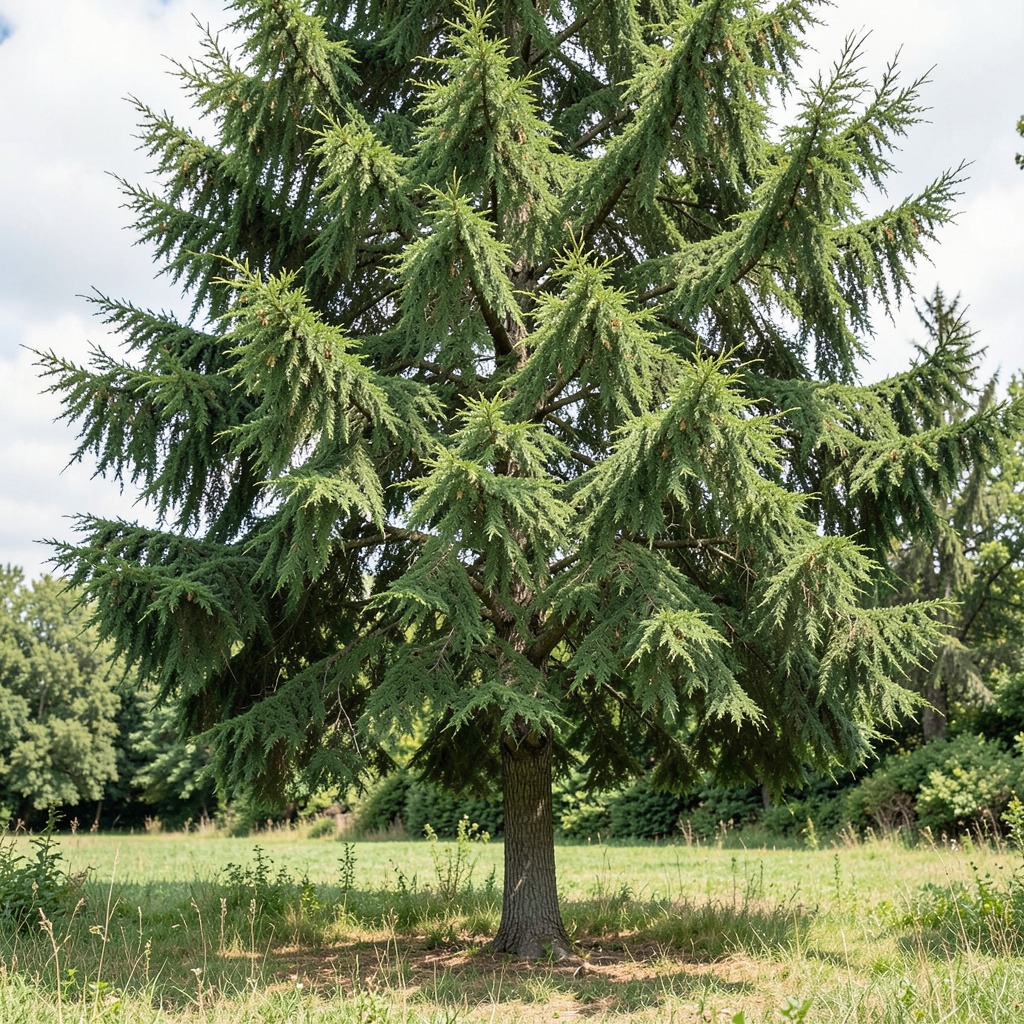
Overview of the Italian Alder Tree
The Italian alder tree, scientifically known as Alnus cordata, is recognized for its versatility in landscaping and its unique wood properties. This tree thrives in various environments, making it a popular choice among gardeners and landscapers.
Characteristics of the Italian Alder
- Scientific Classification: Alnus cordata
- Height: Typically reaches 40 to 60 feet.
- Leaves: Heart-shaped, serrated edges, dark green in color.
- Bark: Smooth and grayish when young, becoming rougher with age.
- Native Habitat: Predominantly found in Italy and parts of Southern Europe, often near riverbanks and wetlands.
Common Uses
The Italian alder serves multiple purposes in both landscaping and woodworking:
- Landscaping:
- Excellent for providing shade and enhancing aesthetic appeal in gardens.
- Effective for erosion control due to its extensive root system.
- Frequently used in wetland restoration projects.
- Woodworking:
- While not as commonly used as other alder species, its wood is valued for its fine grain and ease of working.
- Suitable for crafting furniture, cabinetry, and decorative items.
Environmental Benefits
Planting Italian alder has notable ecological advantages:
- Soil Improvement: It enriches soil with nitrogen due to its symbiotic relationship with specific bacteria.
- Wildlife Habitat: Provides shelter and food for various bird species and insects.
- Flood Mitigation: Its roots help stabilize soil, reducing surface runoff and promoting water retention.
Comparison with Other Alder Species
When comparing Italian alder to other alder species, such as Red Alder (Alnus rubra), several distinctions arise:
- Growth Conditions: Italian alder prefers slightly wetter conditions compared to Red Alder, which is more adaptable to drier soils.
- Wood Properties: Italian alder has a lighter color and finer grain than its counterparts, making it suitable for specific applications where aesthetics are crucial.
Understanding these characteristics helps in assessing the suitability of Italian alder for your landscaping or woodworking needs.
Pros of the Italian Alder Tree
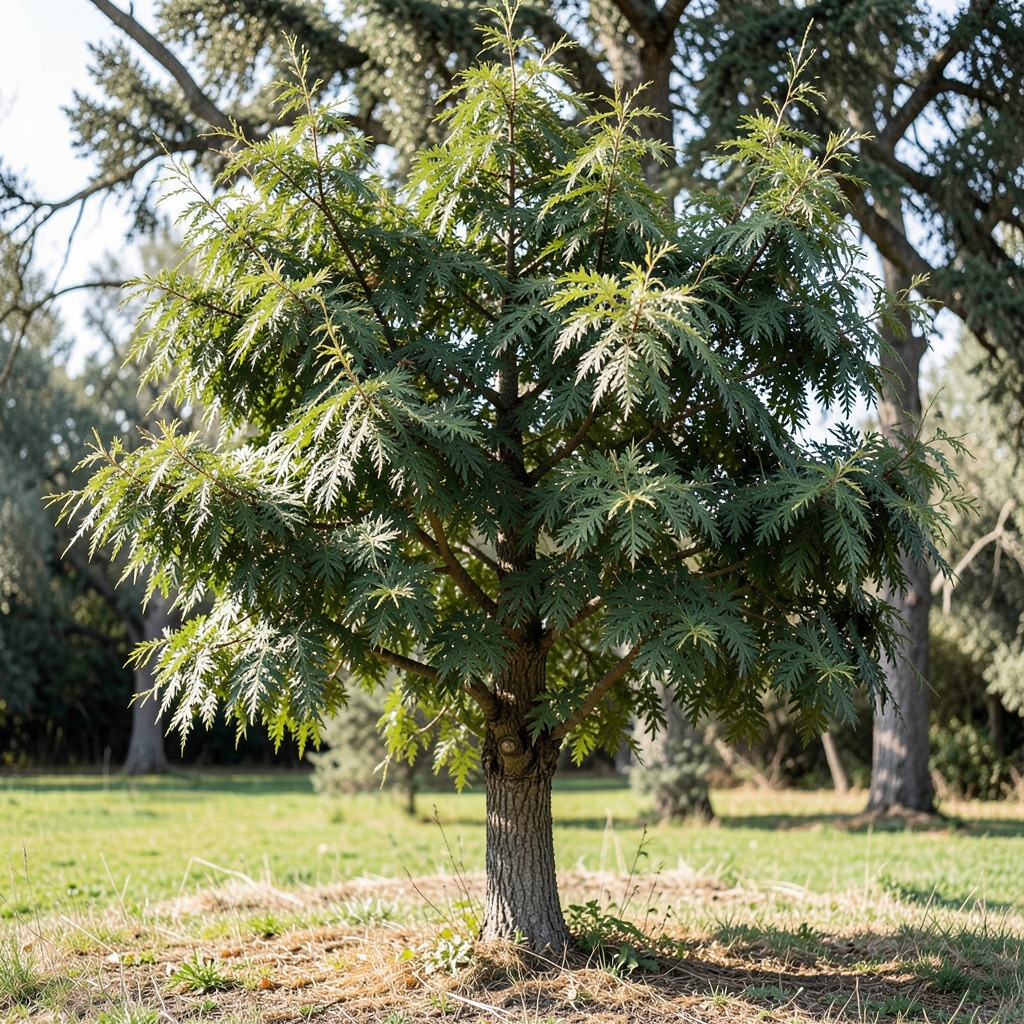
The Italian alder tree (Alnus cordata) boasts several benefits that make it a popular choice for landscaping and ecological projects. Its rapid growth, environmental advantages, and aesthetic versatility are compelling reasons to consider this species.
Rapid Growth and Adaptability
Italian alder is known for its impressive growth rate, often reaching heights of up to 40 feet within just a few years. This rapid maturation makes it an excellent option for quick shade and privacy. Additionally, it thrives in various soil types, particularly in moist environments, making it adaptable to different landscapes.
- Growth Rate: Can grow 3-5 feet per year under optimal conditions.
- Soil Preference: Prefers well-drained, loamy soils but can tolerate wet conditions.
Environmental Benefits
Planting Italian alder contributes positively to the ecosystem. Its extensive root system aids in soil stabilization and reduces erosion. The tree also plays a role in nitrogen fixation, enriching the soil and promoting healthier plant growth in the surrounding area.
- Soil Health: Improves nitrogen levels, benefiting neighboring flora.
- Erosion Control: Roots help bind soil, particularly in riparian zones.
Aesthetic Appeal in Landscaping
The Italian alder’s smooth, attractive bark and lush foliage enhance the visual appeal of gardens and parks. Its striking appearance complements various design styles, from modern to traditional.
- Visual Attributes: Features smooth grayish bark and vibrant green leaves.
- Versatile Uses: Ideal for ornamental plantings, windbreaks, and natural privacy screens.
Consider successful case studies of urban landscaping incorporating Italian alder. For instance, cities have utilized this tree in parks and along streets to provide shade, improve air quality, and enhance urban aesthetics.
The Italian alder tree presents a range of pros that make it a valuable addition to any landscaping project, contributing both functionally and visually to the environment.
Cons and Limitations of the Italian Alder Tree
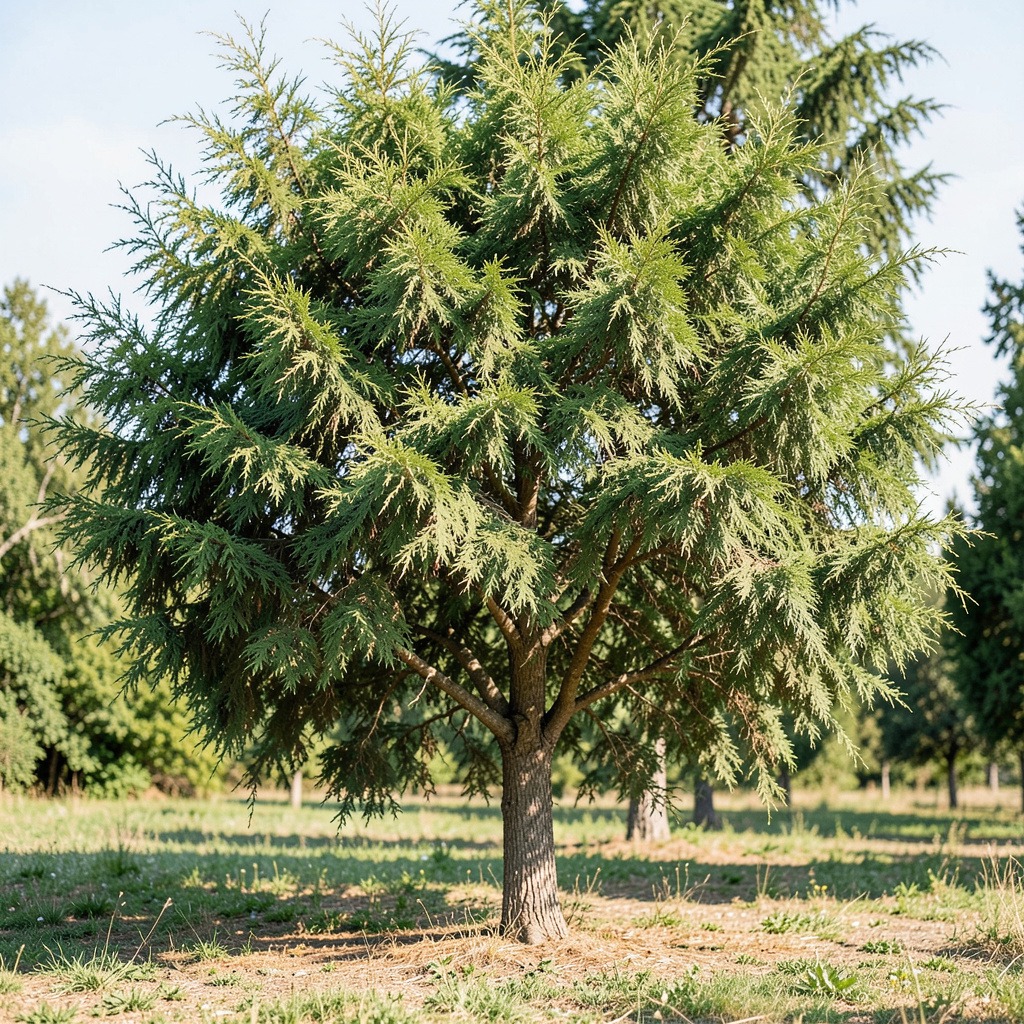
While the Italian alder tree offers numerous benefits, it also presents certain drawbacks. These include susceptibility to diseases, durability issues in woodworking, and specific environmental growth limitations.
Common Diseases and Pests
Italian alders are prone to several diseases and pests that can affect their health and longevity. Key concerns include:
- Alder Leaf Beetle: This pest can defoliate trees, weakening them and making them more susceptible to other issues.
- Root Rot: Caused by fungi in overly wet conditions, this disease can lead to tree decline and death.
- Alder Canker: This fungal infection can cause bark lesions and ultimately girdle the tree.
To manage these threats, regular monitoring and appropriate treatments, such as insecticides or fungicides, are essential. Implementing good cultural practices, like proper spacing and watering, can also reduce the risk of diseases.
Durability Concerns in Woodworking
The wood of the Italian alder, while versatile, has durability limitations. It is relatively soft compared to other hardwoods, making it more susceptible to:
- Dents and Scratches: The softer texture means that Italian alder may not withstand heavy use in high-traffic areas as well as harder woods, such as oak or maple.
- Moisture Damage: Without adequate sealing, alder wood can absorb moisture, leading to warping or decay over time.
To enhance durability, consider applying a protective finish or using the wood in applications where it is less likely to be subjected to heavy wear.
Environmental Growth Limitations
Italian alders thrive in specific environmental conditions. They prefer:
- Moist Soils: They do best in wet, well-drained soils. In drier conditions, their growth can be stunted.
- Partial Shade: While they can tolerate full sun, they often benefit from some shade, especially in hotter climates.
When planting Italian alders, ensure that their growing conditions align with their preferences to promote healthy growth. Consider integrating them into wetland restoration projects or using them as part of a natural privacy screen in areas with adequate moisture.
Growth Conditions and Care for Italian Alder
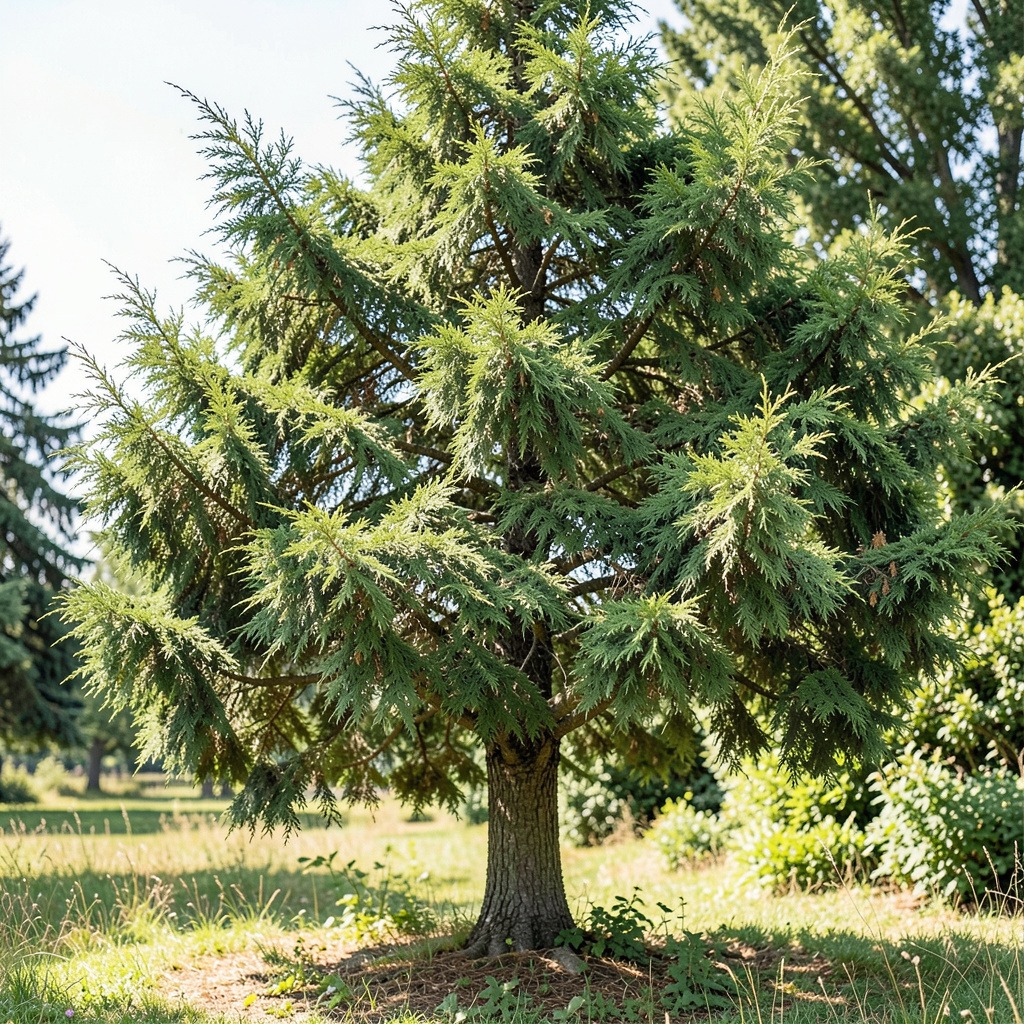
Italian alder trees (Alnus cordata) require specific growth conditions to thrive. Understanding these needs will help ensure healthy development and optimal use in landscaping.
Ideal Soil Types
- Moist, Well-Drained Soils: Italian alders excel in wet, well-drained soils. They prefer a slightly acidic to neutral pH range (6.0 to 7.0).
- Clay or Loamy Soils: These soil types retain moisture effectively. Avoid sandy soils that dry out quickly.
Sunlight Requirements
- Partial Shade Preference: While Italian alders can tolerate full sun, they flourish with some shade. This is particularly important in hotter climates to prevent stress.
- Dappled Sunlight: Planting them in areas where they receive dappled sunlight can enhance their growth and overall health.
Maintenance Practices
Regular maintenance is crucial for the health of Italian alder trees. Follow these guidelines:
- Watering: Ensure consistent moisture, especially during dry periods. Deep watering encourages strong root development.
- Pruning: Prune during the dormant season to remove dead or diseased branches. This encourages healthy growth and improves airflow.
- Fertilization: Use a balanced fertilizer in early spring. This supports growth, especially in nutrient-poor soils.
- Mulching: Apply organic mulch around the base to retain soil moisture and suppress weeds.
Checklist for Optimal Growth Conditions
- [ ] Moist, well-drained soil
- [ ] Slightly acidic to neutral pH (6.0 – 7.0)
- [ ] Partial shade, especially in hot climates
- [ ] Consistent watering
- [ ] Seasonal pruning
- [ ] Spring fertilization
- [ ] Organic mulch application
By adhering to these growth conditions and care practices, you can maximize the benefits of planting Italian alder trees in your landscape. They provide not only aesthetic value but also ecological advantages, such as erosion control and habitat for wildlife.
Comparison with Other Alder Species and Alternatives
Understanding how Italian alder compares to other alder species helps in making informed landscaping decisions. Below, we explore the distinctions between Italian alder and other common types, along with alternatives that serve similar purposes.
Key Differences Between Alder Species
| Feature | Italian Alder (Alnus cordata) | Red Alder (Alnus rubra) | Black Alder (Alnus glutinosa) |
|---|---|---|---|
| Growth Habit | Fast-growing, upright | Medium growth, straight | Tall, spreading form |
| Wood Color | Light brown to grayish | Reddish-brown | Dark brown |
| Soil Preference | Moist, well-drained | Moist, rich | Tolerates wet soils |
| Common Uses | Erosion control, landscaping | Furniture, cabinetry | Plywood, turning |
| Hardiness Zone | 5-9 | 5-9 | 3-7 |
| Environmental Benefit | Nitrogen-fixing | Habitat for wildlife | Stabilizes banks |
Alternative Trees for Landscaping
If Italian alder does not meet your landscaping needs, consider these alternatives:
- Willow (Salix spp.): Excellent for wet areas, fast growth, and attractive foliage.
- River Birch (Betula nigra): Adaptable to wet soils, offers beautiful bark and fall color.
- Eastern Red Cedar (Juniperus virginiana): Drought-tolerant, provides year-round greenery, and is resistant to pests.
Choosing the Right Alder
When selecting an alder species, consider your specific landscaping goals. If you need a tree for erosion control, Italian alder excels due to its nitrogen-fixing ability. Red alder may be preferable for woodworking projects. Always evaluate soil conditions, desired growth rate, and aesthetic preferences to make the best choice for your landscape.
Practical Uses of Italian Alder in Landscaping
The Italian alder (Alnus cordata) serves multiple practical purposes in landscaping. Its robust growth and environmental benefits make it an excellent choice for various applications.
Erosion Control
Italian alder is particularly effective for erosion control. Its extensive root system stabilizes soil and prevents runoff. Here are key benefits:
- Nitrogen-Fixing Ability: Italian alder enriches the soil by fixing nitrogen, which enhances soil fertility.
- Rapid Growth: This tree grows quickly, establishing a strong presence in a short period.
- Moisture Retention: The tree’s foliage helps retain moisture in the soil, reducing erosion during heavy rain.
Windbreaks
Italian alder can also function as a windbreak. Its dense foliage acts as a barrier against strong winds, providing protection for gardens and other plants. This characteristic is beneficial in:
- Protecting Delicate Plants: A row of Italian alders can shield less hardy plants from wind damage.
- Creating Microclimates: The tree can help maintain a more stable temperature and humidity level in the immediate area.
Real-World Applications
Several landscaping projects successfully utilize Italian alder. For example:
- Urban Park Landscaping: In urban parks, Italian alders have been planted along walking paths to provide shade and enhance aesthetic appeal. Their ability to thrive in various soil conditions makes them ideal for city environments.
- Riverbank Stabilization: In areas prone to flooding, Italian alder is employed for riverbank stabilization. Its roots help hold the soil together, mitigating the risk of erosion during high water events.
In summary, the Italian alder tree offers significant advantages in landscaping, particularly for erosion control and creating windbreaks, making it a valuable asset for both residential and commercial projects.
Frequently Asked Questions
These quick answers cover the most common questions about this topic, including key details, practical tips, and common concerns.
How tall do Italian alders grow?
Italian alders typically grow to heights of 40 to 60 feet, with some individuals reaching up to 70 feet under optimal conditions. They are known for their rapid growth, often adding 3 to 5 feet in height each year. This makes them an excellent choice for quick shade and privacy in landscaping.
What are the disadvantages of alder wood?
Alder wood, including that from Italian alders, has some notable disadvantages. It is relatively soft compared to other hardwoods, making it prone to dents and scratches. Additionally, it can absorb moisture, leading to warping or decay if not properly sealed. This limits its durability in high-traffic areas or outdoor applications.
Do alder trees have deep roots?
Italian alders have a relatively shallow root system that spreads widely rather than deep. This characteristic allows them to stabilize soil effectively, making them suitable for erosion control. However, their shallow roots may not anchor them as securely in extremely windy conditions compared to trees with deeper root systems.
What are common diseases affecting Italian alder?
Italian alders are susceptible to several diseases and pests. Common issues include alder leaf beetles, which can defoliate trees, and root rot caused by overly wet conditions. Alder canker, a fungal infection, can also pose a threat, leading to bark lesions. Regular monitoring and appropriate treatments can help manage these risks.
How can I use Italian alder in my garden?
You can use Italian alder in various ways in your garden. They make excellent shade trees, providing relief in hot weather. Their extensive root systems can help with erosion control on slopes or near water features. Additionally, you can plant them as a natural privacy screen or windbreak due to their dense foliage.
When to plant Italian alder?
The best time to plant Italian alder is in early spring or fall when the soil is moist and temperatures are mild. Planting during these times allows the tree to establish its roots before the heat of summer or the cold of winter. Ensure that the planting site has adequate moisture and is suitable for their growth requirements.
Alternatives to Italian alder for landscaping?
If Italian alder doesn’t suit your needs, consider alternatives like willow trees, which thrive in wet conditions and grow quickly. River birch is another option, offering beautiful bark and adaptability to various soil types. Eastern red cedar is drought-tolerant and provides year-round greenery, making it a sturdy choice for diverse landscapes.