
Italian cypress trees offer aesthetic beauty, drought tolerance, and low maintenance, but they can be susceptible to pests and diseases, and have limited cold tolerance, making them a choice that requires careful consideration.
The Italian cypress tree, known scientifically as Cupressus sempervirens, is celebrated for its elegant, columnar form and suitability for various landscapes. While they have distinct advantages, it’s essential to also consider their potential drawbacks before planting.
Understanding Italian Cypress Trees
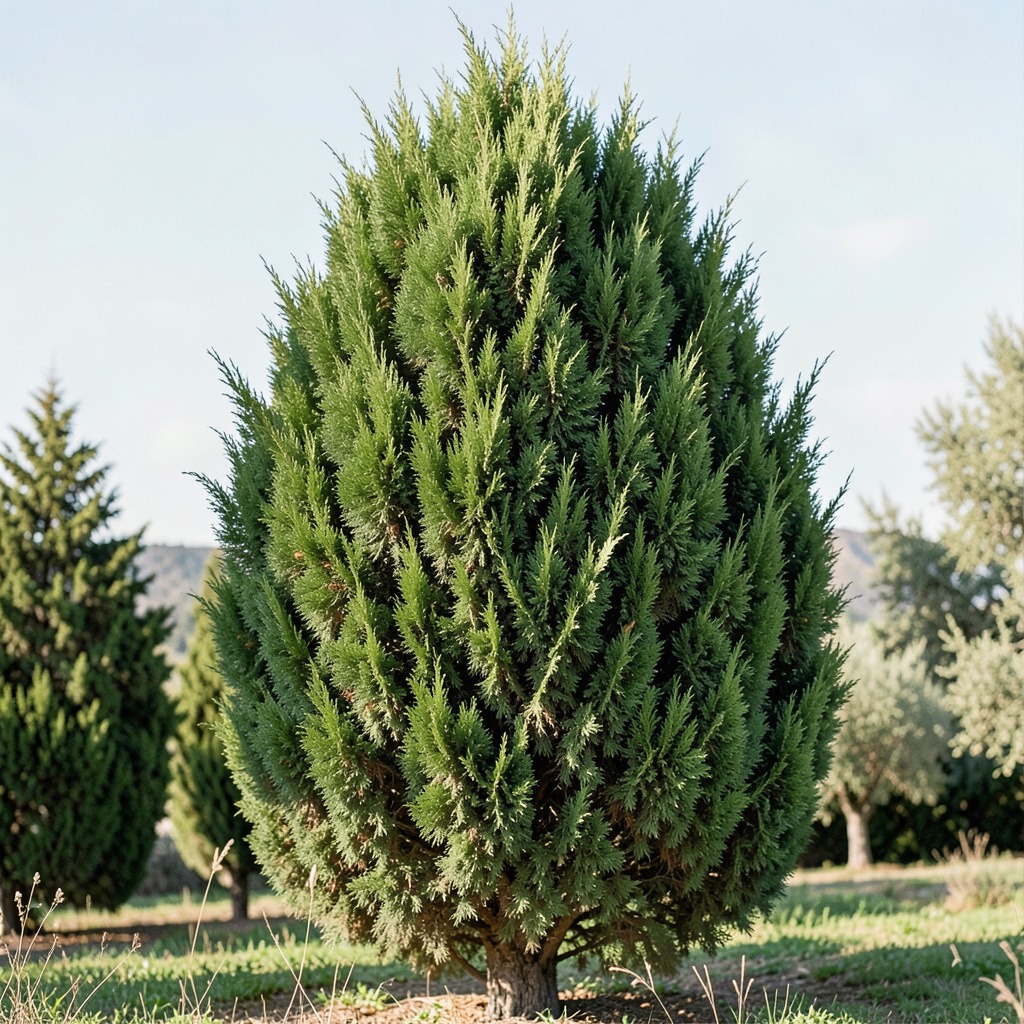
The Italian cypress tree, scientifically known as Cupressus sempervirens, is a distinctive evergreen that enhances various landscapes with its striking appearance. Originating from the Mediterranean region, these trees are known for their tall, narrow form and rich green foliage, which contribute to their appeal in gardens and public spaces.
General Characteristics
- Height: Italian cypress trees typically reach heights of 40 to 60 feet.
- Width: Their slim profile ranges from 3 to 5 feet, making them ideal for narrow spaces.
- Foliage: They feature dense, needle-like leaves that remain vibrant throughout the year, providing a consistent visual backdrop.
Native Habitat
Italian cypress trees thrive in the Mediterranean climate, characterized by hot, dry summers and mild, wet winters. This native environment informs their drought tolerance, making them suitable for arid regions and low-water landscapes. Planting them in similar climates can enhance their growth and overall health.
Visual Appeal in Landscaping
Italian cypress trees are a popular choice for landscaping due to their elegant, formal appearance. Their vertical structure creates a dramatic focal point, ideal for:
- Lining pathways: They can frame driveways or garden entrances.
- Creating privacy screens: Their height and density offer effective screening without taking up too much horizontal space.
- Adding architectural elements: Their unique shape can enhance the visual interest of any garden design.
In Mediterranean-inspired gardens, Italian cypress trees symbolize longevity and resilience, providing both aesthetic value and cultural significance. They have been used historically to signify strength and durability, making them a favorite among landscape architects and homeowners alike.
Consider incorporating Italian cypress into your landscape for an elegant, low-maintenance option that enhances the visual appeal of your outdoor space.
Table of Contents
1. Aesthetic Appeal of Italian Cypress Trees
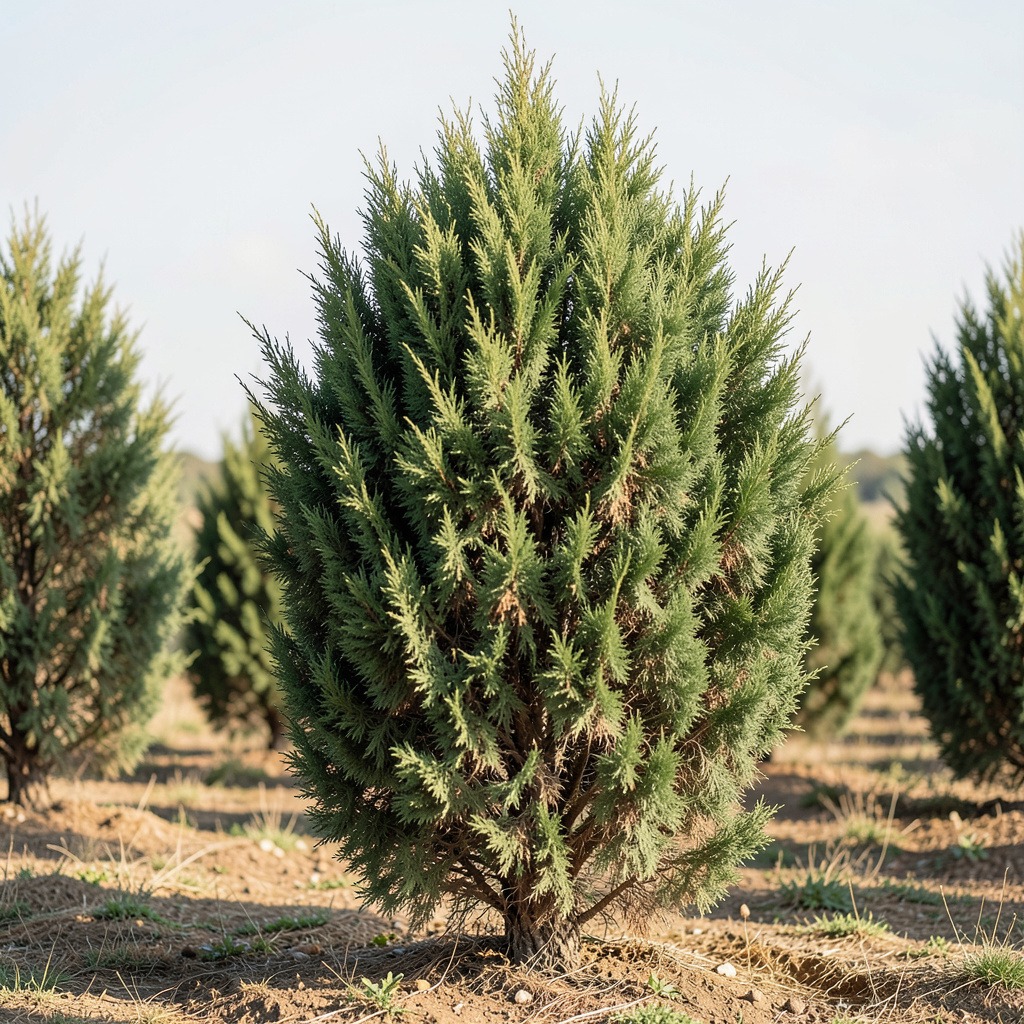
Italian cypress trees are well-known for their striking appearance and versatile applications in landscaping. Their tall, slender form and deep green foliage create a dramatic visual impact, enhancing various garden designs.
Enhancing Mediterranean and Modern Landscapes
Italian cypress trees thrive in Mediterranean-inspired gardens, symbolizing longevity and resilience. Their vertical growth and narrow profile add elegance and structure, making them ideal for:
- Framing pathways and entrances: They create welcoming lines that guide visitors through the landscape.
- Visual barriers: Their height provides privacy without consuming horizontal space, offering a refined screen against neighboring properties.
- Contrasting elements: The deep green needles contrast beautifully with lighter-colored flowers and shrubs, elevating the overall design.
For example, a garden design featuring Italian cypress along a gravel path can create a serene atmosphere, where the trees stand tall against the backdrop of flowering plants.
Use in Privacy Screens
The dense foliage of Italian cypress trees makes them an excellent choice for privacy screens. Their slim silhouette allows them to fit into tight spaces while providing effective coverage.
Consider these benefits:
- Minimal footprint: Ideal for urban settings or small yards where space is limited.
- Year-round greenery: Unlike deciduous trees, Italian cypress maintains its foliage throughout the seasons, ensuring privacy in winter as well.
For instance, a residential property in a suburban setting can utilize Italian cypress as a natural fence, creating a secluded retreat that enhances the garden’s aesthetic appeal.
Incorporating Italian cypress trees into your landscape design not only adds beauty but also serves functional purposes, making them a valuable asset for any gardener.
2. Drought Tolerance and Sustainability
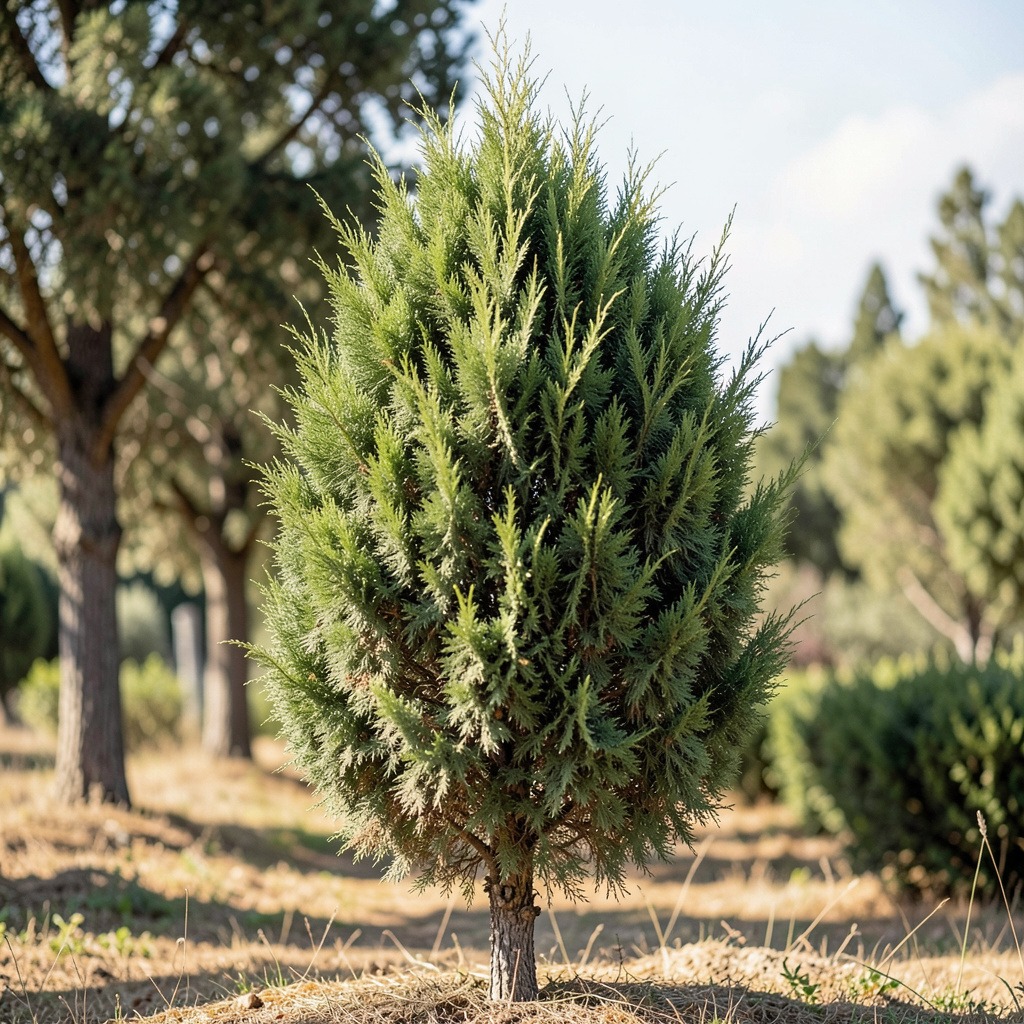
Italian cypress trees are renowned for their exceptional drought tolerance, making them suitable for arid climates. Their ability to thrive with minimal water contributes significantly to sustainable landscaping practices.
Benefits of Drought Tolerance
Italian cypress trees (Cupressus sempervirens) exhibit several key advantages due to their drought-resistant nature:
- Low Water Requirements: Once established, these trees need very little water, reducing the burden on local water supplies.
- Sustainable Choice: Their Mediterranean origin allows them to flourish in dry conditions, making them ideal for xeriscaping—a landscaping philosophy focused on water conservation.
- Drought Resilience: Italian cypress maintains its health and appearance, even during prolonged dry spells, ensuring a lush landscape year-round.
Water-Saving Landscaping Techniques
Integrating drought-tolerant practices when planting Italian cypress can enhance sustainability. Here are some practical tips:
- Soil Preparation: Improve drainage and aeration by mixing organic matter into the soil. This facilitates deeper root growth and increases moisture retention.
- Mulching: Apply a layer of mulch around the tree base to reduce evaporation and suppress weeds, promoting healthier growth.
- Strategic Placement: Consider planting Italian cypress in areas that receive partial shade during the hottest parts of the day. This can help reduce water stress.
Example of Successful Integration
A homeowner in a desert region planted Italian cypress trees along their property line. They utilized mulch and adapted their watering schedule to align with seasonal rainfall. As a result, the trees thrived, providing an effective privacy screen and maintaining vibrant greenery, even during the hottest months.
By understanding and implementing these practices, gardeners can maximize the benefits of Italian cypress trees while promoting sustainable landscaping.
3. Low Maintenance Requirements
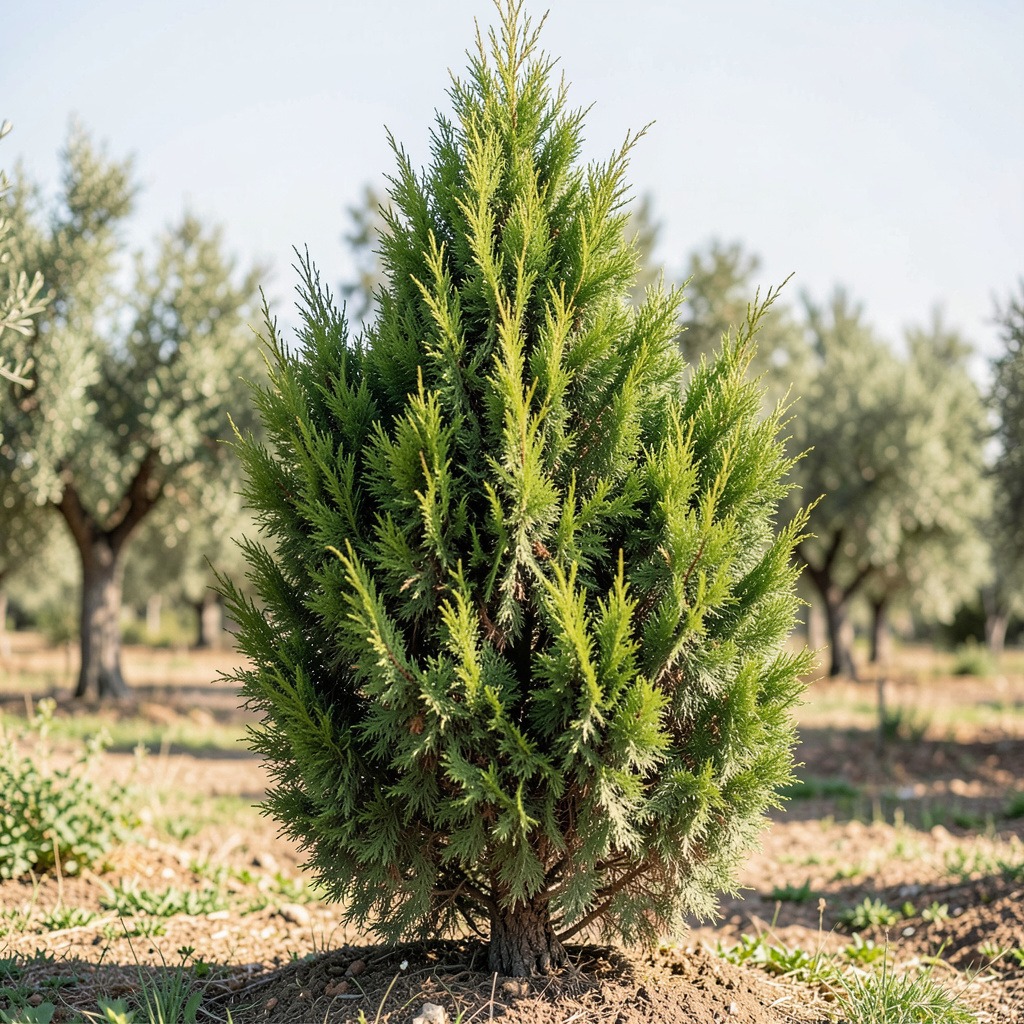
Italian cypress trees (Cupressus sempervirens) are renowned for their minimal upkeep needs, making them an appealing choice for landscape enthusiasts. Their naturally slender and columnar shape means they require little intervention once established.
Minimal Pruning Needs
Italian cypress trees maintain their elegant form without extensive pruning. Here are key points regarding their pruning requirements:
- Shape Maintenance: Prune only to remove dead or damaged branches.
- Frequency: Annual inspections are sufficient to ensure tree health.
- Tools: Use sharp pruning shears for clean cuts to prevent disease.
Establishment Care
Proper care during the first few years is essential for robust growth. Follow this maintenance schedule:
- Year 1: Water deeply once a week in dry conditions. Apply mulch to retain moisture.
- Year 2: Reduce watering to every two weeks. Monitor for pests like cypress aphids.
- Year 3: Begin to taper off watering as the tree establishes. Inspect for any signs of disease, especially in humid climates.
Checklist for Care
- Watering: Ensure deep watering, especially in the first two years.
- Fertilizer: Apply a balanced fertilizer in early spring if growth appears slow.
- Pest Control: Regularly check for aphids and treat with organic options if needed.
By following these guidelines, you can promote a healthy and thriving Italian cypress landscape while enjoying the benefits of low maintenance.
4. Effective Privacy Screening
Italian cypress trees are an excellent choice for creating natural barriers that enhance privacy and reduce noise. Their tall, narrow form allows for close planting, forming a dense screen that effectively blocks views and minimizes sound from the surrounding environment.
Creating Natural Screens
When strategically placed, Italian cypress trees can serve as an effective privacy screen. Their dense foliage and height establish a barrier that separates outdoor spaces from prying eyes. Here are key benefits of using Italian cypress for privacy:
- Height: These trees can grow up to 60 feet tall, providing substantial vertical coverage.
- Narrow Growth: Their slim profile allows for planting in tighter spaces without overpowering the landscape.
- Evergreen Foliage: Retaining their green color year-round, they maintain privacy throughout the seasons.
Strategic Planting Tips
To maximize the privacy benefits of Italian cypress trees, consider these planting strategies:
- Spacing: Plant trees 3 to 5 feet apart to create a dense screen without overcrowding.
- Row Configuration: Arrange trees in rows for a layered effect, enhancing the privacy barrier.
- Orientation: Position trees to block direct lines of sight from neighboring properties or busy streets.
Scenario-Based Insight
Imagine a small urban yard where homeowners desire a secluded outdoor retreat. By planting Italian cypress trees in a staggered row along the property line, they can create a lush green wall that shields their space from onlookers while adding aesthetic value. Over time, this natural barrier not only provides privacy but also acts as a windbreak, making the outdoor area more enjoyable.
This effective use of Italian cypress trees demonstrates how thoughtful placement can transform a landscape into a personal haven.
5. Potential Drawbacks of Italian Cypress Trees
While Italian cypress trees offer numerous benefits, they also come with distinct drawbacks that potential growers should consider. Understanding these cons is crucial for making informed landscaping decisions.
Disease Susceptibility
Italian cypress trees are susceptible to various diseases, particularly fungal infections like cypress canker. This disease causes branch dieback and can spread rapidly if not managed. Regular inspections and timely interventions are essential to maintain tree health. In regions prone to these diseases, the maintenance burden may outweigh the aesthetic benefits.
Growth Characteristics
These trees can reach impressive heights, often growing over 30 feet tall. However, their slow growth rate can be a disadvantage for those seeking immediate visual impact. It may take several years for them to reach full height, making them less appealing for projects that require quick results.
Space Considerations
The tall, narrow profile of Italian cypress trees can create issues in limited spaces. They may interfere with power lines or block views if not properly positioned. Gardeners should evaluate their available space carefully to ensure these trees do not overwhelm their surroundings.
Additional Maintenance Requirements
Despite being labeled as low-maintenance, Italian cypress trees require specific care to thrive. They need well-draining soil and can struggle in areas with heavy moisture. In addition, gardeners should consider their local climate conditions, as these trees have limited cold tolerance.
Summary of Common Challenges
- Disease Management: Regular inspections for fungal infections.
- Height Management: Considerations for power lines and surrounding structures.
- Growth Rate: Patience required for achieving full height.
- Environmental Suitability: Limited cold tolerance and soil requirements.
By being aware of these potential drawbacks, gardeners can better assess whether Italian cypress trees are the right choice for their landscaping needs.
6. Susceptibility to Pests and Diseases
Italian cypress trees, while resilient, can face specific pest and disease challenges. Understanding these issues is crucial for maintaining their health and aesthetic appeal.
Common Pests and Their Management
Italian cypress trees can attract several pests, though they are generally resistant to many common insects. The most notable pests include:
- Cypress Aphids: These small insects can be managed with organic treatments such as insecticidal soap or neem oil. Regular monitoring can prevent infestations from escalating.
- Spider Mites: These pests thrive in dry conditions. Increase humidity around the trees and use miticides if their numbers rise significantly.
Management Strategies:
- Conduct regular inspections every few weeks during the growing season.
- Implement preventative measures, such as maintaining tree health through proper watering and fertilization.
- Use beneficial insects, like ladybugs, to naturally control pest populations.
Disease Prevention Techniques
Italian cypress trees are susceptible to various diseases, particularly fungal infections. Key diseases include:
- Cypress Canker: This disease leads to branch dieback and can be fatal if untreated.
- Root Rot: Caused by overly moist conditions, this disease can severely affect the tree’s health.
Prevention Strategies:
- Ensure proper drainage around the root zone to prevent water accumulation.
- Prune any infected branches promptly to prevent the spread of disease.
- Consider using fungicides in high-risk areas, particularly where fungal infections are common.
Comparative Pest Management
When comparing pest management for Italian cypress trees to other species, a few takeaways emerge:
- Pest Resistance: Italian cypress trees are less prone to certain pests compared to more susceptible species, like Leyland cypress.
- Maintenance Efforts: The need for regular inspections and pest management is comparable to that of other evergreen trees, though Italian cypress generally requires less chemical intervention due to its natural resilience.
By implementing these management strategies, gardeners can enhance the longevity and visual appeal of their Italian cypress trees while minimizing the impact of pests and diseases.
7. Root System Concerns
The root system of the Italian cypress (Cupressus sempervirens) plays a crucial role in its growth and stability. However, it also presents several challenges for homeowners and landscapers.
Understanding Root Behavior
Italian cypress trees feature a deep and extensive root system. This taproot provides stability against strong winds and drought conditions. However, their aggressive nature can lead to complications.
- Root Spread: The roots can extend far beyond the tree’s canopy, potentially invading nearby structures and landscapes.
- Damage Risk: Roots planted too close to foundations, sidewalks, or pipes can cause significant damage. This could necessitate costly repairs.
Impact on Nearby Plants
The dense root system of Italian cypress can outcompete surrounding vegetation for water and nutrients. This competition can hinder the growth of other plants.
- Water Absorption: Italian cypress trees absorb moisture efficiently. This can lead to water scarcity for nearby plants, especially in dry climates.
- Nutrient Competition: The roots can monopolize essential nutrients, stunting the growth of neighboring flora.
Case Studies and Practical Considerations
Consider landscaping projects where Italian cypress trees were planted too close to other plants or structures. In one case, a homeowner noticed significant die-back in nearby shrubs due to root competition. This resulted in the need for replanting and additional landscaping costs.
To avoid such issues, follow these guidelines:
- Planting Distance: Ensure a minimum distance of 10-15 feet from buildings or other trees.
- Regular Monitoring: Check for root encroachment every few months, especially in the early years of growth.
- Pruning: Pruning roots can mitigate damage to nearby structures while maintaining tree health.
By understanding the root behavior and its implications, you can effectively manage the planting of Italian cypress in your landscape.
8. Limited Cold Tolerance
Italian cypress trees (Cupressus sempervirens) are stunning additions to landscapes, but their cold tolerance is limited. Understanding their temperature preferences is crucial for successful planting and maintenance.
Ideal Growing Conditions
Italian cypress trees thrive in USDA hardiness zones 7 to 10. They prefer:
- Warm Climates: Ideal temperatures range from 60°F to 80°F (15°C to 27°C).
- Well-Drained Soil: They require soil that drains well to avoid root rot.
- Full Sunlight: These trees need at least 6 hours of direct sunlight daily.
Cold-Weather Impacts
Italian cypress trees struggle in colder environments. They can suffer damage or die if exposed to prolonged frost or temperatures below 15°F (-9°C). Key considerations include:
- Frost Sensitivity: Young trees are particularly vulnerable. Frost can cause die-back and stunted growth.
- Limited Range: They are unsuitable for areas with harsh winters, restricting their use mainly to southern regions.
Best Practices for Planting in Marginal Climates
If you live in a borderline climate, consider these strategies:
- Microclimates: Plant near south-facing walls or other structures that retain heat.
- Wind Protection: Use barriers to shield trees from cold winds.
- Mulching: Apply mulch to insulate roots during the winter months.
By evaluating these conditions and implementing best practices, you can successfully integrate Italian cypress trees into your landscape, even in less-than-ideal climates.
9. Practical Care Tips for Different Climates
Italian cypress trees thrive in various conditions but require specific care depending on the climate. Understanding these needs will enhance growth and longevity.
Warm Climate Care
In warmer regions, Italian cypress trees flourish, but they still require attention to detail. Follow these care tips for optimal growth:
- Soil: Use well-draining soil to prevent root rot. Incorporate organic matter for improved drainage.
- Watering: Water deeply but infrequently. Once established, they are drought-tolerant, needing minimal irrigation.
- Sunlight: Ensure full sun exposure. A minimum of 6 hours of direct sunlight daily promotes healthy growth.
- Pruning: Conduct light pruning in late winter or early spring to maintain shape and remove dead branches.
Cool Climate Considerations
For regions with cooler temperatures, extra care is essential to ensure the survival of Italian cypress trees:
- Planting Location: Choose a sheltered spot that receives sunlight but is protected from harsh winds. South-facing walls can provide warmth.
- Frost Protection: During the winter, use mulch around the base to insulate roots. Consider wrapping the tree in burlap to protect from frost.
- Watering: Maintain regular watering during dry spells, particularly in fall. This helps the tree prepare for dormancy.
- Monitoring: Keep an eye out for signs of stress, such as browning tips, which can indicate cold damage or insufficient watering.
Checklist for Success
Use this checklist to ensure your Italian cypress trees receive the best care based on your climate:
- Warm Climate:
- [ ] Well-draining soil
- [ ] Deep, infrequent watering
- [ ] Full sun exposure
- [ ] Light pruning in spring
- Cool Climate:
- [ ] Sheltered planting location
- [ ] Mulch for insulation
- [ ] Regular watering in dry spells
- [ ] Monitor for cold damage
By tailoring care practices to your specific climate, you can maximize the benefits of Italian cypress trees while minimizing potential drawbacks.
10. Comparing Italian Cypress to Other Cypress Varieties
When considering Italian cypress trees for your landscape, it’s essential to compare them with other cypress varieties. Understanding their unique traits and suitability can help you make an informed decision.
Similar Cypress Varieties
Several cypress species offer distinct characteristics. Below is a comparison of Italian cypress with other popular varieties:
| Species | Growth Habit | Height | Width | Drought Tolerance | Pest Resistance | Growth Rate |
|---|---|---|---|---|---|---|
| Italian Cypress (Cupressus sempervirens) | Tall and narrow | Up to 70 feet | 3-5 feet | High | Moderate | Slow |
| Bald Cypress (Taxodium distichum) | Deciduous, wide | 50-70 feet | 20-30 feet | Moderate | High | Moderate |
| Leyland Cypress (× Cupressocyparis leylandii) | Fast-growing, dense | 60-70 feet | 10-15 feet | Moderate | Moderate | Fast |
| Monterey Cypress (Cupressus macrocarpa) | Broad, irregular | 50-70 feet | 30-50 feet | Moderate | Moderate | Moderate |
Differences in Suitability
1. Space Considerations:
- Italian cypress is ideal for narrow spaces, making it suitable for urban gardens or tight landscapes.
- In contrast, Bald cypress and Monterey cypress require more horizontal space due to their broader canopies.
2. Growth Rate:
- Italian cypress grows slowly, which may delay achieving desired height or visual impact.
- Leyland cypress grows faster, providing quick privacy screening or windbreaks.
3. Drought Tolerance:
- Italian cypress excels in drought conditions, thriving in well-draining soils.
- Bald cypress prefers moist environments, while Leyland cypress needs regular watering in dry spells.
4. Maintenance Requirements:
- Italian cypress requires minimal maintenance, primarily occasional pruning.
- Other varieties, like Leyland cypress, may need more frequent trimming to maintain shape.
Practical Decision Factors
When choosing a cypress variety, consider the following:
- Landscape Goals: Do you need a fast-growing screen or a long-term statement piece?
- Environmental Conditions: Assess soil moisture levels and sunlight exposure.
- Space Availability: Evaluate the width and height limitations of your planting area.
By analyzing these factors, you can select the cypress variety that best meets your landscaping needs.
Alternatives to Italian Cypress Trees
If you’re considering alternatives to Italian cypress trees, several options can provide similar benefits while offering unique advantages. Here are a few suitable alternatives that can enhance your landscape.
Native Alternatives
Native trees often provide ecological benefits that support local wildlife and environmental health. Here are some native alternatives to consider:
- Eastern Red Cedar (Juniperus virginiana)
- Grows tall and narrow.
- Provides excellent privacy screening.
- Offers habitat for birds and other wildlife.
- American Holly (Ilex opaca)
- Features a dense canopy with vibrant berries.
- Attracts birds and pollinators.
- Provides year-round interest and privacy.
- Loblolly Pine (Pinus taeda)
- Fast-growing and drought-tolerant.
- Can be used for windbreaks.
- Supports local ecosystems.
Other Popular Choices
Several non-native trees can also serve as effective alternatives to Italian cypress trees. These trees offer distinct visual and functional benefits.
- Leyland Cypress (Cupressocyparis leylandii)
- Fast growth rate, providing quick privacy.
- Requires more maintenance than Italian cypress.
- Suitable for larger spaces due to its wider spread.
- Emerald Green Arborvitae (Thuja occidentalis ‘Smaragd’)
- Compact and narrow, ideal for small gardens.
- Maintains a lush green color year-round.
- Offers excellent windbreak properties.
Comparison of Ecological Benefits
When selecting an alternative, consider the ecological impact. Native trees generally enhance biodiversity, while non-native species may require more care and resources. Here’s a quick comparison:
| Tree Type | Native | Wildlife Support | Maintenance Level | Growth Rate |
|---|---|---|---|---|
| Eastern Red Cedar | Yes | High | Low | Moderate |
| Leyland Cypress | No | Moderate | High | Fast |
| American Holly | Yes | High | Moderate | Slow |
| Emerald Green Arborvitae | No | Low | Low | Moderate |
Choosing the right tree involves balancing aesthetic appeal, maintenance, and ecological impact. Evaluate your landscape needs and select the best fit for your environment.
Frequently Asked Questions
These quick answers cover the most common questions about this topic, including key details, practical tips, and common concerns.
What are the downsides of Italian Cypress Trees?
While Italian cypress trees are visually appealing and drought-tolerant, they have some drawbacks. They are susceptible to diseases like cypress canker, which can cause significant branch dieback. Additionally, their slow growth rate means it may take years to achieve the desired height for privacy screens or visual impact.
Another issue is their limited cold tolerance. In regions with harsh winters, these trees may struggle or fail to thrive. Their extensive root systems can also invade nearby structures, leading to potential damage.
What is the lifespan of an Italian Cypress tree?
Italian cypress trees can live for several decades, typically ranging from 50 to 150 years, depending on the growing conditions and care they receive. Proper maintenance, including regular inspections for pests and diseases, can help extend their lifespan and keep them healthy throughout their life.
Are cypress trees good to have in your yard?
Yes, Italian cypress trees can be an excellent addition to your yard, especially in Mediterranean or arid climates. They provide privacy, act as windbreaks, and add aesthetic value with their tall, slender form. However, consider your local climate and space availability, as they require well-drained soil and may not thrive in overly wet conditions.
What are some good alternatives to Italian Cypress?
If you’re looking for alternatives to Italian cypress, consider Eastern red cedar or Emerald green arborvitae. Eastern red cedar offers a similar height and density while supporting local wildlife. Emerald green arborvitae is compact and ideal for smaller spaces, providing year-round greenery.
Leyland cypress is another option, known for its fast growth and privacy screening capabilities, though it requires more maintenance than Italian cypress.
How do I care for Italian Cypress trees?
Caring for Italian cypress trees involves a few key practices. Water deeply but infrequently, especially during the first few years after planting. Once established, they are drought-tolerant and need minimal irrigation. Prune only to remove dead branches and maintain shape, typically in late winter or early spring.
Monitor for pests like cypress aphids and diseases such as cypress canker. Regular inspections can help catch issues early, ensuring your trees remain healthy and vibrant.
Can Italian Cypress trees survive in cold climates?
Italian cypress trees have limited cold tolerance and are best suited for USDA hardiness zones 7 to 10. They can struggle in areas where temperatures drop below 15°F (-9°C). If you live in a cooler climate, consider planting them in sheltered locations or using protective measures like mulch and burlap wraps during winter.
What pests are common with Italian Cypress trees?
Common pests affecting Italian cypress trees include cypress aphids and spider mites. Cypress aphids can cause leaf discoloration and weakening of the tree. Regular monitoring and the use of organic treatments like insecticidal soap can help manage these pests. Spider mites thrive in dry conditions, so maintaining humidity around the trees can prevent infestations.
How fast do Italian Cypress trees grow?
Italian cypress trees are known for their slow growth rate, typically reaching a height of 1 to 2 feet per year under optimal conditions. While they can eventually grow to heights of 40 to 70 feet, patience is required to achieve their full stature. If quick results are desired, consider faster-growing alternatives like Leyland cypress.