
Jade plants (Crassula ovata) are not considered edible and can be toxic if consumed, causing gastrointestinal distress in humans and pets.
Table of Contents
Jade plants, or Crassula ovata, are popular houseplants appreciated for their beauty and ease of care [1]. However, questions about their edibility and potential toxicity arise for both humans and pets. Understanding these aspects is crucial for safe enjoyment.
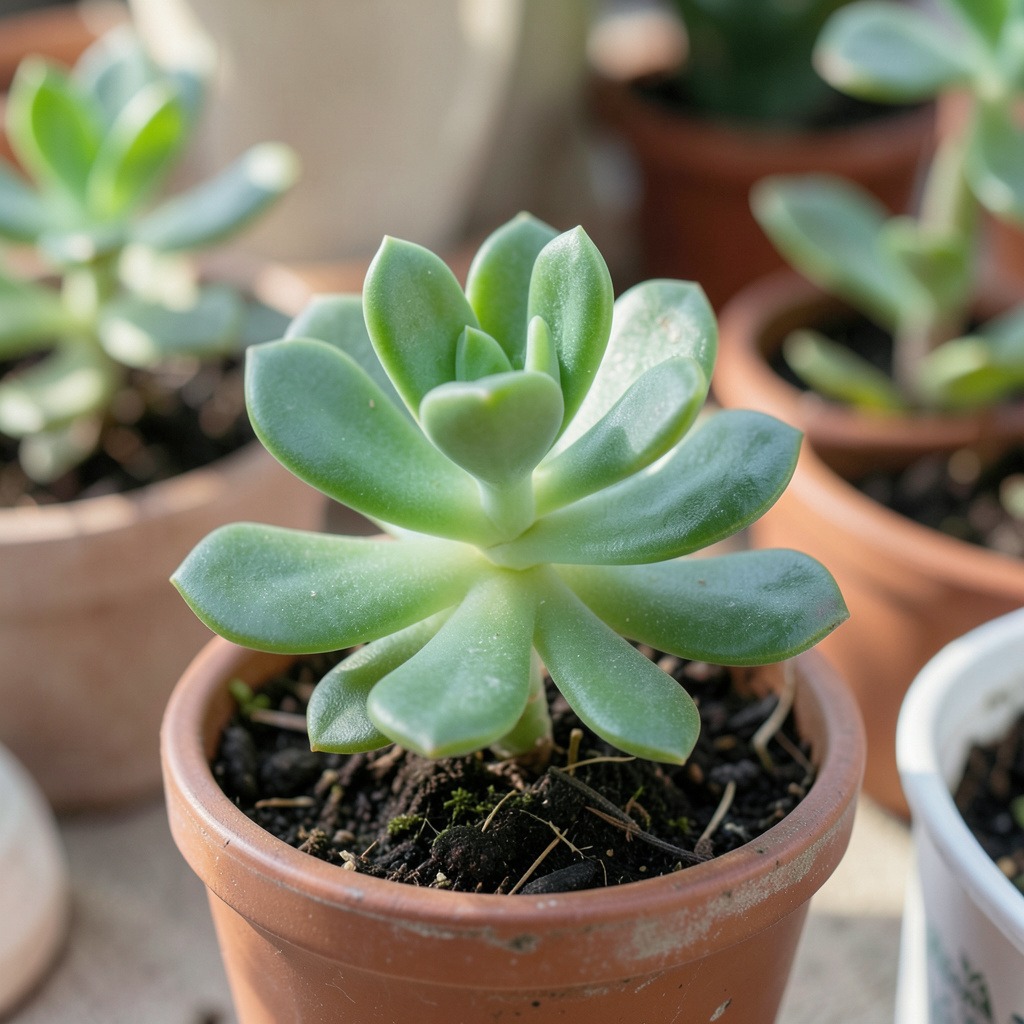
Understanding Jade Plants: Edibility and Toxicity
Jade plants, scientifically known as Crassula ovata, are not safe for human consumption. While they are often admired as decorative houseplants, their potential toxicity raises concerns.
Are Jade Plants Safe to Eat?
Jade plants contain compounds that can be harmful if ingested. Specifically, bufadienolides present in these plants can lead to adverse effects. Therefore, jade plants should be regarded as inedible.
Potential Health Risks of Consumption
The primary concern regarding jade plant consumption is toxicity. Ingesting jade plants can cause:
- Nausea
- Vomiting
- Diarrhea
While humans may experience mild symptoms, the risks are more pronounced in pets. Symptoms of jade plant poisoning in animals include vomiting and lethargy, which can escalate in severity [2]. Keeping jade plants out of reach is essential for pet safety.
Symptoms of Jade Plant Poisoning
If jade plants are ingested, symptoms can vary. Common signs include:
- Gastrointestinal upset
- Abdominal pain
- Increased salivation
For pets, symptoms can be more severe and may require veterinary attention. It is crucial to monitor any signs of distress in both humans and pets after potential ingestion. If symptoms occur, seek medical advice promptly.
Understanding these risks helps ensure safe interaction with jade plants while appreciating their aesthetic appeal. Always prioritize safety by avoiding any consumption of jade plants and educating others about their toxicity.
Medicinal Uses of Jade Plants
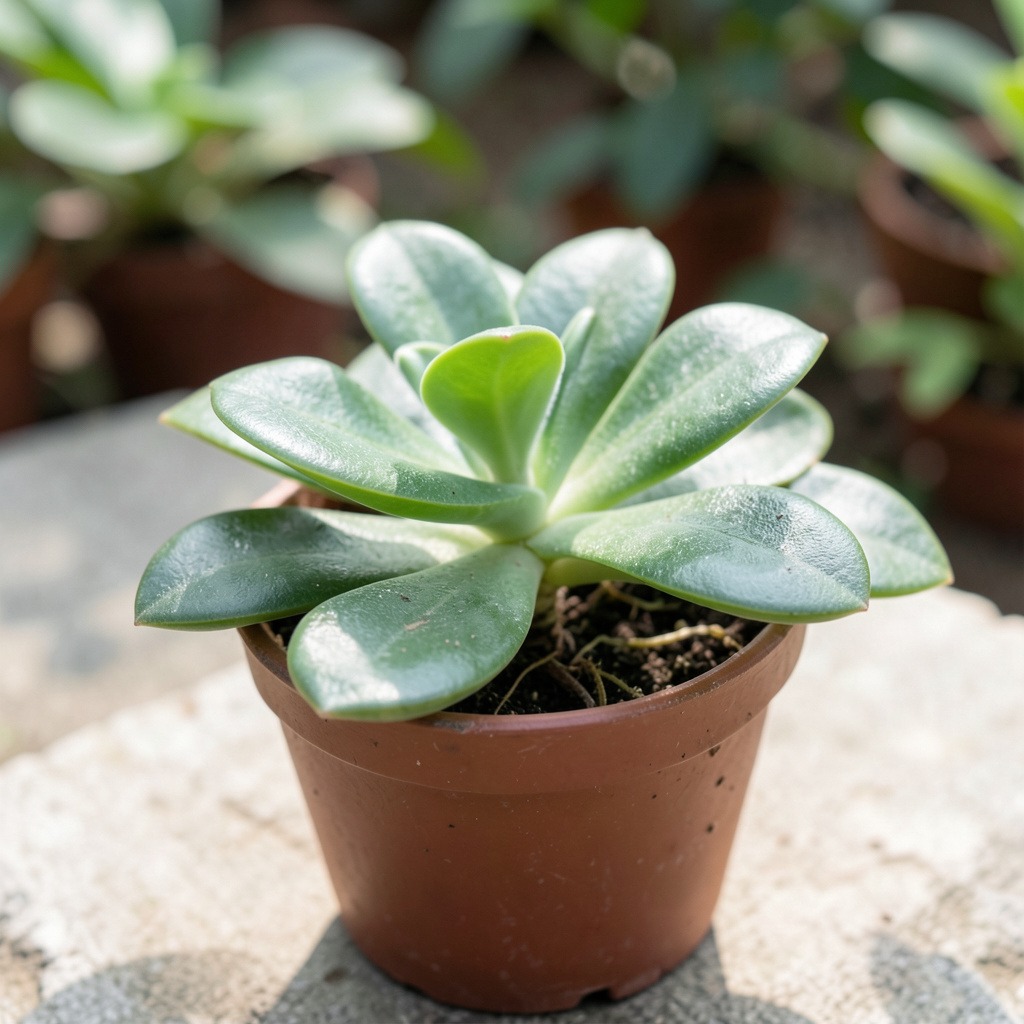
Jade plants, scientifically known as Crassula ovata, are not just ornamental. They have a history of traditional medicinal applications that merit exploration, despite their toxicity concerns.
Historical Uses in Traditional Medicine
Historically, jade plants have been utilized in various cultures for their perceived health benefits. In traditional Chinese medicine, jade plants are believed to promote healing and improve overall vitality. Practitioners often recommend them for respiratory issues and skin ailments. The sap of the jade plant has been used topically to treat minor cuts and abrasions, leveraging its antibacterial properties.
Current Research on Health Benefits
Recent studies suggest that jade plants may possess antioxidant properties, which could help combat oxidative stress in the body. While formal research on the specific health benefits of Crassula ovata is limited, anecdotal evidence supports its use in herbal remedies. For instance, extracts from jade plants are thought to aid in digestion and boost the immune system. Despite these potential benefits, caution is advised due to the plant’s toxic nature.
Cultural Significance in Various Traditions
Jade plants hold cultural significance in many traditions. Often referred to as the “money tree,” they symbolize prosperity and good luck in Feng Shui practices. In South African culture, the leaves are sometimes used in rituals for their supposed ability to attract wealth. Understanding these cultural contexts enhances appreciation for the jade plant beyond its aesthetic appeal.
Quick Reference: Jade Plant Medicinal Uses
| Use | Description |
|---|---|
| Respiratory Health | Traditionally used in Chinese medicine for respiratory ailments. |
| Skin Treatment | Sap applied to minor cuts and abrasions as an antibacterial. |
| Antioxidant Potential | May help combat oxidative stress, though research is limited. |
| Digestive Aid | Anecdotally reported benefits for digestive health. |
While jade plants offer intriguing medicinal properties, it is essential to remember their potential toxicity. Ingesting large quantities can lead to adverse effects, making it crucial to handle them with care, especially around pets [4].
Care and Maintenance of Jade Plants
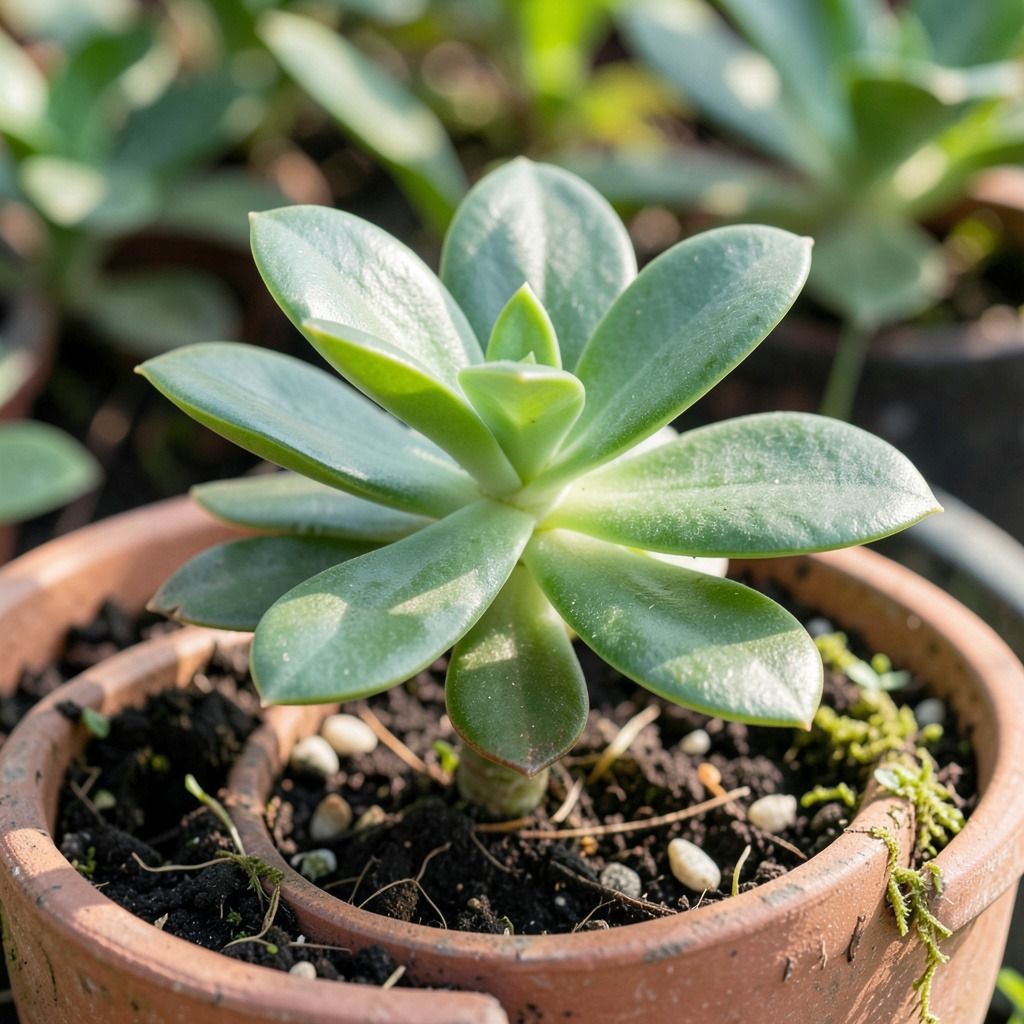
Caring for jade plants (Crassula ovata) involves understanding their unique needs and ensuring a safe environment, especially for homes with pets. Proper care enhances their growth while minimizing risks associated with their toxicity.
Ideal Growing Conditions
To thrive, jade plants require specific conditions:
- Light: Jade plants prefer bright, indirect sunlight. Place them near a window where they can receive filtered light for optimal growth [7].
- Temperature: They thrive in temperatures between 65°F and 75°F (18°C to 24°C). Avoid exposing them to temperatures below 50°F (10°C).
- Soil: Use well-draining soil to prevent root rot. A cactus or succulent mix is ideal.
- Watering: Water only when the top inch of soil feels dry. Overwatering can lead to serious health issues for the plant.
Common Problems and Solutions
Understanding common jade plant issues can help maintain their health:
- Overwatering: This is the most frequent problem. Leaves may turn yellow or fall off. Ensure proper drainage and water only when necessary.
- Pests: Watch for mealybugs and aphids. Treat infestations with insecticidal soap or neem oil.
- Leaf Drop: If leaves fall off, it may be due to overwatering or insufficient light. Adjust care accordingly.
Safe Practices for Homes with Pets
Jade plants contain compounds that can be toxic to pets if ingested in large amounts. Here are a few safety measures:
- Placement: Keep jade plants out of reach of pets. Consider high shelves or hanging planters.
- Education: Teach children about the plants’ toxicity. Ensure they understand not to eat any part of the plant.
- Alternatives: If you want to incorporate succulents into your home, consider pet-safe options like haworthia or spider plants.
By following these guidelines, you can enjoy the beauty of jade plants while ensuring the safety of both your plants and your pets.
Understanding the Risks of Jade Plant Ingestion
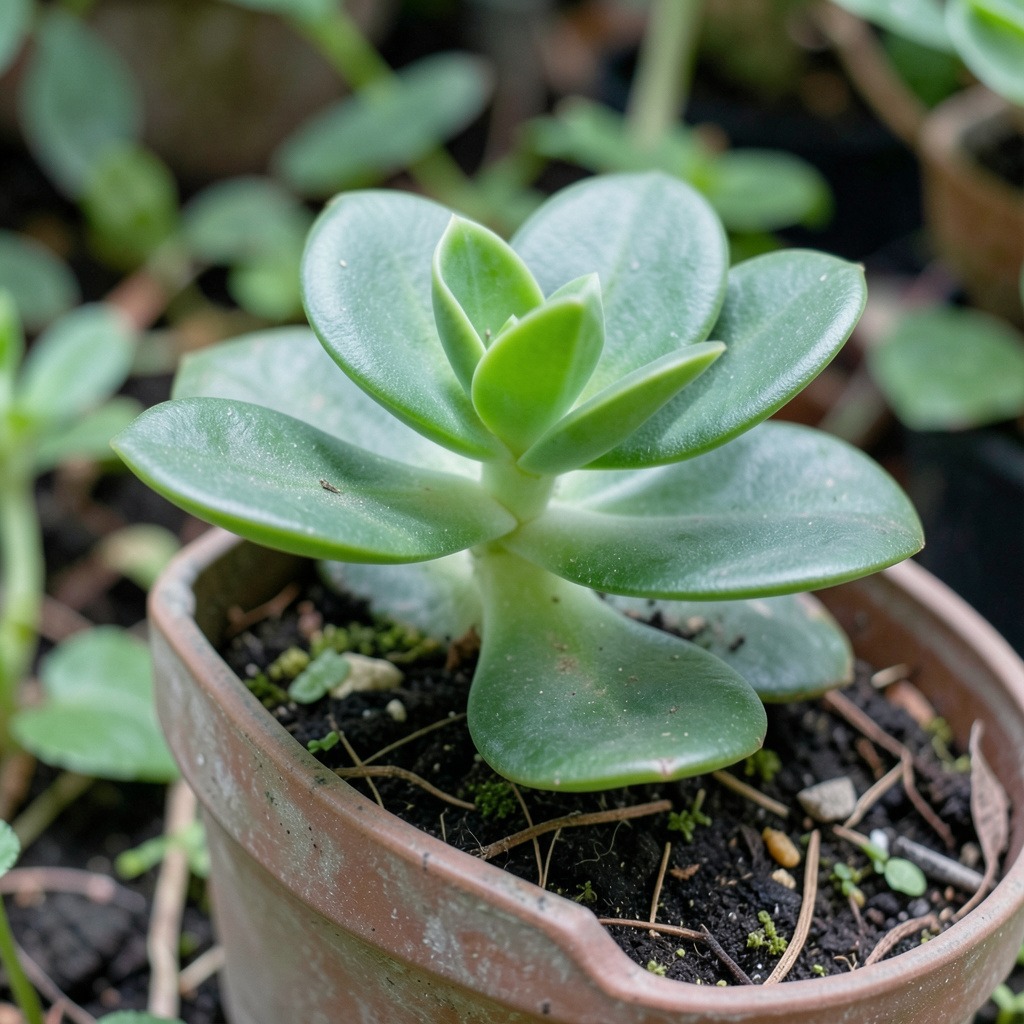
Jade plants, or Crassula ovata, are popular houseplants. However, they are not safe for consumption. Understanding the potential risks associated with jade plant ingestion is crucial for maintaining a safe environment, especially for families with children and pets.
Recognizing Symptoms of Ingestion
If ingested, jade plants can cause various symptoms. Common signs of jade plant toxicity include:
- Vomiting
- Diarrhea
- Lethargy
- Loss of appetite
Symptoms may vary depending on the amount ingested and the individual’s size. If you notice any of these symptoms in pets or children, seek medical advice promptly [6][8].
Preventing Accidental Ingestion
To minimize the risk of accidental ingestion, implement these preventive measures:
- Placement: Keep jade plants on high shelves or in hanging planters, out of reach of children and pets.
- Education: Teach family members about the plant’s toxicity and discourage them from eating any part of it.
- Alternatives: Consider pet-safe succulent options, such as haworthia or spider plants, which can add greenery without the risk [6].
Steps to Take if Ingestion Occurs
In the event of accidental ingestion, act quickly:
1. Assess the Situation: Determine how much was ingested and the age and size of the individual involved.
2. Contact Poison Control: Call a pet poison helpline or a medical provider for advice specific to the situation [9].
3. Monitor Symptoms: Keep an eye on any developing symptoms. If vomiting occurs, it may require further medical evaluation.
Having a checklist can streamline your response. For example:
- Immediate Actions:
- Verify ingestion.
- Gather information (amount, size of individual).
- Contact a professional.
By taking these precautions, you can safely enjoy the aesthetic benefits of jade plants while minimizing health risks.
Comparing Jade Plants with Other Edible Succulents
Jade plants (Crassula ovata) are popular houseplants, but they are not edible. In contrast, other succulents offer culinary benefits. Understanding these differences is crucial for safety and culinary exploration.
Overview of Edible Succulents
Several succulents are safe to eat and can be enjoyed in various dishes. Here are some popular edible succulents:
- Aloe Vera: Known for its soothing properties, aloe vera gel can be added to smoothies or used in desserts.
- Purslane: This succulent has a slightly sour flavor and is often used in salads, soups, or as a garnish.
- Nopales (Cactus Pads): These pads can be grilled or sautéed and are commonly used in Mexican cuisine.
Nutritional Values and Uses
Edible succulents provide various nutritional benefits. For instance:
- Aloe Vera: Contains vitamins C and E, promoting skin health and hydration.
- Purslane: Rich in omega-3 fatty acids and antioxidants, it supports heart health.
- Nopales: Low in calories and high in fiber, they can help regulate blood sugar levels.
In contrast, jade plants do not offer any nutritional value. They are primarily ornamental and should be avoided for consumption due to potential toxicity.
Safety and Toxicity Considerations
Jade plants contain compounds that can be toxic if ingested. Symptoms of ingestion may include nausea, vomiting, and diarrhea. While small amounts may not cause severe harm, it is crucial to keep them away from both humans and pets [3].
When considering edible succulents, ensure they are correctly identified and prepared. Consuming unknown plants can lead to adverse health effects. Always consult reliable sources or experts before trying new plants.
Decision Framework for Edible Succulents
1. Identify: Confirm the identity of the succulent.
2. Research: Check its edibility and any potential health risks.
3. Prepare: Follow proper preparation methods to enhance taste and safety.
By following these guidelines, you can safely enjoy the flavors and benefits of edible succulents while avoiding the pitfalls associated with jade plants.
Frequently Asked Questions
These quick answers cover the most common questions about this topic, including key details, practical tips, and common concerns.
What are the medicinal uses of jade plants?
Jade plants (Crassula ovata) have been historically used in traditional medicine, particularly in Chinese practices. They are believed to promote respiratory health and can be applied topically for minor cuts due to their antibacterial properties. Some anecdotal evidence suggests that jade plant extracts may aid digestion and boost immunity, although formal research on these benefits is limited.
Is a jade plant toxic to humans?
Yes, jade plants are considered toxic to humans. Ingesting them can lead to gastrointestinal issues, such as nausea, vomiting, and diarrhea. These symptoms can vary in severity depending on the amount consumed. It’s essential to keep jade plants out of reach, especially in homes with children or pets [2].
Why is the jade plant not kept in the bedroom?
Jade plants are believed to be associated with certain negative energies in some cultures, which may lead to the belief that they should not be kept in bedrooms. Additionally, their toxicity poses a risk if ingested, making it safer to keep them in areas less frequented by children and pets.
What are the downsides of having jade plants?
While jade plants are low-maintenance and visually appealing, they do come with risks. Their toxicity can cause health issues if ingested by humans or pets. Additionally, overwatering can lead to root rot, which is a common problem for jade plants. Proper care and placement are crucial to mitigate these downsides.
Can jade plants be used in cooking?
No, jade plants are not safe for culinary use. They contain toxic compounds that can cause gastrointestinal distress if ingested. Instead, consider using edible succulents like aloe vera or purslane, which are safe and can be incorporated into various dishes.
What should I do if my pet eats a jade plant?
If your pet ingests a jade plant, monitor them closely for symptoms like vomiting or lethargy. Contact a veterinarian or a pet poison helpline immediately for guidance on the next steps. Early intervention can help prevent more severe health issues [8][9].
How can I safely care for a jade plant?
To care for jade plants, provide them with bright, indirect sunlight and water only when the top inch of soil is dry. Use well-draining soil to prevent root rot. Keep jade plants out of reach of children and pets to avoid accidental ingestion. Regularly check for pests and adjust care based on their growth conditions [7].
Are there any edible alternatives to jade plants?
Yes, there are several edible succulent alternatives to jade plants. Options like aloe vera, purslane, and nopales (cactus pads) are safe to consume and can be used in various recipes. These alternatives provide nutritional benefits without the toxicity associated with jade plants.
References
1. 12 Crops You Can STILL Plant in September
2. Toxic and Non-toxic Plants: Jade Plant | ASPCA
3. 10 Crops You’d Be Foolish Not to Plant in July – YouTube
4. Moringa oleifera: a food plant with multiple medicinal uses
5. Learn About the Lucky Jade Plant: Meaning, Benefits, and Symbolism
6. Home | U.S. Department of Education
7. Jade Plant: Houseplant How-To – SDSU Extension
8. Jade Plant Poisoning in Dogs: Symptoms, Treatment & Prevention
9. Jade Plant | Pet Poison Helpline
10. How does this Cod Liver Oil taste?
11. the verb “use”