
Japanese cedar trees, known for their durability and aesthetic appeal, offer benefits like natural rot resistance and low maintenance but come with drawbacks such as allergenic pollen and specific care needs that may limit their adaptability in certain environments.
Table of Contents
The Japanese cedar tree, or Cryptomeria japonica, is an evergreen conifer celebrated for its beauty and versatility in landscaping. However, potential growers should consider both its advantages and disadvantages to make an informed decision about planting this unique tree.
Understanding Japanese Cedar: Overview and Characteristics
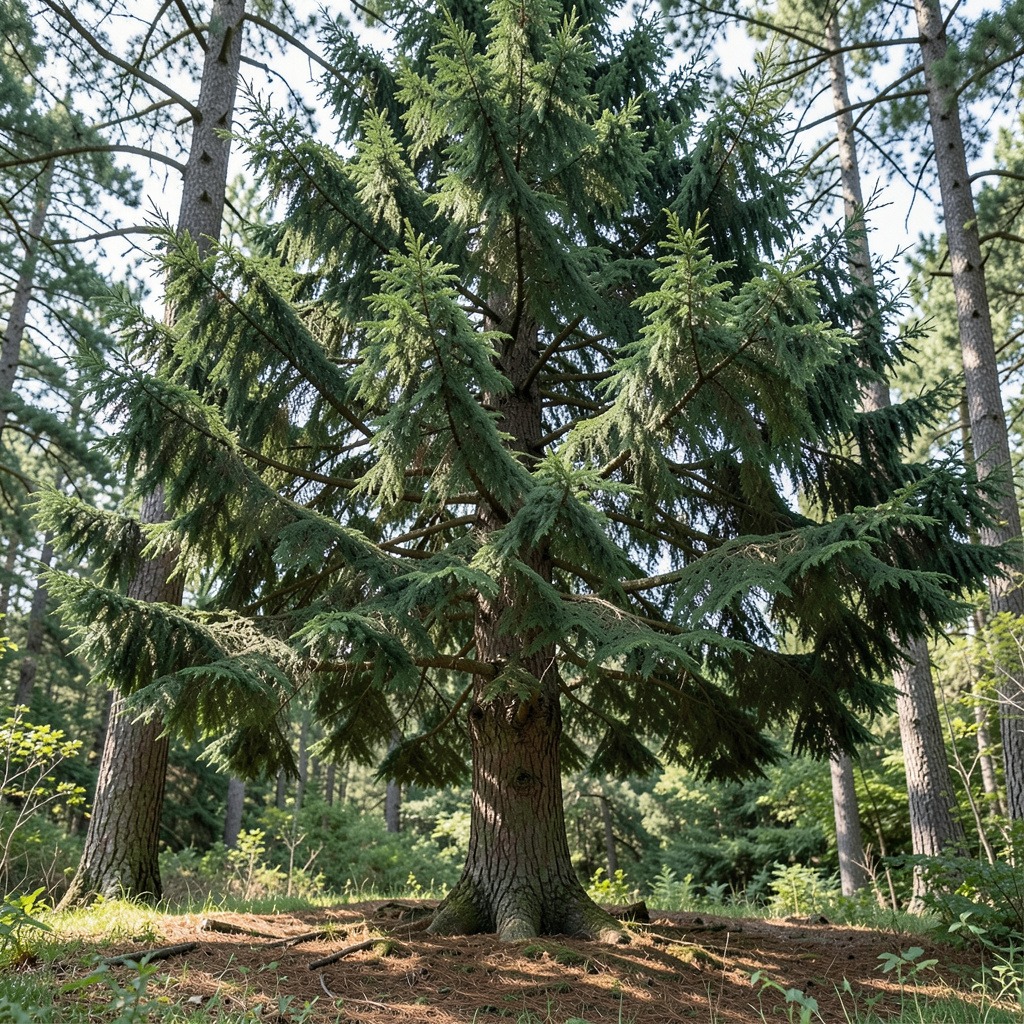
The Japanese cedar, scientifically known as Cryptomeria japonica, is a prominent evergreen conifer revered for its aesthetic appeal and adaptability in various landscapes. This tree is native to Japan, where it holds significant cultural and historical importance.
What is Japanese Cedar?
Japanese cedar is often mistaken for true cedar due to its common name. However, it belongs to the cypress family, making it distinct from the Cedrus genus. This tree can reach impressive heights, often growing up to 50-70 feet. Its straight trunk and plume-like foliage make it a striking addition to gardens and parks.
Unique Characteristics and Growth Patterns
Japanese cedar has several defining features:
- Foliage: It showcases soft, needle-like leaves that give it a lush appearance.
- Bark: The tree’s bark peels in strips, adding texture and visual interest.
- Growth Habit: It grows in a conical shape, making it suitable for formal landscaping.
- Longevity: This tree can live for centuries, providing long-term benefits to garden aesthetics.
Japanese cedar thrives in USDA zones 5 to 8, preferring well-draining, acidic to neutral soil. It requires full sun exposure, ideally around six hours daily, for optimal growth.
Cultural Significance in Japan
In Japan, the Japanese cedar is known as “sugi.” It plays a pivotal role in traditional architecture, often used for constructing temples and shrines due to its durability and resistance to decay. Its aromatic wood is sought after for making furniture and crafting musical instruments.
The cultural reverence for this tree extends to festivals and rituals, highlighting its importance in Japanese heritage. When considering planting Japanese cedar, gardeners may want to reflect on its cultural ties, which can enhance the tree’s significance in their own landscapes.
Decision Framework for Planting
When choosing to plant Japanese cedar, consider the following:
- Location: Ensure it receives adequate sunlight and has room to grow.
- Soil Conditions: Test soil pH and amend as necessary for optimal health.
- Maintenance Needs: Be prepared for regular watering during the establishment phase.
By understanding its unique characteristics and cultural significance, gardeners can appreciate the full value of incorporating Japanese cedar into their landscapes.
Pros of Planting Japanese Cedar Trees
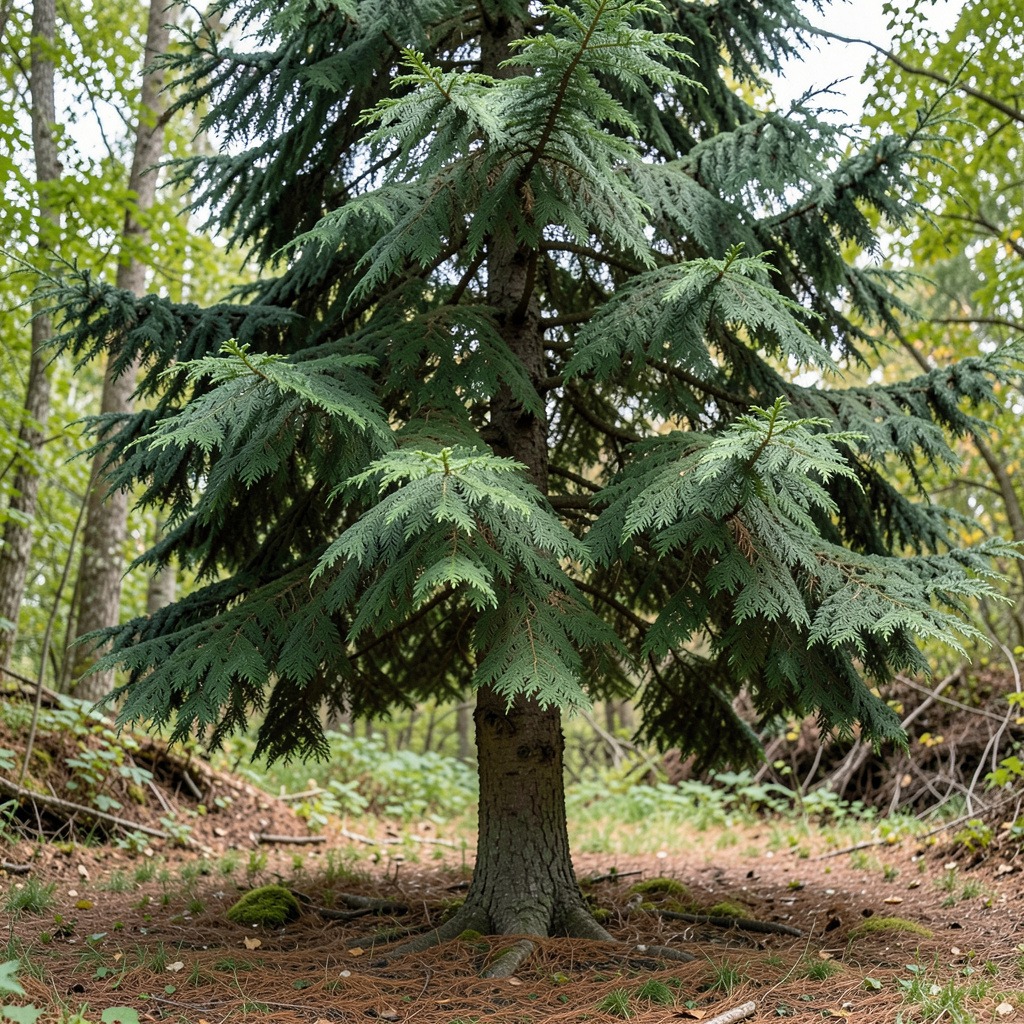
Japanese cedar trees offer numerous advantages for gardeners and landscapers. Their unique aesthetic appeal, durability, and environmental benefits make them a popular choice in various settings.
Aesthetic Appeal and Landscape Integration
Japanese cedar, or Cryptomeria japonica, features lush, plume-like foliage and attractive, peeling bark. These qualities enhance visual interest in gardens and landscapes. The tree can grow to impressive heights, providing a stunning focal point. Dwarf cultivars are also available for smaller spaces, maintaining the tree’s charm without requiring extensive room.
- Versatile Design: Japanese cedars can complement various garden styles, from traditional Japanese gardens to modern landscapes.
- Seasonal Changes: The foliage may turn reddish-brown in winter, offering seasonal color variations while remaining evergreen.
Durability and Longevity
Japanese cedars are known for their remarkable durability. They can withstand harsh weather conditions, making them suitable for diverse climates. These trees can live for centuries, contributing to long-lasting landscapes. Their wood is resistant to decay, making it a preferred material for construction in both residential and public projects.
- Low Maintenance: Once established, these trees require minimal care. They are somewhat drought-tolerant, needing regular watering primarily during their early growth stages.
- Historical Significance: Their durability has led to their use in traditional Japanese architecture, reflecting their strength and resilience.
Environmental Benefits
Planting Japanese cedar trees can yield several ecological advantages. They contribute to local biodiversity by providing habitat for various wildlife species. Additionally, their dense foliage can improve air quality and assist in carbon sequestration.
- Soil Improvement: Japanese cedars can enhance soil health by preventing erosion and improving water retention.
- Landscaping Impact: Case studies show their successful integration into public parks, where they provide shade and aesthetic beauty while supporting local ecosystems.
In summary, Japanese cedar trees present a compelling choice for gardeners seeking aesthetic appeal, durability, and positive environmental impacts.
Cons of Japanese Cedar Trees: What to Consider
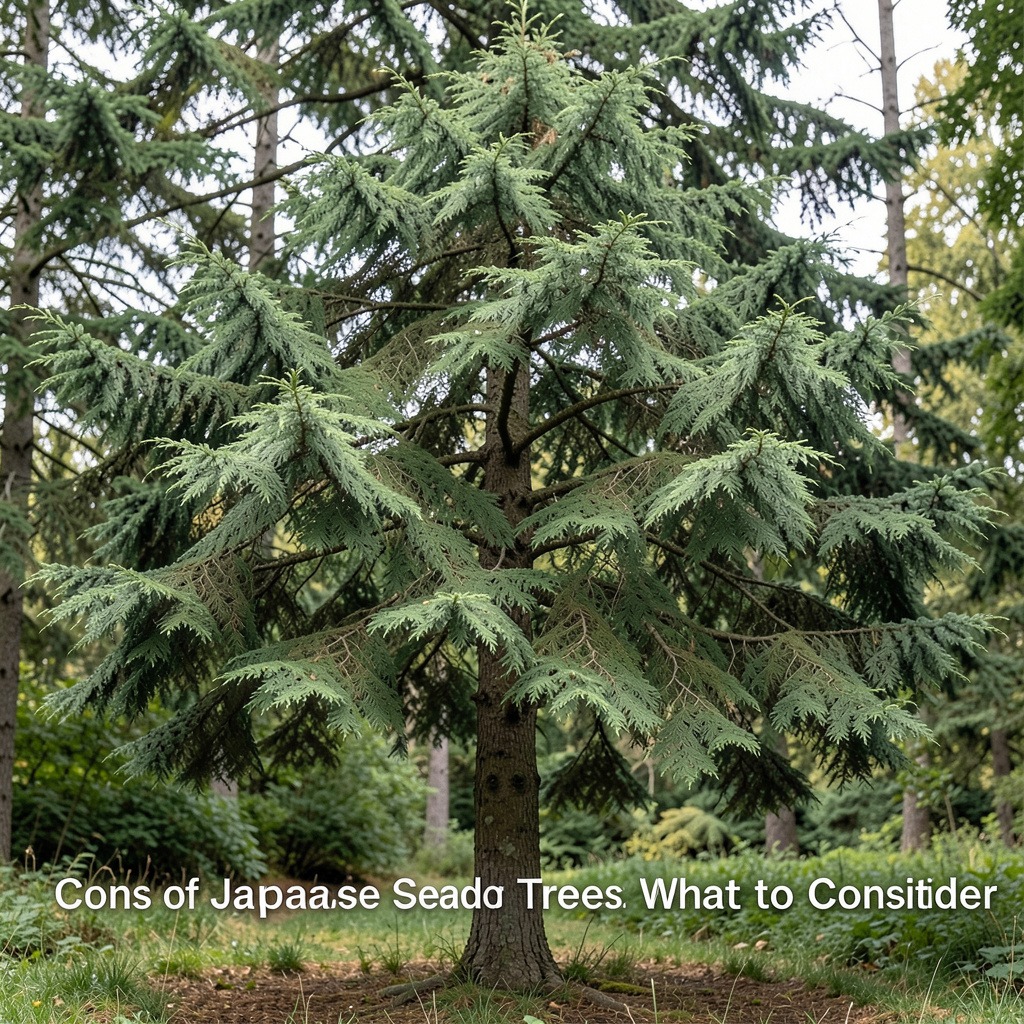
While Japanese cedar trees offer numerous benefits, they also present specific drawbacks. Understanding these cons is essential for gardeners considering this species for their landscapes.
Allergic Reactions and Pollen Issues
Japanese cedar trees produce significant amounts of pollen, which can trigger allergic reactions in sensitive individuals. Common symptoms include:
- Sneezing
- Runny nose
- Itchy eyes
During peak pollen seasons, typically from December to February, individuals with allergies may find their symptoms worsening. To mitigate these effects, consider the following strategies:
- Plant Away from Living Spaces: Position Japanese cedars away from outdoor areas where people gather.
- Timing for Planting: Plant during off-peak pollen seasons to minimize exposure.
- Regular Maintenance: Keeping the tree healthy through proper care can reduce excessive pollen production.
Maintenance and Care Requirements
Japanese cedars require specific care and attention. Here are the key maintenance needs:
- Soil pH: They thrive in slightly acidic to neutral soils. Testing and amending soil pH may be necessary before planting.
- Watering: Young trees need consistent moisture until established. Mature trees are relatively drought-tolerant but benefit from occasional watering during dry spells.
- Pruning: Regular pruning helps maintain shape and health, as well as remove any dead or diseased branches.
Neglecting these aspects can lead to health issues for the tree, impacting its growth and aesthetic appeal.
Environmental Concerns
Japanese cedar trees have raised some environmental concerns. While they enhance local biodiversity, dense stands can overshadow native plants and reduce overall plant diversity. This competition can lead to:
- Reduced Understory Growth: Native plants may struggle to thrive in the shade.
- Soil Depletion: Heavy reliance on water and nutrients can potentially affect surrounding flora.
When considering planting Japanese cedars, evaluate the local ecosystem. If planting in a diverse area, careful management practices, such as selective thinning, can help mitigate negative impacts.
Care and Maintenance of Japanese Cedar Trees
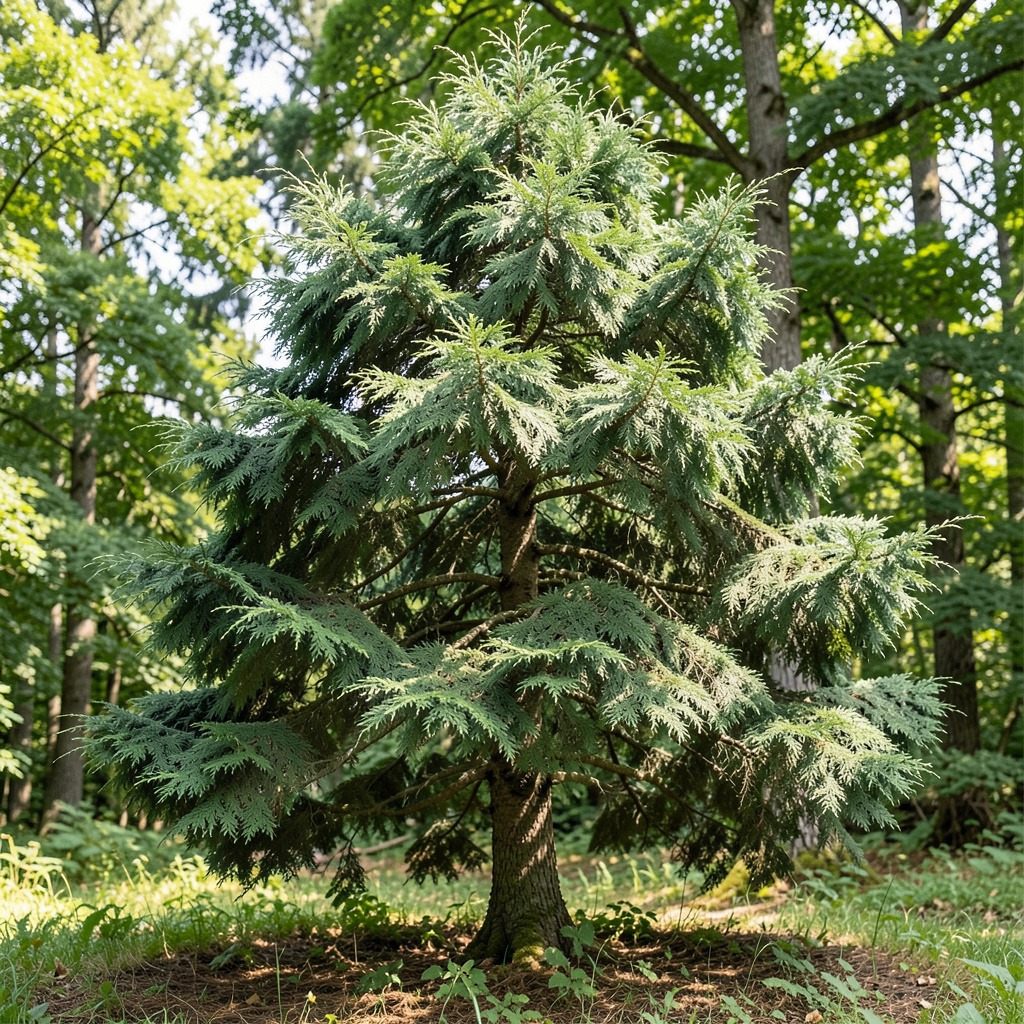
Caring for Japanese cedar trees involves understanding their specific needs regarding soil, light, watering, and fertilization. Proper care ensures healthy growth and enhances the tree’s aesthetic appeal.
Soil and Light Requirements
Japanese cedar trees thrive in well-drained, acidic to neutral soil with a pH below 6.0. Here’s what to consider:
- Soil Type: Use moist, well-drained soil. Amending with organic compost can improve soil quality.
- Light Conditions: Plant in full sun for optimal growth. While these trees can tolerate partial shade, too much shade results in thin, weak branches.
Watering and Fertilization Needs
Watering and fertilization are crucial for the establishment and ongoing health of Japanese cedars.
- Watering: Young trees require regular watering, especially in dry seasons. Once established, they become somewhat drought-tolerant but still benefit from occasional watering during prolonged dry spells.
- Fertilization: Apply a slow-release fertilizer in late winter or early spring. Follow the manufacturer’s guidelines for the correct amount.
Common Care Issues
Be aware of the following common issues that may affect your Japanese cedar trees:
- Pests and Diseases: Monitor for pests like spider mites and diseases such as root rot. Early detection is vital for effective management.
- Nutrient Deficiency: Yellowing foliage may indicate nutrient deficiencies or high soil pH. Test soil regularly and adjust as necessary.
Care Checklist
- Soil: Ensure acidic, well-drained soil; amend if needed.
- Light: Provide full sun; limit shade exposure.
- Water: Water regularly for young trees; adjust for established trees.
- Fertilizer: Use slow-release formula in early spring.
- Monitor: Check for pests and nutrient deficiencies.
By adhering to these guidelines, you can ensure your Japanese cedar trees remain healthy and vibrant, contributing to your landscape’s beauty.
Common Problems and Pests Affecting Japanese Cedar
Japanese cedar trees, while generally resilient, can face specific pests and diseases that may impact their health and growth. Understanding these issues will help gardeners maintain vibrant and thriving trees.
Common Pests of Japanese Cedar
Japanese cedars can attract several pests, which may weaken the tree if not managed promptly. The most common pests include:
- Japanese Cedar Long-Horned Beetle: This beetle can cause significant damage by boring into the wood. Infestations are usually slow to develop, allowing for early intervention.
- Spider Mites: These tiny pests feed on foliage, leading to stippling and discoloration. They thrive in dry conditions.
Diseases and Their Symptoms
Several diseases can affect Japanese cedars, often manifesting in specific symptoms:
- Leaf Blight: This fungal disease causes interior foliage to turn brown or gray. It thrives in humid conditions and can lead to extensive leaf loss.
- Leaf Spot: Appearing as brown or purple spots on leaves, this disease eventually forms yellow rings around the spots. Affected leaves may die prematurely.
Prevention and Treatment
Effective management of pests and diseases relies on early detection and proactive measures:
- For Pests: Regularly inspect trees for signs of infestation. Use pyrethrin-based products to treat long-horned beetles. For spider mites, increase humidity around the tree to deter them.
- For Diseases: Ensure proper airflow around the tree by pruning dense foliage. Avoid overhead watering to reduce humidity on leaves. Treat fungal infections promptly with appropriate fungicides.
Example Management Strategy: A gardener discovered leaf blight on their Japanese cedar. They increased sunlight exposure by thinning surrounding plants and applied a fungicide. This approach successfully restored the tree’s health.
By implementing these strategies, gardeners can effectively manage common problems associated with Japanese cedar trees, ensuring their longevity and aesthetic appeal.
Comparing Japanese Cedar to Other Cedar Types
Japanese cedar (Cryptomeria japonica) offers unique attributes that set it apart from other cedar species, particularly Western red cedar. By understanding the pros and cons of each type, gardeners can make informed decisions based on their specific landscaping needs.
Japanese Cedar vs. Western Red Cedar
| Feature | Japanese Cedar | Western Red Cedar |
|---|---|---|
| Wood Characteristics | Dense, durable, and resistant to decay | Lightweight and aromatic, but less dense |
| Growth Habit | Can reach up to 200 feet, often with multiple trunks | Typically grows to 60-70 feet, with a conical shape |
| Aesthetic Qualities | Soft, plume-like foliage; attractive bark | Rich reddish-brown color; appealing grain pattern |
| Care Requirements | Prefers acidic to neutral soil; requires regular pruning | Tolerant of various soil types; low-maintenance |
| Environmental Impact | Considered more sustainable; native to Japan | Widely used in North America, but overharvesting is a concern |
| Cost | Generally less expensive than Western red cedar | Typically more expensive due to demand |
Pros of Japanese Cedar:
- Excellent rot resistance, making it suitable for outdoor use.
- Unique aesthetic qualities enhance landscaping appeal.
- Lower initial cost compared to Western red cedar.
Cons of Japanese Cedar:
- Requires specific soil conditions for optimal growth.
- Can be susceptible to certain pests and diseases if not properly maintained.
Pros of Western Red Cedar:
- Renowned for its beautiful color and grain.
- Naturally insect-resistant, reducing the need for chemical treatments.
Cons of Western Red Cedar:
- Higher cost may not fit all budgets.
- Tends to bleed tannins, which can stain surfaces.
Other Cedar Types: Pros and Cons
While Japanese and Western red cedars are popular choices, other cedar species also warrant consideration.
- Eastern Red Cedar (Juniperus virginiana):
- Pros: Highly resistant to decay; aromatic.
- Cons: Can be invasive; lower aesthetic appeal compared to true cedars.
- Alaskan Cedar (Chamaecyparis nootkatensis):
- Pros: Exceptional durability; striking color.
- Cons: Less available and typically more expensive.
Best Use Cases for Each Type
- Japanese Cedar: Ideal for large landscapes and as a feature tree due to its height and unique foliage.
- Western Red Cedar: Great for fencing, decking, and outdoor furniture because of its lightweight nature and attractive appearance.
- Eastern Red Cedar: Suitable for wildlife gardens and natural fencing, given its resistance to decay.
- Alaskan Cedar: Best for high-end projects where durability and aesthetics are paramount.
Decision Rule: When choosing a cedar type, assess the specific environmental conditions of your garden. For acidic soils, Japanese cedar may thrive better. If aesthetics and aroma are priorities, consider Western red cedar.
Frequently Asked Questions
These quick answers cover the most common questions about this topic, including key details, practical tips, and common concerns.
How tall do Japanese cedars get?
Japanese cedar trees can grow to impressive heights, typically reaching between 50 to 70 feet. In optimal conditions, some specimens can even exceed 100 feet. Their conical shape and plume-like foliage make them a striking addition to landscapes, providing both height and visual interest.
What are the common problems with Japanese cedar?
Common problems with Japanese cedar include allergic reactions to pollen, which can affect sensitive individuals during peak seasons, typically from December to February. Additionally, they may face pest issues such as the Japanese cedar long-horned beetle and spider mites, as well as diseases like leaf blight and leaf spot. Regular monitoring and proper care can help mitigate these issues.
What not to plant near cedar trees?
When planting near Japanese cedar trees, avoid species that require high moisture or shade, as cedars can create competition for light and nutrients. Plants like rhododendrons or azaleas may struggle in the presence of cedars due to their specific soil and light requirements. It’s best to choose drought-tolerant and sun-loving plants that can thrive in the conditions cedars create.
Where does Japanese cedar grow best?
Japanese cedar thrives in USDA zones 5 to 8, preferring well-draining, slightly acidic to neutral soil. It grows best in full sun, receiving at least six hours of sunlight daily. These trees are adaptable but flourish in areas with good air circulation and minimal competition from other plants.
What are the best practices for pruning Japanese cedar?
Pruning Japanese cedar should be done in late winter or early spring before new growth begins. Focus on removing dead or diseased branches to promote healthy growth. Lightly shaping the tree can enhance its appearance, but avoid heavy pruning, as it can stress the tree. Always use clean, sharp tools to prevent injury and disease transmission.
Can Japanese cedar trees survive in drought conditions?
Yes, Japanese cedar trees are somewhat drought-tolerant once established. However, young trees require regular watering during their initial growth phase to develop strong root systems. In prolonged dry spells, mature cedars benefit from occasional watering to maintain their health and vigor.
What pests are common to Japanese cedar trees?
Common pests affecting Japanese cedar trees include the Japanese cedar long-horned beetle, which bores into the wood, and spider mites, which feed on foliage. Regular inspections and prompt treatment with appropriate pest control methods can help protect the trees from significant damage.