
Japanese maple care involves providing the right sunlight, soil, watering, and pruning.
Caring for a Japanese maple requires specific attention to their environmental and nutritional needs. This guide covers essential care techniques, including seasonal maintenance, common issues, and expert tips to help your tree thrive and showcase its stunning beauty.
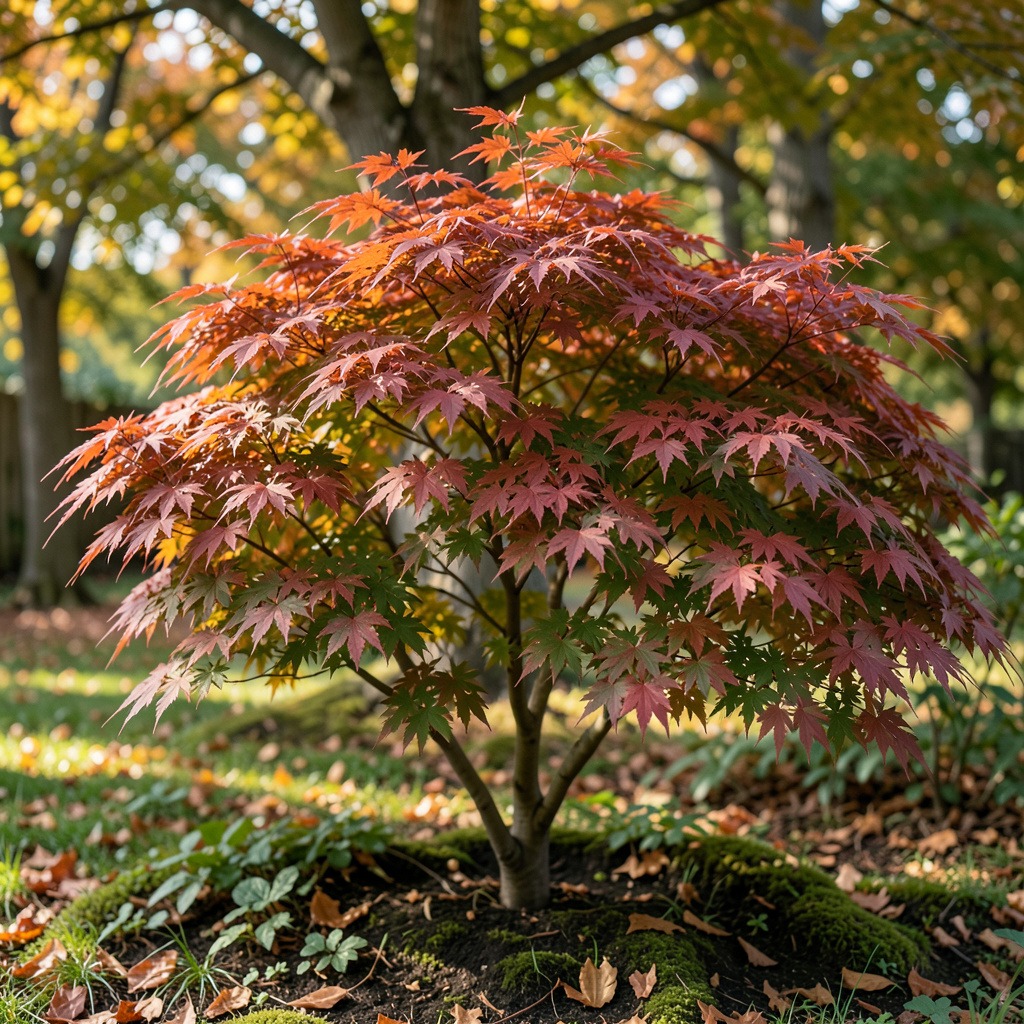
Understanding Japanese Maple Trees and Their Care Needs
Japanese maples are cherished for their delicate beauty and vibrant foliage. Understanding their specific care requirements is essential for promoting healthy growth and stunning displays.
The Beauty and Benefits of Japanese Maples
Japanese maples (Acer palmatum) are small, deciduous trees known for their stunning leaf shapes and colors. They provide year-round visual interest, making them a favorite in landscape design. Their ability to thrive in various garden settings enhances the aesthetic appeal of both residential and commercial landscapes.
- Cultural Significance: In Japan, these trees symbolize peace and tranquility. They are often featured in traditional gardens, embodying harmony with nature.
- Versatility: Japanese maples can adapt to different garden styles, from formal to informal, and can be grown in containers or directly in the ground.
Key Characteristics of Japanese Maples
Understanding the unique characteristics of Japanese maples is crucial for effective care.
- Size and Growth Habit: Typically, they reach heights of 10 to 25 feet, depending on the cultivar. Some dwarf varieties are perfect for compact spaces or container gardening.
- Leaf Varieties: Leaves can range from deep reds to bright greens, often changing color with the seasons. Red-leaf cultivars are particularly popular for their striking appearance.
- Soil Preferences: Japanese maples thrive in moist, well-drained, slightly acidic soil. They can tolerate poor soil, but growth may be stunted.
Care Considerations
To ensure healthy growth, consider these key care factors:
- Sunlight: Japanese maples prefer filtered sunlight or partial shade. Direct afternoon sun may scorch their leaves.
- Watering: Regular watering is essential, especially during dry spells. Aim to keep the soil consistently moist but not waterlogged.
- Fertilization: Use compost-enriched soil at planting. Avoid fertilizing in the first year; begin in late winter of the second year with a balanced fertilizer.
By understanding the characteristics and care needs of Japanese maples, you can create an environment that fosters their health and vibrancy.
Table of Contents
Choosing the Right Location for Your Japanese Maple
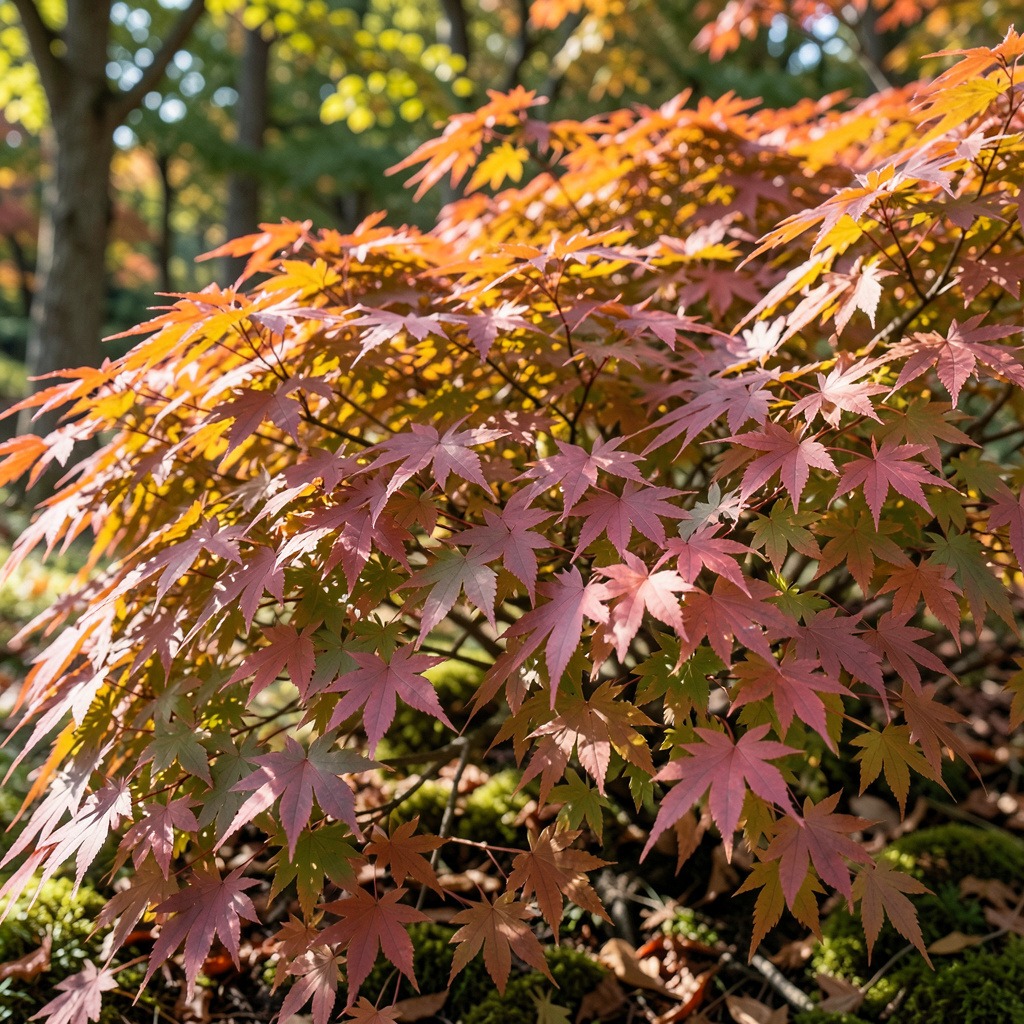
Selecting the ideal location for your Japanese maple is crucial for its health and growth. By focusing on sunlight exposure and soil type, you can ensure that your tree thrives.
Sunlight Requirements for Optimal Growth
Japanese maples generally prefer filtered sunlight or partial shade. Here are essential sunlight considerations:
- Morning Sun, Afternoon Shade: Position your tree where it receives morning sun and is shielded from the intense afternoon heat. This helps prevent leaf scorch.
- Avoid Full Sun: Direct sunlight, especially in the afternoon, can damage the delicate leaves. Look for locations that offer dappled light.
- Container Mobility: If using a container, you can easily adjust its position to find the best light conditions throughout the seasons.
Soil Types and Drainage Needs
The soil composition and drainage are vital for nurturing a healthy Japanese maple. Consider these factors:
- Soil Composition: Aim for moist, well-drained, slightly acidic soil. Ideal mixes often include loamy or sandy soil enriched with organic matter.
- Drainage: Good drainage is essential. Japanese maples do not tolerate soggy roots. If your soil is heavy clay, consider planting slightly elevated to prevent root rot.
- pH Level: Monitor soil pH. Japanese maples thrive in a slightly acidic range (pH 5.5 to 6.5). High alkalinity can lead to chlorosis, characterized by yellowing leaves.
Decision Framework for Planting Site Selection
When selecting a site for your Japanese maple, consider the following decision framework:
| Factor | Consideration | Recommendation |
|---|---|---|
| Sunlight | Morning vs. afternoon exposure | Morning sun with afternoon shade |
| Soil Type | Loamy vs. clay | Loamy or sandy, with organic matter |
| Drainage | Soggy vs. well-drained | Elevated planting for clay soils |
| Climate Zone | USDA zones for hardiness | Choose varieties suited to your zone |
By assessing these criteria, you can create the optimal environment for your Japanese maple, guiding its growth and longevity.
Watering Techniques for Japanese Maples
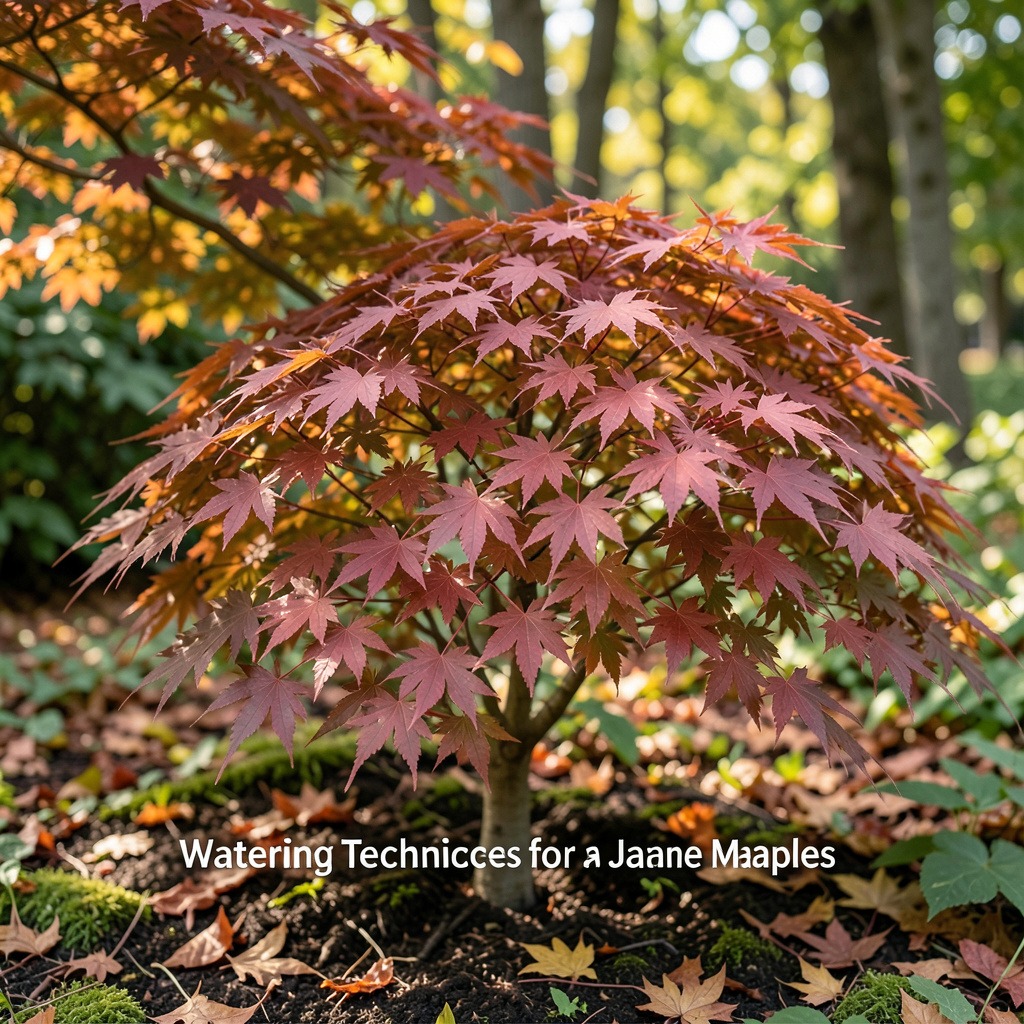
Watering is vital for the health of Japanese maples. These trees thrive with consistent moisture but can suffer from over or under-watering. Understanding how to manage their water needs is essential for optimal growth.
How Often Should You Water?
Japanese maples require regular watering, especially during their growing season. Here’s a general guideline:
- Spring and Summer: Water deeply once a week, allowing the soil to dry slightly between waterings.
- Fall: Reduce watering as temperatures drop and the tree enters dormancy. Water every two weeks if rain is insufficient.
- Winter: Most Japanese maples need minimal water, especially if planted in a region with winter precipitation. Check the soil moisture before watering.
Signs of Over or Under-Watering
Recognizing the symptoms of water stress is crucial. Here are the signs to watch for:
- Over-Watering:
- Yellowing leaves.
- Wilting despite moist soil.
- Root rot, which can be detected by a foul smell from the soil.
- Under-Watering:
- Crispy, brown leaf edges.
- Leaves dropping prematurely.
- Soil pulling away from the pot’s edges (for container trees).
Common Watering Mistakes to Avoid
- Watering too frequently: This can lead to root rot. Always check the soil moisture before watering.
- Ignoring rainfall: Adjust your watering schedule based on weather conditions.
- Neglecting young trees: Newly planted Japanese maples require more frequent watering until established.
By following these guidelines, you’ll help ensure that your Japanese maple receives the right amount of moisture, promoting healthy growth and vibrant foliage.
Fertilization Methods for Healthy Japanese Maples
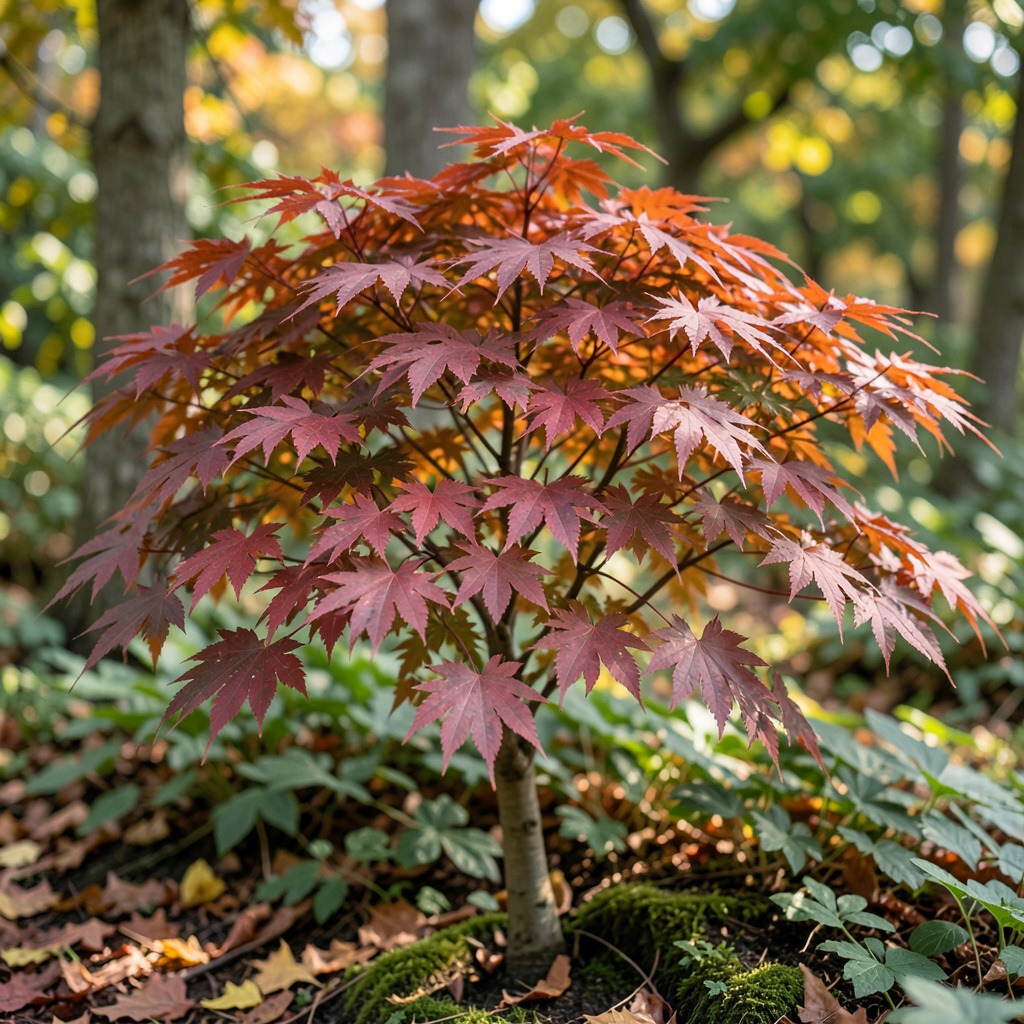
Proper fertilization promotes vibrant growth and foliage in Japanese maples. Understanding the best fertilizers and their application timing is critical for maintaining tree health.
Best Fertilizers for Japanese Maples
When selecting fertilizers for Japanese maples, consider the following options:
- Organic Fertilizers: These include compost, well-rotted manure, and fish emulsion. They provide slow-release nutrients and improve soil structure. Organic fertilizers reduce the risk of over-fertilization.
- Synthetic Fertilizers: These are formulated with specific N-P-K (nitrogen, phosphorus, potassium) ratios. They act quickly but may lead to nutrient burn if misapplied. A balanced 10-10-10 or 20-20-20 formula can be effective.
When and How to Fertilize
Timing is crucial for fertilization. Here’s a guideline for effective application:
- Spring Application: Fertilize in early spring as new growth begins. This timing supports the active growth phase of the tree.
- Fall Application: A light feeding in early fall can help prepare the tree for winter. However, avoid fertilization too late in the season, as it may stimulate new growth that won’t harden off before frost.
Application Methods
- Granular Fertilizers: Spread evenly around the base of the tree, keeping it 6-12 inches away from the trunk. Water thoroughly after application.
- Liquid Fertilizers: Dilute according to package instructions. Apply directly to the soil using a watering can or hose attachment.
Caveats of Over-Fertilization
Over-fertilization can harm Japanese maples. Symptoms include:
- Leaf scorch or browning edges
- Excessive leaf growth with weak stems
- Increased susceptibility to pests and diseases
To avoid these issues, always follow recommended application rates and monitor your tree’s health closely. Consider conducting a soil test to determine existing nutrient levels before applying fertilizers.
Pruning Techniques for Japanese Maples
Pruning is vital for maintaining the health and aesthetics of Japanese maples. Proper techniques not only promote growth but also enhance the tree’s natural form. Here, we outline essential pruning guidelines, including when and how to prune these beautiful trees.
When to Prune Your Japanese Maple
Timing is crucial for effective pruning of Japanese maples. The best time to prune is during late winter to early spring, before new growth begins. This timing helps minimize stress on the tree and encourages healthy recovery. Avoid pruning in the fall, as this can expose the tree to winter damage.
Checklist for Pruning Timing
- Late Winter to Early Spring: Ideal pruning window.
- Avoid Fall Pruning: Risk of winter damage.
- Monitor Growth: Prune after assessing growth patterns.
Pruning Techniques for Different Varieties
Different varieties of Japanese maples may require specific pruning techniques to thrive. Here are some general methods:
1. Thinning: Remove overcrowded branches to improve air circulation and light penetration. Aim for an open canopy.
2. Shaping: Maintain the natural shape of the tree. For upright varieties, ensure a central leader remains prominent.
3. Removal of Dead or Diseased Wood: Always cut back any dead or unhealthy branches to promote overall health.
Example Scenarios
- For a Weeping Variety: Focus on light thinning to maintain its graceful form without heavy pruning.
- For an Upright Variety: Prioritize shaping by ensuring the central leader is clear and prominent.
Visual Guides
To enhance your pruning skills, consider seeking visual guides or videos demonstrating these techniques. Observing experienced gardeners can provide practical insights into effective pruning methods.
By applying these pruning techniques, you ensure your Japanese maple not only thrives but also retains its striking beauty throughout the seasons.
Seasonal Care for Japanese Maples
Japanese maples require specific care throughout the year to thrive. Understanding their seasonal needs helps ensure healthy growth and vibrant foliage.
Spring Care: Awakening Your Maple
As temperatures rise, your Japanese maple emerges from dormancy. Focus on the following tasks:
- Inspect for Damage: Check for winter damage on branches. Prune away any dead or unhealthy wood.
- Soil Preparation: Ensure the soil is well-draining and slightly acidic. Amend with compost if needed.
- Watering: Begin a regular watering schedule. Japanese maples prefer moist but not soggy soil.
- Fertilization: Apply a balanced fertilizer in late spring to encourage new growth.
Summer Care: Managing Heat Stress
Summer heat can stress Japanese maples. Protect them with these strategies:
- Sunlight Management: Position your maple for morning sun and afternoon shade to prevent leaf scorch.
- Container Care: If your maple is in a pot, move it to a cooler location during extreme heat.
- Watering Adjustments: Increase watering frequency during hot spells. Check soil moisture regularly.
- Mulching: Apply a layer of mulch to retain moisture and regulate soil temperature.
Fall Care: Preparing for Winter
As the leaves turn, prepare your Japanese maple for winter:
- Pruning: Lightly prune to shape the tree and remove any dead branches, but avoid heavy pruning in fall.
- Watering: Continue to water until the ground freezes. This ensures the tree is hydrated for winter.
- Protecting from Wind: If you live in a windy area, use burlap screens to shield your tree from harsh winds.
- Mulch Application: Add mulch around the base to insulate roots during cold months.
Seasonal Care Checklist
| Season | Tasks |
|---|---|
| Spring | Inspect for damage, prepare soil, water regularly, fertilize |
| Summer | Manage sunlight, adjust watering, mulch for moisture retention |
| Fall | Prune lightly, continue watering, protect from wind, add mulch |
By following these seasonal care routines, your Japanese maple will flourish year-round.
Identifying and Managing Common Pests and Diseases
Japanese maples are susceptible to several pests and diseases that can impact their health. Early detection and management are key to ensuring these beautiful trees thrive.
Common Pests to Watch For
Several pests may infest Japanese maples, leading to stress and damage. Here are the most common ones:
- Aphids: Small, green insects that cluster on new growth. They can cause leaf curling and yellowing.
- Mealybugs: White, cottony masses found on stems and leaves. They sap plant juices, weakening the tree.
- Scale Insects: Small, brown or green bumps on stems and leaves. They also feed on sap, causing overall decline.
- Spider Mites: Tiny, spider-like pests that cause stippling on leaves. Affected leaves may turn yellow and drop.
- Japanese Beetles: Metallic green beetles that consume leaves, leading to skeletonized foliage.
Recognizing Disease Symptoms
Japanese maples can also face various diseases. Recognizing symptoms early can prevent severe damage:
- Cankers: Sunken, dark areas on branches. They can girdle stems, leading to dieback.
- Verticillium Wilt: Causes premature yellowing of leaves and leaf drop, often starting with one side of the tree.
- Powdery Mildew: White, powdery spots on leaves. It thrives in humid conditions and can stunt growth.
- Anthracnose: Dark, sunken lesions on leaves and stems. It can cause leaf drop and weaken the tree.
- Sooty Mold: Black, sooty fungus on leaves, often a result of sap-sucking pests like aphids.
Effective Treatment and Prevention Strategies
Managing pests and diseases involves a combination of prevention and treatment. Here’s a handy table summarizing effective strategies:
| Pest/Disease | Symptoms | Treatment Options | Prevention Measures |
|---|---|---|---|
| Aphids | Leaf curling, yellowing | Wash off with water, use insecticidal soap | Regular monitoring, encourage beneficial insects |
| Mealybugs | Cottony masses | Remove by hand, apply horticultural oils | Keep plants healthy, avoid overcrowding |
| Scale Insects | Bumps on stems/foliage | Use horticultural oil, insecticidal soap | Prune and dispose of infested branches |
| Spider Mites | Stippling, yellowing leaves | Increase humidity, use miticides | Regular watering, avoid drought stress |
| Japanese Beetles | Skeletonized leaves | Hand-picking, apply neem oil | Use traps, maintain healthy plants |
| Cankers | Dark, sunken areas | Prune affected branches, sterilize tools | Avoid wounding trees, proper watering |
| Verticillium Wilt | Yellowing leaves | No treatment, remove affected trees | Choose resistant varieties, good drainage |
| Powdery Mildew | White spots on leaves | Apply fungicides, improve air circulation | Water at the base, avoid overcrowding |
| Anthracnose | Dark lesions | Fungicides, remove affected leaves | Prune for air circulation, proper spacing |
| Sooty Mold | Black fungal growth | Control pests causing honeydew | Regular monitoring, keep foliage clean |
By keeping an eye on these pests and diseases, you can take proactive steps to maintain the health of your Japanese maple. Regular inspections and timely interventions are essential for optimal growth and beauty.
Container vs. Ground Planting: Which is Best for Your Japanese Maple?
Choosing the right planting method for your Japanese maple is crucial for its health and vitality. Both container and ground planting have their unique benefits and challenges, which can significantly impact your tree’s growth.
Benefits of Container Planting
Container planting offers flexibility and control. Here are key advantages:
- Mobility: You can relocate the tree to provide optimal sunlight or shelter from harsh weather.
- Size Management: Dwarf varieties thrive in containers. The limited space encourages self-stunting, making them perfect for small areas.
- Soil Control: You can select high-quality, well-draining potting soil tailored to the maple’s needs.
However, consider the following:
- Water Management: Containers require diligent watering. Soil can dry out quickly, especially in warm weather.
- Root Bound Issues: If not repotted regularly, roots may become cramped, affecting the tree’s health.
Advantages of Ground Planting
Planting in the ground has its own set of benefits:
- Stable Environment: Ground soil can provide a more consistent moisture level and temperature.
- Natural Growth: Japanese maples can grow larger and stronger without the confines of a pot.
- Improved Nutrient Access: Ground planting allows the tree to access a broader range of nutrients and organic matter.
Consider the downsides:
- Site Selection: You must choose a suitable spot with the right sunlight and soil conditions.
- Less Mobility: Once planted, relocating can be difficult and may harm the tree.
Decision Matrix for Planting Method
| Factor | Container Planting | Ground Planting |
|---|---|---|
| Space Availability | Ideal for small spaces | Best for spacious gardens |
| Climate Flexibility | Can be moved to protect from extremes | Fixed location, must choose wisely |
| Soil Quality | Customizable | Dependent on existing soil conditions |
| Maintenance | Requires regular watering and care | More stable, but needs proper drainage |
| Growth Potential | Limited by pot size | Full growth potential in open ground |
Consider these factors carefully. Your choice should reflect your environment, available space, and the specific variety of Japanese maple you intend to grow.
Troubleshooting Common Issues with Japanese Maples
Japanese maples, while stunning, can encounter several health issues. Understanding these problems is crucial for effective care. Here are common issues and practical solutions to maintain your tree’s health.
How to Identify a Dying Japanese Maple
Recognizing the signs of distress in your Japanese maple is essential. Look for these symptoms:
- Yellowing Leaves: This may indicate nutrient deficiencies, particularly manganese.
- Crispy Leaf Edges: Often a sign of underwatering or excessive sun exposure.
- Bark Damage: Sunburn on the trunk can occur if the tree is pruned excessively.
- Wilting: Can indicate overwatering or root rot.
Solutions for Common Problems
Once you’ve identified the symptoms, apply these targeted solutions:
- Nutrient Deficiencies: Conduct a soil test to determine specific deficiencies. For manganese deficiency, consider injecting manganese capsules into the trunk or applying a suitable fertilizer.
- Sunburn: Protect your tree by avoiding excessive pruning. If you need to increase light exposure, do it gradually over two seasons. This helps the tree acclimate without damage.
- Watering Issues:
- Underwatering: Ensure the soil remains consistently moist, particularly in hot weather.
- Overwatering: Check drainage; roots should not sit in water. If root rot occurs, remove affected roots and repot in fresh soil.
- Pest Control: Regularly inspect for pests like aphids or spider mites. Introduce beneficial insects like ladybugs or use insecticidal soap as needed.
- Seasonal Care Checklist:
- Spring: Prune lightly and fertilize as new growth begins.
- Summer: Monitor watering closely; provide shade during extreme heat.
- Fall: Mulch to protect roots; prepare for winter.
- Winter: Shield the tree from harsh winds and frost.
Real-life example: A gardener noticed yellowing leaves in their Japanese maple. After testing the soil, they found a manganese deficiency. They injected manganese capsules, resulting in vibrant, green foliage within weeks.
By addressing these issues promptly and effectively, you can ensure your Japanese maple remains healthy and vibrant through the seasons.
Frequently Asked Questions
These quick answers cover the most common questions about this topic, including key details, practical tips, and common concerns.
How do I keep my Japanese maple healthy?
To keep your Japanese maple healthy, provide it with the right environment. Ensure it receives filtered sunlight or partial shade, as direct afternoon sun can scorch its leaves. Water regularly to maintain consistent moisture in the soil, avoiding waterlogged conditions. Fertilize with a balanced organic fertilizer in early spring and monitor for pests and diseases, addressing any issues promptly.
What are the cons of Japanese maples?
While Japanese maples are beautiful, they have some drawbacks. They can be sensitive to extreme weather conditions, such as strong winds and harsh sunlight, which may lead to leaf scorch. Additionally, they may require more care than other trees, including regular watering, pruning, and pest management. Some varieties can also be prone to diseases like verticillium wilt.
Can I use Miracle Gro on my Japanese maple tree?
Yes, you can use Miracle Gro on your Japanese maple, but do so with caution. Choose a balanced formula and follow the recommended dilution rates. It’s best to apply it in early spring when the tree is actively growing. However, organic fertilizers are often preferred, as they provide slow-release nutrients and improve soil health without the risk of burning the roots.
Are acers better in pots or ground?
The decision to plant your acer (Japanese maple) in a pot or in the ground depends on your space and preferences. Container planting allows for mobility and is ideal for smaller spaces, while ground planting provides a more stable environment for growth. Ground-planted trees typically access more nutrients and moisture, but containers allow for easier care and relocation to protect against harsh weather.
Is your Japanese maple in a pot or planted in the ground?
Determining whether your Japanese maple is in a pot or planted in the ground affects its care. If in a pot, ensure it has adequate drainage and monitor moisture closely, as container soil can dry out quickly. For ground-planted trees, focus on soil quality and drainage, and make sure the planting site offers the right sunlight and protection from extreme conditions.
What should I do if my Japanese maple is dying?
If your Japanese maple shows signs of distress, first assess its environment. Check for yellowing leaves, wilting, or bark damage. Adjust your watering practices, ensuring the soil is moist but not soggy. Inspect for pests or diseases and treat them accordingly. If root rot is suspected, remove affected roots and repot the tree in fresh soil.
How do I prune my Japanese maple for best results?
Prune your Japanese maple in late winter to early spring before new growth begins. Focus on removing dead or diseased branches and thinning out crowded areas to improve air circulation. For shaping, maintain the natural form by keeping a central leader intact. Use clean, sharp tools to avoid damaging the tree and promote healthy healing.