
Japanese maple identification involves recognizing distinct features like leaf shape, bark texture, and growth habits, primarily found in the species Acer palmatum and its many cultivars.
Table of Contents
Identifying Japanese maples can enhance your gardening experience and improve landscape appeal. This guide offers comprehensive insights into the key features and classifications of these beautiful trees, ensuring you can recognize and select the right variety for your needs.
Understanding Japanese Maple Trees
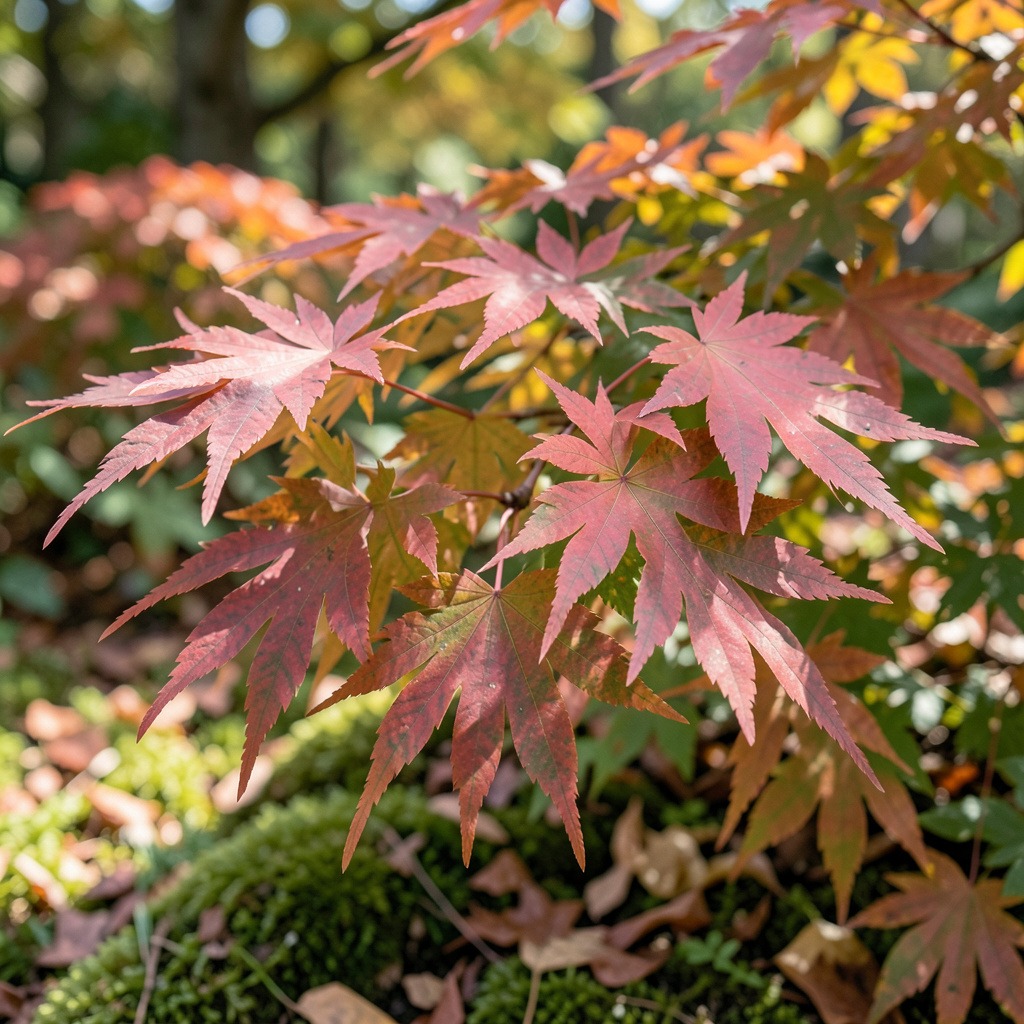
Japanese maples, scientifically known as Acer palmatum, are renowned for their stunning foliage and graceful forms. Native to Japan and parts of Asia, these deciduous trees have become popular in landscaping for their aesthetic appeal and versatility.
Key Identification Features
Identifying Japanese maples involves observing several distinctive traits:
- Leaf Shape: The leaves are typically palmately lobed, ranging from five to nine lobes. Their size is smaller compared to other maples, measuring 1.5 to 5 inches long.
- Bark Characteristics: Young branches feature smooth, colorful bark, often in shades of green, red, or pink. As they age, the bark turns gray on older limbs.
- Growth Habit: Japanese maples can grow between 20 to 30 feet tall, with some dwarf varieties reaching only 4 to 8 feet. Their crown can be rounded, weeping, or upright.
Types and Varieties
Japanese maples can be categorized into several groups based on their growth habits and leaf characteristics:
- Dwarf Varieties: Ideal for small gardens or containers, dwarf Japanese maples provide vibrant colors without taking up much space.
- Weeping Varieties: These trees have cascading branches that create a dramatic effect in landscapes.
- Standard Varieties: Larger trees suited for specimen planting or shade provision.
Understanding these types helps in selecting the right Japanese maple for specific aesthetic goals or garden sizes.
Cultural Significance
In Japan, these trees hold a special cultural status. They symbolize grace, beauty, and the changing seasons. Japanese maples are often featured in traditional gardens, where their vibrant fall colors enhance the natural landscape. Consider incorporating a Japanese maple into your garden to not only beautify your space but also to connect with this rich cultural heritage.
By recognizing these key identification features and understanding their types, you can confidently select and cultivate Japanese maples that enhance your gardening experience.
Key Identification Features of Japanese Maples
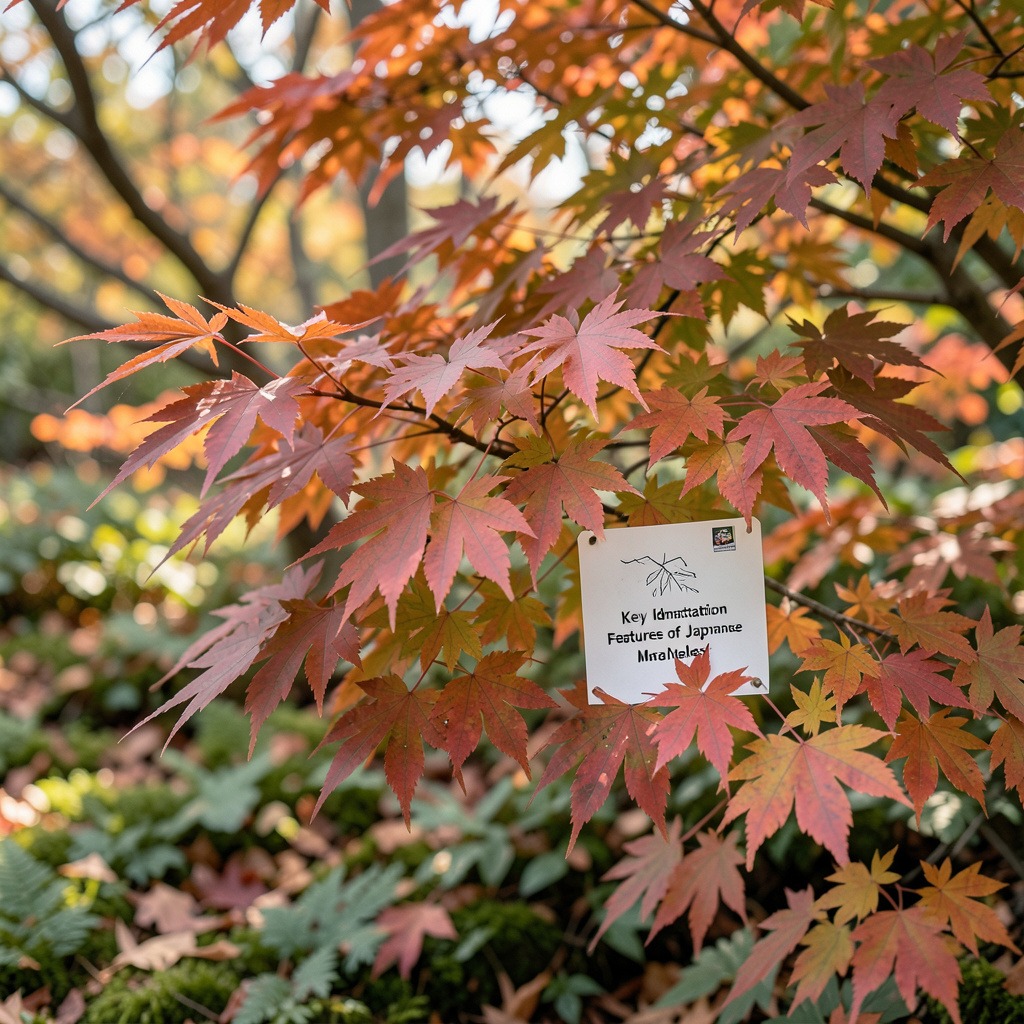
Identifying Japanese maples requires attention to specific characteristics. Focus on their leaves, bark, and overall shape to distinguish them from other tree species.
Leaf Characteristics
Japanese maple leaves are distinct in shape and size. They typically feature:
- Palmate Lobes: Most leaves have five to nine lobes, resembling a hand.
- Size: Leaves range from 1.5 to 5 inches long. They are smaller than those of many other maples.
- Color: Foliage varies by cultivar, displaying vibrant greens in spring and summer, and stunning reds or oranges in the fall.
- Shape Variations: Some cultivars have deeply divided leaves, while others have more rounded edges.
Checklist for Leaf Identification:
- Look for palmate, lobed shapes.
- Measure leaf size (1.5 to 5 inches).
- Observe color changes throughout the seasons.
Bark and Trunk Features
The bark and trunk of Japanese maples provide additional identification clues:
- Bark Color: Young branches may appear red or green. Older bark typically becomes smooth and gray.
- Trunk Structure: Japanese maples often have multiple trunks rather than a single central trunk. This multi-stemmed growth habit is distinctive.
- Bark Texture: The texture can be smooth or slightly rough, depending on the age of the tree.
Checklist for Bark Identification:
- Check for color differences between young and old bark.
- Note the presence of multiple trunks.
- Examine the bark texture for smoothness or roughness.
Tree Shape and Size
Japanese maples exhibit varied shapes and sizes, which are crucial for identification:
- Growth Habit: They can be upright, weeping, or cascading. Dwarf varieties grow between 4 and 8 feet tall, while standard types reach 20 to 30 feet.
- Crown Shape: Many have a rounded crown, contributing to their ornamental appeal in landscapes.
Checklist for Shape and Size Identification:
- Determine if the tree is upright or weeping.
- Measure the height to categorize as dwarf or standard.
- Observe the crown shape for rounding or cascading features.
By using these identification features — leaf characteristics, bark and trunk features, and overall shape — you can accurately recognize and appreciate the beauty of Japanese maples.
Types and Varieties of Japanese Maples
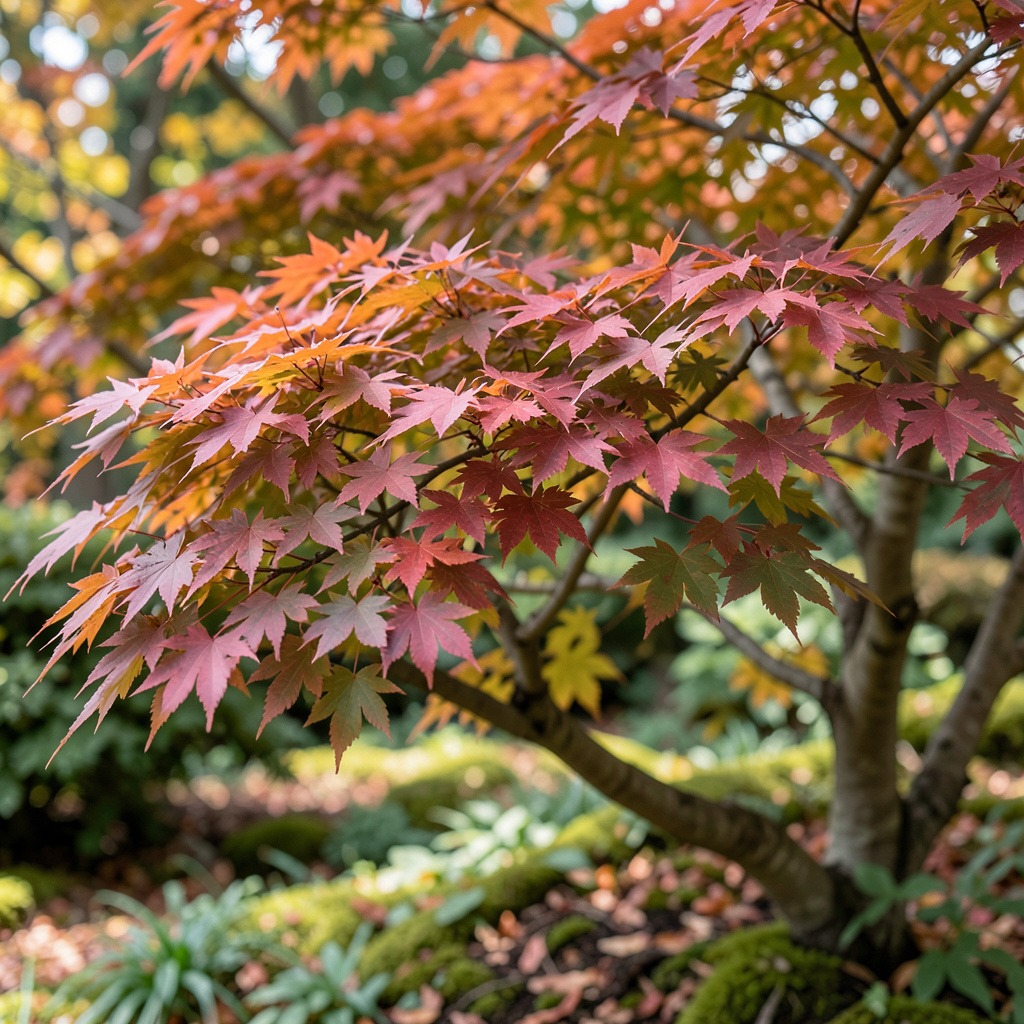
Japanese maples (Acer palmatum) are cherished for their diverse forms and stunning aesthetics. They can be categorized into several types, each offering unique characteristics and visual appeal.
Dwarf Japanese Maples
Dwarf varieties are ideal for small gardens and limited spaces. They typically grow between 4 and 8 feet tall, making them manageable while still providing vibrant color and texture.
Key Features:
- Height: 4 to 8 feet.
- Growth Habit: Compact and bushy.
- Leaf Characteristics: Often deeply lobed with vibrant colors ranging from green to red.
Popular Dwarf Varieties:
- Shaina: Features deep crimson leaves that maintain their color throughout the season.
- Crimson Queen: A weeping variety with finely dissected leaves that turn bright red in autumn.
Weeping Japanese Maples
Weeping Japanese maples are known for their cascading branches and graceful appearance. They create a dramatic focal point in any landscape.
Key Features:
- Height: Usually around 5 to 10 feet.
- Growth Habit: Drooping branches that enhance their ornamental value.
- Leaf Characteristics: Leaves may vary in color but often include shades of purple, green, or red.
Popular Weeping Varieties:
- Waterfall: This variety has bright green, feather-like leaves and a unique cascading form.
- Red Dragon: Features deep red leaves with a distinctive lacy appearance, ideal for creating visual interest.
Popular Cultivars
Several cultivars of Japanese maples stand out due to their exceptional beauty and adaptability.
Key Features:
- Color Variations: Leaves can range from vibrant reds to subtle greens, depending on the cultivar.
- Growth Conditions: Most prefer partial shade and well-drained soil.
Noteworthy Cultivars:
- Bloodgood: One of the most popular cultivars, known for its striking red leaves that hold their color into the fall.
- Emperor I: Features large, deep purple leaves and a strong upright growth habit, making it suitable for formal landscapes.
Decision Framework for Selection
When selecting a Japanese maple, consider the following factors:
- Space Availability: Choose dwarf varieties for small gardens and larger types for expansive landscapes.
- Aesthetic Goals: Identify if you desire a weeping form for dramatic flair or an upright variety for structure.
- Color Preferences: Match the leaf color to your garden’s palette.
By understanding these types and their unique characteristics, you can confidently identify and select the right Japanese maple for your landscape needs.
Environmental Preferences for Japanese Maples
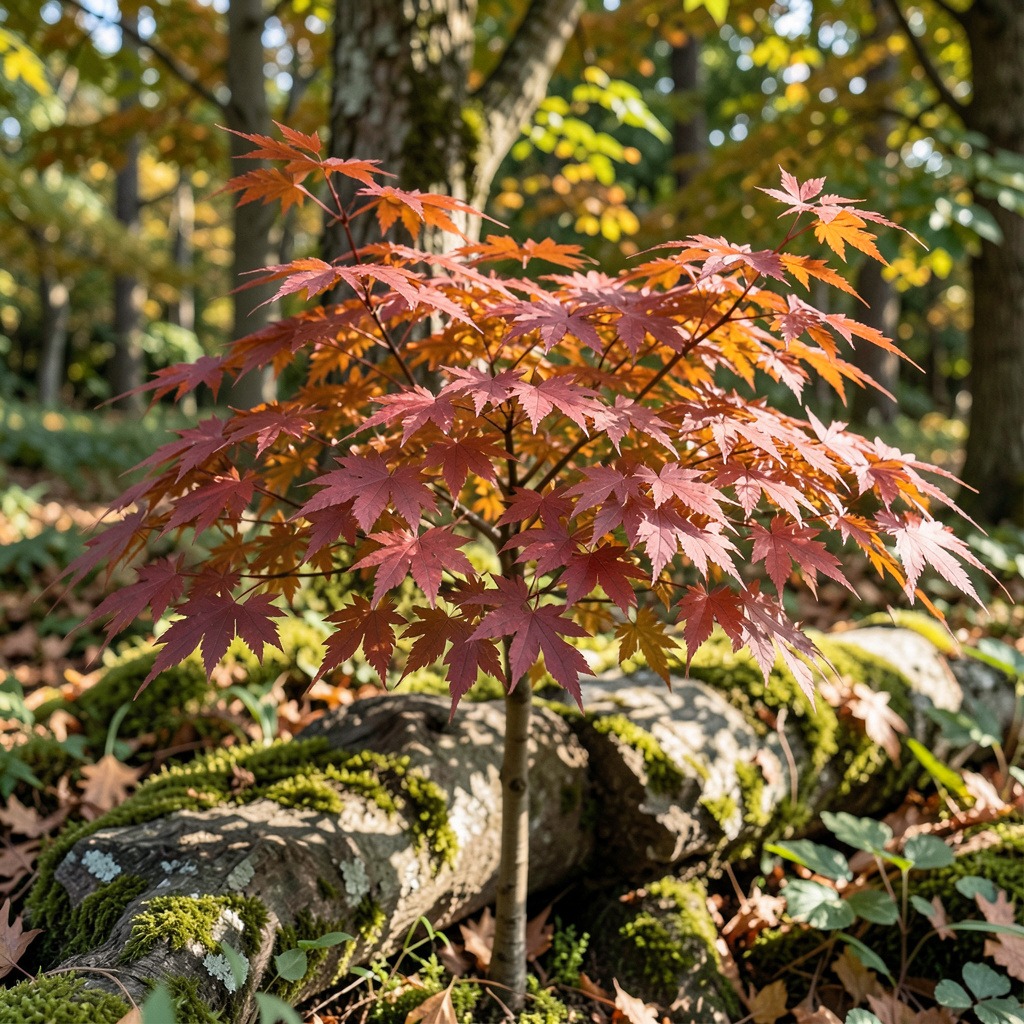
Japanese maples thrive in specific growing conditions that enhance their unique features. Understanding these preferences is crucial for proper identification and care.
Sunlight Requirements
Japanese maples prefer filtered sunlight. They thrive in partial shade, ideally receiving morning sun and afternoon shade. Excessive direct sunlight can scorch their delicate leaves.
Soil Type and Drainage
Ideal soil for Japanese maples is well-drained and slightly acidic. Here are key points to consider:
- Soil Composition: Use a mix of loamy soil with organic matter.
- pH Level: Aim for a pH between 5.5 and 6.5 for optimal growth.
- Drainage: Ensure good drainage to prevent root rot. Avoid heavy clay soils that retain water.
Moisture Needs
While Japanese maples require consistent moisture, they do not tolerate soggy conditions. Follow these guidelines:
- Watering: Water deeply but infrequently. Allow the top inch of soil to dry out between waterings.
- Mulching: Apply mulch around the base to retain soil moisture and regulate temperature.
Checklist for Optimal Growing Conditions
- Sunlight: Partial shade (morning sun with afternoon shade)
- Soil: Well-drained, loamy, slightly acidic (pH 5.5 – 6.5)
- Moisture: Consistent but well-drained moisture
By adhering to these environmental preferences, you can support the health and aesthetic appeal of your Japanese maples.
Common Mistakes in Identifying Japanese Maples
Identifying Japanese maples can be challenging. Misidentifications are common due to their diverse forms and similar-looking species. Here are frequent errors and how to avoid them.
Confusing Leaf Shapes
Japanese maples display a range of leaf shapes. Some common mistakes include:
- Assuming all varieties have similar leaves: Many cultivars feature unique lobing and sizes. For instance, dissected varieties have deeply cut leaves, differing significantly from standard lobed forms.
- Ignoring seasonal changes: Leaf color and shape can change with the seasons. Fall colors can mask identifying features present in spring and summer.
To accurately identify, compare leaf shapes across several seasons and focus on specific cultivars.
Overlooking Growth Habits
Japanese maples come in various growth habits, leading to misidentification. Common pitfalls include:
- Misidentifying weeping forms: Weeping Japanese maples have cascading branches, while upright forms stand tall. Confusing these can lead to incorrect assessments of garden suitability.
- Not considering size variations: Dwarf varieties, like ‘Shishigashira’, grow much smaller than standard types. Always check the expected height and spread.
To avoid these mistakes, note the growth habit and compare it against known categorizations.
Neglecting Bark Characteristics
Bark features often change with age and can provide critical identification clues. Common errors include:
- Ignoring the bark texture: Young branches may be smooth and colorful, while older trunks can be rough and gray. This shift can mislead novice identifiers.
- Failing to observe color variations: Some cultivars exhibit unique bark colors, such as ‘Bloodgood’, which has dark red bark.
When identifying, always examine the bark and note any color or texture differences, particularly between young and mature wood.
Quick Identification Checklist
- Leaf Shape: Check for lobing and size; consider seasonal variations.
- Growth Habit: Identify if the tree is weeping, upright, or dwarf.
- Bark Features: Observe texture and color differences, especially with age.
By being vigilant about these common mistakes, you can enhance your ability to accurately identify Japanese maples and appreciate their unique beauty.
Seasonal Care Tips for Japanese Maples
Japanese maples require specific care throughout the year to maintain their health and beauty. Understanding their seasonal needs is vital for successful identification and cultivation.
Spring Care: Awakening Growth
- Watering: Ensure the soil remains moist but not waterlogged as new growth emerges.
- Fertilization: Apply a balanced, slow-release fertilizer to support leaf development.
- Pruning: Remove any dead or damaged branches to encourage healthy growth patterns.
Summer Care: Managing Heat
- Mulching: Apply a layer of mulch to retain soil moisture and regulate temperature.
- Watering: Increase watering frequency during hot spells. Aim for deep watering to encourage root growth.
- Pest Monitoring: Check for pests like aphids or spider mites. Early detection is crucial for maintaining plant health.
Fall Care: Preparing for Dormancy
- Leaf Cleanup: Rake fallen leaves to prevent disease and pests from overwintering.
- Final Pruning: Conduct light pruning to shape the tree and remove any dead branches.
- Watering: Continue to water until the ground freezes. This helps the tree prepare for winter.
Winter Care: Protecting Your Maple
- Burlap Wrapping: For younger trees, consider wrapping the trunk with burlap to protect against harsh winds.
- Snow Removal: Gently remove heavy snow from branches to prevent breakage.
- Soil Maintenance: Monitor soil moisture levels. Avoid letting the soil dry out completely during winter.
By following these seasonal care tips, you enhance your ability to identify and cultivate Japanese maples effectively. Regular attention to these tasks helps maintain their vibrant foliage and distinctive shapes.
Cultural Significance of Japanese Maples in Japan
Japanese maples hold a prominent place in Japanese culture and gardening traditions. Their delicate beauty and vibrant foliage symbolize grace and tranquility, making them a favorite in traditional gardens.
Historical Importance
Japanese maples, particularly Acer palmatum, have been cultivated in Japan for centuries. Their introduction dates back to the Heian period (794-1185), when they were admired for their ornamental qualities. Over time, these trees became integral to Japanese garden designs, embodying the aesthetic principles of simplicity and natural beauty.
Symbolism in Japanese Culture
1. Seasonal Change: Japanese maples are celebrated for their stunning fall colors. Their leaves transform into brilliant reds and oranges, representing the beauty of change and the transient nature of life. This seasonal transition is often depicted in art and poetry.
2. Zen Gardens: In Zen gardens, Japanese maples serve as focal points, inviting contemplation. Their form and color enhance the serene atmosphere, promoting mindfulness and reflection.
3. Festivals and Traditions: During festivals like Momiji-gari, people gather to appreciate the autumn foliage. Japanese maples play a crucial role in these celebrations, showcasing the cultural connection to nature.
Choosing the Right Maple for Cultural Aesthetics
When selecting a Japanese maple, consider the following:
- Size and Shape: Dwarf varieties fit well in smaller gardens, while larger types can serve as statement pieces.
- Leaf Color: Choose between vibrant reds or deep greens based on the desired seasonal impact.
- Growth Habit: Weeping varieties create a cascading effect, ideal for tranquil garden settings.
Understanding these cultural significances can enhance your ability to identify and appreciate the various forms of Japanese maples, enriching your gardening experience.
Bonsai Cultivation Techniques for Japanese Maples
Cultivating Japanese maples as bonsai offers an intimate way to appreciate their beauty. This ancient art form allows you to shape and nurture these trees in a controlled environment. Here’s how to get started.
Selecting the Right Japanese Maple for Bonsai
When choosing a Japanese maple for bonsai, consider the following factors:
- Species: Acer palmatum is the most common choice. Its smaller leaves and graceful structure make it ideal for bonsai.
- Growth Habit: Look for varieties with a naturally compact growth. Dwarf and weeping types are particularly suited for bonsai.
- Leaf Characteristics: Select trees with vibrant foliage. Variegated leaves can add visual interest.
Step-by-Step Guide to Bonsai Cultivation
1. Initial Pruning: Start by pruning the tree to establish the desired shape. Remove any unwanted branches and leaves.
2. Wiring: Use aluminum or copper wire to shape branches. Wrap the wire gently around the branches, guiding them into your desired position.
3. Repotting: Repot your bonsai every couple of years to refresh the soil. Use a well-draining mix ideal for Japanese maples.
4. Watering: Maintain consistent moisture, avoiding both overwatering and underwatering. Water when the top inch of soil feels dry.
5. Fertilizing: Apply a balanced fertilizer during the growing season to promote healthy growth.
6. Seasonal Care: Protect your bonsai from extreme temperatures. In winter, consider moving it to a sheltered location.
Common Mistakes to Avoid
- Over-Pruning: Removing too many leaves or branches can stress the tree. Prune gradually.
- Ignoring Light Needs: Japanese maples prefer partial shade. Ensure your bonsai receives adequate light without direct harsh sunlight.
- Neglecting Soil Quality: Using poor-quality soil can hinder growth. Invest in a quality bonsai soil mix.
By following these techniques, you can cultivate a healthy and aesthetically pleasing Japanese maple bonsai. This practice not only enhances identification skills but also deepens your connection to the tree’s cultural significance.
Comprehensive Checklist for Japanese Maple Identification
Identifying Japanese maples involves recognizing specific key features and traits. This checklist will help you distinguish these trees effortlessly.
Key Identification Features
1. Leaf Structure:
- Look for palmately lobed leaves.
- Leaves typically have 5 to 9 lobes, resembling the fingers of a hand.
- Size ranges from 1.5 to 5 inches (4 to 13 cm) in length.
2. Bark Characteristics:
- Older trunks display smooth, gray bark.
- Younger branches may show colors like green, red, or pink.
3. Growth Habit:
- Japanese maples can grow between 20 to 35 feet tall, depending on the variety.
- Dwarf varieties reach only 4 to 8 feet and are perfect for smaller spaces.
- Look for rounded, weeping, or upright forms depending on the cultivar.
Seasonal Color Changes
- Spring: New leaves may emerge in shades of red, purple, or green.
- Summer: Leaves often deepen in color, transitioning to vibrant hues.
- Fall: Expect spectacular displays of red, orange, or gold foliage.
Checklist for Identification
| Feature | Description | Checklist Item |
|---|---|---|
| Leaf Shape | Palmately lobed, 5-9 lobes | [ ] Leaf Structure |
| Leaf Size | 1.5 to 5 inches long | [ ] Leaf Size |
| Bark Color | Smooth gray on old trunks, colorful on new | [ ] Bark Characteristics |
| Tree Height | 20-35 feet for regular, 4-8 feet for dwarf | [ ] Growth Habit |
| Seasonal Colors | Red, orange, gold in fall | [ ] Seasonal Changes |
This checklist will aid in identifying Japanese maples in various settings. Use it to ensure accurate identification in the field or while planning your garden.
Comparing Japanese Maples to Other Maple Species
Understanding the unique characteristics of Japanese maples (Acer palmatum) is essential for accurate identification. By comparing them with other common maple species, you can better appreciate their distinct traits.
Leaf Characteristics
Japanese maple leaves are typically smaller and more finely lobed than those of other maple species. Their shapes can vary significantly among cultivars.
| Feature | Japanese Maple (Acer palmatum) | Sugar Maple (Acer saccharum) | Red Maple (Acer rubrum) |
|---|---|---|---|
| Leaf Size | 1.5 to 5 inches | 3 to 6 inches | 2 to 5 inches |
| Lobes | 5 to 9 lobes | 5 lobes | 3 lobes |
| Leaf Color | Red, purple, green, yellow | Green, yellow in fall | Green, red in fall |
Growth Habits
Japanese maples exhibit a range of growth habits, making them versatile for different landscapes. In contrast, other maple species often have more uniform growth patterns.
- Japanese Maples: Can be dwarf, weeping, or upright; height ranges from 4 to 35 feet depending on the variety.
- Sugar Maples: Typically grow to 40-75 feet, creating a tall, broad canopy.
- Red Maples: Generally reach 40-60 feet and have a more upright growth form.
Bark Characteristics
The bark of Japanese maples is distinct, with smooth gray on older limbs and colorful hues on younger branches. Other maples have different bark textures and colors.
- Japanese Maple: Smooth, gray bark on older trunks; colorful (green, red, or pink) on younger shoots.
- Sugar Maple: Dark gray and deeply furrowed.
- Red Maple: Lighter gray with scaly, flaky bark.
Decision Framework for Identification
When identifying a maple tree, consider the following:
1. Leaf Shape: Look for the number of lobes and their size.
2. Growth Form: Assess whether the tree is weeping, upright, or dwarf.
3. Bark Texture: Examine the bark color and texture for clues.
By utilizing these criteria, you can confidently differentiate Japanese maples from other maple species.
Alternatives to Japanese Maples for Small Gardens
If you’re seeking ornamental trees that deliver similar beauty and care requirements as Japanese maples, several alternatives exist. These trees also feature striking foliage and manageable sizes, making them ideal for compact spaces.
Ornamental Tree Alternatives
1. Acer griseum (Paperbark Maple)
- Features: Distinctive cinnamon-colored bark that peels in strips.
- Foliage: Leaves turn vibrant orange and red in fall.
- Growth Habit: Typically reaches 20-30 feet tall.
2. Acer circinatum (Vine Maple)
- Features: Smooth, green bark with a multi-stemmed growth habit.
- Foliage: Leaves are deeply lobed and turn bright yellow or red in autumn.
- Growth Habit: Stays around 15-25 feet tall, making it suitable for small gardens.
3. Malus ‘Prairifire’ (Crabapple)
- Features: Beautiful pink spring blossoms followed by small, ornamental fruit.
- Foliage: Dark green leaves turn yellow in fall.
- Growth Habit: Grows to about 15-20 feet tall, fits well in smaller landscapes.
Decision Factors for Selecting Alternatives
When considering alternatives to Japanese maples, evaluate the following:
- Size: Ensure the tree’s mature height fits your garden space.
- Foliage Color: Look for trees with seasonal color changes to match your aesthetic desires.
- Bark Texture: Choose a tree with interesting bark to enhance visual appeal throughout the year.
These alternatives can provide the same ornamental qualities as Japanese maples while accommodating various garden styles.
Visual Aids for Japanese Maple Identification
Understanding the key features of Japanese maples is essential for proper identification. Visual aids can significantly enhance your ability to distinguish between various types and cultivars.
Leaf Shapes and Colors
Japanese maple leaves vary widely in shape and color. The most common shapes include:
- Lobed Leaves: Typically five to nine lobes, resembling a hand.
- Dissected Leaves: Fine, lace-like structures, often seen in dwarf varieties.
- Variegated Leaves: Leaves with two or more colors, adding visual interest.
Illustration of common leaf shapes found in Japanese maples.
Bark Textures
Bark characteristics are also crucial for identification. Here are some typical forms:
- Smooth Gray Bark: Common in older trees.
- Colorful Young Bark: Ranges from green to coral-red, especially in varieties like the Coral Bark Japanese Maple.
!Bark Textures of Japanese Maples
Comparison of bark textures in different Japanese maple varieties.
Growth Forms
Japanese maples exhibit diverse growth habits, which influence their landscape use:
- Upright Growth: Common in larger varieties, reaching up to 20-35 feet.
- Dwarf Varieties: Typically under 10 feet, suitable for small gardens.
- Weeping Forms: Cascading branches that create a dramatic effect.
!Growth Forms of Japanese Maples
Visual representation of different growth forms in Japanese maples.
Decision Framework for Identification
To effectively identify a Japanese maple, consider the following criteria:
- Leaf Shape: Determine if the leaves are lobed, dissected, or variegated.
- Bark Color: Note the bark’s texture and color—smooth gray or vibrant shades.
- Growth Habit: Assess whether the tree is upright, dwarf, or weeping.
Utilizing these visual aids will enhance your ability to identify Japanese maples accurately and appreciate their unique characteristics.
Frequently Asked Questions
These quick answers cover the most common questions about this topic, including key details, practical tips, and common concerns.
How to identify Japanese maple trees?
To identify Japanese maple trees, focus on their distinct features. Look for palmately lobed leaves that typically have 5 to 9 lobes and measure between 1.5 to 5 inches long. The bark is another key characteristic; younger branches may be colorful, while older trunks are smooth and gray. Additionally, pay attention to the growth habit—Japanese maples can be upright, weeping, or dwarf varieties.
Why are Japanese maples popular in landscaping?
Japanese maples are favored in landscaping for their stunning visual appeal and versatility. Their vibrant foliage changes color throughout the seasons, providing year-round interest. They also have a graceful form that enhances various garden styles, from traditional to modern. Their relatively small size makes them suitable for both large landscapes and small gardens.
When is the best time to plant a Japanese maple?
The best time to plant a Japanese maple is in the spring or fall. Planting in spring allows the tree to establish roots before the heat of summer, while fall planting gives it time to acclimate before winter. Ensure that the soil is well-drained and slightly acidic for optimal growth.
What are common mistakes in identifying Japanese maples?
Common mistakes in identifying Japanese maples include confusing leaf shapes and overlooking growth habits. Many cultivars have unique lobing and sizes, and seasonal changes can alter their appearance. Additionally, misidentifying weeping forms versus upright varieties can lead to incorrect assessments of their suitability for your garden.
How do Japanese maples compare to other maple species?
Japanese maples differ from other maple species in leaf size, shape, and growth habits. For instance, while Japanese maples have smaller, finely lobed leaves, sugar maples have larger, broader leaves with five lobes. Furthermore, Japanese maples exhibit diverse growth forms, including dwarf and weeping varieties, which are less common in other maples.
What are alternatives to Japanese maples for small gardens?
If you’re looking for alternatives to Japanese maples for small gardens, consider the Paperbark Maple (Acer griseum) or the Vine Maple (Acer circinatum). Both offer beautiful foliage and manageable sizes. The Paperbark Maple features distinctive peeling bark and vibrant fall colors, while the Vine Maple has a multi-stemmed growth habit and deep lobed leaves.
What should readers know about seasonal care tips for Japanese maples?
Seasonal care for Japanese maples varies throughout the year. In spring, ensure consistent moisture and apply a balanced fertilizer. During summer, increase watering and monitor for pests. In fall, clean up fallen leaves and prune lightly. In winter, protect young trees from harsh winds and heavy snow. Regular care helps maintain their health and beauty.