
Japanese maples can experience various issues including leaf scorch, verticillium wilt, root rot, and pest infestations, impacting their health and appearance.
Table of Contents
Japanese maples, prized for their beauty, can face several challenges that threaten their health and aesthetic appeal. This guide will explore 17 common problems, their causes, and practical solutions to keep your trees thriving throughout the seasons.
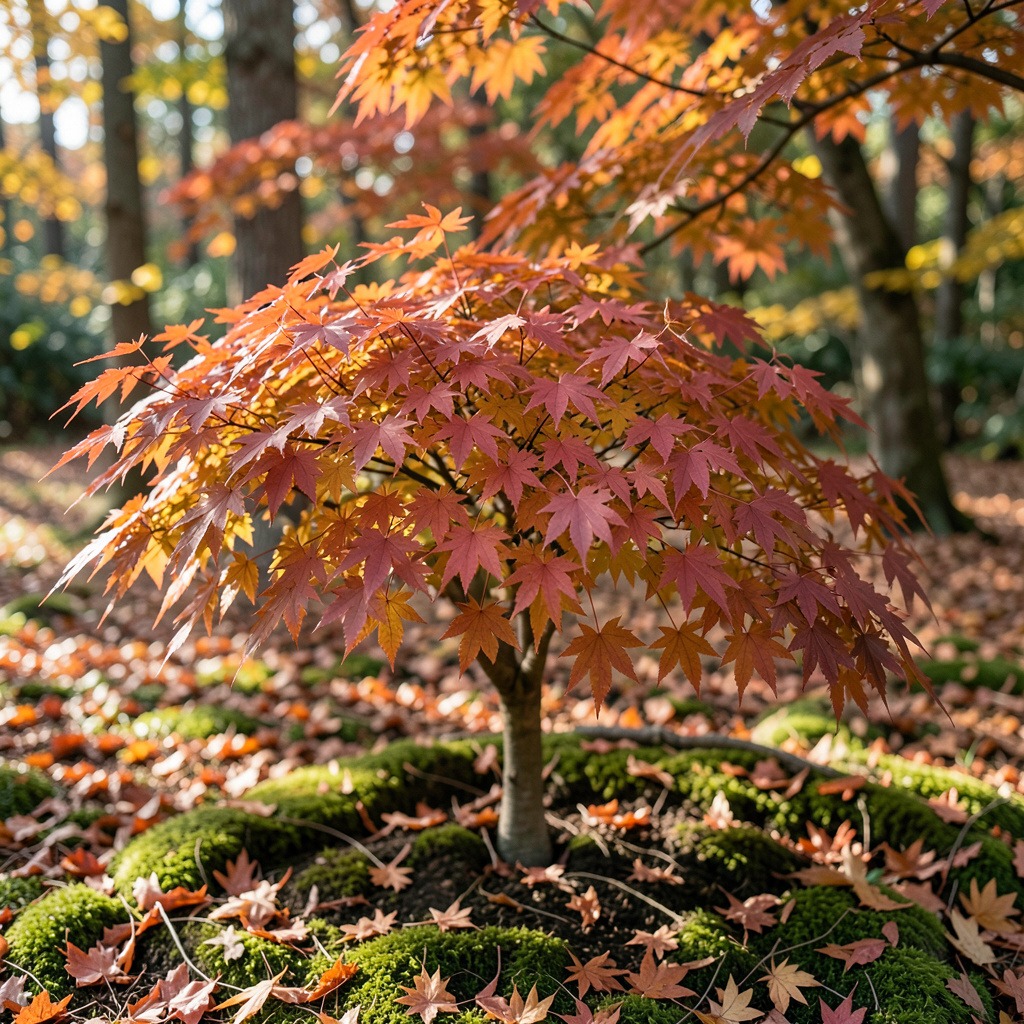
Understanding Japanese Maple Problems
Japanese maples are susceptible to various issues that can impact their health. Early identification of these problems is crucial for effective intervention and preserving the tree’s beauty.
Common Diseases and Their Impact
Japanese maples can suffer from several diseases, primarily due to environmental stressors or pathogens. Recognizing these issues promptly can prevent escalation. Here are some common diseases:
- Verticillium Wilt: This serious disease disrupts the tree’s water transport system, leading to wilting and dieback. Early detection is essential, as it can quickly spread and kill the tree.
- Powdery Mildew: This fungal infection manifests as a white powdery coating on leaves. While it may not kill the tree, it can weaken it and reduce aesthetic appeal.
Environmental Stressors
Environmental factors play a significant role in the health of Japanese maples. Here are the key stressors to watch for:
- Leaf Scorch: This occurs when the tree loses moisture faster than it can absorb it, often due to extreme heat or direct sunlight. Leaves may turn brown and crispy.
- Root Rot: Overwatering or poor drainage can lead to root rot, a condition that can kill the tree if not addressed. Symptoms include yellowing leaves and a general decline in vigor.
Pest Management
Pests can also threaten Japanese maples. Common culprits include:
- Aphids: These small insects feed on sap, weakening the tree and potentially spreading diseases.
- Scale Insects: These pests attach to branches and leaves, sucking sap and causing stress.
Importance of Early Detection
Recognizing problems early can save your Japanese maple. For instance, untreated verticillium wilt can lead to tree death within a single growing season. Regular monitoring and prompt action are key strategies in maintaining tree health.
Checklist for Healthy Japanese Maples
- Monitor soil moisture to avoid overwatering.
- Inspect leaves regularly for signs of scorch or mildew.
- Check for pests, especially during warm months.
- Prune minimally to promote air circulation.
By understanding these common problems and their symptoms, you can take proactive steps to ensure the health and longevity of your Japanese maple.
1. Leaf Scorch: Causes and Solutions
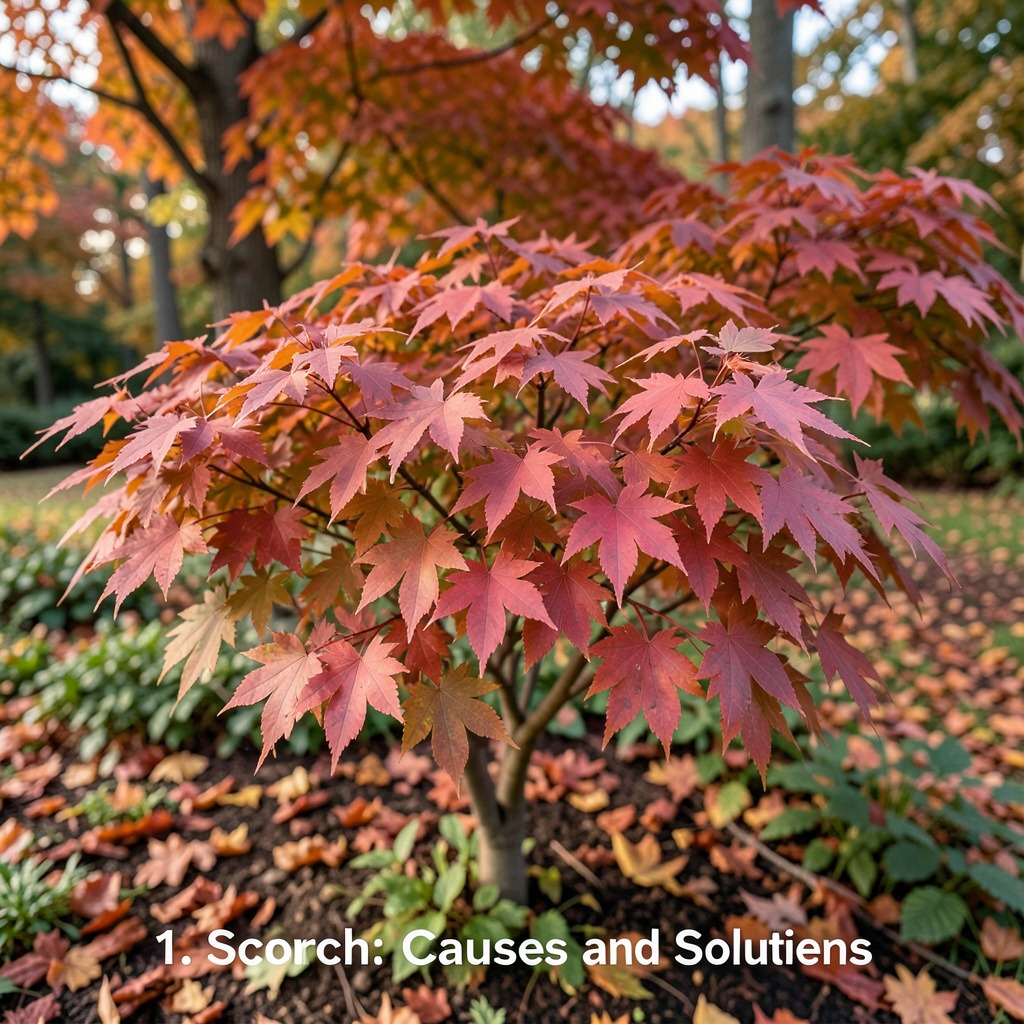
Leaf scorch is a common issue for Japanese maples, often resulting from environmental stressors. Understanding its symptoms and implementing preventive measures can help maintain the health of your tree.
Identifying Leaf Scorch Symptoms
Leaf scorch manifests through specific symptoms that indicate environmental stress. Look for the following signs:
- Brown or crispy leaf margins.
- Chlorotic (yellowing) areas between leaf veins.
- General wilting or drooping of leaves.
- Premature leaf drop.
These symptoms often emerge during hot, dry conditions or when exposed to strong winds. Continuous leaf scorch can stunt growth and diminish the tree’s vigor.
Prevention Techniques
Preventing leaf scorch requires proactive care, especially during extreme weather. Consider these techniques:
- Location: Plant your Japanese maple in a spot with partial shade, especially during the hottest part of the day.
- Watering: Ensure consistent soil moisture without overwatering. Use mulch to retain moisture.
- Fertilization: Avoid over-fertilizing, as excess salts can exacerbate stress. Opt for a balanced fertilizer and apply it sparingly.
- Wind Protection: Utilize barriers, such as fences or other plants, to shield your tree from harsh winds.
Checklist for Preventing Leaf Scorch
- Monitor soil moisture levels regularly.
- Water deeply during dry spells.
- Provide afternoon shade if possible.
- Apply mulch to conserve soil moisture.
- Limit fertilization during heat waves.
Treatment Options
If your Japanese maple exhibits signs of leaf scorch, immediate action can mitigate damage. Here’s what to do:
- Watering: Increase watering frequency during hot weather while ensuring proper drainage.
- Pruning: Remove severely damaged leaves to redirect energy towards healthier growth.
- Disease Management: Monitor for diseases that may mimic leaf scorch, such as verticillium wilt. Early detection is crucial for effective treatment.
In some cases, applying a leaf protectant spray may help reduce stress from environmental factors. Always assess the condition of your tree before deciding on treatment.
2. Verticillium Wilt: Identification and Management
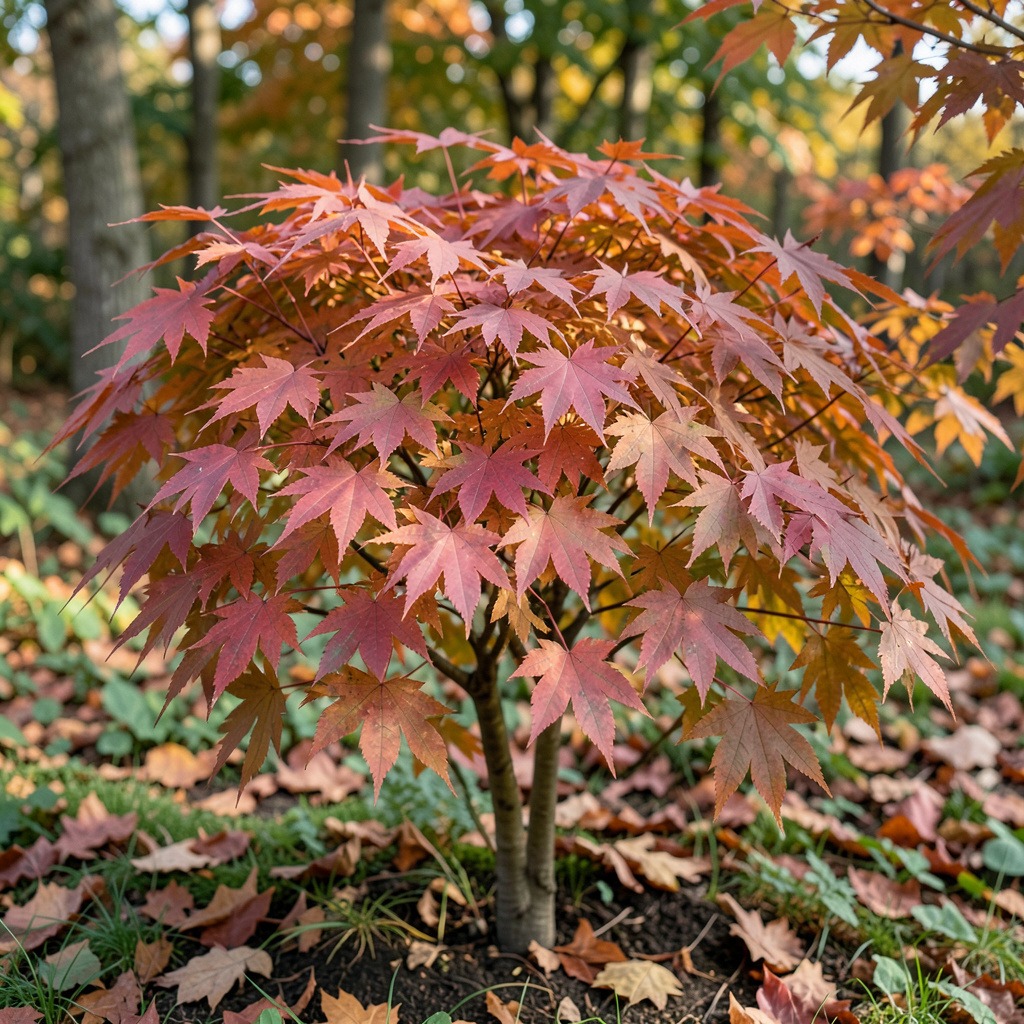
Verticillium wilt is a serious fungal disease affecting Japanese maples. It disrupts the tree’s vascular system, leading to critical health issues. Early identification and management are crucial for maintaining tree vitality.
Recognizing Symptoms of Verticillium Wilt
Identifying verticillium wilt early can make a significant difference in treatment outcomes. Look for the following symptoms:
- Wilting Leaves: Leaves may droop, curl, or appear dry.
- Color Changes: Foliage may turn yellow or brown, particularly at the margins.
- Vascular Streaks: Dark streaks may appear under the bark when twigs are cut.
- Branch Dieback: Affected branches may die back suddenly.
If you observe these signs, act quickly to confirm the disease.
Effective Treatments
While there is no chemical cure for verticillium wilt, various management strategies can help support the tree:
- Pruning: Remove affected branches to prevent further spread. Sanitize tools between cuts to avoid contamination.
- Water Management: Ensure proper watering practices. Avoid overwatering, which can stress the tree and promote disease.
- Soil Health: Test soil for nutrient levels and amend as necessary. Healthy soil can support recovery.
- Fertilization: Use balanced fertilizers to strengthen the tree’s overall health, but avoid over-fertilizing.
Long-term Management Strategies
Preventing verticillium wilt requires ongoing care and attention. Consider these long-term strategies:
- Diversify Plantings: Avoid planting multiple susceptible tree species in close proximity.
- Monitor Health: Regularly inspect your Japanese maple for early symptoms of stress or disease.
- Soil Care: Implement a soil care regimen with organic matter to enhance nutrient availability and drainage.
- Seasonal Calendar: Follow a seasonal care calendar for watering, fertilizing, and pruning, tailored to your region.
By adhering to these strategies, you can create a supportive environment for your Japanese maple, minimizing the risks associated with verticillium wilt.
3. Root Rot: Signs and Solutions
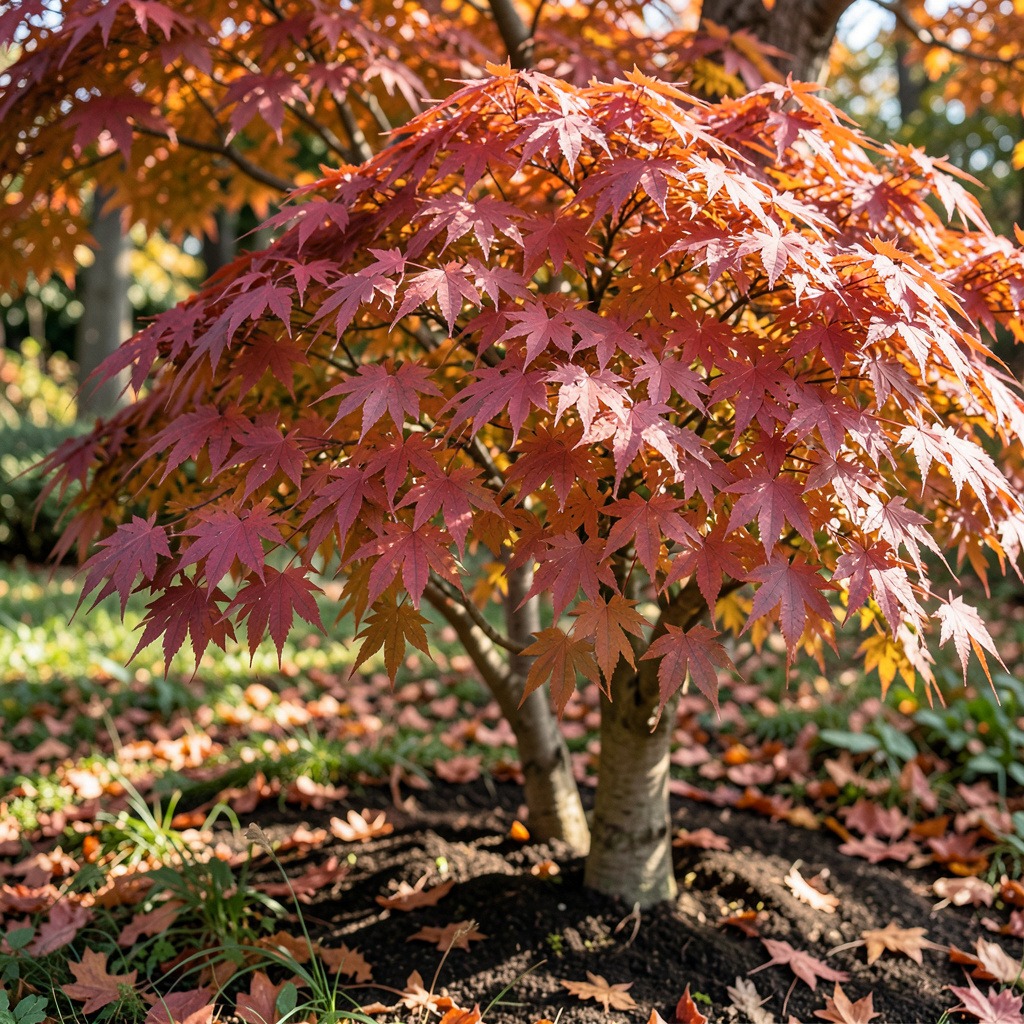
Root rot is a serious issue that can affect Japanese maple trees, often leading to decline or death if not addressed promptly. This condition typically arises from poor drainage and overwatering, creating a favorable environment for pathogens.
Identifying Root Rot Symptoms
Recognizing the signs of root rot early is crucial for effective intervention. Common symptoms include:
- Wilting Leaves: Even with adequate watering, leaves may droop.
- Yellowing Foliage: Leaves can turn yellow and drop prematurely.
- Sparse Canopy: A thinning canopy indicates compromised health.
- Dark, Soft Bark: The bark at the base may appear dark and water-soaked.
- Root Discoloration: Healthy roots are white; rotting roots turn brown or black and may be mushy.
Prevention Strategies
Preventing root rot involves proactive measures before planting and ongoing care. Consider these strategies:
- Choose Well-Drained Soil: Use a soil mix that promotes drainage.
- Avoid Overwatering: Ensure soil dries out between waterings.
- Improve Drainage: Incorporate organic matter to enhance soil structure.
- Plant in Elevated Beds: Elevate root zones in heavy clay soils to prevent water accumulation.
Treatment Techniques
If root rot is detected, timely intervention is essential. Treatment options can vary based on the severity of the case. Below is a comparison of treatment options for mild versus severe cases:
| Severity | Treatment Option | Description |
|---|---|---|
| Mild | Adjust Watering Schedule | Reduce watering frequency and improve drainage. |
| Mild | Apply Fungicide | Use a suitable fungicide specifically for root rot. |
| Severe | Prune Affected Roots | Remove rotten roots to prevent further spread. |
| Severe | Soil Replacement | Replace heavily infected soil with fresh, well-drained soil. |
| Severe | Consult an Arborist | Professional assessment may be needed for severe cases. |
Understanding root rot is pivotal for maintaining the health of your Japanese maple. Monitoring for symptoms and implementing preventive strategies can significantly reduce the risk of this debilitating disease.
4. Powdery Mildew: Causes and Treatment
Powdery mildew is a common fungal disease that affects Japanese maples. It appears as a white, powdery coating on the leaves, often causing concern among tree owners. Understanding its causes and implementing effective treatments can help maintain the health of your tree.
Recognizing Powdery Mildew
Identifying powdery mildew early is crucial for effective management. Look for the following signs:
- White, powdery spots on the upper surfaces of leaves
- Leaf curling or distortion
- Yellowing or browning of foliage
- Premature leaf drop
These symptoms indicate that your Japanese maple may be suffering from powdery mildew. Regularly inspect your tree, especially during warm, dry weather, when this fungus thrives.
Effective Treatments
If you spot powdery mildew on your Japanese maple, take action promptly. Here are some effective treatment options:
1. Remove Affected Leaves: Prune and dispose of leaves showing signs of powdery mildew. This helps reduce the spread of the fungus.
2. Improve Air Circulation: Thin out dense foliage to allow better airflow. This reduces humidity levels around the leaves, making it less favorable for the fungus.
3. Apply Fungicide: Use a suitable fungicide specifically designed for powdery mildew. Follow the manufacturer’s instructions for application rates and timing.
4. Water Wisely: Water the base of the tree rather than overhead. Wet leaves can promote fungal growth.
Preventative Measures
Prevention is the key to managing powdery mildew. Implement these practices to protect your Japanese maple:
- Choose Resistant Varieties: If planting new maples, select varieties known for their resistance to powdery mildew.
- Monitor Moisture Levels: Maintain consistent soil moisture without overwatering. This helps reduce stress on the tree.
- Enhance Sunlight Exposure: Position your tree in a location where it receives sufficient sunlight. Bright light can help deter fungal proliferation.
- Cultural Practices: Practice crop rotation and avoid planting susceptible plants nearby. This can disrupt the life cycle of the mildew.
By incorporating these strategies, you can effectively reduce the risk of powdery mildew affecting your Japanese maple. Regular monitoring and prompt treatment will ensure your tree remains healthy and vibrant.
5. Aphids: Identification and Control
Aphids are small, sap-sucking insects that can severely impact the health of Japanese maple trees. They often go unnoticed until they cause significant damage. Identifying and controlling aphid infestations is essential for maintaining the vitality of your tree.
Identifying Aphid Infestations
Aphids are typically green, black, or brown and measure about 1/8 inch long. Look for the following symptoms to confirm an infestation:
- Curling Leaves: Sap extraction causes leaves to curl and distort.
- Sticky Residue: A sugary substance, known as honeydew, coats the leaves.
- Sooty Mold: This black mold grows on honeydew, indicating a severe infestation.
- Visible Insects: Check the undersides of leaves for clusters of small insects.
To help with identification, refer to the diagram below that illustrates the different life stages of aphids.
| Life Stage | Description |
|---|---|
| Egg | Small, often laid in clusters on branches. |
| Nymph | Wingless young that resemble adults. |
| Adult | Winged or wingless, capable of reproduction. |
Control Measures
Effective control methods for aphids include:
- Water Spray: Use a strong blast of water to dislodge aphids from your maple. This method is safe and can be quite effective.
- Insecticidal Soap: Apply insecticidal soap to the affected areas. This option suffocates the aphids and is safe for the tree.
- Neem Oil: This natural pesticide disrupts the life cycle of aphids and can prevent future infestations.
Consider introducing natural predators such as ladybugs, which feed on aphids and help maintain a balanced ecosystem.
Preventative Strategies
Preventing aphid infestations is as crucial as controlling them. Implement these strategies:
- Healthy Soil: Maintain rich, well-drained soil to keep your Japanese maple vigorous.
- Regular Monitoring: Inspect your tree weekly for early signs of aphids or other problems.
- Companion Planting: Grow plants that attract beneficial insects near your maple to deter aphids.
By adopting these practices, you can significantly reduce the likelihood of aphid infestations and promote a healthy, thriving Japanese maple.
6. Scale Insects: Signs and Solutions
Scale insects can severely impact the health of Japanese maple trees. These pests are often overlooked due to their small size and waxy appearance, but they can cause significant damage if not addressed promptly.
Identifying Scale Insects
Scale insects appear as tiny, waxy or shell-like bumps on the stems and branches of Japanese maples. They can be categorized into two main types:
- Soft Scales: These insects secrete a sticky substance called honeydew, which can lead to sooty mold.
- Armored Scales: These have a protective covering that makes them harder to remove.
Symptoms of Infestation:
- Yellowing or wilting leaves
- Stunted growth
- Presence of sooty mold on leaves and branches
Control Techniques
Managing scale insects requires diligence and a combination of methods. Here are effective strategies:
- Chemical Control: Insecticidal soaps or horticultural oils can effectively eliminate scale insects. Apply these treatments during the growing season when insects are active.
- Organic Control: Introduce natural predators like ladybugs or lacewings, which feed on scale insects. This method promotes a healthy ecosystem.
Comparison of Control Methods:
| Method | Effectiveness | Environmental Impact |
|---|---|---|
| Chemical Control | High | Moderate |
| Organic Control | Moderate | Low |
Preventative Measures
Prevention is key to managing scale insects. Implement these practices to protect your Japanese maple:
- Regular Monitoring: Check your tree weekly for signs of scale insects. Early detection is crucial for successful management.
- Healthy Soil: Maintain well-drained, nutrient-rich soil to enhance tree vigor, making it more resilient to pest attacks.
- Pruning: Remove heavily infested branches to prevent the spread of scale insects.
By staying vigilant and employing these techniques, you can effectively manage scale insects and ensure the health of your Japanese maple.
7. Environmental Stressors: Common Causes
Japanese maples are sensitive to various environmental stressors. Identifying these factors is crucial for maintaining tree health and preventing severe issues.
Common Environmental Stressors
1. Extreme Temperatures: Both high heat and frost can cause leaf scorch and damage to branches.
2. Inadequate Light: Insufficient sunlight can lead to weak growth and increased susceptibility to diseases.
3. Soil Conditions: Poor drainage or compacted soil can result in root rot and hinder nutrient uptake.
4. Pollution: Urban air pollution may stress trees, leading to various health problems.
5. Drought: Insufficient watering during dry spells can cause significant stress, leading to wilting and leaf drop.
Identifying Stress Symptoms
Stress symptoms can manifest in various ways. Look for the following signs:
- Leaf Scorch: Margins of leaves turn brown and crispy.
- Wilting: Leaves droop or curl.
- Slow Growth: Reduced annual growth can indicate underlying issues.
- Bark Damage: Cracks or lesions may appear on the bark, signaling stress.
Mitigation Strategies
Implementing effective strategies can alleviate stress:
- Regular Watering: Ensure consistent moisture, especially during dry periods.
- Soil Aeration: Aerate compacted soil to improve drainage and root health.
- Mulching: Apply mulch to retain soil moisture and regulate temperature.
- Pruning: Remove dead or diseased branches to promote airflow and reduce disease risk.
Seasonal Checklist for Monitoring Environmental Impacts
- Spring: Inspect for frost damage and begin regular watering.
- Summer: Monitor for signs of leaf scorch and adjust watering accordingly.
- Fall: Prune dead branches and prepare for winter dormancy.
- Winter: Protect from extreme cold and inspect bark for damage.
By understanding and addressing these environmental stressors, you can help your Japanese maple thrive.
8. Soil Issues: Diagnosis and Solutions
Soil health is crucial for the vitality of Japanese maples. Poor soil conditions can lead to a range of problems, affecting growth and overall health. Understanding and addressing these soil-related issues is key to maintaining a thriving tree.
Identifying Soil Problems
Several signs indicate potential soil issues:
- Compaction: Soil feels hard and dense, making it difficult for roots to penetrate.
- Drainage Problems: Water pools around the base of the tree, leading to root rot.
- pH Imbalance: Leaves may exhibit yellowing (chlorosis) in alkaline soils.
- Nutrient Deficiency: Stunted growth and discolored leaves may indicate inadequate nutrients.
To accurately assess soil health, conduct a soil test. This test will reveal pH levels, nutrient content, and organic matter percentages. Use test kits available at garden centers or send samples to a local extension service for analysis.
Solutions for Compacted or Poor Soil
If you identify compacted or poor soil, consider the following solutions:
- Aeration: Use a garden fork or aerator to create holes in the soil, improving air and water penetration.
- Soil Amendments: Incorporate organic matter like compost or peat moss. This enhances soil structure and fertility.
- Raised Beds: For severely compacted areas, consider planting Japanese maples in raised beds to improve drainage.
Improving Soil Health
Maintaining good soil health involves regular care:
- Regular Testing: Re-test soil every few years to monitor changes.
- Mulching: Apply mulch around the tree base to retain moisture and suppress weeds.
- Watering Practices: Ensure deep, infrequent watering to prevent waterlogging.
Checklist for Soil Health Maintenance:
- Test soil pH and nutrients annually.
- Aerate compacted areas biannually.
- Apply organic amendments seasonally.
- Monitor drainage and adjust watering accordingly.
By focusing on soil health, you can effectively prevent many issues that affect Japanese maples, ensuring they thrive in your landscape.
9. Watering Issues: How to Diagnose and Fix
Proper watering is crucial for the health of Japanese maples. Both overwatering and underwatering can lead to significant problems. Understanding how to identify and address these issues ensures your trees thrive.
Proper Watering Techniques
Japanese maples prefer consistent moisture. Here are some essential watering practices:
- Water Deeply: Aim for at least 12-18 inches deep to encourage strong root growth.
- Frequency: Water every 7-10 days during dry spells. Adjust based on rainfall.
- Seasonal Adjustments: Increase watering during the growing season (spring and summer) and reduce in fall and winter.
- Soil Check: Use a moisture meter to assess soil dryness. Water when the meter reads “dry” at a depth of 4-6 inches.
Signs of Overwatering
Overwatering can cause root rot and other serious issues. Look for these symptoms:
- Wilting Leaves: Despite adequate moisture, leaves may droop.
- Leaf Scorch: Edges turn brown and crispy.
- Mushy Roots: Roots may feel soft and may have a foul odor.
Signs of Underwatering
Underwatering also poses risks. Watch for these warning signs:
- Crispy Leaves: Leaves may dry out and curl.
- Stunted Growth: Trees may show little to no new growth.
- Brittle Branches: Branches may become fragile and break easily.
Seasonal Watering Schedule
| Season | Watering Frequency |
|---|---|
| Spring | Weekly to biweekly |
| Summer | Weekly, more during heat |
| Fall | Biweekly |
| Winter | Monthly (if no snow cover) |
By adhering to these practices, you can prevent watering issues from affecting your Japanese maple’s health.
10. Nutrient Deficiencies: Identifying and Addressing
Japanese maples can suffer from various nutrient deficiencies that affect their health and appearance. Identifying these deficiencies early is crucial for timely intervention and restoration of optimal tree health.
Identifying Nutrient Deficiencies
Signs of nutritional deficiencies manifest visibly in the tree. Here are common deficiencies and their symptoms:
| Nutrient | Symptoms |
|---|---|
| Nitrogen | Yellowing leaves, stunted growth |
| Iron | Interveinal chlorosis (yellowing between veins), small leaves |
| Magnesium | Yellowing of older leaves, leaf curling |
| Potassium | Browning leaf edges, weak branch structure |
Correcting Nutritional Imbalances
Address deficiencies with targeted actions. Here’s how to correct common nutrient imbalances:
- Nitrogen: Use a balanced fertilizer with a higher nitrogen ratio. Apply in early spring.
- Iron: Apply chelated iron supplements or foliar sprays to enhance absorption.
- Magnesium: Epsom salt (magnesium sulfate) can be applied to the soil around the base.
- Potassium: Use a fertilizer high in potassium, especially if leaf browning is evident.
Preventative Nutritional Care
Prevent nutrient deficiencies by ensuring proper soil health and regular monitoring.
- Conduct soil tests annually to assess nutrient levels.
- Amend soil with organic matter to improve nutrient availability.
- Follow a seasonal care calendar to maintain balanced nutrition throughout the year.
By monitoring these aspects, you can foster a thriving environment for your Japanese maple, reducing the likelihood of nutrient-related problems.
11. Seasonal Care Tips for Japanese Maples
Proper seasonal care is essential for maintaining the health of Japanese maples. By following a seasonal calendar, you can prevent potential problems before they arise.
Spring Care Tips
- Fertilization: Apply a balanced fertilizer in early spring as new growth begins. This will provide essential nutrients for healthy development.
- Pruning: Conduct light pruning to remove dead or damaged branches. This encourages new growth and improves air circulation.
- Soil Check: Test soil pH and nutrient levels. Amend soil if it is too alkaline or lacking in essential nutrients.
- Pest Monitoring: Begin checking for pests like aphids. Treat infestations promptly to prevent damage.
Summer Maintenance
- Watering: Water deeply once a week, especially during hot weather. Ensure that the soil drains well to avoid root rot.
- Mulching: Apply a layer of mulch around the base to retain moisture and regulate soil temperature.
- Leaf Inspection: Regularly check leaves for signs of scorch or disease. Early detection is key to effective management.
- Disease Control: Monitor for powdery mildew, especially in humid conditions. Consider organic fungicides if fungal growth appears.
Fall and Winter Preparation
- Fall Cleanup: Remove fallen leaves and debris from around the tree to prevent pests and diseases from overwintering.
- Watering: Continue to water as needed until the ground freezes. This helps trees withstand winter stress.
- Protection: Wrap the trunk with burlap or use tree guards to protect against winter sunscald and rodent damage.
- Planning: Assess tree health and plan for any necessary interventions in spring, such as pruning or pest management.
Seasonal Care Checklist
| Season | Tasks |
|---|---|
| Spring | Fertilize, prune, check soil, monitor pests |
| Summer | Water deeply, mulch, inspect leaves, control diseases |
| Fall | Clean up debris, water, protect the trunk |
| Winter | Assess health, plan for spring care |
By implementing these seasonal care tips, you can effectively reduce the risk of common Japanese maple problems.
12. Pruning Techniques to Enhance Health
Pruning is essential for maintaining the health of Japanese maple trees. Proper pruning techniques can prevent many common problems, including disease and environmental stress.
Benefits of Pruning
1. Improves Air Circulation: Thinning out branches allows for better airflow, reducing the risk of fungal diseases like powdery mildew.
2. Enhances Structure: Strategic cuts help maintain the natural shape of the tree, ensuring it remains aesthetically pleasing and structurally sound.
3. Encourages New Growth: Pruning stimulates new growth, resulting in healthier foliage and vibrant colors.
4. Removes Dead or Diseased Wood: Eliminating affected branches helps prevent the spread of diseases such as verticillium wilt.
When to Prune
Timing is crucial for effective pruning. Japanese maples should be pruned during late winter or early spring before new growth begins. This timing allows for quicker healing and minimizes stress on the tree. Avoid pruning in late summer or fall, as this can encourage new growth that may not harden off before winter.
Pruning Techniques
Follow these step-by-step techniques for effective pruning:
1. Assess the Tree: Identify any dead, damaged, or diseased branches. Look for areas where the branches cross or crowd each other.
2. Use Sharp Tools: Invest in quality pruning shears or loppers. Clean cuts prevent damage and infection.
3. Make Strategic Cuts:
- Thinning Cuts: Remove branches at their base to improve airflow and light penetration.
- Heading Cuts: Trim back the tips of branches to encourage denser growth, but avoid topping the tree.
4. Maintain Natural Shape: Preserve the tree’s natural form. Aim for a balanced canopy with evenly spaced branches.
Quick Pruning Checklist
| Step | Action |
|---|---|
| 1. Assess | Check for dead or crossing branches |
| 2. Tools | Use sharp, clean pruning shears |
| 3. Cut | Thin out branches and remove dead wood |
| 4. Shape | Maintain the tree’s natural form |
By implementing these pruning techniques, you can significantly enhance the health and resilience of your Japanese maple trees, reducing the likelihood of common problems.
13. Mistakes to Avoid When Caring for Japanese Maples
Caring for Japanese maples requires attention to detail. Many common mistakes can lead to serious problems, including diseases and environmental stress. Understanding these pitfalls is essential for maintaining healthy trees.
Common Mistakes
1. Overwatering: Excess moisture can lead to root rot and other serious issues.
2. Poor Soil Drainage: Planting in clay or poorly drained soil increases the risk of fungal infections.
3. Inadequate Sunlight: Japanese maples prefer partial shade; too much sun can cause leaf scorch.
4. Neglecting Pruning: Failing to prune can lead to overcrowded branches, promoting disease.
5. Ignoring Pests: Aphids and scale insects can weaken the tree if not managed promptly.
How to Avoid Them
- Monitor Watering: Use a moisture meter to check soil moisture levels. Water only when the meter reads “dry.”
- Ensure Good Drainage: Plant in well-drained soil and avoid areas where water pools after rain.
- Provide Proper Light: Situate your tree in a location that offers partial shade, especially during the hottest parts of the day.
- Regular Pruning: Establish a yearly pruning routine to remove dead or overcrowded branches.
- Pest Control: Regularly inspect for pests and treat any infestations early to prevent damage.
Best Practices
Here’s a checklist of dos and don’ts for optimal Japanese maple care:
| Do’s | Don’ts |
|---|---|
| Do water deeply, but infrequently. | Don’t water on a fixed schedule. |
| Do use mulch to retain moisture and suppress weeds. | Don’t let mulch touch the trunk. |
| Do fertilize in early spring with a balanced fertilizer. | Don’t over-fertilize; it can stress the tree. |
| Do check for signs of disease regularly. | Don’t ignore leaf discoloration or wilting. |
| Do follow seasonal care guidelines for pruning and watering. | Don’t neglect your tree during seasonal changes. |
By avoiding these common mistakes and implementing best practices, you can keep your Japanese maple healthy and vibrant.
14. Case Studies: Successful Recovery from Problems
Japanese maples can face various challenges, but with the right strategies, recovery is possible. Here are real-life case studies showcasing successful recoveries from common issues encountered by these trees.
Case Study 1: Recovering from Verticillium Wilt
A homeowner noticed wilting and leaf discoloration in their Japanese maple. After diagnosing verticillium wilt, they implemented a recovery plan:
- Remove affected branches: This step reduces the spread of the disease.
- Improve drainage: They amended the soil with organic matter to enhance drainage.
- Mulch application: A layer of organic mulch helped retain moisture and regulate soil temperature.
Outcomes included new leaf growth by late spring, indicating recovery from the disease.
Case Study 2: Fixing Root Rot
A gardener observed stunted growth and blackened roots in their Japanese maple, indicating root rot. The recovery process involved:
- Repotting: They carefully removed the tree from its pot, trimmed away the rotted roots, and repotted it in well-draining soil.
- Water schedule adjustment: They shifted to a more flexible watering schedule, allowing the soil to dry between waterings.
- Fungicide treatment: An application of fungicide targeted the pathogens in the soil.
As a result, the tree showed signs of new growth within a few weeks, indicating successful recovery.
Case Study 3: Managing Aphid Infestations
A Japanese maple was infested with aphids, leading to leaf curling and a sticky residue. The homeowner took the following steps:
- Manual removal: They regularly checked the leaves and removed aphids by hand.
- Insecticidal soap: A targeted spray of insecticidal soap helped control the infestation.
- Encouraging beneficial insects: Planting flowers that attract ladybugs and lacewings provided natural pest control.
The tree recovered fully, displaying healthy foliage and robust growth by the end of the season.
These case studies underscore the importance of timely diagnosis and appropriate interventions for maintaining the health of Japanese maples.
15. Expert Insights on Japanese Maple Care
Caring for Japanese maples requires specific strategies to prevent and address common problems. Horticultural experts emphasize proactive measures for maintaining the health of these ornamental trees.
Understanding Common Diseases
Japanese maples are susceptible to various diseases. The most notable include:
- Verticillium Wilt: This serious disease causes wilting and leaf drop. It thrives in stressed trees, making early detection vital.
- Powdery Mildew: This fungal infection appears as a white powdery coating on leaves, often linked to high humidity and poor air circulation.
Experts recommend immediate action upon noticing symptoms. For instance, affected trees should receive proper ventilation and, if necessary, fungicidal treatments.
Managing Environmental Stressors
Environmental factors significantly impact the health of Japanese maples. Key issues include:
- Leaf Scorch: This condition results from excessive sun exposure or drought stress, leading to browning leaf edges.
- Root Rot: Often caused by overwatering, root rot can be fatal. Signs include yellowing leaves and stunted growth.
To prevent these stressors, experts suggest:
- Location: Plant in partial shade, especially in warmer climates, to protect against leaf scorch.
- Soil Health: Ensure well-drained, slightly acidic soil to avoid root rot.
Watering and Soil Care Tips
Watering practices are crucial for Japanese maple health. Experts recommend:
- Consistent Moisture: Young trees need regular watering, especially during the first two to three years. Once established, they can tolerate short dry spells but should not be neglected.
- Mulching: Applying a layer of organic mulch helps retain soil moisture and mimics their natural habitat.
Additionally, perform a soil test. This will help you adjust pH levels as Japanese maples prefer soil with a pH between 5.5 and 6.5.
Preventative Maintenance Strategies
Proactive care can minimize issues. Here are expert-recommended strategies:
- Minimal Pruning: Maintain the tree’s natural form by removing only dead or crossing branches. This preserves its ornamental structure.
- Seasonal Inspections: Regularly check for pests, diseases, and environmental stress. Early detection is key to effective intervention.
Expert Case Study: Recovery from Root Rot
A homeowner faced a severe case of root rot in their Japanese maple. They implemented the following steps:
1. Diagnosis: Identified the issue through yellowing leaves and poor growth.
2. Soil Amendment: Improved drainage by amending the soil with compost and sand.
3. Water Management: Adjusted their watering schedule to prevent future overwatering.
Within a season, the tree showed remarkable recovery, demonstrating the effectiveness of timely interventions and proper care techniques.
16. Comparing Treatments: What Works Best?
Choosing the right treatment for common Japanese maple problems can significantly impact their health. This section analyzes various treatment options, comparing their effectiveness for specific issues.
Traditional vs. Organic Treatments
Traditional and organic treatments offer different approaches to managing Japanese maple problems. Here’s a comparison of their pros and cons:
| Treatment Type | Pros | Cons |
|---|---|---|
| Traditional | Quick results; potent chemicals | Potential harm to beneficial insects; risk of chemical buildup |
| Organic | Environmentally friendly; safer for beneficial organisms | Slower results; may require repeated applications |
Comparing Chemical Treatments for Pests
When it comes to pest control, various chemical treatments are available. Here’s how they stack up against one another:
| Chemical Treatment | Effectiveness | Application Frequency | Environmental Impact |
|---|---|---|---|
| Insecticidal Soap | High against soft-bodied pests like aphids | Every 7-14 days | Low; biodegradable |
| Neem Oil | Moderate; disrupts pest life cycles | Every 2-3 weeks | Low; safe for beneficial insects |
| Systemic Insecticides | Very high; targets pests systemically | Every season or as needed | Moderate; can affect non-target species |
Evaluating Prevention Techniques
Preventative care is crucial for maintaining healthy Japanese maples. Here are effective techniques to consider:
- Site Selection: Choose well-draining, slightly acidic soil in a location with partial shade.
- Water Management: Water deeply but infrequently to encourage deep root growth.
- Regular Pruning: Remove dead or crossing branches to improve airflow and reduce disease risk.
- Seasonal Inspections: Regularly check for signs of stress, pests, or disease.
Implementing these techniques can help mitigate common issues such as leaf scorch and root rot, ensuring the longevity and vitality of your Japanese maple.
17. FAQs About Japanese Maple Problems
Japanese maples are beloved for their beauty but can suffer from various issues. Understanding common problems and their solutions can help maintain healthy trees.
What are the common diseases affecting Japanese maples?
1. Verticillium Wilt: This serious disease disrupts water transport in trees, leading to wilting and leaf drop. It often occurs in stressed trees.
2. Powdery Mildew: A fungal disease that appears as a white powdery coating on leaves. It thrives in humid conditions and may affect growth.
3. Root Rot: Often caused by poor drainage or overwatering. Signs include yellowing leaves and stunted growth.
How can I manage pests on my Japanese maple?
Common pests include:
- Aphids: Small, sap-sucking insects that can cause leaf curling. Control them with insecticidal soap or neem oil.
- Scale Insects: These pests create a sticky residue and can weaken the tree. Remove them manually or treat with horticultural oil.
What environmental stressors affect Japanese maples?
1. Leaf Scorch: This condition occurs from hot, dry winds or excessive sunlight. Symptoms include brown edges on leaves. Provide partial shade and regular watering.
2. Root Stress: Poor soil conditions, like compacted or waterlogged soil, can lead to root stress. Ensure well-draining soil and avoid overwatering.
What care tips can help prevent problems?
- Water Wisely: Water deeply but less frequently to promote deep root growth.
- Soil Health: Test soil pH and amend as needed to keep it slightly acidic.
- Seasonal Inspections: Regularly check for signs of disease or pest infestations.
Real-Life Recovery Scenario
Consider a case where a Japanese maple exhibited signs of leaf scorch and wilting. Upon inspection, the owner discovered compacted soil and inadequate watering. By aerating the soil and adjusting the watering schedule, the tree recovered within a few weeks, regaining its vibrant leaves.
Seasonal Care Calendar for Japanese Maples
| Season | Task |
|---|---|
| Spring | Inspect for pests; apply fertilizer. |
| Summer | Monitor for leaf scorch; adjust watering. |
| Fall | Prune dead branches; prepare for winter. |
| Winter | Inspect for damage; protect from frost. |
Frequently Asked Questions
These quick answers cover the most common questions about this topic, including key details, practical tips, and common concerns.
What are the signs of a healthy Japanese maple?
A healthy Japanese maple typically has vibrant, lush foliage with a rich color, depending on the variety. Leaves should be free from discoloration, spots, or curling. The branches should be sturdy and well-formed, and the tree should have a balanced shape with good air circulation. Additionally, the soil around the tree should be moist but not waterlogged.
How can I prevent pests on my Japanese maple?
To prevent pests like aphids and scale insects, regularly inspect your tree, especially during the growing season. Introduce beneficial insects, such as ladybugs, which feed on harmful pests. You can also use insecticidal soap or neem oil as preventive measures. Ensure your tree is healthy and well-watered, as stressed trees are more susceptible to infestations.
What should I do if my Japanese maple is wilting?
If your Japanese maple is wilting, first check the soil moisture. Overwatering can lead to root rot, while underwatering can cause drought stress. Adjust your watering schedule accordingly. Additionally, inspect the tree for signs of disease or pests. If you suspect root rot, consider repotting the tree in fresh, well-draining soil and trimming any affected roots.
How often should I water my Japanese maple?
Water your Japanese maple deeply but infrequently, generally every 7-10 days during dry spells. The goal is to saturate the soil to a depth of 12-18 inches. Adjust your watering frequency based on rainfall and seasonal changes. In cooler months, reduce watering as the tree enters dormancy.
What is the best fertilizer for Japanese maples?
A balanced fertilizer with an N-P-K ratio of 10-10-10 or similar is ideal for Japanese maples. Apply it in early spring as new growth begins. Avoid over-fertilizing, as this can stress the tree and lead to salt buildup in the soil. Always follow the manufacturer’s recommendations for application rates.
How can I tell if my Japanese maple has root rot?
Signs of root rot include yellowing leaves, wilting despite adequate watering, and a sparse canopy. If you notice a foul odor or dark, mushy roots when inspecting the root system, these are clear indicators of root rot. To confirm, you may need to carefully dig up the tree and examine the roots.
What are common environmental factors affecting Japanese maples?
Common environmental stressors for Japanese maples include extreme temperatures, inadequate sunlight, and poor soil drainage. Leaf scorch often results from excessive sun exposure or dry winds, while root rot is typically caused by overwatering or compacted soil. Regular monitoring and proper care can help mitigate these issues.
What should I know about visual aids for disease identification?
Visual aids, such as images or diagrams, can be helpful in identifying diseases like verticillium wilt or powdery mildew. Look for resources that illustrate common symptoms, such as leaf discoloration or fungal growth. Familiarizing yourself with these visual cues can enable quicker diagnosis and prompt action to protect your tree.