
Pruning Japanese maples is essential for maintaining their health and shape.
Table of Contents
Japanese maples are prized for their delicate beauty and unique structure, making proper pruning crucial for their health and aesthetic appeal. This guide provides 12 essential techniques for effectively pruning your Japanese maple to ensure it thrives for years to come.
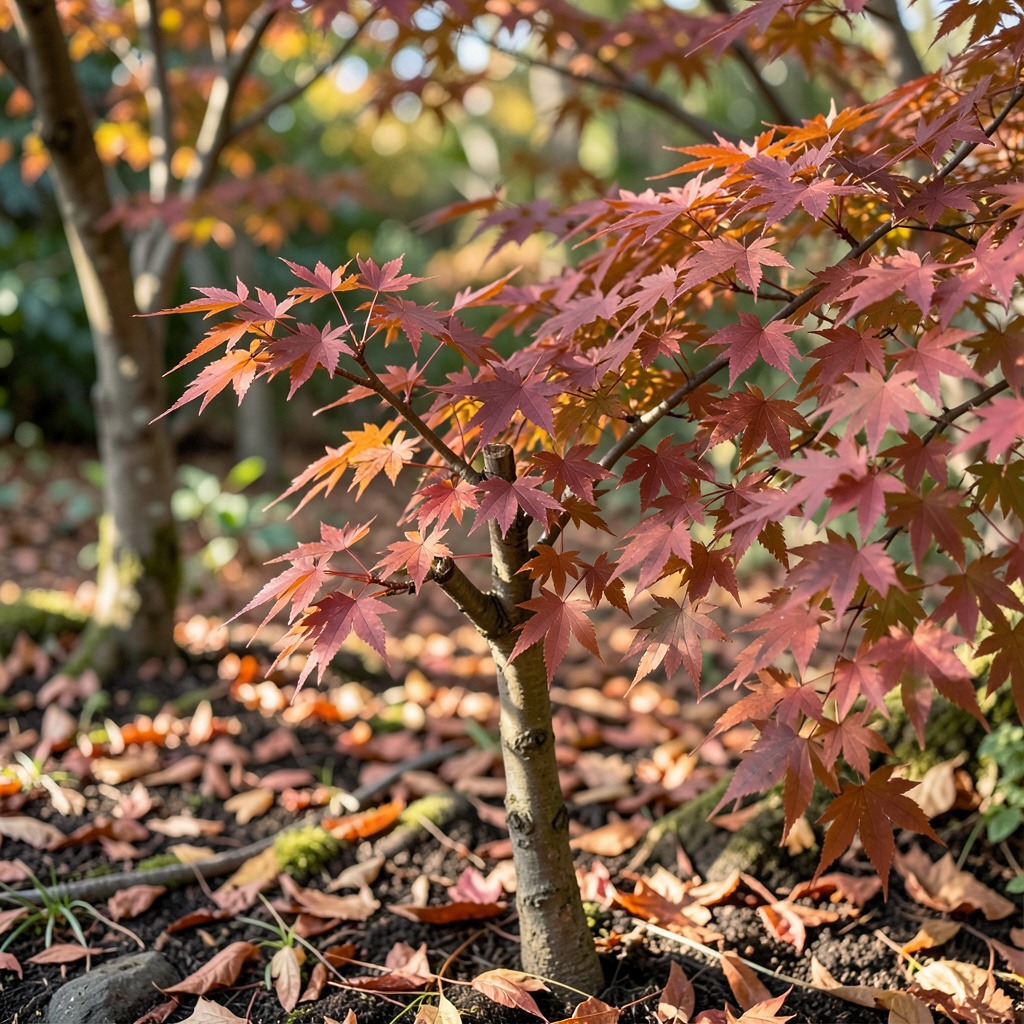
Understand the Importance of Pruning Japanese Maples
Pruning Japanese maples is essential for their overall health and aesthetic appeal. Proper techniques not only maintain the tree’s structure but also prevent diseases.
Pruning for Health and Growth
Regular pruning enhances the health of Japanese maples. It removes dead or diseased branches, reducing the risk of pest infestations and fungal infections. By promoting airflow within the canopy, pruning helps prevent mold and mildew.
Health Benefits:
- Disease Prevention: Eliminates areas where pests can thrive.
- Structural Integrity: Maintains a strong framework, reducing the risk of breakage.
- Encouraged Growth: Stimulates new growth, leading to a fuller canopy.
For example, a Japanese maple with dense growth may struggle to receive adequate sunlight, leading to weak branches. After pruning, the tree can breathe, thrive, and become more resilient.
Enhancing Aesthetics and Structure
Pruning also plays a crucial role in shaping the tree. A well-pruned Japanese maple showcases its unique branching structure, adding elegance to any landscape.
Aesthetic Considerations:
- Shaping: Helps achieve desired forms, whether upright or weeping.
- Visibility: Enhances the tree’s natural beauty by removing clutter.
- Balance: Maintains symmetry, making the tree visually appealing.
To achieve a balanced appearance, remove any branches that cross or overcrowd. This not only improves the tree’s look but also ensures that all branches receive sufficient light.
Common Mistakes to Avoid
1. Pruning at the Wrong Time: Performing heavy pruning during active growth can stress the tree.
2. Leaving Two Leaders: This can lead to splitting; choose either a single leader or multiple stems.
3. Neglecting Tools: Using dull tools can damage branches. Invest in high-quality Garden pruning shears for clean cuts.
By adhering to these guidelines, you can ensure your Japanese maple remains healthy and visually striking throughout its life.
Identify the Best Time to Prune Japanese Maples
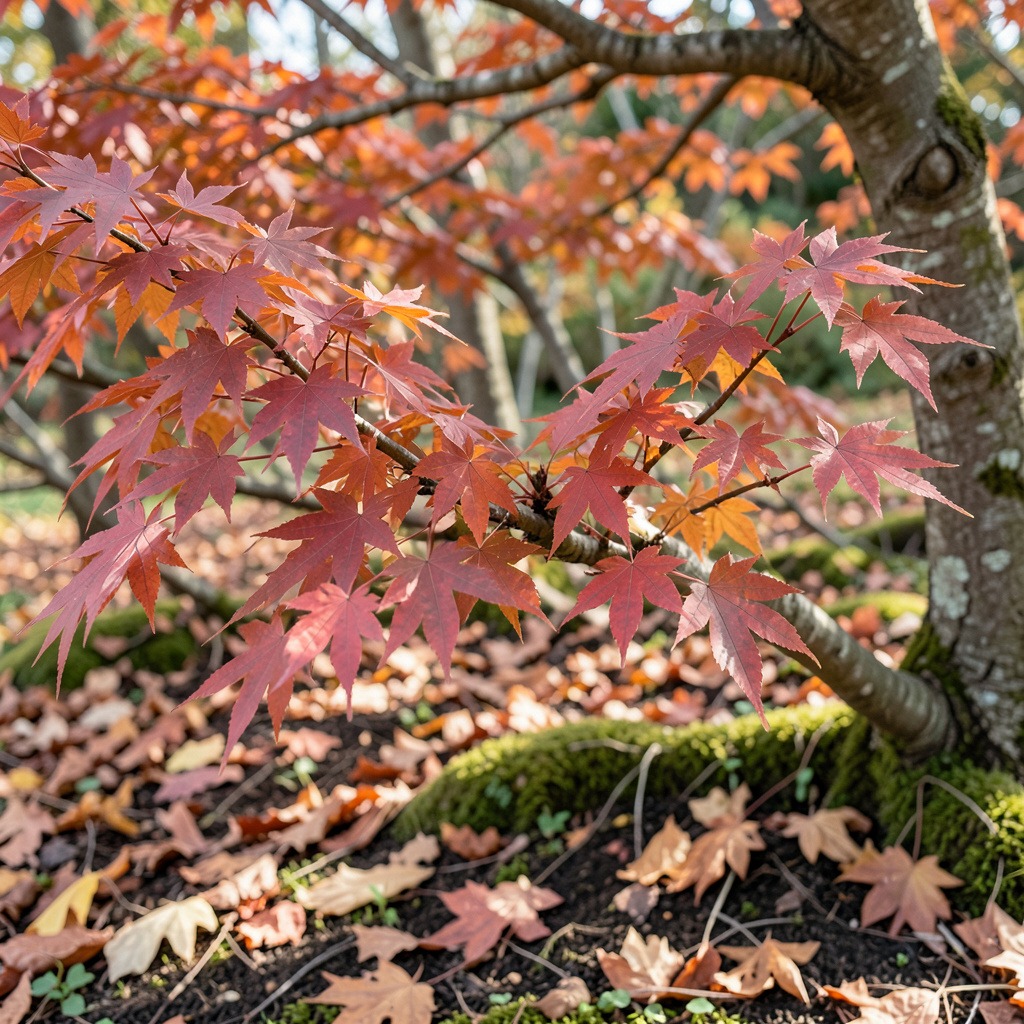
Timing is crucial for the health and aesthetics of your Japanese maple. Proper pruning during the right season minimizes stress and enhances growth.
Dormant Season Pruning
The ideal time to prune Japanese maples is during their dormant phase, which typically occurs from late fall to early winter. This period allows for clear visibility of the tree’s structure without the obstruction of leaves. Pruning during dormancy offers several benefits:
- Reduced Stress: The tree is not actively growing, minimizing shock.
- Improved Visibility: You can easily assess which branches to prune.
- Faster Healing: Cuts made in dormancy heal more quickly.
In regions with mild winters, pruning can extend into early spring, just before new growth begins.
When to Avoid Pruning
Certain times are best avoided for pruning Japanese maples:
- During Active Growth: Avoid heavy pruning in spring and summer, as this can lead to excessive sap bleeding and stress the tree.
- Late Summer and Fall: Pruning during these periods can stimulate new growth that won’t harden off before winter, leaving the tree vulnerable to cold damage.
Seasonal Pruning Calendar
| Season | Pruning Activity |
|---|---|
| Late Fall | Dormant pruning recommended |
| Winter | Ideal for structural cuts |
| Early Spring | Light pruning before growth |
| Summer | Minor shaping only |
| Late Summer/Fall | Avoid heavy pruning |
By adhering to this seasonal calendar, you can ensure your Japanese maple remains healthy and visually appealing. When preparing for pruning, consider investing in high-quality tools. Using the right equipment, like Garden pruning shears, will facilitate clean cuts and promote better healing.
Gather the Right Tools for Pruning
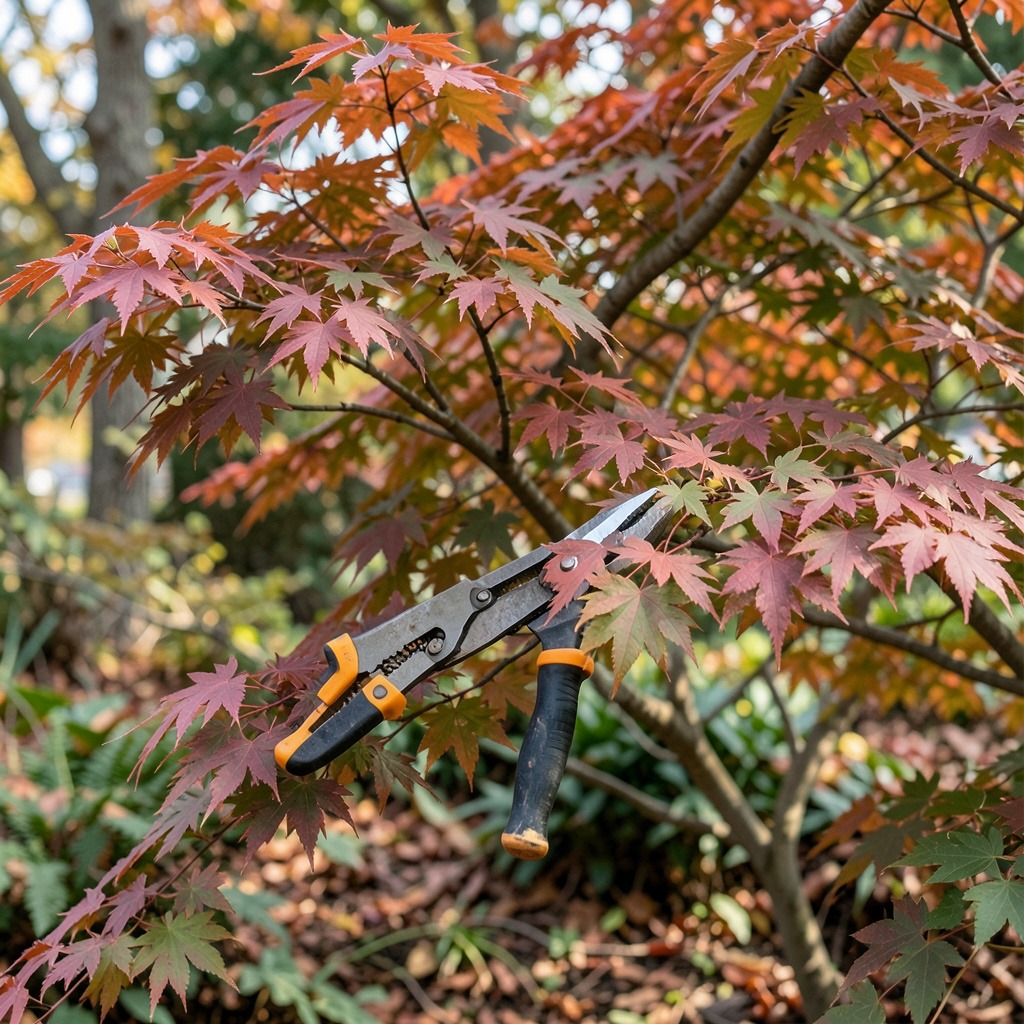
Using the right tools is essential for effective pruning of Japanese maples. Proper equipment ensures clean cuts and promotes healthy regrowth. Here are the must-have tools for pruning, along with their specific uses and maintenance tips.
Essential Pruning Tools
| Tool | Purpose | Pros | Cons |
|---|---|---|---|
| Hand Pruners | For cutting small branches and twigs | Precise cuts, lightweight | Limited to small branches |
| Bypass Loppers | For slightly thicker branches | Greater leverage, reduces hand strain | Can be bulky for fine work |
| Pruning Saw | For larger branches | Efficient for heavy-duty cuts | Requires more skill, can be heavy |
| Garden Pruning Shears | General cutting, ideal for shaping | Versatile, easy to use | May not handle very thick branches well |
| Safety Gloves | Protect your hands during pruning | Prevents cuts and blisters | May reduce dexterity |
| Safety Glasses | Protect your eyes from debris | Ensures safety during cuts | None |
Tool Maintenance for Optimal Performance
Maintaining your pruning tools is crucial for longevity and effectiveness. Here are some tips to keep your tools in top condition:
- Clean After Use: Wipe blades with a cloth after each use to remove sap and debris.
- Sanitize Regularly: Soak tools in a solution of 90% alcohol or bleach and water to prevent disease transfer between plants.
- Sharpen Blades: Regularly sharpen blades using a sharpening tool to ensure clean cuts.
- Store Properly: Keep tools in a dry place to prevent rust and damage.
By investing in quality tools and maintaining them properly, you can enhance your pruning results and ensure the health of your Japanese maple.
Master the Techniques for Pruning Japanese Maples
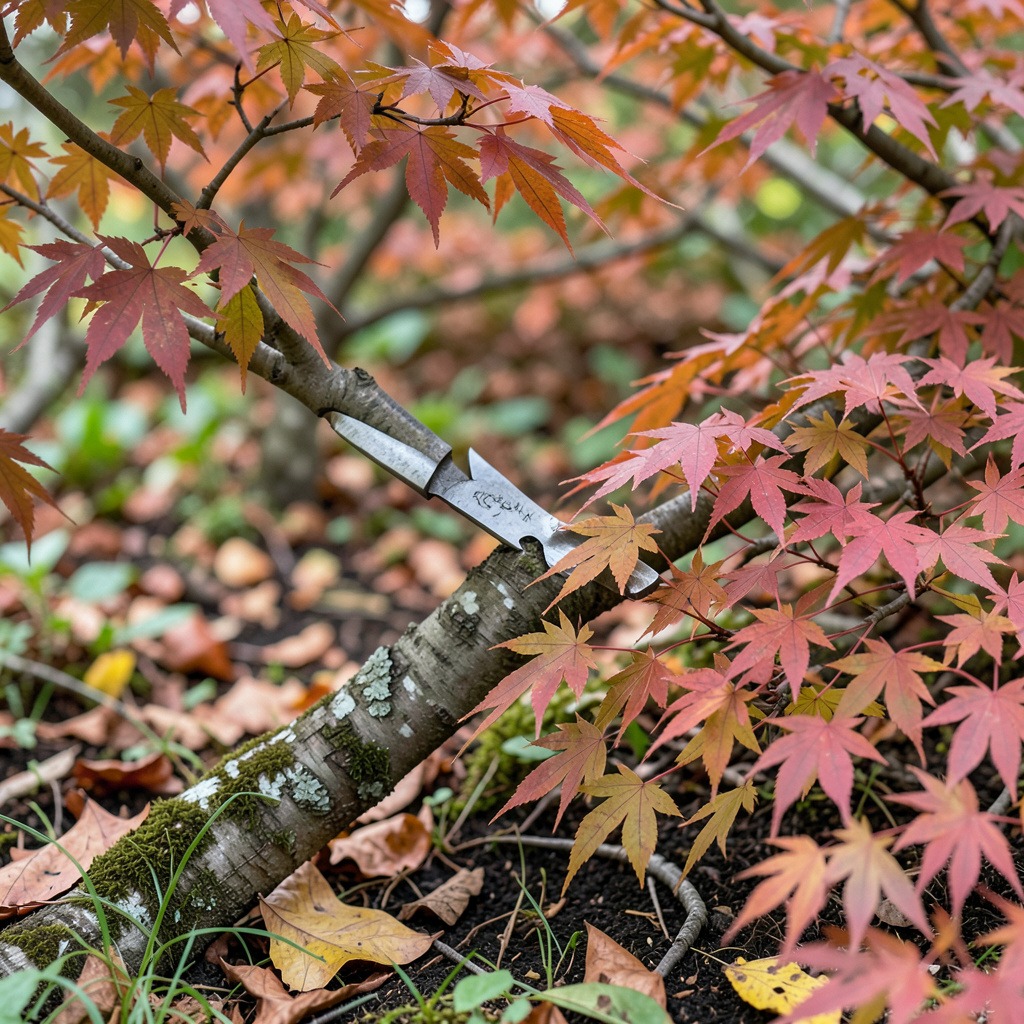
Pruning Japanese maples requires specific techniques tailored to their distinctive growth habits. Understanding the differences between weeping and upright varieties is crucial for maintaining their health and aesthetics.
General Pruning Techniques
1. Timing: Prune during the dormant season, typically late fall to winter. This timing minimizes stress and allows for better visibility of branch structures.
2. Tools: Use hand pruning shears for branches up to ¼ inch, loppers for branches up to 2 inches, and a pruning saw for larger branches. Ensure all tools are clean and sharp for precise cuts.
3. Cutting Methods:
- Make cuts at a 45-degree angle to promote healing.
- Avoid leaving stubs; cut branches back to the nearest healthy bud or branch.
Pruning Weeping vs. Upright Varieties
Weeping Japanese Maples
- Goal: Maintain an umbrella-like shape.
- Technique:
- Identify and remove dissimilar branches growing straight up.
- Cut above a defined line across the trunk to emphasize the weeping form.
- Regularly prune lower branches to maintain the desired silhouette.
Upright Japanese Maples
- Goal: Establish a balanced framework.
- Technique:
- Remove any branches that grow from the grafting stock, as these can detract from the tree’s form.
- Choose between a single leader or a multi-stemmed appearance. Ensure that no two branches compete for the leader position to avoid splitting.
- Each year, prune to encourage height and lateral growth, maintaining an open structure for sunlight penetration and airflow.
Checklist for Successful Pruning
- [ ] Prune during dormancy.
- [ ] Use appropriate tools for branch size.
- [ ] Make clean cuts at a 45-degree angle.
- [ ] Remove dead, damaged, or crossing branches.
- [ ] Assess tree structure before cutting to maintain desired shape.
Implementing these techniques will significantly enhance the health and visual appeal of your Japanese maple. Regularly pruning ensures that your tree remains robust and aesthetically pleasing throughout its lifespan.
Follow the One-Third Rule for Pruning
The one-third rule is a fundamental guideline for pruning Japanese maples. It ensures the tree’s health and encourages optimal growth while maintaining its aesthetic appeal. Following this rule minimizes stress and promotes recovery.
Understanding the One-Third Rule
The one-third rule states that you should not remove more than one-third of a branch’s length in any single pruning session. This principle helps prevent shock and damage to the tree. Over-pruning can lead to several adverse outcomes, including:
- Stress: Excessive pruning can weaken the tree.
- Dieback: Cutting too much can cause branches to die back.
- Erratic Growth: Uncontrolled growth may occur after heavy pruning.
Applying the Rule Effectively
When you prune, assess each branch carefully. Here’s how to apply the one-third rule effectively:
1. Evaluate Branch Health: Identify branches that are dead, damaged, or crossing.
2. Measure Length: Before making cuts, measure the branch. Ensure you are only cutting back one-third.
3. Prune Gradually: If significant size reduction is necessary, space out the pruning over multiple years. This gradual approach allows the tree to adapt without stress.
Example Scenario
Consider a Japanese maple that has grown excessively tall. Instead of removing one-half of a branch in one go, prune it by one-third this season. Next year, assess the growth and repeat if necessary. This method ensures the tree remains healthy and maintains its natural form.
Checklist for the One-Third Rule
- [ ] Identify branches for pruning.
- [ ] Measure branch length before cutting.
- [ ] Cut only up to one-third of the branch length.
- [ ] Space out significant size reductions over multiple seasons.
By adhering to the one-third rule, you contribute to the long-term health and beauty of your Japanese maple.
Recognize Common Mistakes When Pruning
Pruning Japanese maples requires careful attention to detail. Mistakes can lead to stress for the tree and affect its overall health and aesthetics. Here are common pitfalls and how to avoid them.
Timing Errors
Pruning at the wrong time can harm your Japanese maple.
- Avoid Heavy Pruning in Summer: This can stimulate new growth that won’t harden off before winter, risking damage.
- Prune During Dormancy: Aim for late fall or winter when the tree is not actively growing. This minimizes stress and allows for better visibility of branch structure.
Incorrect Tools
Using the wrong tools can lead to uneven cuts and damage.
- Use Appropriate Tools for Branch Size:
- Hand pruners for branches up to ¼ inch.
- Loppers for branches up to 2 inches.
- A pruning saw for anything larger.
Ensure tools are sharp and clean to prevent disease transmission.
Improper Cutting Techniques
Cutting incorrectly can leave wounds that may not heal properly.
- Follow the One-Third Rule: Only remove up to one-third of a branch at a time. This gradual approach helps the tree recover.
- Make Clean Cuts: Cut at a slight angle to allow water runoff and prevent rot.
Checklist of Dos and Don’ts
- Do:
- Assess the tree’s structure before pruning.
- Remove dead or diseased branches first.
- Maintain the natural shape of the tree.
- Don’t:
- Over-prune; avoid removing too many branches at once.
- Leave stubs; make cuts flush with the branch collar to promote healing.
- Prune during periods of active growth.
By recognizing these common mistakes, you can enhance the health and beauty of your Japanese maple through careful pruning practices.
Implement Post-Pruning Care for Japanese Maples
After pruning, it is crucial to provide proper care to support the recovery and growth of your Japanese maple. This includes watering, fertilization, and ongoing monitoring of the tree’s health.
Watering and Fertilization After Pruning
Immediately after pruning, assess the tree’s moisture needs. Japanese maples require consistent watering to help them recover from the stress of pruning.
- Watering: Ensure the soil remains moist but not waterlogged. Water deeply to encourage root growth. Check the soil moisture regularly, especially during dry spells.
- Fertilization: Wait at least a month after pruning before applying fertilizer. This allows the tree to focus on recovery. Use a balanced, slow-release fertilizer to promote healthy growth.
Monitoring Tree Health Post-Pruning
Regularly inspect your Japanese maple for signs of stress or disease. Early detection is key to maintaining its health.
- Growth Patterns: Expect new growth to emerge within a few weeks of pruning. If growth is slow or stunted, reassess watering and fertilization practices.
- Signs of Distress: Look for wilting leaves, discoloration, or excessive leaf drop. These may indicate issues with watering or potential disease.
- Decision Framework: Use the following checklist to evaluate tree health post-pruning:
- Is the soil consistently moist?
- Are there signs of new growth?
- Are leaves healthy in color and texture?
Implementing these care strategies will help your Japanese maple thrive after pruning, ensuring both its health and aesthetic appeal over time.
Explore Alternatives to Pruning for Tree Care
While pruning is essential for maintaining the health and aesthetics of Japanese maples, several alternative methods can also support tree vitality. These techniques can enhance growth, prevent disease, and improve overall appearance without resorting solely to pruning.
Thinning Techniques
Thinning allows light and air to penetrate the canopy without cutting back major branches. This method enhances photosynthesis and reduces the risk of fungal infections. Here are effective thinning strategies:
- Selective Branch Removal: Identify and remove a few of the most crowded branches each season. This promotes better air circulation and light exposure.
- Encourage Natural Shape: Allow the tree to maintain its natural form. Avoid excessive cutting to keep its graceful silhouette.
- Use of Stakes: In cases where branches grow too close to the ground or interfere with pathways, consider staking them to guide growth without cutting.
Maintenance Practices
Ongoing maintenance is key to preserving the health of your Japanese maple. Consider these practices:
- Soil Health: Regularly check soil moisture and amend with organic matter. Healthy soil promotes robust root systems.
- Fertilization: Use a balanced fertilizer in early spring to support growth. Follow package instructions to avoid over-fertilization, which can harm the tree.
- Pest Management: Monitor for common pests like aphids and scale. Early intervention can prevent significant damage.
Decision Framework for Alternatives
When considering alternatives to pruning, use this checklist to assess your Japanese maple’s needs:
- Is the tree showing signs of overcrowding?
- Are the leaves healthy and vibrant?
- Is the soil moisture level adequate?
- Are there any visible pests or diseases?
By applying these alternative techniques, you can effectively maintain your Japanese maple’s health and aesthetic appeal, ensuring it thrives year after year.
Understand the Growth Patterns of Japanese Maples
Japanese maples exhibit unique growth patterns that significantly influence pruning strategies. Recognizing these characteristics enables gardeners to enhance both the health and aesthetics of their trees.
Growth Characteristics of Different Varieties
Japanese maples come in various forms, each with distinct growth habits. Understanding these traits is crucial for effective pruning.
- Upright Varieties: These typically exhibit a single leader with branches that grow vertically. Pruning should focus on maintaining this structure, removing any competing leaders and inward-growing branches to encourage a clean silhouette.
- Weeping Varieties: These have cascading branches that create a graceful appearance. Pruning should emphasize preserving this flow, removing only dead or crossing branches to maintain the tree’s natural shape.
- Spreading Varieties: These trees grow wide, creating a broad canopy. Pruning should aim to thin out dense areas, allowing light and air to penetrate the center of the tree.
Implications for Pruning Strategies
Effective pruning strategies hinge on the growth patterns of the specific Japanese maple variety. Here are key considerations:
1. Timing: Prune during dormancy in late fall or winter. This timing minimizes stress and allows for clear visibility of the branch structure.
2. Removing Unwanted Growth: Focus on eliminating branches that detract from the desired shape. For upright varieties, remove suckers from the base and any crossing branches that could hinder growth.
3. Balancing Structure: For multi-stemmed trees, maintain balance by ensuring no two leaders compete. This prevents structural weakness and splitting.
4. Health Monitoring: Assess the tree’s health before pruning. Look for signs of disease or pest infestations that could affect growth patterns.
5. Common Mistakes:
- Over-pruning can lead to stress. Avoid excessive cuts that remove more than 25% of the canopy.
- Pruning at the wrong time can expose the tree to disease and sap loss. Stick to the dormant season for major cuts.
By understanding these growth patterns and their implications for pruning, you can cultivate a thriving Japanese maple that remains healthy and visually appealing throughout its life.
Learn to Assess Tree Health Before Pruning
Before pruning your Japanese maple, it’s crucial to assess its overall health. A healthy tree will respond better to pruning and maintain its aesthetic appeal.
Signs of a Healthy Tree
Look for the following indicators to determine if your Japanese maple is in good health:
- Vibrant Leaves: Healthy leaves should be rich in color and free from spots or discoloration.
- Strong Branch Structure: Check for sturdy branches without signs of breaking or weakness.
- Stable Growth: The tree should exhibit consistent growth patterns year over year.
- No Pests or Diseases: Inspect for any visible pests or signs of disease, such as wilting or unusual growths.
Indicators Needing Pruning Attention
Certain signs indicate that your Japanese maple requires attention through pruning:
- Crowded Branches: If branches are crossing or overcrowded, this can hinder growth and health.
- Inward-Growing Shoots: Look for branches that grow toward the center of the tree; these should be removed to improve air circulation.
- Dead or Dying Limbs: Branches that are brittle, discolored, or show signs of dieback must be pruned to prevent decay from spreading.
- Poor Structure: An unbalanced shape or multiple competing leaders can lead to structural weakness.
Health Assessment Checklist
Use this checklist to evaluate your Japanese maple before pruning:
| Indicator | Healthy Signs | Action Needed |
|---|---|---|
| Leaf Color | Rich, even green | None |
| Branch Strength | Rigid and intact | None |
| Growth Consistency | Steady increase year by year | None |
| Pest/Disease Presence | None detected | Inspect and treat if found |
| Crowded Branches | Minimal overlap | Prune to enhance structure |
| Inward-Growing Shoots | Few to none | Remove to improve airflow |
| Dead or Dying Limbs | Absent | Prune to prevent decay |
| Structural Balance | Even distribution of branches | Prune to achieve symmetry |
Assessing these factors will help you decide the best approach for pruning your Japanese maple. Healthy trees will benefit significantly from pruning, enhancing both their health and beauty over time.
Evaluate the Results of Your Pruning Efforts
Analyzing the outcomes of your pruning efforts is crucial for ensuring the long-term health and aesthetic appeal of your Japanese maple. By systematically observing changes, you can refine your techniques for future pruning sessions.
Assessing Structural Improvements
After pruning, evaluate the tree’s structure. Look for the following indicators:
- Branch Overlap: Check if the previously crowded branches have sufficient space for growth.
- Airflow: Ensure that the canopy allows light and air to penetrate, reducing the risk of disease.
- Symmetry: Assess if the tree maintains a balanced appearance from various angles.
Use the following checklist to guide your evaluation:
| Assessment Factor | Desired Outcome | Action Required |
|---|---|---|
| Branch Overlap | Minimal overlap | Additional pruning if necessary |
| Airflow | Improved circulation | Monitor for disease |
| Structural Balance | Even distribution of branches | Further adjustments if needed |
Monitoring Health Over Time
Regular monitoring is essential for tracking the health and aesthetics of your Japanese maple post-pruning. Consider the following strategies:
- Growth Rate: Observe the tree’s growth in the months following pruning. A healthy tree should exhibit robust new growth.
- Leaf Quality: Check for vibrant leaf color and size. Dull or small leaves may indicate stress.
- Pest and Disease Presence: Regularly inspect for signs of pests or diseases. Early detection allows for prompt treatment.
Establish a timeline for these assessments to maintain a proactive approach. For instance, you could schedule evaluations every month during the growing season. Document your findings to identify patterns and adjust your pruning strategies accordingly.
By implementing these evaluation strategies, you will enhance your Japanese maple’s health and beauty, ensuring it thrives for years to come.
Final Considerations for Pruning Japanese Maples
Effective pruning is vital for maintaining the health and aesthetics of your Japanese maple. By employing the right techniques, timing, and tools, you can enhance the natural beauty of these trees while promoting robust growth.
Key Pruning Techniques
1. Timing: Prune during the dormant season, ideally late fall to winter. This minimizes stress and allows for better visibility of the branch structure.
2. Tools: Use sharp, clean pruning shears or loppers. This ensures clean cuts, reducing the risk of disease.
3. Cutting Techniques:
- For upright varieties, choose a single leader to promote height and remove any competing branches.
- For weeping varieties, aim for an umbrella shape by cutting just above a line drawn across the trunk.
Health Benefits of Pruning
Pruning encourages new growth and improves air circulation, which can reduce the risk of pests and diseases. Regular maintenance helps to eliminate dead or crossing branches, fostering a healthier tree overall.
Aesthetic Considerations
Pruning not only benefits health but also shapes the tree’s appearance. Decide early on whether you want a multi-stemmed or single leader form. This choice affects future pruning practices and the overall look of your tree.
Common Pruning Mistakes
- Over-pruning: Avoid removing too many branches at once. This can shock the tree and hinder growth.
- Ignoring Variety Differences: Understand that upright and weeping Japanese maples require different approaches. Tailor your technique to the specific type for best results.
Seasonal Care Tips
In addition to pruning, ensure your Japanese maple receives adequate water and nutrients, particularly after pruning. Monitor for pests like aphids and scale, as early intervention can prevent significant damage.
By following these guidelines, you can ensure your Japanese maple thrives, showcasing its striking beauty year after year.
Frequently Asked Questions
These quick answers cover the most common questions about this topic, including key details, practical tips, and common concerns.
What tools do I need for pruning a Japanese maple?
To effectively prune a Japanese maple, you’ll need a few essential tools. Hand pruners are ideal for cutting small branches and twigs, while bypass loppers work well for slightly thicker branches. A pruning saw is necessary for larger limbs. Additionally, safety gloves and glasses are recommended to protect yourself while working.
Ensure your tools are clean and sharp to make precise cuts. Regular maintenance of your tools will help prevent the spread of disease and ensure clean cuts that promote better healing for your tree.
How often should I prune my Japanese maple?
Pruning frequency largely depends on the tree’s growth and health. Generally, you should prune your Japanese maple once a year during its dormant season, which is typically late fall to early winter. This annual pruning helps maintain the tree’s shape and remove any dead or diseased branches.
For younger trees, you may need to prune more frequently in the initial years to establish a strong structure. As the tree matures, annual maintenance will suffice to keep it healthy and visually appealing.
Can I prune my Japanese maple in the summer?
It’s best to avoid heavy pruning during the summer months. Pruning during active growth can stress the tree and lead to excessive sap bleeding, which can weaken it. If necessary, you can perform light shaping or remove dead branches in summer, but limit substantial cuts to the dormant season.
Summer pruning can also stimulate new growth that won’t harden off before winter, leaving the tree vulnerable to cold damage. Stick to the recommended timing for optimal results.
What are the signs that my Japanese maple needs pruning?
Look for several indicators that your Japanese maple may require pruning. Signs include overcrowded branches that cross each other, dead or dying limbs, and inward-growing shoots that hinder airflow. If the tree appears unbalanced or has multiple competing leaders, it’s time to prune.
Regularly inspect your tree for these signs, as addressing them promptly can prevent further health issues and maintain the tree’s aesthetic appeal.
How do I prevent disease when pruning?
To minimize the risk of disease when pruning, start with clean, sterilized tools. Use a solution of 90% alcohol or bleach and water to disinfect your tools before and after use. This practice helps prevent the transfer of pathogens between plants.
Additionally, make clean cuts at a 45-degree angle to promote faster healing. Avoid pruning during wet conditions, as moisture can encourage fungal infections. Always remove any dead or diseased branches promptly to keep your tree healthy.
What should I do if I accidentally prune too much?
If you accidentally prune too much from your Japanese maple, don’t panic. First, assess the tree’s overall health and ensure it has adequate water and nutrients to support recovery. Monitor for signs of stress, such as wilting leaves or stunted growth.
To help the tree bounce back, avoid further pruning until it shows signs of new growth. Ensure proper care, including watering and possibly light fertilization, to encourage recovery over the following seasons.
How can I encourage better growth after pruning?
Encouraging better growth after pruning involves a few key practices. First, ensure your Japanese maple receives adequate water, especially during dry spells. Deep watering encourages strong root development.
Consider applying a balanced, slow-release fertilizer about a month after pruning to support new growth. Regularly monitor the tree for pests and diseases, as early intervention can prevent setbacks. With proper care, your tree should thrive post-pruning.
What should readers know about information on pests and diseases specific to Japanese maples?
Japanese maples can be susceptible to various pests and diseases, including aphids, scale, and fungal infections like powdery mildew. Regularly inspect your tree for signs of these issues, such as wilting leaves, discoloration, or sticky residue on branches.
Implement preventive measures, such as maintaining good airflow through pruning and ensuring the tree is not overcrowded. If you notice pests or diseases, consider organic treatments or consult a professional for effective management options. Keeping your tree healthy is key to preventing these problems.