
Japanese maples can vary significantly in size, ranging from dwarf varieties that grow to about 4 feet to larger cultivars reaching heights of 20 to 35 feet.
Table of Contents
Japanese maples are cherished for their beauty and versatility in the garden. Understanding their size variations is crucial for selecting the right cultivar that fits your space, enhances your landscape design, and meets your gardening needs.
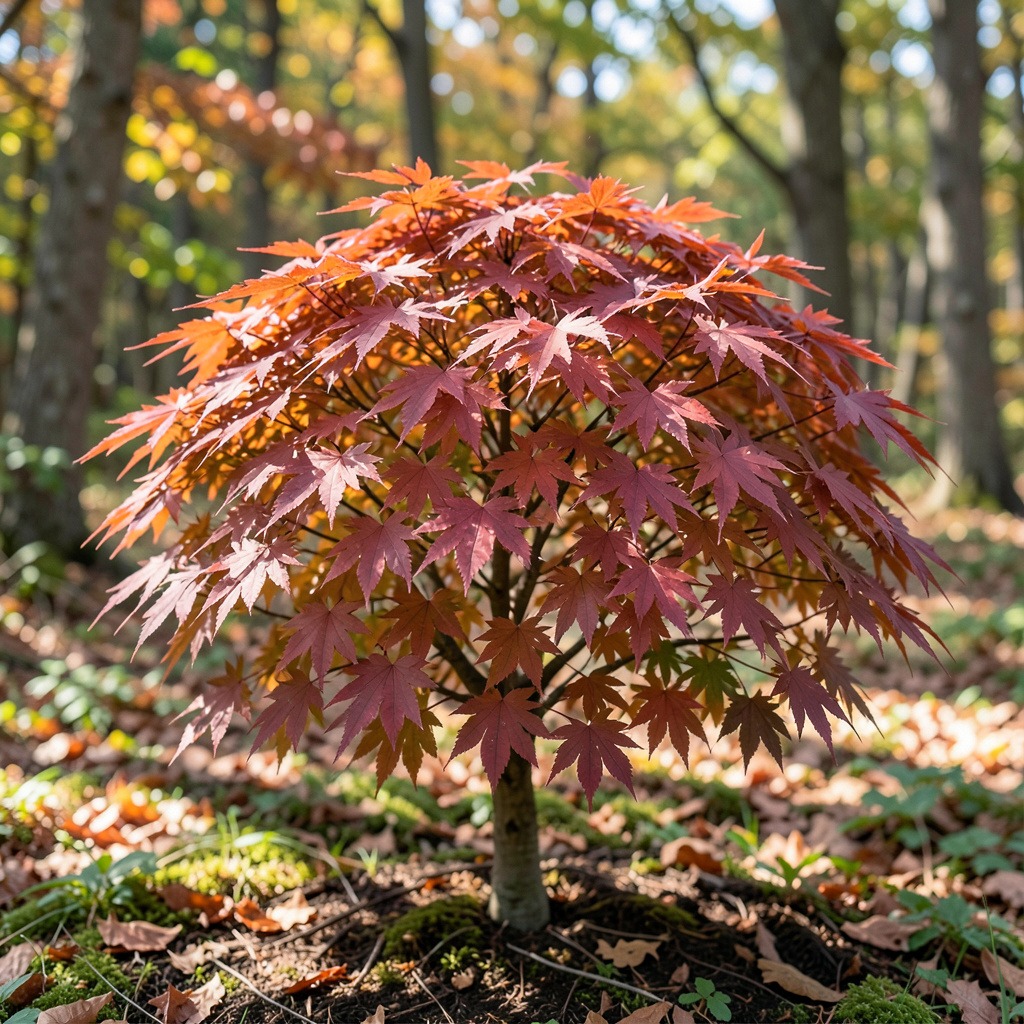
Overview of Japanese Maple Sizes
Japanese maples come in a variety of sizes, making them suitable for different garden designs and landscapes. Understanding their typical height and spread is essential for selecting the right cultivar for your space.
Standard Sizes of Japanese Maples
Standard Japanese maples generally range from 10 to 25 feet in height and can have a spread of 8 to 15 feet. These sizes make them ideal for larger gardens or as focal points in landscape designs. Common examples include:
- Bloodgood: Grows 15-20 feet tall with a spread of 15-20 feet.
- Sango Kaku (Coral Bark Maple): Reaches 15-25 feet in height and 10-15 feet in spread.
- Crimson Queen: A weeping variety that typically grows 6-10 feet tall, spreading 8-12 feet.
Dwarf Varieties: Perfect for Small Spaces
Dwarf Japanese maples are ideal for smaller gardens, patios, or container planting. These trees typically grow under 6-8 feet tall and are perfect for confined spaces. Notable varieties include:
- Orangeola: Stays around 5-6 feet tall with a similar spread.
- Ukigumo: Grows to about 6-8 feet, showcasing beautiful variegated leaves.
- Shishigashira: A unique dwarf with a compact growth habit, reaching only 4-6 feet in height.
Large Varieties for Expansive Landscapes
For larger landscapes, some Japanese maples can reach impressive heights. These trees can serve as standout features in expansive gardens. Examples include:
- Acer japonicum: Known for its stunning fall color, it can reach 20-30 feet.
- Acer palmatum ‘Emperor 1’: A robust variety that grows 15-20 feet tall and 12-15 feet wide.
Size Comparison Chart
| Variety | Height (ft) | Spread (ft) |
|---|---|---|
| Bloodgood | 15-20 | 15-20 |
| Sango Kaku | 15-25 | 10-15 |
| Crimson Queen | 6-10 | 8-12 |
| Orangeola | 5-6 | 5-6 |
| Ukigumo | 6-8 | 6-8 |
| Acer japonicum | 20-30 | 15-20 |
| Emperor 1 | 15-20 | 12-15 |
Understanding these size variations helps gardeners choose the right Japanese maple that best fits their landscape design. Proper selection ensures that these trees enhance the beauty of your garden while accommodating space limitations and desired aesthetics.
Growth Habits: How Size Affects Appearance
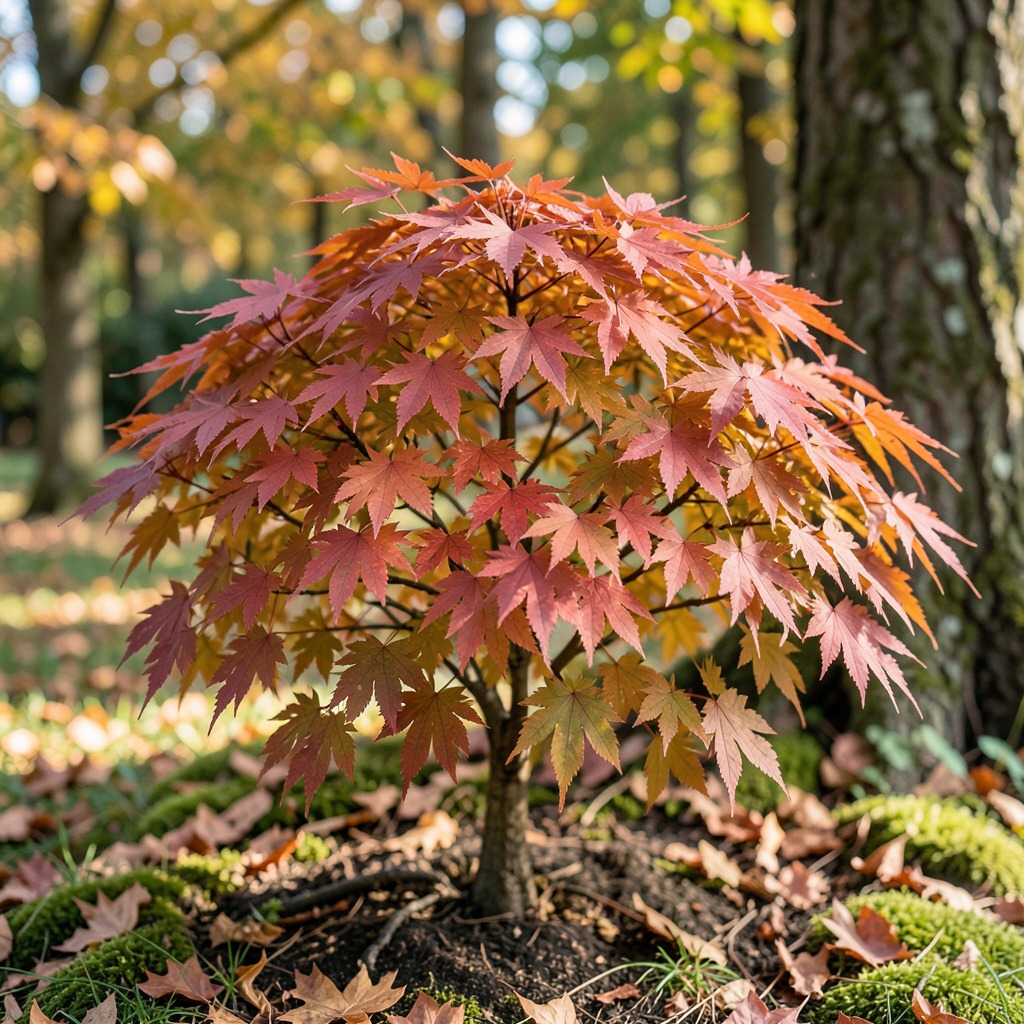
Understanding the growth habits of Japanese maples is crucial for selecting the right variety for your garden. These trees come in various sizes and shapes, each offering unique aesthetic and functional benefits.
Upright Forms: Stately Presence
Upright Japanese maples, such as the Bloodgood and Sango Kaku, create a strong vertical presence. They typically grow between 15 to 25 feet tall and have a similar spread. These forms are ideal for making a dramatic statement in your landscape.
- Height: Generally 15-25 feet.
- Spread: Similar to height, often 10-20 feet.
- Ideal Use: Focal points, background plants, or specimens.
Weeping Forms: Graceful and Cascading
Weeping varieties, like the Crimson Queen and Tamuke-yama, offer a more delicate appearance. Their branches gracefully cascade downward, creating an enchanting visual effect.
- Height: Typically 5-10 feet.
- Spread: Can extend 8-12 feet across.
- Ideal Use: Along slopes, next to water features, or as standalone specimens.
Cascading Varieties: Softening Edges
Cascading forms, such as the Weeping Viridis, soften landscape edges with their sprawling branches. These trees usually remain smaller, reaching only 5-10 feet in height but spreading wider.
- Height: 5-10 feet, depending on the cultivar.
- Spread: Can be significantly wider, often exceeding height.
- Ideal Use: Ground cover, garden beds, or as part of mixed plantings.
Size and Growth Comparison Chart
| Variety | Growth Habit | Height (ft) | Spread (ft) |
|---|---|---|---|
| Bloodgood | Upright | 15-20 | 15-20 |
| Sango Kaku | Upright | 15-25 | 10-15 |
| Crimson Queen | Weeping | 6-10 | 8-12 |
| Tamuke-yama | Weeping | 8-10 | 8-10 |
| Weeping Viridis | Cascading | 10 | 10 |
When choosing a Japanese maple, consider both the height and spread. This will ensure the tree fits your landscape design and complements other plants. A well-placed Japanese maple not only enhances the beauty of your garden but also aligns with your spatial requirements.
Selecting the Right Size for Your Garden
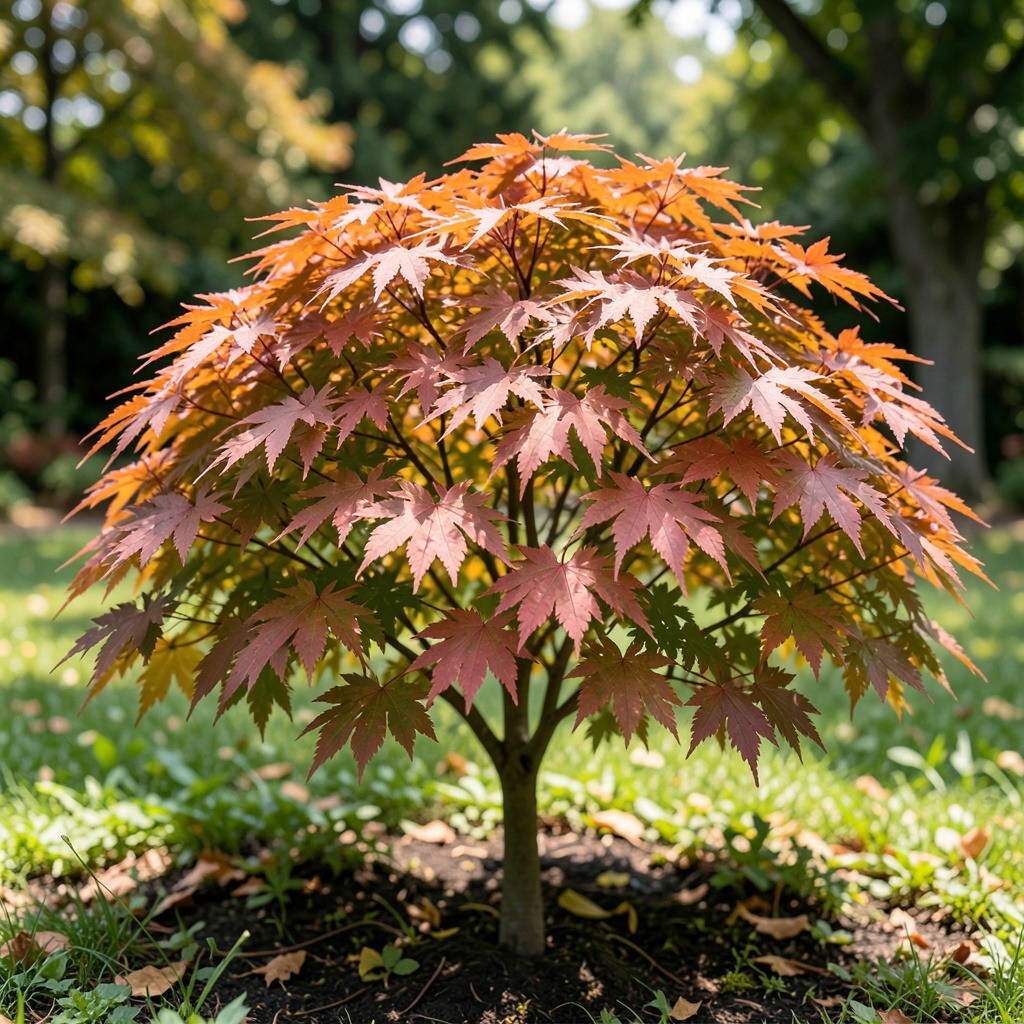
Choosing the right size of Japanese maple is crucial for creating a harmonious landscape. Understanding your garden’s space and design goals will guide you in selecting the ideal cultivar.
Assessing Your Space: Size and Layout Considerations
Before selecting a Japanese maple, evaluate your garden’s dimensions and layout. Consider both height and spread to ensure the tree fits well within your design.
- Small Gardens: Opt for dwarf varieties like the Crimson Queen, which grows 6-10 feet tall and spreads 8-12 feet wide.
- Medium Spaces: Consider upright forms such as Bloodgood, which reaches 15-20 feet tall and spreads equally wide.
- Large Areas: For expansive gardens, larger cultivars like Sango Kaku can grow 15-25 feet tall, providing a stunning focal point.
Matching Cultivars to Growth Conditions
Different Japanese maple varieties thrive in varying conditions. Match the cultivar to your garden’s specific needs for optimal growth.
- Sunlight: Most Japanese maples prefer partial shade. If your garden receives full sun, select varieties like Fireglow, which can tolerate more light.
- Soil Type: Ensure well-drained soil. Varieties such as Tamukeyama can adapt well to different soil types but thrive best in loamy conditions.
- Climate Zones: Be mindful of hardiness zones. For instance, Acer palmatum cultivars generally thrive in zones 5-8.
Common Mistakes in Size Selection
Avoid these pitfalls when choosing the size of your Japanese maple:
- Underestimating Growth: Many gardeners underestimate how large their chosen tree will grow. Always check the expected height and spread.
- Ignoring Neighboring Plants: Ensure the maple will not outgrow or overshadow nearby plants. A well-planned arrangement enhances visual appeal.
- Neglecting Maintenance: Larger trees require more maintenance. Be prepared for pruning and care, especially for varieties with a more vigorous growth habit.
Decision-Making Framework for Size Selection
Follow this checklist when selecting the right size of Japanese maple for your garden:
1. Assess Available Space: Measure height and width potential.
2. Identify Sunlight Conditions: Determine how much sun your garden receives.
3. Choose Appropriate Cultivar: Match size and growth form to your conditions.
4. Consider Long-Term Growth: Research how the tree will mature over time.
By understanding these factors, you can select a Japanese maple that will enhance your garden for years to come.
Care Tips Based on Size and Growth Habit
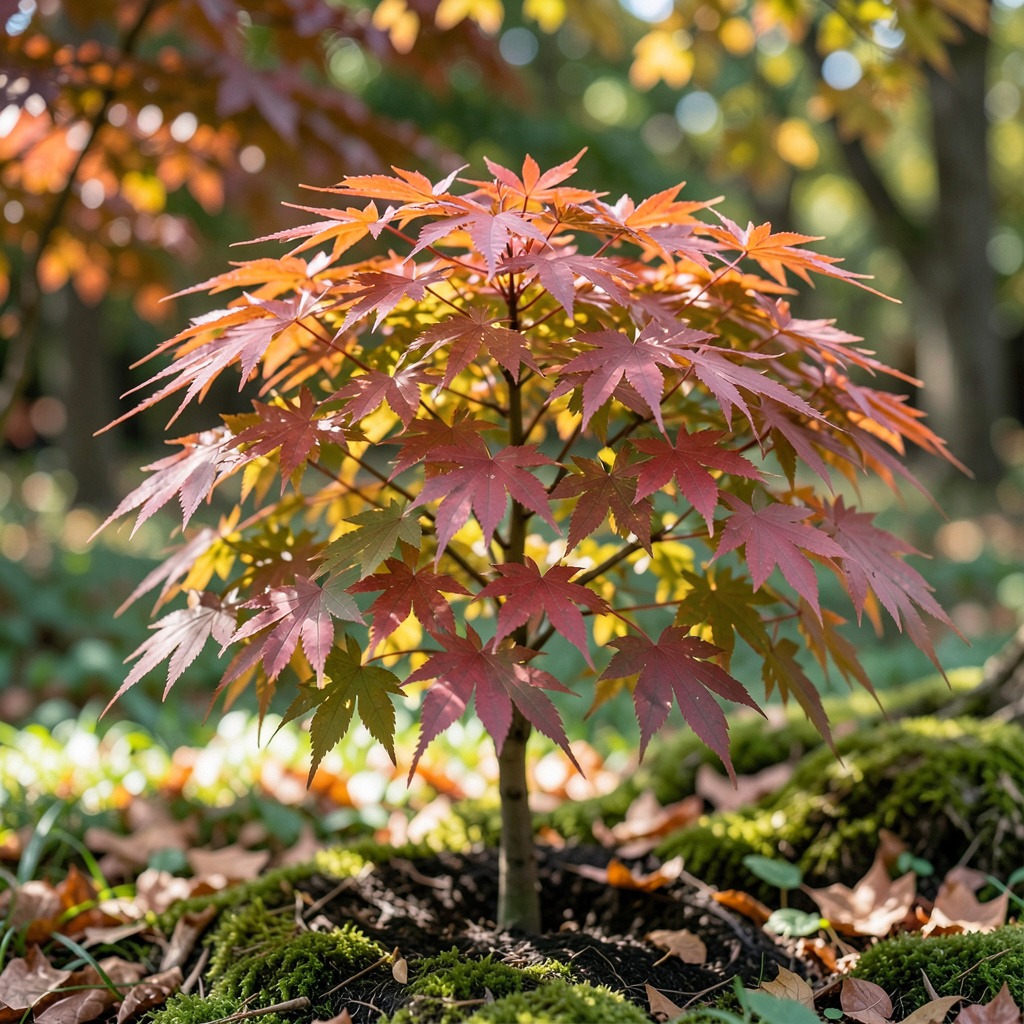
Caring for Japanese maples requires specific attention based on their size and growth habit. Smaller varieties have different needs compared to their larger counterparts. Understanding these differences allows for healthier trees and more vibrant foliage.
Watering Needs for Small vs. Large Maples
- Small Varieties: These typically require less water due to their reduced size and root system. Water them deeply but infrequently, allowing the top inch of soil to dry out between waterings.
- Large Varieties: Larger Japanese maples need more consistent moisture. Water them deeply at least once a week, especially during dry spells. Ensure that the soil remains moist but not soggy.
Fertilization Practices by Size
- Small Varieties: Use a balanced, slow-release fertilizer in early spring. A rate of 1/4 to 1/2 the recommended dosage will suffice. Avoid fertilizing in late summer or fall to prevent new growth before winter.
- Large Varieties: Apply a balanced fertilizer in early spring and again in late spring if necessary. Use the full recommended dosage to support their growth. Avoid fertilizing after mid-summer.
Pruning Techniques for Different Growth Forms
- Upright Varieties: Prune in late winter or early spring to maintain shape and remove dead branches. Focus on thinning to promote airflow and light penetration.
- Weeping Varieties: Prune after the leaves have fully emerged to shape the branches gracefully. Remove any dead or crossed branches to prevent tangling.
Seasonal Care Calendar
| Season | Small Varieties Care | Large Varieties Care |
|---|---|---|
| Spring | Fertilize, water deeply | Fertilize, water deeply |
| Summer | Monitor for moisture, prune lightly | Water weekly, monitor for pests |
| Fall | Prepare for winter, reduce watering | Prepare for winter, ensure proper drainage |
| Winter | Minimal care, check for snow damage | Minimal care, inspect for ice damage |
By following these tailored care instructions, gardeners can optimize the health and aesthetics of their Japanese maples, ensuring a thriving addition to their landscape.
Conclusion: Finding the Perfect Japanese Maple Size
Selecting the right size of Japanese maple is crucial for achieving aesthetic harmony and practical functionality in your garden. Understanding the various sizes and growth habits of these trees allows you to make informed decisions that enhance your landscape.
Japanese Maple Size Variations
Japanese maples come in a range of sizes, from compact dwarf varieties to large, majestic trees. Here’s a breakdown:
| Size Category | Height Range | Ideal Use |
|---|---|---|
| Dwarf Varieties | 3–5 feet | Containers, small gardens |
| Compact Varieties | 6–8 feet | Patios, borders |
| Standard Varieties | 10–15 feet | Focal points, larger landscapes |
| Large Varieties | 20–35 feet | Statement trees, open spaces |
Growth Habits and Forms
Understanding growth habits helps in placement decisions. Upright forms like ‘Bloodgood’ offer strong vertical presence, while weeping varieties such as ‘Crimson Queen’ provide graceful, cascading branches. Choose based on your garden’s design goals:
- Upright Varieties: Best for creating height and structure.
- Weeping Varieties: Ideal for softening hard edges and adding movement.
Ideal Growing Conditions
Japanese maples thrive in partial shade and well-drained soil. Dwarf varieties are particularly suited for smaller spaces, whereas larger varieties need ample room to spread. Assess your garden’s light exposure and soil conditions before selection.
Care Instructions for Different Sizes
Different sizes require tailored care. For example, dwarf varieties benefit from less frequent pruning, while larger varieties need more regular maintenance to manage their growth. Here’s a quick care checklist:
- Dwarf Varieties: Minimal pruning, regular watering.
- Standard Varieties: Seasonal pruning, consistent moisture.
- Large Varieties: Intensive care during growth spurts, regular checks for pests and diseases.
Comparison of Dwarf vs. Standard Varieties
Dwarf Japanese maples are perfect for small gardens or container planting, while standard varieties can serve as stunning focal points in larger landscapes. When choosing, consider:
- Space Available: Measure your garden area.
- Desired Impact: Decide if you want a subtle accent or a bold statement.
By understanding these aspects of Japanese maple sizes, you can select the perfect variety that aligns with both your gardening space and aesthetic preferences.
Frequently Asked Questions
These quick answers cover the most common questions about this topic, including key details, practical tips, and common concerns.
What is the average height of a Japanese maple?
Japanese maples vary widely in height. Dwarf varieties typically reach about 4 to 6 feet, while standard varieties can grow between 10 to 25 feet. Some large cultivars, like Acer japonicum, can even reach heights of 20 to 30 feet. Knowing the average height can help you select the right variety for your space.
How do I choose the right size Japanese maple for my garden?
To choose the right size Japanese maple, first assess your garden’s space and layout. Consider both height and spread to ensure the tree fits well. For small gardens, opt for dwarf varieties like ‘Crimson Queen.’ For medium spaces, standard varieties like ‘Bloodgood’ work well. Large areas can accommodate majestic trees like ‘Sango Kaku.’
When is the best time to plant a Japanese maple?
The best time to plant a Japanese maple is in early spring or fall. Planting during these seasons allows the tree to establish roots before the heat of summer or the cold of winter. Ensure the soil is well-drained and amend it if necessary to support healthy growth.
What are common mistakes when selecting a Japanese maple?
Common mistakes include underestimating the tree’s mature size, ignoring the sunlight and soil conditions, and not considering the tree’s growth habit. Always check the expected height and spread, and ensure the chosen cultivar matches your garden’s environment to avoid future issues.
What is the difference between weeping and upright Japanese maples?
Weeping Japanese maples, like ‘Crimson Queen,’ have cascading branches that create a graceful appearance. They typically grow shorter, around 5 to 10 feet. Upright varieties, such as ‘Bloodgood,’ grow taller and have a more structured form, reaching heights of 15 to 25 feet. Choose based on the desired visual effect in your landscape.
Can Japanese maples be grown in pots?
Yes, many Japanese maples can be successfully grown in pots, especially dwarf varieties. Containers allow for flexibility in placement and can enhance small garden spaces. Ensure the pot has good drainage and use a high-quality potting mix. Regular watering and fertilization are essential for container-grown maples.
What should readers know about seasonal care tips for different sizes?
Seasonal care varies by size. Dwarf varieties require less frequent watering and minimal pruning, while larger varieties need consistent moisture and regular maintenance. In spring, fertilize all sizes, but be cautious with late-season fertilization for dwarfs. Monitor for pests and adjust care based on the tree’s growth stage.