
Japanese maples typically require 6 to 8 hours of direct sunlight daily, preferring morning sun with afternoon shade to thrive and avoid leaf scorch.
Table of Contents
Understanding the sunlight requirements for Japanese maples is crucial for their health and vibrancy. These elegant trees thrive best when given the right balance of light, allowing them to flourish without suffering from damage or stress.
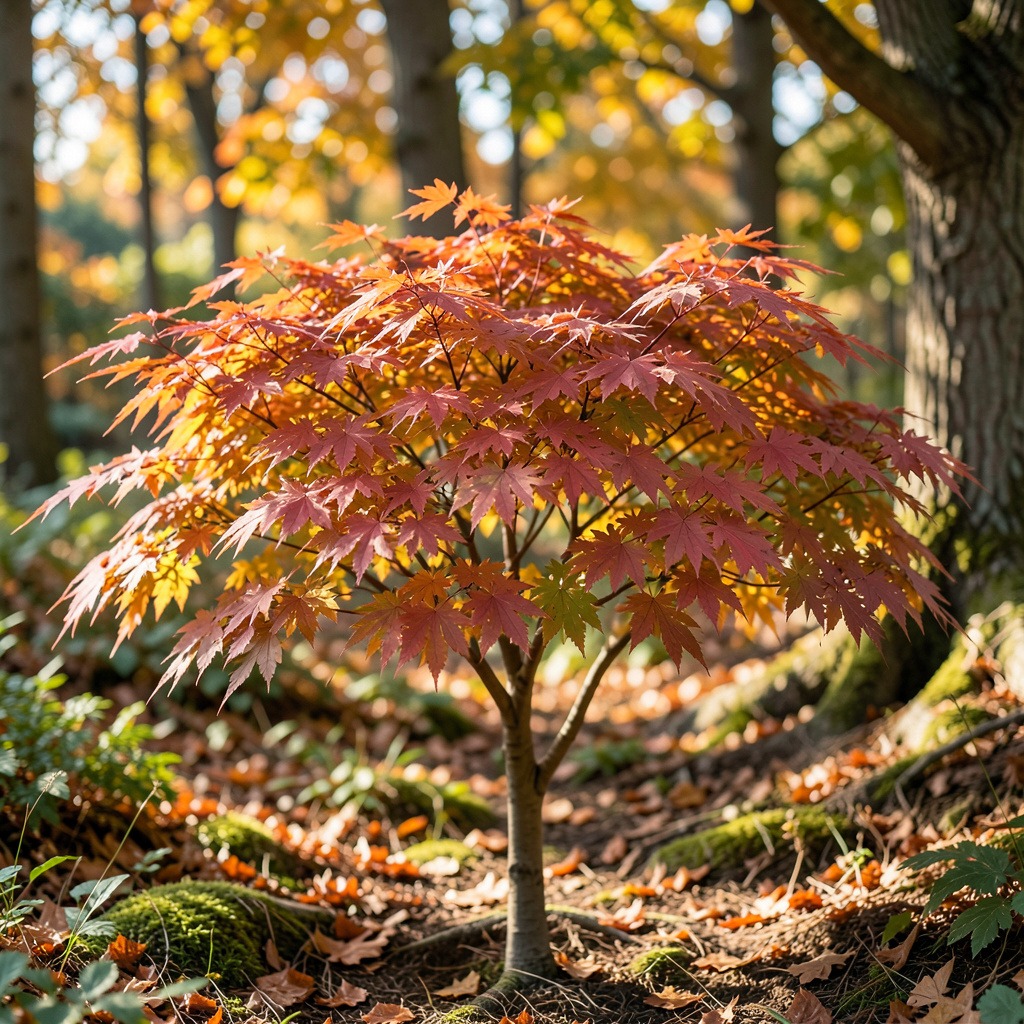
Understanding Japanese Maple Sunlight Requirements
Japanese maples require specific sunlight conditions to thrive. Understanding the nuances of their sunlight needs ensures healthy growth and vibrant foliage.
The Importance of Sunlight for Growth
Sunlight is essential for photosynthesis, the process through which Japanese maples convert light into energy. Without adequate sunlight, trees may exhibit stunted growth and poor coloration.
- Morning Sun: Japanese maples benefit greatly from morning sunlight. This light is less intense, allowing the tree to absorb energy without the risk of heat stress.
- Afternoon Shade: Protecting your maple from the harsh afternoon sun prevents leaf scorch, a condition characterized by browning and wilting of leaves due to excessive heat and UV exposure.
Ideal Sunlight Duration and Timing
For optimal growth, Japanese maples typically need between 3 to 6 hours of direct sunlight daily. However, the timing of this exposure is crucial.
- 3 to 6 Hours of Direct Sunlight: Aim for this range, focusing primarily on morning hours.
- Morning Light: This is gentler and helps warm the soil gradually, benefiting root health.
- Afternoon Protection: As temperatures rise, the shade offered in the afternoon reduces moisture loss and protects delicate foliage.
Decision Framework for Planting
When assessing sunlight conditions for your Japanese maple, consider the following:
1. Plant Location: Identify areas that receive morning light and afternoon shade.
2. Cultivar Selection: Some cultivars are more sensitive than others. For instance, red varieties may require more protection compared to green varieties.
3. Seasonal Adjustments: Monitor the sunlight exposure as seasons change. For example, if nearby trees lose their leaves in winter, your maple may receive more sunlight than desired, potentially requiring additional shade solutions.
By following these guidelines, you can create an optimal environment for your Japanese maple, ensuring it remains a stunning addition to your landscape.
Types of Japanese Maples and Their Sunlight Needs
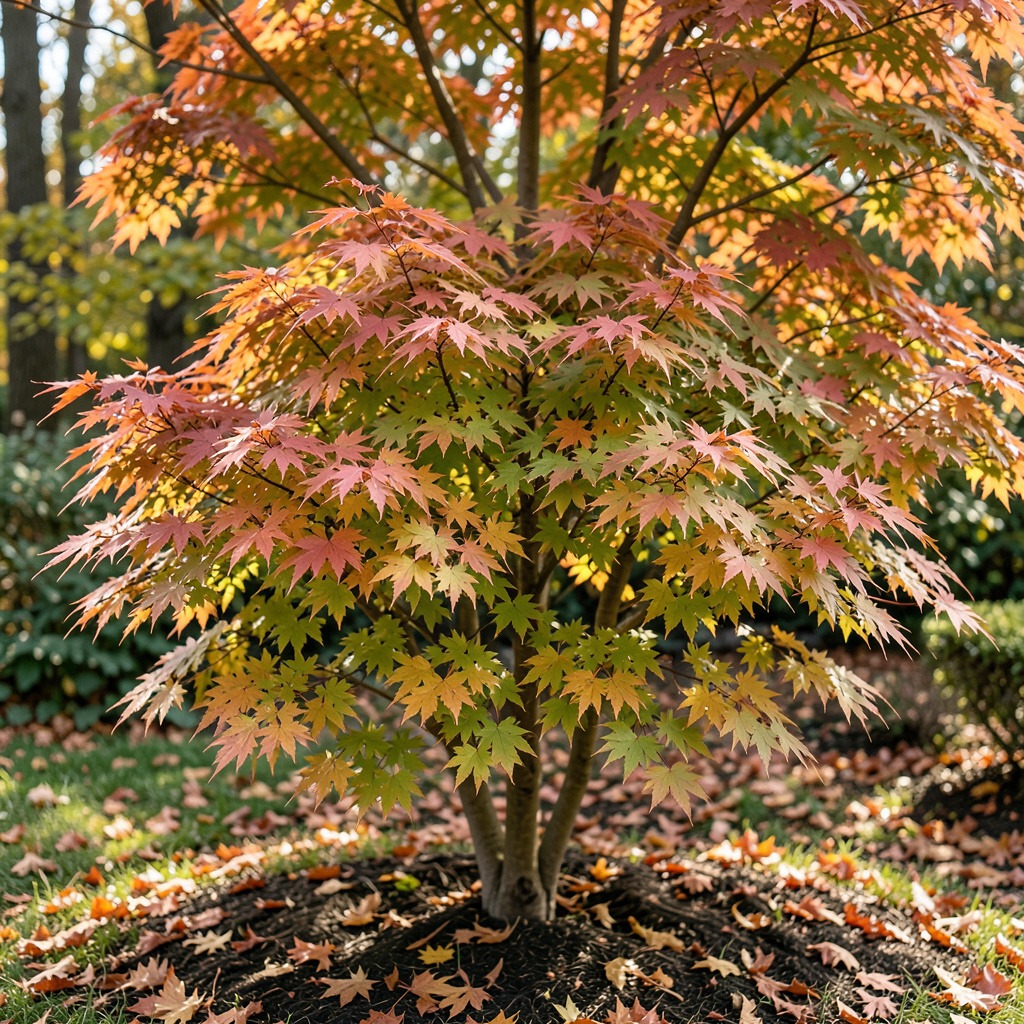
Choosing the right cultivar of Japanese maple is crucial for ensuring optimal growth and health. Different varieties have distinct sunlight tolerances, which can significantly affect their appearance and vitality.
Most Sun-Tolerant Varieties
Some Japanese maples thrive in full sun, while others prefer more shaded conditions. Here are a few cultivars that can withstand more sunlight:
| Cultivar | Sunlight Requirement | Key Characteristics |
|---|---|---|
| ‘Bloodgood’ | 6 hours of direct sun | Deep red leaves; vibrant foliage |
| ‘Emperor I’ | 6 hours of direct sun | Large leaves; bright red color |
| ‘Sango Kaku’ | 5-6 hours of direct sun | Coral bark; bright green leaves |
These cultivars require ample sunlight to maintain their stunning coloration. Insufficient light can lead to dull, green foliage, diminishing their visual appeal.
Shade-Tolerant Varieties for Cooler Climates
Some Japanese maples are more adaptable to shaded environments. They can thrive in less sunlight while still showcasing their beauty:
| Cultivar | Sunlight Requirement | Key Characteristics |
|---|---|---|
| ‘Viridis’ | 3-4 hours of direct sun | Weeping form; delicate green leaves |
| Acer palmatum | 3-6 hours of direct sun | Classic shape; tolerant of shade |
These varieties are excellent choices for areas that experience cooler temperatures and less direct sunlight. They can still flourish, offering vibrant foliage without the stress of excessive sun exposure.
Assessing Sunlight Needs
When selecting a Japanese maple, consider the following:
- Site Conditions: Observe how sunlight shifts throughout the day in your garden.
- Cultivar Characteristics: Match the cultivar’s sunlight tolerance to your garden’s environment.
- Seasonal Changes: Monitor how tree cover or building shadows affect sunlight exposure during different seasons.
By carefully evaluating these factors, you can choose a Japanese maple that will thrive in your specific conditions, enhancing your landscape for years to come.
The Effects of Too Much Sun on Japanese Maples
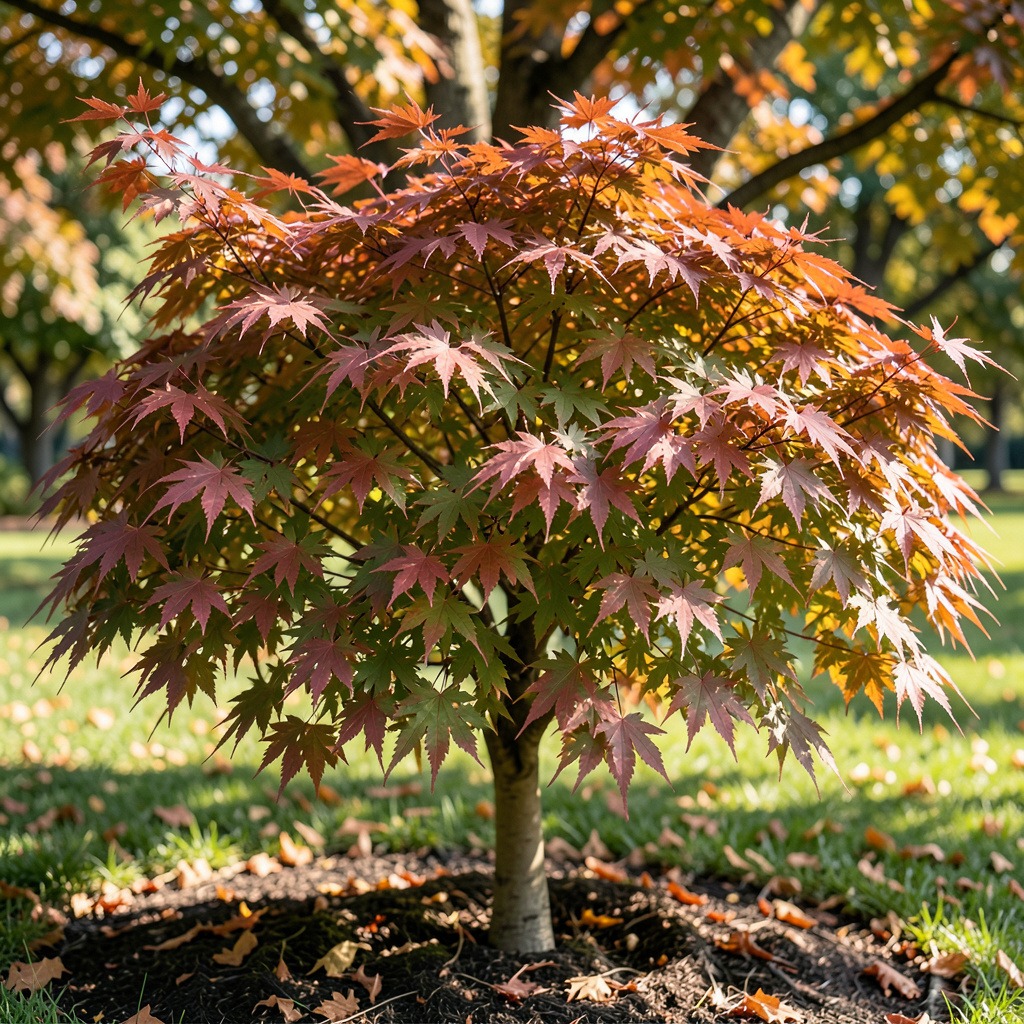
Excessive sunlight can severely impact the health of Japanese maples. Understanding the symptoms and causes of leaf scorch is essential for maintaining these ornamental trees.
Symptoms of Leaf Scorch
Leaf scorch occurs when Japanese maples are exposed to intense sunlight for prolonged periods. The primary symptoms include:
- Crispy Leaf Edges: Brown, dried margins that start at the tips and spread inward.
- Wilting Leaves: Leaves may droop or curl due to water loss.
- Color Fading: Red varieties can lose their vibrant color, appearing more green than expected.
Identifying these symptoms early can help you take corrective action. For instance, if you notice wilting or scorched edges, evaluate the sunlight exposure and consider providing afternoon shade.
Long-term Effects of Excessive Sun Exposure
Prolonged exposure to excessive sunlight can lead to more severe consequences for Japanese maples. These include:
- Stunted Growth: Trees may struggle to grow and develop properly.
- Increased Susceptibility to Pests: Stressed trees are more vulnerable to insect infestations and diseases.
- Root Damage: The combination of heat and insufficient moisture can harm root systems.
To mitigate these effects, consider the following strategies:
- Provide Afternoon Shade: Use shade cloth or plant taller species nearby to filter intense sunlight.
- Adjust Watering Practices: Increase watering during hot periods to help trees cope with stress.
- Monitor Soil Conditions: Ensure soil retains moisture without becoming waterlogged.
Recovery Strategies for Sun-Damaged Japanese Maples
If your Japanese maple shows signs of sun damage, prompt action can aid recovery. Here are some practical steps:
1. Assess the Location: Determine if the tree is receiving too much direct sunlight.
2. Implement Shade Solutions: Introduce temporary shade structures or plant companion plants to diffuse sunlight.
3. Improve Soil Health: Amend the soil with organic materials to enhance moisture retention.
4. Regular Watering: Maintain consistent watering, particularly during peak heat.
By closely observing your tree and making necessary adjustments, you can help your Japanese maple recover from excessive sun exposure and thrive.
Best Practices for Planting Japanese Maples in Sunny Areas
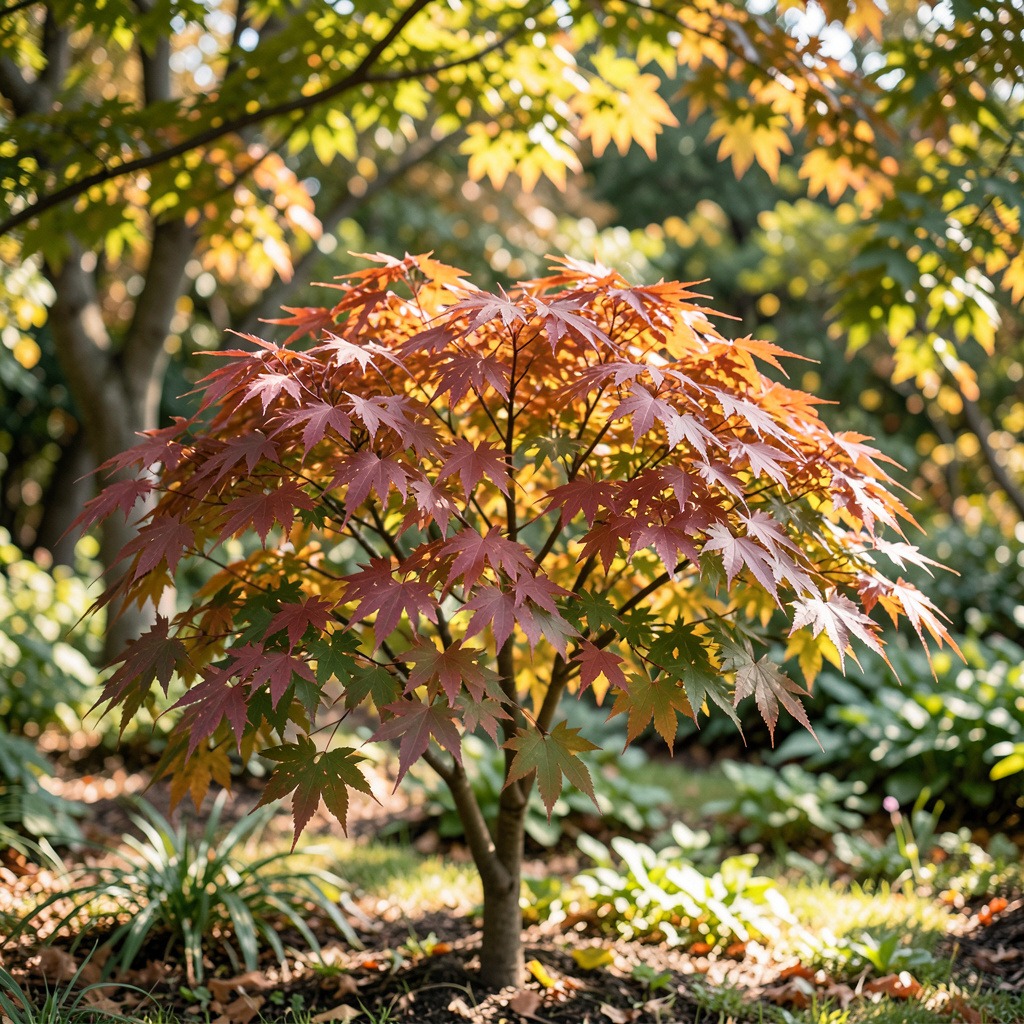
Planting Japanese maples in sunny locations requires careful consideration of site selection and soil conditions. Proper techniques ensure these trees thrive in bright sunlight while avoiding potential damage.
Choosing the Right Location
Select a planting site that balances sunlight exposure and protection. Japanese maples prefer:
- Morning Sun: Aim for 3 to 6 hours of morning sunlight. This promotes healthy growth without the harsh afternoon heat.
- Afternoon Shade: If possible, position the tree where it can receive shade in the afternoon, particularly in warmer climates.
- Wind Protection: Look for locations shielded from strong winds, which can exacerbate sun damage.
Checklist for Site Selection
- [ ] Assess Sunlight: Observe sunlight patterns throughout the day.
- [ ] Evaluate Shade Options: Identify nearby structures or trees that may provide afternoon shade.
- [ ] Consider Spacing: Ensure adequate space for the tree’s growth and root expansion.
Soil and Watering Considerations
Japanese maples thrive in well-draining, slightly acidic soil. Here are key factors to consider:
- Soil Quality: Amend the soil with organic matter to enhance moisture retention.
- Moisture Levels: Regular watering is crucial, especially during hot weather. Aim for consistent soil moisture but avoid waterlogging.
- Mulching: Use mulch to help retain soil moisture and regulate temperature.
Watering Tips
- Water deeply once a week during dry spells.
- Monitor soil moisture with your finger; if it feels dry an inch below the surface, it’s time to water.
Specific Cultivar Needs
Different cultivars of Japanese maples may have varying sunlight tolerances. Here’s a comparison:
| Cultivar | Sunlight Preference | Notes |
|---|---|---|
| Red Leaf Varieties | Morning sun, afternoon shade | More sensitive to leaf scorch |
| Green Leaf Varieties | Full sun to partial shade | Generally more tolerant of heat |
| Dwarf Varieties | Similar to full-sized trees | Compact size makes sun protection easier |
Understanding these preferences helps tailor your planting approach to specific cultivars, ensuring optimal growth and health.
Seasonal Care for Japanese Maples: Adjusting Sunlight Needs
As seasons change, so do the sunlight requirements for Japanese maples. Adjusting care based on seasonal conditions ensures your tree remains healthy and vibrant.
Spring and Fall Adjustments
In spring and fall, sunlight exposure varies, and so does your tree’s need for protection.
- Spring: As temperatures rise, gradually increase sunlight exposure. Japanese maples benefit from morning sun. They thrive best with 4-6 hours of filtered sunlight. Monitor soil moisture closely, as growth begins and watering needs increase.
- Fall: Decrease direct sunlight exposure as temperatures drop. Protect your tree from harsh afternoon rays, especially if the leaves are still tender from summer growth. This helps prevent leaf scorch and ensures healthy foliage as winter approaches.
Summer Protection Strategies
During summer, intense sunlight can stress your Japanese maple. Implement strategies to prevent damage:
- Provide Afternoon Shade: Use shade cloth or strategically position other plants to shield your maple from the harsh afternoon sun. This is especially crucial for red leaf varieties that are prone to leaf scorch.
- Monitor Watering Needs: Trees exposed to more than four hours of direct sunlight require consistent moisture. Check the soil regularly to maintain optimal hydration without waterlogging.
- Use Mulch: Apply a 2-3 inch layer of mulch around the base of the tree. This helps retain soil moisture and regulates temperature, providing a buffer against heat.
Seasonal Care Calendar
To effectively manage sunlight exposure throughout the year, consider this seasonal care calendar:
| Season | Action Item | Focus |
|---|---|---|
| Spring | Gradually increase sunlight exposure | Encourage healthy growth |
| Summer | Provide afternoon shade and monitor watering | Prevent stress and leaf scorch |
| Fall | Decrease direct sunlight and protect foliage | Prepare for winter dormancy |
| Winter | Limit exposure to harsh winds and extreme cold | Protect root system |
By following these seasonal adjustments, you can ensure your Japanese maple receives the right balance of sunlight throughout the year. Each cultivar may have unique needs, so observe your tree and adjust care practices accordingly.
Common Mistakes in Japanese Maple Sun Care
Many gardeners struggle with optimizing sunlight exposure for Japanese maples. Common mistakes can lead to stress or even damage to these beautiful trees. Understanding these pitfalls will enhance your tree’s health and longevity.
Overexposure to Afternoon Sun
One of the primary errors is giving Japanese maples too much afternoon sun. While these trees can tolerate some direct sunlight, excessive exposure can lead to leaf scorch, characterized by brown, crispy edges on leaves.
- Signs of Overexposure:
- Leaf scorch (brown tips and edges).
- Wilting during hot days, even with adequate soil moisture.
- Stunted growth or overall decline in vigor.
Prevention Strategies:
- Morning Sun, Afternoon Shade: Aim to provide morning sunlight with afternoon protection. This combination allows for effective photosynthesis without the risk of overheating.
- Dappled Light: If possible, plant your Japanese maple where it can receive filtered sunlight, similar to its native forest understory environment.
Ignoring Soil Moisture Needs
Another frequent mistake is neglecting soil moisture, especially during hot weather. Japanese maples require consistent watering to thrive. Insufficient moisture can exacerbate the effects of too much sun, leading to stress and damage.
- Soil Conditions to Monitor:
- Well-draining soil is essential; waterlogging can lead to root rot.
- During hot months, check the soil moisture regularly. A dry top inch may indicate the need for watering.
Watering Guidelines:
- Deep Watering: Water deeply and less frequently to encourage deep root growth.
- Mulching: Use organic mulch around the base to retain soil moisture and regulate temperature.
Decision Framework for Sunlight Conditions
When assessing your garden’s sunlight conditions, consider the following:
1. Identify Sun Exposure Patterns:
- Track sunlight throughout the day.
- Note areas that receive direct sun vs. shaded spots.
2. Evaluate Your Cultivar’s Needs:
- Different cultivars may tolerate varying levels of sunlight. For instance, some red varieties may require more protection compared to green types.
3. Adapt Care Based on Seasons:
- Adjust watering and shading strategies as seasons change to maintain optimal growing conditions.
By avoiding these common mistakes and implementing effective care strategies, you can significantly enhance the health and beauty of your Japanese maple.
Comparing Sun-Tolerant vs. Shade-Tolerant Japanese Maples
Understanding the differences between sun-tolerant and shade-tolerant Japanese maples is crucial for optimal growth. Each type has specific sunlight requirements that impact their health and appearance.
Defining Sun-Tolerant and Shade-Tolerant
Sun-Tolerant Varieties
These Japanese maples thrive in direct sunlight. They can handle more intense sun exposure without suffering from leaf scorch. Common examples include:
- Bloodgood: Performs well in full sun in USDA zones 5–7.
- Seiryu: Known for its upright growth and heat tolerance, suitable for zone 9.
Shade-Tolerant Varieties
These cultivars prefer filtered light or partial shade. They are at risk of damage from prolonged direct sun. Notable examples include:
- Crimson Queen: Requires protection from harsh afternoon sun.
- Tamukeyama: Thrives in dappled sunlight, especially in humid conditions.
Best Choices for Different Light Conditions
When selecting Japanese maples, consider the following scenarios based on light conditions:
| Condition | Recommended Cultivars | Notes |
|---|---|---|
| Full Sun (6+ hours) | Bloodgood, Seiryu | Requires adequate soil moisture. |
| Partial Shade (3-6 hours) | Tamukeyama, Crimson Queen | Best for avoiding leaf scorch. |
| Full Shade (less than 3 hours) | Kiyohime, Green Laceleaf | Limited growth; ensure soil is well-drained. |
Practical Scenarios for Care Adjustments
1. High Heat Zones (8-9): If your garden is in a high-heat zone, choose sun-tolerant varieties and provide afternoon shade. This arrangement minimizes stress during peak temperatures.
2. North-facing Gardens: In areas that receive limited sunlight, select shade-tolerant cultivars. These varieties will perform better in lower light conditions, maintaining their vibrant foliage without the risk of burning.
3. Irrigation Needs: Sun-tolerant varieties often require more water, especially during hot spells. Monitor soil moisture and adjust watering accordingly to prevent stress and ensure healthy growth.
By understanding these distinctions, you can create an environment that supports your Japanese maples’ growth and aesthetic appeal.
Conclusion: Perfecting Your Japanese Maple’s Sunlight Conditions
Understanding the sunlight needs of your Japanese maple is crucial for its health and beauty. By providing the right balance of light and shade, you can ensure optimal growth and vibrant foliage.
Key Sunlight Requirements
- Direct Sunlight: Aim for 3 to 6 hours of direct sunlight daily. Morning sun is preferable.
- Afternoon Shade: Protect your tree from the intense afternoon heat. This combination minimizes leaf scorch and stress.
- Soil Conditions: Morning sun warms the soil gradually, promoting healthy root development while afternoon shade retains moisture.
Cultivar Considerations
Different cultivars may have varying sunlight preferences:
- Sun-Tolerant Varieties: These can handle more direct sunlight and are suitable for warmer climates.
- Shade-Tolerant Varieties: Ideal for areas with limited sunlight, ensuring vibrant foliage without burning.
Common Issues and Solutions
- Leaf Scorch: Too much direct sunlight can lead to leaf scorch. Watch for browning edges as a sign of stress.
- Too Little Sun: Insufficient light can stunt growth and diminish color. Ensure at least 3 hours of direct sunlight.
Practical Scenarios for Care Adjustments
- Seasonal Changes: As temperatures rise in summer, adjust watering routines to maintain soil moisture, particularly for sun-tolerant varieties.
- Planting Location: Choose a spot that offers morning sun and afternoon shade to create the ideal microclimate for your Japanese maple.
By applying these insights, you can create a thriving environment for your Japanese maple, enhancing its beauty for years to come.
Frequently Asked Questions
These quick answers cover the most common questions about this topic, including key details, practical tips, and common concerns.
What are the signs that my Japanese maple is getting too much sun?
If your Japanese maple is receiving too much sun, you may notice crispy leaf edges, wilting leaves, or color fading. Leaf scorch, characterized by brown, dried margins, often occurs due to excessive heat and UV exposure. Monitor your tree closely, especially during peak sunlight hours, to identify these symptoms early.
How can I protect my Japanese maple from leaf scorch?
To protect your Japanese maple from leaf scorch, provide afternoon shade by planting taller companion plants nearby or using shade cloth. Ensure consistent watering, especially during hot weather, to help the tree cope with stress. Additionally, consider mulching to retain soil moisture and regulate temperature around the roots.
What is the best time of day to plant a Japanese maple?
The best time of day to plant a Japanese maple is in the early morning or late afternoon when temperatures are cooler. This timing reduces stress on the tree and allows it to acclimate to its new environment without the harsh effects of midday sun. Always ensure the soil is well-draining and moist at the time of planting.
Can Japanese maples grow in full shade?
While Japanese maples can tolerate partial shade, they generally do not thrive in full shade. Most varieties require at least 3 hours of direct sunlight to maintain their health and vibrant color. Shade-tolerant cultivars may perform better in lower light conditions, but they still benefit from some sunlight exposure.
What are the best soil conditions for Japanese maples?
Japanese maples prefer well-draining, slightly acidic soil rich in organic matter. Soil should retain moisture but not become waterlogged. Amending the soil with compost can enhance its structure and nutrient content, providing a healthy environment for root growth.
How do I know which cultivar of Japanese maple is right for my garden?
Choosing the right cultivar depends on your garden’s sunlight conditions and climate. Sun-tolerant varieties, like ‘Bloodgood,’ thrive in full sun, while shade-tolerant options, like ‘Tamukeyama,’ are better suited for protected areas. Assess your site’s sunlight exposure and select a cultivar that fits those conditions.
What should I do if my Japanese maple leaves are turning brown?
If your Japanese maple leaves are turning brown, it may be a sign of leaf scorch due to excessive sun exposure or insufficient watering. Check the sunlight conditions and consider providing afternoon shade. Ensure the tree is adequately watered, especially during hot spells, to help it recover.
What should readers know about visual guides for identifying leaf scorch?
Visual guides for identifying leaf scorch can help you recognize symptoms early. Look for images showing crispy leaf edges, wilting, or color fading. Understanding these signs allows you to take timely action, such as adjusting sunlight exposure or improving watering practices to protect your tree.