
Japanese maple varieties include species like Acer palmatum and Acer japonicum, featuring diverse foliage colors and growth habits, making them ideal for landscapes.
Table of Contents
Japanese maples are cherished for their stunning foliage and unique growth habits, making them popular in landscaping. With over a thousand varieties available, choosing the right one can enhance any garden. This guide explores 31 exceptional Japanese maple varieties.
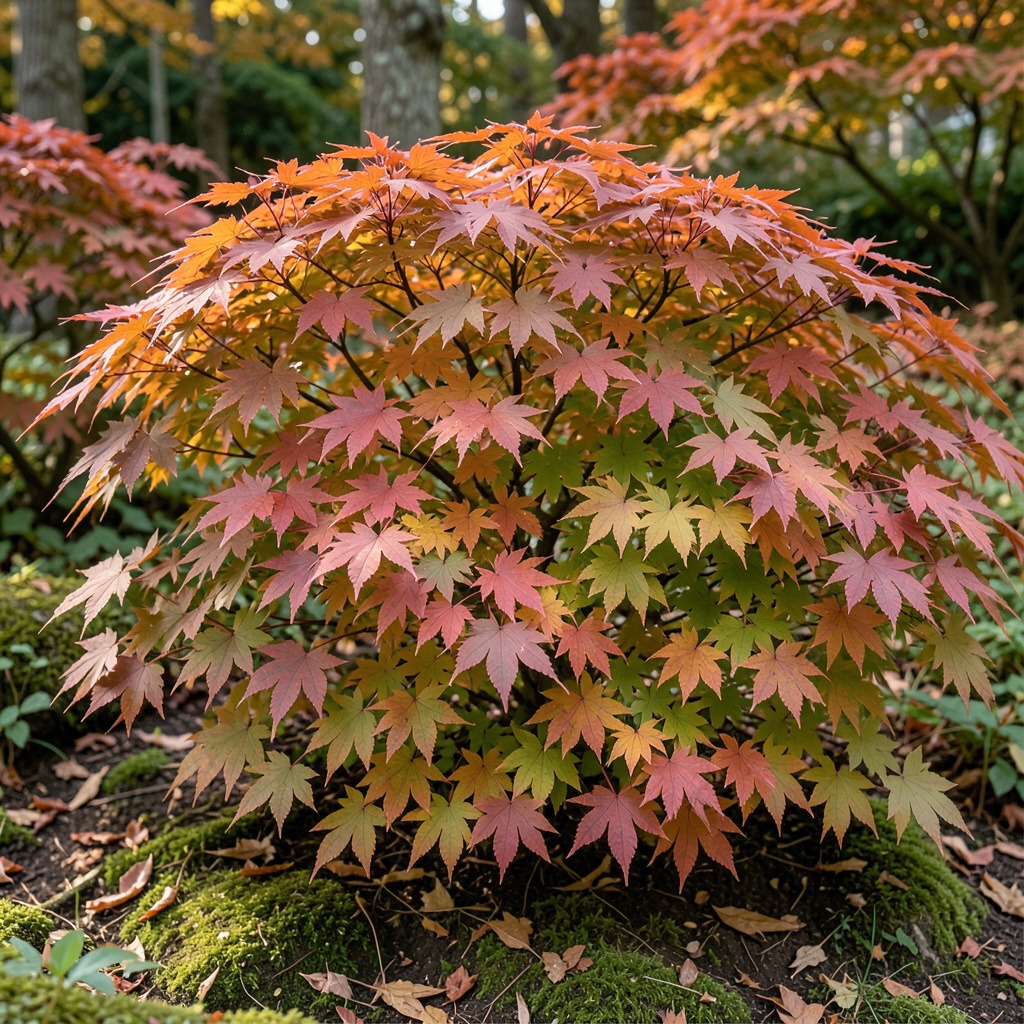
Overview of Japanese Maple Varieties
Japanese maples, scientifically known as Acer palmatum, are renowned for their diverse cultivars and stunning aesthetic appeal. These trees offer a range of colors, shapes, and sizes, making them highly sought after for landscaping purposes.
The Appeal of Japanese Maples in Landscaping
Japanese maples excel in enhancing the visual appeal of gardens. Their unique foliage and growth habits allow for creative landscaping solutions. Here are key reasons to consider them for your landscape:
- Variety of Cultivars: With over a thousand cultivars, you can find options that suit any garden style.
- Seasonal Color Changes: Their leaves transition beautifully throughout the seasons, providing year-round interest.
- Diverse Growth Habits: From dwarf varieties to taller trees, there is a Japanese maple suitable for every space.
Characteristics of Japanese Maple Cultivars
Understanding the characteristics of various cultivars is essential for selection. Here are some common traits to consider:
| Cultivar | Foliage Color | Growth Habit | Hardiness Zone |
|---|---|---|---|
| ‘Fairy Lights’ | Green to Red | Dwarf, compact | 5-8 |
| ‘Hana’ | Green, Orange | Small, rounded | 5-8 |
| ‘Wou Nishiki’ | Green with Orange Edges | Upright, spreading | 5-8 |
Historical Significance and Landscape Design
Japanese maples have a rich history rooted in Japanese culture, symbolizing grace and elegance. They have been cultivated for centuries, originally prized for their delicate leaves and vibrant fall colors. In modern landscape design, these trees serve as focal points, accent plants, or part of layered plantings.
For those looking to nurture their Japanese maples, consider using specialized fertilizers. Check Price on Amazon to ensure healthy growth and vibrant foliage.
The Three Main Species of Japanese Maples
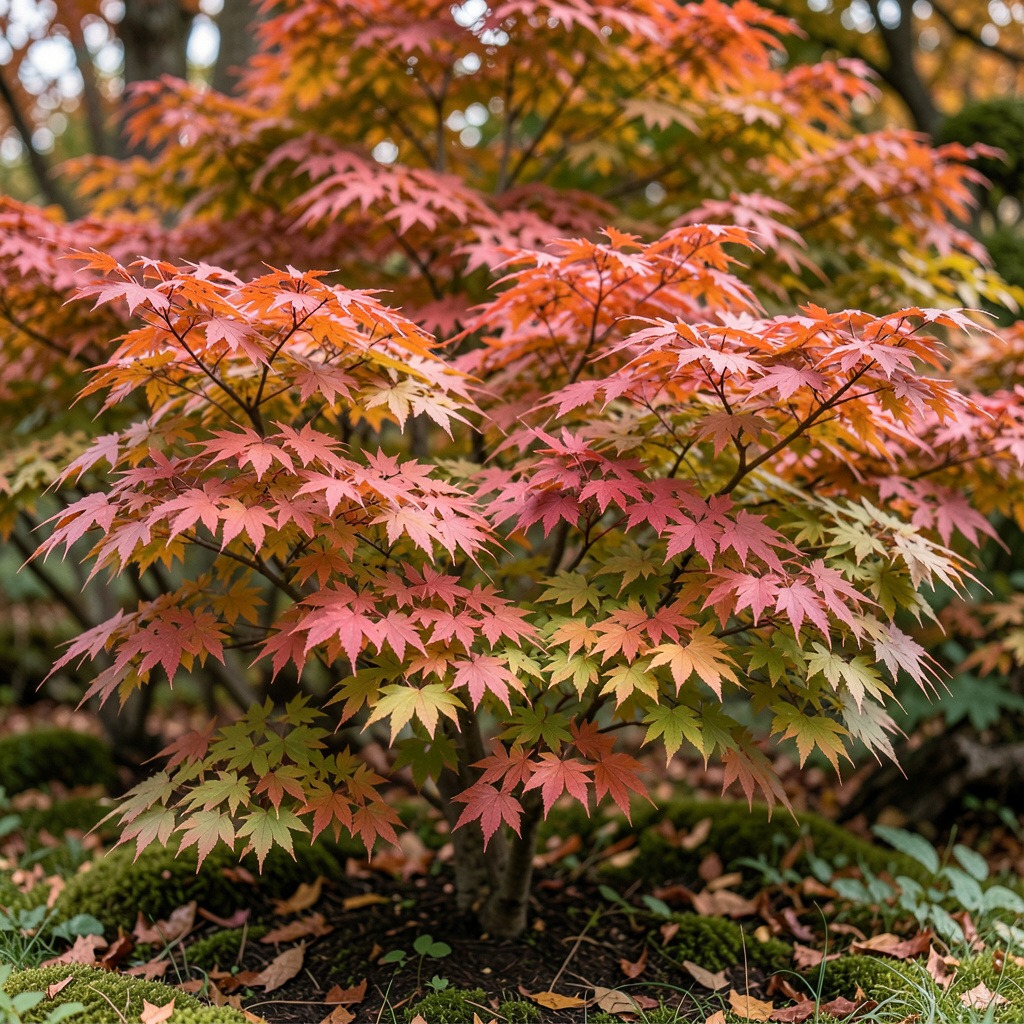
Japanese maples are celebrated for their stunning foliage and graceful forms. Among them, three primary species stand out: Acer palmatum, Acer japonicum, and Acer shirasawanum. Each species exhibits unique characteristics that can enhance your landscape.
Acer palmatum Characteristics
Acer palmatum, commonly known as the Japanese maple, is the most versatile of the three species. It showcases a wide variety of cultivars that differ in leaf shape, size, and color.
- Height: Typically reaches 15-25 feet.
- Leaf Shape: Features deeply lobed leaves with 5-9 lobes; shapes can vary.
- Color Variations: Leaves can be green, red, or variegated, with brilliant fall colors.
This species thrives in partial shade, making it suitable for various landscaping needs. It can adapt to different soil types, provided they are well-draining.
Acer japonicum Features
Acer japonicum is known for its broad, rounded leaves and more compact form compared to Acer palmatum.
- Height: Generally grows 10-15 feet tall.
- Leaf Shape: Leaves are broader and less lobed, featuring a more rounded appearance.
- Color Variations: Often displays vibrant yellow or orange foliage in autumn.
Ideal for smaller gardens, Acer japonicum adds a lush, dense canopy that can provide excellent shade. It prefers rich, moist soil and can tolerate more sun than its palmatum counterpart.
Acer shirasawanum Overview
Acer shirasawanum, also known as the full moon maple, is distinguished by its unique leaf shape and smooth bark.
- Height: Grows up to 20 feet tall.
- Leaf Shape: Leaves are rounded with a paw-like appearance.
- Color Variations: New foliage is often bright yellow-green, turning to golden-yellow in fall.
This species is particularly valued for its ornamental bark and vibrant colors in the spring and autumn. It thrives in well-drained, fertile soils and prefers partial shade, similar to Acer palmatum.
Comparative Analysis of Japanese Maple Species
| Species | Height | Leaf Shape | Color Variations |
|---|---|---|---|
| Acer palmatum | 15-25 feet | Deeply lobed | Green, red, variegated |
| Acer japonicum | 10-15 feet | Broad, rounded | Yellow, orange |
| Acer shirasawanum | Up to 20 feet | Rounded, paw-like | Yellow-green, golden-yellow |
When choosing a Japanese maple for your landscape, consider its growth habits and seasonal color changes. This will help you select the right species and cultivar for your specific garden needs.
31 Popular Japanese Maple Varieties
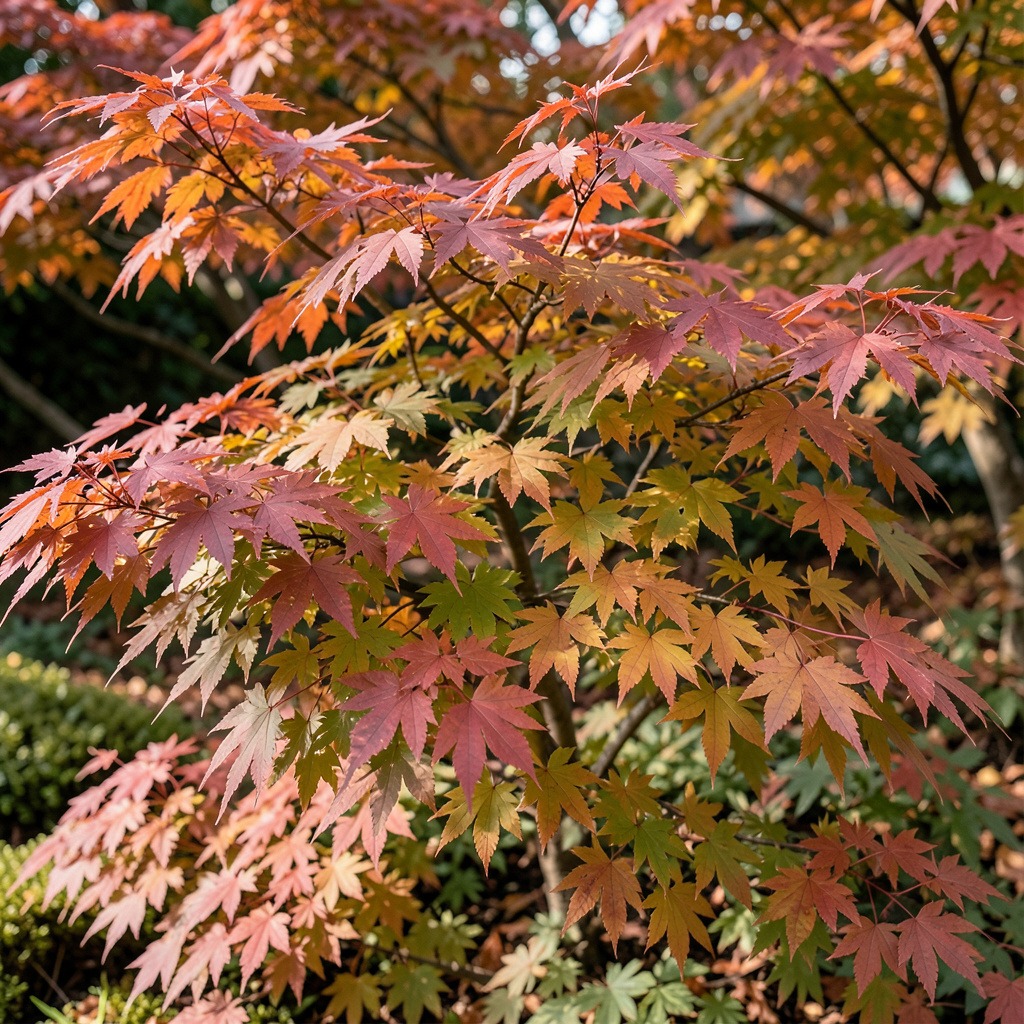
Japanese maples are renowned for their stunning foliage and graceful forms. With a wide array of cultivars available, each variety offers unique characteristics that can enhance any landscape. Below, we explore 31 notable Japanese maple varieties, highlighting their features and growth habits.
Top 10 Varieties for Color
1. ‘Bloodgood’
This popular variety features deep red leaves that turn crimson in fall. It grows 15-20 feet tall and prefers partial shade.
2. ‘Emperor I’
Known for its vibrant red-purple foliage, ‘Emperor I’ reaches 15-20 feet in height. Its leaves maintain color throughout the summer.
3. ‘Orangeola’
With cascading branches, this weeping variety displays orange-red leaves that transition to green in summer. It grows up to 6 feet tall.
4. ‘Sango Kaku’
Also called Coral Bark Maple, it has bright coral-red bark and green leaves that turn yellow in fall. It reaches heights of 15-25 feet.
5. ‘Shishigashira’
This unique variety has tightly curled, green leaves that resemble lion’s mane. It grows 3-6 feet tall and is perfect for smaller spaces.
6. ‘Aconitifolium’
Known as the Cutleaf Maple, it features finely dissected leaves that turn vibrant yellow and orange in autumn. It can grow up to 15 feet tall.
7. ‘Katsura’
This tree boasts bright orange and yellow foliage in fall. It typically grows 15-20 feet tall and has an attractive rounded shape.
8. ‘Garnet’
With deep red, finely cut leaves, ‘Garnet’ provides year-round interest. It reaches 6-10 feet and prefers partial shade.
9. ‘Greencastle’
This variety features bright green foliage that turns golden-yellow in the fall. It grows to about 8-10 feet tall.
10. ‘Autumn Moon’
Known for its orange-red foliage, this variety grows 15-20 feet tall and has a rounded, spreading growth habit.
Best Dwarf Varieties for Small Spaces
1. ‘Fairy Lights’
A delicate dwarf variety, ‘Fairy Lights’ grows only 2-3 feet tall. Its thin, deeply lobed leaves create a whimsical appearance.
2. ‘Kiyohime’
This compact maple grows 3-4 feet tall and features small, green leaves that turn bright red in fall.
3. ‘Nana’
Known for its small size, this variety reaches 3-5 feet tall. Its leaves are deep green and turn brilliant red in autumn.
4. ‘Shaina’
This dwarf maple has a rounded form and bright red foliage. It typically grows 3-5 feet tall, making it versatile for small gardens.
5. ‘Miniature’
As the name suggests, this variety grows only 2-3 feet tall. It has fine-textured leaves that turn a rich, golden-yellow in fall.
Unique Weeping Varieties
1. ‘Ryusen’
This weeping variety has cascading branches that can reach 6 feet tall and 8 feet wide. Its green leaves turn vibrant red in fall.
2. ‘Viridis’
‘Viridis’ features soft, green foliage that weeps gracefully. It grows to about 5-8 feet tall and provides excellent ground cover.
3. ‘Crimson Queen’
With deep burgundy leaves that hang down beautifully, this variety grows 4-6 feet tall. It is ideal for creating a focal point.
4. ‘Waterfall’
This stunning weeping variety has long, flowing branches adorned with delicate green leaves. It can reach heights of 5-6 feet.
5. ‘Pendula’
Known for its dramatic, drooping branches, ‘Pendula’ grows to about 5-7 feet tall. It features green leaves that turn shades of yellow in fall.
Care Tips for Japanese Maples
- Soil: Well-draining, slightly acidic soil is ideal.
- Watering: Maintain consistent moisture, especially during dry spells.
- Fertilization: Use a specialized fertilizer, such as Japanese Maple Tree Fertilizer, to promote healthy growth.
- Pruning: Prune in late winter to maintain shape and remove dead wood.
By selecting the right Japanese maple variety, you can create a breathtaking landscape that changes beautifully with the seasons.
Seasonal Color Changes in Japanese Maples
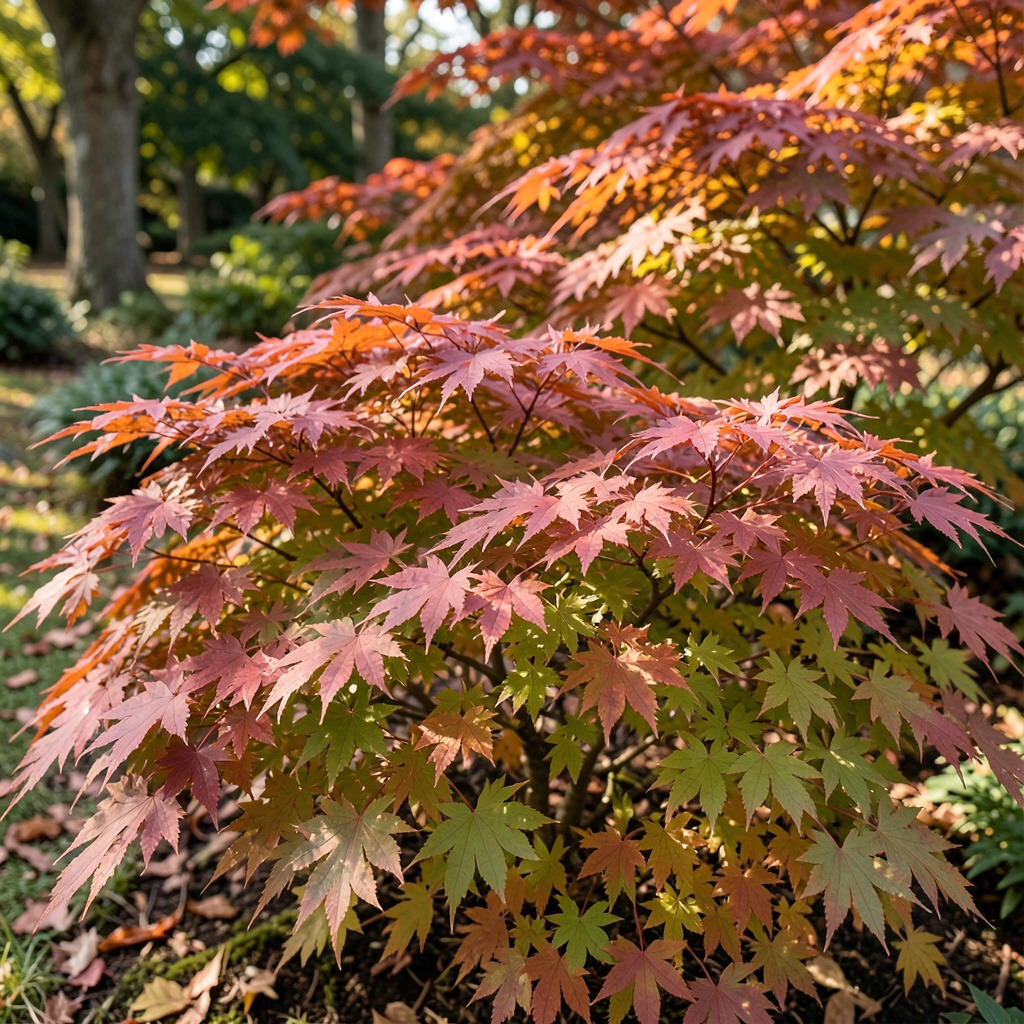
Japanese maples are renowned for their stunning seasonal color transformations. These changes are influenced by various factors, including cultivar, environmental conditions, and care practices. Understanding these seasonal shifts can help you select the best varieties for your landscape.
Spring Foliage Colors
In spring, Japanese maples awaken with vibrant new foliage. The leaves often emerge in shades of soft green, red, or purple, varying by cultivar. For example, the ‘Acer palmatum ‘Shirazz’ features pink and white variegated leaves, while ‘Bloodgood’ showcases deep burgundy foliage. These colorful displays create a fresh and inviting atmosphere in gardens.
Summer Growth and Colors
As summer progresses, the foliage matures. Many varieties, such as ‘Tamukeyama’ and ‘Red Dragon,’ maintain their rich colors throughout the season. Proper care, including consistent watering and protection from harsh sunlight, is crucial to preserving the vibrancy of the leaves. During this time, the foliage can also deepen in color, offering a lush backdrop in landscapes.
Autumn Displays
Autumn is when Japanese maples truly shine. Leaves transform into a spectacular array of reds, oranges, and yellows. The ‘Sango-kaku’ variety, for instance, displays brilliant golden-yellow leaves, while ‘Emperor I’ turns a striking crimson. Optimal conditions for autumn color include full sun exposure and well-drained soil. To enhance seasonal displays, consider planting maples in groups or alongside complementary plants that highlight their colors.
Tips for Enhancing Seasonal Color Displays:
- Select varieties with contrasting colors for visual interest.
- Ensure proper sunlight exposure for vibrant autumn hues.
- Maintain consistent moisture to prevent stress, which can dull colors.
By understanding the seasonal changes in Japanese maple varieties, you can create a dynamic and visually appealing landscape that evolves beautifully throughout the year.
Growth Habits and Size Variation in Japanese Maples
Japanese maples exhibit a wide range of growth habits and sizes, making them versatile choices for various landscaping needs. Understanding these differences is crucial when selecting the right cultivar for your garden.
Dwarf vs. Standard Varieties
Dwarf varieties of Japanese maples typically reach heights of 3 to 6 feet, making them ideal for small gardens or container planting. In contrast, standard varieties can grow between 10 to 25 feet tall, suitable for larger landscapes.
- Dwarf Varieties:
- ‘Beni Maiko’: Grows 4-6 feet. Features stunning color changes throughout the seasons.
- ‘Fairy Lights’: Stays compact and showcases delicate foliage.
- Standard Varieties:
- ‘Bloodgood’: Reaches up to 20 feet. Known for its vibrant red foliage.
- ‘Emperor I’: Grows around 15-20 feet, displaying brilliant crimson leaves in fall.
Weeping Growth Patterns
Weeping Japanese maples, such as ‘Tamukeyama’ and ‘Weeping Laceleaf’, exhibit graceful, cascading branches. These varieties add a dramatic flair to any landscape.
- Characteristics:
- ‘Tamukeyama’: Deep purple foliage; grows 4-6 feet tall, spreads wider than it grows high.
- ‘Weeping Laceleaf’: Delicate, feathery leaves; ideal for creating a focal point in gardens.
Upright Varieties
Upright varieties maintain a more traditional tree shape, making them excellent for shade and structure in landscaping. Cultivars like ‘Sango Kaku’ and ‘Aconitifolium’ are notable examples.
- Characteristics:
- ‘Sango Kaku’: Also known as the Coral Bark Maple, it features stunning coral-colored bark and can grow up to 25 feet.
- ‘Aconitifolium’: Known for its unique, finely dissected leaves, growing between 10 to 15 feet.
Decision Framework for Selection
When selecting a Japanese maple variety, consider the following checklist:
- Space Availability: Assess your garden size. Choose dwarf varieties for limited spaces and standard varieties for larger areas.
- Growth Habit: Decide if you prefer a weeping, upright, or compact form based on your design goals.
- Environmental Conditions: Evaluate your hardiness zone to ensure the selected variety thrives in your climate.
By understanding the size variations and growth habits of Japanese maples, you can make informed decisions that enhance your landscape’s beauty and functionality.
Environmental Considerations for Growing Japanese Maples
Japanese maples thrive under specific conditions that enhance their beauty and health. Understanding their soil, light, and climate needs is essential for successful growth.
Soil Preferences
Japanese maples prefer well-drained, loamy, or sandy soil. Compact or heavy clay soils retain too much water, leading to root rot. Here are key points to remember:
- Drainage: Ensure soil drains well. Incorporate organic matter to improve drainage.
- pH Levels: Aim for slightly acidic to neutral pH (6.0 to 7.0).
- Nutrients: Regularly test soil for nutrient levels. Amend with balanced fertilizers as needed.
Light and Shade Needs
The light requirements for Japanese maples vary by cultivar. Most varieties thrive in partial shade to protect their delicate leaves. Consider these guidelines:
- Full Sun vs. Partial Shade:
- Full sun fosters vibrant colors but may lead to leaf scorch in hotter climates.
- Partial shade is ideal for maintaining foliage health while ensuring vibrant fall colors.
- Varietal Differences:
- ‘Higasayama’ tolerates full sun but may lose variegation without adequate shade.
- Varieties like ‘Sango Kaku’ shine in dappled sunlight, showcasing their brilliant bark year-round.
Hardiness Zones
Japanese maples are hardy in USDA zones 5 to 9. Knowing your hardiness zone aids in selecting suitable varieties. Here’s a quick overview:
| Hardiness Zone | Suitable Varieties | Special Considerations |
|---|---|---|
| 5 | ‘Bloodgood’, ‘Tamukeyama’ | Protect from harsh winter winds |
| 6 | ‘Sango Kaku’, ‘Butterfly’ | Can withstand more sun exposure |
| 7 | ‘Crimson Queen’, ‘Seiryu’ | Ensure consistent moisture |
| 8 | ‘Aconitifolium’, ‘Shirazz’ | Watch for leaf scorch in intense heat |
| 9 | ‘Mikawa Yatsubusa’, ‘Shishigashira’ | May require afternoon shade in hot areas |
Utilizing the right soil, light, and climate conditions will significantly enhance the success of your Japanese maple varieties.
Common Issues with Japanese Maples
Japanese maples are generally resilient, but they can face specific challenges. Understanding these issues and their solutions is crucial for maintaining a healthy landscape.
Pests and Diseases
Japanese maples are susceptible to various pests and diseases. Common problems include:
- Aphids: These small insects can cause leaf distortion. Use insecticidal soap to manage populations.
- Spider Mites: They thrive in dry conditions and cause leaf discoloration. Increase humidity and use miticides when necessary.
- Root Rot: Overwatering can lead to root rot, especially in poorly drained soils. Ensure proper drainage and monitor watering practices.
Environmental Stress Factors
Environmental stresses affect the health of Japanese maples. Key factors include:
- Sun Exposure: Excessive sunlight can scorch leaves, especially in hotter zones. Plant in partial shade to protect foliage.
- Soil Quality: Poor soil conditions can stunt growth. Use well-drained, nutrient-rich soil for optimal health.
- Watering Issues: Both overwatering and underwatering can harm maples. Maintain consistent moisture without soggy conditions.
Maintenance Tips
Proper maintenance can prevent many common issues. Follow this actionable checklist:
- Pruning: Regularly prune to improve air circulation and remove dead or diseased branches.
- Mulching: Apply mulch to retain moisture and regulate soil temperature.
- Fertilization: Use a balanced fertilizer in early spring to support growth.
By addressing these common problems, you can ensure the vitality of your Japanese maple varieties.
Integrating Japanese Maples into Your Landscape Design
Incorporating Japanese maples into your landscape can enhance its aesthetic appeal and create focal points. These trees offer diverse colors, sizes, and shapes, making them versatile in various design scenarios.
Creating Focal Points
Japanese maples excel at drawing attention. Use them to create stunning focal points in your garden. Consider the following tips:
- Select Bold Varieties: Choose vibrant cultivars like ‘Bloodgood’ for its deep red leaves or ‘Green dissectum’ for its cascading form.
- Strategic Placement: Position the trees near entryways, patios, or water features to capture interest.
- Layering: Plant smaller ornamental grasses or low shrubs around them to highlight their unique shapes and foliage.
Grouping with Other Plants
Japanese maples can harmonize beautifully with other plants. To create a cohesive landscape:
- Complementary Colors: Pair maples with plants that provide contrasting foliage. For example, the green leaves of the ‘Sango Kaku’ can contrast beautifully with darker shrubs.
- Height Variation: Group different heights together. Use shorter perennials in front of taller maples to create depth.
- Seasonal Interest: Incorporate plants that bloom in different seasons to ensure year-round visual appeal. For example, combine maples with spring bulbs and autumn perennials.
Seasonal Planning
Understanding seasonal changes in Japanese maple foliage can enhance your landscape design. Consider these aspects:
- Fall Foliage: Plan for varieties that showcase stunning fall colors, such as ‘Autumn Blaze’ or ‘Fireglow.’ These can add vibrant hues when most other plants are dormant.
- Spring Awakening: Select early bloomers to complement the fresh leaves of Japanese maples in spring. This can create a lively atmosphere as the garden wakes up.
- Winter Structure: Maintain visual interest in winter by selecting maples with unique bark textures or shapes, like ‘Sango Kaku,’ which features striking coral-colored bark.
By thoughtfully integrating Japanese maples into your landscape design, you can create a dynamic and visually appealing garden that changes with the seasons.
Comparing Japanese Maples to Other Ornamental Trees
Japanese maples are not only celebrated for their unique beauty but also for their adaptability in various landscapes. When compared to other ornamental trees, they stand out in several key areas, including aesthetics, care, and growth requirements.
Aesthetic Appeal
Japanese maples offer a stunning array of foliage colors and forms. Their leaves exhibit vibrant hues in red, green, and gold throughout the seasons. In contrast, other ornamental trees, like dogwoods or flowering cherries, may focus more on blooms than foliage color.
- Japanese Maple: Varieties like ‘Bloodgood’ and ‘Sango Kaku’ provide year-round interest with striking fall colors and unique bark.
- Dogwood: Known for spring blooms but less dramatic fall color than Japanese maples.
- Flowering Cherry: Offers spectacular spring blossoms but lacks the diverse foliage that Japanese maples provide.
Care and Maintenance
Japanese maples require specific care conditions that differ from many other ornamental trees. They thrive in well-drained soil and partial shade, making them suitable for understory planting.
| Tree Type | Light Requirements | Water Needs | Soil Type |
|---|---|---|---|
| Japanese Maple | Partial shade | Moderate | Well-drained |
| Dogwood | Full sun to partial shade | Moderate to high | Moist, well-drained |
| Flowering Cherry | Full sun | Moderate | Well-drained |
Growth Habits
Japanese maples vary significantly in size and growth habits. Some cultivars are dwarf varieties, ideal for small spaces or bonsai.
- Growth Range: Japanese maples can range from 4 to 30 feet tall, allowing for versatile landscape integration.
- Other Ornamental Trees: Many, like oaks or maples, tend to grow larger and require more space.
This comparison highlights that while Japanese maples excel in aesthetic diversity and adaptability, they also demand specific care that can differ from other popular ornamental trees.
Alternatives to Japanese Maples in Landscaping
While Japanese maples are renowned for their beauty, other trees can offer similar aesthetic appeal with varying care requirements. When selecting alternatives, consider factors like size, foliage color, and growth habits.
Suitable Substitutes for Japanese Maples
Here are several tree options that can complement your landscape while providing a similar visual impact:
- Red Maple (Acer rubrum): Known for its striking red fall foliage, this tree grows between 40-60 feet tall. It thrives in various soil types and is adaptable to different environments.
- Serviceberry (Amelanchier spp.): This tree features white spring flowers and edible berries. It typically reaches heights of 15-25 feet and provides vibrant fall colors, making it an excellent choice for smaller gardens.
- Crape Myrtle (Lagerstroemia indica): Offering long-lasting summer blooms, the crape myrtle grows 10-30 feet tall and displays beautiful bark and foliage. It thrives in full sun and is drought-tolerant once established.
- Eastern Redbud (Cercis canadensis): Known for its stunning pink flowers in early spring, this tree reaches heights of 20-30 feet. It has heart-shaped leaves that turn yellow in the fall, providing seasonal interest.
Visual Appeal Comparison
| Tree Name | Height (ft) | Fall Color | Growth Habit | Sun Requirements |
|---|---|---|---|---|
| Red Maple | 40-60 | Bright red | Broad crown | Full sun to partial shade |
| Serviceberry | 15-25 | Yellow-orange | Rounded | Full sun to partial shade |
| Crape Myrtle | 10-30 | Varied (depends on cultivar) | Multi-stemmed | Full sun |
| Eastern Redbud | 20-30 | Yellow | Wide-spreading | Full sun to partial shade |
These alternatives can enhance your landscape with vibrant colors and unique textures while accommodating diverse environmental conditions. When choosing a substitute, consider your specific landscape needs and maintenance preferences.
Expert Tips for Pruning and Shaping Japanese Maples
Proper pruning and shaping of Japanese maples enhance their natural beauty and promote healthy growth. Understanding the right techniques and timing is essential for maintaining these exquisite trees.
When to Prune Japanese Maples
Pruning should occur during late winter to early spring, before new growth begins. This timing minimizes stress on the tree and allows for better healing.
Correct Pruning Techniques
1. Remove Dead or Damaged Branches: Start by cutting away any dead, damaged, or diseased wood. This helps prevent disease and allows the tree to focus energy on healthy growth.
2. Thin Out Crowded Areas: If branches are crossing or crowded, selectively remove some to improve air circulation. This also enhances light penetration.
3. Shape the Tree: Aim for a balanced shape by trimming back long branches. Maintain the natural form of the tree while encouraging a more compact growth habit.
4. Cut at an Angle: Always make cuts at a slight angle, just above a bud or lateral branch. This helps direct water away from the cut and promotes faster healing.
Seasonal Pruning Checklist
| Season | Tasks |
|---|---|
| Late Winter | Remove dead/damaged branches |
| Early Spring | Thin out crowded areas |
| Summer | Light shaping if necessary |
| Fall | Evaluate shape, plan for next spring |
Expert Insights on Shaping
- Consider Growth Habit: Different varieties may have distinct growth habits. For example, ‘Bloodgood’ tends to have a broader crown, while ‘Sango Kaku’ may need more vertical shaping. Tailor your approach to the specific cultivar.
- User Testimonials: Gardeners often report improved aesthetics and health after following a structured pruning schedule. Regular maintenance not only enhances the visual appeal but also reduces the risk of disease.
By applying these tips, you can ensure your Japanese maples flourish beautifully in your landscape.
User Experiences with Japanese Maple Varieties
Many gardeners find joy and satisfaction in cultivating Japanese maples. Their unique beauty and versatility make them popular choices for various landscapes. Below are real-life experiences that highlight the strengths and considerations of different cultivars.
Transformative Experiences with Varieties
- ‘Bloodgood’: Users praise ‘Bloodgood’ for its striking red leaves that maintain color throughout the season. One gardener noted that it became the focal point of their yard, attracting admiration from neighbors.
- ‘Sango Kaku’: This cultivar, known for its coral bark, has garnered attention for its winter appeal. A homeowner shared that its unique bark adds interest even when the tree is bare, providing year-round beauty.
- ‘Hana Matoi’: Gardeners appreciate the adaptability of ‘Hana Matoi,’ especially in varying climates. One user reported success in both hot and cold regions, highlighting its resilience and vibrant foliage.
Insights on Maintenance and Care
- Pruning Practices: Many users recommend regular pruning to enhance shape and health. For instance, a gardener found that pruning ‘Fairy Lights’ improved air circulation, resulting in healthier growth.
- Fertilization Needs: Experiences vary regarding fertilization. Some users suggest light feeding in spring to promote growth, while others emphasize the importance of observing individual plant responses.
Color Changes and Seasonal Appeal
- Fall Foliage: Users consistently rave about the fall colors of their Japanese maples. Testimonials indicate that varieties like ‘Aka Omote’ produce stunning shades of red, while ‘Alpenweiss’ offers a beautiful mix of orange and yellow.
- Year-Round Interest: Many gardeners highlight how certain varieties, such as ‘Ukigumo,’ maintain visual interest year-round due to their variegated leaves, making them ideal for diverse garden aesthetics.
Summary of User Experiences
| Variety | Key Features | User Feedback |
|---|---|---|
| Bloodgood | Striking red leaves | Becomes a focal point; admired by all. |
| Sango Kaku | Coral bark | Adds winter interest; year-round beauty. |
| Hana Matoi | Adaptable to climates | Thrives in heat and cold. |
| Fairy Lights | Improved air circulation with pruning | Healthier growth and shape. |
| Aka Omote | Vibrant fall colors | Stunning reds in autumn. |
| Alpenweiss | Variegated leaves | Offers a mix of colors throughout seasons. |
| Ukigumo | Variegated leaves | Maintains interest year-round. |
These insights provide valuable information for anyone considering Japanese maple varieties for their landscape.
Seasonal Care for Japanese Maples
Japanese maples require specific care throughout the year to thrive and maintain their stunning foliage. Understanding seasonal needs ensures these trees flourish in your landscape.
Spring Care
- Pruning: Trim dead or damaged branches to encourage healthy growth. Focus on shaping the tree for better air circulation.
- Fertilization: Apply a slow-release fertilizer formulated for acid-loving plants. This promotes robust growth as the tree emerges from dormancy.
- Mulching: Add a layer of organic mulch around the base to retain moisture and suppress weeds.
Summer Maintenance
- Watering: Ensure consistent moisture, especially during dry spells. Japanese maples prefer well-drained soil but can suffer from drought stress.
- Shade Management: Monitor leaf scorch. In hotter zones (7-8), provide partial shade to prevent leaf damage caused by intense sun exposure.
- Pest Control: Watch for common pests like aphids or spider mites. Treat infestations promptly to maintain foliage health.
Fall Preparation
- Leaf Cleanup: Remove fallen leaves to prevent fungal diseases. This also allows for better airflow around the tree.
- Winterizing: Apply a protective mulch layer before the first frost. This insulates roots and prevents freeze-thaw cycles.
- Fertilizer Application: Consider a late-season application of fertilizer to support root development before winter.
Seasonal Care Calendar
| Season | Tasks |
|---|---|
| Spring | Prune, fertilize, mulch |
| Summer | Water, manage shade, control pests |
| Fall | Clean leaves, winterize, fertilize |
By adhering to these seasonal care practices, you can ensure your Japanese maple varieties remain healthy and vibrant, enhancing your landscape year-round.
Conclusion: Choosing the Right Japanese Maple for Your Landscape
Selecting the right Japanese maple variety is crucial for achieving a harmonious landscape. Each cultivar has unique characteristics that cater to different aesthetic and environmental needs.
Understand Your Landscape Conditions
Consider the following factors when choosing a Japanese maple:
- Sunlight: Determine how much sun your area receives. Some varieties thrive in full sun, while others prefer partial shade.
- Soil Type: Assess the soil drainage and pH. Japanese maples prefer well-drained, slightly acidic soil.
- Space: Evaluate the space available. Dwarf varieties work well in small gardens, while larger varieties need ample room to grow.
Evaluate Aesthetic Preferences
Different varieties offer diverse foliage colors, shapes, and growth habits. Here are a few comparisons:
| Variety | Foliage Color | Growth Habit | Ideal Use |
|---|---|---|---|
| Tamukeyama | Burgundy-red | Weeping | Dramatic focal point |
| Ukigumo | Variegated | Upright | Softening hardscapes |
| Crimson Queen | Bright red | Cascading | Enhancing vertical space |
| Velvet Viking | Green with red tips | Compact, mounding | Container gardening |
Care and Maintenance Considerations
Once you’ve selected a variety, understand its care requirements. Regular pruning, adequate watering, and seasonal fertilization can keep your Japanese maple healthy.
By integrating these considerations into your selection process, you can choose a Japanese maple that not only thrives in your landscape but also enhances its beauty throughout the seasons.
Frequently Asked Questions
These quick answers cover the most common questions about this topic, including key details, practical tips, and common concerns.
What are the best Japanese maple varieties?
Some of the best Japanese maple varieties include ‘Bloodgood’, known for its deep red foliage; ‘Sango Kaku’, with its stunning coral bark; and ‘Crimson Queen’, which features cascading branches adorned with vibrant leaves. Other notable mentions are ‘Tamukeyama’, a weeping variety with rich purple leaves, and ‘Aconitifolium’, known for its finely dissected foliage that turns bright colors in autumn. Each variety offers unique aesthetics, making them suitable for different landscape designs.
What are the downsides of Japanese maples?
While Japanese maples are beautiful, they can be susceptible to pests like aphids and spider mites. They also require specific care, such as well-drained soil and partial shade, which may not suit all garden environments. Additionally, some varieties can be prone to leaf scorch in hot climates if not adequately shaded. Lastly, their root systems can be shallow, making them vulnerable to drought stress.
How do I tell what variety of Japanese maple I have?
To identify your Japanese maple variety, examine its leaf shape, color, and growth habit. For instance, ‘Bloodgood’ features deep red leaves, while ‘Shishigashira’ has tightly curled foliage. You can also look for distinctive characteristics like bark color, such as the coral bark of ‘Sango Kaku’. Consulting a plant identification guide or local nursery can provide further assistance in confirming the specific cultivar.
When is the best time to plant Japanese maples?
The best time to plant Japanese maples is in early spring or fall. Spring planting allows the tree to establish roots before the heat of summer, while fall planting can take advantage of cooler temperatures and increased moisture. Avoid planting during extreme heat or frost to minimize stress on the tree. Ensure the soil is well-drained and provide adequate care during the establishment phase.
What are common problems with Japanese maples?
Common problems with Japanese maples include leaf scorch, which occurs due to excessive sun exposure, and root rot from overwatering or poor drainage. Pests like aphids and spider mites can also affect foliage health. To prevent these issues, ensure proper watering practices, choose suitable planting locations with partial shade, and monitor for pests regularly.
How can I prevent my Japanese maple from becoming invasive?
Japanese maples are generally not considered invasive; however, some cultivars can spread if not properly managed. To prevent any potential invasiveness, ensure you select non-invasive varieties and monitor their growth. Regular pruning helps maintain their shape and size, while proper care can keep them healthy and contained within your desired landscape.
What are alternatives to Japanese maples for landscaping?
If you’re looking for alternatives to Japanese maples, consider trees like the Red Maple (Acer rubrum), which offers stunning fall color, or the Serviceberry (Amelanchier spp.), known for its spring blooms and edible berries. The Crape Myrtle (Lagerstroemia indica) provides vibrant summer flowers, while the Eastern Redbud (Cercis canadensis) showcases beautiful pink blossoms in spring. Each of these options can enhance your landscape with unique aesthetics and seasonal interest.
What are the best Japanese maple varieties for small gardens?
For small gardens, dwarf varieties like ‘Kiyohime’ and ‘Shaina’ are excellent choices, as they typically grow only 3-5 feet tall. ‘Fairy Lights’ is another compact option, reaching just 2-3 feet. These varieties maintain a beautiful form without overwhelming smaller spaces, making them ideal for container gardening or tight landscape areas.