
The Japanese snowbell tree (Styrax japonicus) offers beautiful blooms and low maintenance but can suffer from specific pests and requires careful placement and soil conditions to thrive.
Table of Contents
The Japanese snowbell tree is a stunning ornamental addition to gardens, known for its delicate white flowers and graceful form. However, potential growers should weigh the benefits against some challenges related to care and environmental needs before planting.
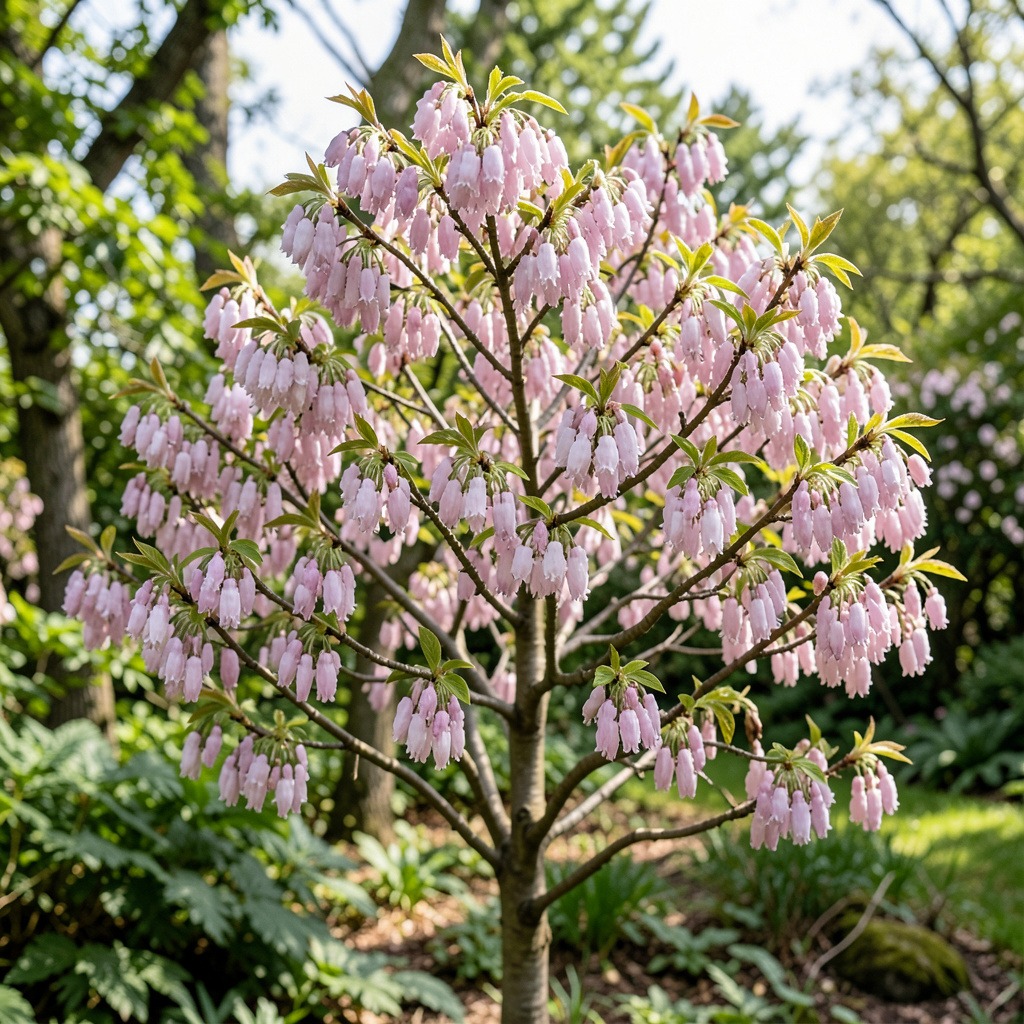
Overview of the Japanese Snowbell Tree
The Japanese snowbell tree, scientifically known as Styrax japonicus, is a charming ornamental tree celebrated for its graceful form and delicate white blooms. Understanding its classification and native habitat helps gardeners appreciate its care requirements and aesthetic value.
Scientific Classification
- Common Name: Japanese Snowbell
- Scientific Name: Styrax japonicus
- Family: Styracaceae
This tree belongs to the storax family, which includes various flowering trees and shrubs. Its classification highlights its unique position within temperate and subtropical regions, making it an attractive option for many gardens.
Native Habitat
The Japanese snowbell thrives in the understory of woodlands in Japan, China, and Korea. This native environment shapes its care needs. It prefers dappled sunlight, mimicking the gentle light filtering through taller trees. Gardeners should aim to replicate these conditions by providing partial shade, especially during the harsh afternoon sun.
Aesthetic Appeal
The Japanese snowbell is admired for its:
- Elegant Form: Grows to about 20-30 feet tall with a broad, rounded canopy.
- Fragrant Flowers: Produces pendulous, bell-shaped blooms that emit a subtle fragrance, adding beauty to any landscape.
- Seasonal Interest: Offers visual appeal throughout the seasons, with lush green foliage in summer and a striking display of flowers in late spring.
When planted thoughtfully, this tree enhances the beauty of gardens and adds a serene touch to outdoor spaces. It is ideal for creating tranquil settings, often placed along walkways or in secluded corners. To maximize its aesthetic potential, ensure adequate space for its growth, as it can spread up to 30 feet wide.
Pros of Growing Japanese Snowbell Trees
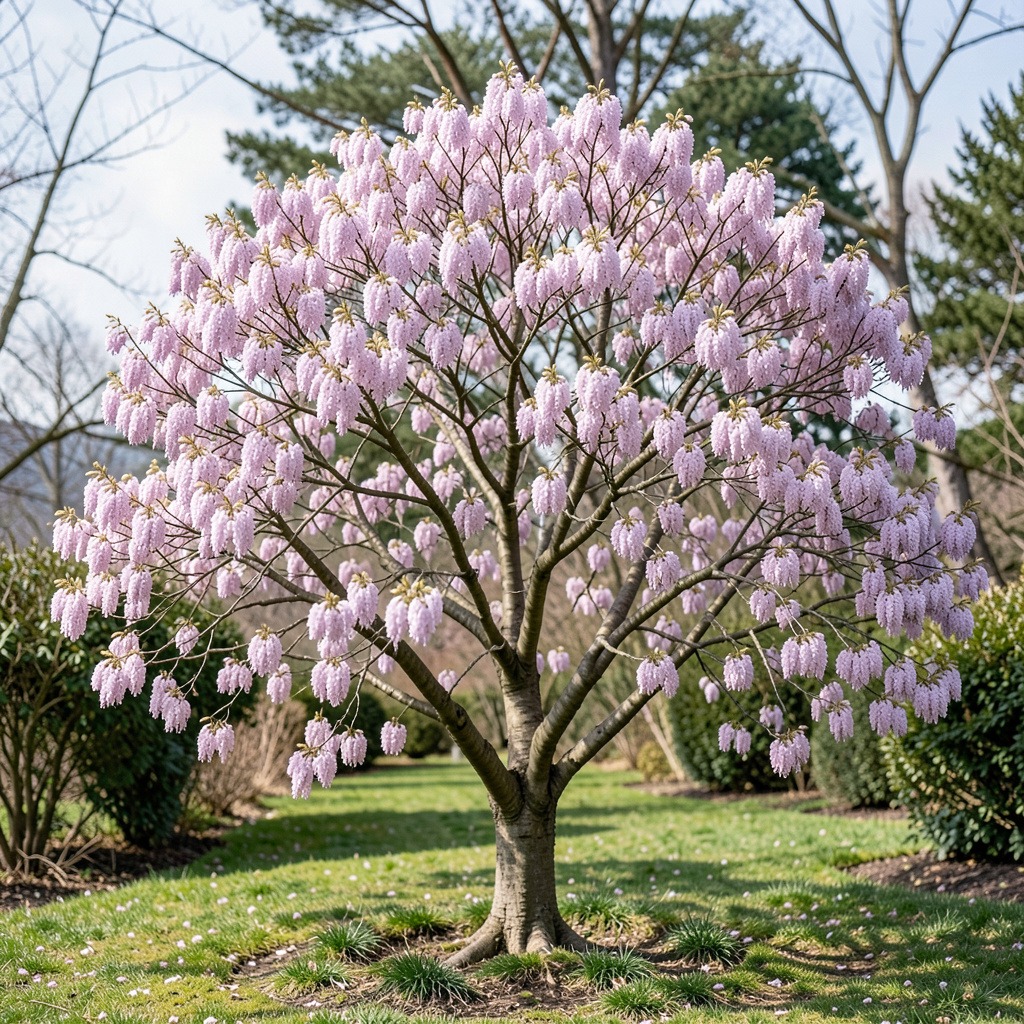
The Japanese snowbell tree (Styrax japonicus) offers numerous advantages for gardeners. Its aesthetic appeal, minimal maintenance requirements, and adaptability make it a popular choice for various landscapes.
Visual Appeal and Fragrance
Japanese snowbell trees are known for their striking beauty. They produce pendulous, bell-shaped flowers that emit a delicate fragrance in late spring. This visual and sensory allure enhances the overall ambiance of gardens and outdoor spaces.
Key Features:
- Elegant Flowers: White or pale pink blooms hang gracefully from branches.
- Seasonal Interest: Lush green foliage in summer provides a vibrant backdrop to the blooms.
Low Maintenance Requirements
Once established, the Japanese snowbell tree requires minimal care. This low-maintenance characteristic appeals to busy gardeners who desire beauty without extensive upkeep.
Maintenance Essentials:
- Pruning: Light pruning encourages the desired shape and size. This can be done annually after flowering.
- Watering: Regular watering during the first few years is crucial, especially in dry periods. However, mature trees are more drought-tolerant.
Adaptability to Different Landscapes
Japanese snowbell trees thrive in a variety of conditions, making them suitable for diverse landscapes. They can be planted in full sun or partial shade, adapting well to different soil types, as long as the soil is well-drained.
Optimal Planting Considerations:
- Soil: Prefers rich, acidic soil that retains moisture but drains well.
- Spacing: Adequate space is necessary, as the tree can spread up to 30 feet wide.
User Insight: Gardeners have reported success planting Japanese snowbells in both urban and rural settings. One user noted that the tree’s charming flowers transformed their garden into a serene retreat, attracting pollinators and enhancing the local ecosystem.
Overall, the Japanese snowbell tree’s combination of beauty, ease of care, and adaptability make it a compelling choice for gardeners looking to enhance their landscapes.
Cons of Growing Japanese Snowbell Trees
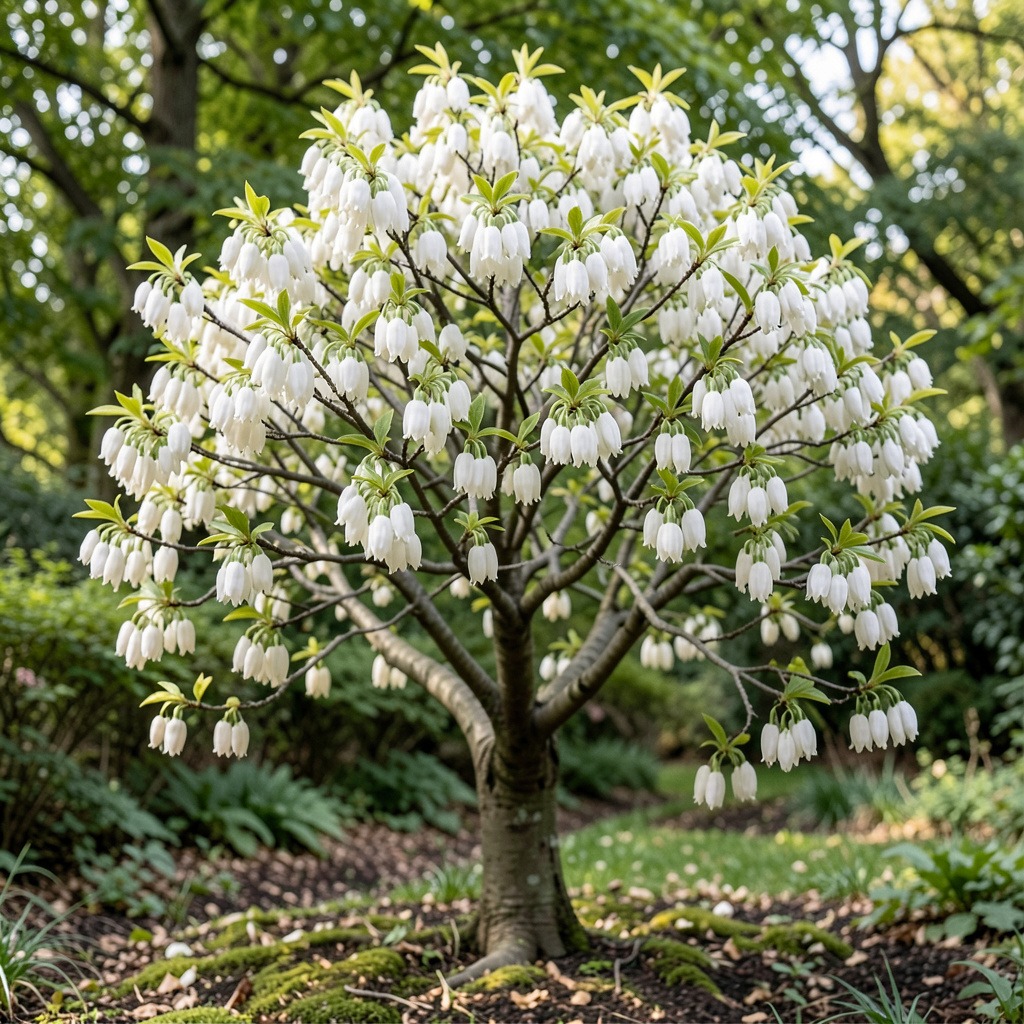
While the Japanese snowbell tree (Styrax japonicus) offers beauty and charm, it comes with several challenges that gardeners should consider. These include susceptibility to pests, specific soil and light requirements, and potential invasive behavior.
Pest and Disease Vulnerabilities
Japanese snowbell trees can face a range of pest issues that may affect their health and aesthetic appeal. Common pests include:
- Aphids: These small insects can weaken the tree by sucking sap. Look for curling leaves or sticky residue.
- Scale Insects: These pests appear as small bumps on branches and can hinder growth.
- Fungal Diseases: Root rot and leaf spot diseases can develop in overly wet conditions.
Checklist for Identifying Pest Issues:
- Check for discolored or wilting leaves.
- Inspect branches for sticky residue or small bumps.
- Monitor growth patterns for irregularities.
Specific Soil and Light Needs
Japanese snowbell trees thrive in specific conditions that may not be readily available in all gardens.
- Soil Requirements: They prefer rich, well-drained, slightly acidic soil. Poor drainage can lead to root rot.
- Light Preferences: While they tolerate some shade, they perform best with at least six hours of sunlight daily.
Practical Strategies for Managing Soil Conditions:
- Test soil pH regularly to ensure it remains slightly acidic (between 5.5 and 6.5).
- Incorporate organic matter, such as aged compost, into the planting area to enhance soil health.
Invasive Potential and Management
Although not classified as highly invasive, the Japanese snowbell tree can become problematic in certain environments. Its ability to self-seed may lead to unwanted growth in nearby areas.
Management Strategies:
- Regularly prune to control growth and prevent overcrowding.
- Monitor seedling emergence in surrounding areas and remove if necessary.
By understanding these challenges, gardeners can make informed decisions about incorporating Japanese snowbell trees into their landscapes.
Ideal Growing Conditions for Japanese Snowbell
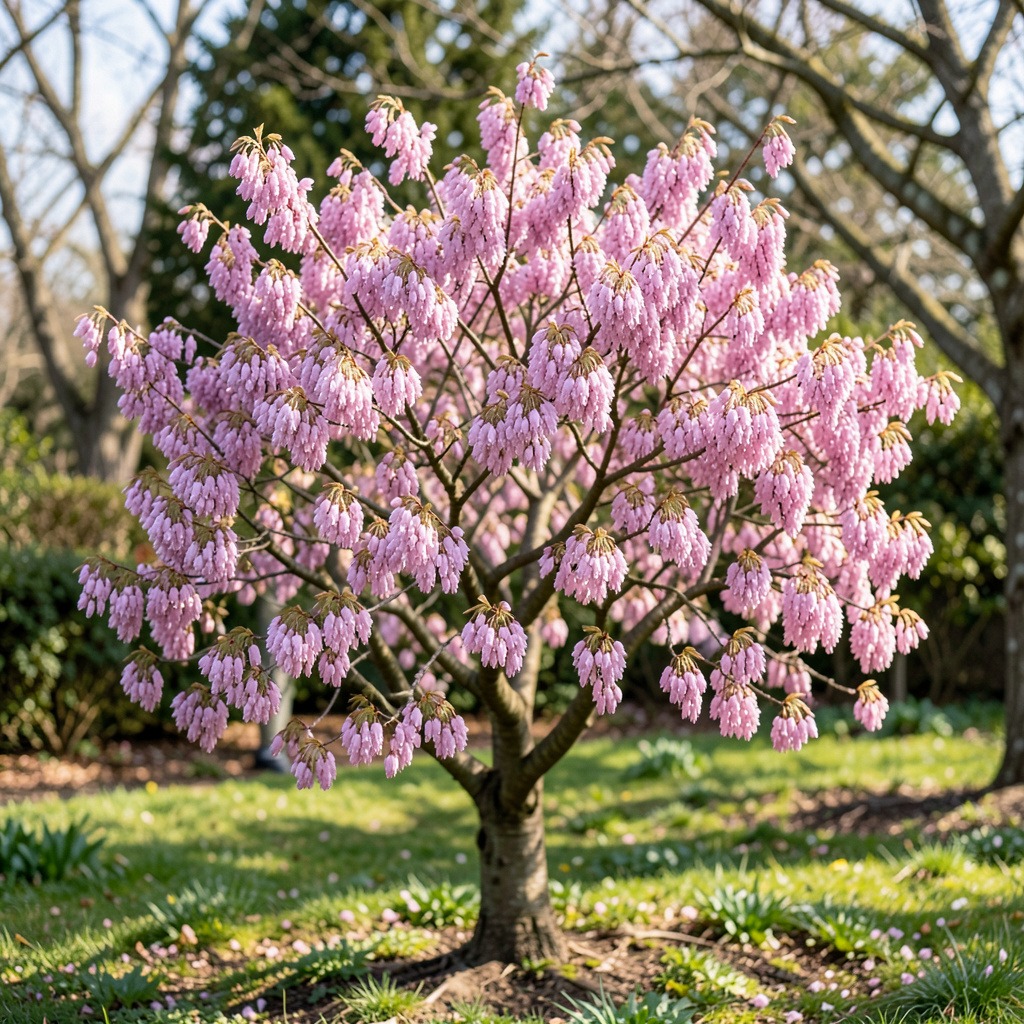
To successfully grow a Japanese snowbell tree (Styrax japonicus), it is essential to understand its specific care requirements. This includes selecting the right soil type, ensuring proper sunlight exposure, and adhering to a consistent watering schedule.
Best Soil Types
Japanese snowbell trees thrive in rich, well-draining soil that is slightly acidic. Here are the key soil characteristics to consider:
- pH Level: Aim for a pH between 5.0 and 7.0.
- Soil Structure: Use a mix of organic matter, such as compost, to improve drainage and nutrient content.
- Amendments: Incorporate perlite or coarse sand to enhance aeration and prevent waterlogging.
Light Requirements
Choosing the right light exposure is crucial for the health of the Japanese snowbell. Consider the following:
- Sunlight: Ideally, the tree should receive full sun for at least six hours daily. In hotter climates, partial shade, especially during the afternoon, can help prevent leaf scorch.
- Placement: Plant at least 15 feet away from buildings and other trees to allow for branch spread and air circulation.
Watering Schedule
Maintaining consistent moisture is vital, particularly during the first few years. Follow these guidelines for watering:
- Initial Planting Year: Water deeply once a week if rainfall is below one inch. Aim for about 10 gallons each time at the base of the tree.
- Subsequent Years: Transition to watering every two weeks, adjusting based on rainfall and temperature. The soil should remain moist but not soggy.
- Signs of Stress: Yellowing leaves may indicate underwatering, while wilting or dark spots can suggest overwatering.
Example Watering Schedule
| Period | Frequency | Amount |
|---|---|---|
| First Year | Weekly | 10 gallons |
| After First Year | Bi-weekly | 5-10 gallons |
| During Drought | Weekly | Adjust as needed |
By following these guidelines, gardeners can create ideal growing conditions that will enhance the beauty and longevity of their Japanese snowbell trees.
Comparing Japanese Snowbell with Other Ornamental Trees
When selecting an ornamental tree, understanding the unique attributes of the Japanese snowbell (Styrax japonicus) compared to other popular varieties is essential. This comparison will help you make informed decisions for your landscape.
Similar Trees to Consider
Several ornamental trees share characteristics with the Japanese snowbell. Here’s a quick comparison:
| Feature | Japanese Snowbell | Fragrant Snowbell | Cherry Blossom | Dogwood |
|---|---|---|---|---|
| Scientific Name | Styrax japonicus | Styrax obassia | Prunus serrulata | Cornus florida |
| Bloom Time | Late spring | Early summer | Spring | Spring |
| Flower Type | White, bell-shaped | White, fragrant | Pink/white clusters | White/pink bracts |
| Growth Habit | Rounded, layered branches | Dense, bushy | Spreading canopy | Horizontal branches |
| Height | 15-30 feet | 10-30 feet | 15-25 feet | 15-30 feet |
| Soil Requirements | Well-drained, acidic | Well-drained | Moist, well-drained | Well-drained, moist |
| Light Preference | Partial shade | Full sun to partial shade | Full sun | Partial shade |
Unique Features of Japanese Snowbell
The Japanese snowbell stands out for its elegant appearance and fragrant blooms. Its unique features include:
- Aesthetic Appeal: The tree’s bell-shaped flowers create a delicate, cascading look that enhances any garden.
- Understory Growth: Adapted to thrive in partial shade, it works well in woodland gardens or shaded areas.
- Low Maintenance: Once established, it requires minimal care, offering a hassle-free addition to your landscape.
Best Uses in Landscaping
The Japanese snowbell is versatile in various landscaping scenarios:
- Shade Gardens: Its preference for dappled light makes it ideal for shady spots, where few other trees thrive.
- Entryways and Pathways: Planting in clusters along pathways can create a fragrant and visually appealing entrance.
- Cohesive Design: It complements other flowering trees and shrubs, providing a serene backdrop in mixed plantings.
When considering ornamental trees, weigh the Japanese snowbell’s serene beauty and low maintenance against other options. Its unique traits often make it a preferred choice for gardeners seeking elegance combined with practicality.
Frequently Asked Questions
These quick answers cover the most common questions about this topic, including key details, practical tips, and common concerns.
How fast do Japanese snowbells grow?
Japanese snowbell trees typically grow at a moderate pace, reaching about 1 to 2 feet per year under optimal conditions. In ideal environments with rich, well-drained soil and adequate sunlight, they can reach their mature height of 15 to 30 feet in approximately 10 to 20 years.
What problems do Styrax trees have?
Styrax trees, including the Japanese snowbell, can face several challenges. Common issues include pests like aphids and scale insects, which can weaken the tree. Fungal diseases such as root rot may occur if the soil is overly saturated. Regular monitoring and prompt treatment can help mitigate these problems.
Where is the best place to plant a Snowbell?
The best place to plant a Japanese snowbell tree is in a location that receives partial shade or dappled sunlight for at least six hours a day. Ensure the soil is well-drained and slightly acidic. Avoid areas with heavy foot traffic or competition from other large plants to allow for proper growth and air circulation.
Is Japanese snowbell invasive?
The Japanese snowbell is not considered highly invasive, but it can self-seed and spread in certain environments. In gardens, it may produce seedlings that could grow into unwanted saplings. Regular pruning and monitoring of surrounding areas can help manage any potential overgrowth.
How do I encourage blooming in my Japanese snowbell?
To encourage blooming in your Japanese snowbell, ensure it receives adequate sunlight and maintain proper watering practices, especially during dry spells. Fertilizing with a balanced, slow-release fertilizer in early spring can also promote healthy growth and flowering. Pruning after flowering can help shape the tree and encourage more blooms in the following season.
What are the benefits of planting a Japanese snowbell tree?
Planting a Japanese snowbell tree offers several benefits, including stunning visual appeal with its fragrant, bell-shaped flowers and lush foliage. It requires minimal maintenance once established, making it suitable for busy gardeners. Additionally, its adaptability to various soil types and light conditions allows it to thrive in diverse landscapes.
How do I propagate Japanese snowbell?
Japanese snowbell trees can be propagated through seeds or cuttings. For seed propagation, collect ripe seeds in the fall, stratify them for several weeks, and then plant them in a well-drained medium. For cuttings, take semi-hardwood cuttings in late spring or early summer, dip them in rooting hormone, and place them in a moist potting mix until roots develop.