
The Kiri tree, or Paulownia, offers rapid growth and significant carbon sequestration benefits, but it also poses risks as an invasive species and can lead to soil depletion if not managed properly.
Table of Contents
The Kiri tree, known scientifically as Paulownia, is celebrated for its remarkable growth and environmental benefits. However, potential drawbacks exist, particularly regarding its invasive nature and impact on local ecosystems. Understanding both sides is crucial for informed decision-making.

Understanding the Kiri Tree: Characteristics and Benefits
The Kiri tree, or Paulownia tomentosa, is increasingly recognized for its rapid growth and substantial environmental benefits. Its unique characteristics make it a valuable asset in addressing climate change.
What is the Kiri Tree?
The Kiri tree is a deciduous tree native to Asia. It belongs to the Paulowniaceae family and can reach heights of 10 to 20 feet within its first year. This rapid growth is due to its extensive root system and large leaves, which can absorb significant amounts of carbon dioxide.
The Environmental Impact of Kiri Trees
Kiri trees are notable for their exceptional ability to sequester carbon. Here are some key benefits:
- Carbon Sequestration: Kiri trees can absorb up to 48 pounds (approximately 22 kg) of carbon dioxide per year during their most productive growth phases. This rate surpasses many native tree species.
- Soil Improvement: The extensive root system of Kiri trees enhances soil structure, preventing erosion and increasing water retention. Their leaves contribute nitrogen to the soil, enriching it for other crops.
- Biodiversity Support: Kiri trees create shaded environments that promote the growth of understory vegetation, fostering diverse ecosystems.
Fast Growth and Reforestation Potential
The growth rate of the Kiri tree is one of its most significant advantages. Here are some insights:
- Reforestation Speed: Kiri trees can achieve the size of an oak in just eight years, substantially reducing reforestation time. This rapid growth supports quicker restoration of ecosystems.
- Disaster Resilience: Their ability to regenerate quickly after disturbances, such as wildfires, makes them an excellent choice for areas prone to such events.
Comparative Insights
In terms of growth and environmental impact, Kiri trees excel compared to other fast-growing species. For example, while some species may take decades to mature, Kiri trees reach their full potential in a fraction of that time. This characteristic allows for faster carbon capture and soil rehabilitation.
Incorporating Kiri trees into reforestation projects can lead to significant ecological improvements, making them a viable option for sustainable environmental strategies.
Economic Aspects of Kiri Trees: Investment and Timber Value
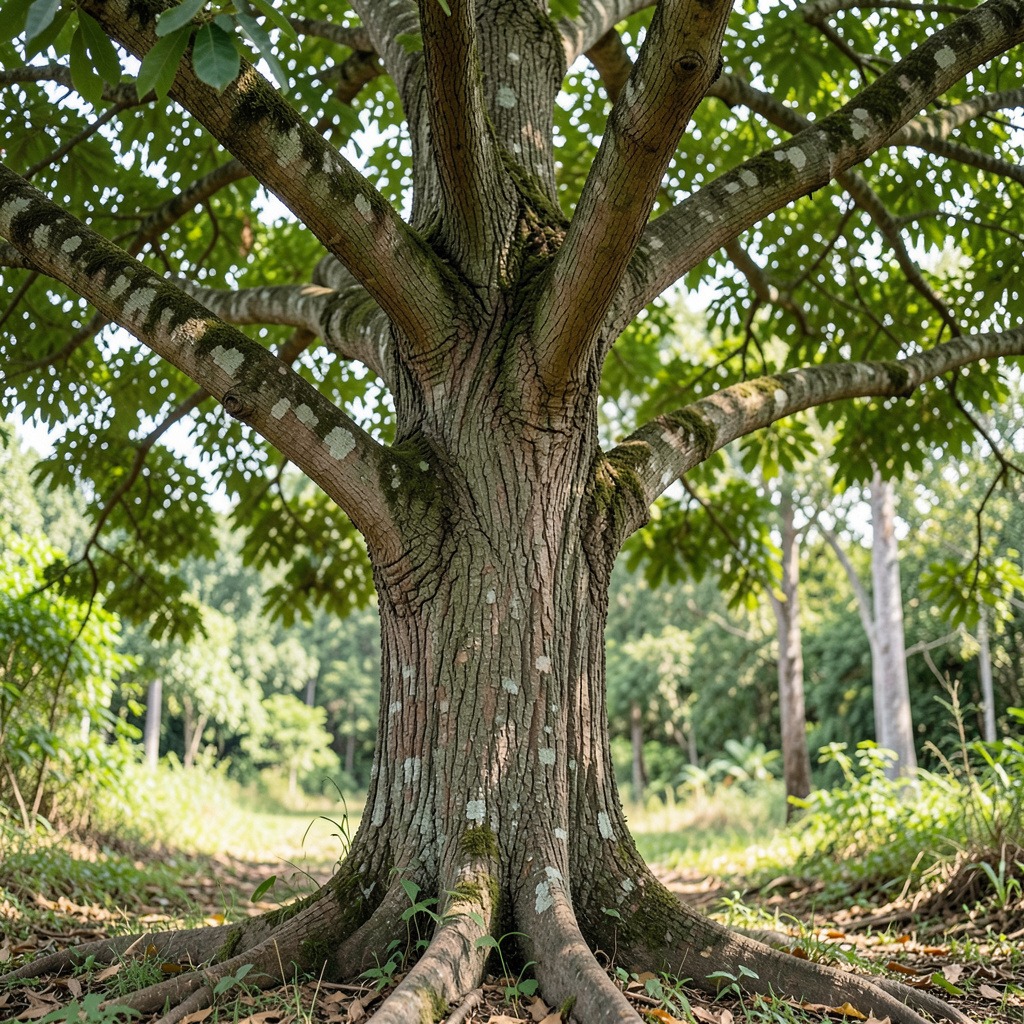
Kiri trees, or Paulownia, not only contribute significantly to environmental restoration but also present considerable economic benefits. Their fast growth and versatile timber make them a valuable asset for investors and local communities alike.
Financial Benefits of Kiri Wood
Kiri wood is renowned for its lightweight yet sturdy nature, making it a sought-after material in various industries. The financial advantages include:
- High Timber Yield: Kiri trees can be harvested within 5-10 years, providing a quick return on investment.
- Stable Market Demand: The increasing need for sustainable timber solutions ensures consistent demand.
- Versatile Applications: Kiri wood is suitable for furniture, construction, and even bioenergy, enhancing its market value.
Sustainable Investment Opportunities
Investing in Kiri tree cultivation presents unique opportunities for sustainable development. Key factors include:
- Carbon Credits: Cultivators can earn carbon credits, adding another financial layer to timber investments.
- Agroforestry Integration: Kiri trees can be grown alongside crops, boosting land productivity and farmers’ income.
- Community Engagement: Projects involving Kiri cultivation create jobs and promote environmental stewardship, which can enhance brand reputation for companies.
Market Demand for Kiri Timber
The demand for Kiri timber is projected to rise, driven by its eco-friendly attributes. Consider these insights:
- Global Reforestation Trends: As countries commit to combating climate change, Kiri trees are increasingly recognized for their rapid growth and carbon absorption capabilities.
- Case Studies: Companies investing in Kiri projects have reported substantial returns. For example, a reforestation initiative in Texas demonstrated a 20% increase in local biodiversity and a 30% rise in soil quality, translating into higher land values for participating farmers.
- Comparative Advantage: Compared to traditional timber species, Kiri trees grow faster and require less water, making them a favorable choice for sustainable forestry practices.
In summary, the economic implications of cultivating Kiri trees are significant, offering both immediate financial returns and long-term sustainability benefits.
Invasive Species Concerns: Risks and Management Strategies
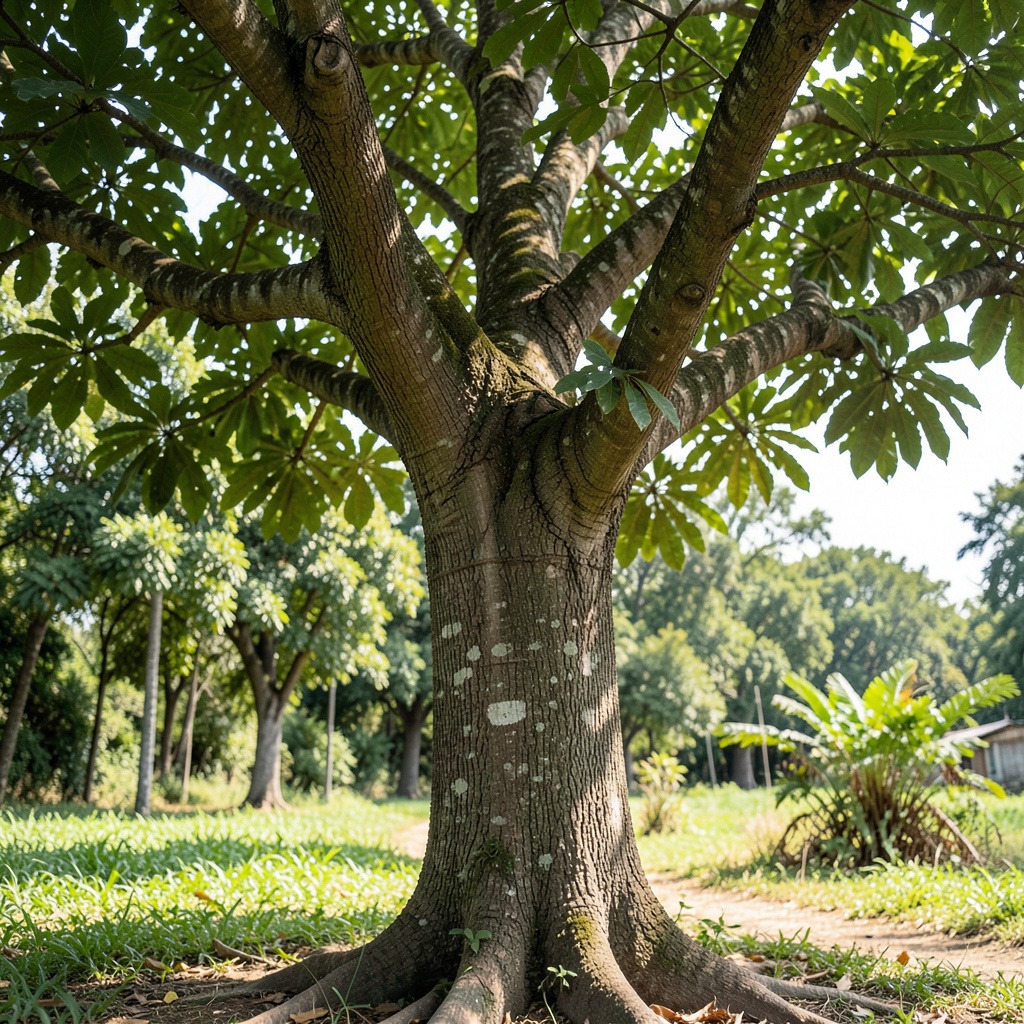
While Kiri trees offer significant environmental benefits, they also pose risks as invasive species in certain regions. Understanding these risks and implementing effective management strategies is essential for sustainable cultivation.
Regions Where Kiri Trees Are Considered Invasive
Kiri trees, or Paulownia tomentosa, can spread rapidly and outcompete native flora in various ecosystems. Regions where they have been classified as invasive include:
- Switzerland: Banned due to its rapid spread and ecological impact.
- Southern United States: Reports indicate aggressive growth in disturbed areas, impacting local biodiversity.
- Parts of Australia: Identified as problematic in specific regions, leading to regulatory scrutiny.
Strategies to Manage Invasive Growth
Effective management strategies can mitigate the invasive potential of Kiri trees. Consider the following actions:
- Regular Monitoring: Conduct periodic assessments to track growth and spread.
- Controlled Harvesting: Implement sustainable harvesting practices to limit seed production.
- Physical Barriers: Use fencing or other barriers to restrict growth in sensitive areas.
- Educating Landowners: Provide resources on proper care and containment methods.
The Role of Hybrid Varieties
Hybrid Kiri trees may offer a solution to invasive concerns. These varieties often have reduced seed production and controlled growth patterns. By selecting hybrids for planting, landowners can enjoy the benefits of Kiri trees while minimizing the risks associated with invasiveness.
Checklist for Managing Kiri Trees
Landowners can utilize the following checklist to manage Kiri trees effectively:
- [ ] Assess local regulations regarding Kiri tree planting.
- [ ] Monitor growth patterns and seed dispersion regularly.
- [ ] Implement physical barriers in sensitive ecosystems.
- [ ] Consider planting hybrid varieties to reduce invasiveness.
- [ ] Educate local communities about sustainable practices.
By adhering to these strategies, landowners can harness the advantages of Kiri trees while preventing potential ecological disturbances.
Practical Considerations for Planting Kiri Trees
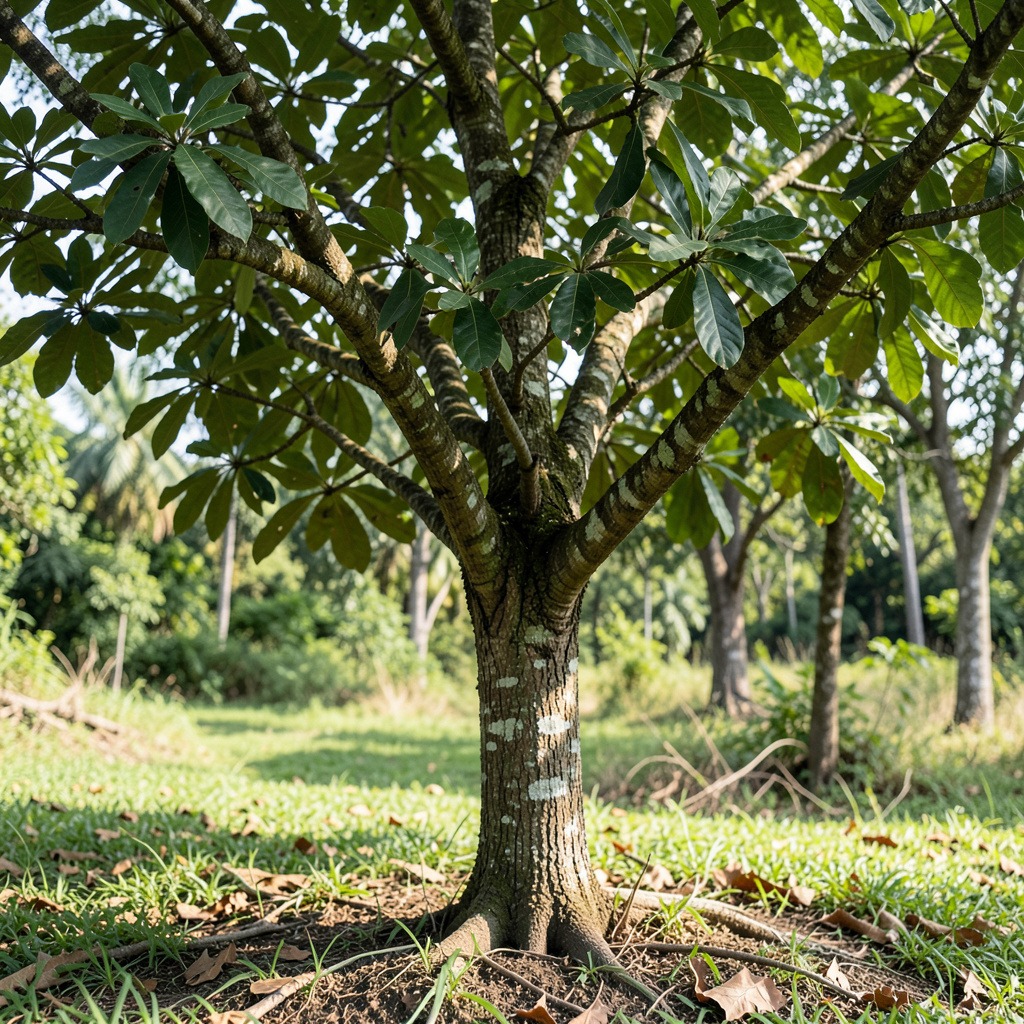
Planting Kiri trees successfully requires understanding their ideal growth conditions. This includes specific climate and soil requirements, along with best practices for cultivation.
Ideal Climate and Soil for Kiri Trees
Kiri trees thrive in a variety of environments but prefer specific conditions for optimal growth.
- Climate: Kiri trees flourish in temperate climates with warm summers and adequate rainfall. They generally need a minimum temperature of 20°F (-6°C) for effective growth.
- Soil Types: Well-drained loamy or sandy soils are ideal. Kiri trees can tolerate poor soil conditions but perform best in soils rich in organic matter. They also benefit from slightly acidic to neutral pH levels (6.0-7.5).
Best Time to Plant Kiri Trees
Timing plays a crucial role in the successful establishment of Kiri trees.
- Spring Planting: The best time to plant Kiri trees is in the spring after the last frost. This allows the trees to establish roots before facing heat in summer.
- Transplanting: If moving seedlings, do so when they are 6-12 inches tall. Ensure the roots remain intact during the process.
Care and Maintenance Tips
Proper care ensures the sustainability and growth of Kiri trees. Follow these guidelines:
- Watering: Regular watering is essential, especially during the first year. Ensure moisture without waterlogging.
- Fertilization: Use a balanced fertilizer during the growing season to promote strong growth.
- Pest Management: Monitor for pests and diseases. Early intervention can prevent severe damage.
Decision Framework for Planting Kiri Trees
When considering Kiri tree planting, evaluate the following:
1. Local Climate: Assess regional temperature and rainfall.
2. Soil Quality: Test pH and drainage capabilities.
3. Space Requirements: Allow ample space for growth and root expansion.
4. End Goals: Determine if the focus is on timber production, carbon sequestration, or ecosystem restoration.
By following these practical considerations, landowners can maximize the benefits of Kiri trees while minimizing potential drawbacks.
Comparing Kiri Trees to Other Fast-Growing Species
Kiri trees, or Paulownia, are known for their rapid growth and environmental benefits. However, they are not the only fast-growing species available. Understanding how Kiri trees compare to other options can aid in making informed planting decisions.
How Kiri Trees Compare to Other Species
| Tree Species | Growth Rate | Carbon Sequestration | Economic Value | Invasive Potential |
|---|---|---|---|---|
| Kiri Tree (Paulownia) | Up to 2 cm per day | High | Valuable timber | Moderate |
| Hybrid Poplar | 1.5 to 3 m per year | Moderate | Used for pulp and timber | Low |
| Eucalyptus | 1 to 3 m per year | High | Used for timber and oils | High |
| Bamboo | 60 cm to 90 cm per month | High | Fast-growing, sustainable | Low |
Pros and Cons of Alternatives
- Hybrid Poplar
- Pros: Fast growth; good for bioenergy and timber production.
- Cons: Limited carbon absorption compared to Kiri trees.
- Eucalyptus
- Pros: High carbon sequestration; versatile applications.
- Cons: Can become invasive; may deplete local water resources.
- Bamboo
- Pros: Extremely fast growth; sustainable material for construction.
- Cons: Limited timber value compared to hardwood species.
Which Tree is Right for Your Needs?
When selecting a tree species, consider your specific goals:
1. For Timber Production: Kiri trees provide valuable wood quickly. However, if you seek a diverse range of products, consider hybrid poplars or eucalyptus.
2. For Carbon Sequestration: Kiri trees and eucalyptus excel in this area. Choose based on local climate and soil conditions.
3. For Low Maintenance: Bamboo offers rapid growth with minimal care, but ensure it won’t outcompete local flora.
4. For Aesthetic Appeal: Kiri trees boast beautiful flowers, making them a visually appealing choice for landscaping.
By evaluating these factors, you can choose the tree that best aligns with your ecological and economic objectives.
Frequently Asked Questions
These quick answers cover the most common questions about this topic, including key details, practical tips, and common concerns.
What are the disadvantages of Paulownia wood?
Paulownia wood, while lightweight and strong, has some drawbacks. It can be prone to warping and splitting if not properly seasoned. Additionally, its high growth rate may lead to less dense wood, which can affect durability in certain applications. The wood’s susceptibility to pests can also be a concern, requiring vigilant management.
Why did Bill Gates say not to plant trees?
Bill Gates has expressed caution about planting trees, particularly in large monocultures. He emphasizes that not all trees are beneficial in every environment. Some trees, including certain fast-growing species, can become invasive and disrupt local ecosystems. It’s essential to consider the ecological context before introducing new species.
In what states is the Paulownia tree illegal?
The Paulownia tree is considered invasive in several regions, leading to restrictions. It is illegal to plant in states like Texas and parts of California, where it can outcompete native species. Always check local regulations before planting to avoid ecological harm and legal issues.
What is the average lifespan of a Paulownia tree?
The average lifespan of a Paulownia tree is around 30 to 50 years, depending on the growing conditions and management practices. Under optimal circumstances, some trees can live longer, but factors like soil quality and climate can significantly influence longevity.
The Kiri tree – climate miracle or potential threat?
The Kiri tree, or Paulownia, is celebrated for its rapid growth and carbon sequestration capabilities. However, its invasive nature can threaten local ecosystems if not managed properly. It is crucial to balance its benefits with the potential ecological risks, especially in areas prone to invasiveness.
What are the best practices for planting Kiri trees?
To plant Kiri trees successfully, choose a suitable location with well-drained soil and a temperate climate. The best time to plant is in spring after the last frost. Ensure you space the trees adequately to allow for their rapid growth and root expansion. Regular watering and monitoring for pests are also essential for healthy establishment.
How do Kiri trees compare to other fast-growing trees?
Kiri trees are among the fastest-growing species, often reaching significant heights within a few years. Compared to hybrid poplars and eucalyptus, Kiri trees excel in carbon sequestration but may have moderate invasive potential. Each species has unique benefits and drawbacks, making it important to consider your specific goals when selecting a tree for planting.
What are alternatives to Kiri trees for reforestation?
If you are looking for alternatives to Kiri trees for reforestation, consider hybrid poplars, which grow quickly and are less invasive. Eucalyptus is another option, known for its high carbon absorption but can be invasive. Additionally, native species like oaks or pines may provide ecological benefits without the risks associated with introduced species.