
The kowhai tree is a native New Zealand tree known for its vibrant yellow flowers.
Table of Contents
The kowhai tree, celebrated for its stunning yellow blooms, is a beloved native species in New Zealand. However, understanding its pros and cons is crucial for gardeners and landscapers to make informed decisions regarding its care and placement.
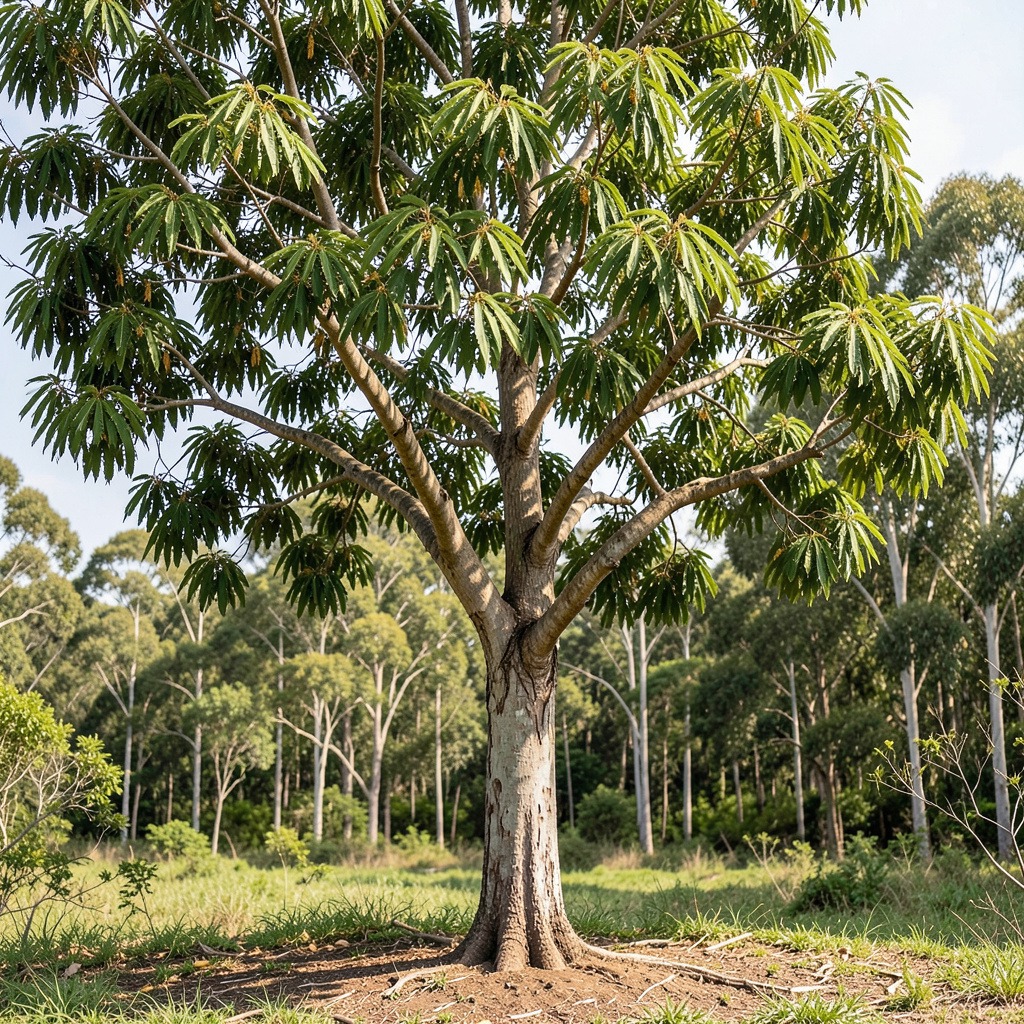
Understanding the Kowhai Tree
The kowhai tree, known scientifically as Sophora microphylla and Sophora tetraptera, is an emblematic species of New Zealand. Renowned for its vibrant yellow flowers and cultural heritage, the kowhai holds significant value both ecologically and historically.
The Iconic Features of Kowhai Trees
Kowhai trees are characterized by:
- Bright Yellow Flowers: Blooming in spring, these tubular flowers attract native birds, enhancing local biodiversity.
- Medium Size: Typically growing 3 to 10 meters tall, they fit well in various garden spaces.
- Unique Leaf Structure: Their small, compound leaves contribute to their distinct appearance.
These features make the kowhai a popular choice for landscaping, providing aesthetic appeal while supporting local wildlife.
Cultural Importance in Māori Tradition
The kowhai tree holds deep cultural significance in Māori tradition.
- Symbol of Spring: The blooming of kowhai flowers signals the arrival of spring, a time of renewal and celebration.
- Medicinal Uses: Traditionally, Māori utilized parts of the tree for medicinal purposes. Infusions of its bark were used to treat ailments.
- Cultural Stories: Kowhai trees frequently appear in Māori folklore, symbolizing strength and resilience.
These cultural connections elevate the tree beyond mere decoration, embedding it within New Zealand’s identity.
Historical Uses and Benefits
Historically, the kowhai tree has provided various benefits:
- Wildlife Habitat: The flowers attract native birds, such as tui and bellbirds, contributing to ecosystem balance.
- Timber Resource: The wood of the kowhai is durable and has been used in traditional crafts and construction.
- Environmental Benefits: Kowhai trees improve soil health and prevent erosion, making them valuable for restoration projects.
A decision rule for planting is to consider these benefits. If you aim to enhance biodiversity or restore a natural habitat, incorporating a kowhai tree can be an excellent choice.
Pros of Planting Kowhai Trees
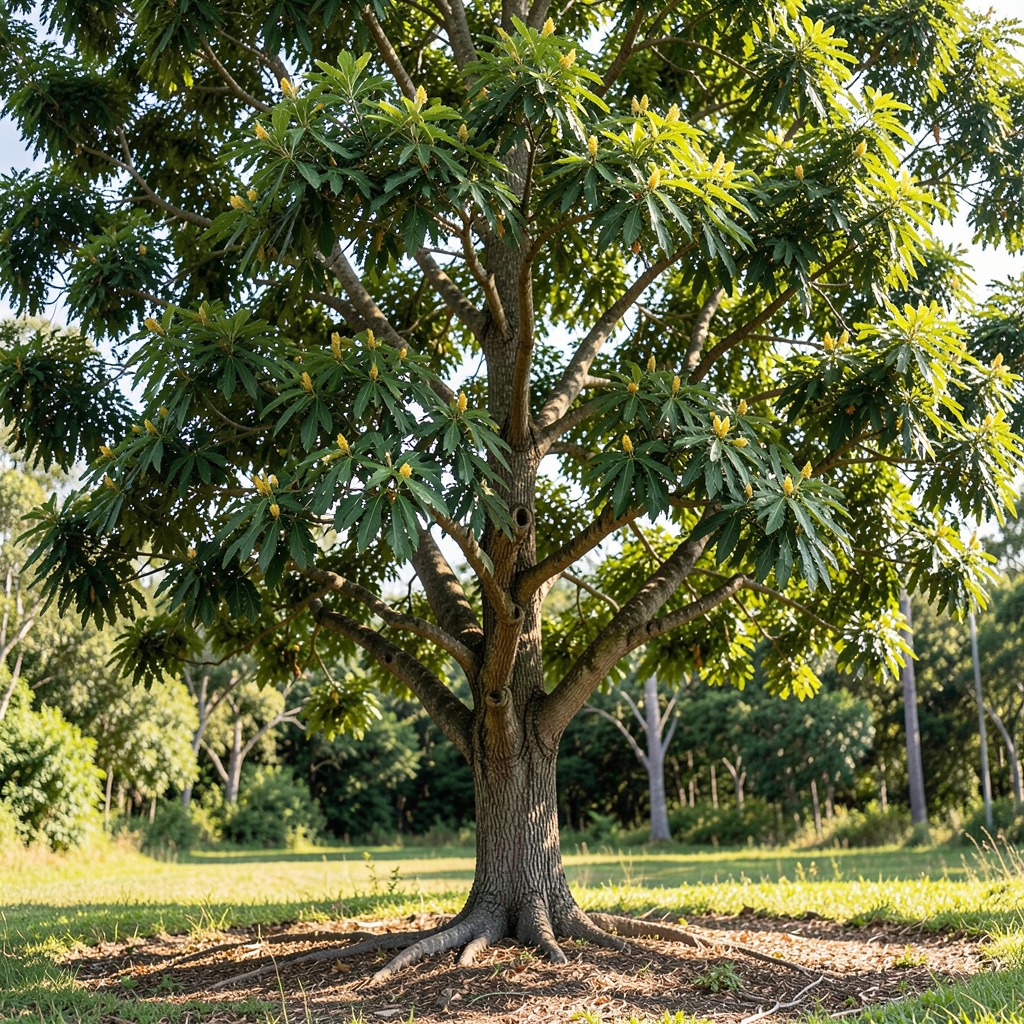
Kowhai trees offer significant ecological and aesthetic benefits, making them a valuable addition to gardens and landscapes. These trees not only beautify outdoor spaces but also enhance local ecosystems.
Attracting Native Wildlife
Kowhai trees play a crucial role in attracting native wildlife. Their bright yellow flowers are a key food source for various bird species, including:
- Tui: Known for their melodious calls, they feed on nectar from the flowers.
- Bellbirds: These birds also thrive on the nectar, contributing to pollination.
- Honeybees: They are drawn to the blooms, aiding in pollination and honey production.
By planting kowhai trees, you support these species and promote biodiversity in your area.
Aesthetic Appeal in Landscaping
Kowhai trees are visually striking, especially when in bloom. Their vibrant yellow flowers create a stunning display that can enhance any landscape. Consider the following aesthetic advantages:
- Seasonal Interest: Kowhai trees provide year-round beauty, with lush foliage in summer and brilliant flowers in spring.
- Diverse Forms: Available in different species, such as Sophora microphylla and Sophora tetraptera, they can be selected based on desired height and shape for specific landscaping needs.
Incorporating kowhai trees can transform a garden into a vibrant, inviting space.
Environmental Benefits and Biodiversity
Planting a kowhai tree contributes positively to the environment. Key benefits include:
- Soil Health: Kowhai trees improve soil quality by fixing nitrogen, enriching the soil for other plants.
- Erosion Control: Their root systems stabilize soil, preventing erosion on slopes and in gardens.
- Biodiversity Support: By providing habitat and food, kowhai trees foster diverse ecosystems that benefit both flora and fauna.
When planning a garden, consider these environmental advantages. Choosing to plant a kowhai tree can lead to a healthier, more sustainable landscape.
Cons of Planting Kowhai Trees
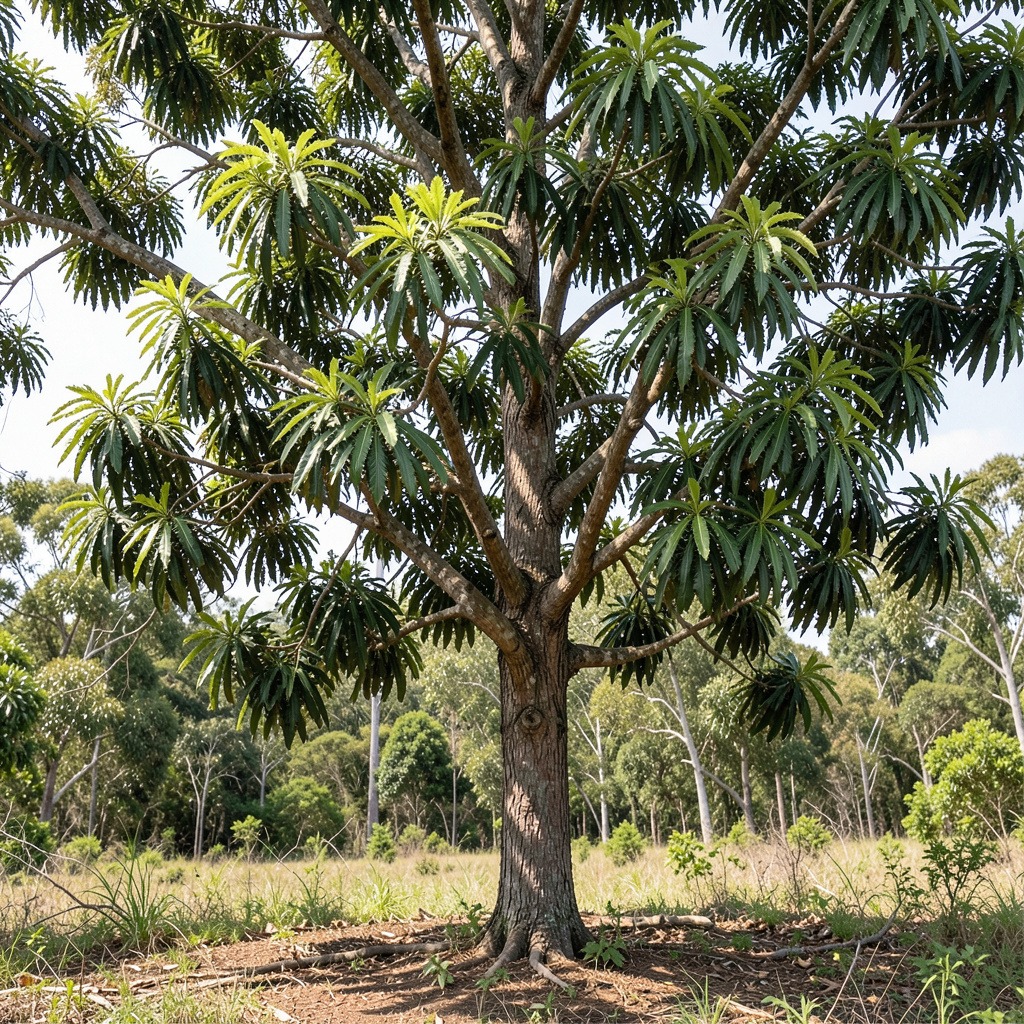
While kowhai trees offer various benefits, they also come with notable drawbacks. Understanding these challenges is essential for anyone considering planting these iconic trees.
Maintenance Challenges
Kowhai trees require specific care to thrive. Here are some maintenance challenges to consider:
- Soil Requirements: Kowhai trees prefer well-drained soil. Heavy, compacted soils can lead to root rot. Proper soil preparation is crucial.
- Watering Needs: They need regular watering, especially during dry periods. Inadequate watering can result in stunted growth or leaf drop.
- Pruning: Regular pruning is necessary to maintain shape and health. Without it, the trees may become leggy and unattractive.
Toxicity Concerns for Pets and Children
Kowhai trees have toxic components that can pose risks. Here are key points regarding their toxicity:
- Toxic Parts: The seeds and foliage contain compounds that can be harmful if ingested. Symptoms may include nausea, vomiting, and lethargy.
- Reported Incidents: There have been cases of toxicity incidents involving pets, particularly dogs, who may chew on leaves or pods. It’s crucial to supervise pets around these trees.
- Precautions: If you have children or pets, consider planting the kowhai tree away from play areas. Educate family members about the potential risks.
Environmental Limitations
Kowhai trees have specific environmental needs that can limit their suitability:
- Sunlight Requirements: They thrive in full sun to partial shade. Insufficient light can lead to poor growth and a lack of flowers.
- Salt Sensitivity: Coastal planting sites must be carefully selected. Continuous salt exposure can damage leaves and hinder growth.
- Space Considerations: Kowhai trees can grow large. Ensure there is adequate space to accommodate their mature size, as they may compete with nearby plants for resources.
By understanding these cons, you can make informed decisions about planting and maintaining a kowhai tree in your landscape.
Detailed Care Requirements for Kowhai Trees
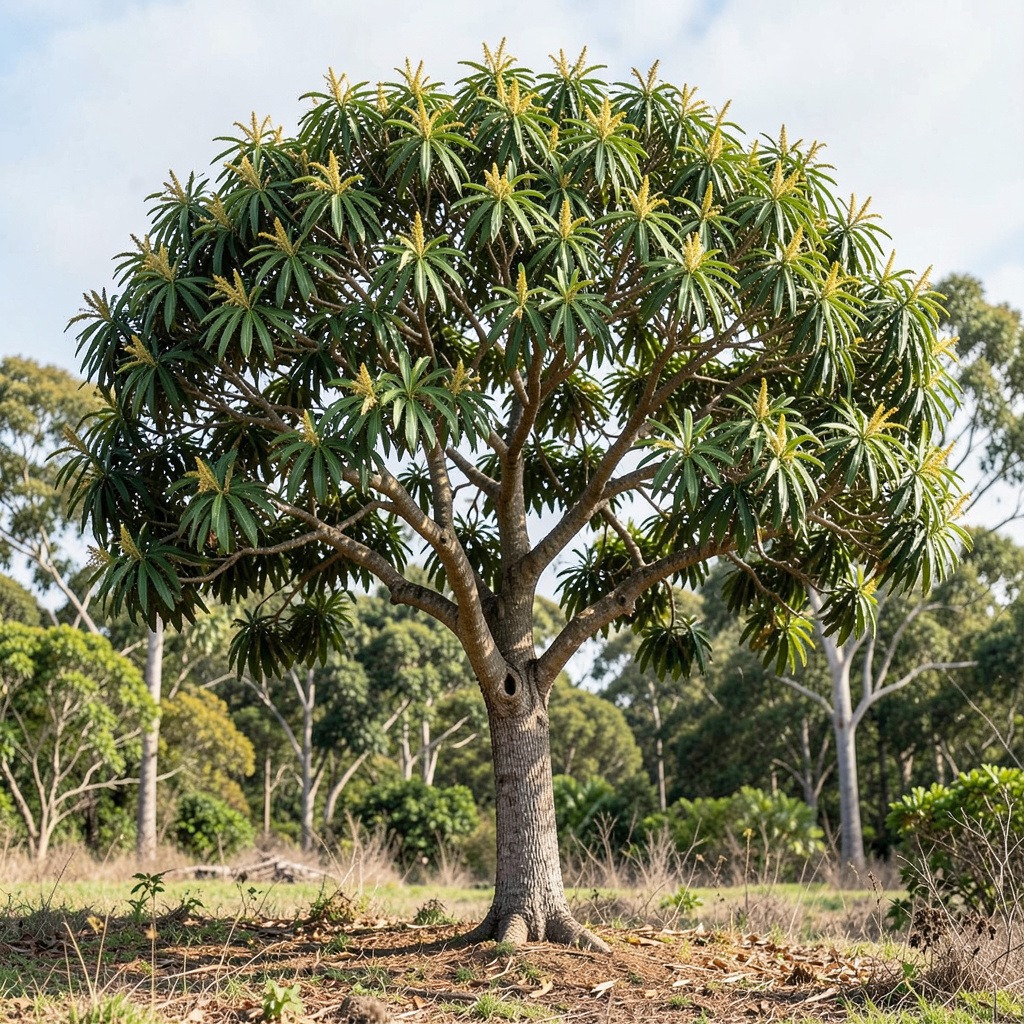
Growing healthy kowhai trees requires attention to their specific care needs, including soil quality, watering practices, and pruning techniques. Proper care ensures robust growth, vibrant flowers, and overall tree health.
Soil and Planting Conditions
Kowhai trees thrive in well-draining soil. Here are key considerations for planting:
- Soil Type: Use sandy or loamy soil with good drainage.
- Planting Depth: Ensure the tree is level with the soil surface when planted.
- Organic Matter: Incorporate compost to enhance soil fertility, though this is optional.
- Fertilization: Apply a native plant fertilizer to the soil surface in spring, avoiding direct placement in the planting hole.
Watering Needs and Techniques
Kowhai trees require consistent watering, especially during dry spells. Follow these guidelines:
- Frequency: Water twice a week in hot weather; weekly or bi-weekly in cooler periods.
- Technique: Water deeply to encourage deep root growth. Avoid overwatering to prevent root rot.
- Environmental Considerations: Adjust watering based on soil type, particularly in sandy or saline conditions.
Pruning for Health and Growth
Pruning is essential to maintain the health and shape of kowhai trees. Implement these pruning practices:
- Timing: Prune in late winter or early spring before new growth starts.
- Method: Remove any dead or damaged branches. Thin out dense areas to improve air circulation.
- Growth Control: Shape the tree to prevent overcrowding and ensure sunlight penetration.
Seasonal Care Calendar
| Month | Task |
|---|---|
| Spring | Apply fertilizer; prune for shape. |
| Summer | Water regularly; monitor for pests. |
| Autumn | Check for disease; prepare for winter. |
| Winter | Prune dead branches; protect young trees. |
By adhering to these care guidelines, you can promote the health and longevity of your kowhai trees, enhancing their beauty and ecological value in your landscape.
Common Pests and Solutions for Kowhai Trees
Kowhai trees are generally resilient but can be affected by certain pests. Effective management strategies are crucial to maintain their health and beauty.
Identifying Common Pests
Several pests may target kowhai trees, including:
- Kowhai Moth: This pest can cause significant leaf damage.
- Scale Insects: These pests sap nutrients, weakening the tree.
- Aphids: They may cause leaf curling and distortion.
- Caterpillars: These can defoliate branches if left unchecked.
Visual identification aids for these pests can enhance your ability to manage them effectively. For example, look for the characteristic curled leaves from aphid damage or the webbing produced by caterpillars.
Effective Pest Control Methods
To combat these pests, consider the following strategies:
- Manual Removal: Hand-pick larger pests like caterpillars.
- Insecticidal Soap: Use this to target aphids and scale insects. Apply it during the early morning or late evening to minimize harm to beneficial insects.
- Neem Oil: This natural pesticide disrupts the life cycle of pests and can be effective against both aphids and scale insects.
- Beneficial Insects: Introduce ladybugs to control aphid populations naturally.
Preventive Measures for Healthy Trees
Preventive care can reduce pest infestations:
- Regular Inspections: Check your trees for signs of pests at least once a month.
- Healthy Soil: Ensure your kowhai is planted in nutrient-rich soil to promote strong growth.
- Pruning: Remove dead or damaged branches to improve air circulation.
- Mulching: Apply organic mulch to retain soil moisture and deter pests.
By understanding common pests and implementing these management strategies, you can ensure the health of your kowhai trees while enjoying their beauty and ecological benefits in your landscape.
Life Span and Growth of Kowhai Trees
Kowhai trees, particularly Sophora microphylla and Sophora tetraptera, exhibit distinct growth patterns and lifespans, making them unique additions to any landscape. Understanding their growth characteristics helps in planning for optimal care and placement.
Average Lifespan of Kowhai Trees
Kowhai trees typically have a lifespan ranging from 50 to 100 years. Under ideal conditions, some specimens can live even longer, becoming significant features in their environment. This longevity allows them to contribute to local ecosystems and provide aesthetic value for generations.
Growth Rates and Maximum Heights
Kowhai trees display varying growth rates and potential heights, depending on the species:
| Species | Average Height | Maximum Height | Growth Rate (First 20 Years) |
|---|---|---|---|
| Sophora microphylla | Up to 10 meters | 15 meters | Approximately 45 cm/year |
| Sophora tetraptera | Up to 12 meters | 20 meters | Approximately 45 cm/year |
Both species start strong but may slow down as they mature. After about 20 years, growth rates can decrease to around 20 cm per year for older trees.
Factors Influencing Growth
Several factors can affect the growth and health of kowhai trees:
- Soil Quality: Nutrient-rich, well-draining soil promotes vigorous growth.
- Sunlight Exposure: Full sun or partial shade is ideal. Insufficient light results in spindly growth.
- Watering Practices: Regular watering, especially in dry conditions, is crucial for young trees.
- Environmental Conditions: Coastal exposure to salt spray can hinder growth and lead to leaf burn.
By considering these factors, gardeners can enhance the growth and lifespan of their kowhai trees, ensuring they flourish in their designated environments.
The Symbolism of the Kowhai Tree
The kowhai tree holds profound symbolic significance in New Zealand culture. Its vibrant yellow flowers not only represent the arrival of spring but also embody strength and resilience in the face of adversity.
Symbol of Strength and Resilience
The kowhai tree is often seen as a symbol of strength. Its ability to thrive in diverse environments reflects resilience. In Māori culture, the tree signifies endurance and survival. This symbolism resonates deeply, as the kowhai can endure harsh conditions, much like the people of New Zealand who have faced challenges throughout history.
Kowhai in Māori Art and Literature
Kowhai trees frequently appear in Māori art, poetry, and storytelling. They serve as metaphors for beauty and growth. Artists draw inspiration from their unique shape and vibrant flowers, incorporating them into various forms of expression. For example, traditional carvings may feature the kowhai, symbolizing connection to nature and heritage.
Modern Symbolism in New Zealand
Today, the kowhai tree remains a potent symbol in contemporary New Zealand. It is featured in national iconography, including stamps and art. The tree’s image is often used to represent New Zealand’s unique identity, showcasing its natural beauty and cultural richness.
- Cultural Significance: Represents spring and renewal.
- Artistic Inspiration: Found in various forms of Māori art and literature.
- Modern Usage: Featured in national symbols and celebrations.
The kowhai tree is more than just a beautiful plant; it embodies the spirit and resilience of New Zealand and its people. Understanding its cultural significance enhances the appreciation of this iconic tree, especially for those considering planting one.
Comparison of Kowhai Species
The kowhai tree encompasses various species, each with unique characteristics in terms of care, growth requirements, and toxicity. Understanding these differences is crucial for selecting the right species for your landscape.
Key Characteristics of Different Species
| Characteristic | Sophora microphylla | Sophora tetraptera |
|---|---|---|
| Common Name | Kōwhai | Large Kōwhai |
| Height | Up to 10 meters | Up to 15 meters |
| Leaf Structure | Small, trifoliate leaves | Larger, broader leaves |
| Flower Color | Bright yellow | Yellow to orange |
| Growth Habit | Often more bushy | Taller and more upright |
| Native Range | North and South Islands | Mainly South Island |
Care Requirements Comparisons
| Care Aspect | Sophora microphylla | Sophora tetraptera |
|---|---|---|
| Soil Type | Well-drained, sandy loam | Well-drained, tolerates clay |
| Watering Needs | Moderate, drought-tolerant | Requires consistent moisture |
| Sun Exposure | Full sun or partial shade | Full sun preferred |
| Fertilizer Needs | Minimal, organic matter advised | Regular feeding during growth |
| Pruning | Light pruning for shape | More significant pruning needed |
Toxicity Levels in Kowhai Species
Both species of kowhai have parts that are considered toxic, particularly the seeds and bark.
| Toxic Component | Sophora microphylla | Sophora tetraptera |
|---|---|---|
| Toxic Parts | Seeds, bark | Seeds, bark |
| Symptoms if Ingested | Nausea, vomiting | Similar symptoms as above |
| Safety Precautions | Keep away from pets and children | Same precautions apply |
Example Insight: If choosing a kowhai for a family garden, consider Sophora microphylla. It is generally more manageable in size and less demanding in terms of care, making it a more suitable option for smaller spaces.
Landscaping Uses for Kowhai Trees
Kowhai trees offer unique aesthetic and ecological benefits in landscaping. Their vibrant yellow flowers provide seasonal interest, while their structure can enhance various garden designs.
Incorporating Kowhai in Garden Design
When integrating kowhai trees into your landscape, consider their size and growth habit. They flourish as specimen trees or within mixed plantings. Here are key design strategies:
- Specimen Tree: Use a single kowhai as a focal point in a garden. Its striking flowers will attract attention and pollinators.
- Mixed Planting: Combine kowhai with native shrubs and ground covers. This promotes biodiversity and creates a vibrant ecosystem.
- Layering: Position kowhai trees at varying heights. This adds depth and visual appeal to your landscape.
Creating Wildlife-Friendly Spaces
Kowhai trees are not just visually appealing; they also support local wildlife. Their flowers attract bees and other pollinators, enhancing biodiversity.
- Pollinator Gardens: Plant kowhai alongside other flowering natives to create a pollinator-friendly environment.
- Bird Habitat: The tree’s structure provides nesting sites for birds. Consider incorporating bird feeders nearby to enhance this effect.
Designing with Kowhai: Tips and Tricks
To maximize the impact of kowhai trees in your landscape, follow these tips:
- Sunlight Requirements: Ensure your kowhai is planted in full sun or partial shade. This encourages optimal growth and flowering.
- Soil Preparation: Kowhai prefers well-drained soil. Amend heavy soils with organic matter to improve drainage.
- Watering Routine: Establish a regular watering schedule, especially during dry periods. This will help young trees establish and thrive.
Example Case Study: Successful Kowhai Landscaping
In a recent project in Auckland, a landscape designer incorporated Sophora microphylla in a residential garden. The tree was placed at the rear, allowing its height to provide a backdrop for smaller plants. This design not only highlighted the kowhai’s flowers but also created a layered effect that drew the eye throughout the garden.
By following these strategies, you can effectively use kowhai trees to enhance the beauty and ecological value of your landscape.
Seasonal Care Schedule for Kowhai Trees
Caring for kowhai trees requires attention throughout the year. A structured monthly care schedule ensures that these iconic plants thrive in your landscape.
Monthly Care Tasks Overview
Below is a month-by-month guide for maintaining healthy kowhai trees, specifically focusing on their watering, soil, and pest management needs.
| Month | Care Tasks |
|---|---|
| January | Water deeply; check for pests and diseases. |
| February | Fertilize lightly with a balanced fertilizer. |
| March | Prune dead or damaged branches; mulch around base. |
| April | Monitor soil moisture; prepare for cooler weather. |
| May | Inspect for pests; adjust watering frequency. |
| June | Protect young trees from frost; ensure proper drainage. |
| July | Check for pests; prune if needed for shape. |
| August | Water young trees; prepare for spring growth. |
| September | Fertilize as new growth appears; check for diseases. |
| October | Prune for shape and health; mulch to retain moisture. |
| November | Deep watering; monitor for pests and diseases. |
| December | Evaluate overall health; prepare for flowering season. |
Seasonal Challenges and Solutions
Kowhai trees face specific challenges throughout the year. Understanding these can help mitigate potential issues:
- Summer Heat: Ensure adequate watering during dry spells. Young trees need consistent moisture.
- Winter Frost: Protect younger trees with frost cloths if temperatures drop significantly.
- Pests: Regularly inspect for common pests like aphids and caterpillars. Use organic insecticides if necessary.
Adapting Care to Climate Variability
Kowhai trees are adaptable, but care may vary based on your local climate:
- Coastal Areas: Increase watering during summer due to salt exposure.
- Inland Regions: Ensure proper drainage to prevent root rot in heavy rains.
- Temperate Zones: Monitor for frost and adjust care accordingly.
By following this guide, you can ensure your kowhai trees receive the care they need throughout the year. For a quick reference, download our Seasonal Care Chart to keep track of your tasks easily.
Conclusion: Weighing the Pros and Cons of Kowhai Trees
The kowhai tree, known for its stunning blooms and cultural significance, offers both benefits and challenges to potential growers. Understanding these aspects can help you make an informed decision about planting this iconic New Zealand species.
Pros of Kowhai Trees
- Cultural Significance: Kowhai trees hold a special place in Māori culture and are often associated with traditional uses and stories.
- Environmental Benefits: They provide habitat for native wildlife and contribute to biodiversity.
- Aesthetic Appeal: The vibrant yellow flowers attract pollinators and enhance landscaping designs.
- Adaptability: Kowhai trees can thrive in various climates, making them suitable for different environments.
Cons of Kowhai Trees
- Toxicity: Some parts of the tree are poisonous, requiring caution around children and pets.
- Maintenance Needs: Kowhai trees require specific care, including soil type, watering, and pruning, to thrive.
- Common Pests: They may attract pests like aphids and caterpillars, necessitating regular inspections.
Final Recommendations
Before planting a kowhai tree, consider the following:
- Space and Location: Ensure you have adequate space for the tree to grow without obstruction.
- Safety Precautions: Educate yourself and your family about the tree’s toxic components to prevent accidental ingestion.
- Seasonal Care: Be prepared to adjust your care routine based on seasonal changes and local climate conditions.
By weighing these pros and cons, you can decide if the kowhai tree is the right addition to your garden.
Frequently Asked Questions
These quick answers cover the most common questions about this topic, including key details, practical tips, and common concerns.
What is the lifespan of a kowhai tree?
Kowhai trees typically have a lifespan of 50 to 100 years, with some specimens living even longer under ideal conditions. Their longevity allows them to contribute significantly to local ecosystems and provide aesthetic value over generations.
Where is the best location to plant a kowhai tree?
Kowhai trees thrive in full sun to partial shade and prefer well-drained soil. Choose a location that allows for adequate sunlight and space for the tree to grow without obstruction. Avoid planting in areas with heavy, compacted soils that can lead to root rot.
How big do kowhai trees grow?
Kowhai trees can reach heights ranging from 3 to 20 meters, depending on the species. Sophora microphylla typically grows up to 10 meters, while Sophora tetraptera can reach heights of 15 to 20 meters. Ensure you have sufficient space for the tree’s mature size.
What does a kowhai tree symbolize?
In Māori culture, the kowhai tree symbolizes strength and resilience. Its vibrant yellow flowers herald the arrival of spring, representing renewal and growth. The tree is also featured in various cultural stories and artistic expressions, further enhancing its significance in New Zealand.
Are kowhai trees toxic to pets and children?
Yes, kowhai trees contain toxic components, particularly in their seeds and foliage. If ingested, they can cause symptoms such as nausea and vomiting. It’s essential to supervise children and pets around these trees and educate your family about the potential risks.
What are common problems with kowhai trees?
Common issues with kowhai trees include pests like aphids, caterpillars, and scale insects, which can damage leaves and reduce tree health. Additionally, they require specific soil conditions and consistent watering to thrive, making them susceptible to issues like root rot if not properly cared for.
How do kowhai trees compare to other native trees?
Kowhai trees are unique in their vibrant yellow flowers and cultural significance. Compared to other native trees, they are more attractive to specific wildlife, such as tui and bellbirds. However, they also require more maintenance and have toxicity concerns, making them less suitable for all garden environments.
What are some alternative trees for similar landscaping effects?
If you’re looking for alternatives to kowhai trees, consider native species like rimu or totara. Both offer ecological benefits and aesthetic appeal without the toxicity issues associated with kowhai trees. Additionally, they can provide similar habitat support for local wildlife while requiring different care levels.