
Kurrajong trees (Brachychiton populneus) offer drought resistance and aesthetic value but may pose toxicity risks to pets and require specific soil conditions for optimal growth.
Table of Contents
Kurrajong trees are admired for their drought tolerance and unique aesthetic appeal in landscaping. However, potential growers should consider both the benefits and drawbacks, including toxicity concerns and specific care requirements to ensure healthy growth.
Understanding the Kurrajong Tree: Characteristics and Varieties
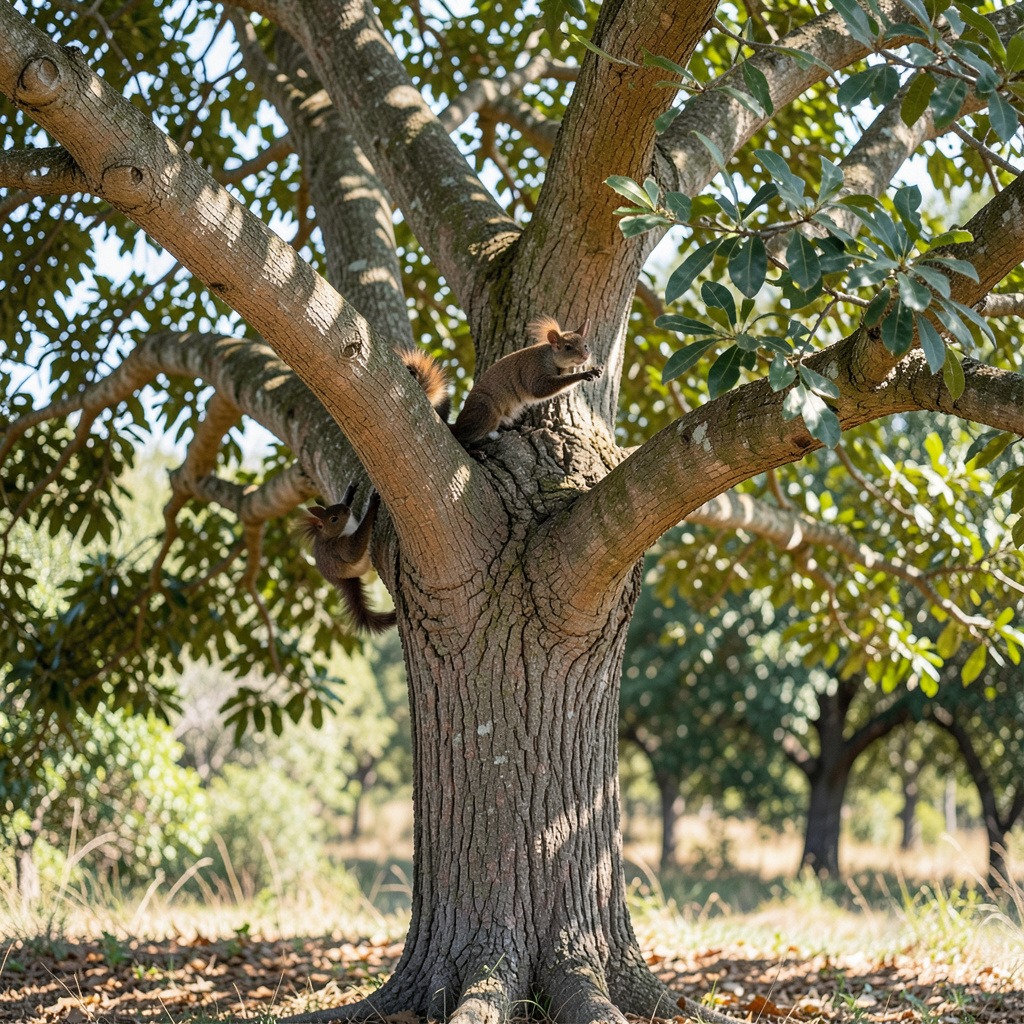
The Kurrajong tree, scientifically known as Brachychiton populneus, showcases unique characteristics that make it an attractive option for landscaping. Understanding its varieties and growth habits is essential for potential growers to assess its suitability for their environment.
Overview of Brachychiton populneus
Kurrajong trees are native to Australia and are renowned for their drought tolerance. They typically grow to a height of 10 to 15 meters and feature a distinctive, broad canopy. The tree’s trunk is often swollen at the base, providing a unique silhouette. Its leaves are glossy and can vary in shape, contributing to its aesthetic appeal.
Varieties of Kurrajong
Several varieties of Kurrajong exist, each with distinct features:
- Brachychiton populneus (Common Kurrajong): This variety is the most recognized. It thrives in well-drained soils and adapts to various climates, making it ideal for many regions.
- Brachychiton acerifolius (Flame Tree): Noted for its bright red flowers, this variety requires more moisture and is best suited for temperate zones.
- Brachychiton rupestris (Bottle Tree): This variety has a swollen trunk and is known for its drought resistance. It grows well in arid conditions but needs full sun exposure.
Ideal Growth Conditions
Kurrajong trees thrive in specific environmental conditions:
- Soil Requirements: They prefer well-drained, loamy, sandy, or clay soils. Avoid waterlogged conditions, which can harm the roots.
- Climate Suitability: Kurrajong trees flourish in warmer, temperate regions. They tolerate dry spells once established but may require supplemental watering during prolonged droughts.
- Sunlight: Full sun exposure is essential for optimal growth. Insufficient light can hinder their development and flowering.
Decision Framework for Growers
When considering planting Kurrajong trees, assess the following:
- Local Climate: Determine if your region’s temperature and rainfall align with the needs of the selected variety.
- Soil Quality: Test your soil’s drainage and composition to ensure it meets the Kurrajong’s requirements.
- Space for Growth: Ensure adequate space for the tree’s canopy to expand without obstruction.
By evaluating these factors, you can successfully integrate Kurrajong trees into your landscape, enhancing both aesthetic and ecological value.
Benefits of Planting Kurrajong Trees in Your Landscape
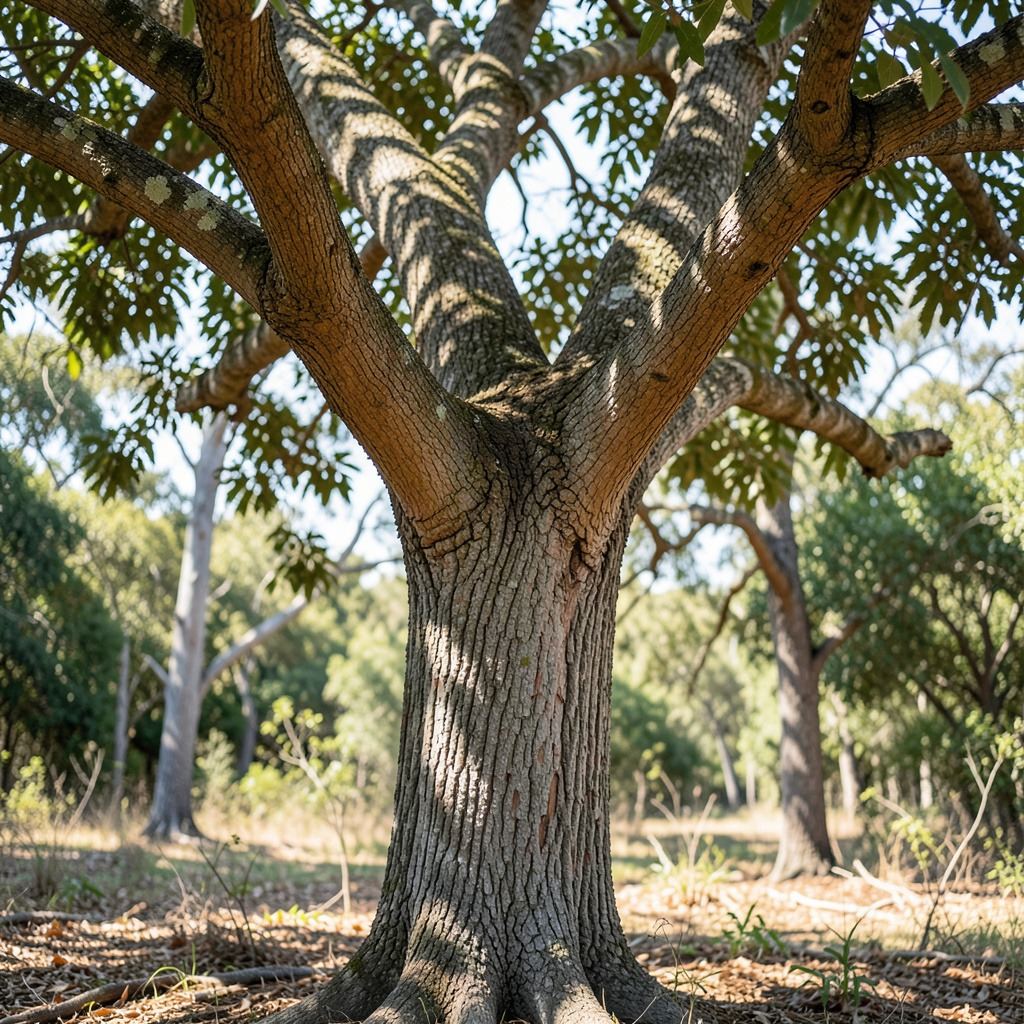
Kurrajong trees (Brachychiton populneus) offer multiple advantages for landscaping. Their drought tolerance, ornamental appeal, and ecological contributions make them a valuable addition to any garden.
Drought Resistance and Water Conservation
Kurrajong trees excel in drought conditions. Once established, they require minimal water, making them ideal for arid landscapes. Their deep root systems enhance soil moisture retention and prevent erosion. This characteristic not only contributes to water conservation but also promotes a sustainable environment.
- Drought Tolerance: Can survive long periods without water.
- Soil Structure Improvement: Deep roots improve aeration and drainage.
- Erosion Prevention: Stabilizes soil against wind and water erosion.
Aesthetic and Ecological Contributions
The aesthetic value of Kurrajong trees is significant. Their attractive foliage and vibrant flowers enhance garden aesthetics, providing year-round visual interest. Additionally, they support local wildlife, offering habitat and food sources.
- Ornamental Value: Beautiful flowers attract pollinators.
- Shade Provision: Offers relief from heat during summer.
- Wildlife Habitat: Supports birds and insects, promoting biodiversity.
Nutritional and Medicinal Uses
Beyond their aesthetic appeal, Kurrajong trees have practical uses. Their seeds are edible and have been utilized in traditional diets. Moreover, various parts of the tree possess medicinal properties.
- Edible Seeds: Can be consumed after proper preparation.
- Medicinal Properties: Some cultures use tree parts for herbal remedies.
Example Scenario: In a recent landscape project, a community garden incorporated Kurrajong trees to enhance its drought-resistant features. The trees not only reduced water usage by 30% but also attracted diverse bird species, enriching the ecological profile of the area.
When considering Kurrajong trees, evaluate your specific landscape needs. Their unique combination of benefits makes them a compelling choice for sustainable gardening.
Common Challenges and Drawbacks of Kurrajong Trees
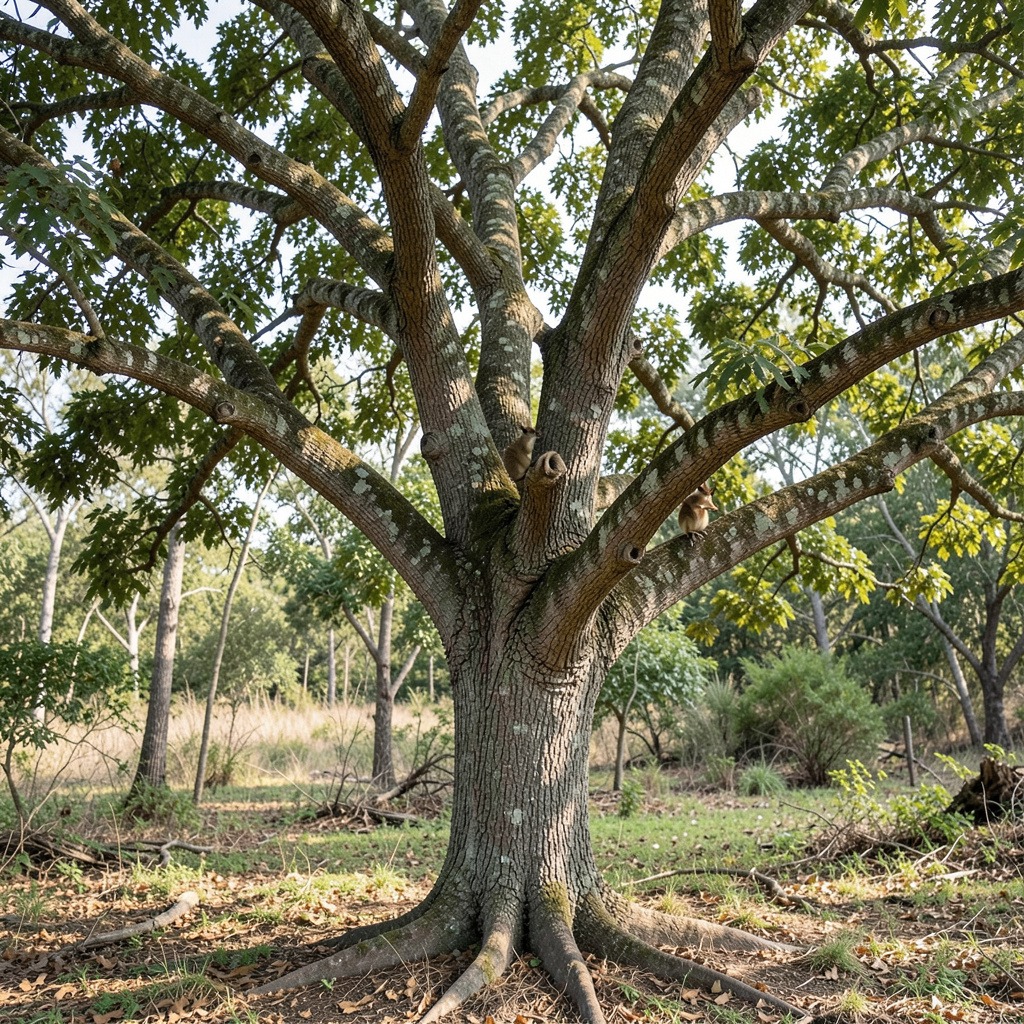
Growing Kurrajong trees (Brachychiton populneus) presents several challenges. While they offer numerous benefits, it is essential to be aware of potential issues related to soil requirements, pests, diseases, and toxicity risks.
Soil Requirements and Growth Challenges
Kurrajong trees thrive in well-drained soils but can struggle in less-than-ideal conditions. Here are some key soil considerations:
- Soil Type: Prefer loamy, sandy, or clay soils. Avoid heavy clay that retains water.
- Drainage: Ensure proper drainage to prevent root rot.
- pH Level: Aim for a slightly acidic to neutral pH (6.0 to 7.0) for optimal growth.
In areas with poor soil quality, consider amending the soil before planting to improve drainage and nutrient availability.
Pest and Disease Management
Kurrajong trees can be susceptible to various pests and diseases. Regular monitoring is essential to maintain plant health. Here’s a checklist for pest and disease management:
- Common Pests:
- Aphids: Check for sticky residue on leaves.
- Scale: Inspect stems for hardened, raised bumps.
- Diseases:
- Fungal infections: Look for yellowing leaves or leaf drop.
- Root rot: Monitor for wilting or stunted growth.
Management Strategies:
- Use insecticidal soap for pests.
- Apply fungicides if fungal infections are detected.
- Maintain proper watering practices to avoid root rot.
Toxicity Risks for Pets
Kurrajong trees pose mild toxicity risks to pets, particularly through their seeds and seed hairs. Here are the key points:
- Dogs and Cats: Both species can experience allergic reactions from contact with the seed hairs or gastrointestinal distress if seeds are ingested.
- Symptoms of Toxicity:
- Vomiting
- Diarrhea
- Abdominal discomfort
Precautionary Measures:
- Keep pets away from the tree and its seeds.
- Educate family members about the potential risks associated with Kurrajong.
By understanding these challenges, you can make informed decisions about integrating Kurrajong trees into your landscape.
How to Successfully Grow and Care for Kurrajong Trees
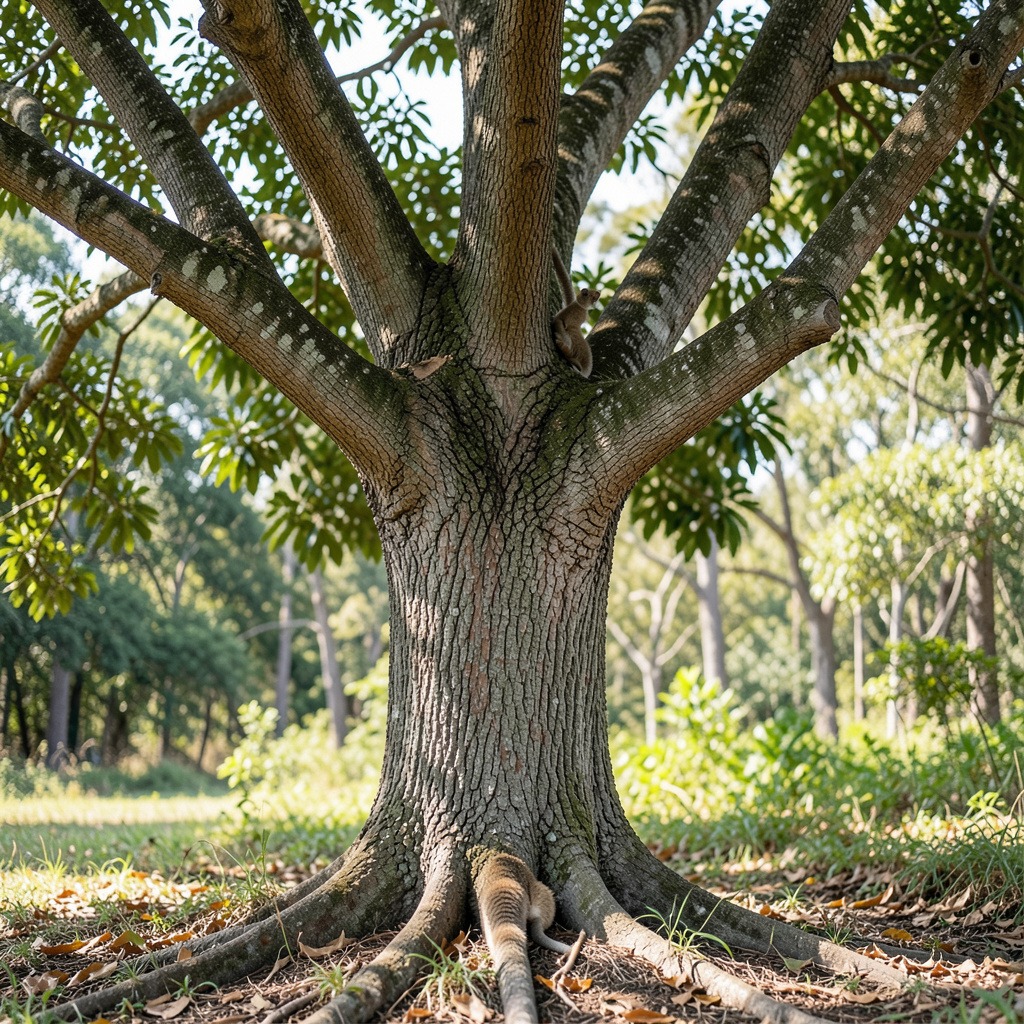
Caring for Kurrajong trees, or Brachychiton populneus, involves understanding their specific needs for planting, watering, and maintenance. By following these guidelines, you can ensure healthy growth and a thriving addition to your landscape.
Planting Techniques for Success
1. Select the Right Location: Choose a sunny spot with good drainage. Kurrajong trees thrive in well-drained, loamy, sandy, or clay soils.
2. Prepare the Soil: Amend the soil with organic matter to improve drainage and nutrient content. Perform a soil test to determine pH and nutrient levels.
3. Planting Depth: Dig a hole twice the width of the root ball and just deep enough to accommodate the roots without bending them.
4. Spacing: Space Kurrajong trees at least 10-15 feet apart to allow for their mature size and canopy spread.
5. Mulching: Apply a layer of mulch around the base to retain moisture and suppress weeds.
Watering and Soil Management
- Initial Watering: Water newly planted Kurrajong trees thoroughly to help establish roots. Ensure the water penetrates deep into the soil.
- Ongoing Care: During the first year, water regularly, especially in dry spells. After establishment, Kurrajong trees are drought-tolerant and require less frequent watering.
- Drainage: Monitor soil moisture levels. If the soil remains saturated for extended periods, consider improving drainage to prevent root rot.
Pruning and Maintenance Tips
- Pruning: Prune young trees to shape their growth and remove any dead or damaged branches. This encourages a strong structure.
- Timing: The best time to prune is late winter or early spring before new growth begins.
- Pest Management: Regularly check for pests like aphids or scale. Use natural remedies or insecticidal soap as needed.
- Fertilization: Fertilize sparingly; too much nitrogen can lead to excessive leaf growth at the expense of flower and seed production.
By following these steps, you can successfully grow and maintain Kurrajong trees, enhancing your landscape’s ecological and aesthetic value.
Comparing Kurrajong Trees to Other Drought-Resistant Options
Kurrajong trees (Brachychiton populneus) offer unique benefits as drought-resistant options. However, comparing them to other species can help you choose the best fit for your landscape.
Key Differences with Other Drought-Resistant Trees
When evaluating Kurrajong trees against other drought-resistant options, consider the following attributes:
| Attribute | Kurrajong Tree | Other Drought-Resistant Trees |
|---|---|---|
| Drought Tolerance | Highly drought-tolerant once established | Varies by species, some less tolerant |
| Soil Requirements | Prefers well-drained, sandy soils | Some require clay or loamy soils |
| Aesthetic Value | Attractive flowers, unique foliage | Varied, depending on species |
| Growth Rate | Moderate to fast growth | Varies widely among species |
| Toxicity | Mildly toxic to pets and humans | Varies; some species non-toxic |
Pros and Cons of Alternative Options
While Kurrajong trees have distinct advantages, other drought-resistant trees also present valuable attributes.
- Desert Willow (Chilopsis linearis):
- Pros: Beautiful flowers, attracts pollinators, grows in poor soils.
- Cons: Less shade compared to Kurrajong, slower growth.
- California Lilac (Ceanothus spp.):
- Pros: Evergreen foliage, low maintenance, excellent for erosion control.
- Cons: Limited height, may require specific soil conditions.
Best Practices for Choosing the Right Tree
When selecting a drought-resistant tree, consider the following factors:
1. Local Climate: Ensure the tree can thrive in your area’s temperature and precipitation patterns.
2. Soil Type: Test your soil to determine its drainage and nutrient levels.
3. Space Availability: Determine the mature size of the tree and ensure adequate space for growth.
4. Aesthetic Goals: Consider how the tree’s appearance aligns with your landscape design.
By carefully weighing these factors, you can make an informed choice that enhances your landscape while meeting your drought-resistance needs.
Frequently Asked Questions
These quick answers cover the most common questions about this topic, including key details, practical tips, and common concerns.
Are kurrajong trees fast growing?
Kurrajong trees (Brachychiton populneus) are considered to have a moderate to fast growth rate. Under ideal conditions, they can reach heights of 10 to 15 meters within a few years. However, growth may vary based on factors like soil quality, climate, and care practices.
Which tree should not be planted close to a house?
Kurrajong trees should be planted at least 10-15 feet away from houses and structures. Their expansive root systems and broad canopies can cause damage to foundations and roofs if planted too close. Additionally, their fallen leaves and seed pods may create maintenance issues.
How long do kurrajong trees live?
Kurrajong trees can live for several decades, with some specimens reaching up to 100 years or more under optimal conditions. Their longevity makes them a valuable addition to landscapes, providing long-term benefits such as shade and wildlife habitat.
Is a kurrajong tree a bottle tree?
While the kurrajong tree is sometimes confused with the bottle tree, they are different species. The bottle tree (Brachychiton rupestris) is known for its swollen trunk, which stores water. In contrast, the common kurrajong (Brachychiton populneus) has a more traditional trunk shape and is recognized for its drought tolerance and ornamental value.
What are common pests affecting kurrajong trees?
Kurrajong trees can be susceptible to pests such as aphids and scale insects. Aphids may cause sticky residue on leaves, while scale insects appear as hardened bumps on stems. Regular monitoring and the use of insecticidal soap can help manage these pests effectively.
How do kurrajong trees compare to other drought-resistant trees?
Kurrajong trees are highly drought-tolerant once established, making them a great choice for arid regions. Compared to other drought-resistant trees, they offer unique aesthetic appeal with their flowers and foliage. However, they may have more specific soil requirements than some other options, such as the Desert Willow, which is also drought-tolerant but easier to grow in poor soils.
When is the best time to plant kurrajong trees?
The best time to plant kurrajong trees is in early spring or late autumn. Planting during these seasons allows the trees to establish roots before the heat of summer or the cold of winter sets in. This timing helps ensure healthier growth and reduces stress on the young trees.