
The lacebark elm tree offers numerous benefits like fast growth and disease resistance, but it also has drawbacks such as structural weaknesses and potential pest issues.
Table of Contents
The lacebark elm, also known as the Chinese elm, is a popular choice for landscaping due to its unique bark and resilience. This guide will explore the pros and cons of planting a lacebark elm to help you decide if it’s right for your garden.
Understanding the Lacebark Elm Tree
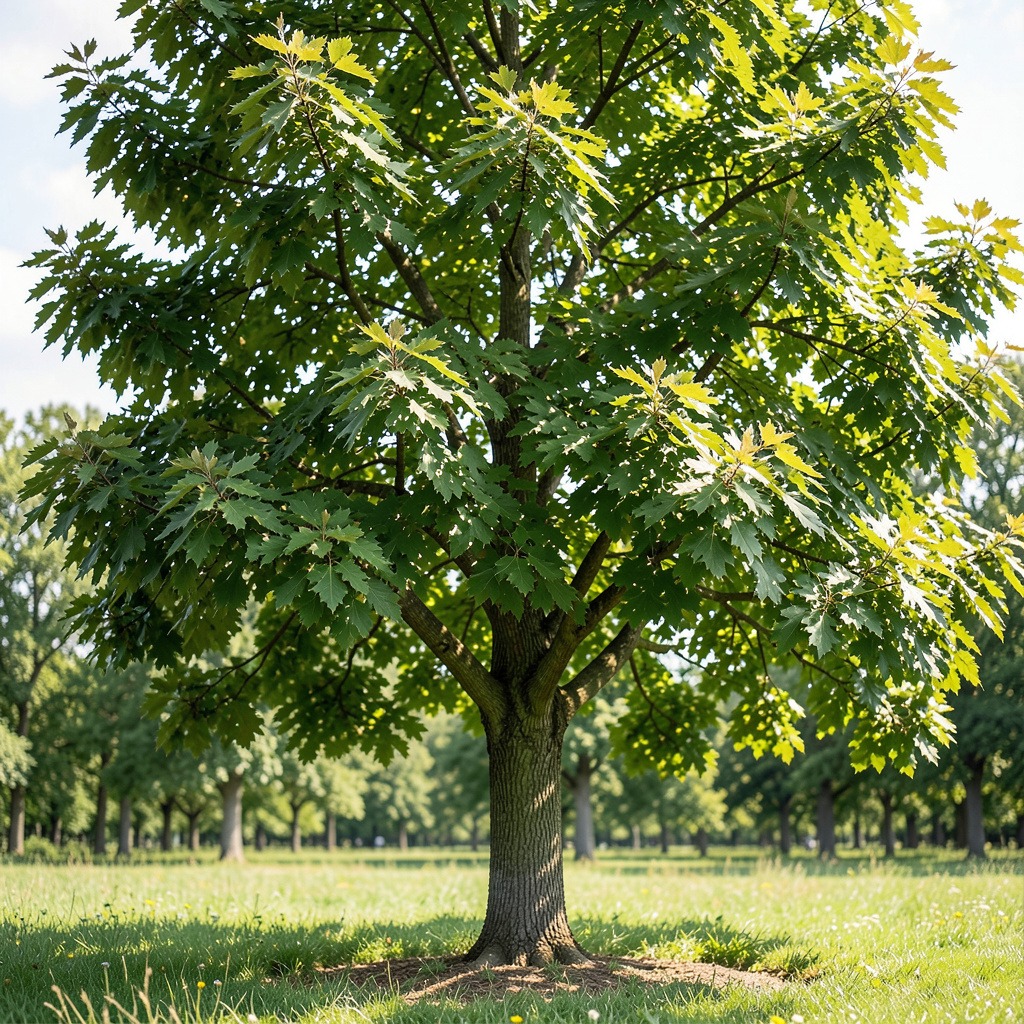
The lacebark elm, commonly referred to as the Chinese elm, is valued for its distinctive appearance and adaptability. This tree is particularly noted for its unique bark and rapid growth, making it a popular choice among homeowners.
Characteristics of Lacebark Elm
The lacebark elm boasts several unique features:
- Bark: Its bark is mottled and exfoliates in thin plates, revealing a palette of colors including green, gray, orange, and brown. This creates striking visual patterns on the trunk.
- Leaves: The tree has dark green, serrated leaves that turn to vibrant yellows and reds in the fall.
- Shape: It typically has a vase-shaped canopy that resembles the American elm, making it an aesthetically pleasing addition to landscapes.
Growth Rate and Size
Lacebark elms grow at a medium to fast rate. They often reach heights between 30 to 50 feet, depending on environmental conditions. This growth rate allows homeowners to quickly establish shade and visual interest in their gardens.
- Height: Generally up to 50 feet.
- Width: Can spread 30 to 40 feet wide.
- Growth Rate: Fast-growing, especially in optimal conditions.
Adaptability to Environments
One of the lacebark elm’s significant advantages is its adaptability. It thrives in various soil types and conditions, making it suitable for a range of climates. Here are key aspects of its adaptability:
- Disease Resistance: Lacebark elms are resistant to Dutch elm disease, a common threat to other elm species. This resilience contributes to their longevity and low maintenance requirements.
- Environmental Tolerance: They can tolerate urban pollution and drought, allowing them to flourish in diverse settings, from city streets to suburban yards.
Understanding these characteristics can help homeowners make informed decisions about incorporating lacebark elms into their landscapes.
Pros of Planting Lacebark Elm Trees
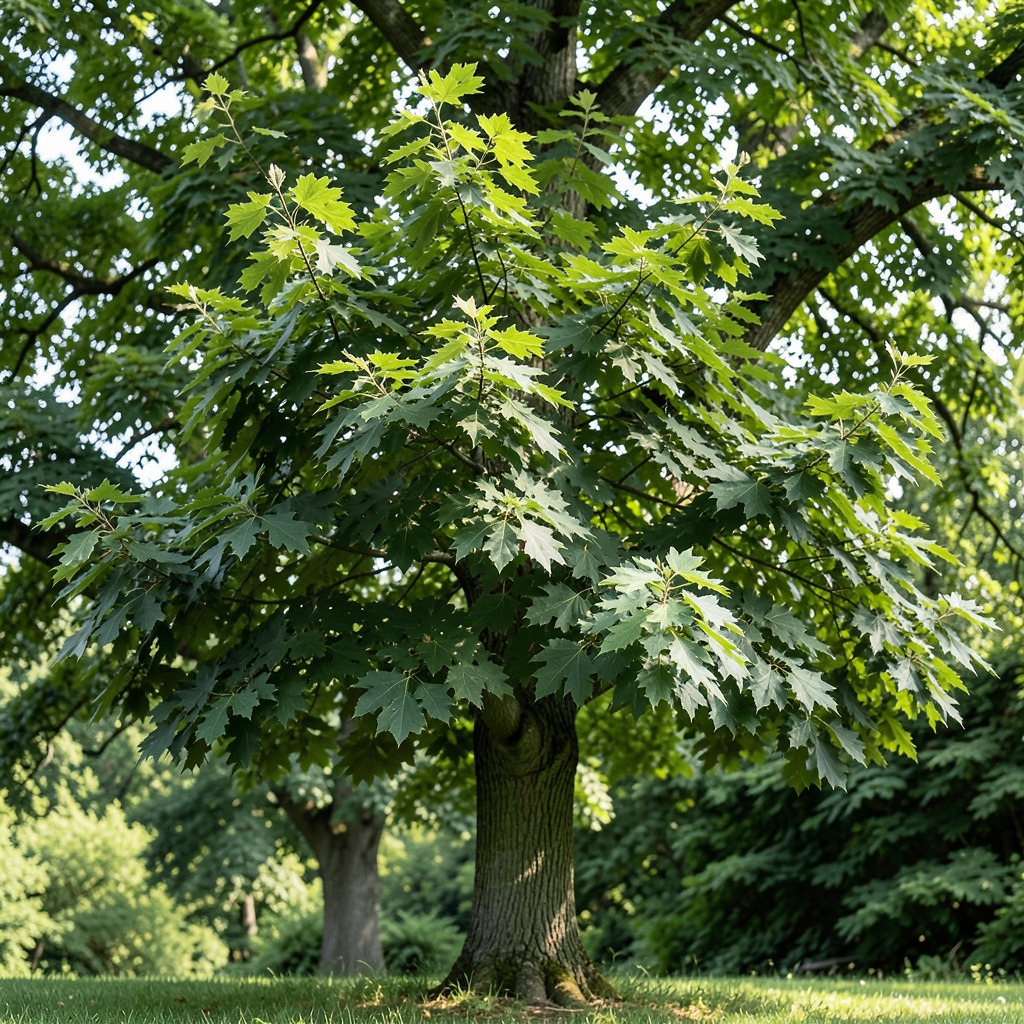
Lacebark elm trees offer numerous benefits for homeowners looking to enhance their landscapes. Their unique aesthetic appeal, rapid growth, and ecological advantages make them a compelling choice for various settings.
Aesthetic Appeal and Unique Bark
The lacebark elm is renowned for its striking appearance. The tree features:
- Exfoliating Bark: The bark peels away in thin plates, revealing a mosaic of green, gray, orange, and brown underneath. This characteristic gives the tree a distinctive visual texture.
- Vase-Shaped Canopy: Its broad, arching canopy provides a graceful silhouette, making it an attractive focal point in any yard.
- Seasonal Interest: The tree’s foliage turns a vibrant yellow in the fall, adding seasonal color to landscapes.
Fast Growth Rate
Lacebark elms are classified as medium to fast-growing trees. They can reach heights of up to 50 feet within a few years. Homeowners benefit from:
- Quick Shade: Ideal for those wanting immediate shade coverage in outdoor spaces.
- Rapid Establishment: New plantings quickly acclimate to their environment, reducing the wait for visual impact.
Disease Resistance
One of the lacebark elm’s most significant advantages is its resistance to disease. Unlike many other elm species, lacebark elms are:
- Resistant to Dutch Elm Disease: This common ailment decimates many elm varieties, but lacebark elms remain unaffected, ensuring their longevity.
- Low Maintenance: Due to their hardiness, these trees require less intervention, making them suitable for novice gardeners and busy homeowners alike.
User Testimonials and Practical Examples
Many homeowners have reported positive experiences with lacebark elms in their landscapes. For instance, Jane M., a homeowner in a suburban area, shared that her lacebark elm has not only thrived despite urban pollution but also attracted local wildlife, enhancing her yard’s ecosystem.
In another instance, a community park planted several lacebark elms to provide shade for recreational areas. Within just a few years, these trees have become valuable assets to the park, offering both beauty and functionality.
These testimonials highlight the lacebark elm’s value in diverse environments, making it a compelling option for landscaping projects.
Cons of Lacebark Elm Trees
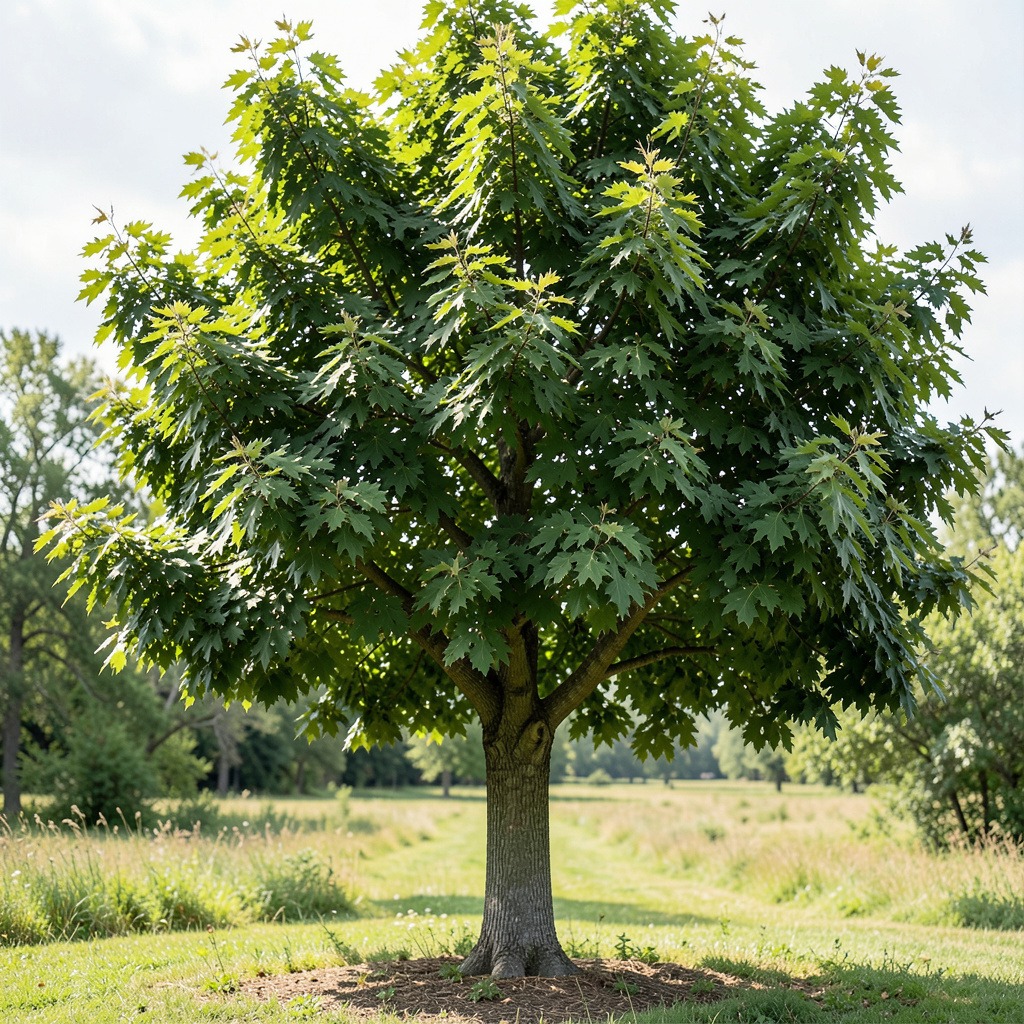
While lacebark elm trees offer numerous benefits, they also come with certain drawbacks. Understanding these cons is essential for homeowners considering them for their landscaping.
Structural Weaknesses
Lacebark elms have a tendency to develop structural weaknesses over time. Their vase-shaped canopy often leads to forked trunks, which can create vulnerabilities during storms or high winds. This increased susceptibility to breakage may pose risks, particularly in areas with severe weather conditions. Homeowners should be mindful of these factors when selecting a planting location.
Pest Issues
Although lacebark elms are generally resistant to many diseases, they are not immune to pests. Common pests include:
- Elm Leaf Beetle: This insect can cause significant leaf damage, leading to defoliation.
- Aphids: These small insects can infest new growth, potentially stunting tree development.
Regular monitoring and treatment may be necessary to keep these pests at bay, adding to overall maintenance efforts.
Maintenance Challenges
Lacebark elms require specific maintenance to thrive. Here are some challenges homeowners may encounter:
- Watering Needs: They perform best in well-drained soil and may require extra watering during dry spells.
- Pruning: Regular pruning is essential to maintain their shape and remove weak branches. This task can be labor-intensive, especially for larger specimens.
- Soil Conditions: They adapt well to various soils, but poor drainage can lead to root rot. Homeowners should test soil quality before planting.
Comparison Table: Lacebark Elm vs. Other Elm Species
| Feature | Lacebark Elm | American Elm | Siberian Elm |
|---|---|---|---|
| Disease Resistance | High | Low (Dutch Elm Disease) | Moderate |
| Growth Rate | Medium to Fast | Fast | Medium |
| Structural Weaknesses | Moderate | High | Low |
| Pest Susceptibility | Moderate | High | Low |
This table illustrates how lacebark elms compare to other elm species in various categories. While they offer certain advantages, potential weaknesses should be carefully considered before planting.
Comparing Lacebark Elm to Other Elm Species
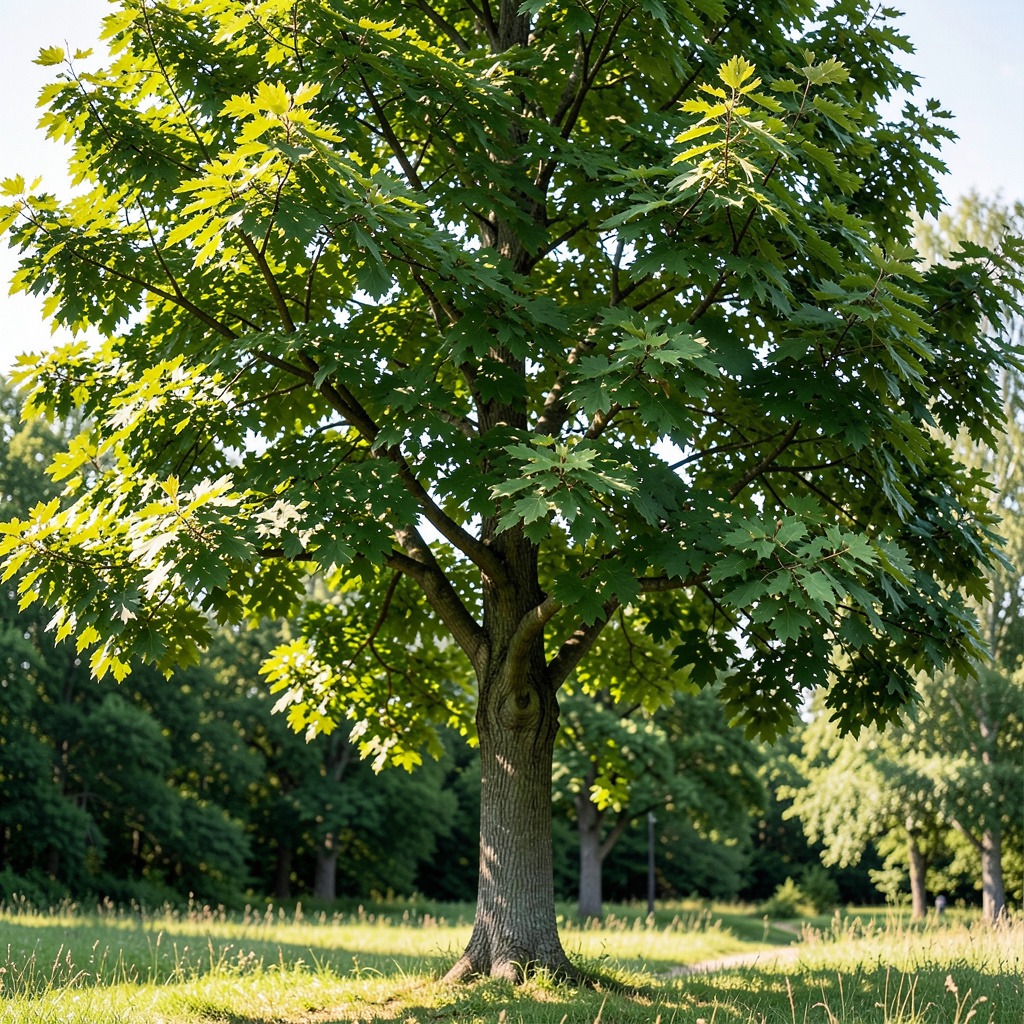
When considering the lacebark elm for your landscape, it’s essential to compare its characteristics with other common elm species. This analysis focuses on growth, disease resistance, and suitability for various landscaping needs.
Growth Characteristics Comparison
Lacebark elm trees exhibit a medium to fast growth rate, making them an appealing choice for homeowners seeking quick shade and aesthetic appeal. In contrast:
- American Elm: Known for its rapid growth, it can reach heights of over 100 feet but is prone to structural weaknesses.
- Siberian Elm: Grows at a medium pace and can tolerate a variety of conditions, but its overall form and aesthetics are often less desirable.
Disease Resistance Comparison
One of the lacebark elm’s standout features is its high resistance to diseases, particularly Dutch elm disease, which has devastated many other elm species. Here’s how it compares:
- Lacebark Elm: High resistance to common diseases.
- American Elm: Low resistance, highly susceptible to Dutch elm disease.
- Siberian Elm: Moderate resistance, but not as robust as the lacebark.
Landscaping Suitability
Lacebark elms are versatile in landscaping, suitable for various environments and uses. Here’s a breakdown:
- Lacebark Elm: Ideal for urban settings due to its adaptability and unique bark, which adds visual interest.
- American Elm: Traditionally used as a street tree but can be risky due to disease vulnerability.
- Siberian Elm: Often planted for fast cover but is less aesthetically pleasing and can pose an invasive threat.
Comparative Summary Table
| Feature | Lacebark Elm | American Elm | Siberian Elm |
|---|---|---|---|
| Disease Resistance | High | Low | Moderate |
| Growth Rate | Medium to Fast | Fast | Medium |
| Structural Weaknesses | Moderate | High | Low |
| Aesthetic Appeal | High (distinctive bark) | Moderate (classic shape) | Low (less visually appealing) |
This comparison highlights the lacebark elm’s advantages in both aesthetics and disease resilience, making it a compelling choice for many homeowners.
Practical Tips for Planting Lacebark Elm Trees
Lacebark elm trees, known for their resilience and beauty, require specific conditions for optimal growth. Here are practical tips to ensure successful planting and maintenance.
Ideal Soil Conditions
Lacebark elms thrive in a variety of soil types, but they prefer:
- Well-drained soil: This prevents root rot.
- Loamy or sandy soil: These types enhance drainage and aeration.
- pH level: A slightly acidic to neutral pH (around 6.0 to 7.0) is ideal.
Before planting, conduct a soil test to ensure these conditions are met. If necessary, amend the soil with organic matter to improve fertility and structure.
Watering Needs and Techniques
Proper watering is crucial during the establishment phase. Follow these guidelines:
- Initial watering: Water deeply immediately after planting.
- Frequency: Water once a week during dry spells for the first growing season.
- Mulching: Apply a layer of mulch around the base to retain moisture and regulate soil temperature.
Once established, lacebark elms are drought tolerant but will benefit from occasional watering during extended dry periods.
When to Plant Lacebark Elm
Timing impacts the success of your lacebark elm. Consider these seasonal guidelines:
- Spring planting: Ideal for warmer climates, as it allows the tree to establish roots before summer heat.
- Fall planting: Works well in cooler areas, giving the tree time to develop before winter.
In both cases, avoid planting during extreme temperatures. Aim for mild weather to reduce stress on the young tree.
Checklist for Planting Lacebark Elm
- Soil test completed?
- Site selected with adequate sunlight? (Lacebark elms prefer full sun)
- Depth of planting hole correct? (Twice the width of the root ball, but no deeper than the root ball itself)
- Watering plan established?
- Mulch applied?
By following these practical steps, you can ensure that your lacebark elm tree thrives in its new environment.
Frequently Asked Questions
These quick answers cover the most common questions about this topic, including key details, practical tips, and common concerns.
How fast does a lacebark elm tree grow?
Lacebark elm trees are classified as medium to fast-growing. Under optimal conditions, they can reach heights of 30 to 50 feet within just a few years. This rapid growth makes them an attractive option for homeowners looking to establish shade and visual interest quickly.
How far should an elm tree be from a house?
When planting a lacebark elm, it’s advisable to keep it at least 10 to 20 feet away from your house. This distance helps prevent potential damage to your home’s foundation and allows for adequate sunlight and airflow around the tree, promoting healthy growth.
Is an elm tree good to have in your yard?
Yes, lacebark elms are excellent additions to residential yards. They are known for their unique bark, vibrant fall colors, and fast growth. Additionally, their resistance to diseases like Dutch elm disease makes them a low-maintenance choice for homeowners.
What are some common problems that lacebark elm trees encounter?
Lacebark elms can face several issues, including structural weaknesses and pest infestations. Common pests include the elm leaf beetle and aphids, which can cause leaf damage. Regular monitoring and appropriate care can help mitigate these problems.
What are the pros and cons of planting a Chinese elm tree?
The Chinese elm, or lacebark elm, offers several advantages, including fast growth, aesthetic appeal, and high disease resistance. However, it may also develop structural weaknesses and require regular maintenance, such as pruning and pest management.
Can lacebark elm trees tolerate drought conditions?
Yes, lacebark elms are known for their drought tolerance once established. They thrive in various soil types, including those with good drainage. However, young trees may require regular watering during dry spells to ensure healthy growth.
What soil conditions are best for lacebark elm trees?
Lacebark elms prefer well-drained soil that is loamy or sandy. They thrive in a slightly acidic to neutral pH range of 6.0 to 7.0. Before planting, it’s beneficial to conduct a soil test and amend it with organic matter if necessary.
What is the average lifespan of a lacebark elm tree?
Lacebark elm trees typically have an average lifespan of 30 to 50 years. With proper care, including regular maintenance and monitoring for pests, they can live longer and continue to provide beauty and shade in your landscape.