
The Liquid Amber tree, also known as Sweetgum, offers stunning fall colors and rapid growth.
Table of Contents
The Liquid Amber tree, renowned for its vibrant autumn foliage, presents both aesthetic benefits and maintenance challenges. Understanding its pros and cons can help potential gardeners make informed decisions about its suitability for their landscapes.
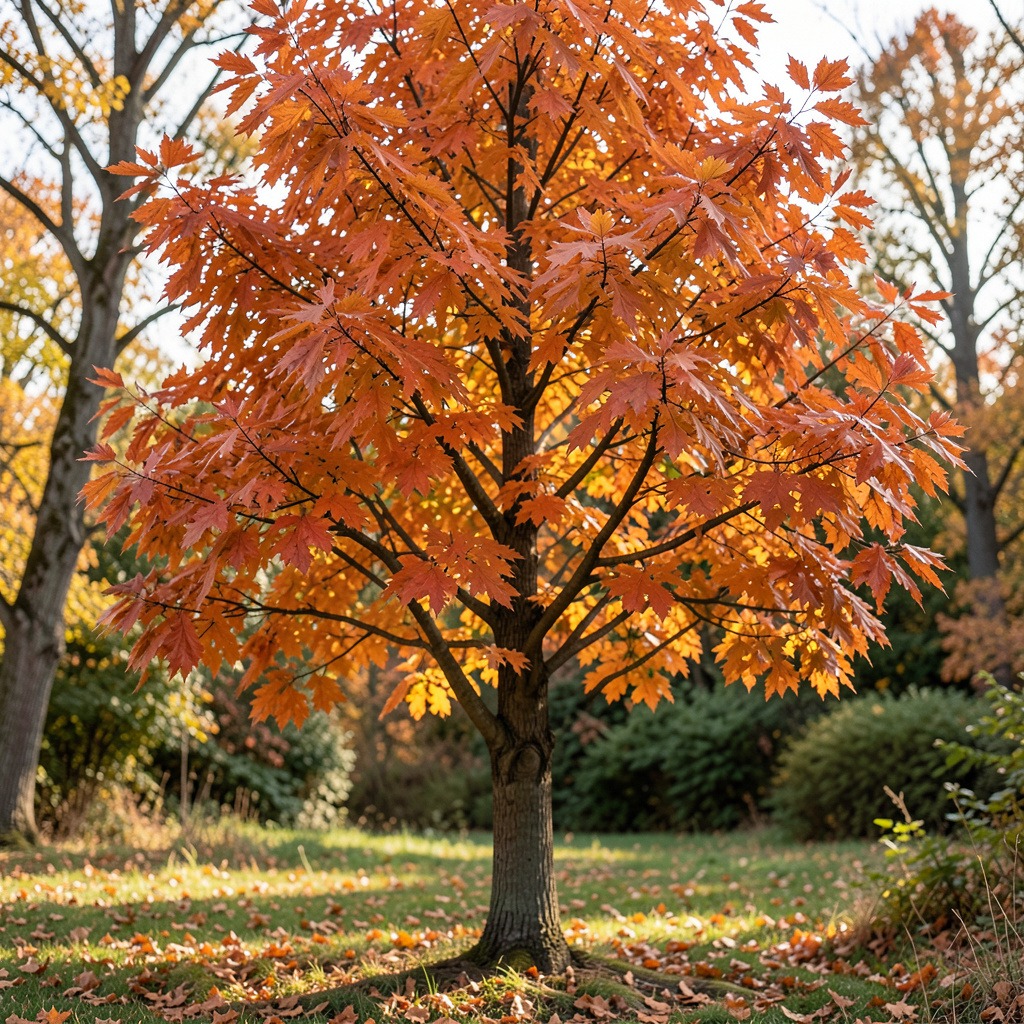
Understanding the Liquid Amber Tree
The Liquid Amber tree, also known as Sweetgum, is a standout choice for gardeners seeking a visually striking addition to their landscapes. This tree is celebrated not only for its beauty but also for its unique growth characteristics and maintenance needs.
What is a Liquid Amber Tree?
The Liquid Amber tree, scientifically named Liquidambar styraciflua, is a fast-growing deciduous hardwood. It is widely recognized for its star-shaped leaves and colorful autumn foliage. The tree produces distinctive spiky seed pods, often referred to as “gumballs.”
Common Names and Characteristics
- Common Names: Liquid Amber, Sweetgum, American Sweetgum.
- Characteristics:
- Growth Rate: Fast-growing, reaching heights of 60 to 75 feet.
- Leaf Shape: Star-shaped with five to seven lobes.
- Bark: Corky, textured bark that adds to its aesthetic appeal.
- Seed Pods: Spiky balls that can create litter in the fall.
These features make the Liquid Amber tree an attractive option for parks, streetscapes, and larger gardens.
Native Regions and Habitat
The Liquid Amber tree is native to the southeastern United States and parts of Central America. It thrives in a variety of soil types but prefers well-drained, slightly acidic soil. In its natural habitat, it can often be found near rivers and in moist, lowland areas.
This adaptability allows Liquid Amber trees to flourish in diverse environments, making them suitable for many gardens. However, potential gardeners should consider their local climate and soil conditions before planting.
Historical Significance
Historically, the Liquid Amber tree has been used in traditional medicine and for its resin, which was valued for its aromatic qualities. Culturally, it has been planted for shade and aesthetic purposes in urban settings, demonstrating its versatility as both a functional and ornamental tree.
Understanding these aspects can aid gardeners in appreciating the Liquid Amber tree’s potential benefits and challenges in their specific landscaping scenarios.
Pros of Liquid Amber Trees
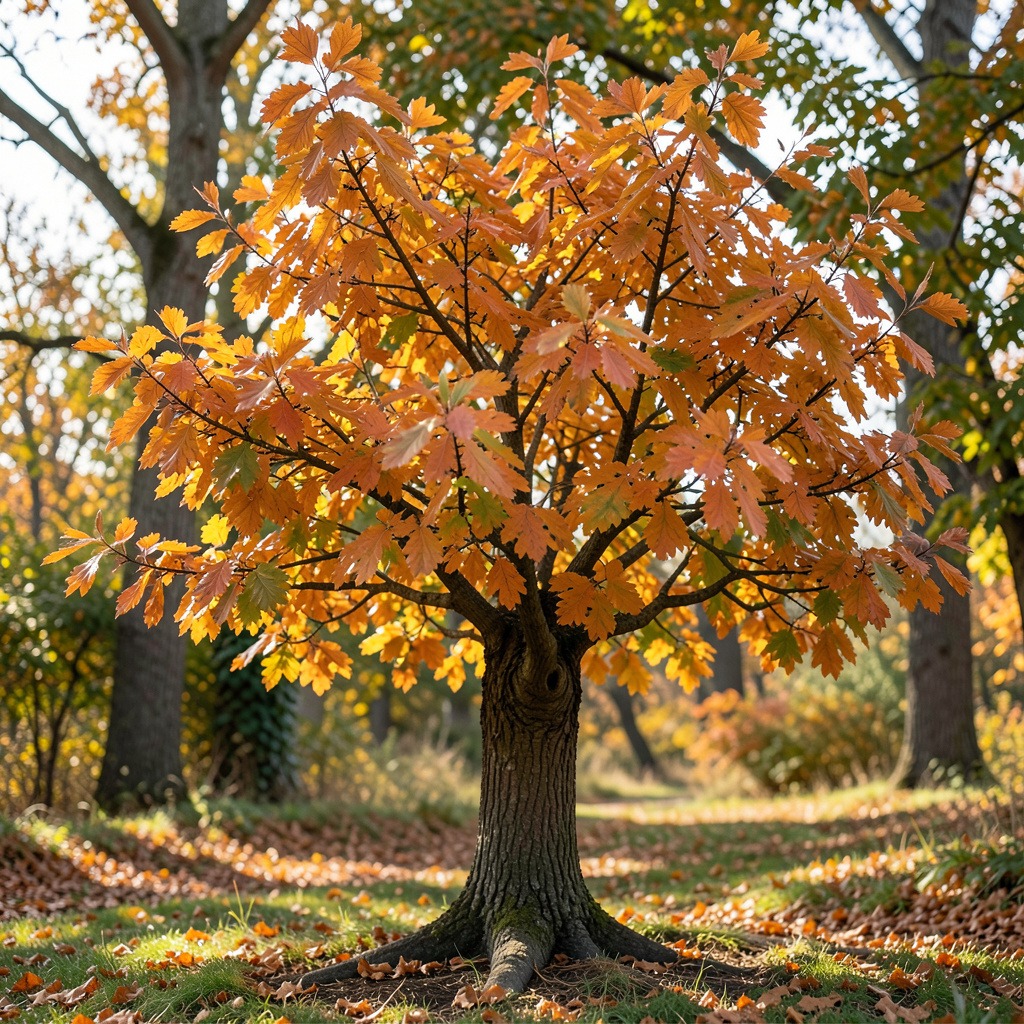
Liquid Amber trees offer a variety of benefits that make them appealing to gardeners. Their stunning aesthetics, rapid growth rate, and ability to provide shade are among the key advantages.
Stunning Autumn Colors
One of the most celebrated features of the Liquid Amber tree is its vibrant autumn foliage. The leaves transform into an array of colors, ranging from yellow to deep red. This seasonal spectacle adds visual interest to any landscape. Gardeners often plant Liquid Amber trees specifically for their ability to enhance the beauty of their yards during fall.
Rapid Growth and Height
Liquid Amber trees are known for their impressive growth rate. Under optimal conditions, they can reach heights of 60 to 100 feet within a few decades. This rapid upward growth makes them suitable for those looking to establish a tall shade tree quickly. Young trees can achieve significant vertical growth if planted in full sun and well-drained soil. This characteristic may especially appeal to homeowners seeking immediate shade for outdoor spaces.
Environmental Benefits
Planting Liquid Amber trees can contribute positively to the environment. They provide shade, which helps reduce energy costs in nearby homes. Additionally, their deep root systems can improve soil structure and help prevent erosion. Liquid Amber trees also support local wildlife by offering habitat and food sources for various bird species.
User Experiences
Gardeners who have planted Liquid Amber trees often share positive testimonials. Many highlight the tree’s low maintenance once established. One gardener noted, “After the initial planting, I barely had to tend to my Liquid Amber tree, and the autumn colors are worth every bit of effort.”
In summary, the Liquid Amber tree stands out for its aesthetic appeal, rapid growth, and environmental contributions. These factors make it a strong candidate for many garden settings.
Cons of Liquid Amber Trees
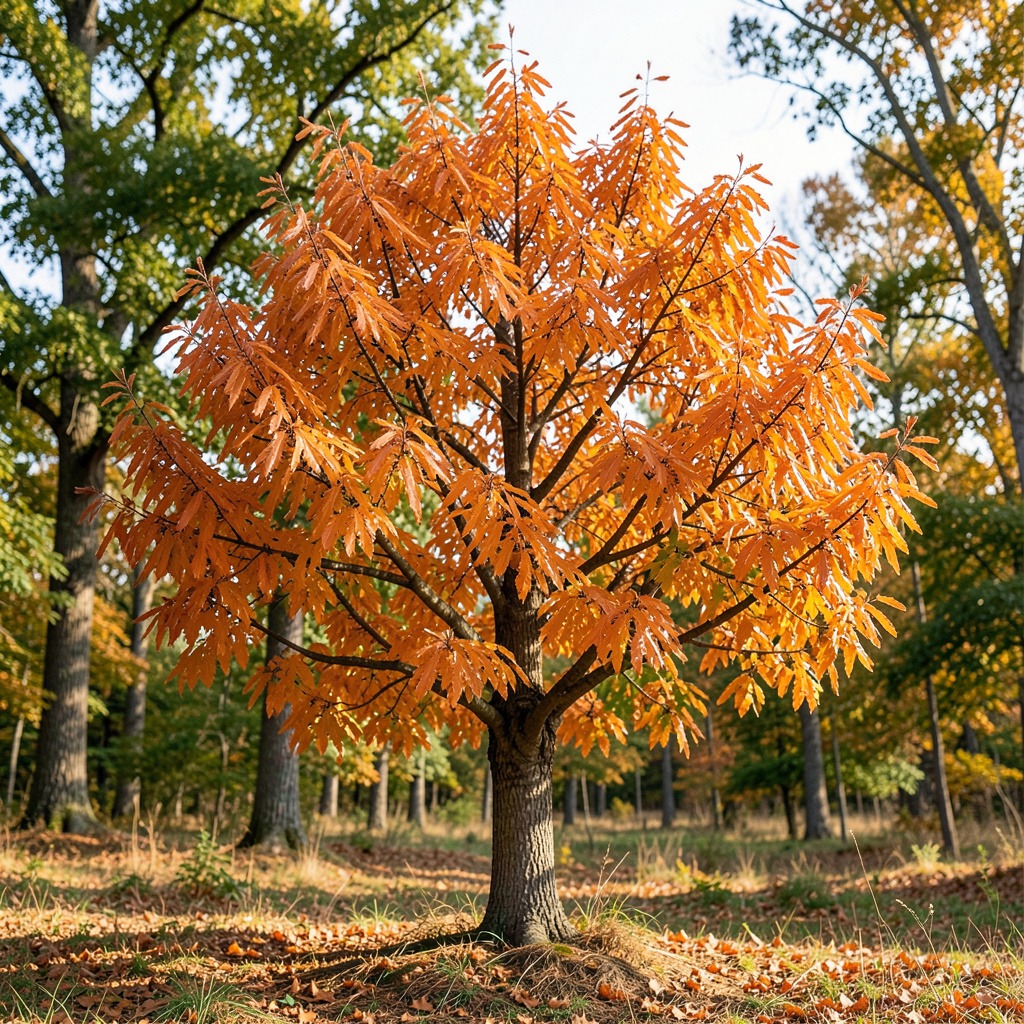
While Liquid Amber trees offer numerous benefits, they also come with notable drawbacks. Understanding these cons is crucial for gardeners considering this species.
Invasive Root System
Liquid Amber trees develop an aggressive root system as they mature. Their roots can spread widely and become invasive, causing several issues:
- Surface Damage: Roots may lift driveways, sidewalks, and patios.
- Interference: They can affect nearby structures and drainage systems.
- Space Requirements: Due to their expansive root systems, it’s essential to plant them a safe distance from pathways and underground utilities.
Consider your garden’s layout and infrastructure before planting. If your space is limited or contains fragile surfaces, this tree may not be the best choice.
Messy Seed Pods and Maintenance
Another challenge involves the spiky seed pods these trees produce. Commonly referred to as “gumballs,” these seed pods can create a messy landscape.
- Cleanup: Regular raking and maintenance are necessary, especially in the autumn.
- Safety Hazard: The spiky nature of these pods can pose a risk to pets and children playing in the yard.
To mitigate this, some gardeners opt for regular pruning to reduce seed production. However, this requires additional effort and planning.
Potential Property Damage
The combination of invasive roots and messy seed pods can lead to potential property damage. Homeowners should be aware of:
- Foundation Risks: Roots may compromise the integrity of building foundations.
- Yard Aesthetics: Fallen seed pods and leaves can detract from the yard’s visual appeal.
When deciding on Liquid Amber trees, evaluate your property’s size and layout. If you have limited space or existing infrastructure, consider alternative tree species that require less maintenance and have non-invasive root systems.
Decision Framework:
- Check Root Space: Ensure adequate distance from structures.
- Evaluate Cleanup Commitment: Are you prepared for ongoing maintenance?
- Consider Alternatives: Explore trees with similar aesthetic benefits but fewer drawbacks.
Care Requirements for Liquid Amber Trees
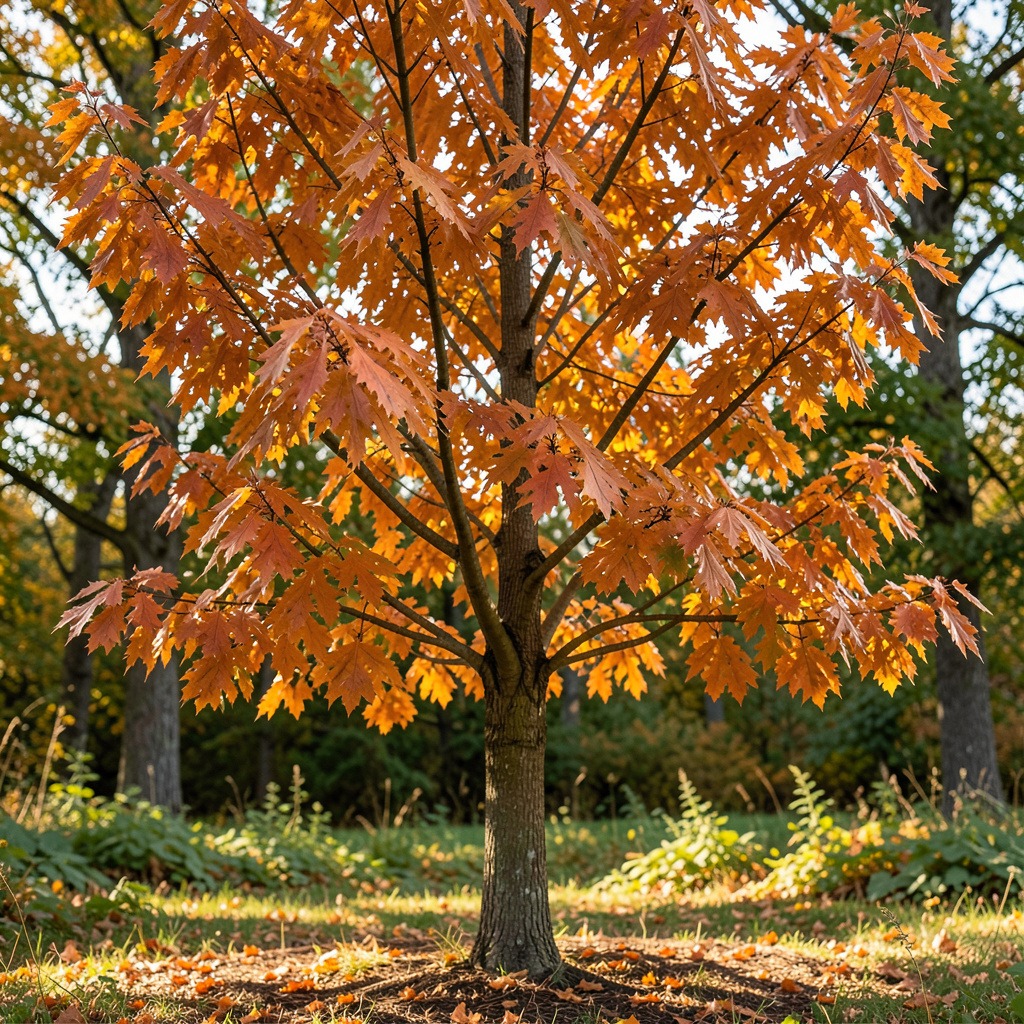
Caring for Liquid Amber trees involves understanding their specific needs throughout different growth stages and climate conditions. Here are essential tips to ensure healthy growth and vibrant autumn foliage.
Planting Tips
- Timing: The best time to plant Liquid Amber trees is in the fall. This allows the roots to establish before winter sets in.
- Location: Choose a spot with full sun exposure. Shaded areas can lead to weaker growth and less vibrant fall colors.
- Soil: Use deep, fertile soil that retains moisture yet drains well. Rich loamy soil supports rapid establishment and strong root development.
- Spacing: Ensure ample space between trees and structures to accommodate their mature size, which can reach heights of 18-30 meters.
Watering and Fertilizing
- Watering: Newly planted trees require regular watering, particularly during dry spells. Aim for a deep watering once a week until established.
- Fertilization: Apply a balanced fertilizer in early spring to support healthy growth. If your soil lacks nutrients, consider a slow-release fertilizer to maintain consistent nutrient levels.
- Moisture Needs: Monitor soil moisture; Liquid Amber trees thrive in moist environments but dislike waterlogged conditions.
Pruning and Maintenance
- Pruning: Prune young trees to establish a strong structure. Remove dead or crossing branches to encourage better airflow and light penetration.
- Seasonal Care: Regularly clean up fallen leaves and seed pods to maintain yard aesthetics. Plan for this maintenance, especially in autumn.
- Routine Checks: Inspect for pests or diseases periodically. Early detection can prevent larger issues that may impact tree health.
Decision Framework for Care
To effectively manage Liquid Amber trees, consider the following:
- Evaluate Climate: Assess local climate conditions. In warmer areas, ensure adequate watering and shade during extreme heat.
- Soil Type Assessment: Test soil pH and nutrient levels. Adjust care based on findings to optimize growth.
- Maintenance Commitment: Determine your willingness to engage in routine maintenance tasks, such as pruning and leaf cleanup.
By following these care guidelines, you can enjoy the aesthetic benefits of Liquid Amber trees while mitigating potential challenges.
Comparing Liquid Amber Trees with Alternatives
When considering ornamental trees, understanding the pros and cons of Liquid Amber trees in relation to other popular species can aid in making an informed decision. Below, we compare Liquid Amber trees with a few common alternatives.
Popular Alternatives
1. Maple Trees
- Pros: Vibrant fall colors, various sizes, and shapes.
- Cons: Some species have shallow roots that can disrupt nearby structures.
2. Oak Trees
- Pros: Strong wood, excellent shade, wildlife habitat.
- Cons: Slow growth rate, requires more space.
3. Crape Myrtle
- Pros: Long blooming season, drought-tolerant, smaller size.
- Cons: Limited shade compared to larger trees.
Pros and Cons Comparison
| Feature | Liquid Amber Tree | Maple Tree | Oak Tree | Crape Myrtle |
|---|---|---|---|---|
| Growth Rate | Fast | Moderate to fast | Slow | Moderate |
| Aesthetic Appeal | Vibrant autumn foliage | Stunning fall colors | Majestic stature | Colorful blossoms |
| Root System | Invasive surface roots | Shallow roots | Deep, extensive roots | Fibrous roots |
| Maintenance Needs | Regular leaf cleanup | Minimal once established | Moderate | Low |
| Environmental Benefits | Supports wildlife, carbon sequestration | Wildlife habitat | Supports biodiversity | Attracts pollinators |
Best Uses for Each
- Liquid Amber Tree: Best suited for large spaces where its invasive roots won’t cause issues. Ideal for parks and larger residential gardens.
- Maple Tree: A versatile choice for various landscape sizes, providing beautiful colors in fall.
- Oak Tree: Perfect for those looking for long-term growth and shade, though it requires ample space.
- Crape Myrtle: A great option for smaller yards, offering blossoms and moderate shade without invasive roots.
Decision Framework
When choosing between these trees, consider the following:
- Space Availability: Liquid Amber trees need more room due to their expansive roots. Opt for smaller trees like Crape Myrtle in limited spaces.
- Climate Compatibility: Assess how each tree performs in your local climate. For example, some maple varieties thrive in cooler regions.
- Maintenance Commitment: Determine how much time you can dedicate to upkeep. Liquid Amber trees require regular maintenance, especially in leaf drop seasons.
By evaluating these factors, you can decide which tree aligns best with your gardening goals and landscape conditions.
Conclusion: Is the Liquid Amber Tree Right for You?
The Liquid Amber tree, known for its stunning autumn foliage and robust growth, presents both advantages and challenges for potential gardeners. Understanding these factors will help you make an informed decision based on your unique landscaping needs.
Recap of Pros and Cons
Pros:
- Aesthetic Appeal: The vibrant fall colors enhance landscape beauty.
- Fast Growth Rate: Provides quick shade and visual impact.
- Environmental Benefits: Offers wildlife habitat and improves air quality.
Cons:
- Invasive Roots: Can disrupt nearby structures and garden beds.
- Maintenance Needs: Requires regular upkeep, especially during leaf drop.
- Space Requirements: Needs ample room for growth, making it unsuitable for small yards.
Final Recommendations Based on Yard Size and Conditions
Consider these guidelines to determine if a Liquid Amber tree suits your landscape:
| Factor | Recommendation |
|---|---|
| Yard Size | Large spaces are ideal; avoid in small gardens. |
| Soil Type | Prefers moist, well-drained soil; amend as necessary. |
| Climate | Thrives in temperate zones with seasonal temperature changes. |
| Maintenance Level | Be prepared for regular leaf clean-up and pruning. |
Decision Framework:
1. Evaluate Space: If your yard has limited room, consider alternatives like the Crape Myrtle or Red Maple, which require less space.
2. Assess Local Climate: Ensure your climate supports healthy growth. Cooler areas might have better success with different tree species.
3. Commit to Maintenance: If you can manage the upkeep, the Liquid Amber tree can be a rewarding addition to your landscape.
By applying this framework, you can confidently decide whether a Liquid Amber tree aligns with your gardening goals and landscape conditions.
Frequently Asked Questions
These quick answers cover the most common questions about this topic, including key details, practical tips, and common concerns.
What problems do Liquidambar trees have?
Liquidambar trees can present several issues, primarily due to their invasive root systems. These roots can lift sidewalks, driveways, and patios, causing damage to hardscapes and nearby structures. Additionally, the tree produces spiky seed pods, known as “gumballs,” which can create a messy landscape and pose a safety hazard for pets and children.
Another concern is their susceptibility to certain diseases, such as leaf spot and powdery mildew, which can affect their overall health and aesthetics. Regular maintenance and monitoring can help mitigate these problems.
What is the lifespan of a Liquidambar tree?
Liquidambar trees generally have a lifespan of 150 to 200 years, making them a long-term addition to any landscape. With proper care, including appropriate watering, fertilization, and pruning, these trees can thrive for generations, providing shade and beauty to your yard.
Do Liquid Amber trees have invasive roots?
Yes, Liquid Amber trees are known for their invasive root systems. As they mature, their roots can spread widely, potentially damaging sidewalks, driveways, and underground utilities. It is crucial to plant them at a safe distance from structures to minimize the risk of root-related issues.
How fast does a Liquid Amber tree grow?
Liquid Amber trees are fast-growing, typically reaching heights of 60 to 100 feet within a few decades. Under optimal conditions—full sun and well-drained soil—they can grow significantly each year, making them an attractive option for those seeking quick shade and visual impact in their gardens.
When is the best time to plant a Liquid Amber tree?
The best time to plant a Liquid Amber tree is in the fall. This timing allows the tree to establish its root system before winter, promoting healthier growth in the spring. Planting in early spring is also acceptable, but ensure that the tree receives adequate water during dry spells.
What are tips for growing a large Liquid Amber tree?
To grow a large Liquid Amber tree, focus on the following tips:
- Location: Choose a spot with full sun exposure and ample space for root expansion.
- Soil: Use well-drained, slightly acidic soil to support healthy growth.
- Watering: Water regularly during dry periods, especially for newly planted trees.
- Pruning: Prune young trees to establish a strong structure and remove any dead or crossing branches.
What are alternatives to Liquid Amber trees for landscaping?
If you’re looking for alternatives to Liquid Amber trees, consider these options:
- Maple Trees: Known for their vibrant fall colors and various sizes, they provide similar aesthetic benefits without invasive roots.
- Oak Trees: Offer strong shade and wildlife habitat but require more space and have a slower growth rate.
- Crape Myrtle: A smaller option with colorful blooms and low maintenance needs, suitable for limited spaces.
Each of these alternatives has its own set of pros and cons, so evaluate your landscape needs and space availability before making a choice.