
Live oak care involves proper watering, pruning, and soil management to ensure the health and growth of the tree.
Table of Contents
Live oaks are majestic trees known for their expansive canopies and resilience. Proper care is crucial for their health and longevity. This guide covers essential techniques in live oak care, from watering and pruning to identifying common problems.
Understanding the Live Oak: Characteristics and Growth Habits
Live oaks are distinguished by their robust structure and adaptability. Understanding their characteristics and growth patterns is vital for effective care and maintenance.
Key Characteristics of Live Oaks
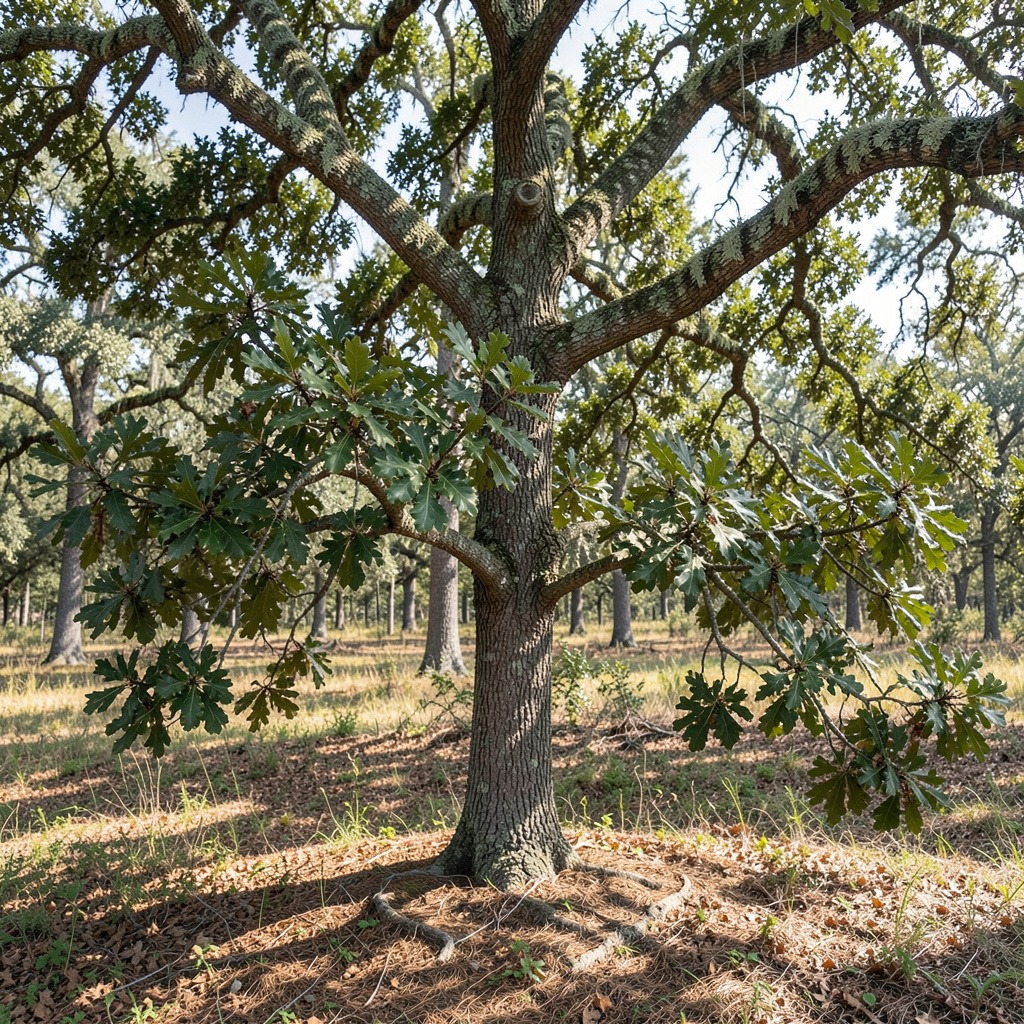
Live oaks (Quercus virginiana) are evergreen trees known for their broad, rounded canopies and sturdy branches. They can reach heights of 40 to 80 feet and spread up to 100 feet wide. Their leaves are leathery and dark green, providing year-round foliage.
- Growth Rate: Live oaks grow at a moderate pace, typically 2 to 2.5 feet per year in ideal coastal conditions.
- Lifespan: These trees are long-lived, often thriving for over 100 years, with some specimens reaching 300 years.
- Root System: Their extensive root systems provide stability and drought resistance, making them suitable for various soil types.
Growth Patterns and Lifespan
Understanding the growth habits of live oaks informs care practices. They prefer full sun but can adapt to partial shade. Here are key growth aspects:
- Initial Growth: Young live oaks require regular watering but become drought-tolerant once established.
- Mature Size: As they mature, live oaks develop a wide canopy, providing excellent shade, which can benefit surrounding plants and soil.
- Pruning Needs: Prune young trees annually to encourage a strong structure. After three years, pruning every five years maintains health and shape.
Ecological Benefits of Live Oaks
Live oaks play a crucial role in their ecosystems. Their large canopies provide habitat and food for various wildlife, including birds, insects, and small mammals. They also contribute to soil health and erosion control.
- Wildlife Habitat: The dense foliage offers shelter for nesting birds and insects.
- Soil Improvement: Fallen leaves enrich the soil, fostering beneficial microorganisms.
- Carbon Sequestration: Live oaks effectively absorb carbon dioxide, helping mitigate climate change.
For optimal growth and health, consider using High-Quality Live Oak Tree Fertilizer to ensure your live oak receives essential nutrients.
Essential Care Techniques for Live Oaks
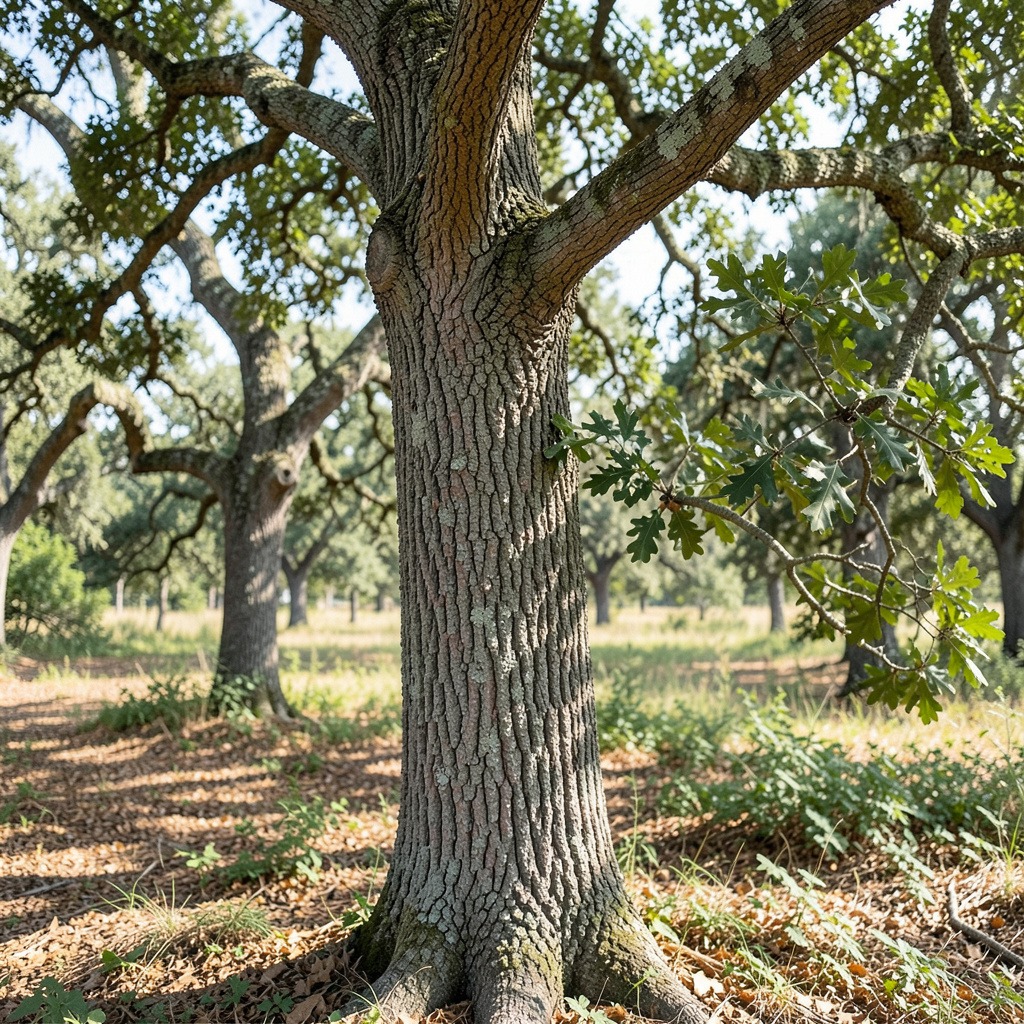
Caring for live oaks involves understanding their specific needs for watering, soil management, and pruning. Implementing these techniques will ensure healthy growth and longevity.
Watering Requirements and Schedules
Live oaks thrive in well-drained soil but require consistent moisture, especially during their establishment phase. Here’s how to manage watering:
- Establishment Phase: Water deeply once a week for the first year.
- Established Trees: Reduce frequency. Water during prolonged dry spells.
- Signs of Drought Stress: Look for wilting leaves or leaf drop.
Soil Management for Optimal Growth
Optimal soil conditions are crucial for live oak health. Follow these practices:
- Soil Type: Prefers sandy, well-drained soil. They tolerate clay but may need amendments.
- Soil Testing: Conduct a soil test to determine pH and nutrient levels.
- Amendments: Add organic matter or compost to improve soil structure.
- Mulching: Apply a layer of mulch around the base. This retains moisture and suppresses weeds.
Pruning Techniques for Healthy Trees
Pruning is essential for maintaining the shape and health of live oaks. Use these guidelines:
- Timing: Prune in late winter or early spring before new growth begins.
- Technique: Remove dead or crossing branches. Thin out crowded areas to improve air circulation.
- Tools: Use sharp, clean tools to prevent disease transmission.
- Visual Aid: Consider creating a visual guide for pruning cuts to ensure proper technique.
Seasonal Care Checklist for Live Oaks
Implementing a seasonal care checklist can enhance your live oak’s health. Here’s a structured approach:
| Season | Care Actions |
|---|---|
| Spring | Prune for shape and health; apply fertilizer. |
| Summer | Water regularly, especially during dry spells. |
| Fall | Mulch around the base; inspect for pests. |
| Winter | Monitor for diseases; clean tools for the next season. |
By adhering to these care techniques, you can ensure your live oak remains a robust and beautiful part of your landscape.
Identifying and Managing Common Problems with Live Oaks
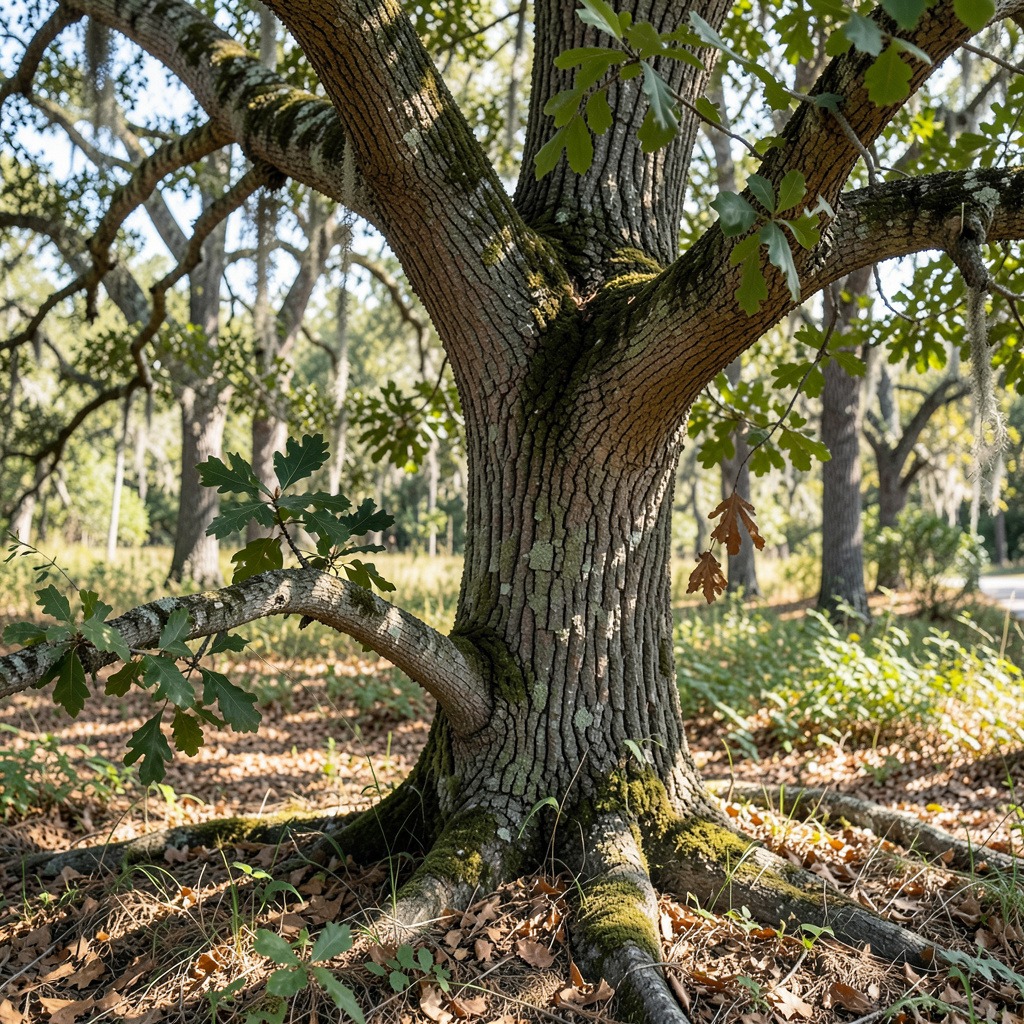
Live oaks are generally resilient trees, but they can encounter various health issues. Understanding these problems is crucial for effective management and maintaining their health.
Common Pests Affecting Live Oaks
Live oaks can be affected by several pests. Recognizing these pests early can prevent severe damage. Here are some common pests and their control measures:
| Pest | Identification Tips | Control Measures |
|---|---|---|
| Oak Leaf Roller | Rolls leaves into a tube | Handpicking; insecticidal soap |
| Southern Pine Beetle | Small holes in the bark | Remove infected branches; professional pest control |
| Lace Bugs | Yellow spots on leaves | Insecticidal soap; neem oil |
Diseases and Their Symptoms
Live oaks are susceptible to a few diseases that can impact their health. Knowing the symptoms can help in early detection.
- Oak Wilt: A deadly fungal disease causing leaf wilting and browning. It spreads through root grafts. Remove infected trees immediately to prevent spread.
- Powdery Mildew: Appears as a white powder on leaves. Typically not harmful but can be controlled with good air circulation and fungicide if necessary.
- Leaf Blister: Characterized by raised, blister-like spots on leaves. It rarely damages the tree severely but can be managed by removing infected leaves.
Environmental Stressors and Solutions
Environmental factors can stress live oaks, leading to health issues. Addressing these stressors is essential for their longevity.
- Drought: Insufficient water can weaken live oaks. Ensure deep watering during dry spells.
- Soil Compaction: Compacted soil limits root growth. Aerate the soil around the tree to encourage healthy root development.
- Nutrient Deficiency: A lack of essential nutrients can stunt growth. Applying a high-quality live oak tree fertilizer can help replenish nutrients (Check Price on Amazon).
By identifying and managing these common problems, you can ensure your live oak thrives in its environment.
Timing Your Care: When to Plant, Prune, and Water Live Oaks
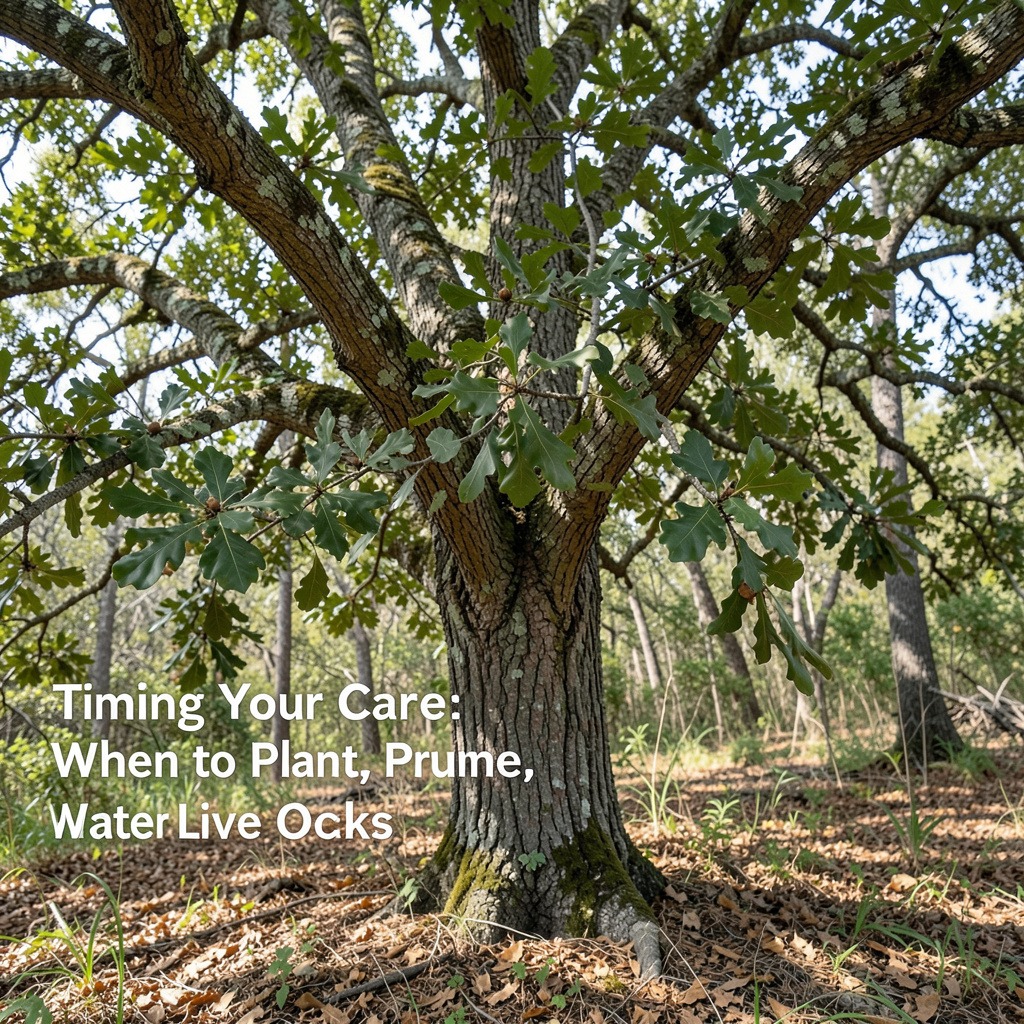
Proper timing is crucial for the care of live oaks. Knowing when to plant, prune, and water ensures these trees thrive throughout their lifespan.
Best Times for Planting Live Oaks
The ideal planting time for live oaks varies by region. Here are general guidelines:
- Warm Climates (e.g., South Florida): Plant in summer when rainfall is abundant.
- Temperate Regions: Fall is typically the best time, allowing roots to establish before winter.
Optimal Pruning Seasons
Pruning live oaks is essential for their structure and health. Follow these pruning schedules:
- Young Trees (0-3 years): Prune annually to shape and strengthen.
- Mature Trees (3-30 years): Prune every five years to maintain structure and remove dead branches.
Pruning should occur during the dormant season, generally late winter or early spring, to minimize stress.
Watering Schedules Throughout the Year
Consistent watering is vital for live oak health. Follow this seasonal schedule:
- Spring: Water deeply once a week as new growth begins.
- Summer: Increase frequency to twice a week during dry spells.
- Fall: Reduce to bi-weekly, allowing the tree to prepare for dormancy.
- Winter: Water only if there’s extended dry weather.
Seasonal Care Checklist
| Season | Activity | Frequency |
|---|---|---|
| Spring | Deep watering | Weekly |
| Summer | Deep watering | Twice weekly |
| Fall | Deep watering | Bi-weekly |
| Winter | Deep watering (if needed) | Monthly (if dry) |
| Young Trees | Pruning | Annually |
| Mature Trees | Pruning | Every five years |
By adhering to these timings, you can establish a solid foundation for your live oak’s growth and longevity.
Comparing Live Oaks to Other Oak Species
Understanding the differences between live oaks and other oak species is crucial for effective care. Each oak type has unique requirements that affect their growth and maintenance.
Characteristics of Other Oak Species
Other oak species, such as red oaks and white oaks, differ significantly from live oaks. Here are key characteristics:
- Growth Habits:
- Live Oaks: Broad, sprawling canopies; evergreen leaves.
- Red Oaks: Fast-growing; lose leaves in winter.
- White Oaks: Slow-growing; sturdy, strong wood.
- Soil Preferences:
- Live Oaks: Tolerate a range of soils but prefer well-drained, sandy soils.
- Red Oaks: Thrive in acidic, moist soils.
- White Oaks: Prefer deep, fertile soils.
- Water Needs:
- Live Oaks: Drought-tolerant once established; require consistent moisture initially.
- Red Oaks: Require regular watering during dry spells.
- White Oaks: Prefer consistent moisture, particularly in spring.
Care Differences Between Live Oaks and Other Oaks
Different oak species demand specific care approaches. Here’s a comparison of their care needs:
| Care Aspect | Live Oaks | Red Oaks | White Oaks |
|---|---|---|---|
| Pruning | Minimal; every 5 years for mature trees | Annual pruning recommended | Prune during dormancy, if necessary |
| Fertilization | Light fertilization; avoid over-fertilizing | Moderate fertilization in spring | Fertilize 1-2 times per year |
| Pest Management | Regular checks for oak wilt and honey fungus | Check for oak leaf blister and caterpillars | Monitor for powdery mildew and leaf spots |
Care Checklist for Live Oaks vs. Other Oaks
- Live Oaks: Focus on deep watering, minimal pruning, and occasional pest management.
- Red Oaks: Implement annual pruning, maintain soil moisture, and monitor for pests regularly.
- White Oaks: Prune as needed, ensure consistent moisture, and check for fungal issues.
By understanding these distinctions, you can tailor your care for live oaks effectively, ensuring their health and vitality.
Alternatives to Live Oaks for Landscaping
When live oaks are not ideal for your landscape or climate, several alternative tree species can provide similar benefits. These alternatives offer varying characteristics that may suit your specific landscaping goals.
Characteristics of Alternative Trees
1. Southern Magnolia (Magnolia grandiflora)
- Evergreen with large, glossy leaves.
- Produces fragrant white flowers.
- Provides excellent shade and aesthetic value.
2. Bald Cypress (Taxodium distichum)
- Deciduous conifer, tolerant of wet conditions.
- Develops distinctive knee-like roots.
- Offers a unique appearance and habitat for wildlife.
3. Red Maple (Acer rubrum)
- Fast-growing with vibrant red foliage in fall.
- Adapts well to various soil types.
- Provides good shade and seasonal interest.
4. River Birch (Betula nigra)
- Tolerates wet soils and urban conditions.
- Features attractive, peeling bark.
- Supports wildlife and enhances biodiversity.
Pros and Cons of Alternative Species
| Tree Species | Pros | Cons |
|---|---|---|
| Southern Magnolia | Year-round greenery, beautiful flowers | Can be messy with leaf drop |
| Bald Cypress | Tolerates flooding, unique appearance | Slower growth rate |
| Red Maple | Fast growth, vibrant fall color | Susceptible to pests and diseases |
| River Birch | Attractive bark, wildlife habitat | Requires consistent moisture |
Decision Framework for Choosing Alternatives
When selecting an alternative tree, consider the following factors:
- Climate Compatibility: Ensure the tree species thrives in your local climate.
- Space Availability: Assess the size of the tree at maturity and the space you have available.
- Maintenance Requirements: Compare the upkeep needs of the tree species, including pruning and watering.
- Aesthetic Goals: Choose trees that align with your desired landscape design and seasonal interest.
By evaluating these aspects, you can identify the most suitable tree species that will meet your landscaping goals effectively while maintaining the spirit of live oak care.
Frequently Asked Questions
These quick answers cover the most common questions about this topic, including key details, practical tips, and common concerns.
What are the common problems for live oaks?
Live oaks can face several issues, including pests, diseases, and environmental stressors. Common pests include the oak leaf roller, southern pine beetle, and lace bugs. They can cause leaf damage or tree decline if not managed promptly.
Diseases like oak wilt and powdery mildew can also affect live oaks. Oak wilt is particularly severe, causing rapid tree decline. Environmental stressors such as drought or soil compaction may lead to poor health, manifested by wilting leaves or reduced growth.
When should you not trim live oaks?
Avoid trimming live oaks during the growing season, especially in late spring and summer. Pruning during this time can stress the tree and make it more susceptible to pests and diseases.
The best time to prune is late winter or early spring, just before new growth starts. This timing helps the tree recover quickly and minimizes the risk of infection.
How do I tell if my live oak tree is dying?
Signs of a dying live oak include wilting leaves, significant leaf drop, and dead branches. If the bark is peeling or there are visible holes, these may indicate pest infestations or disease.
Additionally, if the tree fails to produce new growth during the growing season, it may be in decline. It’s important to assess the tree’s overall health regularly and consult an arborist if you notice concerning symptoms.
What’s the average lifespan of a live oak tree?
Live oaks are known for their longevity, typically living over 100 years. Some specimens can even reach ages of 300 years or more. Their lifespan can be influenced by environmental conditions, care practices, and resilience to pests and diseases.
Proper maintenance, including watering, pruning, and pest management, can help maximize the lifespan of your live oak.
How often should I water my live oak?
Watering frequency for live oaks depends on their age and environmental conditions. Newly planted live oaks should be watered deeply once a week for the first year to establish roots.
Once established, mature live oaks require less frequent watering. During prolonged dry spells, water them every two to four weeks, ensuring the soil remains moist but not soggy.
What are the signs of a healthy live oak?
A healthy live oak exhibits vibrant, dark green leaves, a full canopy, and strong, sturdy branches. The bark should be intact, without significant peeling or holes, and the tree should show consistent growth each season.
Regular leaf drop in fall is normal, but excessive leaf drop during the growing season may indicate stress. Monitoring these signs can help maintain the health of your live oak.
What pests are common to live oaks?
Common pests affecting live oaks include the oak leaf roller, southern pine beetle, and lace bugs. The oak leaf roller creates rolled leaves, while the southern pine beetle can bore into the bark, causing significant damage.
Lace bugs cause yellowing spots on leaves. Regular inspections and prompt treatment can help manage these pests effectively and protect your tree’s health.