
Live oaks grow rapidly in their early years, reaching heights of up to 4 feet in the first year, and can gain 24 inches or more annually under optimal conditions.
Table of Contents
The live oak (Quercus virginiana) is renowned for its rapid growth and majestic stature. Understanding its growth rate is crucial for gardeners and landscape enthusiasts who wish to cultivate a thriving environment for these magnificent trees.
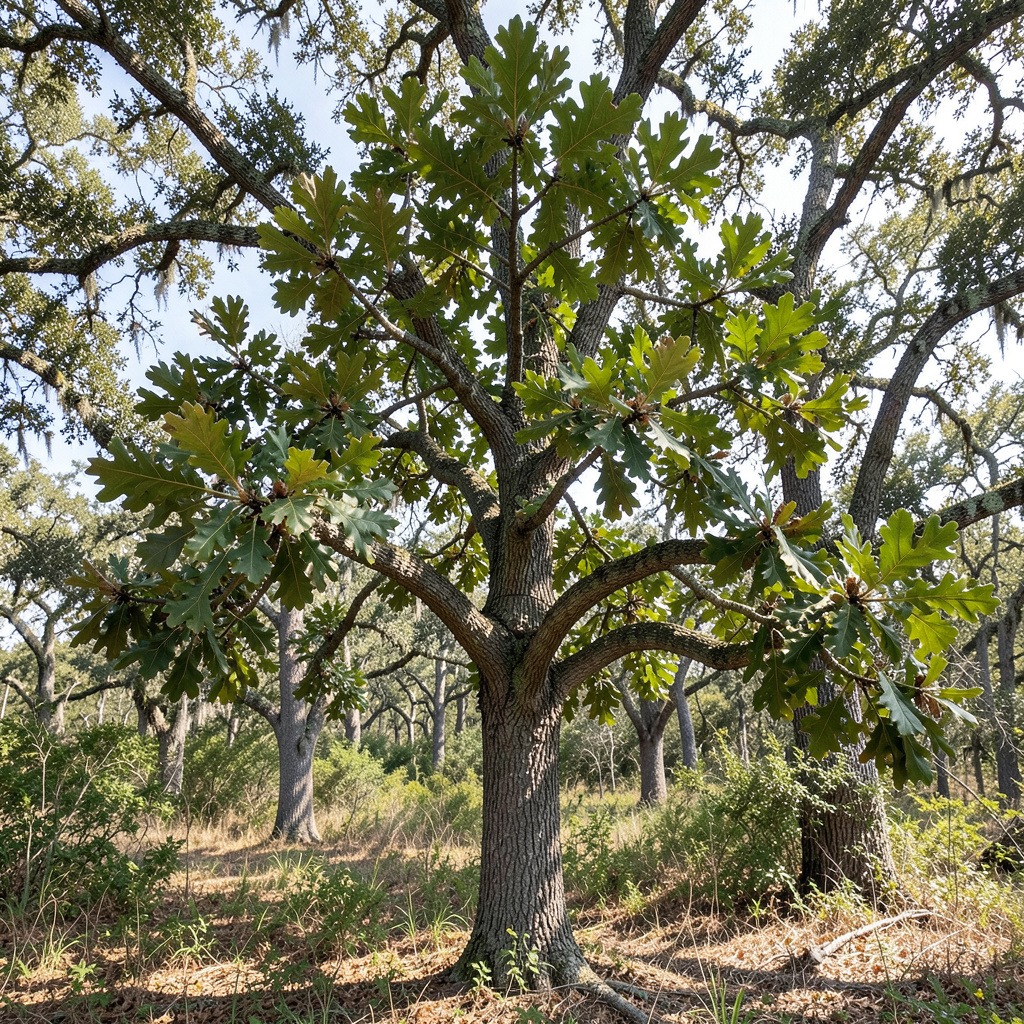
Understanding Live Oak Growth Rates
Live oaks (Quercus virginiana) exhibit impressive growth rates, especially in their early years. Under optimal conditions, these trees can reach remarkable heights swiftly, making them a popular choice for landscaping.
Growth Rate Overview
In the initial stages of life, live oaks can grow up to 4 feet in their first year. Following this rapid start, they typically continue to grow at an annual rate of approximately 24 inches. This vigorous growth is influenced by several key factors.
Factors Influencing Growth Rates
1. Soil Quality: Live oaks thrive in well-drained, loamy soils rich in organic matter. Nutrient-rich soil promotes faster growth.
2. Water Availability: Consistent access to water is crucial. While live oaks are somewhat drought-tolerant, ideal growth occurs with regular moisture.
3. Sunlight Exposure: Full sun is essential for optimal growth. Live oaks prefer locations that offer at least 6 to 8 hours of direct sunlight daily.
4. Age of the Tree: Growth rates are most rapid during the early years. As the tree matures, growth may slow down, often tapering off after the first decade.
Comparative Growth Rates of Oak Species
Understanding how live oaks compare to other oak species helps in planning and care. Here’s a brief comparison of growth rates for selected oak species:
| Oak Species | Average Annual Growth Rate |
|---|---|
| Live Oak | Up to 24 inches |
| Northern Red Oak | Up to 24 inches |
| White Oak | 12 inches |
| English Oak | 18 inches |
Growth Timeline for Live Oaks
- Year 1: Rapid initial growth, potentially reaching 4 feet.
- Years 2-5: Continued growth of about 24 inches per year under favorable conditions.
- Years 6-10: Growth may stabilize, averaging 12-18 inches annually as the tree matures.
By understanding the growth rates of live oaks and the factors that affect them, gardeners and landscapers can better plan for the cultivation and maintenance of these magnificent trees.
Factors Influencing Live Oak Growth
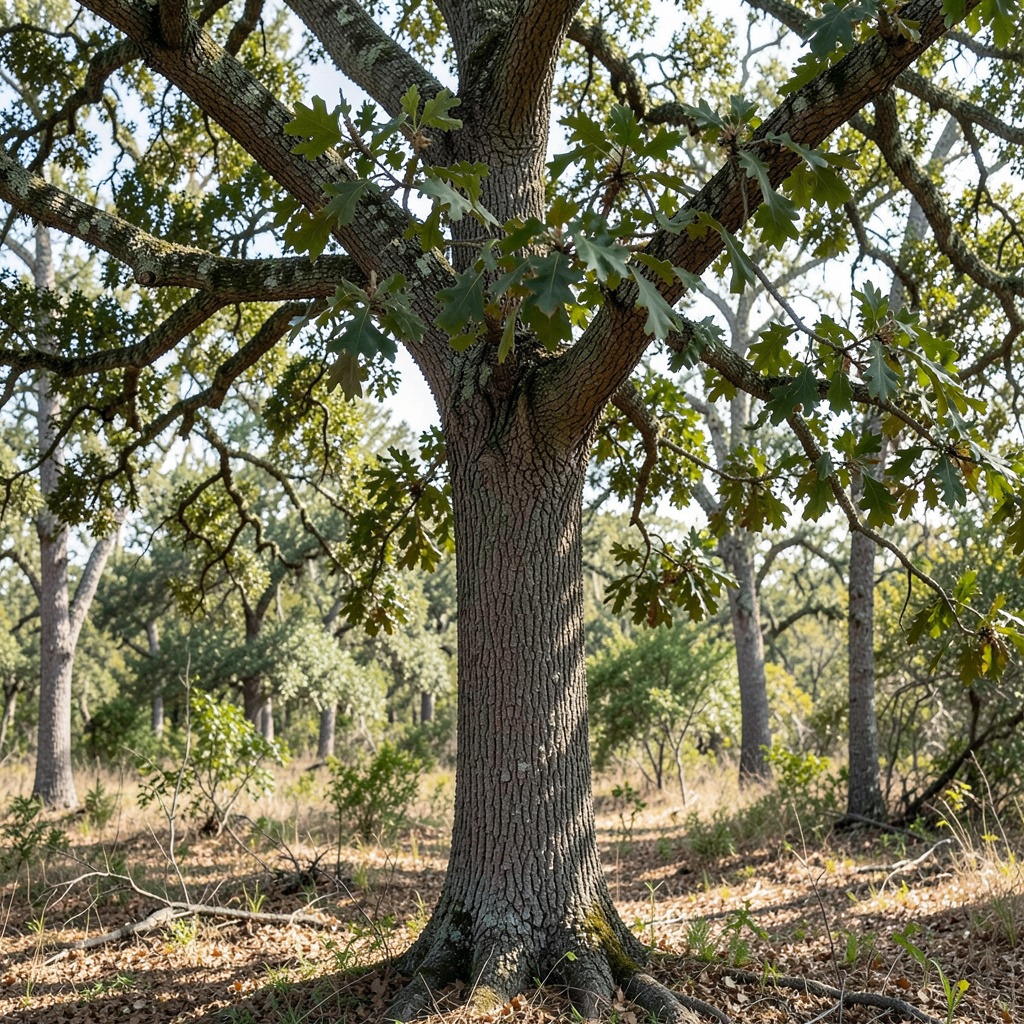
The growth rate of live oaks is influenced by several key environmental factors. Understanding these elements helps ensure optimal conditions for healthy development.
Soil Quality and Its Role
Soil quality is paramount in determining the growth rate of live oaks. They thrive in well-drained, loamy soils rich in organic matter. Key aspects include:
- Nutrient Content: Rich soil promotes faster growth. Nutrient deficiencies can lead to stunted development.
- Drainage: Poorly drained soils can cause root rot, significantly hindering growth rates.
- Compaction: Compacted soil restricts root expansion, limiting nutrient and water uptake.
A decision framework for planting includes testing soil quality prior to planting. Choose sites with loamy, well-aerated soils to enhance growth rates.
Sunlight and Water Requirements
Both sunlight and water are crucial for the healthy growth of live oaks. Here’s a breakdown of their importance:
- Sunlight Exposure: Live oaks prefer full sun. Aim for at least 6-8 hours of direct sunlight daily for optimal growth.
- Water Availability: Young live oaks require consistent moisture to establish roots. While mature trees are more drought-tolerant, they still need regular watering during dry spells.
In practice, ensure that your planting site receives adequate sunlight and is accessible to a reliable water source.
Age and Growth Dynamics
The age of a live oak significantly influences its growth rate. Young trees tend to grow faster than mature ones. Key points to consider:
- Early Growth: In their first year, live oaks can grow up to 4 feet under ideal conditions.
- Maturity Impact: As trees mature, growth rates usually stabilize to 12-18 inches per year.
When planning for live oak cultivation, recognize that younger trees will require different care than older specimens, particularly in terms of watering and soil nutrients.
Additional Considerations
Competition from nearby plants can also hinder live oak growth. Ensure clear space around the tree to minimize competition for resources. This will promote better growth rates and overall tree health.
Care Tips for Promoting Fast Growth
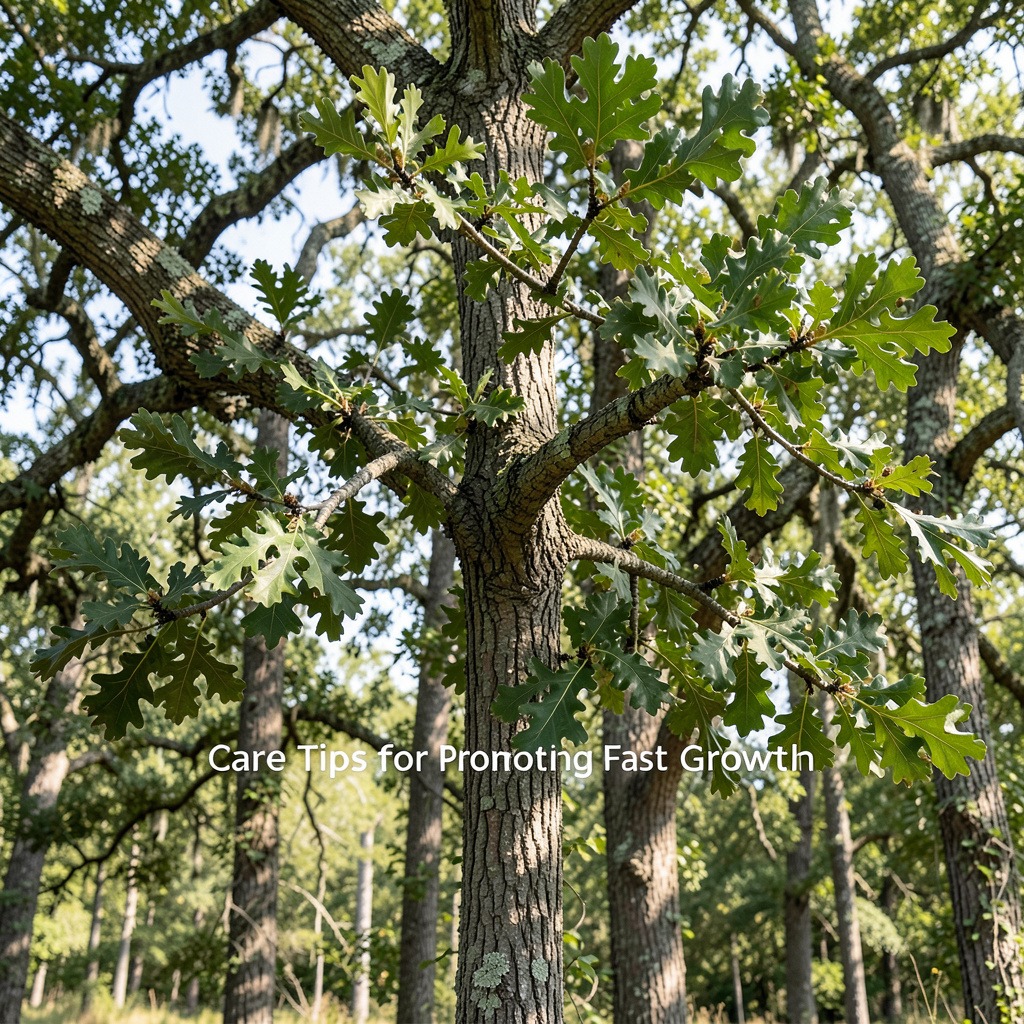
To optimize the growth rate of live oaks, specific care techniques are essential. Proper watering, mulching, and fertilization play crucial roles in ensuring robust growth during the tree’s early years and beyond.
Watering Strategies for Young Oaks
Young live oaks require consistent watering to establish a strong root system. Here are effective strategies:
- Frequency: Water deeply once a week during dry spells.
- Amount: Apply 10-15 gallons per session, ensuring moisture reaches the root zone.
- Time: Water in the early morning to minimize evaporation.
Mulching and Soil Health
Mulch conserves moisture and improves soil health. Follow these guidelines:
- Type of Mulch: Use organic mulch, such as wood chips or bark.
- Depth: Apply a 2-4 inch layer around the base, avoiding direct contact with the trunk.
- Benefits: Mulch regulates soil temperature and suppresses weeds, promoting faster growth.
Fertilization Practices
Fertilization enhances nutrient availability for live oaks. Consider these practices:
- Timing: Fertilize in early spring as the tree begins to grow actively.
- Type of Fertilizer: Use a balanced, slow-release fertilizer with equal parts nitrogen, phosphorus, and potassium.
- Application: Follow the manufacturer’s recommendations for dosage, typically around 1 pound per inch of trunk diameter.
Checklist for Maintaining Live Oaks
To encourage rapid growth, follow this checklist based on the tree’s growth stages:
- Young Oaks (0-3 years):
- Water weekly, especially in summer.
- Mulch appropriately.
- Apply fertilizer in spring.
- Mature Oaks (4+ years):
- Water as needed, focusing on drought periods.
- Refresh mulch annually.
- Fertilize every 2-3 years, if soil tests indicate nutrient deficiency.
By adhering to these care tips, you can significantly enhance the growth rate and overall health of your live oak trees.
Common Issues with Live Oaks
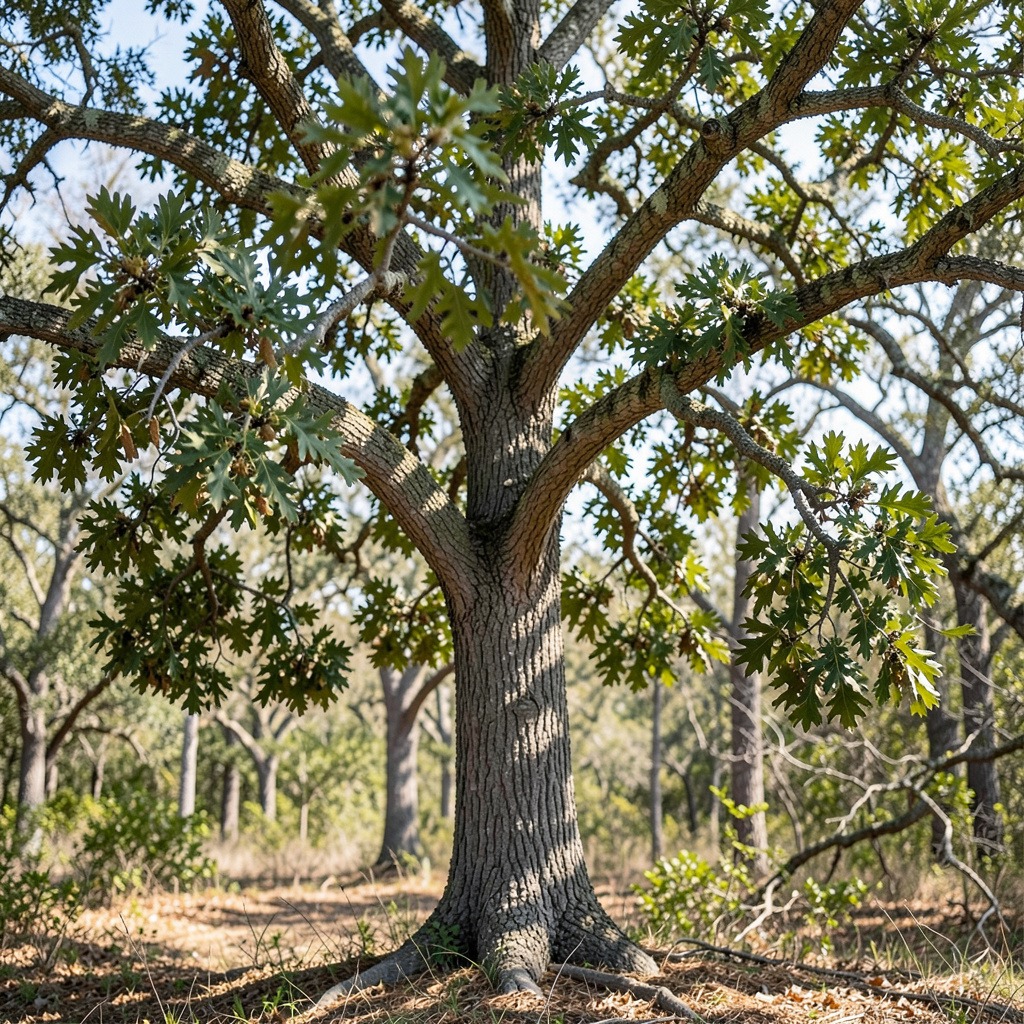
Live oaks, while resilient and beautiful, can face several challenges that affect their growth rate and overall health. These challenges include pests, diseases, and environmental stressors that require careful management.
Pests and Diseases
Live oaks are susceptible to various pests and diseases that can hinder their growth. Common issues include:
- Oak Wilt: This fungal disease can kill trees rapidly and is spread by beetles. Early detection is crucial for management.
- Leaf Scorch: Caused by environmental stress, it leads to brown leaf edges and can weaken the tree.
- Bark Beetles: These insects bore into the bark, disrupting nutrient flow and potentially leading to tree decline.
Environmental Stress Factors
Environmental conditions significantly impact live oak growth. Key stressors include:
- Drought: Insufficient water can stunt growth and make trees more vulnerable to disease. Regular monitoring and watering during dry spells are essential.
- Soil Quality: Poorly drained or depleted soils can reduce nutrient availability and affect growth rates. Conducting soil tests can help identify deficiencies.
- Sunlight: Live oaks thrive in full sun. Insufficient sunlight can lead to weakened growth and increased susceptibility to pests.
Mitigating Common Issues
To ensure healthy growth and mitigate potential problems, consider the following strategies:
- Regular Inspections: Monitor your live oaks for signs of pests and diseases. Early intervention can prevent larger issues.
- Soil Management: Maintain rich, well-drained soil through composting and mulching. This improves nutrient availability and moisture retention.
- Watering Schedule: Establish a consistent watering routine, especially during hot months. Deep watering encourages deep root growth.
By understanding these common issues and implementing proactive measures, you can support the healthy growth of your live oaks.
Conclusion: The Value of Live Oaks
Cultivating live oaks offers significant ecological and aesthetic benefits. Their robust growth and longevity make them an excellent choice for landscape design and environmental health.
Ecological Benefits of Live Oaks
Live oaks play a crucial role in supporting local ecosystems. They provide habitat and food for various wildlife, including birds, insects, and mammals. For example, a mature live oak can support hundreds of species, enhancing biodiversity in your landscape.
- Carbon Sequestration: Live oaks absorb carbon dioxide, helping to mitigate climate change.
- Soil Health: Their extensive root systems improve soil structure and prevent erosion.
- Stormwater Management: Live oaks reduce runoff by absorbing rainwater, promoting groundwater recharge.
Aesthetic Value in Landscape Design
Live oaks add visual interest and character to any landscape. Their broad canopies and unique shapes create inviting outdoor spaces.
- Shade Provision: They offer significant shade, reducing energy costs for nearby structures.
- Year-Round Appeal: With their evergreen leaves, live oaks maintain a lush appearance throughout the year.
Long-Term Considerations for Planting Live Oaks
When planning to plant live oaks, consider the following factors for optimal growth:
- Soil Quality: Ensure well-drained soil rich in organic matter.
- Sunlight Requirements: Live oaks thrive in full sun but can tolerate partial shade.
- Water Availability: Establish a consistent watering routine, especially during their formative years.
In summary, the ecological and aesthetic contributions of live oaks make them invaluable. Their growth rate and overall health depend on careful consideration of environmental conditions and proper care.
Frequently Asked Questions
These quick answers cover the most common questions about this topic, including key details, practical tips, and common concerns.
How tall will a live oak grow in 10 years?
In optimal conditions, a live oak can reach heights of 20 to 30 feet in 10 years. Their growth is rapid during the early years, often exceeding 24 inches annually. However, growth may slow down as the tree matures, averaging around 12 to 18 inches per year after the first decade.
What are the disadvantages of having a live oak tree?
While live oaks are beautiful and provide ecological benefits, they do have disadvantages. They can grow large, which may not be suitable for small yards. Their extensive root systems can damage sidewalks and foundations if planted too close to structures. Additionally, they are susceptible to certain pests and diseases, such as oak wilt and bark beetles.
How to get a live oak to grow fast?
To promote faster growth of live oaks, ensure they are planted in well-drained, nutrient-rich soil. Regular watering, especially in the first few years, is crucial. Applying a balanced fertilizer in early spring can provide the necessary nutrients for optimal growth. Additionally, ensure the tree receives full sunlight for at least 6 to 8 hours a day.
How big is a 20-year-old oak tree?
A 20-year-old live oak can typically reach heights of 40 to 60 feet, depending on growth conditions. The trunk diameter may range from 12 to 24 inches. Factors such as soil quality, water availability, and sunlight exposure play a significant role in determining the size of the tree at this age.
What factors affect the growth rate of live oaks?
Several factors influence the growth rate of live oaks, including soil quality, water availability, and sunlight exposure. Well-drained, loamy soils rich in organic matter promote faster growth. Consistent moisture is essential, especially for young trees. Additionally, live oaks thrive in full sun, requiring at least 6 to 8 hours of direct sunlight daily.
How long does it take for a live oak to mature?
Live oaks typically take 20 to 30 years to reach maturity, although they can start producing acorns as early as 10 years old. During their early years, they experience rapid growth, but their growth rate stabilizes as they age. Mature live oaks can live for several centuries, contributing to their long-term ecological benefits.
What are the best conditions for planting a live oak?
The best conditions for planting a live oak include well-drained, loamy soil rich in organic matter. They prefer full sun, so choose a location that receives at least 6 to 8 hours of direct sunlight daily. Regular watering during the first few years is crucial for establishing a strong root system. It’s also important to avoid areas with poor drainage to prevent root rot.
Can live oaks be grown in pots?
While live oaks can be started in pots, they are not ideal for long-term growth in containers due to their large size and extensive root systems. If grown in pots, select a large container and ensure it has adequate drainage. However, for optimal growth and health, it’s best to plant live oaks directly in the ground as they mature quickly and need ample space for their roots.