
To identify a live oak, look for its leathery, dark green leaves, sprawling branches, and dark acorns.
Table of Contents
Identifying live oaks is essential for nature enthusiasts and gardeners alike. This guide provides a detailed overview of the distinctive features, ecological significance, and practical tips for recognizing live oak trees in your area.
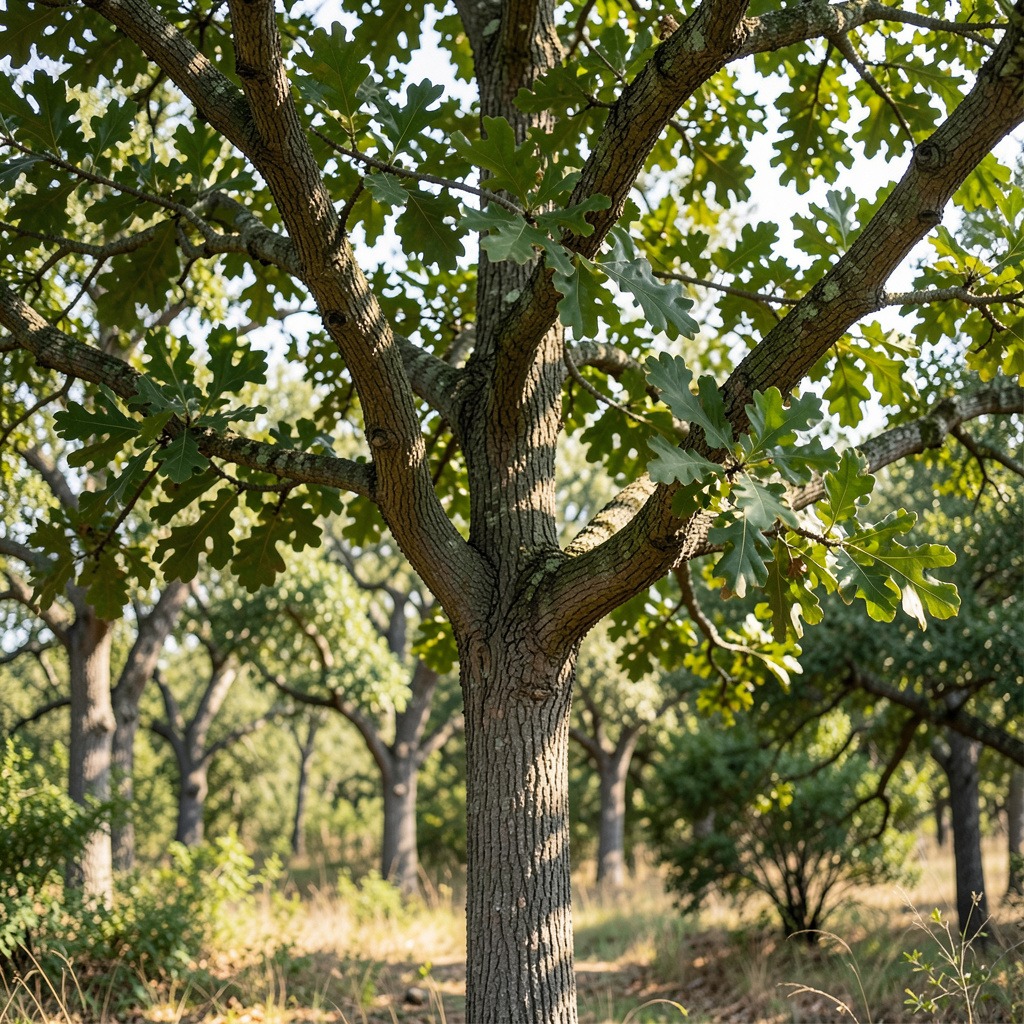
Key Characteristics of Live Oak Trees
Live oaks, scientifically known as Quercus virginiana, possess distinct features that aid in their identification. Understanding these key characteristics will enable you to recognize live oaks confidently.
Leaf Characteristics
Live oak leaves are one of their most recognizable features. Here are their defining traits:
- Shape: The leaves are oval to oblong, typically measuring 2 to 5 inches long.
- Texture: They have a thick, leathery texture that feels sturdy to the touch.
- Color: The upper surface is a glossy dark green, while the underside is a lighter green, often with fine hair.
- Arrangement: Leaves are arranged alternately on branches, contributing to the tree’s dense canopy.
- Seasonality: Unlike many deciduous trees, live oaks retain their leaves year-round, making them an evergreen species.
Bark Texture
The bark of live oaks provides another identifying feature:
- Young Bark: Initially reddish-brown with narrow vertical furrows.
- Mature Bark: As the tree ages, the bark darkens to gray, becoming thick and scaly with deep grooves.
- Branch Texture: The branches are pale gray and covered in short hairs, adding to the overall texture of the tree.
Acorn Features
Live oak acorns are another critical aspect of identification:
- Shape: Acorns are egg-shaped and typically measure about 1 inch (2.5 cm) long.
- Color: They range from dark brown to black.
- Cap Characteristics: The acorn caps are bowl-shaped, covered in small, pointed scales, and usually cover about one-third of the nut.
- Cluster Growth: Acorns grow in clusters of one to five, making them easy to spot during the fall season.
Quick Reference Checklist for Identification
- Leaves: Oval, leathery, dark green on top, lighter underneath.
- Bark: Reddish-brown when young, turning gray and scaly when mature.
- Acorns: Egg-shaped, dark brown to black, with scaly caps.
By using these features for identification, you can confidently distinguish live oaks from other oak species. Remember to observe the overall structure, as live oaks have a broad, spreading crown that adds to their majestic appearance.
Ecological Importance of Live Oaks
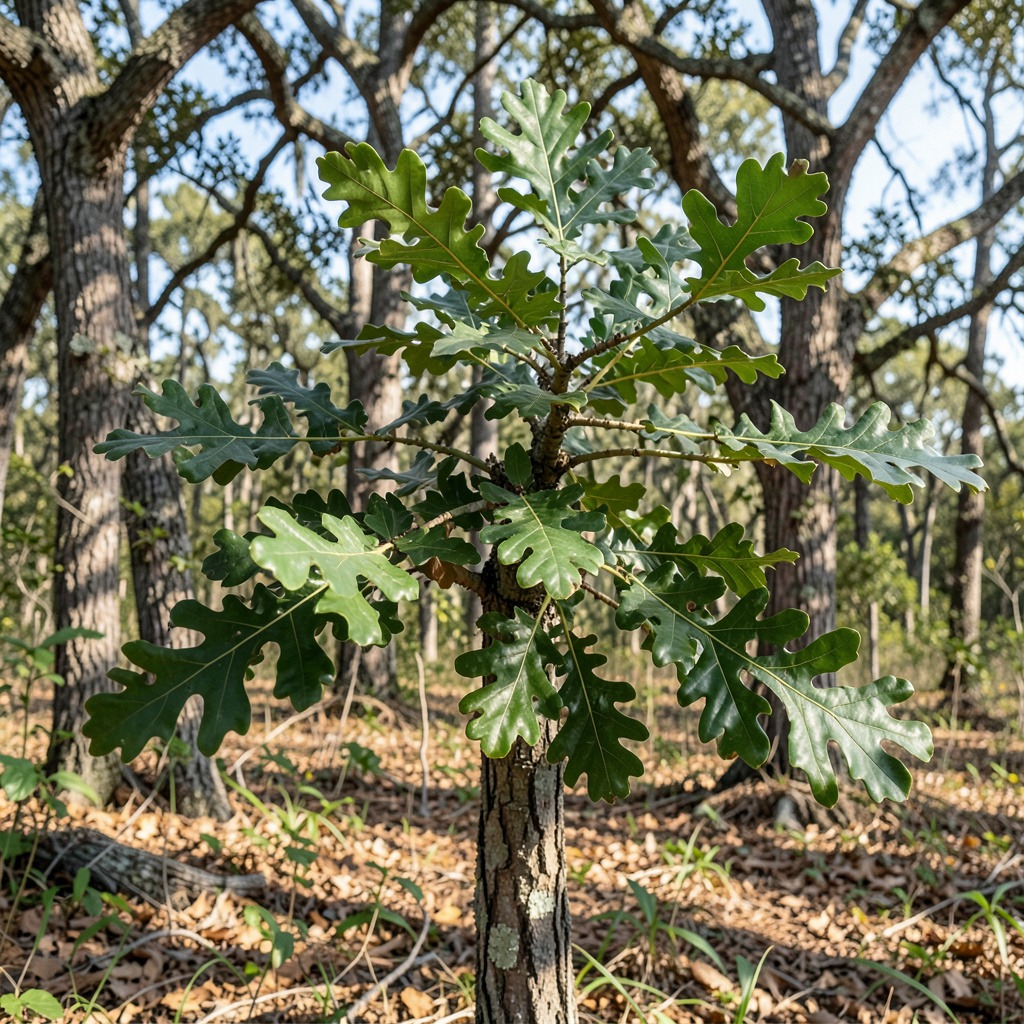
Live oaks play a crucial role in their ecosystems. They provide habitat and food for various wildlife species, contributing to biodiversity and environmental stability.
Habitat for Wildlife
Live oaks serve as a vital habitat for many animals. Their sprawling branches create shelter and nesting sites. Birds, squirrels, and insects thrive in these environments. For example:
- Birds: Species like the Eastern Bluebird and the Red-shouldered Hawk nest in live oaks.
- Mammals: Squirrels and raccoons find food and shelter in their branches.
- Insects: Many insect species depend on live oaks for sustenance and refuge.
Role in Soil Conservation
Live oaks contribute positively to soil health. Their extensive root systems prevent erosion by stabilizing the soil. They also enhance soil fertility by:
- Adding organic matter through leaf litter, which decomposes and enriches the soil.
- Improving water retention, benefiting surrounding plants.
Importance in Local Ecosystems
Live oaks support local ecosystems in multiple ways. They create microclimates that benefit other plant species. Their presence can enhance biodiversity by fostering a variety of life forms. Notably:
- Acorns: The acorns produced by live oaks serve as a food source for wildlife, including deer and birds.
- Fungi: Live oaks often engage in symbiotic relationships with mycorrhizal fungi, which improve nutrient uptake for both the tree and surrounding flora.
By understanding the ecological significance of live oaks, you can appreciate their role in maintaining healthy environments. Recognizing these trees can help you identify their contributions to local wildlife and ecosystems.
Common Mistakes in Identifying Live Oaks
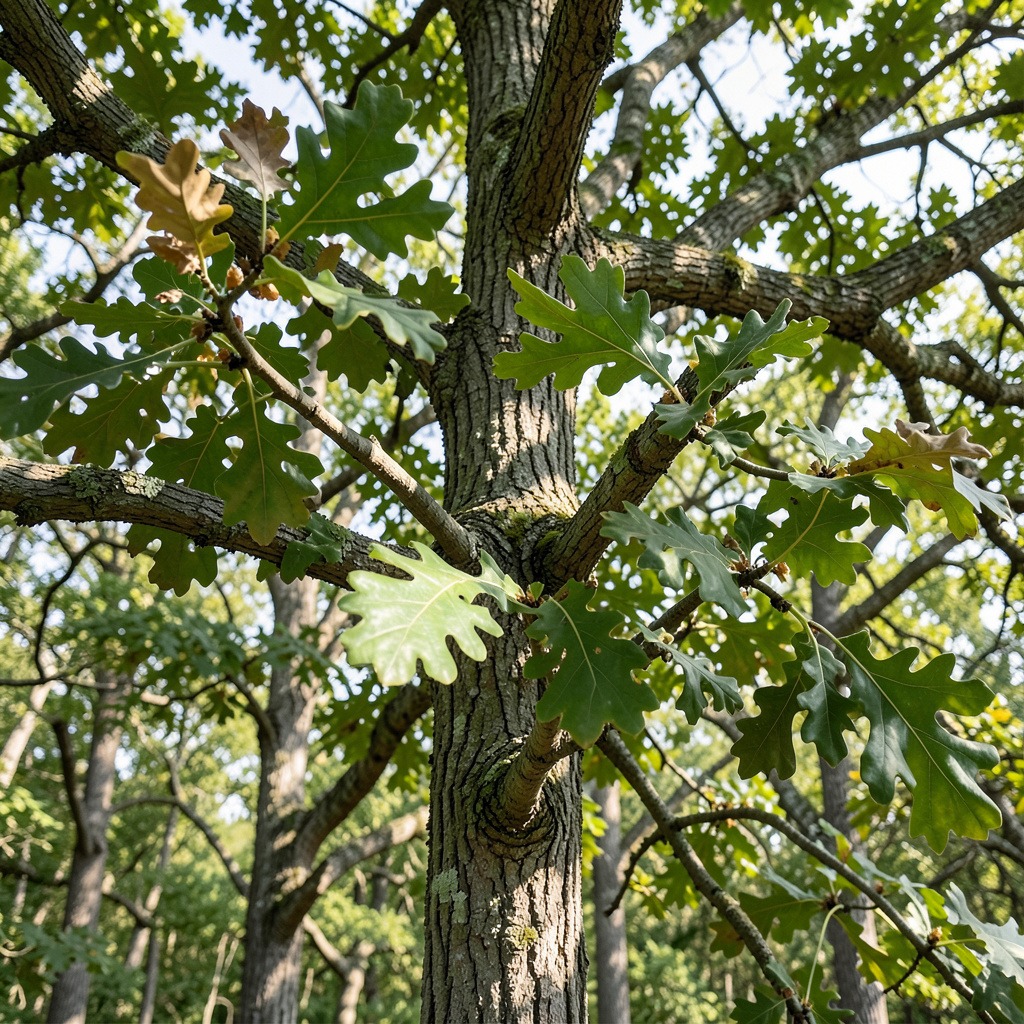
Identifying live oaks can be challenging, especially for those unfamiliar with their characteristics. Misidentification often occurs due to confusion with similar species and environmental factors.
Confusing Species
Live oaks may be mistaken for other oak species, such as the Southern red oak or the post oak. Here are key differences to consider:
| Feature | Live Oak (Quercus virginiana) | Southern Red Oak (Quercus falcata) | Post Oak (Quercus stellata) |
|---|---|---|---|
| Leaves | Leathery, lance-shaped | Lobed, pointed edges | Cross-shaped lobes |
| Bark | Dark brown, furrowed | Light gray, scaly | Pale, smooth |
| Acorns | Black, scaly cap | Rounded, larger | Small, rounded |
| Growth Habit | Spreading, gnarled branches | Tall, upright | Short, wide crown |
To avoid confusion, focus on the leaf shape and acorn characteristics. Live oaks have distinct, leathery leaves, setting them apart from their relatives.
Environmental Influences
Environmental conditions can also affect the appearance of live oaks. Factors such as soil quality, moisture levels, and local climate can alter growth patterns. For instance:
- Soil Type: Live oaks thrive in well-drained soils. In poor soil, they may appear stunted.
- Moisture Levels: Drought conditions can lead to leaf drop, making identification more difficult.
- Growth Space: Trees in crowded areas may have less spreading branches compared to those with ample space.
Understanding these influences helps in recognizing true live oaks.
Seasonal Changes
Live oaks are evergreen, retaining leaves throughout the year. However, seasonal changes can impact their appearance:
- Spring: Fresh, green leaves emerge; acorns develop.
- Summer: Dense foliage provides shade; leaves may appear darker.
- Fall/Winter: While some leaves may drop in extreme droughts, most remain green, unlike deciduous oaks.
Being aware of these seasonal characteristics is essential for accurate identification. If you’re unsure, observe the tree at different times of the year to gauge its true form.
Historical and Cultural Significance of Live Oaks
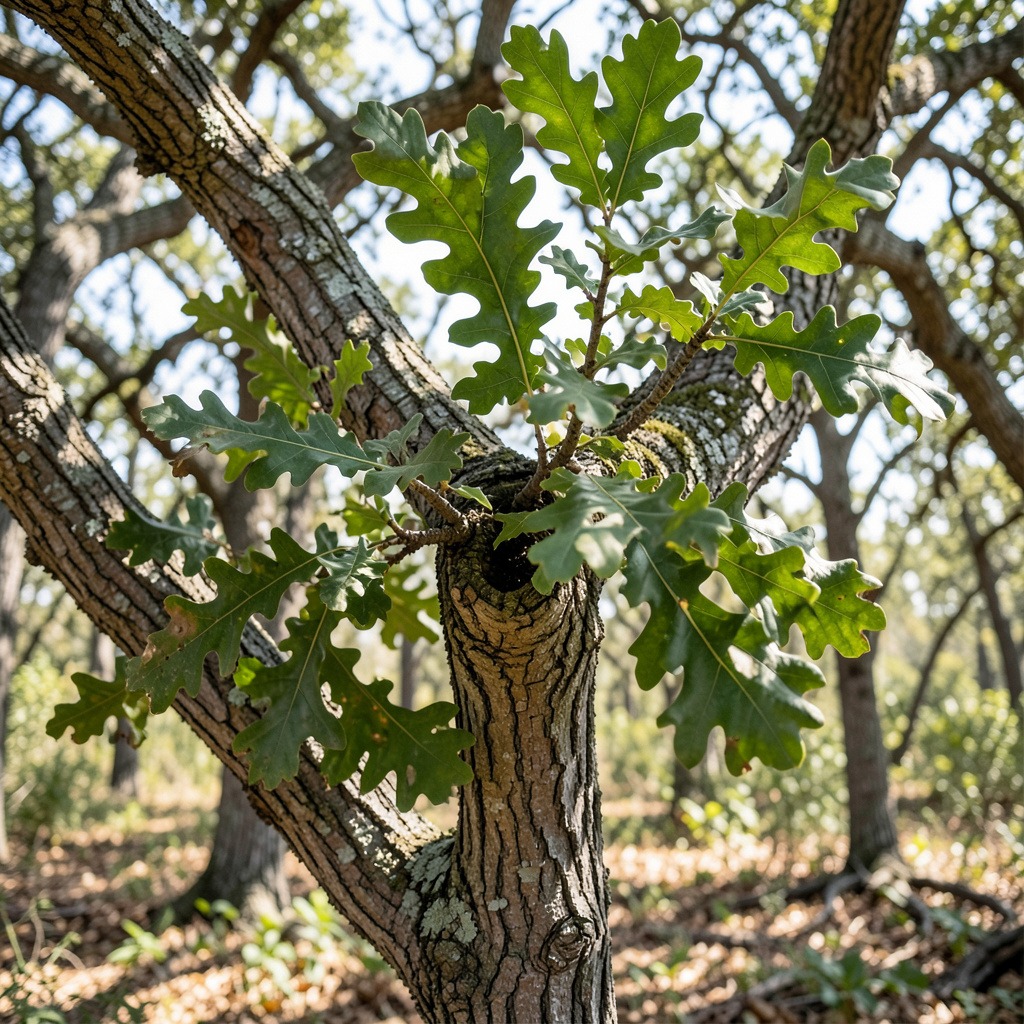
Live oaks have played a crucial role in both landscaping and architecture throughout history. Their majestic presence and resilience have made them symbols of strength and longevity.
Uses in Landscaping
Live oaks are popular in landscaping due to their expansive canopy and evergreen foliage. They provide ample shade and serve as focal points in gardens and parks. Here are some key benefits:
- Shade: Their broad branches offer significant coverage, making them ideal for outdoor spaces.
- Aesthetic Appeal: The unique shape and texture of live oaks enhance the beauty of landscapes.
- Wildlife Habitat: They support various wildlife, providing food and shelter.
Historical Significance
Historically, live oaks have been vital in different cultures. Native Americans revered them for their strength and as sources of food. In the Southern United States, they symbolize resilience and endurance. Notably, live oak wood was used in shipbuilding, including the USS Constitution, known as “Old Ironsides.” This vessel’s sturdy construction, partly from live oak, showcased the tree’s exceptional durability.
Symbolism in Literature
Live oaks frequently appear in literature as symbols of endurance and stability. Authors often depict them as guardians of the landscape, representing strength against adversity. For instance, in Southern Gothic literature, live oaks embody the deep-rooted history and cultural identity of the region. Their presence evokes a sense of nostalgia and connection to the past, enriching narratives with layers of meaning.
By understanding the cultural significance of live oaks, one can appreciate their role not just as trees but as living symbols deeply intertwined with history and identity.
Practical Tips for Planting and Caring for Live Oaks
Planting and caring for live oaks requires attention to their specific needs to ensure healthy growth. This section provides actionable tips for choosing the right location, soil requirements, and maintenance practices.
Choosing the Right Location
Select a planting site that receives full sunlight. Live oaks thrive best in open areas where they can receive at least six hours of direct sunlight daily. Consider proximity to structures and other trees to allow for their expansive canopy growth.
Soil and Watering Needs
Live oaks adapt to various soil types, but well-draining soil is essential. Aim for:
- Soil Type: Loamy or sandy soils are ideal. However, live oaks can tolerate clay and slightly acidic or alkaline conditions.
- Watering: Water young saplings daily for the first two weeks after planting. After that, water weekly for the first three years, except during winter when they need no additional water.
Maintenance Practices
Regular maintenance enhances the health and longevity of live oaks. Follow this checklist:
1. Pruning: Prune in late winter to shape young trees and remove any dead or diseased branches.
2. Mulching: Apply a 2-3 inch layer of mulch around the base to conserve moisture and suppress weeds.
3. Fertilization: Generally, live oaks do not require fertilizer. However, if growth appears stunted, a balanced fertilizer can be applied in early spring.
By following these practical care tips, you can cultivate robust live oaks that thrive in your landscape.
Frequently Asked Questions
These quick answers cover the most common questions about this topic, including key details, practical tips, and common concerns.
How do I tell if my tree is a live oak?
To determine if your tree is a live oak (Quercus virginiana), look for its key features. Live oaks have thick, leathery leaves that are dark green on top and lighter underneath. Their leaves are oval to oblong, measuring 2 to 5 inches long. Additionally, the bark is dark gray and scaly, with deep grooves as the tree matures. Finally, check for acorns that are egg-shaped, dark brown to black, and grow in clusters.
Is there a difference between an oak tree and a live oak tree?
Yes, there are differences. While all live oaks are oak trees, not all oak trees are live oaks. Live oaks are evergreen, retaining their leaves year-round, unlike many other oak species that are deciduous. Additionally, live oaks have distinct leaf shapes and thicker bark compared to other oaks, such as the Southern red oak or the white oak, which have lobed leaves and different bark textures.
What are the distinctive features of live oaks?
Distinctive features of live oaks include their broad, spreading crown and dense canopy. The leaves are leathery and dark green, while the bark is thick and scaly. Live oaks also produce acorns that are smaller and darker than those of many other oak species. Their growth habit is unique, often appearing gnarled and sprawling, especially in coastal regions where they may be draped with Spanish moss.
When is the best time to identify live oaks?
The best time to identify live oaks is during the spring and summer months when their leaves are fully developed and the acorns are visible. Observing them in different seasons can also help; in winter, live oaks retain their leaves, while deciduous oaks will be bare. If you’re in a region where live oaks grow, late summer is ideal for spotting their acorns, which can help with identification.
Are live oaks suitable for urban landscaping?
Yes, live oaks are suitable for urban landscaping. They provide ample shade and have a majestic appearance, making them popular choices for parks and large gardens. However, it’s essential to consider their size; live oaks can grow quite large and require space for their sprawling branches. They also adapt well to various soil types, though well-drained soil is preferred.
What is the lifespan of a live oak tree?
Live oaks are known for their longevity, often living for several hundred years. Some trees can reach ages of 300 years or more under optimal conditions. Their robust nature and ability to thrive in various environments contribute to their long lifespan, making them a valuable addition to landscapes and ecosystems alike.
How can I differentiate between a live oak and a regular oak?
To differentiate a live oak from other oak species, focus on the leaves and growth habit. Live oaks have leathery, dark green leaves that remain on the tree year-round. In contrast, many other oaks have lobed leaves that change color and fall in autumn. Additionally, live oaks typically have a broad, spreading crown, while other oaks may grow taller and more upright.
Can live oaks grow in different soil types?
Yes, live oaks can grow in various soil types, including sandy, loamy, and even slightly clayey soils. They prefer well-drained soil but can tolerate a range of conditions. However, poor drainage can lead to stunted growth. Ensure the planting site has good drainage to promote healthy development and longevity.