
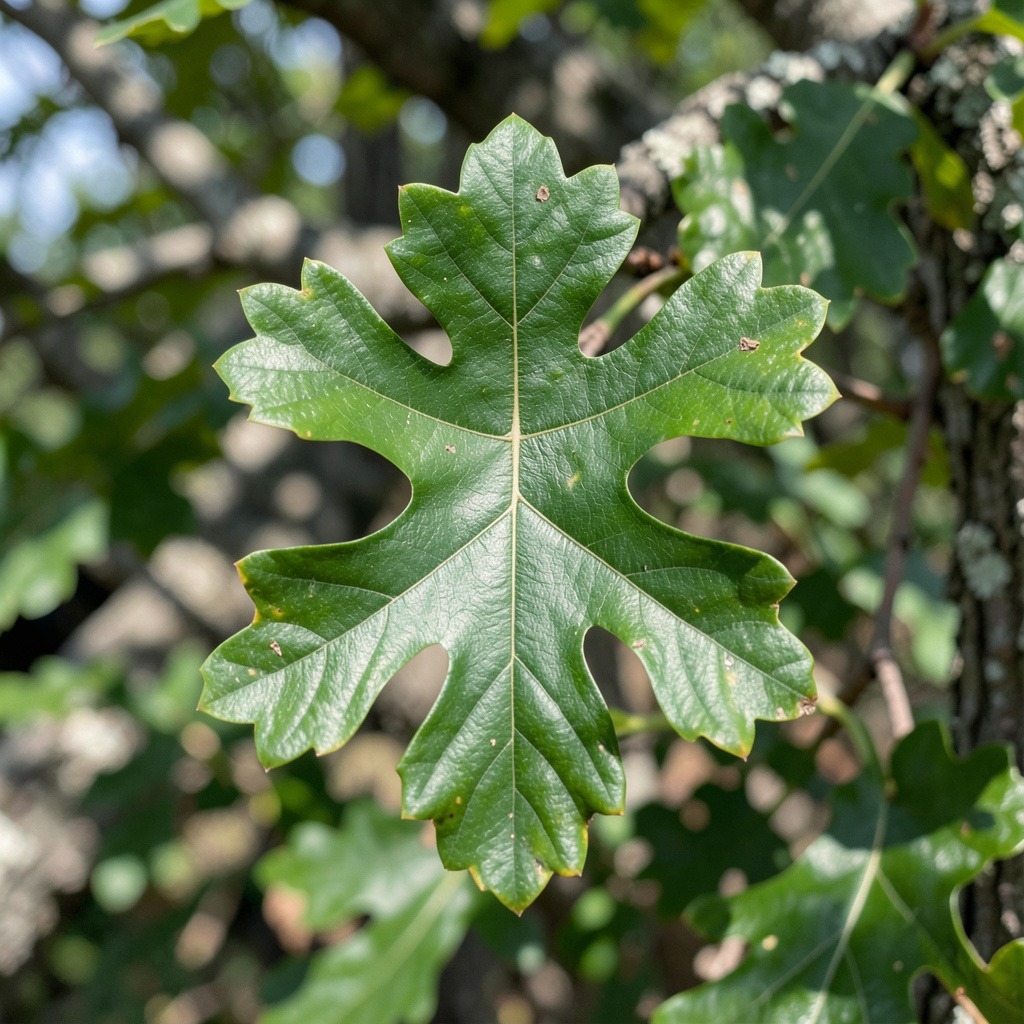
Live oak leaves, typically leathery and dark green, are evergreen, remaining on the tree throughout most of the year.
Table of Contents
Live oak leaves are distinctive and play a vital role in identifying this iconic tree species. Understanding their characteristics helps in recognizing live oaks in various landscapes, contributing to their appreciation for ecological and cultural significance.
Key Characteristics of Live Oak Leaves
Live oak leaves are unique and essential for identifying the live oak tree, specifically Quercus virginiana. Understanding their characteristics aids in distinguishing them from other oak varieties.
Shape and Size of Live Oak Leaves
Live oak leaves are typically oblong to elliptical in shape. They measure between 2 to 5 inches (5 to 13 cm) in length and up to 1.5 inches (4 cm) in width. Unlike many deciduous oaks, live oak leaves lack pronounced lobes, featuring smooth edges instead. This distinctive shape sets them apart from other oak species, which often have deeply lobed or serrated leaves.
Leaf Texture and Color
The texture of live oak leaves is leathery and glossy. The upper surface is dark green and shiny, while the underside presents fine grayish hairs. This contrast enhances their identification. The leaves remain evergreen, providing year-round foliage that is critical for the tree’s ecosystem.
Seasonal Changes in Live Oak Leaves
Live oak leaves undergo minimal seasonal change compared to deciduous oaks. They retain their dark green appearance throughout the year, only shedding a portion in late winter or early spring. This characteristic helps maintain the tree’s ecological function in its habitat, providing shelter and food for various wildlife even in cooler months.
Identification Tips for Live Oak Leaves
- Shape: Look for smooth-edged, oblong leaves without deep lobes.
- Size: Measure the leaf length (2-5 inches) and width (up to 1.5 inches).
- Texture: Check for the leathery feel and glossy upper surface.
- Color: Observe the dark green color, which remains consistent throughout the year.
These defining features will aid in accurately identifying live oak leaves in various environments.
Differences Between Live Oak and Other Oak Leaves
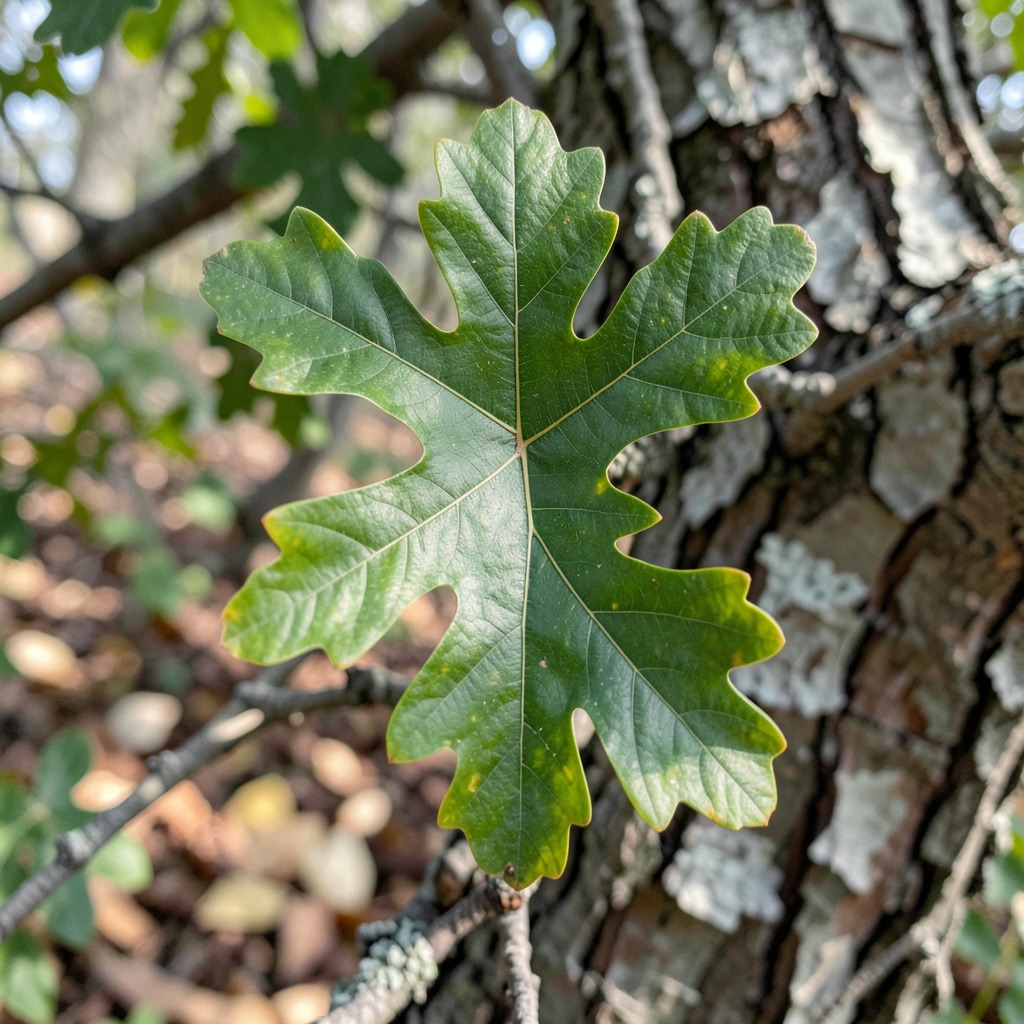
Live oak leaves differ significantly from those of other oak species, particularly red oaks and white oaks. Understanding these differences can enhance identification and appreciation of these trees.
Identifying Features of Red Oak Leaves
- Shape: Red oak leaves have sharp, pointed lobes.
- Size: They typically measure 5-9 inches in length.
- Texture: The leaves are smooth and somewhat glossy.
- Color: The upper surface is dark green, while the underside is lighter.
Identifying Features of White Oak Leaves
- Shape: White oak leaves feature rounded lobes, which can be deep or shallow.
- Size: They are generally 5-9 inches long, similar to red oaks.
- Texture: The leaves have a softer feel than red oak leaves.
- Color: The upper side is dark green, and the underside is a lighter shade.
Key Differences in Leaf Structure and Function
| Feature | Live Oak Leaves | Red Oak Leaves | White Oak Leaves |
|---|---|---|---|
| Lobe Structure | Smooth edges, no lobes | Pointed lobes | Rounded lobes |
| Leaf Size | 2-5 inches long, up to 1.5 inches wide | 5-9 inches long | 5-9 inches long |
| Leaf Texture | Leathery, glossy | Smooth, glossy | Softer texture |
| Color | Dark green all year | Dark green above, lighter below | Dark green above, lighter below |
| Ecological Role | Provides year-round habitat | Seasonal habitat | Seasonal habitat |
Common Mistakes in Identifying Live Oaks
1. Assuming Leaf Shape: Confusing smooth-edged live oak leaves with lobed leaves of red or white oaks.
2. Misjudging Size: Underestimating the smaller size of live oak leaves compared to other oaks.
3. Ignoring Leaf Texture: Overlooking the leathery texture unique to live oaks.
By recognizing these distinct characteristics, you can accurately identify live oak leaves and distinguish them from red and white oaks.
Cultural and Ecological Importance of Live Oaks
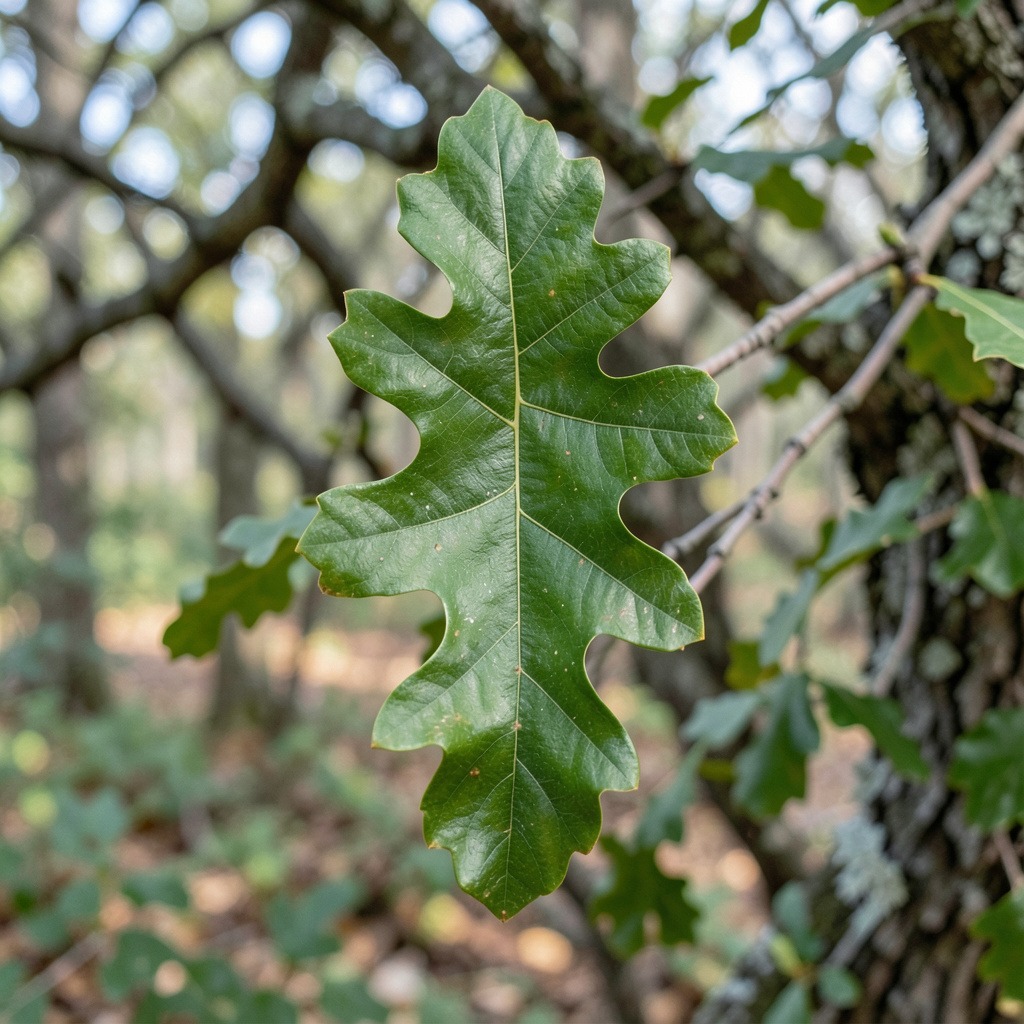
Live oaks hold significant cultural and ecological roles in their native environments. Their majestic presence and unique characteristics make them vital to both human history and local ecosystems.
Historical Significance of Live Oaks
Live oaks, particularly the southern live oak (Quercus virginiana), have deep roots in American history. These trees were essential to shipbuilding in the 18th and 19th centuries. The USS Constitution, famously known as “Old Ironsides,” incorporated live oak wood. This strong timber provided durability and resilience against cannon fire, demonstrating the tree’s historical importance.
Additionally, live oaks are often symbols of strength and endurance in Southern culture. Many towns and cities proudly feature live oaks in public parks and squares, serving as gathering places for community events. Their presence can evoke a sense of heritage and continuity.
Ecological Benefits and Wildlife Interactions
Live oaks contribute significantly to their ecosystems. They provide year-round habitat for various wildlife species. The dense canopy offers shelter for birds, while the acorns serve as a food source for squirrels, deer, and other animals.
The leaves of live oaks, with their leathery texture, also play a role in the ecosystem. They decompose slowly, enriching the soil with organic matter. This process supports a diverse range of understory plants and helps maintain soil health.
- Wildlife Supported:
- Squirrels
- Birds (e.g., woodpeckers, owls)
- Deer
Conservation Efforts and Challenges
Despite their importance, live oaks face challenges from urban development and climate change. Conservation efforts focus on protecting existing trees and restoring habitats. Community initiatives often involve planting new live oaks in urban settings, enhancing biodiversity and improving air quality.
When considering planting live oaks, assess local environmental conditions:
- Soil Type: Well-draining soil is crucial.
- Moisture Levels: Live oaks thrive in both dry and moist conditions.
- Space: Ensure adequate room for their sprawling branches.
Incorporating live oaks into landscape design can promote ecological health while preserving cultural heritage.
Growing and Caring for Live Oaks
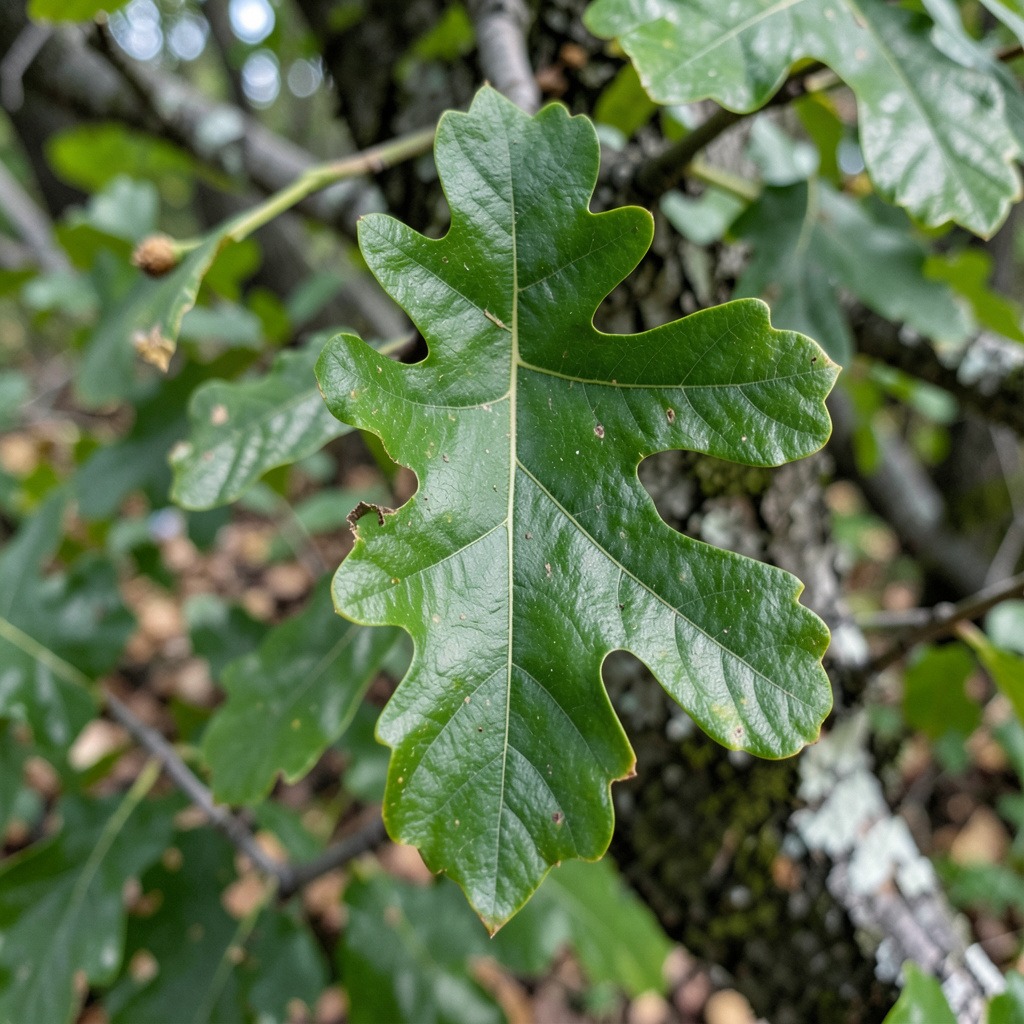
Live oaks (Quercus virginiana) require specific conditions for optimal growth and care. Understanding these needs is essential for maintaining healthy trees and ensuring their long-term ecological contribution.
Optimal Growing Conditions
To thrive, live oaks need well-draining soil and can tolerate a range of moisture levels. Here are the key requirements:
- Soil Type: Preferably acidic, with a pH between 5.5 and 6.5. Well-drained soils are essential.
- Moisture Levels: Can handle both dry and moist conditions, but good drainage is crucial. They tolerate short-duration flooding.
- Light: Full sunlight is ideal. Live oaks grow best when exposed to direct sunlight.
- Temperature: Hardy in USDA zones 8 and above, they flourish in warm climates.
Checklist for Planting Live Oaks:
- Assess soil drainage and pH.
- Ensure adequate sunlight exposure.
- Select a spacious area for growth.
Common Pests and Diseases
Live oaks can face challenges from various pests and diseases. Identifying these threats early is vital for maintaining tree health:
- Pests:
- Oak Leaf Blister: Causes leaf discoloration and distortion.
- Acorn Weevils: Larvae feed on acorns, reducing seed viability.
- Diseases:
- Hypoxylon Canker: A fungal disease that may result from drought or root rot. Look for cankers on the trunk.
- Phytophthora Root Rot: Occurs in poorly drained soils. Symptoms include yellowing leaves and stunted growth.
Visual Guide: Use diagrams to identify symptoms of these pests and diseases.
Pruning and Maintenance Tips
Regular maintenance ensures healthy growth and longevity of live oaks. Here are key practices:
- Pruning:
- Perform pruning during the dormant season to reduce stress.
- Remove dead or damaged branches to promote air circulation.
- Watering:
- Water young trees during dry spells until established.
- Mature live oaks typically require minimal supplemental watering.
- Fertilization:
- Generally, live oaks do not need fertilization. Soil conditions usually provide adequate nutrients.
By following these guidelines, you can ensure your live oak thrives, contributing to both your landscape and the local ecosystem.
Frequently Asked Questions
These quick answers cover the most common questions about this topic, including key details, practical tips, and common concerns.
How to tell if a tree is a live oak?
To identify a live oak, look for its distinctive leaves. Live oak leaves are oblong to elliptical, measuring 2 to 5 inches long, with smooth edges and a leathery texture. They maintain a dark green color year-round, unlike many other oak species that lose their leaves in winter. Additionally, live oaks have a broad, spreading canopy and thick, gnarled branches.
What is the difference between live oak and regular oak?
The primary difference between live oaks and regular oaks, like red or white oaks, lies in their leaf structure. Live oaks have smooth-edged leaves without lobes, while red oaks feature pointed lobes and white oaks have rounded lobes. Live oaks are evergreen, retaining leaves throughout the year, whereas many regular oaks are deciduous and shed their leaves in the fall.
How can I identify an oak tree by its leaves?
To identify an oak tree by its leaves, observe the leaf shape, size, and texture. For example, live oak leaves are leathery, dark green, and lack lobes. In contrast, red oak leaves have sharp, pointed lobes, and white oak leaves have rounded lobes. Examining these characteristics will help you distinguish between different oak species.
What is so special about a live oak?
Live oaks are special due to their ecological and cultural significance. They provide year-round habitat for various wildlife, including birds and squirrels, and their acorns are a vital food source. Culturally, live oaks are symbols of strength and resilience, often featured in parks and public spaces, reflecting their historical importance in American heritage.
Where are live oaks commonly found?
Live oaks (Quercus virginiana) are primarily found in the southeastern United States, thriving in coastal regions and areas with warm climates. They are commonly seen in states like Florida, Texas, and Louisiana. These trees prefer well-draining soils and can tolerate both dry and moist conditions.
What are the best conditions for planting a live oak?
For optimal growth, live oaks need well-draining, acidic soil with a pH between 5.5 and 6.5. They thrive in full sunlight and can tolerate a range of moisture levels, but good drainage is crucial. Ensure you have enough space for their expansive canopy, as live oaks can grow quite large.
How long do live oaks typically live?
Live oaks are known for their longevity, often living for several hundred years. With proper care and suitable growing conditions, some live oaks can live for over 300 years, making them a lasting addition to any landscape. Their long lifespan contributes to their ecological and cultural significance.