
Live oaks typically live between 200 and 300 years, though some can exceed 500 years under optimal conditions, making them remarkable natural monuments.
Table of Contents
The live oak, particularly Quercus virginiana, is known for its impressive lifespan and resilience. Understanding its longevity helps homeowners and gardeners appreciate its ecological importance while ensuring its health and vitality in various landscapes.
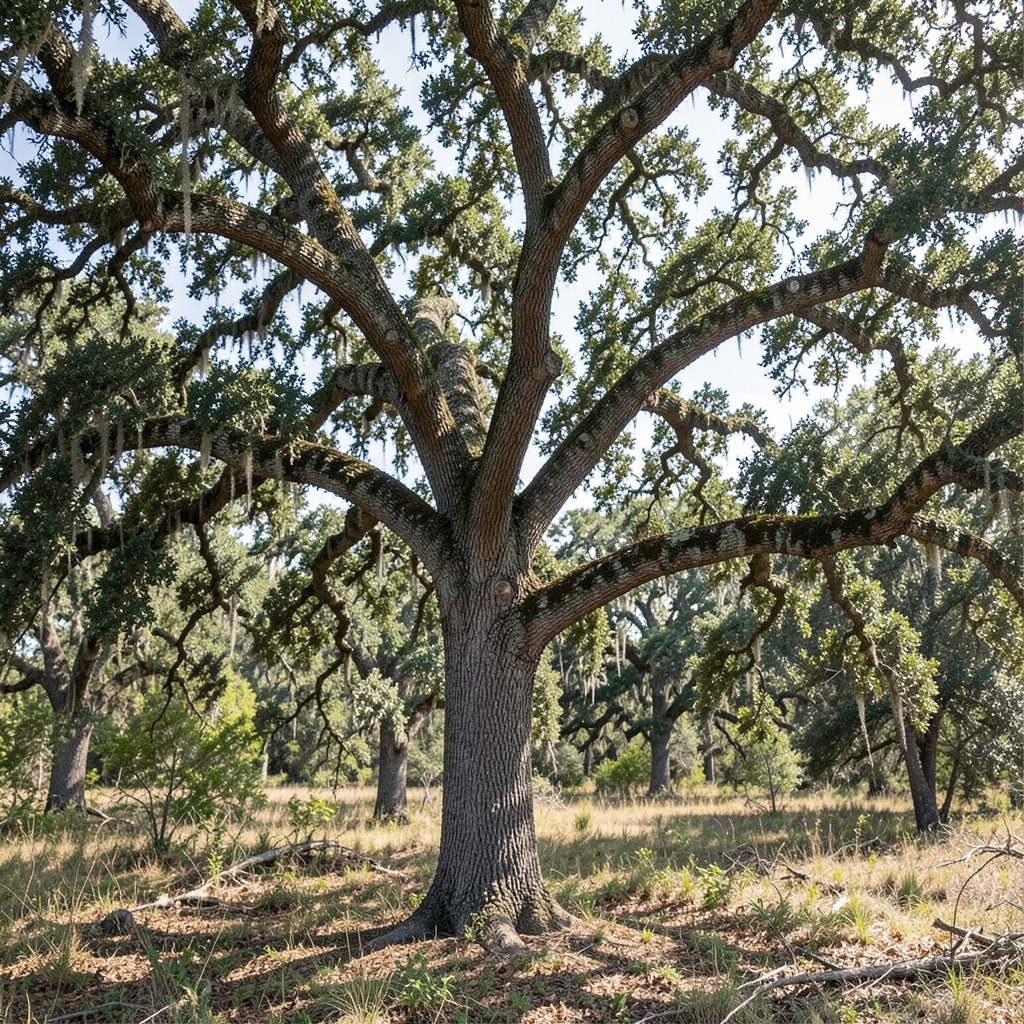
Overview of Live Oak Lifespan
The lifespan of live oaks, specifically Quercus virginiana, is a remarkable aspect of their nature. Typically, these trees can live between 200 to 300 years, with exceptional specimens exceeding this range.
Typical Lifespan of Live Oaks
Live oaks are known for their longevity. Most live oaks reach maturity around 100 to 150 years, but many continue to thrive well beyond 200 years.
- Average Lifespan: 200-300 years.
- Exceptional Cases: Some live oaks, like the Seven Sisters Oak in Louisiana, are estimated to be over 1,000 years old, showcasing their potential for remarkable longevity.
Factors Influencing Longevity
Several factors contribute to the lifespan of live oaks:
- Growth Conditions: Live oaks thrive in warm, humid climates with well-drained soil. Ideal conditions enhance their growth and resilience.
- Tree Care: Proper maintenance, including pruning and pest management, plays a crucial role in extending their lifespan. Regular checks for diseases and nutrient deficiencies can prevent health decline.
- Environmental Impact: Climate change poses threats to live oak longevity. Increased temperatures and drought conditions can stress these trees, making them more susceptible to pests and diseases.
Comparative Lifespan with Other Oak Species
When comparing live oaks to other oak species, notable differences arise:
- White Oak: Lives up to 600 years under optimal conditions.
- Red Oak: Typically reaches around 400 years.
Understanding these comparisons highlights the unique position of live oaks within the oak family, emphasizing their resilience and ecological significance.
Factors Influencing Live Oak Longevity
Understanding the factors that impact the lifespan of live oaks is crucial for their successful growth and maintenance. Both environmental conditions and proper care practices play significant roles in determining how long these trees thrive.
Optimal Growth Conditions for Live Oaks
Live oaks, specifically Quercus virginiana, flourish in specific environmental settings. Here are the critical conditions that support their longevity:
- Soil Quality: Well-drained, nutrient-rich soil enhances root health.
- Water Availability: Regular moisture is essential, but avoid overwatering to prevent root rot.
- Sunlight Exposure: Full sun promotes healthy growth; aim for at least six hours of direct sunlight daily.
- Temperature Range: Live oaks prefer warm, humid climates typical of the southern U.S.
- Space for Growth: Ensure adequate space for the canopy to expand without obstruction from buildings or other trees.
Essential Care Practices for Longevity
Proper care can significantly extend the lifespan of live oaks. Implement the following practices:
- Regular Pruning: Remove dead or diseased branches to promote healthy growth.
- Fertilization: Apply a balanced fertilizer in early spring to provide essential nutrients.
- Pest Management: Monitor for pests like the oak wilt fungus and treat infestations promptly.
- Mulching: Use organic mulch to retain soil moisture and regulate temperature.
- Watering Schedule: During dry spells, provide deep watering to support root development.
Care Checklist for Live Oaks
- [ ] Test soil for pH and nutrients.
- [ ] Water deeply but infrequently.
- [ ] Prune during the dormant season.
- [ ] Inspect regularly for signs of pests or diseases.
- [ ] Fertilize based on soil test results.
Implementing these growth conditions and care practices can significantly enhance the longevity of live oaks, allowing them to thrive for centuries.
Common Issues Affecting Live Oak Health
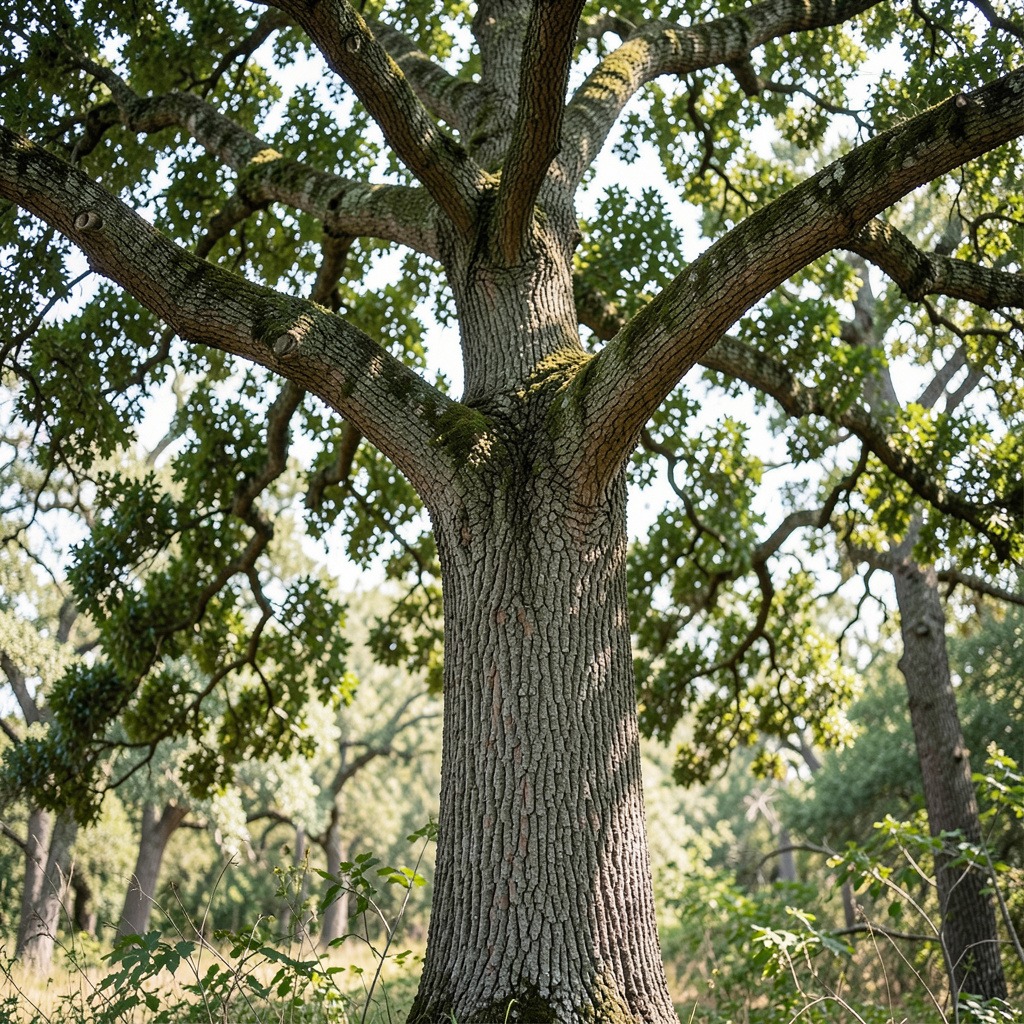
Live oaks are resilient trees, but they can face challenges that may shorten their lifespan. Homeowners must recognize signs of decline and avoid common pitfalls in care.
Signs of a Dying Live Oak
Identifying the early signs of distress in live oaks is crucial for ensuring their longevity. Look for these indicators:
- Leaf Discoloration: Yellowing or browning leaves may signal nutrient deficiencies or stress.
- Bark Damage: Cracks or peeling bark can indicate pest infestations or disease.
- Fungal Growth: Presence of mushrooms at the base may suggest root rot or decay.
- Branch Dieback: Dead or dying branches could be a sign of overall tree health decline.
Prompt attention to these signs can prevent further deterioration and extend the tree’s life.
Common Pests and Diseases
Multiple pests and diseases can threaten live oaks. Understanding these threats allows for effective management:
- Southern Pine Beetle: This pest can bore into the wood, causing significant damage.
- Oak Wilt: A fungal disease that disrupts the tree’s water transport system, leading to rapid decline.
- Anthracnose: A fungal infection that causes leaf spots and can weaken the tree over time.
To mitigate these risks, regular inspections and prompt treatment are essential. For example, if you spot signs of oak wilt, consider consulting an arborist for proper intervention strategies.
Care Practices to Prevent Health Issues
Homeowners often make mistakes that can undermine the health of live oaks. Here are key care practices to avoid:
- Overwatering: Excess moisture can lead to root rot. Ensure proper drainage.
- Neglecting Pruning: Failure to prune can result in overcrowded branches, increasing disease risk.
- Ignoring Soil Health: Poor soil conditions can stunt growth. Test soil regularly and amend as needed.
By adhering to these practices, you can help your live oak thrive for centuries, preserving its majestic presence in your landscape.
Comparisons of Lifespan Among Oak Species
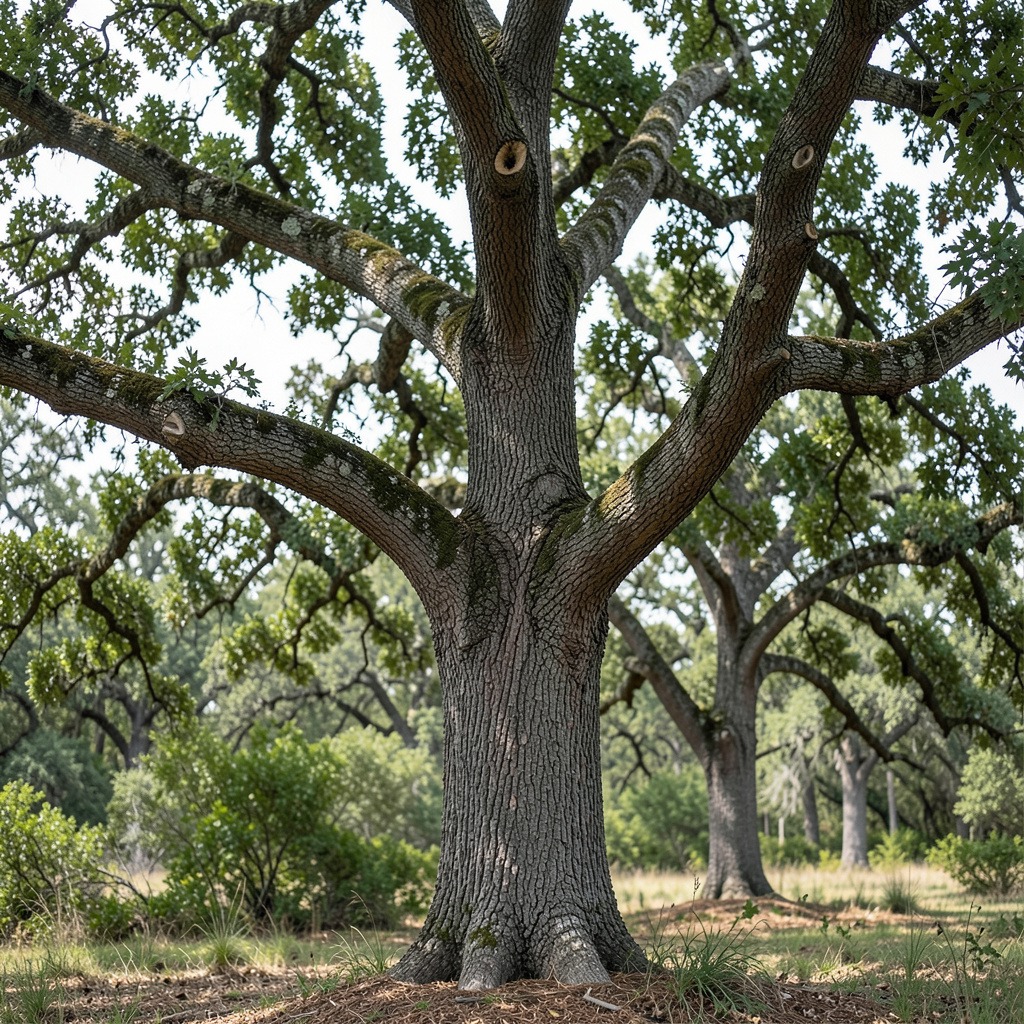
Understanding the lifespan of live oaks in comparison to other oak species highlights their unique characteristics and growth conditions. The longevity of these trees varies significantly based on species, environmental factors, and care practices.
Lifespan of Other Common Oak Species
Here’s a comparison of the lifespans of several oak species, including live oaks:
| Oak Species | Average Lifespan | Unique Characteristics |
|---|---|---|
| Live Oak (Quercus virginiana) | 200-300 years | Thrives in warm, humid climates; evergreen foliage provides year-round cover. |
| White Oak (Quercus alba) | Up to 600 years | Known for its strong wood; prefers well-drained soils. |
| Red Oak (Quercus rubra) | 300-400 years | Grows quickly; adapted to a variety of soil types. |
| English Oak (Quercus robur) | Over 1,000 years | Highly adaptable; often found in diverse habitats. |
| Pin Oak (Quercus palustris) | 100-200 years | Prefers wet soils; susceptible to environmental stress. |
Unique Characteristics of Live Oaks
Live oaks possess distinct features that contribute to their longevity:
- Growth Conditions: They thrive in subtropical climates, often found along the southeastern U.S. coastline. Their ability to adapt to varying soil types enhances their resilience.
- Evergreen Foliage: Unlike many deciduous oaks, live oaks retain their leaves year-round, offering continuous habitat for wildlife.
- Robust Structure: The wide-spreading branches provide strength and stability, helping them withstand strong winds and storms.
By recognizing these factors, you can appreciate the unique position of live oaks within the oak family and their remarkable ability to endure for centuries.
Ecological and Cultural Significance of Live Oaks
Live oaks play a crucial role in their ecosystems and hold significant cultural value in American history. Their longevity and robust structure make them vital components of local habitats and human landscapes.
Role in Local Ecosystems
Live oaks support diverse wildlife. Their broad canopies provide shade and shelter, while their year-round foliage offers a habitat for various birds and insects. The acorns produced by live oaks serve as an essential food source for many species, including squirrels, deer, and birds.
Key ecological benefits include:
- Biodiversity Support: Live oaks attract numerous species, contributing to a balanced ecosystem.
- Soil Stabilization: The extensive root systems of live oaks prevent soil erosion, maintaining soil health.
- Water Management: They help in regulating local water cycles, enhancing groundwater recharge.
Historical and Cultural Importance
Live oaks have deep historical roots in American culture. Often regarded as symbols of strength and endurance, these trees have witnessed significant events throughout history. Notable examples include:
- Heritage Trees: Many live oaks are designated as heritage trees, recognized for their age and historical significance. Some have lived for over 300 years.
- Landmark Trees: The Angel Oak in South Carolina, estimated to be around 400-500 years old, has become an iconic representation of resilience in nature.
- Cultural Practices: Live oaks have been integral to Southern culture, often featured in literature, art, and local traditions.
By understanding their ecological and cultural significance, we can appreciate the enduring legacy and the role of live oaks in fostering biodiversity and enriching human history.
Frequently Asked Questions
These quick answers cover the most common questions about this topic, including key details, practical tips, and common concerns.
Which oak tree lives the longest?
The white oak (Quercus alba) is known to have one of the longest lifespans among oak species, often living up to 600 years. In contrast, live oaks (Quercus virginiana) typically live between 200 to 300 years, with some exceptional specimens exceeding 500 years. Each species has adapted to its environment, influencing its longevity.
What is special about live oaks?
Live oaks are unique due to their evergreen foliage, which allows them to retain leaves year-round, providing continuous habitat for wildlife. They thrive in warm, humid climates and have broad canopies that offer shade and stability. Their resilience to storms and pests, along with their significant ecological role, makes them a vital part of their ecosystems.
How can I tell if my live oak is healthy?
A healthy live oak will have vibrant green leaves, a robust trunk, and minimal dead branches. Regular inspections for signs of pests, diseases, or stress are essential. Look for consistent leaf growth, intact bark, and a strong root system. If you notice yellowing leaves, peeling bark, or fungal growth, it may indicate health issues.
What conditions do live oaks thrive in?
Live oaks thrive in well-drained, nutrient-rich soil, with regular moisture but not excessive watering. They prefer full sun, requiring at least six hours of direct sunlight daily. Warm, humid climates typical of the southern U.S. are ideal for their growth. Providing adequate space for their expansive canopy is also crucial for their long-term health.
When is the best time to plant live oaks?
The best time to plant live oaks is during the fall or early spring when temperatures are cooler and rainfall is more consistent. This timing allows the tree to establish roots before the heat of summer. Proper planting techniques, including digging a wide hole and ensuring good soil drainage, will help promote healthy growth.
How do live oaks compare to other oak species in lifespan?
Live oaks generally live between 200 to 300 years, while species like the white oak can live up to 600 years. Other oak species, such as the red oak, typically have a lifespan of around 300 to 400 years. Each species has unique characteristics that influence their growth conditions and longevity, making live oaks particularly notable for their resilience in warmer climates.
What are alternatives to live oaks for landscaping?
If you’re considering alternatives to live oaks for landscaping, options include the southern magnolia, which offers similar evergreen benefits, and the red maple, known for its vibrant fall color. Other choices might be the sweetgum or the sycamore, which also provide shade and have attractive foliage. When selecting alternatives, consider your local climate and soil conditions to ensure successful growth.