
Live oaks can experience various problems, including diseases like oak wilt and pests such as aphids, which can affect their health and longevity.
Table of Contents
Live oaks are beloved for their resilience and beauty but are not without their issues. From diseases to pests, understanding these problems is crucial for maintaining the health of your live oak trees. This guide covers 11 common live oak problems and solutions.
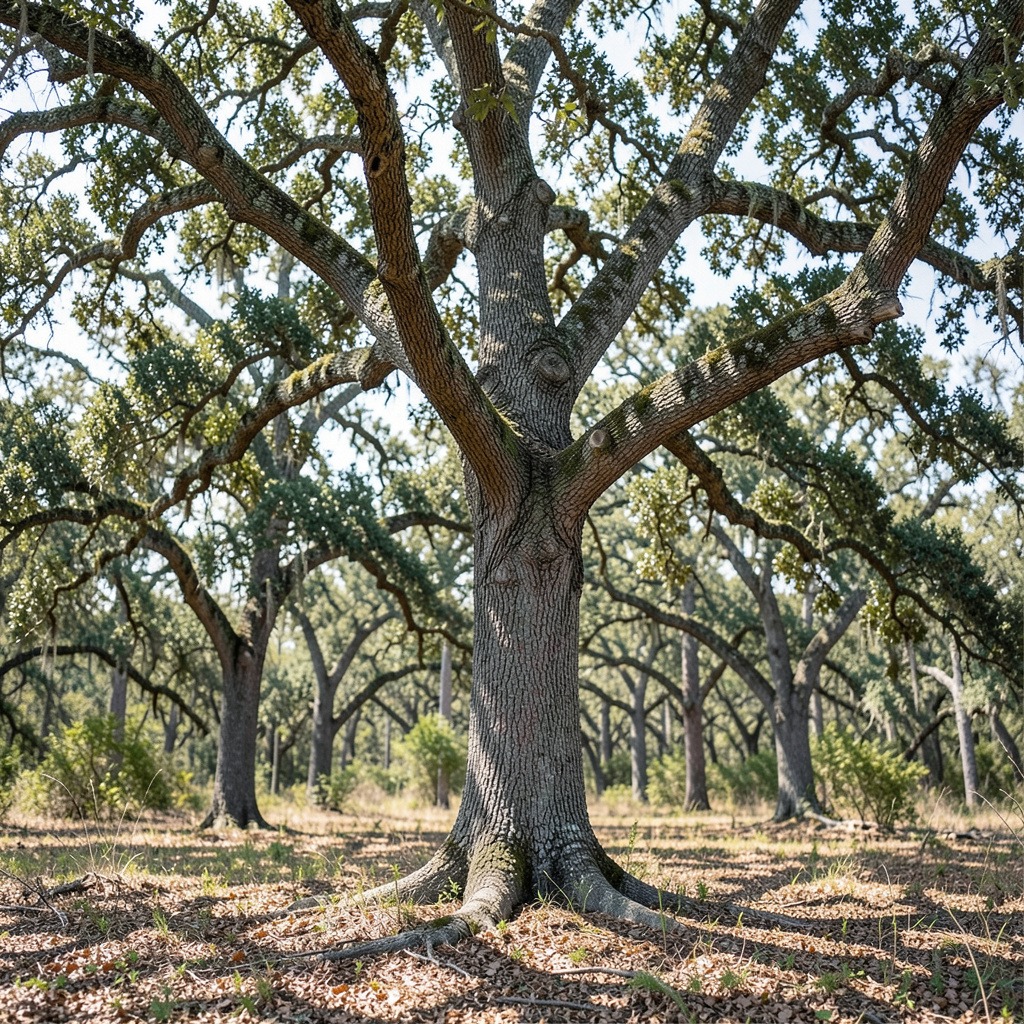
Understanding Live Oak Problems
Live oaks, known for their majestic canopies and ecological significance, face various challenges that can threaten their health. Early detection and management of these issues are crucial for ensuring the longevity of these trees.
Common Diseases Affecting Live Oaks
Live oaks are susceptible to several diseases, the most notable being:
- Oak Wilt: Caused by the fungus Bretziella fagacearum, this disease spreads through root grafts and beetles. Infected trees may show wilting leaves and sudden leaf drop.
- Anthracnose: This fungal disease manifests as dark spots on leaves and can lead to premature leaf drop. It thrives in humid conditions and can weaken the tree over time.
- Root Rot: Poor drainage can lead to root rot, often caused by fungi such as Phytophthora. Symptoms include yellowing leaves and stunted growth.
Pest Infestations
Pests also pose significant threats to live oaks. Common pests include:
- Oak Leaf Blister: Caused by a fungus, it creates blisters on leaves. While not fatal, it can weaken the tree.
- Bark Beetles: These insects bore into the bark, disrupting nutrient flow and potentially leading to tree death.
- Scale Insects: They suck sap from the tree, causing stress and making it more vulnerable to diseases.
Symptoms and Treatment Options
Recognizing symptoms early can make a substantial difference in treatment outcomes:
- Wilting Leaves: A sign of oak wilt; consider consulting an arborist for potential removal of infected trees to prevent spread.
- Discolored Foliage: May indicate anthracnose; improve air circulation through pruning and apply fungicides as needed.
- Bark Damage: Look for signs of pests; insecticides or biological controls can manage infestations effectively.
Preventive Measures for Maintaining Health
To keep live oaks healthy, consider the following preventive strategies:
- Regular Inspections: Monitor for signs of disease and pests throughout the year.
- Proper Watering: Ensure adequate drainage to prevent root rot.
- Fertilization: Maintain nutrient levels with balanced fertilizers to support overall health.
Long-term Care Strategies
Long-term care is essential for sustaining live oak health:
- Pruning: Regularly prune to remove dead or infected branches, improving airflow and reducing disease risk.
- Mulching: Apply mulch around the base to retain moisture and regulate soil temperature.
- Expert Consultation: Engage certified arborists for tailored care plans and effective disease management strategies.
Understanding and addressing these common problems will help preserve the beauty and ecological value of live oak trees for generations.
1. Oak Wilt: A Serious Threat to Live Oaks
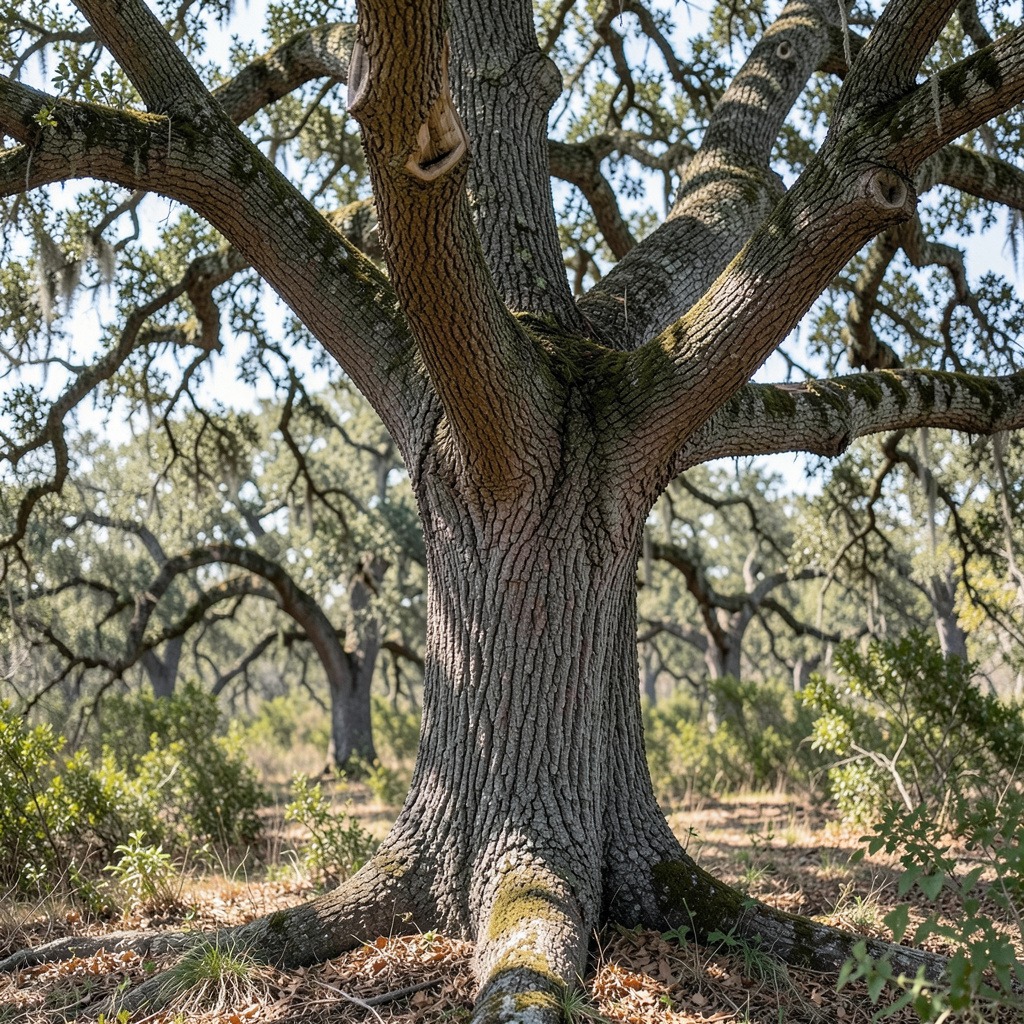
Oak wilt is one of the most significant threats to live oaks. This aggressive fungal disease can rapidly compromise the health of these majestic trees. Understanding its symptoms, causes, and treatment options is crucial for effective management.
Symptoms of Oak Wilt
Identifying oak wilt early is vital for controlling its spread. Key symptoms include:
- Wilting Leaves: Leaves may wilt and droop, often starting at the top of the tree.
- Rapid Defoliation: Affected trees can lose their leaves quickly, sometimes within weeks.
- Oily Green Appearance: Leaves may develop an oily look before turning tan and curling.
- Discoloration: Dark streaks may appear in the sapwood during advanced stages.
Treatment Options
Once oak wilt is diagnosed, prompt action is essential. Treatment options include:
- Fungicide Application: Systemic fungicides can help manage the disease if applied early.
- Pruning: Remove infected branches and trees to prevent further spread. Ensure cuts are made well before the growing season to minimize risk.
- Root Grafting Management: Severing root connections between infected and healthy trees can help contain the disease.
Case Study: Community Recovery from Oak Wilt
In a Texas neighborhood, a severe oak wilt outbreak threatened numerous live oaks. The community collaborated with certified arborists to implement a management plan. They pruned infected trees and applied fungicides to healthy ones. Over two years, they observed a significant recovery. The community’s proactive approach reduced infection rates by over 70%. This case highlights the importance of swift action and collaboration in managing oak wilt effectively.
Prevention Strategies
Preventing oak wilt is more effective than treating it. Consider these strategies:
- Avoid Pruning in Spring: This is when beetles are most active and can spread the spores.
- Plant Resistant Species: Incorporate tree species less susceptible to oak wilt to diversify the landscape.
- Regular Monitoring: Inspect live oaks for early signs of disease, ensuring timely intervention.
By understanding oak wilt and implementing these management strategies, you can help protect your live oaks from this serious threat.
2. Anthracnose: Identifying and Managing Fungal Threats
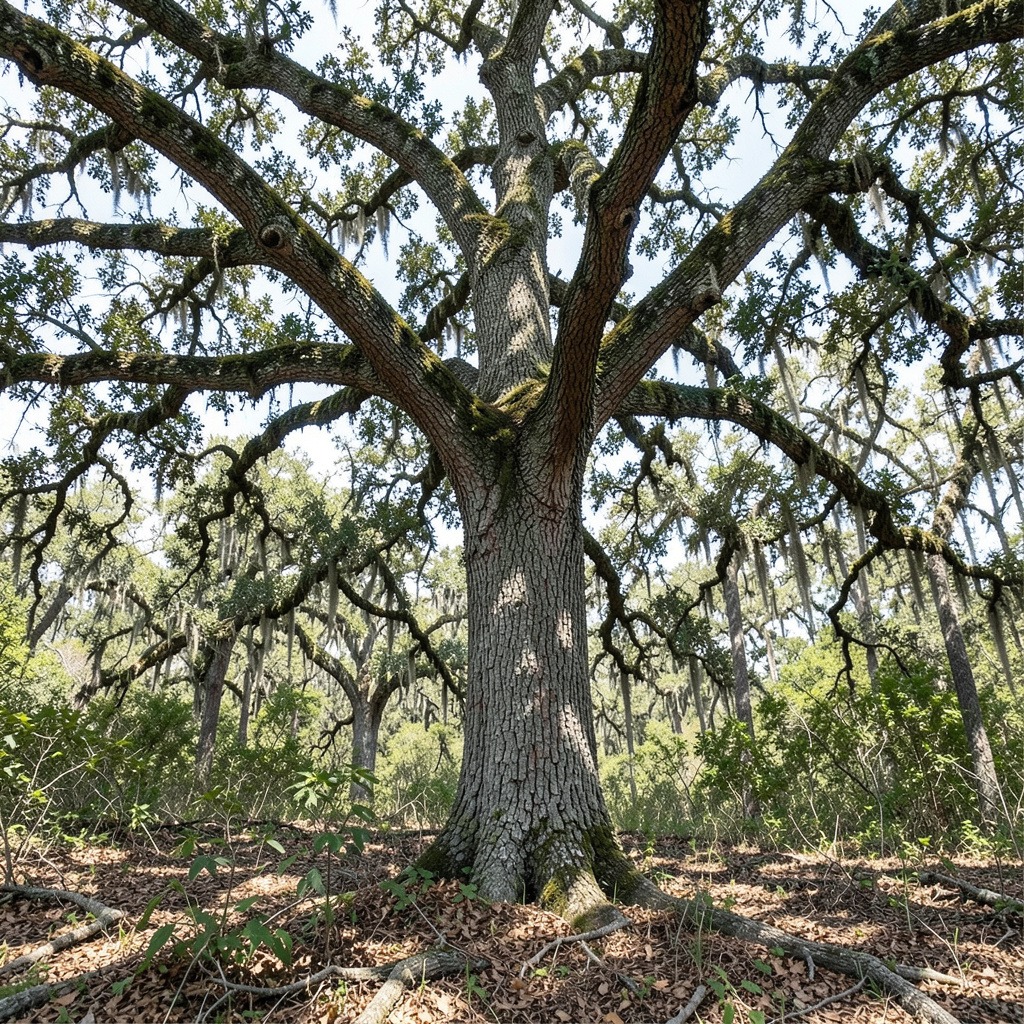
Anthracnose is a common fungal disease that affects live oaks, especially in warmer climates. Understanding its symptoms and management is vital for maintaining the health of these trees.
Recognizing Anthracnose Symptoms
Identifying anthracnose early is crucial for effective management. Symptoms often manifest as:
- Discolored spots on leaves, ranging from brown to black.
- Wilting or curling leaves.
- Premature leaf drop, particularly from lower branches.
In regions with high humidity and wet weather, such as coastal areas, anthracnose can spread rapidly. Homeowners should regularly inspect their live oaks, particularly during the rainy season, to catch these signs early.
Treatment Methods
Effective treatment of anthracnose includes both cultural practices and chemical interventions. Consider the following methods:
- Improve Air Circulation: Trim surrounding vegetation to enhance airflow around the tree.
- Remove Fallen Debris: Regularly collect and dispose of fallen leaves and twigs to reduce spore load.
- Fungicide Application: Use fungicides containing thiophanate-methyl, especially during active growth phases. Apply these treatments early in the season for the best results.
In severe cases, consulting a certified arborist can provide tailored strategies and professional treatment options.
Long-term Care
Maintaining the health of live oaks helps prevent anthracnose and other diseases. Implement these long-term care strategies:
- Watering Practices: Ensure consistent watering, especially during dry spells, to reduce stress on the tree.
- Fertilization: Apply balanced fertilizers to promote vigorous growth, enhancing natural resistance to diseases.
- Regular Monitoring: Schedule periodic inspections to catch any disease symptoms early and take timely action.
By focusing on these practices, homeowners can significantly reduce the risk of anthracnose and promote the longevity of their live oaks.
3. Root Rot: The Silent Killer of Live Oaks
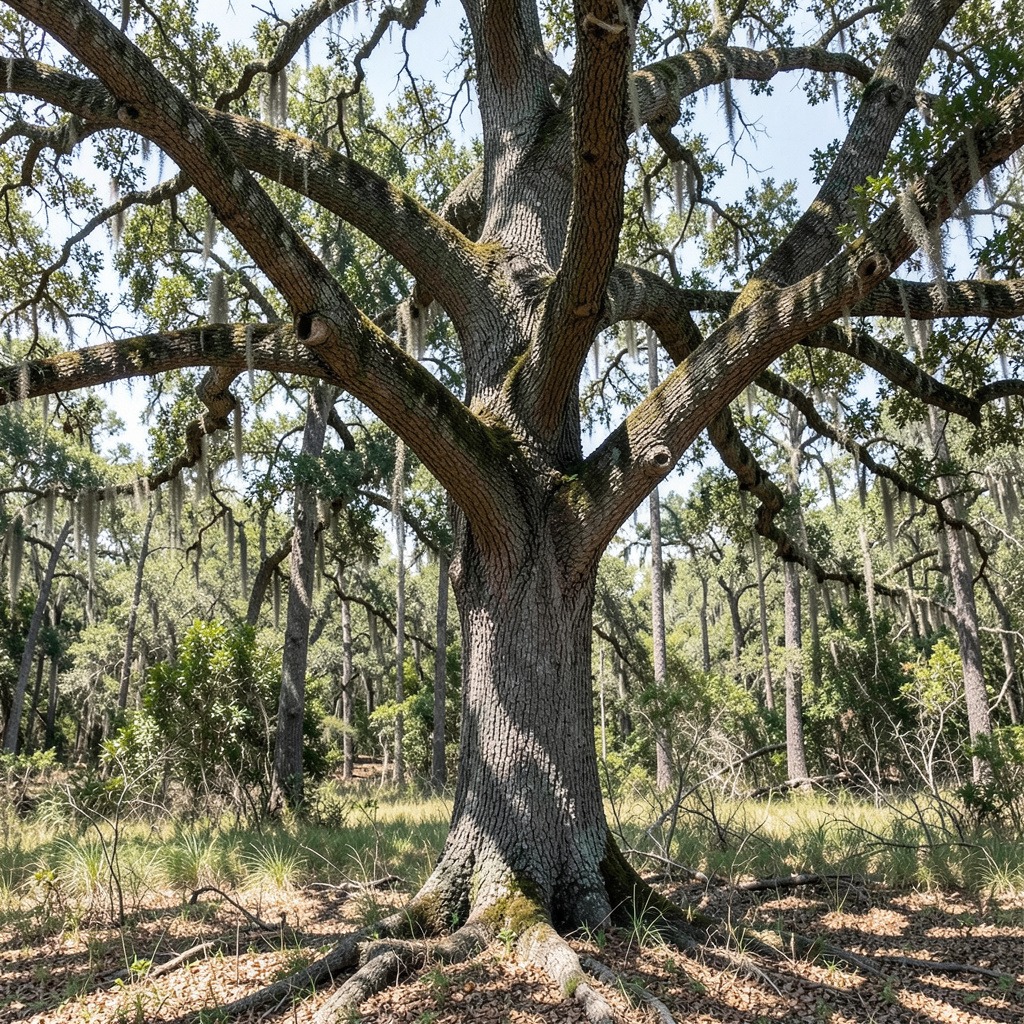
Root rot poses a significant threat to live oaks. Often unnoticed until it’s too late, this disease can devastate tree health and longevity.
Signs of Root Rot
Identifying root rot early is crucial for effective management. Look for these symptoms:
- Wilting Leaves: Leaves may droop or wilt, even with adequate moisture.
- Discoloration: Yellowing leaves or premature leaf drop can indicate stress.
- Softened Roots: Check for mushy or blackened roots upon excavation.
- Fungal Growth: Visible fungal growth around the base of the tree may be present.
Effective Treatments
If root rot is suspected, immediate action is essential. Consider these treatment options:
1. Soil Drainage Improvement: Enhance drainage around the tree to reduce moisture retention.
2. Root Pruning: Remove affected roots to stop the spread of the disease.
3. Fungicide Application: Use fungicides labeled for root rot treatment, following guidelines strictly.
4. Soil Aeration: Aerate the soil to improve oxygen flow to roots.
Prevention Tips
Preventing root rot involves proactive care strategies. Implement these measures:
- Irrigation Management: Avoid overwatering, especially during summer. Water only when necessary.
- Mulching: Apply a layer of organic mulch to regulate soil moisture without saturating roots.
- Regular Inspections: Check for signs of stress or disease biannually.
- Soil Testing: Conduct soil tests to ensure proper drainage and nutrient levels.
Root Rot Checklist for Homeowners
- [ ] Inspect for wilting leaves and discoloration.
- [ ] Check root condition during regular pruning.
- [ ] Monitor soil moisture levels, especially after rain.
- [ ] Ensure proper drainage around the tree.
By staying vigilant and implementing these strategies, you can protect your live oaks from the silent menace of root rot.
4. Powdery Mildew: A Common Fungal Issue
Powdery mildew is a fungal disease that frequently affects live oaks. It thrives in warm, humid conditions and can lead to significant health issues for these trees.
Symptoms of Powdery Mildew
Identifying powdery mildew early is crucial for effective management. Look for the following symptoms:
- White Powdery Coating: A distinctive white or grayish layer on leaves and new growth.
- Malformation: Twigs may splinter and leaves can become distorted.
- Foliage Drop: In severe cases, infected leaves may yellow and drop prematurely.
Treatment Strategies
Managing powdery mildew involves both chemical and non-chemical approaches. Here are effective treatment options:
- Chemical Treatments: Fungicides containing thiophanate-methyl can help control the spread. Apply as directed at the first sign of infection.
- Non-Chemical Alternatives:
- Neem Oil: This natural product can reduce fungal growth and is safe for the environment.
- Baking Soda Solution: Mix one tablespoon of baking soda with a gallon of water. Spray the affected areas to inhibit fungal spread.
- Pruning: Remove severely infected twigs and leaves to improve air circulation and reduce humidity around the tree.
Prevention
Preventing powdery mildew is essential for maintaining tree health. Consider these proactive measures:
- Proper Spacing: Ensure adequate spacing between trees to promote airflow.
- Watering Practices: Water at the base of the tree in the morning to minimize humidity on leaves.
- Regular Inspections: Check your live oaks regularly for early signs of infection.
By staying informed and proactive, you can manage powdery mildew effectively and protect your live oaks from this common problem.
5. Common Pests Affecting Live Oaks
Live oaks are susceptible to various pests that can negatively impact their health and stability. Understanding these pests and their management is crucial for maintaining vibrant live oak trees.
Identifying Common Pests
Several pests commonly infest live oaks, leading to health issues:
- Oak Leaf Rollers: These caterpillars create rolled leaves where they feed. Look for curled leaves and webbing.
- Wood-Boring Beetles: These beetles bore into the wood of the tree, causing brittle branches. Signs include small holes in the bark and sawdust at the base.
- Scale Insects: These pests attach to branches and leaves, sucking sap and weakening the tree. You may notice a sticky residue on leaves, known as honeydew.
Treatment Options
Effective treatment options vary depending on the pest:
- For Oak Leaf Rollers: Apply a targeted insecticide during the caterpillar’s early life stages. Handpicking can also reduce their numbers.
- For Wood-Boring Beetles: Inject insecticides directly into the affected areas. Pruning infested branches can also help.
- For Scale Insects: Horticultural oils or insecticidal soaps can control scale pests effectively. Ensure thorough coverage of infested areas.
Preventive Measures
Preventing pest infestations is essential for live oak health. Consider the following strategies:
- Regular Inspections: Check your live oaks frequently for early signs of pest activity.
- Maintain Tree Health: A healthy tree is less susceptible to pests. Ensure proper watering, mulching, and fertilization.
- Encourage Beneficial Insects: Predators like ladybugs and lacewings can help control pest populations naturally.
By staying vigilant and implementing these management strategies, you can protect your live oaks from common pests effectively.
6. Aphids: The Leaf Curling Menace
Aphids are small sap-sucking insects that can significantly impact live oaks. They feed on tree sap, leading to various health issues. Understanding their symptoms and treatment options is crucial for effective management.
Symptoms of Aphid Infestation
Identifying aphid infestations early can help mitigate damage. Common symptoms include:
- Leaf Curling: Leaves may curl or distort due to sap loss.
- Sticky Residue: A sticky substance, known as honeydew, often appears on leaves or the ground below.
- Sooty Mold: This black mold can grow on honeydew, further affecting photosynthesis.
- Discolored Leaves: Leaves may turn yellow or develop brown spots.
Treatment Options
Effective treatments for aphids can restore the health of your live oak. Consider these methods:
- Insecticidal Soaps: Apply insecticidal soap directly to affected areas. This method suffocates the aphids.
- Horticultural Oils: Use horticultural oils to disrupt the life cycle of aphids. Ensure even coverage.
- Natural Predators: Encourage beneficial insects like ladybugs and lacewings, which feed on aphids.
Prevention Tips
Preventing aphid infestations is vital for maintaining tree health. Implement these strategies:
- Regular Inspections: Monitor your live oaks for early signs of aphids.
- Promote Healthy Growth: Ensure your tree receives adequate water, nutrients, and sunlight.
- Diverse Planting: Incorporate a variety of plants in your landscape. This diversity attracts natural aphid predators.
By understanding aphids and their impact, you can take proactive steps to protect your live oaks from these pests.
7. Oak Leaf Rollers: A Hidden Threat
Oak leaf rollers are a significant pest affecting live oak trees. These caterpillars can cause substantial damage by feeding on leaves and disrupting the tree’s overall health.
Identifying Oak Leaf Rollers
Oak leaf rollers are the larvae of small moths. They create distinctive rolled leaves where they feed. Look for these signs to identify an infestation:
- Rolled Leaves: Leaves appear curled or rolled, often with webbing.
- Frass: Small droppings accumulate near the rolled leaves.
- Defoliation: Severe infestations can lead to significant leaf loss.
Treatment Strategies
Effective management of oak leaf rollers requires early detection and prompt action. Here are some strategies:
- Manual Removal: Unroll infested leaves and remove caterpillars by hand.
- Insecticidal Soap: Apply insecticidal soap to affected areas, targeting the caterpillars.
- Beneficial Insects: Introduce natural predators such as parasitic wasps that feed on oak leaf rollers.
Prevention
Preventing oak leaf roller infestations involves proactive monitoring and care. Implement these practices:
- Regular Inspections: Check your live oaks weekly for signs of rolled leaves.
- Healthy Tree Maintenance: Ensure your oak receives adequate water and nutrients to bolster its defenses.
- Avoid Overcrowding: Space trees properly to enhance air circulation and reduce pest attraction.
Monitoring for early signs of infestation is crucial. By understanding oak leaf rollers and applying these management techniques, you can protect your live oaks from this hidden threat.
8. Mistletoe: The Parasitic Plant
Mistletoe poses a significant threat to live oaks. This parasitic plant extracts nutrients from the tree, which can weaken its overall health. Understanding how to identify and manage mistletoe infestations is crucial for preserving the vitality of your live oaks.
Recognizing Mistletoe Infestations
Mistletoe can be identified by its distinctive growth. Look for:
- Green, leafy clumps high in the canopy.
- White berries that attract birds.
- Dead or dying branches in the vicinity of the mistletoe.
These symptoms indicate that your live oak may be under significant stress due to mistletoe presence.
Management Strategies
Effective management of mistletoe involves both removal and preventive measures. Here’s a step-by-step approach:
1. Identify Infested Areas: Regularly inspect your live oak for signs of mistletoe.
2. Prune Infected Branches:
- Use sharp, sanitized pruning shears.
- Cut 6-12 inches below the mistletoe growth.
- Remove all infected branches to prevent further spread.
3. Seal the Wound: For larger cuts, wrap the area with heavy black plastic to inhibit regrowth.
4. Monitor for New Growth: Check the tree regularly for any signs of returning mistletoe.
Long-term Care
Maintaining the health of your live oak helps it resist mistletoe infestations. Consider the following practices:
- Provide Adequate Water: Ensure your tree receives sufficient moisture, especially during dry spells.
- Fertilize Wisely: Use slow-release fertilizers to support tree health without encouraging excessive growth that may attract mistletoe.
- Promote Air Circulation: Space trees adequately to reduce humidity levels that favor mistletoe growth.
By implementing these strategies, you can effectively manage mistletoe and enhance the resilience of your live oaks.
9. Environmental Stressors: Effects on Live Oaks
Environmental factors significantly impact the health of live oaks. Drought, soil compaction, and other stressors can weaken these majestic trees, making them more susceptible to diseases and pests.
Identifying Environmental Stress
Recognizing signs of environmental stress in live oaks is crucial for early intervention. Common indicators include:
- Wilting Leaves: Leaves may curl or droop, indicating insufficient water.
- Leaf Discoloration: Yellowing or browning leaves can signal nutrient deficiencies or root issues.
- Cracked Bark: Visible cracks in the bark often suggest extreme temperature fluctuations or dehydration.
- Poor Growth: Stunted growth or lack of new shoots may indicate underlying stress.
Management Techniques
Taking proactive measures can mitigate environmental stress on live oaks. Here are effective strategies:
- Irrigation Practices: Water deeply during dry spells, ensuring moisture reaches the root zone. Avoid overwatering, which can lead to root rot.
- Soil Aeration: Aerate compacted soil to improve air and water penetration. Use a soil auger or hire a professional for severe compaction.
- Mulching: Apply 2-3 inches of organic mulch around the base. This helps retain soil moisture and regulates temperature.
- Monitoring Foot Traffic: Limit foot traffic and heavy equipment near the root zone to prevent soil compaction.
- Fertilization: Use slow-release fertilizers sparingly, as mature live oaks often require minimal supplementation.
By implementing these management techniques, homeowners can enhance the resilience of their live oaks against environmental stressors.
10. Long-term Care Strategies for Healthy Live Oaks
Ensuring the health of live oaks requires consistent care and attention. Implementing effective long-term strategies can mitigate common problems and enhance the tree’s resilience against diseases and pests.
Essential Care Practices
1. Regular Inspections: Conduct annual inspections in early spring. Look for signs of disease, such as cankers, bleeding sap, or mushrooms at the base. Early detection is crucial for effective management.
2. Pruning Schedule: Prune live oaks only in winter (December through February). This timing minimizes the risk of disease spread from pests like sap beetles.
3. Mulching: Apply 2-3 inches of organic mulch around the base, keeping it 6 inches away from the trunk. This practice retains moisture and regulates soil temperature.
4. Water Management: Avoid overwatering, especially in summer. Live oaks thrive on natural rainfall and excessive irrigation can lead to root rot.
5. Soil Aeration: Aerate compacted soil to improve air and water penetration. This promotes healthier root growth and overall tree vigor.
Seasonal Care Guide
A proactive seasonal checklist can help maintain live oak health throughout the year:
| Season | Care Activities |
|---|---|
| Spring | Inspect for signs of disease; prune as needed. |
| Summer | Monitor for pests; avoid irrigation. |
| Fall | Apply mulch and prepare for winter; check for acorns. |
| Winter | Prune to prevent disease spread; inspect root zone. |
Integrated Pest Management
Implementing integrated pest management (IPM) strategies is essential for protecting live oaks from infestations:
- Identify Pests: Common pests include scale insects and boring beetles. Regular monitoring helps identify infestations early.
- Use Systemic Treatments: Consider soil drench products that provide systemic protection without spraying the canopy.
- Remove Competing Vegetation: Keep bay laurel and other potential hosts away from live oaks to minimize disease risk.
By adhering to these long-term care strategies, homeowners can significantly enhance the health and longevity of their live oaks.
11. Seeking Professional Help: When to Call an Arborist
Live oaks, while hardy, can face numerous issues that require professional intervention. Understanding when to consult a certified arborist can save your tree from significant damage and ensure its longevity.
Signs You Need Professional Help
Recognizing the signs of distress in a live oak is crucial for timely intervention. Here are key indicators that suggest it’s time to call an arborist:
- Leaf Discoloration: Yellowing or browning leaves can indicate nutrient deficiencies or disease.
- Bark Damage: Cracks, peeling, or oozing sap may suggest pest infestations or fungal infections like oak wilt.
- Crown Decline: A thinning canopy or dead branches signals severe health issues that need expert assessment.
- Root Problems: Signs of root rot, such as mushrooms or foul odors near the root zone, require immediate attention.
If you observe any of these symptoms, a professional evaluation is essential.
Choosing the Right Arborist
Selecting a qualified arborist is vital for effective treatment. Here are factors to consider:
- Certification: Look for arborists certified by the International Society of Arboriculture (ISA). This ensures they have the necessary training.
- Experience with Live Oaks: Choose someone with specific experience in managing live oak issues. Different species may have unique needs.
- Comprehensive Services: A good arborist should offer both diagnosis and treatment options, including preventive care.
Additionally, consider asking for references or case studies of successful live oak recoveries to gauge their expertise.
Decision Framework for Hiring an Arborist
When in doubt, use this simple decision framework:
1. Identify Symptoms: Note specific symptoms your live oak exhibits.
2. Research Local Arborists: Find certified arborists in your area.
3. Schedule an Assessment: Arrange a consultation to discuss observed issues.
4. Evaluate Recommendations: Listen to proposed treatment options and compare them to your knowledge.
5. Make an Informed Choice: Decide based on expertise, experience, and your comfort level with the arborist.
By following these steps, you can make a well-informed decision about seeking professional help for your live oak problems.
Frequently Asked Questions
These quick answers cover the most common questions about this topic, including key details, practical tips, and common concerns.
How do I tell if my live oak tree is dying?
Signs that your live oak may be dying include wilting leaves, rapid leaf drop, and discolored foliage. Check for dark streaks in the sapwood, which can indicate serious issues like oak wilt. Additionally, if you notice a significant decline in growth or dead branches, it’s time to investigate further.
What are the common problems for live oaks?
Common problems for live oaks include oak wilt, anthracnose, root rot, and pest infestations. Oak wilt is a serious fungal disease that can spread quickly, while anthracnose affects leaves and causes premature drop. Root rot occurs due to poor drainage, and pests like aphids and oak leaf rollers can weaken the tree by feeding on its sap.
Why is my tree drying out?
If your live oak is drying out, it could be due to environmental stress, such as drought or poor soil drainage. Other factors include root rot or pest infestations that compromise the tree’s ability to absorb water. Inspect the tree for signs of disease or damage and adjust watering practices accordingly.
How to treat a sick oak tree?
Treating a sick oak tree starts with proper diagnosis. For diseases like oak wilt, consult a certified arborist for potential removal of infected trees. For fungal issues like anthracnose, improve air circulation and apply fungicides as needed. If pests are present, use insecticidal soaps or natural predators to manage infestations effectively.
What pests are harmful to live oaks?
Several pests can harm live oaks, including oak leaf rollers, bark beetles, and scale insects. Oak leaf rollers create rolled leaves where they feed, while bark beetles bore into the bark, disrupting nutrient flow. Scale insects suck sap, causing stress and making the tree more vulnerable to diseases. Regular inspections can help catch these pests early.
When is the best time to prune live oaks?
The best time to prune live oaks is during the winter months, specifically from December to February. Pruning during this period minimizes the risk of disease spread, especially from pests like sap beetles, which are most active in spring. Regularly remove dead or infected branches to maintain tree health.
How can I prevent diseases in my live oak?
Preventive measures for live oaks include regular inspections, proper watering, and maintaining good air circulation. Ensure adequate drainage to prevent root rot and apply mulch to retain soil moisture. Additionally, avoid pruning during the growing season to reduce the risk of introducing diseases.
How often should I inspect my live oak for problems?
It’s advisable to inspect your live oak at least twice a year, ideally in spring and fall. Look for signs of disease, pests, or environmental stress. Regular inspections help catch problems early, allowing for timely intervention and better chances of recovery for your tree.