
Live oak trees offer significant shade, wildlife habitat, and aesthetic appeal but can also present challenges such as maintenance needs, leaf drop, and potential disease susceptibility.
Table of Contents
Live oak trees are celebrated for their majestic presence and ecological benefits. However, they come with both advantages and disadvantages that any prospective planter should consider carefully. This guide explores the six key pros and cons of live oaks to aid your decision-making.
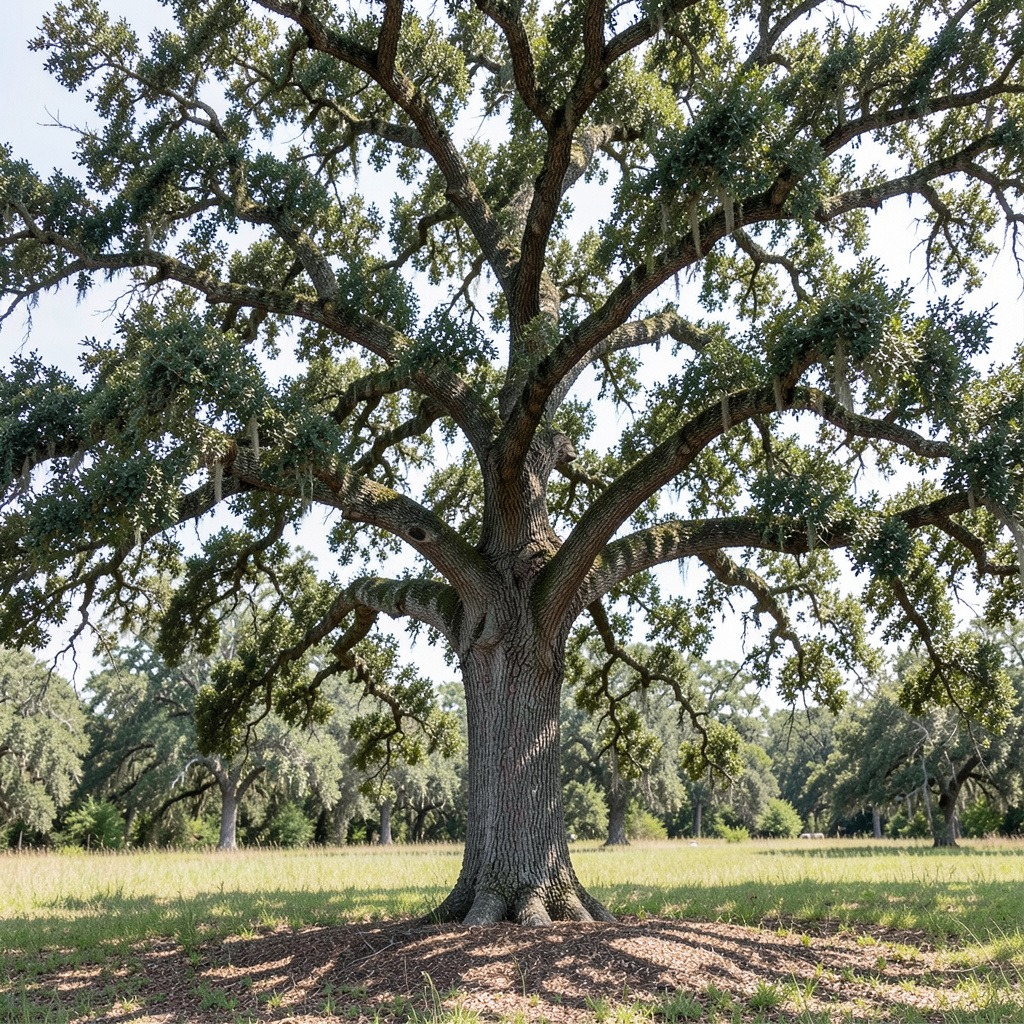
Understanding the Live Oak: Definition and Overview
The live oak, scientifically known as Quercus virginiana, is a large, evergreen tree that thrives in the southern United States. Known for its sprawling branches and dense canopy, it has become a staple in landscaping due to its aesthetic and ecological benefits.
Characteristics of Live Oaks
Live oaks can reach heights of 40 to 80 feet, with a broad, spreading crown that can extend 60 feet or more. Their leaves are dark green, leathery, and remain on the tree throughout the winter, providing year-round greenery. The tree produces acorns, which serve as an important food source for wildlife.
Growth Conditions and Habits
Live oaks prefer well-drained soil and full sun. They are drought-tolerant once established but grow best with regular moisture. Their growth habits include:
- Spreading Canopy: The branches grow horizontally, creating a wide shade area.
- Slow Growth Rate: Initially, they grow slowly, but once established, they can live for hundreds of years, with some specimens reaching over 1,000 years.
Historical Significance in Landscaping
Historically, live oaks have been significant in southern landscapes. They symbolize strength and endurance. Many historic sites feature these trees, providing shade and beauty in public parks and estates. Their ability to provide dense shade makes them ideal for outdoor spaces.
Comparative Analysis with Other Trees
When comparing live oaks to other common landscape trees, several unique features stand out:
| Feature | Live Oak | Other Common Trees |
|---|---|---|
| Shade | Dense and broad | Varies by species |
| Acorn Production | Abundant | Varies |
| Growth Habit | Spreading, low canopy | Typically upright |
| Lifespan | Very long (up to 1,000+) | Generally shorter |
In summary, live oaks offer unique advantages in landscaping, particularly their extensive shade and wildlife support. However, their sprawling growth may require careful planning in smaller yards.
1. Pros of Planting Live Oak Trees
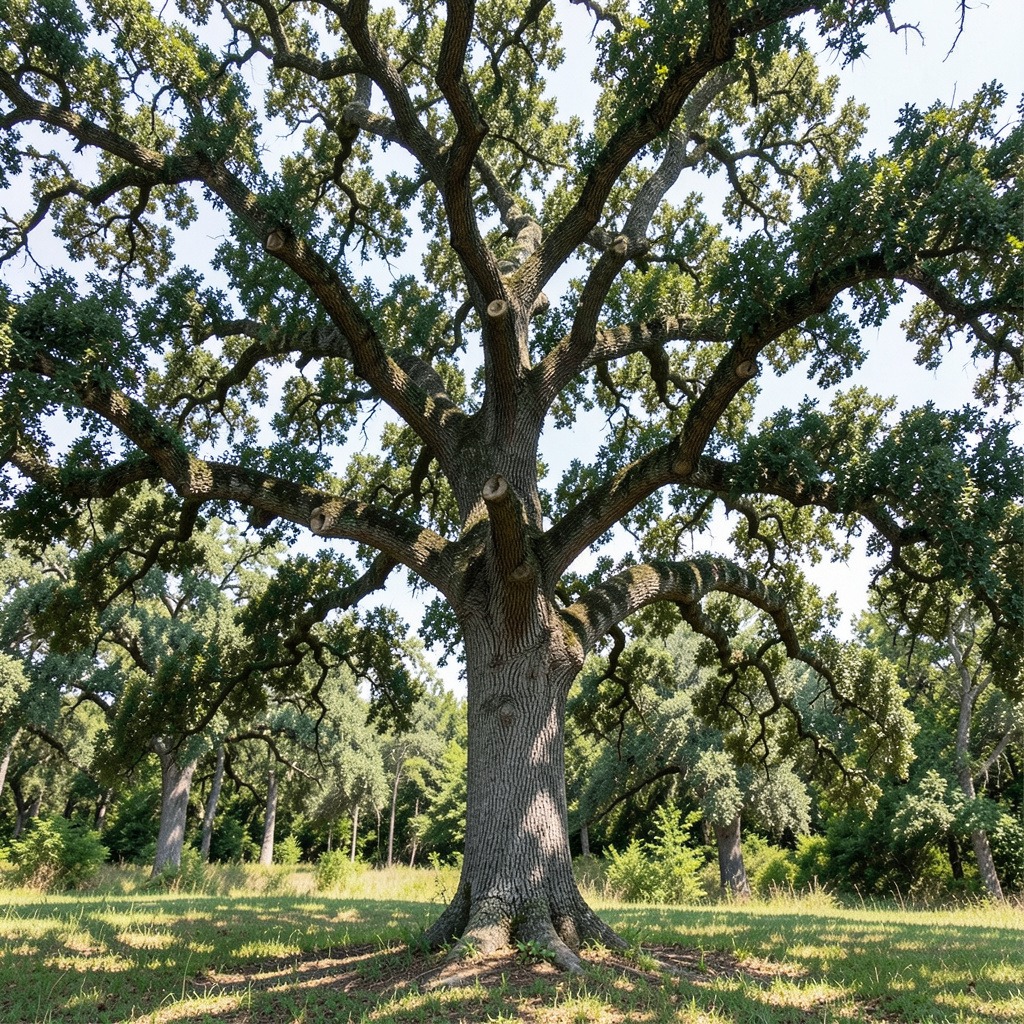
Live oaks (Quercus virginiana) offer numerous advantages that make them a popular choice for landscaping. Their robust nature and aesthetic appeal enhance both residential and commercial properties.
Exceptional Shade Provider
Live oaks are renowned for their broad, dense canopies, providing significant shade coverage. This feature is especially beneficial in warmer climates, where shade can reduce cooling costs.
- Shade Coverage: A mature live oak can provide up to 1,200 square feet of shade, significantly more than many other common trees.
- Comfort and Aesthetics: The expansive shade not only offers a respite from the sun but also enhances outdoor living spaces.
Wildlife Habitat and Acorn Production
Live oaks are vital for local ecosystems. They support various wildlife species by providing food and shelter.
- Acorn Production: Live oaks produce abundant acorns, which serve as a food source for birds, squirrels, and other wildlife.
- Biodiversity Support: By attracting various species, live oaks contribute to a balanced ecosystem, promoting biodiversity in residential areas.
Aesthetic Appeal in Landscaping
The unique growth habit of live oaks adds character to landscapes. Their majestic form can become a focal point in any yard.
- Visual Interest: The sprawling branches create an impressive silhouette, especially in open spaces.
- Year-Round Beauty: Live oaks maintain their leaves throughout winter, providing greenery when many other trees are bare.
Key Considerations
When choosing to plant live oaks, consider the following:
- Space Requirements: Ensure adequate space for their expansive growth.
- Long-Term Commitment: Live oaks can live for several hundred years, making them a long-term investment in your landscape.
In summary, live oaks provide exceptional shade, support wildlife, and enhance the aesthetic appeal of any landscape. Their benefits make them a compelling choice for homeowners and landscapers alike.
2. Common Challenges of Live Oak Trees
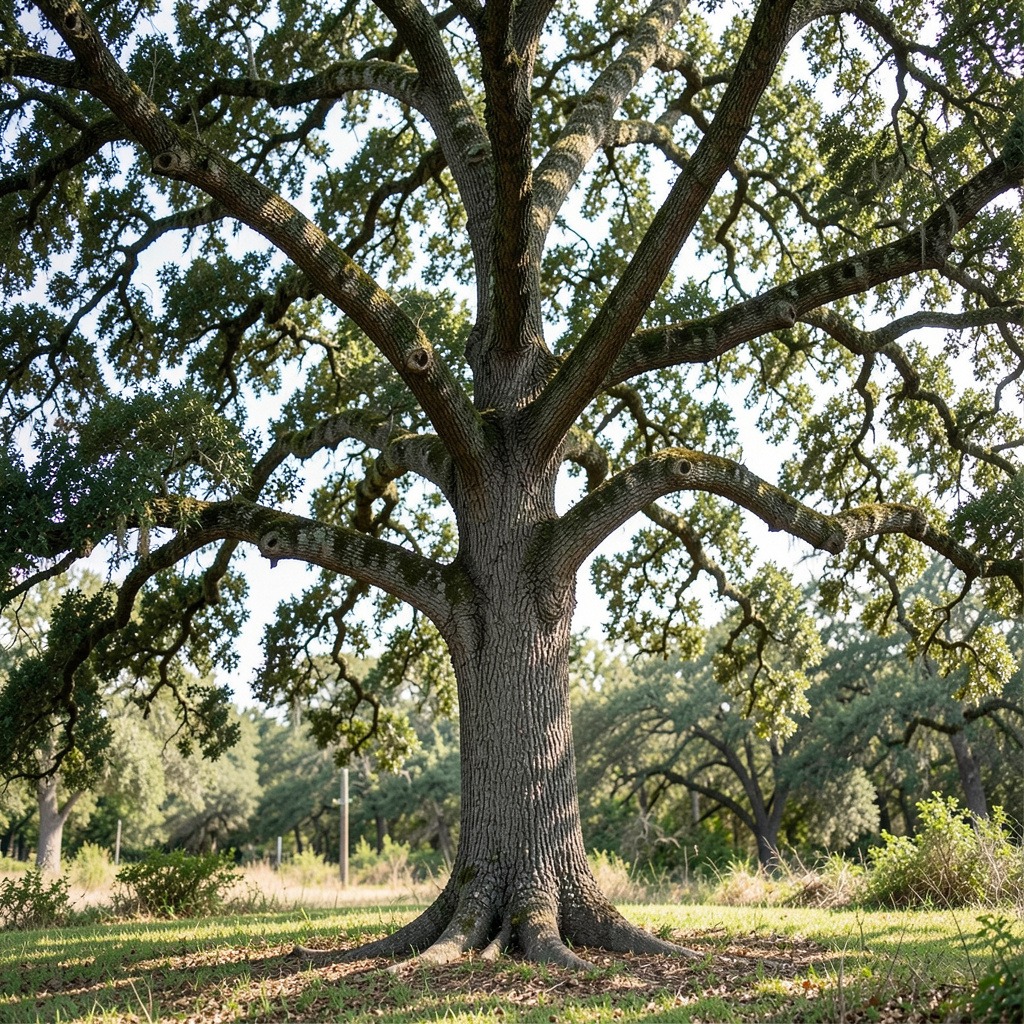
While live oaks offer many advantages, they also come with specific challenges that homeowners should consider. Understanding these drawbacks can help you make an informed decision about incorporating them into your landscape.
Maintenance and Pruning Needs
Live oaks require regular maintenance to thrive. Their expansive branches can create a dense canopy, which may necessitate pruning for structural integrity and to increase light penetration. Failure to maintain these trees can lead to overcrowding, impacting their health and aesthetic appeal.
Checklist for Maintenance:
- Pruning Frequency: Annually for young trees; every few years for mature oaks.
- Tools Needed: Pruning saw, loppers, and safety gear.
- Signs of Overgrowth: Crowded branches, weak limbs, or poor air circulation.
Leaf Drop and Messiness
One of the notable downsides of live oaks is their leaf drop. While they retain leaves throughout winter, they shed them in early spring, coinciding with the emergence of new foliage. Additionally, live oaks produce numerous acorns in the fall, creating a mess on your lawn and driveway.
Potential Issues:
- Seasonal Cleanup: Prepare for extensive leaf and acorn collection in spring and fall.
- Impact on Landscaping: Debris can smother smaller plants beneath the tree.
Disease Susceptibility
Live oaks are generally resilient but can be susceptible to specific diseases, most notably oak wilt. This fungal disease can be fatal and requires careful management. Homeowners should be vigilant for signs of stress in their trees.
Common Diseases:
- Oak Wilt: Often manifests as wilting leaves or sudden leaf drop.
- Management Strategies:
- Regular inspections for symptoms.
- Consult with a certified arborist if symptoms appear.
Case Study: A homeowner in North Texas noticed premature leaf drop and wilting in their live oak. After consulting an arborist, they discovered the tree was affected by oak wilt. Early diagnosis allowed for effective treatment, saving the tree.
Understanding these challenges can help you weigh the pros and cons of live oaks in your landscape. By preparing for maintenance, managing messiness, and monitoring for disease, you can enjoy the benefits of these majestic trees while minimizing their drawbacks.
3. Care and Maintenance Tips for Live Oak Trees
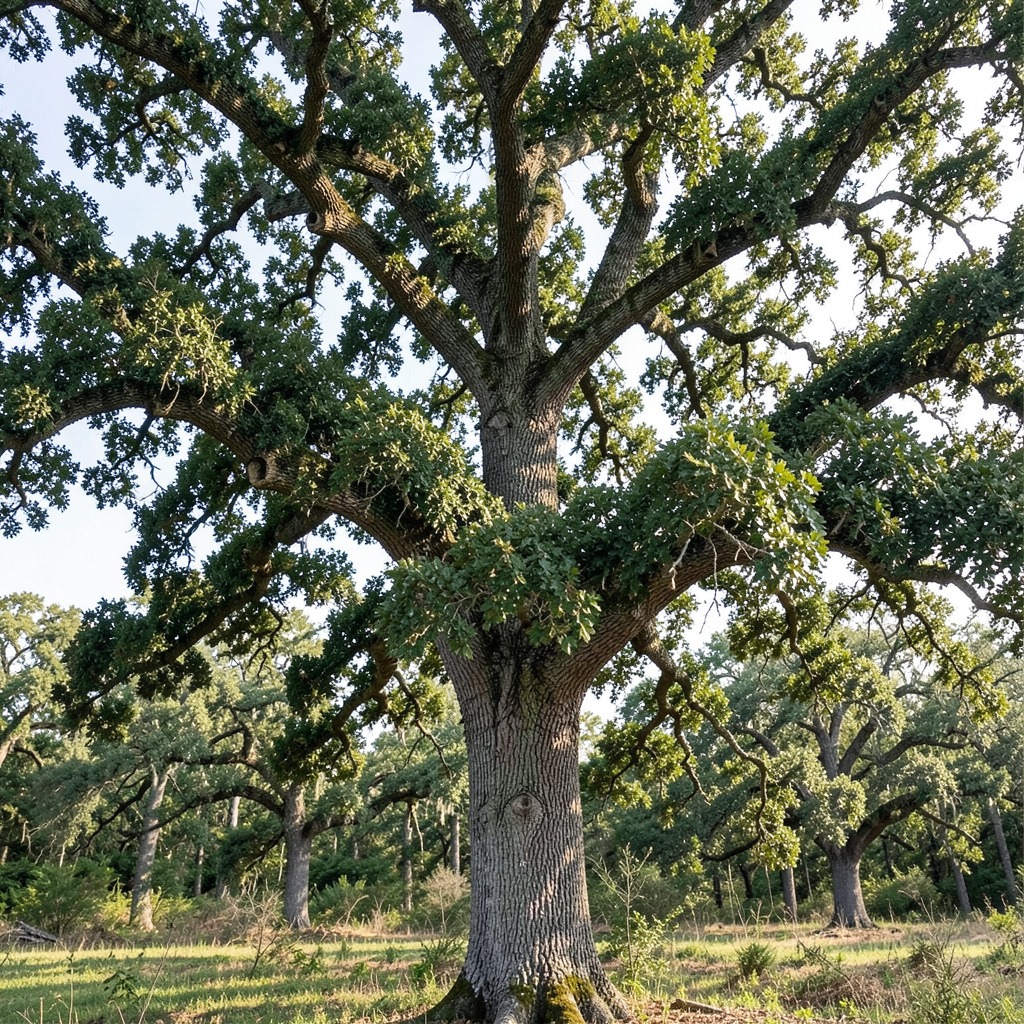
Caring for live oak trees involves understanding their specific needs regarding watering, pruning, and fertilization. Proper maintenance ensures these majestic trees thrive and continue to provide benefits to your landscape.
Watering Requirements
Live oaks are drought-tolerant once established, but young trees need consistent moisture. Follow these guidelines:
- Newly Planted Trees: Water deeply once a week for the first year.
- Established Trees: Water every 2-4 weeks during dry spells.
- Soil Check: Always check the top 2 inches of soil; if dry, it’s time to water.
Pruning Best Practices
Pruning is essential for shaping and maintaining the health of live oaks. Here are key practices:
- Timing: Prune in late winter or early spring before new growth starts.
- Technique: Remove dead or crossing branches. Avoid over-pruning; aim for a natural shape.
- Safety: Use sharp, clean tools to prevent disease spread.
Fertilization and Soil Needs
Fertilization supports robust growth and overall tree health. Consider the following:
- Soil Testing: Test the soil to determine nutrient needs.
- Type of Fertilizer: Use a slow-release fertilizer high in nitrogen during the growing season.
- Application: Apply fertilizer in early spring and again in late summer, following package directions for quantity.
Seasonal Care Calendar
To help you track maintenance needs throughout the year, here’s a simple checklist:
| Season | Task |
|---|---|
| Spring | Prune and fertilize |
| Summer | Water regularly |
| Fall | Inspect for pests |
| Winter | Check for dead branches |
By adhering to these care and maintenance tips, you can ensure your live oak trees remain healthy and vibrant, maximizing their benefits while minimizing potential drawbacks.
4. Live Oaks in Landscaping: Considerations and Comparisons
Live oaks are a popular choice for landscaping, particularly in warmer climates. Understanding their pros and cons compared to other shade trees is essential for making informed decisions about your landscape design.
Live Oak vs. Other Shade Trees
When considering live oaks, compare them to other common shade trees like maples, willows, and sycamores. Each tree has unique benefits and challenges.
| Feature | Live Oak | Maple | Willow | Sycamore |
|---|---|---|---|---|
| Growth Rate | Moderate | Fast | Fast | Moderate |
| Shade Density | Dense | Moderate | Dense | Moderate |
| Leaf Drop | Seasonal (early spring) | Fall | Fall | Fall |
| Acorn Production | High | None | None | None |
| Disease Resistance | High (except oak wilt) | Prone to pests | Prone to diseases | Moderate |
| Soil Adaptability | Tolerant of various soils | Prefers well-drained soil | Prefers moist soil | Prefers moist, rich soil |
Best Landscaping Practices with Live Oaks
To maximize the benefits of live oaks in your landscape, consider the following practices:
- Placement: Position live oaks away from structures to allow for their expansive canopy.
- Understory Planting: Select shade-tolerant plants beneath a live oak to enhance biodiversity.
- Regular Maintenance: Prune regularly to maintain shape and health, particularly to reduce risk from oak wilt.
When to Choose a Live Oak Over Other Trees
Deciding to plant a live oak should consider specific landscaping needs:
- Climate Suitability: Live oaks thrive in warmer climates, making them ideal for southern regions.
- Space Availability: If you have ample space, live oaks can grow into impressive specimens.
- Wildlife Habitat: Choose live oaks if you wish to attract wildlife, as their acorns are a food source.
Decision Matrix for Selecting Shade Trees
| Criteria | Live Oak | Other Shade Trees |
|---|---|---|
| Space for Growth | Yes | Varies (check species) |
| Desired Wildlife Support | Yes | Varies |
| Maintenance Willingness | Moderate | Varies |
| Aesthetic Preference | Year-round foliage | Seasonal changes |
By evaluating your specific landscape needs against this matrix, you can make an informed decision about whether a live oak is the best choice for your property.
5. Ecological Benefits of Live Oaks
Live oaks offer significant ecological advantages, enhancing biodiversity and improving soil health. Understanding these benefits can help you appreciate their role in your landscape.
Supporting Local Wildlife
Live oaks provide critical habitat and food sources for various wildlife species. Their acorns are a nutritious food source for birds, squirrels, and other mammals. This food availability promotes a vibrant ecosystem, attracting diverse wildlife to your yard.
- Birds: Species such as woodpeckers and blue jays rely on live oaks for food and nesting sites.
- Mammals: Squirrels and deer find sustenance in the acorns, contributing to local biodiversity.
Soil Health and Erosion Control
The extensive root systems of live oaks improve soil structure and reduce erosion. Their roots help stabilize soil, making them suitable for planting in areas prone to erosion.
- Nutrient Cycling: Live oaks contribute organic matter to the soil through leaf litter, enhancing nutrient availability.
- Erosion Prevention: Their deep roots anchor the soil, minimizing surface runoff during heavy rains.
Climate Adaptation and Resilience
Live oaks exhibit a remarkable ability to adapt to changing climatic conditions. Their resilience aids in combating climate change effects in urban settings.
- Drought Tolerance: Live oaks can withstand periods of drought, making them suitable for various climates.
- Carbon Sequestration: Their large size allows them to capture significant amounts of carbon, contributing to a healthier environment.
By integrating live oaks into your landscape, you not only enhance its beauty but also support ecological health. Their benefits extend beyond aesthetics, impacting local wildlife and soil vitality.
Frequently Asked Questions
These quick answers cover the most common questions about this topic, including key details, practical tips, and common concerns.
What are the disadvantages of having a live oak tree?
Live oaks can present several challenges for homeowners. One major disadvantage is their maintenance needs. They require regular pruning to maintain their structure and prevent overcrowding, which can be time-consuming. Additionally, live oaks shed leaves and acorns, creating messiness in your yard during specific seasons.
Another concern is their susceptibility to diseases, particularly oak wilt, which can be fatal if not managed properly. Lastly, their expansive growth may not be suitable for smaller yards, as they need ample space to thrive.
How far should a live oak be from a house?
When planting a live oak, it’s recommended to keep it at least 15 to 20 feet away from your house. This distance allows the tree to grow without risking damage to your home from falling branches or roots that can disrupt foundations. Additionally, adequate spacing helps ensure that the tree receives enough sunlight for healthy growth.
What are the common problems for live oaks?
Common problems for live oaks include leaf drop, acorn litter, and susceptibility to diseases. They tend to drop their leaves in early spring, which can be messy. The production of acorns in the fall can also create debris on lawns and driveways.
Moreover, live oaks can be affected by pests and diseases, with oak wilt being the most serious threat. Regular inspections and proper care can help mitigate these issues.
What is the average lifespan of a live oak?
Live oaks are known for their longevity, with an average lifespan of 200 to 300 years. Some specimens can live for over 1,000 years under optimal conditions. Their long lifespan makes them a significant investment for landscaping, providing shade and beauty for generations.
How do I care for a live oak tree?
Caring for a live oak involves regular watering, especially for young trees. They should be watered deeply once a week during their first year. Established trees typically need watering every 2-4 weeks during dry spells.
Pruning should be done in late winter or early spring to maintain health and shape. Fertilization with a slow-release nitrogen-rich fertilizer in spring and late summer can support their growth. Regular inspections for pests and diseases are also essential for maintaining their health.
When is the best time to plant a live oak?
The best time to plant a live oak is during the fall or early spring. Planting in the fall allows the tree to establish roots before the heat of summer, while early spring planting gives it a full growing season to adapt. Avoid planting during extreme temperatures to reduce stress on the young tree.
Can live oaks be pruned?
Yes, live oaks can and should be pruned to maintain their health and shape. Pruning is best done in late winter or early spring before new growth begins. Focus on removing dead, crossing, or crowded branches to improve air circulation and light penetration. Proper pruning techniques help prevent disease and promote a strong structure.
What are some alternatives to live oaks in landscaping?
If you’re considering alternatives to live oaks, look into trees like Southern magnolia, red maple, or sweetgum. These trees also provide shade and aesthetic appeal but may have different growth habits, maintenance needs, and ecological benefits. When choosing an alternative, consider your space, climate, and desired wildlife support to find the best fit for your landscape.