
Live oak roots are extensive, with a deep taproot and lateral roots spreading widely, potentially causing foundation damage.
Table of Contents
Live oak trees are known for their majestic form and extensive root systems. Understanding the depth, spread, and potential invasiveness of live oak roots is crucial for homeowners and landscapers to ensure healthy growth while preventing damage to structures.
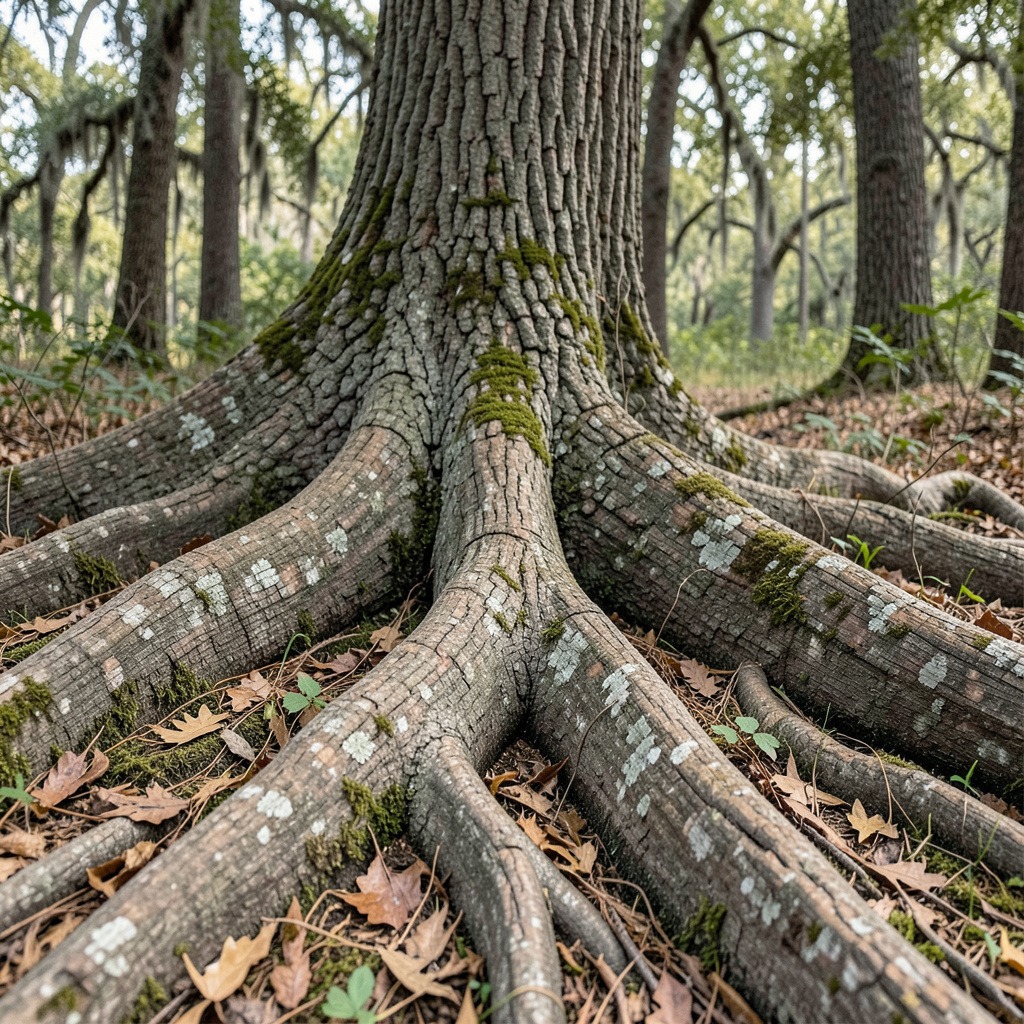
Characteristics of Live Oak Roots
Live oak roots exhibit unique characteristics that influence their growth and interaction with surrounding landscapes. Understanding these traits is crucial for effective management and maintenance.
Depth of Live Oak Roots
The depth of live oak roots typically ranges from 18 to 24 inches beneath the soil surface. However, some roots can extend deeper, especially as the tree matures. The deeper roots, known as sinker roots, access moisture from lower soil layers. This depth allows live oaks to thrive in various soil conditions but can also lead to challenges in urban settings.
Spread of Live Oak Roots
Live oak roots are known for their expansive lateral spread. They often extend well beyond the tree’s canopy, which can impact nearby plants and structures. Here’s a breakdown of their spread characteristics:
- Lateral Roots: These roots grow horizontally, absorbing water and nutrients. They often extend twice the width of the tree’s canopy.
- Feeder Roots: Located in the upper soil layers, these fine roots are crucial for nutrient uptake. They are sensitive to soil compaction and environmental stress.
Taproot vs. Lateral Roots
Live oaks develop a central taproot early in life. This taproot provides stability and allows the tree to access deeper moisture. As the tree matures, lateral roots become more prominent. Here are the key differences:
- Taproots: Deep and vertical, primarily established in young trees for stability.
- Lateral Roots: Horizontal and expansive, responsible for nutrient absorption and often problematic in landscaping.
To manage the challenges posed by live oak roots, consider using a Tree Root Barrier System to help redirect root growth away from sensitive areas. Check Price on Amazon.
Understanding these characteristics can help homeowners and landscapers make informed decisions about planting and maintaining live oak trees.
Impact of Live Oak Roots on Landscaping
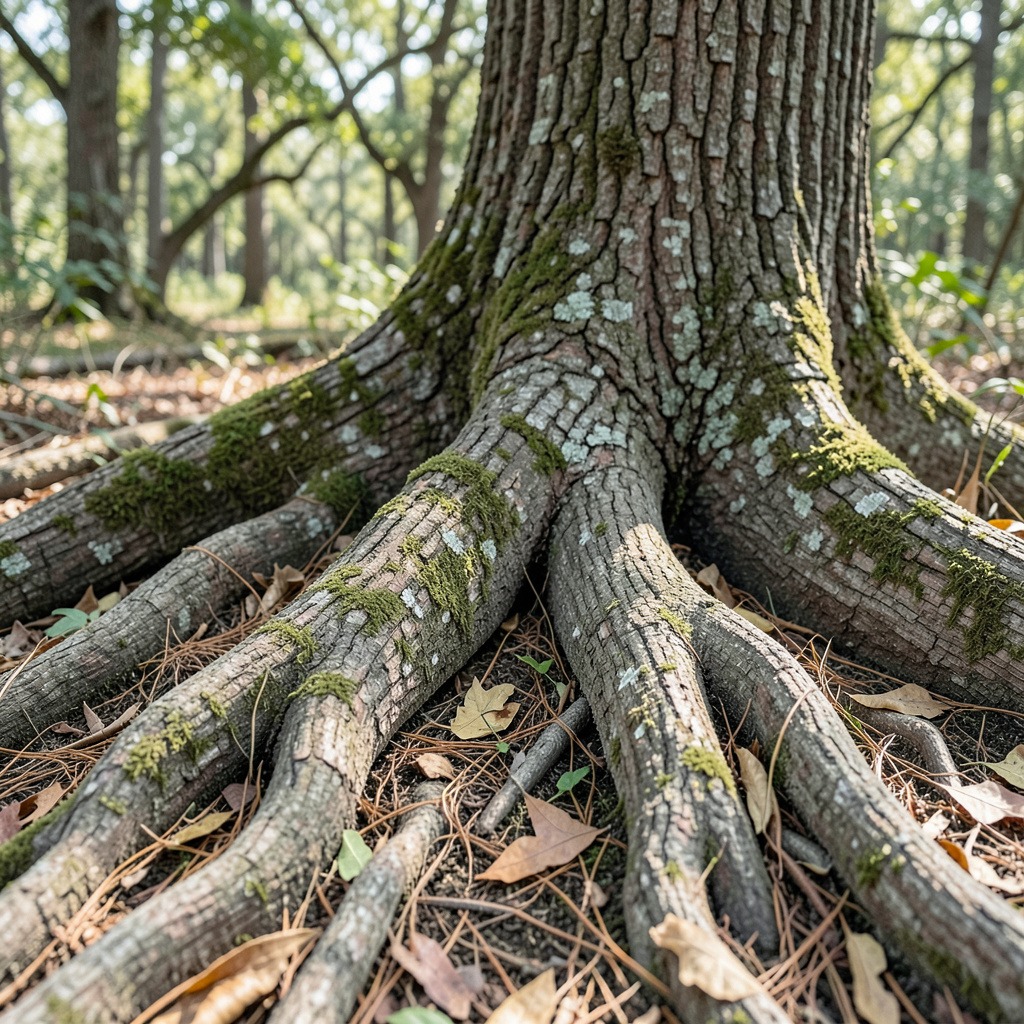
Live oak roots can significantly impact landscaping decisions and nearby structures. Understanding their characteristics is essential for effective management.
Foundation Damage Risks
Live oak roots are known for their expansive lateral growth. They often extend beyond the tree’s canopy, potentially causing damage to nearby structures. Roots can push against foundations, leading to cracks and structural instability. Here are some common risks associated with live oak roots:
- Cracked Foundations: Roots can exert pressure on foundations, leading to cracks and costly repairs.
- Heaved Sidewalks: As roots grow, they may lift sidewalks, creating tripping hazards.
- Damaged Driveways: Roots can deform asphalt or concrete driveways, necessitating repairs.
Real-world examples highlight the risk. Homeowners have reported instances where live oak roots caused visible cracks in their basements. Preventative measures, such as maintaining adequate distance when planting, can mitigate these risks.
Recommended Planting Distance
Proper spacing is crucial when planting live oaks. Experts recommend a planting distance of at least 30 feet from structures. This distance allows roots to grow without compromising nearby foundations or hardscapes. Here’s a quick reference for planting distances:
- Minimum Distance: 30 feet from structures.
- Ideal Distance: 60 feet for optimal root growth and minimal disruption.
Planting at the correct distance not only protects structures but also supports the tree’s health by providing ample space for root expansion.
Landscape Management Strategies
Managing live oak roots effectively requires proactive strategies. Here are actionable techniques to minimize their impact on landscaping:
1. Use a Tree Root Barrier System: Installing barriers can redirect roots away from sensitive areas. This is an effective method for protecting foundations and hardscapes. Check Price on Amazon.
2. Choose Resistant Plants: When landscaping near live oaks, select plants that can thrive in their shade and are less affected by root competition.
3. Regular Maintenance: Monitor the health of your live oak and surrounding plants. Regular pruning and root inspections can prevent issues before they escalate.
By understanding live oak roots and implementing these management strategies, homeowners can maintain a healthy landscape while minimizing potential damage.
Management Techniques for Live Oak Roots
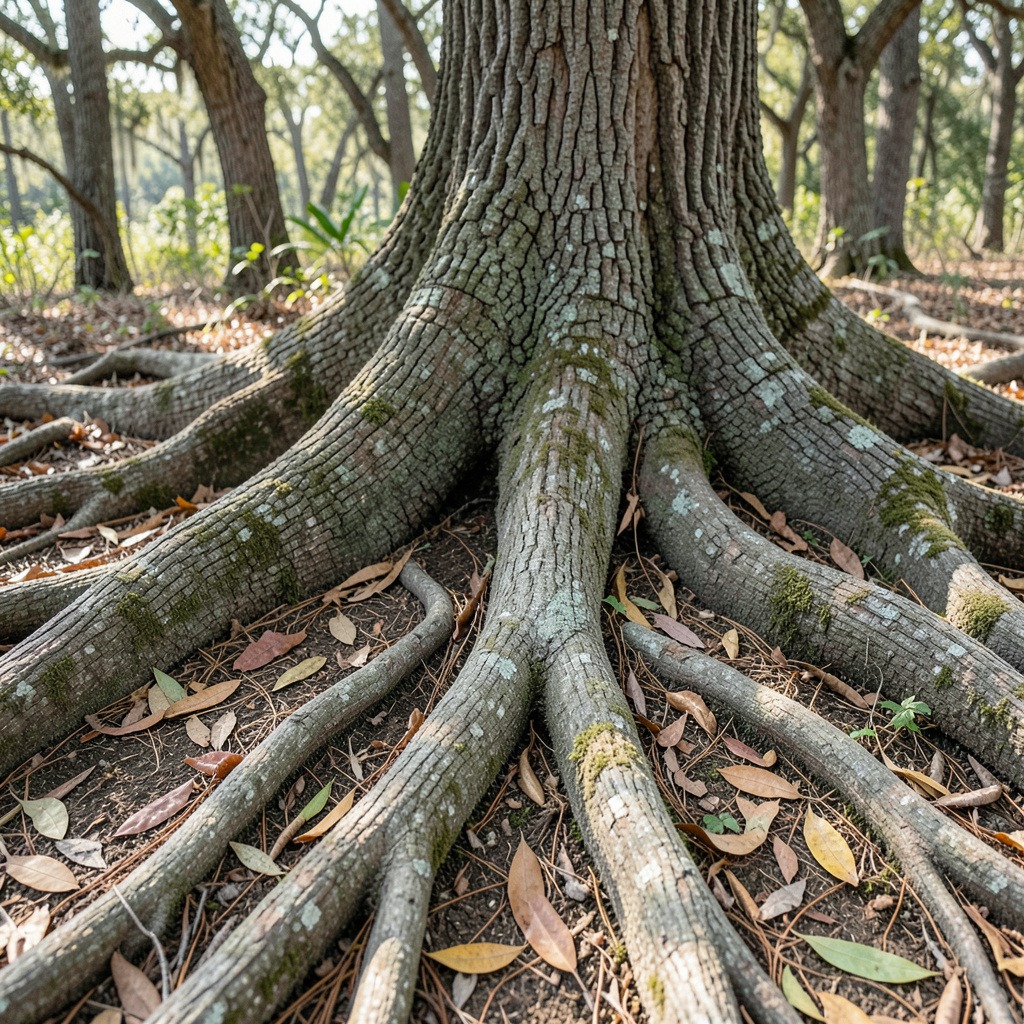
Effectively managing live oak roots is crucial for protecting your landscape and structures. Implementing well-planned strategies can minimize potential damage while promoting the health of your tree.
Installing Root Barriers
Root barriers are a proactive solution to prevent live oak roots from invading sensitive areas. These barriers redirect growth away from foundations and hardscapes.
- Material Selection: Use durable materials like high-density polyethylene or metal.
- Installation Depth: Ensure barriers reach a depth of at least 24 inches to intercept deeper roots.
- Placement: Position barriers at least 3 feet from the trunk to allow for natural root expansion while protecting nearby structures.
Regular Maintenance Practices
Routine maintenance helps keep live oak roots in check. Here are key practices to consider:
- Monitor Growth: Regularly inspect the area around your oak tree for exposed roots.
- Soil Health: Maintain good soil aeration and drainage to support feeder roots. Compacted or overly wet soil can damage these crucial root systems.
- Pruning: Prune your live oak to control its size and reduce root competition with other plants.
Dealing with Exposed Roots
Exposed roots can create tripping hazards and disrupt landscaping. Address these issues promptly:
- Covering with Soil: Add a thin layer of soil over exposed roots to protect them from damage while promoting growth.
- Mulching: Apply mulch around the base of the tree to retain moisture and regulate soil temperature. Avoid piling mulch against the trunk to prevent rot.
- Root Management Products: Consider using a tree root barrier system to establish a long-term solution for managing root spread. Check Price on Amazon.
Implementing these management techniques will help you maintain a healthy landscape while minimizing challenges associated with live oak roots.
Comparisons: Live Oak Roots vs. Other Tree Species
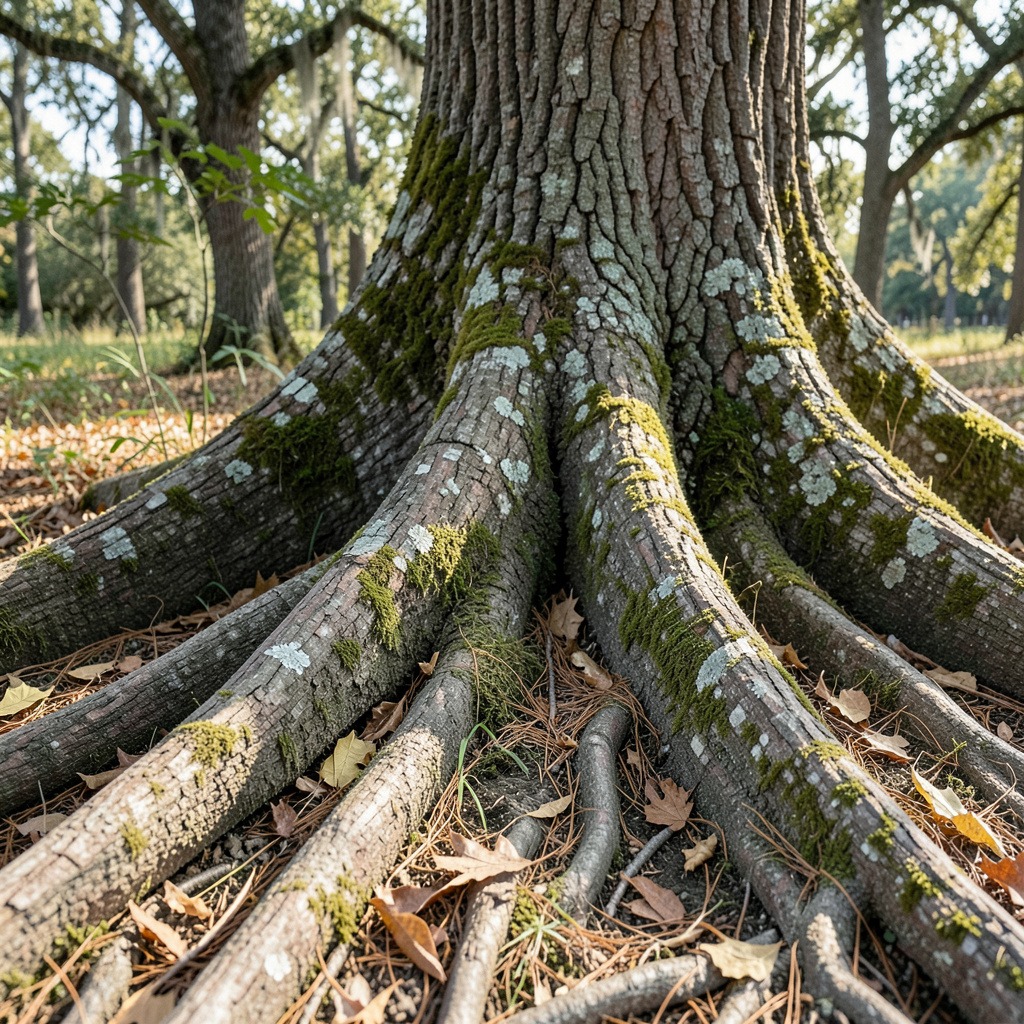
Understanding how live oak roots compare to those of other tree species can help homeowners make informed decisions about landscaping and tree management. Live oak roots have specific characteristics that may influence their suitability for your yard.
Invasiveness of Live Oak Roots
Live oak roots are known for their aggressive growth, often spreading two to three times the width of the tree’s canopy. This expansive root system can create challenges, especially in urban environments. Key points to consider include:
- Depth: Live oak roots typically remain shallow, generally within the top 18 to 24 inches of soil. This shallow growth can lead to surface-level issues.
- Spread: They easily extend beyond the tree’s canopy, which can disrupt sidewalks, foundations, and other landscaping features.
- Invasiveness: Compared to species like maples or pines, live oak roots are more invasive, posing a higher risk to nearby structures.
Benefits of Other Tree Roots
While live oak roots can present challenges, some other tree species have roots that may be more manageable. Consider the following:
- Maple Trees: Their roots are less aggressive and typically do not spread as widely. They also tend to grow deeper, which can be beneficial in compacted soils.
- Dogwood Trees: These have a more contained root system, making them suitable for smaller yards without the risk of damaging infrastructure.
- Red Oak Trees: Similar to live oaks, red oaks have shallow roots but tend to be less invasive, causing fewer problems with nearby structures.
Choosing the Right Tree for Your Yard
When selecting a tree, consider the following factors related to root systems:
- Space Availability: Assess the area where the tree will be planted. Ensure there’s enough space for root spread.
- Proximity to Structures: Avoid planting live oaks near foundations or sidewalks to minimize damage risks.
- Maintenance Needs: Consider the management techniques required for different tree species. Live oaks may need more proactive root management.
By weighing these factors, you can better understand how live oak roots stack up against other common tree species in your landscaping choices.
Alternatives to Live Oaks in Landscaping
When considering landscaping options, selecting trees with less invasive root systems can prevent potential damage to structures and reduce maintenance challenges. Here are some viable alternatives to live oaks that thrive in similar climates but pose fewer risks to nearby foundations.
Non-Invasive Tree Options
1. Red Maple (Acer rubrum)
- Root Characteristics: Shallow, fibrous roots.
- Benefits: Fast-growing and adaptable to various soil types.
2. Eastern Redbud (Cercis canadensis)
- Root Characteristics: Non-aggressive and compact root system.
- Benefits: Beautiful spring flowers and minimal foundation impact.
3. Serviceberry (Amelanchier spp.)
- Root Characteristics: Shallow and spreading but non-invasive.
- Benefits: Produces edible berries and offers seasonal interest.
4. Sweetgum (Liquidambar styraciflua)
- Root Characteristics: Wide but shallow root system.
- Benefits: Provides vibrant fall color and tolerates various conditions.
Benefits of Choosing Alternative Trees
Switching to non-invasive trees can offer multiple advantages, including:
- Reduced Risk of Foundation Damage: Non-invasive roots are less likely to interfere with structures.
- Lower Maintenance Needs: These trees often require less root management, freeing up time for other landscaping tasks.
- Ecological Benefits: Many alternatives also support local wildlife and promote biodiversity.
Local Species to Consider
When selecting trees, consider native varieties that thrive in your region. Here are a few examples:
- Southern Magnolia (Magnolia grandiflora)
- Characteristics: Large, glossy leaves and fragrant flowers.
- Root System: Generally shallow and non-invasive.
- Pecan Tree (Carya illinoinensis)
- Characteristics: Produces edible nuts and provides ample shade.
- Root System: Deep taproot but non-invasive lateral roots.
- Black Gum (Nyssa sylvatica)
- Characteristics: Attractive fall foliage and resistance to drought.
- Root System: Shallow and fibrous, minimizing disruption to surrounding areas.
By carefully selecting tree species that complement your landscape while avoiding the challenges posed by live oak roots, you can create a thriving, sustainable outdoor environment.
Frequently Asked Questions
These quick answers cover the most common questions about this topic, including key details, practical tips, and common concerns.
Do live oak trees have invasive roots?
Yes, live oak trees are known for their invasive root systems. Their roots can spread two to three times the width of the tree’s canopy, which can lead to problems for nearby structures. This aggressive growth can disrupt sidewalks, foundations, and other landscaping features, making it essential to consider their root behavior when planting.
How far should a live oak be from a house?
Experts recommend planting live oaks at least 30 feet away from any structures. This distance helps minimize the risk of root damage to foundations and hardscapes. For optimal growth and reduced disruption, a distance of 60 feet is ideal. Proper spacing is key to ensuring both the tree’s health and the safety of nearby buildings.
How deep are the roots of a live oak?
Live oak roots typically grow to a depth of 18 to 24 inches. However, some roots may extend deeper to access moisture. The taproot, which is established early in the tree’s life, provides stability, while the lateral roots spread horizontally, often causing issues in landscaping and near structures.
What are the downsides of having live oak trees?
The main downsides of live oak trees include their invasive root systems, which can cause foundation damage and disrupt landscaping. Additionally, they require regular maintenance to manage root growth and prevent potential hazards. Homeowners may also face challenges with exposed roots, which can create tripping hazards and complicate landscaping efforts.
How can I manage exposed roots or root sprouts?
To manage exposed roots or root sprouts, consider covering them with a thin layer of soil or mulch to protect them and promote growth. Regularly inspect the area around the tree for any issues, and use root barriers to redirect growth away from sensitive areas. Pruning and maintaining soil health can also help manage root spread effectively.
What trees should not be planted near live oaks?
Avoid planting trees with aggressive root systems, such as willows or certain maples, near live oaks. These species can compete for nutrients and space, exacerbating root issues. Instead, consider non-invasive options like red maples, eastern redbuds, or serviceberries, which are less likely to interfere with live oak roots and can thrive in similar conditions.
Concerns with live oak root formation in Texas?
In Texas, live oak roots can pose significant challenges due to their aggressive growth. Homeowners often report foundation damage and sidewalk disruptions. It’s crucial to plant live oaks at a safe distance from structures and to implement root management strategies, such as barriers and regular maintenance, to mitigate these concerns.