
Live oaks typically grow to heights of 40 to 80 feet with trunk diameters ranging from 4 to 6 feet, depending on the species and growing conditions.
Table of Contents
The live oak, particularly Quercus virginiana, is an iconic tree celebrated for its impressive size and strength. Understanding its growth patterns and requirements is crucial for anyone considering planting or caring for this majestic tree.
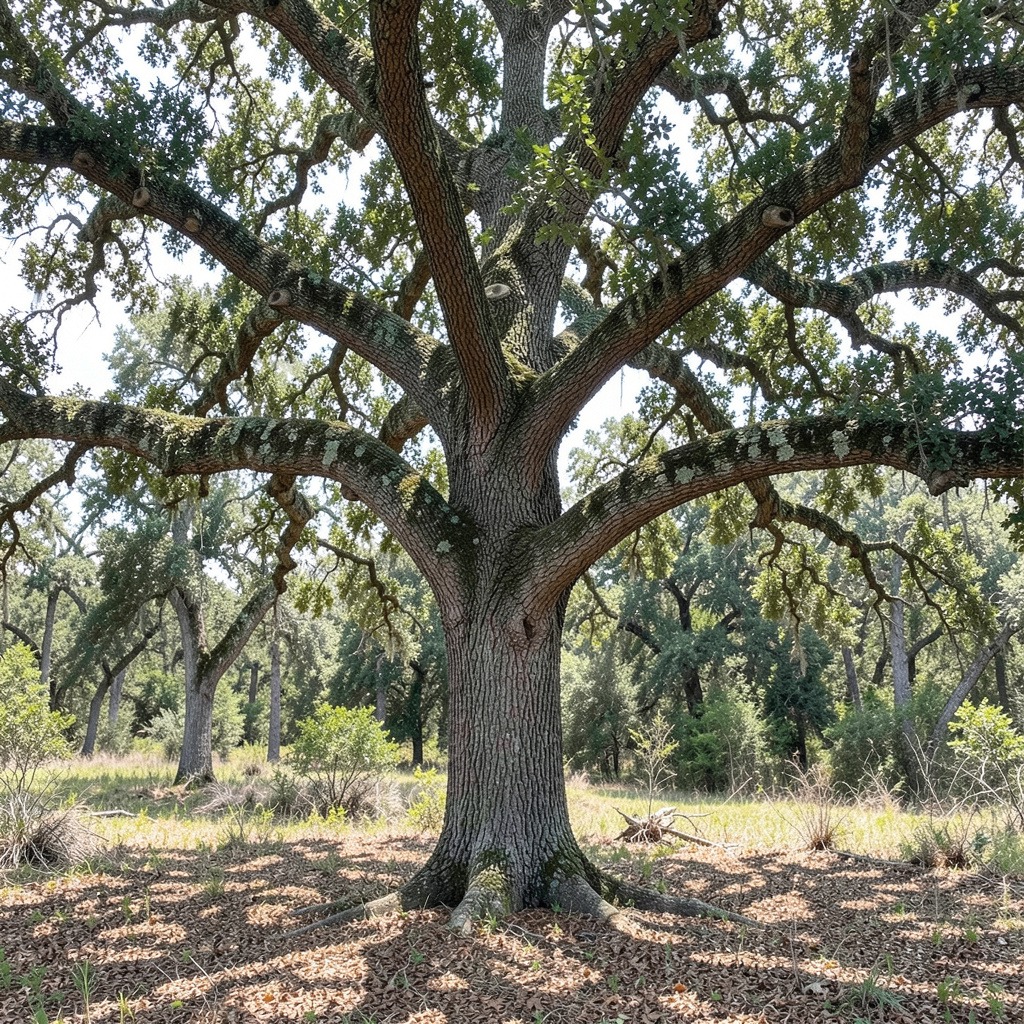
Growth Characteristics of Live Oaks
Live oaks, particularly Quercus virginiana, exhibit remarkable growth patterns that make them both majestic and functional in various landscapes. Understanding their size, growth rate, and space requirements is essential for optimal cultivation.
Typical Height and Diameter
Live oaks are known for their impressive stature. They typically reach a height of 15 to 25 meters (50 to 80 feet) at maturity. Their trunk diameter can exceed 1 meter (3 feet), depending on environmental conditions and care.
- Height: 15 to 25 meters (50 to 80 feet)
- Trunk Diameter: Up to 1 meter (3 feet) or more
These dimensions can vary significantly based on soil quality, water availability, and sunlight exposure.
Growth Rate Over the Years
Live oaks exhibit a moderate growth rate in their early years, often reaching about 0.6 to 1.2 meters (2 to 4 feet) annually. As they mature, this rate slows down.
- Years 1-5: Rapid growth, 0.6 to 1.2 meters (2 to 4 feet) per year.
- Years 6-10: Growth stabilizes; height increases by approximately 0.3 to 0.6 meters (1 to 2 feet) annually.
- Years 11+: Slow growth; height can increase by 0.15 to 0.3 meters (0.5 to 1 foot) per year.
Optimal conditions, such as well-drained soil and adequate sunlight, can enhance this growth rate.
Space Requirements for Optimal Growth
To thrive, live oaks need ample space. Their expansive canopy can extend 20 to 30 meters (65 to 100 feet) across. Here are the space considerations:
- Spacing from Other Trees: At least 10 to 15 meters (30 to 50 feet) to prevent competition.
- Distance from Structures: Ideally, plant them 15 to 20 meters (50 to 65 feet) away from buildings to avoid potential damage from falling branches.
When planted in urban settings, their size and spread must be considered to ensure they do not interfere with infrastructure.
In summary, understanding the growth characteristics of live oaks is crucial for effective planting and maintenance, ensuring these iconic trees can flourish in their intended environments.
Wood Properties and Uses of Live Oak
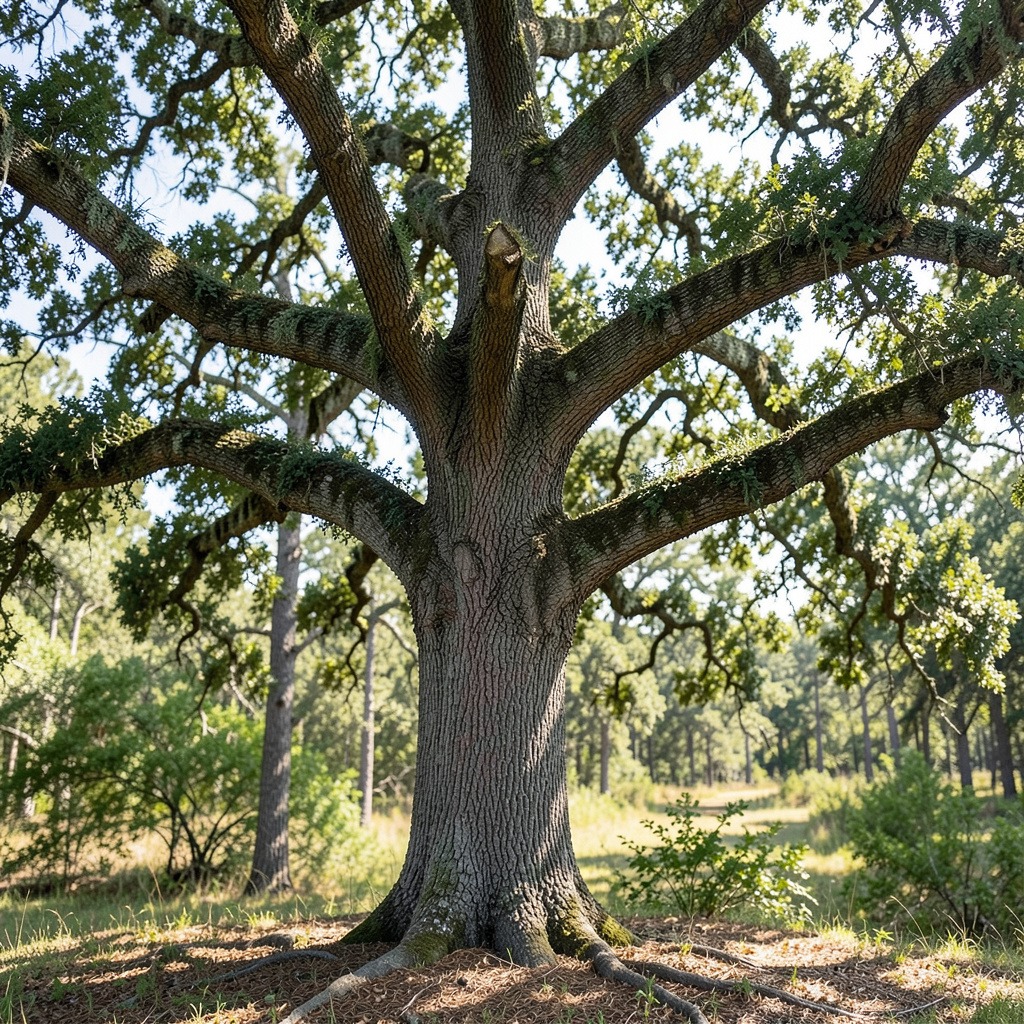
Live oak wood is renowned for its strength and durability, making it a valuable resource for various applications. Its unique characteristics contribute to its historical significance and contemporary uses.
Strength and Durability
Live oak wood boasts a high density, with a specific gravity of 0.88, placing it among the strongest hardwoods in North America. This density results in exceptional durability, making live oak resistant to wear and tear. Its natural properties provide excellent energy absorption, which is critical in applications where resilience is essential.
Common Uses of Live Oak Wood
Live oak’s robust characteristics lend themselves to several practical uses:
- Shipbuilding: Historically, live oak was extensively used in the construction of naval ships, including the USS Constitution. The wood’s ability to withstand cannon fire earned it the nickname “Old Ironsides.”
- Furniture Making: While not commonly used for furniture due to its tendency to warp, live oak can still be found in specialty pieces where strength is prioritized.
- Tool Handles: The material is favored for making tool handles because of its strength and shock-absorbent properties.
- Construction: Live oak is sometimes utilized in structural applications, though modern materials often replace it.
Comparison with Other Oak Species
When comparing live oak to other oak species, several distinctions emerge:
- Density: Live oak is denser than many other oaks, such as red oak and white oak, which typically have specific gravities around 0.60 to 0.75.
- Durability: Live oak’s resistance to decay is superior, making it ideal for outdoor applications, unlike some other oaks that may require treatment.
- Workability: While live oak is strong, it can be challenging to work with due to its density. Other oak species may offer easier machining and finishing.
By understanding these properties, you can effectively assess the suitability of live oak for specific projects and applications.
Cultural and Ecological Significance of Live Oaks
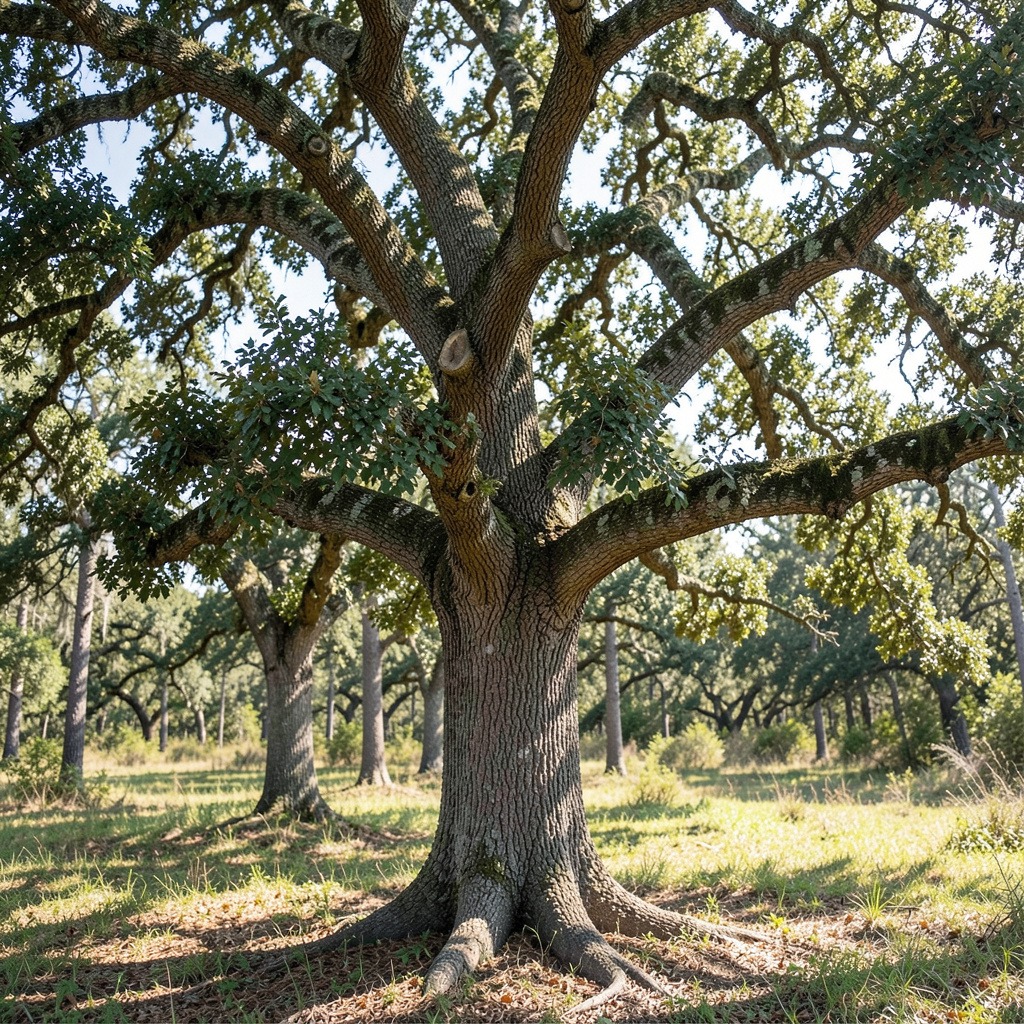
Live oaks hold a prominent place in American culture and ecology. Their majestic presence and resilience contribute to both historical narratives and local ecosystems.
Historical Context in American Culture
Live oaks have shaped American history and identity, especially in the Southern United States. Their grand stature often symbolizes strength and endurance.
- Shipbuilding Legacy: Live oak wood was integral to shipbuilding in the 18th and 19th centuries. The USS Constitution, known as “Old Ironsides,” famously utilized live oak for its hull, which withstood cannon fire during the War of 1812.
- Cultural Icons: The image of live oaks draped in Spanish moss evokes the charm of Southern landscapes. These trees frequently appear in literature and art, representing a connection to nature and heritage.
Role in Local Ecosystems
Live oaks play a vital role in their native habitats. They contribute to ecological balance and biodiversity.
- Wildlife Habitat: Their expansive branches provide shelter and nesting sites for birds and other wildlife. Species like squirrels and various birds rely on live oaks for food and habitat.
- Soil Health: The leaf litter from live oaks enriches the soil, promoting a healthy ecosystem. Their deep roots help prevent soil erosion and improve water retention, benefiting surrounding vegetation.
Symbolism and Iconography
Live oaks are often regarded as symbols of resilience and longevity. Their evergreen nature contrasts with other deciduous trees, making them a powerful emblem of life.
- Cultural Significance: Many communities celebrate live oaks in festivals and art, recognizing their beauty and historical importance.
- Literature and Folklore: Live oaks frequently appear in Southern folklore, symbolizing wisdom and strength. They are often featured in poems and stories, reflecting the deep connection between the land and its people.
By understanding the cultural and ecological significance of live oaks, we appreciate their impact beyond mere size and appearance. Their legacy continues to thrive in American history and natural landscapes.
Care and Maintenance Tips for Live Oaks
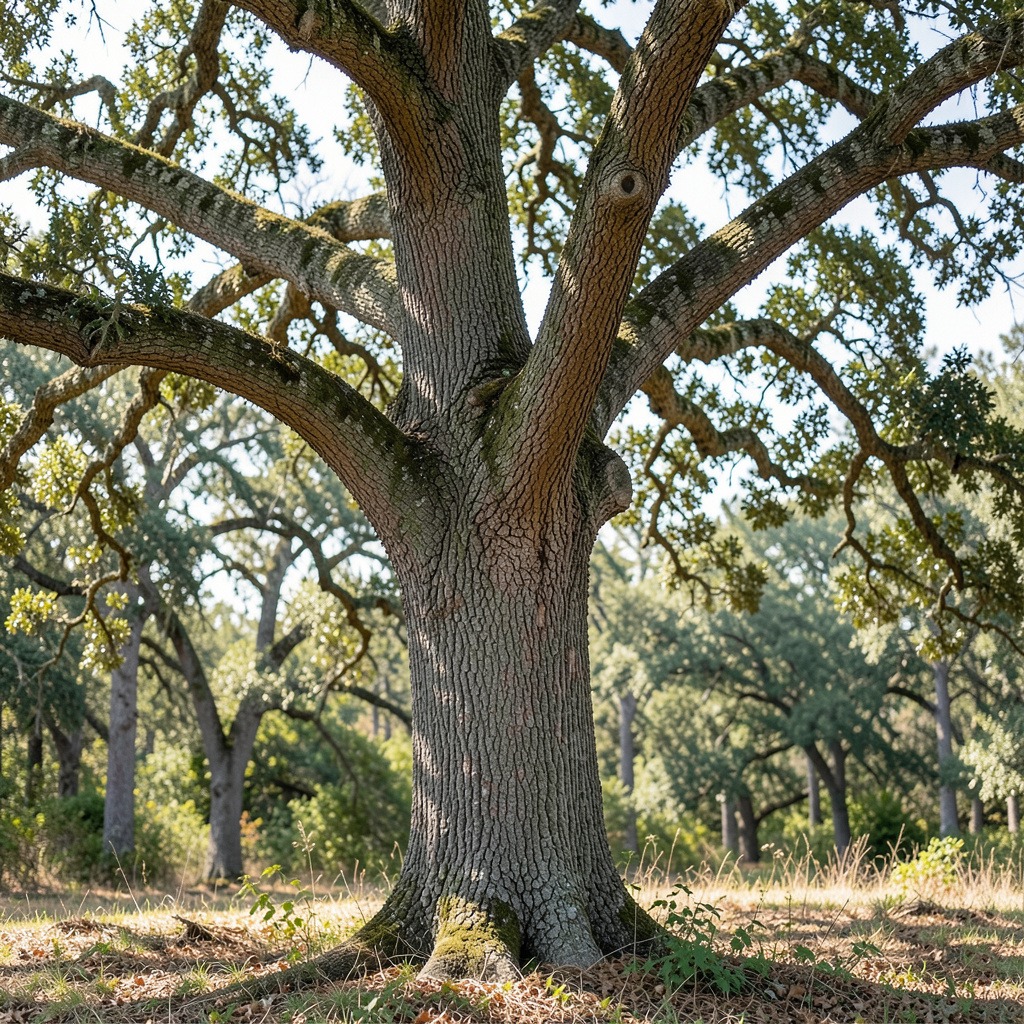
Caring for live oaks involves understanding their unique growth patterns and environmental needs. Proper maintenance ensures these majestic trees thrive and reach their full size potential.
Best Practices for Watering
Live oaks prefer well-drained soil but require regular watering, especially during their early growth stages. Here are some guidelines:
- Frequency: Water young trees every week, especially during dry spells. Mature trees need less frequent watering, typically every two to four weeks.
- Amount: Aim for deep watering, ensuring the soil is moist to a depth of 12 inches. This encourages deep root growth.
- Seasonal Care: Adjust watering based on the season; increase frequency in summer and reduce during cooler months.
Pruning Techniques for Healthy Growth
Pruning is essential for maintaining the shape and health of live oaks. Follow these techniques:
- Timing: Prune during late winter or early spring before new growth starts. Avoid pruning in late summer or fall to prevent stress.
- Technique: Remove dead or diseased branches first. Trim back any branches that cross or rub against each other to promote airflow.
- Shape Maintenance: Aim for a balanced canopy by selectively pruning to maintain the tree’s natural form.
Common Pests and How to Manage Them
Live oaks can be susceptible to pests and diseases. Here’s how to identify and manage common issues:
- Pests: Watch for acorn weevils, oak leaf caterpillars, and scale insects.
- Management: Use insecticidal soap for minor infestations. For severe cases, consult an arborist.
- Diseases: Be aware of oak wilt and powdery mildew.
- Management: Ensure good air circulation and avoid wounding trees. If oak wilt is suspected, professional treatment is necessary.
Seasonal Care Calendar
| Season | Care Tasks |
|---|---|
| Spring | Prune and fertilize; check for pests. |
| Summer | Water regularly; monitor for heat stress. |
| Fall | Inspect for diseases; mulch to retain moisture. |
| Winter | Plan for spring pruning; protect young trees from frost. |
By following these care guidelines, you can ensure that your live oaks grow healthy and strong, enhancing their size and beauty over time.
Potential Downsides of Planting Live Oaks
While live oaks are revered for their grandeur and strength, they come with specific challenges and space requirements. Understanding these downsides is crucial for potential planters.
Space and Size Considerations
Live oaks can reach significant heights, often growing between 40 to 80 feet tall, with a canopy that can spread equally wide. This expansive growth necessitates ample space in residential landscapes. Key considerations include:
- Root System: Live oaks develop extensive root systems that can disrupt nearby structures and sidewalks.
- Canopy Spread: Their broad branches can shade significant areas, impacting other plants and lawn health.
Homeowners should assess their yard size and proximity to structures before planting. A distance of at least 30 feet from buildings is advisable to accommodate mature growth.
Environmental Limitations
Live oaks thrive in specific environmental conditions. Understanding these limitations can prevent frustration later on. Key factors include:
- Climate: They prefer warm, humid climates and may struggle in colder regions.
- Soil Type: Well-drained, sandy soils are ideal. Heavy clay can lead to root rot and other health issues.
For example, if you live in an area with frequent frost or heavy clay soil, a live oak may not be suitable. Assessing local climate conditions is essential before planting.
Maintenance Challenges
Caring for live oaks requires commitment. Their size and growth patterns introduce unique maintenance needs:
- Pruning: Regular pruning is necessary to maintain shape and remove dead branches. This task can become labor-intensive as the tree matures.
- Pest Management: Live oaks can attract pests like oak wilt and caterpillars, necessitating vigilance and timely treatment.
Consider creating a maintenance checklist that includes annual pruning, pest inspections, and fertilization schedules to ensure healthy growth. This proactive approach can help mitigate potential issues before they escalate.
By weighing these factors, potential planters can make informed decisions about incorporating live oaks into their landscapes.
Conclusion: Is a Live Oak Right for You?
Considering a live oak for your landscape? Understanding its size, growth patterns, and care requirements is essential for making an informed decision.
Recap of Key Benefits
Live oaks, particularly Quercus virginiana, are known for their impressive size and durability. Here are some key benefits:
- Height and Spread: Mature live oaks can reach heights of 50 feet or more, with branches extending significantly, creating a wide canopy.
- Strong Wood: The wood is dense and durable, historically valued for shipbuilding and construction.
- Cultural Icon: These trees are often associated with the Southern landscape, providing aesthetic and historical significance.
Final Considerations for Planting
When deciding to plant a live oak, consider the following factors:
- Space Requirements: Ensure you have ample space for its expansive growth. Live oaks need room to spread their branches and roots.
- Climate Adaptability: These trees thrive in warm, humid climates. Assess whether your local climate supports healthy growth.
- Maintenance Needs: Be prepared for regular pruning and pest management. A maintenance checklist can help you stay on track.
Encouragement to Explore Live Oak Options
Before committing to a live oak, consult with local arborists or garden centers. They can provide personalized advice based on your space and climate. An informed decision can lead to a thriving, beautiful addition to your landscape.
Frequently Asked Questions
These quick answers cover the most common questions about this topic, including key details, practical tips, and common concerns.
How tall will a live oak grow in 10 years?
In 10 years, a live oak can typically reach heights between 20 to 30 feet, depending on growing conditions. During its early years, it generally grows at a rate of 2 to 4 feet per year. After the first five years, growth may stabilize, but with optimal care, it can still achieve impressive heights.
What are the downsides of having live oak trees?
While live oaks are beautiful and provide significant shade, they have some downsides. Their extensive root systems can disrupt sidewalks and foundations. Additionally, their large canopies can block sunlight from other plants, affecting their growth. Regular maintenance, such as pruning, is also necessary to manage their size and health.
How much space does a live oak need?
Live oaks require ample space to thrive. Ideally, they should be planted at least 30 to 50 feet away from buildings and other trees to accommodate their wide canopy and extensive root spread. This spacing helps prevent competition for resources and minimizes potential damage to structures.
Is a live oak a fast-growing tree?
Live oaks are considered moderate to fast-growing in their early years, averaging 2 to 4 feet of growth annually for the first five years. However, growth rate slows significantly as they mature, reaching about 1 to 2 feet per year after the first decade. They thrive best in well-drained, nutrient-rich soil.
When is the best time to plant a live oak?
The ideal time to plant a live oak is in the early spring or fall when temperatures are cooler. This timing allows the tree to establish its roots before the heat of summer or the cold of winter. Avoid planting during periods of extreme weather to ensure the best chance of survival.
What soil conditions are best for live oaks?
Live oaks prefer well-drained, sandy or loamy soils rich in organic matter. They can tolerate a range of soil types but struggle in heavy clay or overly wet conditions, which can lead to root rot. Conducting a soil test can help determine if amendments are needed for optimal growth.
How do I care for a newly planted live oak?
Newly planted live oaks need regular watering to establish their root systems. Water them deeply once a week, especially in dry spells. Mulching around the base helps retain moisture and suppress weeds. Additionally, monitor for pests and diseases, and consider light pruning to shape the tree as it grows.
What wildlife benefits from live oak trees?
Live oaks provide essential habitat and food for various wildlife species. Birds, squirrels, and insects thrive in their branches and acorns. The tree’s canopy offers shelter, while fallen leaves enrich the soil, supporting a diverse ecosystem. This makes live oaks an important part of local biodiversity.