
Live oak varieties primarily include the southern live oak, Texas live oak, Cuban live oak, and dwarf live oak, each characterized by evergreen foliage and unique growth habits suitable for landscaping and ecological balance.
Table of Contents
Live oaks, known for their majestic stature and evergreen leaves, are a diverse group of oak trees. Understanding the various live oak varieties, their characteristics, and care requirements can significantly enhance landscaping choices and ecological benefits.
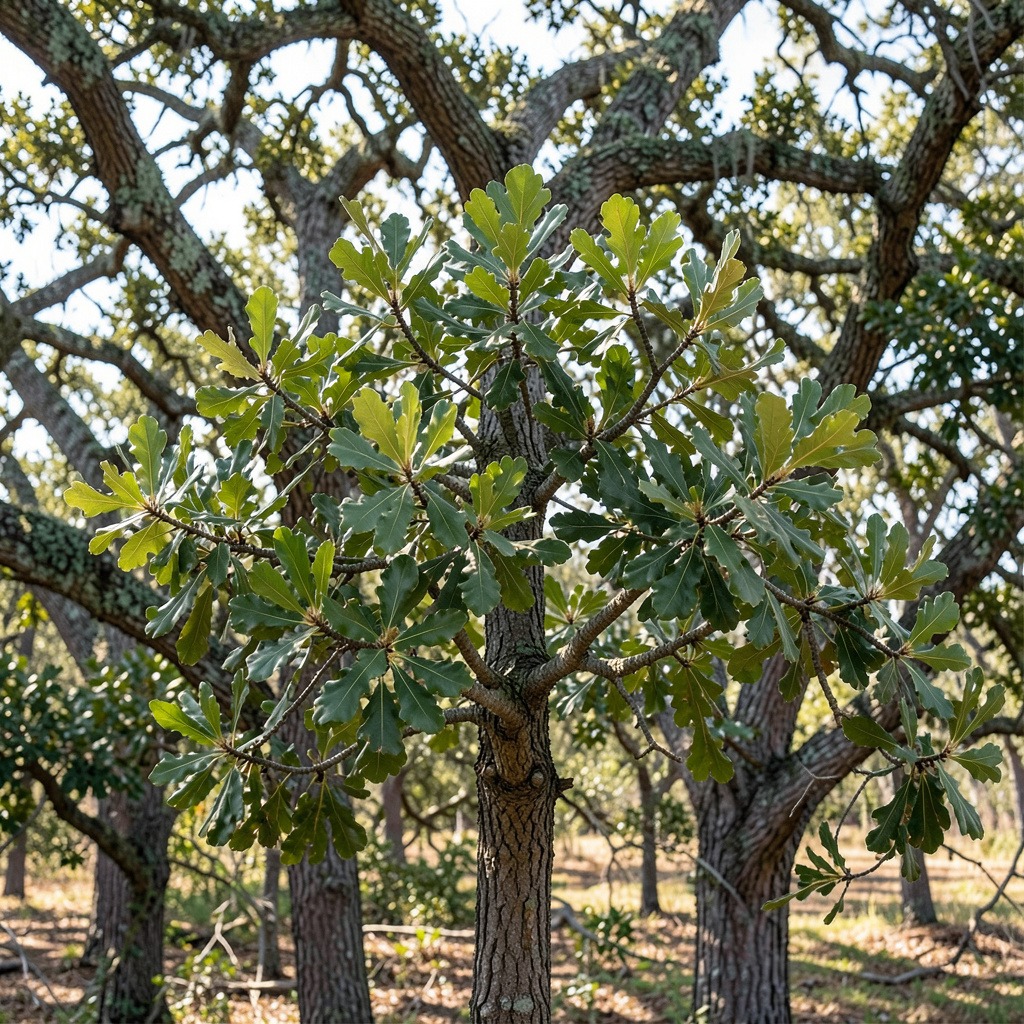
Overview of Live Oak Varieties
Live oaks comprise a group of evergreen oak species, distinguished by their unique growth habits and characteristics. Understanding these varieties is essential for proper identification and care.
Common Varieties of Live Oaks
The most notable live oak varieties include:
- Southern Live Oak (Quercus virginiana): This iconic species features a broad crown and is renowned for its sprawling branches. It typically grows between 40 to 80 feet tall, thriving in the southeastern United States.
- Coast Live Oak (Quercus agrifolia): Found primarily in California, this medium-sized tree can reach heights of 30 to 80 feet. It is characterized by its gnarled branches and dark green, spiny leaves.
- Interior Live Oak (Quercus wislizenii): Native to the southwestern U.S., this slow-growing tree reaches up to 72 feet and is known for its drought tolerance and broad crown.
Unique Characteristics of Each Variety
Each live oak variety has distinct features:
- Quercus virginiana: This species has oval leaves measuring 2 to 5 inches long. Its acorns are dark brown and oval-shaped. The thick bark is dark brown with deep furrows.
- Quercus agrifolia: The young trees display smooth, dark gray bark, which matures into deeply furrowed bark. The leaves are spiny and dark green, while its acorns are narrow and egg-shaped.
- Quercus wislizenii: The interior live oak has long, narrow acorns and a broader, spreading crown. Its leaves are leathery and can adapt well to dry conditions.
Growth Habits and Habitat Preferences
Live oaks exhibit specific growth habits and habitat preferences:
- Southern Live Oak: Prefers well-drained soils and is often found in coastal areas. It tolerates salt spray, making it ideal for coastal landscaping.
- Coast Live Oak: Thrives in moderately dry regions and is often planted in urban areas due to its resilience to pollution.
- Interior Live Oak: Best suited for arid environments, it requires minimal water once established, making it an excellent choice for xeriscaping.
| Variety | Height (ft) | Leaf Characteristics | Acorn Shape |
|---|---|---|---|
| Southern Live Oak | 40-80 | Oblong, glossy dark green | Oval, dark brown |
| Coast Live Oak | 30-80 | Spiny, dark green | Narrow, egg-shaped |
| Interior Live Oak | Up to 72 | Long, leathery | Long and narrow |
Understanding these varieties helps in selecting the right live oak for your landscape needs.
Benefits and Uses of Live Oaks
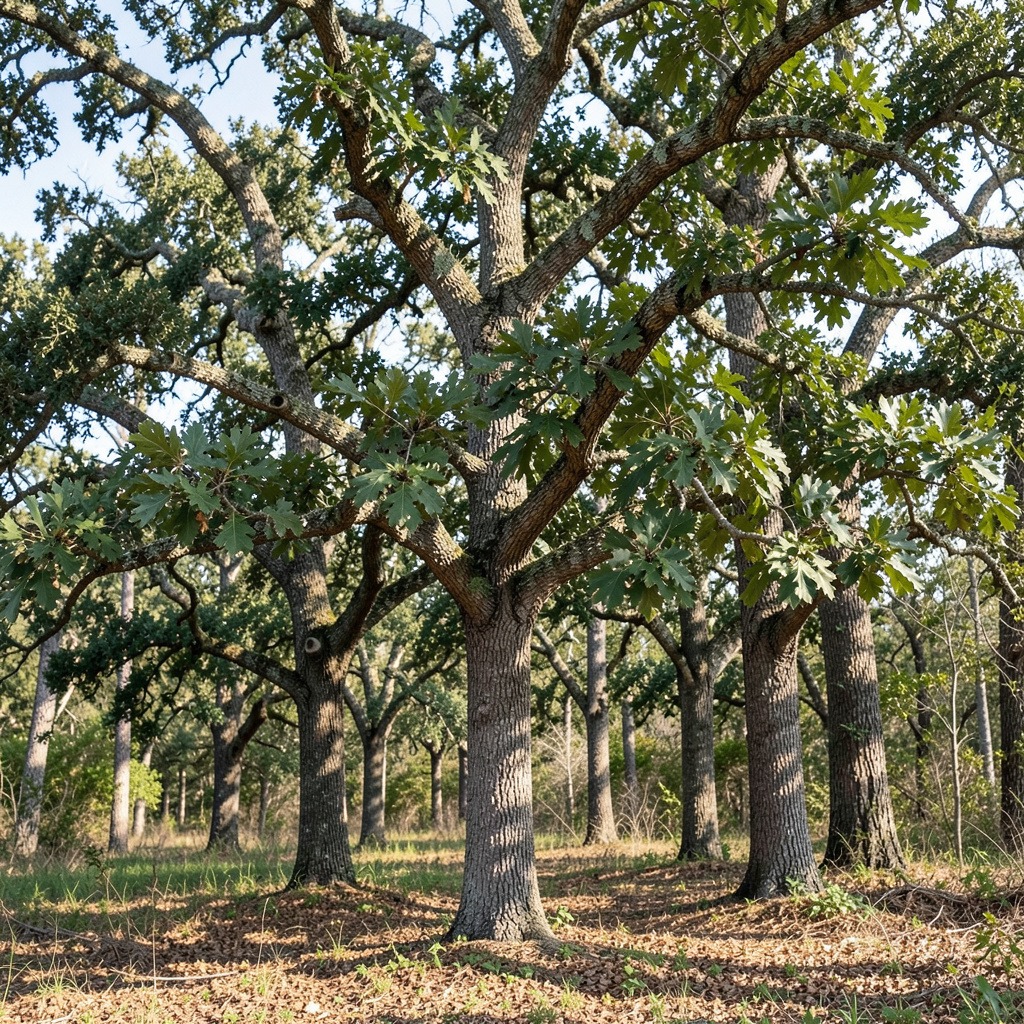
Live oaks are not only visually stunning but also offer numerous practical benefits. Their robust structure and evergreen foliage make them ideal for various applications in landscaping, construction, and ecological sustainability.
Landscaping Advantages of Live Oaks
Live oaks add significant aesthetic value to landscapes. Their sprawling, broad crowns provide ample shade, making them perfect for parks and residential areas. Here are some key advantages:
- Shade Provision: Live oaks can grow wide enough to create generous shaded areas, reducing heat in outdoor spaces.
- Year-Round Foliage: Being evergreen, they retain leaves throughout the year, ensuring continuous greenery.
- Habitat Creation: They provide shelter and food for wildlife, supporting local ecosystems.
Consider using live oaks in landscaping projects that require large, shade-producing trees. Their adaptability to various soil types enhances their utility across different regions.
Historical Uses of Live Oak Wood
Live oak wood has a rich history in construction and craftsmanship. It boasts unique characteristics, making it highly sought after in various applications:
- Shipbuilding: Live oak’s strength and durability made it a preferred choice in early American shipbuilding. For instance, the USS Constitution utilized live oak, reinforcing its structural integrity during battles.
- Furniture Making: The dense, resilient wood is also used in crafting furniture, prized for its longevity and beauty.
- Architectural Features: In modern construction, live oak wood is used for flooring and beams, adding an element of elegance and strength.
Live oak wood’s strength enables it to withstand heavy loads and environmental stressors, making it ideal for both historical and contemporary uses.
Ecological Importance of Live Oaks
Live oaks play a crucial role in their ecosystems. Their benefits extend beyond aesthetics and construction:
- Soil Enrichment: Live oaks contribute to soil health by dropping leaves that decompose and enrich the soil with nutrients.
- Biodiversity Support: They support various species, including birds, insects, and mammals. The acorns serve as a food source for numerous wildlife species.
- Carbon Sequestration: As large trees, live oaks absorb significant amounts of carbon dioxide, helping mitigate climate change.
Incorporating live oaks into landscaping not only enhances visual appeal but also fosters environmental sustainability, underscoring their value in modern urban planning.
Identifying Live Oak Varieties
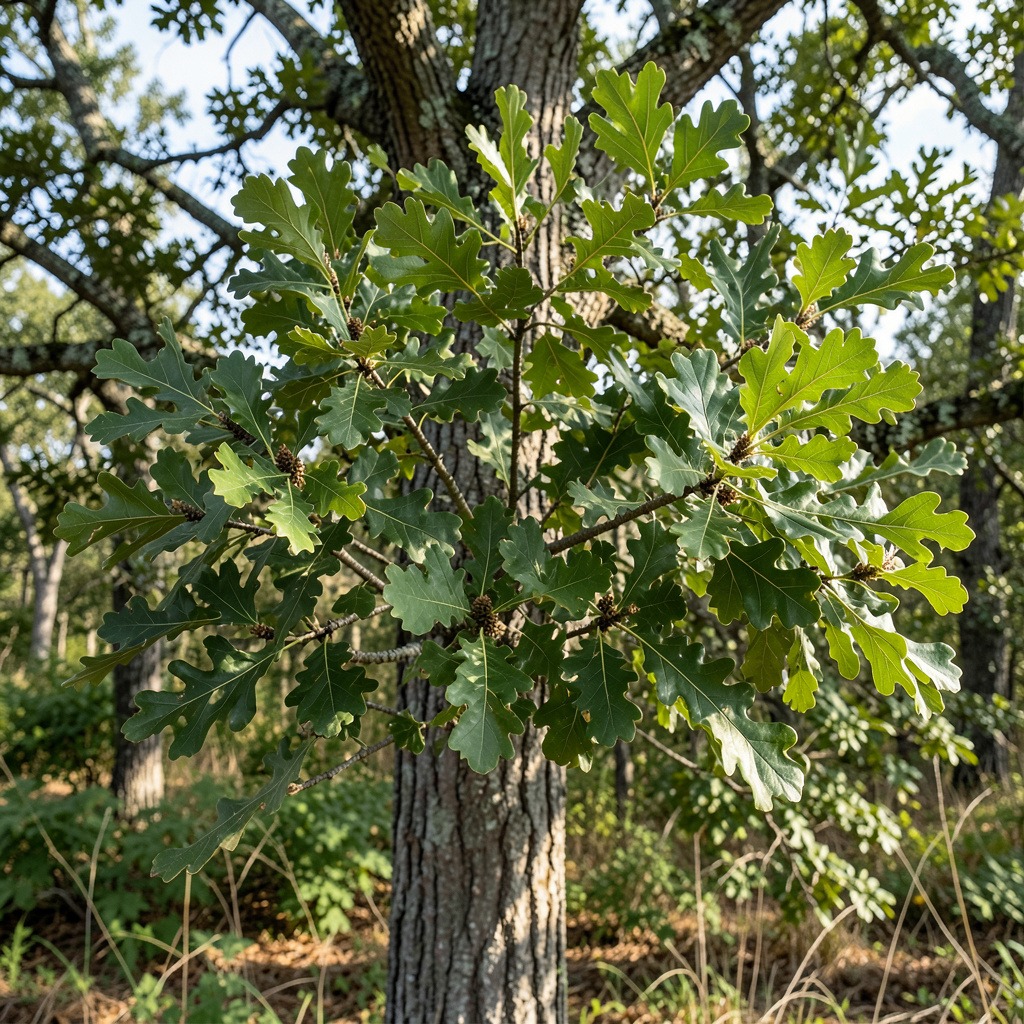
Identifying live oak varieties involves examining their leaves, bark, and growth habits. These characteristics can help you distinguish between the different species and cultivars available.
Leaf Shape and Bark Texture
Live oak leaves vary in shape and texture. Their leaves are typically thick and leathery, offering a robust appearance. Here are some key features to note:
- Coast Live Oak (Quercus agrifolia): Glossy, dark green, oval-shaped leaves with spiny margins. They resemble holly leaves.
- Interior Live Oak (Quercus wislizenii): Dark green leaves that are broad and leathery, with smooth or slightly toothed edges.
- Bark: Young live oaks have smooth, gray bark that becomes deeply furrowed as they mature. The texture and color can help differentiate varieties.
Acorn Characteristics
Acorns are another identifying feature of live oaks. The size and shape of the acorns vary by variety:
- Coast Live Oak Acorns: Narrow and egg-shaped, measuring about 1 inch long. They mature quickly and are often found on the ground.
- Interior Live Oak Acorns: Larger and rounder compared to coast live oak acorns, these can be about 1.5 inches long.
Growth Patterns and Sizes
Growth habits are crucial for identification. Live oaks can differ significantly in size and shape:
- Coast Live Oak: Medium-sized, growing to 30-80 feet tall. Recognizable by its sprawling branches and broad crown.
- Interior Live Oak: Typically shorter, reaching heights of 20-50 feet. It often has a more rounded shape and denser foliage.
Quick Identification Checklist
- Leaf: Check for spiny margins and the shape of the leaves.
- Bark: Observe the texture and color changes as the tree matures.
- Acorns: Measure the size and shape of acorns.
- Growth Habit: Note the height and branch structure.
By following these guidelines, you can effectively identify and distinguish between various live oak varieties in your area.
Care Instructions for Live Oaks
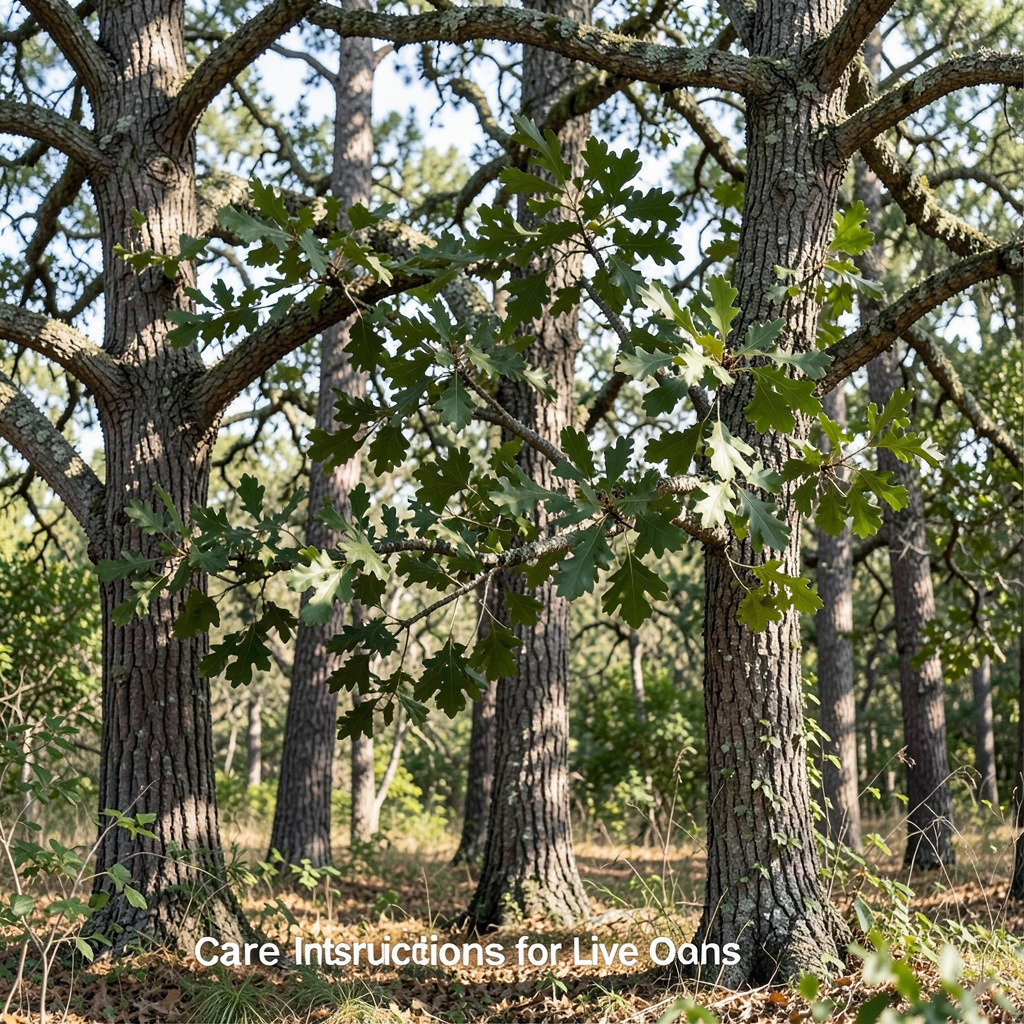
Proper care of live oak trees ensures their health and longevity. These trees, known for their sprawling branches and evergreen foliage, require specific attention to thrive.
Watering and Fertilization Tips
Live oaks prefer well-drained soil but can tolerate a variety of soil types. Follow these watering and fertilization guidelines:
- Watering:
- Establish a deep watering routine, especially during dry spells.
- Water deeply once a week in dry conditions, allowing the soil to dry slightly between waterings.
- Fertilization:
- Apply a balanced fertilizer in early spring.
- Use a slow-release formula to provide nutrients gradually.
Seasonal Care Calendar:
| Season | Action |
|---|---|
| Spring | Fertilize and monitor moisture levels. |
| Summer | Ensure consistent watering during heat. |
| Fall | Prepare for dormancy; reduce watering. |
| Winter | Minimal maintenance; check for pests. |
Pruning Techniques for Optimal Growth
Pruning is essential for maintaining the shape and health of live oaks. Use the following techniques:
- Timing:
- Prune in late winter or early spring before new growth begins.
- Techniques:
- Remove any dead or diseased branches.
- Thin out crowded areas to improve air circulation.
- Maintain the natural shape by avoiding excessive cutting.
Common Pests and Diseases
Live oaks can face several pests and diseases. Awareness and proactive measures are key:
- Common Pests:
- Oak Wilt: This fungal disease can be devastating. Identify it by early leaf drop and browning. Treat immediately with fungicide.
- Acorn Weevils: These pests can damage acorns. Remove infested acorns from the ground to reduce their population.
- Prevention:
- Maintain healthy trees through proper care.
- Monitor for signs of distress regularly.
By following these care instructions, live oak varieties will flourish, contributing to their ecological and aesthetic value in your landscape.
Comparing Live Oak Varieties
Understanding the differences between live oak varieties is crucial for selecting the right tree for your landscape. Each variety has unique characteristics that influence its growth habits, aesthetics, and ecological impact.
Texas Live Oak vs Southern Live Oak
The Texas Live Oak (Quercus fusiformis) and Southern Live Oak (Quercus virginiana) are two prominent varieties. Here’s a quick comparison:
| Feature | Texas Live Oak | Southern Live Oak |
|---|---|---|
| Height | 30-60 ft (9-18 m) | 40-80 ft (12-24 m) |
| Crown Shape | Broad, rounded | Wide, spreading |
| Leaf Characteristics | Dark green, leathery, oval-shaped | Glossy, dark green, lobed |
| Acorn Size | Smaller, round | Larger, oval |
| Growth Rate | Moderate | Slow to moderate |
| Drought Tolerance | High | Moderate |
Key Takeaway: Choose the Texas Live Oak for drought-prone areas; opt for the Southern Live Oak for broader landscapes and classic aesthetics.
Cultivars of Live Oaks: Pros and Cons
Live oaks have several cultivars, each with distinct traits. Here are some popular ones with their pros and cons:
- *Live Oak (Quercus virginiana ‘Heritage’)*
- Pros: Fast growth, strong structure
- Cons: Susceptible to oak wilt
- *Texas Live Oak (Quercus fusiformis ‘New Mexico’)*
- Pros: Very drought-tolerant, good for arid regions
- Cons: Limited aesthetic appeal compared to others
- *Southern Live Oak (Quercus virginiana ‘Weeping’)*
- Pros: Unique drooping branches, impressive shade provider
- Cons: Requires more maintenance to manage droop
Decision Rule: When selecting a cultivar, consider the local climate, your landscape’s aesthetic goals, and maintenance willingness.
Selecting the Right Live Oak for Your Landscape
When choosing a live oak for your yard or garden, consider these factors:
- Climate: Ensure the selected variety thrives in your regional conditions.
- Space: Evaluate the mature size and spread to avoid overcrowding.
- Functionality: Decide if the oak will serve as a shade tree, a focal point, or habitat for wildlife.
Checklist for Selection:
- Assess soil type and drainage.
- Consider proximity to structures and overhead lines.
- Evaluate seasonal visual appeal.
By understanding these aspects, you can make an informed decision that enhances both your landscape and the environment.
Regional Considerations for Planting Live Oaks
When planting live oaks, understanding regional climate and soil conditions is crucial. This knowledge ensures optimal growth and longevity for these majestic trees.
Climate Suitability for Live Oaks
Live oaks thrive in USDA hardiness zones 8 to 10. They prefer warm, subtropical climates. Here are some considerations for different regions:
- Southeast U.S.: Ideal for Southern live oak (Quercus virginiana). Warm temperatures and humidity support growth.
- Southwest U.S.: Coast live oak (Quercus agrifolia) flourishes here, adapting well to drier conditions.
- California: Prefers coast live oak, which can handle coastal winds and sandy soils.
Soil Requirements and Preparation
Live oaks prefer well-drained soils. Here’s how to prepare:
- Soil Type: Loamy or sandy soils work best. Avoid heavy clay.
- pH Level: Aim for a slightly acidic to neutral pH (6.0 – 7.0).
- Preparation Steps:
- Test soil for drainage.
- Amend with organic matter if necessary.
- Ensure proper aeration to support root development.
Optimal Planting Times
Timing is key for successful planting. The best times to plant live oaks are:
- Early Spring: After the last frost. This allows roots to establish before summer heat.
- Fall: Early fall planting allows trees to establish roots before winter dormancy.
Checklist for Planting Live Oaks
- Assess local climate and soil conditions.
- Select appropriate live oak variety for your region.
- Prepare soil adequately before planting.
- Choose optimal planting time for your area.
By considering these regional factors, you can ensure a successful planting of live oak varieties that enhance your landscape.
Frequently Asked Questions
These quick answers cover the most common questions about this topic, including key details, practical tips, and common concerns.
What are the disadvantages of having a live oak tree?
Live oaks can present some challenges. Their large size and broad canopies may require significant space, making them unsuitable for small yards. Additionally, their extensive root systems can interfere with nearby structures and underground utilities.
Live oaks are also susceptible to certain pests and diseases, such as oak wilt, which can be devastating if not managed properly. Lastly, their dense foliage can lead to excessive leaf litter, requiring regular maintenance and cleanup.
What is the prettiest oak tree?
Beauty is subjective, but many consider the Southern Live Oak (Quercus virginiana) one of the most attractive oak trees. Its sprawling branches and lush, evergreen leaves create a dramatic silhouette, especially when draped with Spanish moss.
Other contenders for the title of “prettiest” oak might include the Coast Live Oak (Quercus agrifolia) for its unique gnarled form or the White Oak (Quercus alba) for its stunning fall color. Ultimately, the prettiest oak tree may depend on personal preference and the specific landscape context.
Is there a difference between an oak tree and a live oak tree?
Yes, there is a difference. “Oak tree” is a broad term that encompasses many species within the genus Quercus, including both deciduous and evergreen varieties. Live oaks, such as the Southern Live Oak (Quercus virginiana), are a specific group of evergreen oaks that retain their leaves year-round.
Live oaks are distinguished by their thick, leathery leaves and robust growth habit. Unlike many deciduous oaks that lose their leaves in winter, live oaks maintain their foliage, providing year-round greenery and shade.
What’s the difference between a Texas live oak and a southern live oak?
The Texas Live Oak (Quercus fusiformis) and Southern Live Oak (Quercus virginiana) are closely related but have distinct characteristics. The Texas Live Oak typically grows to a height of 30-60 feet, while the Southern Live Oak can reach 40-80 feet.
In terms of appearance, the Texas Live Oak has a broader, more rounded crown and is highly drought-tolerant, making it suitable for arid regions. The Southern Live Oak, on the other hand, is known for its dramatic, sprawling branches and is commonly found in humid, coastal areas. Both species provide excellent shade but thrive in different environmental conditions.
What maintenance do live oaks require?
Live oaks require moderate maintenance to thrive. Regular watering is essential, especially during dry spells. Deep watering once a week is recommended to encourage strong root development. Fertilization with a balanced slow-release formula in early spring can also support healthy growth.
Pruning is important for maintaining the tree’s shape and health. It’s best to prune in late winter or early spring to remove dead or crowded branches. Regularly inspecting for pests and diseases, such as oak wilt, will help keep your live oak healthy.
Can live oaks be grown in containers?
While it is possible to grow live oaks in containers, it is not ideal for long-term growth. Live oaks develop extensive root systems that require ample space to thrive. Container growth can restrict root development, leading to stunted growth and health issues over time.
If you choose to grow live oaks in containers, select a large pot and ensure it has good drainage. Be prepared to transfer the tree to the ground or a larger container as it matures to support its growth needs.
What are common pests and diseases affecting live oaks?
Live oaks face several common pests and diseases. Oak wilt is a significant threat, characterized by early leaf drop and browning. This fungal disease can spread quickly, so prompt treatment with fungicides is crucial.
Other pests include acorn weevils, which damage acorns, and various leaf-eating insects. Regular monitoring and maintaining tree health through proper care can help prevent infestations and diseases. If you notice signs of distress, consult a local arborist for advice on treatment options.
What are the best conditions for planting live oaks?
Live oaks thrive in well-drained soils with a slightly acidic to neutral pH (6.0 – 7.0). They prefer full sun but can tolerate some shade. When planting, ensure the location has enough space for their broad canopies and extensive root systems.
The best times to plant live oaks are early spring after the last frost or early fall. These times allow the trees to establish roots before facing extreme temperatures. Proper soil preparation, including testing for drainage and amending as necessary, will also support successful growth.