
Yes, the loofah plant is edible, particularly when harvested young.
Table of Contents
The loofah plant, often recognized for its fibrous sponge form, is also cultivated for its edible gourds [1]. When harvested at the right stage, these gourds can be a nutritious addition to your meals, enjoyed in diverse culinary applications across many cultures.
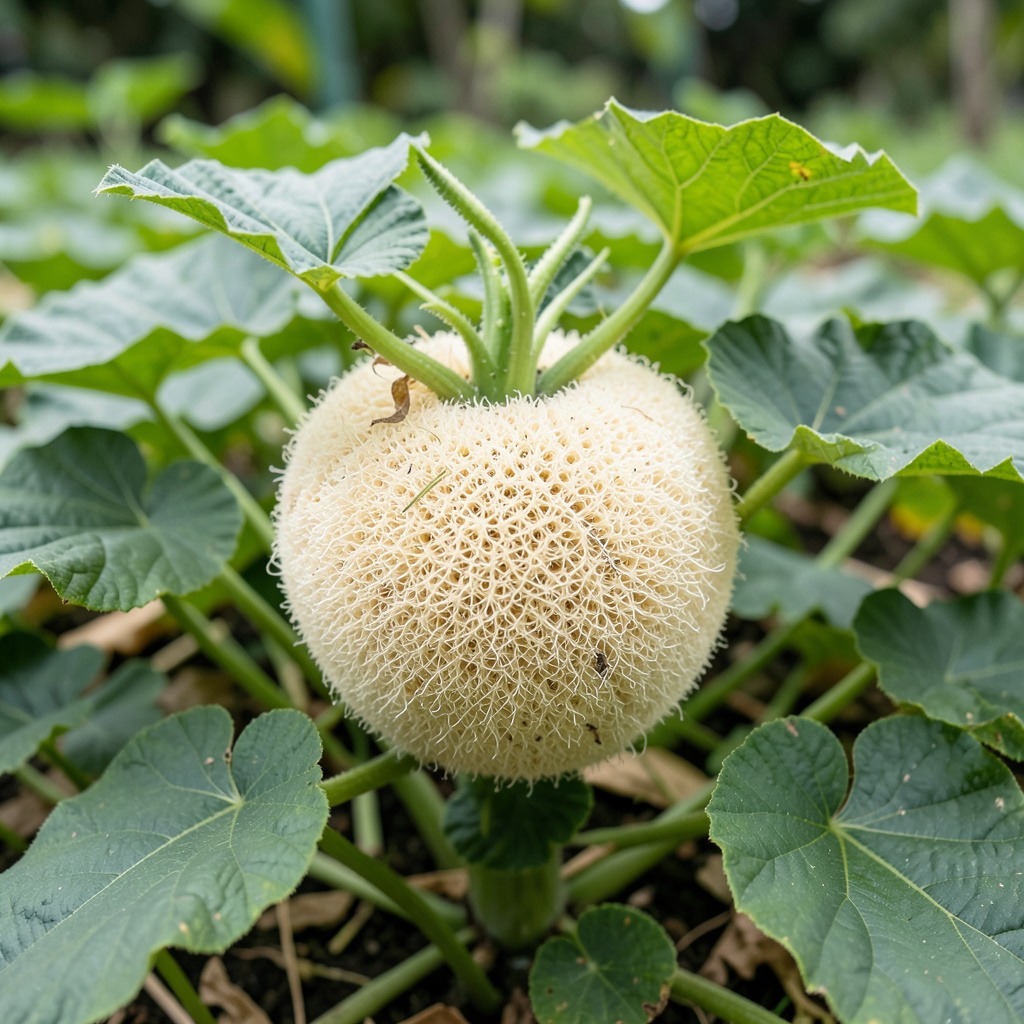
Understanding the Edibility of the Loofah Plant
The loofah plant, specifically Luffa aegyptiaca and Luffa acutangula, offers edible gourds that are highly nutritious when harvested at the right time. Understanding these varieties and their optimal harvesting conditions is crucial for culinary enjoyment.
The Two Main Edible Varieties
1. Luffa aegyptiaca: Commonly known as smooth loofah, this variety is prized for its tender flesh. It is widely consumed in Asian cuisines, especially in stir-fries and soups.
2. Luffa acutangula: Also referred to as ridged or angled loofah, this type has a more textured surface. It is often used in curries and can be cooked similarly to zucchini.
Both varieties are edible only when young and tender. Once they mature, their texture becomes fibrous and inedible, making harvesting timing critical.
Why Harvesting Timing Matters
Harvest loofah gourds when they are small and immature, typically under 8 inches. At this stage, they offer a soft texture and pleasant flavor. If left too long, the gourds mature, leading to a tough and fibrous consistency.
- Young loofah: Tender, nutritious, and ideal for cooking.
- Mature loofah: Too fibrous to eat; becomes a source for loofah sponges.
To ensure optimal taste, check the size and firmness. A good rule of thumb is to harvest before the skin begins to harden or develop larger seeds.
How to Identify Young Loofah
Identifying young loofah is essential for culinary use. Here are key characteristics to look for:
- Size: Ideally, young loofah should be under 8 inches.
- Color: Look for a vibrant green hue, indicating freshness.
- Texture: The skin should feel smooth and firm; avoid any that appear shriveled or hard.
| Feature | Young Luffa | Mature Luffa |
|---|---|---|
| Size | Under 8 inches | Over 8 inches |
| Color | Bright green | Yellow or dull green |
| Texture | Smooth and firm | Hard and fibrous |
For those interested in growing their own, consider sourcing Luffa Sponge Gourd Seeds. Check Price on Amazon to start your garden today.
Culinary Uses of Young Loofah
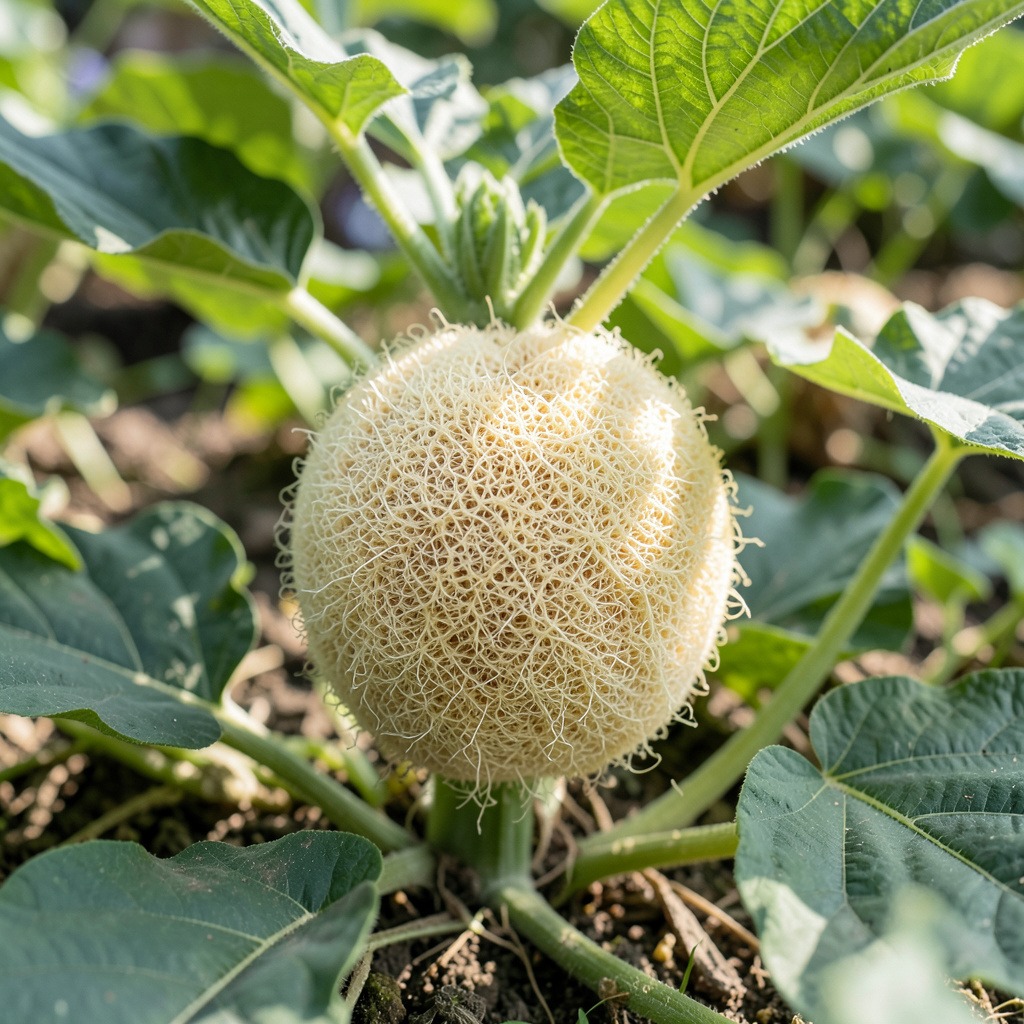
Young loofah is not only edible but also versatile in the kitchen. Its delicate flavor and tender texture make it an excellent ingredient for various dishes. Here are some popular methods and recipes to incorporate young loofah into your meals.
Popular Dishes Featuring Loofah
1. Stir-Fried Loofah: Sauté sliced young loofah with garlic and ginger for a quick side dish. This method preserves its texture and enhances its natural taste. Adding a splash of soy sauce can elevate the dish further.
2. Loofah Soup: Incorporate young loofah into soups. It pairs well with broth-based soups, adding a subtle flavor and nutrition. Try combining it with other vegetables like carrots and mushrooms for a hearty meal.
3. Loofah Salad: Shred raw loofah and toss it in salads. Its crunchy texture adds a refreshing element, especially when combined with citrus dressings.
Preparation Techniques for Cooking
To maximize the culinary potential of young loofah, follow these preparation techniques:
- Selection: Choose loofah that is firm and smooth. Avoid any with blemishes or soft spots.
- Peeling: Peel the skin before cooking, as it can be tough and bitter.
- Cutting: Slice loofah into thin rounds or strips for even cooking. This helps retain its crunch when sautéed or stir-fried.
Creative Ways to Incorporate Loofah in Meals
- Loofah Fritters: Mix grated loofah with flour, eggs, and spices, then pan-fry until golden. These fritters make for a delightful snack or appetizer.
- Stuffed Loofah: Hollow out young loofah and fill it with a mixture of ground meat, rice, and spices. Bake until cooked through for a unique main course.
- Smoothies: Blend young loofah with fruits and yogurt for a nutritious smoothie. Its mild flavor makes it a great addition without overpowering other ingredients.
By exploring these culinary uses and preparation methods, you can fully appreciate the versatility of the young loofah. For those interested in growing their own, consider starting with Luffa Sponge Gourd Seeds to ensure a fresh supply for your kitchen.
Nutritional Benefits of Eating Loofah
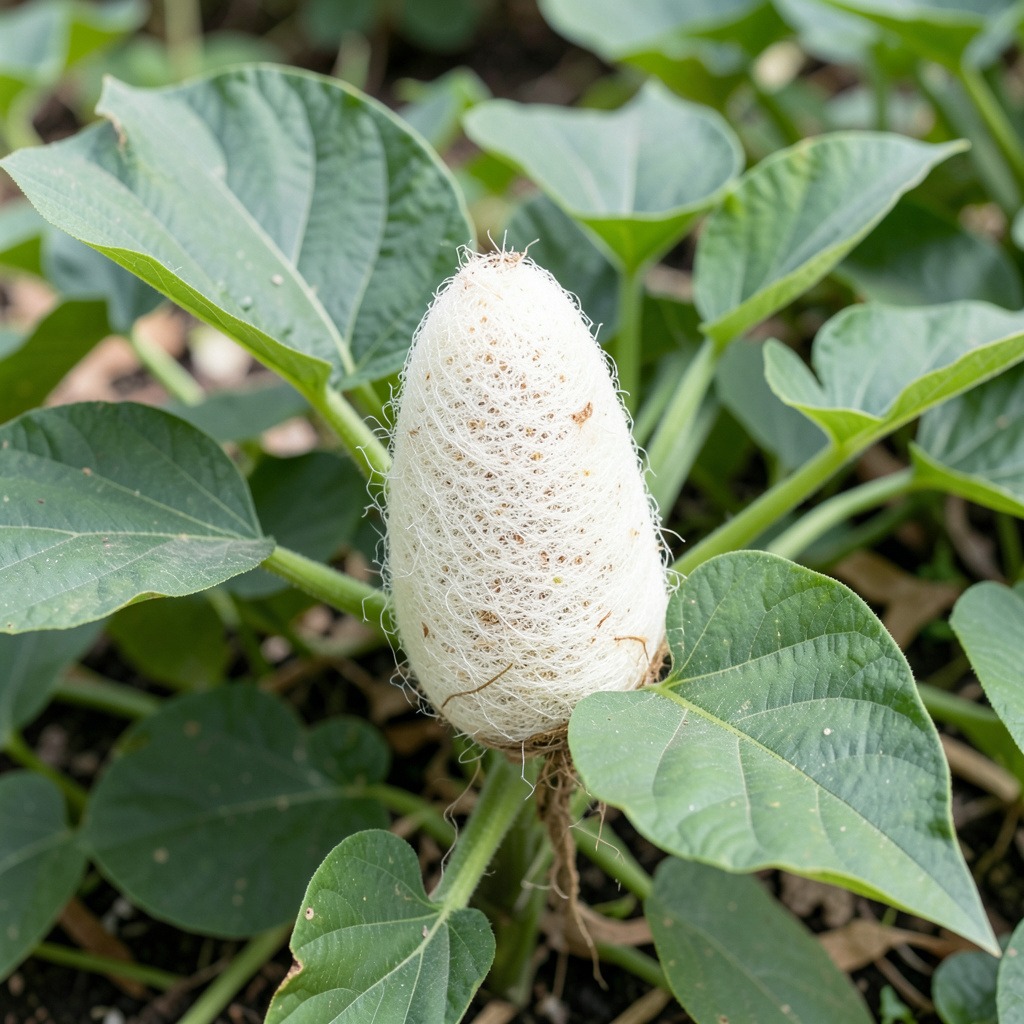
Loofah, when harvested young, offers a variety of health benefits and nutritional advantages. Its mild flavor and low-calorie content make it an excellent addition to many dishes.
Nutritional Profile of Young Loofah
Young loofah is low in calories and high in water content. It is also a source of essential vitamins and minerals. Here is a breakdown of its nutritional composition per 100 grams:
| Nutrient | Amount |
|---|---|
| Calories | 20 kcal |
| Protein | 1.2 g |
| Carbohydrates | 4.2 g |
| Fiber | 1.0 g |
| Fat | 0.2 g |
| Vitamin C | 10 mg |
| Iron | 0.4 mg |
| Magnesium | 18 mg |
This table illustrates that loofah is rich in vitamins A and C, along with minerals like iron and magnesium, making it a nutritious choice for health-conscious consumers [8].
Health Benefits Linked to Loofah Consumption
Incorporating loofah into your diet can provide several health benefits, including:
- Hydration: Due to its high water content, loofah helps maintain proper hydration.
- Weight Management: Low in calories, it can be a filling addition to meals without adding significant calories.
- Digestive Health: The fiber content may promote healthy digestion and regular bowel movements.
Recent studies have also suggested that antioxidants found in loofah may protect against oxidative stress, supporting overall health [9].
Potential Side Effects and Considerations
While young loofah is generally safe to eat, there are some considerations:
- Digestive Issues: Some individuals may experience mild digestive discomfort if they consume it in excess [9].
- Selection: Always choose young loofah, typically between 4 to 8 inches long, for culinary uses. Mature loofah should not be consumed as it becomes fibrous and inedible [6].
By understanding the nutritional profile and health benefits of young loofah, you can effectively incorporate this versatile vegetable into your diet.
Common Misconceptions About Loofah
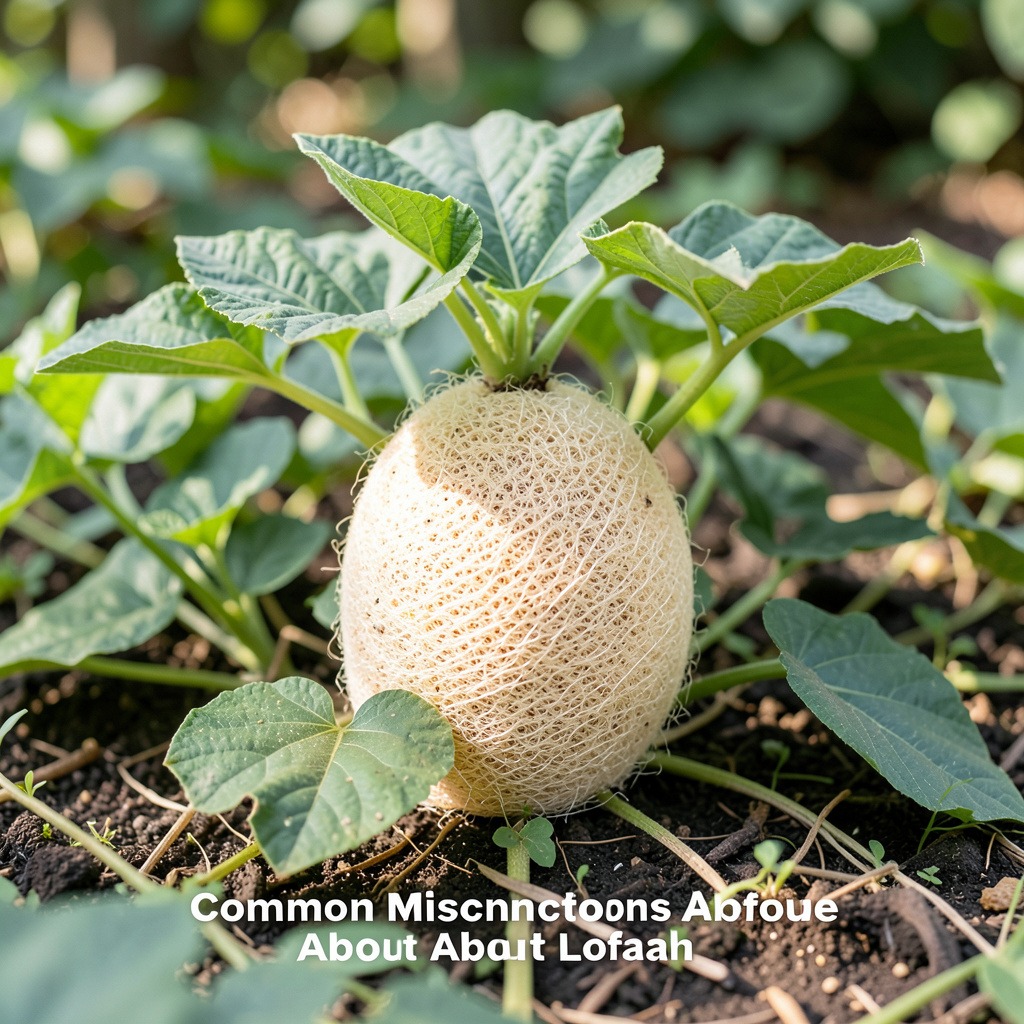
Despite its popularity, many misconceptions surround the loofah plant, particularly its edibility. Understanding the differences between edible and mature varieties is crucial for culinary use.
Loofah as a Sponge vs. a Food
The loofah you often see as a sponge is not suitable for eating. It becomes inedible once it matures and dries, developing a fibrous structure. This transformation typically occurs several months after the initial growth. Edible loofah, such as Luffa aegyptiaca or Luffa acutangula, must be harvested while young, usually between 4 to 8 inches long. At this stage, it retains a mild flavor similar to cucumber or zucchini. Always choose young loofah for culinary purposes to ensure safety and palatability.
Identifying Edible vs. Inedible Loofah
To identify an edible loofah, look for the following characteristics:
- Size: Young loofah should be 4-8 inches long.
- Texture: The skin should be smooth and tender.
- Color: A vibrant green indicates freshness.
- Taste: If it tastes bitter, it is likely too mature or improperly grown.
Use this checklist to ensure you select the right loofah for your dishes. Remember, mature loofah is not only inedible but can also be harmful if consumed, as it may contain high levels of cucurbitacins, which can cause digestive upset [6][8].
Why Some Claim Loofah is Toxic
The claim that loofah can be toxic often stems from confusion about maturity. Mature loofah can produce a bitter taste due to the presence of cucurbitacins, which are naturally occurring compounds in some gourds. If a loofah tastes intensely bitter, stop eating it immediately. This bitterness is rare but can indicate a stressed plant or cross-pollination issues [8].
In contrast, young loofah is low in calories and rich in vitamins and minerals, making it a nutritious addition to your diet. It’s essential to understand these distinctions to safely enjoy the culinary benefits of the loofah plant.
Cultural Significance of Loofah in Global Cuisines
The loofah plant, particularly the young fruit, holds a significant place in various culinary traditions around the world. Its versatility and unique flavor have made it a staple in many dishes, reflecting its historical importance as a nutritious food source.
Culinary Traditions Featuring Loofah
In Asian cuisines, loofah is often featured in stir-fries, soups, and salads. It is commonly found in Chinese, Japanese, and Thai dishes, where it is valued for its mild, zucchini-like flavor. For example:
- Chinese Cuisine: Young loofah is sliced and added to stir-fried dishes with garlic and shrimp, showcasing its ability to absorb flavors.
- Japanese Cuisine: Used in miso soup, loofah adds a refreshing texture and nutritional benefits.
- Thai Cuisine: Often included in curries, it complements spicy flavors and contributes to the dish’s overall health profile.
Regional Names and Variations
Different cultures have unique names and varieties for loofah, highlighting its regional significance. In India, it is known as “sore-kakdi” or “lauki.” In the Mediterranean, it is often referred to as “luffa” and incorporated into various diets, including the Mediterranean diet, known for its health benefits and emphasis on fresh vegetables [15].
The Role of Loofah in Traditional Medicine
Beyond its culinary uses, loofah has historical significance in traditional medicine. In many cultures, it is believed to have detoxifying properties, and its nutritional profile supports digestive health. The leaves are often consumed as a green vegetable, contributing to overall wellness. Historical texts record its use as a food source, emphasizing its role in sustaining communities [14].
The loofah plant exemplifies a strong connection to cultural practices, nutrition, and health, making it much more than just a culinary ingredient.
Frequently Asked Questions
These quick answers cover the most common questions about this topic, including key details, practical tips, and common concerns.
Is eating loofah good for you?
Yes, eating young loofah is beneficial for your health. It is low in calories and high in water content, making it a great option for hydration and weight management. Young loofah is also a source of essential vitamins and minerals, including vitamins A and C, iron, and magnesium, which support overall health [8].
How to prepare loofah to eat?
To prepare loofah for cooking, start by selecting young, firm specimens under 8 inches long. Peel the skin, as it can be tough, and cut the loofah into thin slices or strips for even cooking. Young loofah can be stir-fried, added to soups, or used in salads for a crunchy texture [11].
When is the best time to harvest loofah for eating?
The best time to harvest loofah for culinary use is when the gourds are young and tender, typically under 8 inches long. This stage ensures a soft texture and pleasant flavor. Waiting too long will lead to a fibrous and inedible gourd [6].
Why don’t dermatologists like loofahs?
Dermatologists often caution against using loofahs as sponges for bathing because they can harbor bacteria if not cleaned and dried properly. Additionally, using loofahs on sensitive skin may cause irritation or micro-tears, leading to skin issues [8].
Can you get staph from a loofah?
Yes, it is possible to get bacterial infections, including staph, from loofahs. If a loofah is not properly cleaned or allowed to dry, it can become a breeding ground for bacteria. To prevent this, regularly replace your loofah and ensure it is thoroughly dried after each use [8].
How do you tell young loofah from mature?
Young loofah should be under 8 inches long, with a vibrant green color and smooth texture. In contrast, mature loofah is larger, typically yellow or dull green, and has a hard, fibrous texture. If the loofah tastes bitter, it is likely too mature to eat [6].
What are some substitutes for loofah in recipes?
If you cannot find loofah, you can substitute it with other similar vegetables like zucchini or cucumber. Both options provide a similar texture and mild flavor, making them suitable alternatives in stir-fries, soups, and salads [11].
References
1. Pruning luffa and identifying flowers
2. Loofah / Luffa and Eggs – Onolicious Hawaiʻi
4. Rhubarb Edible vs. Ornamental— Kindness Helps Heal
5. Molly Yeh’s Potsticker Stir Fry | Girl Meets Farm
7. Home | U.S. Department of Education
8. VA Education And Training Benefits | Veterans Affairs
9. Demand Side Grid Support Program
11. How to prepare and eat Loofah
14. Historical Anatomies on the Web – National Library of Medicine
15. Mediterranean Diet – StatPearls – NCBI Bookshelf – NIH