
Manzanita, a stunning and resilient plant, thrives in California’s diverse landscapes. This article explores its native range, growing conditions, and more, revealing why it deserves a special place in our gardens and ecosystems. Read Interesting article: Go Native! Discover Stunning Native California Plants for Your Garden!
Overview of Manzanita
What is Manzanita?
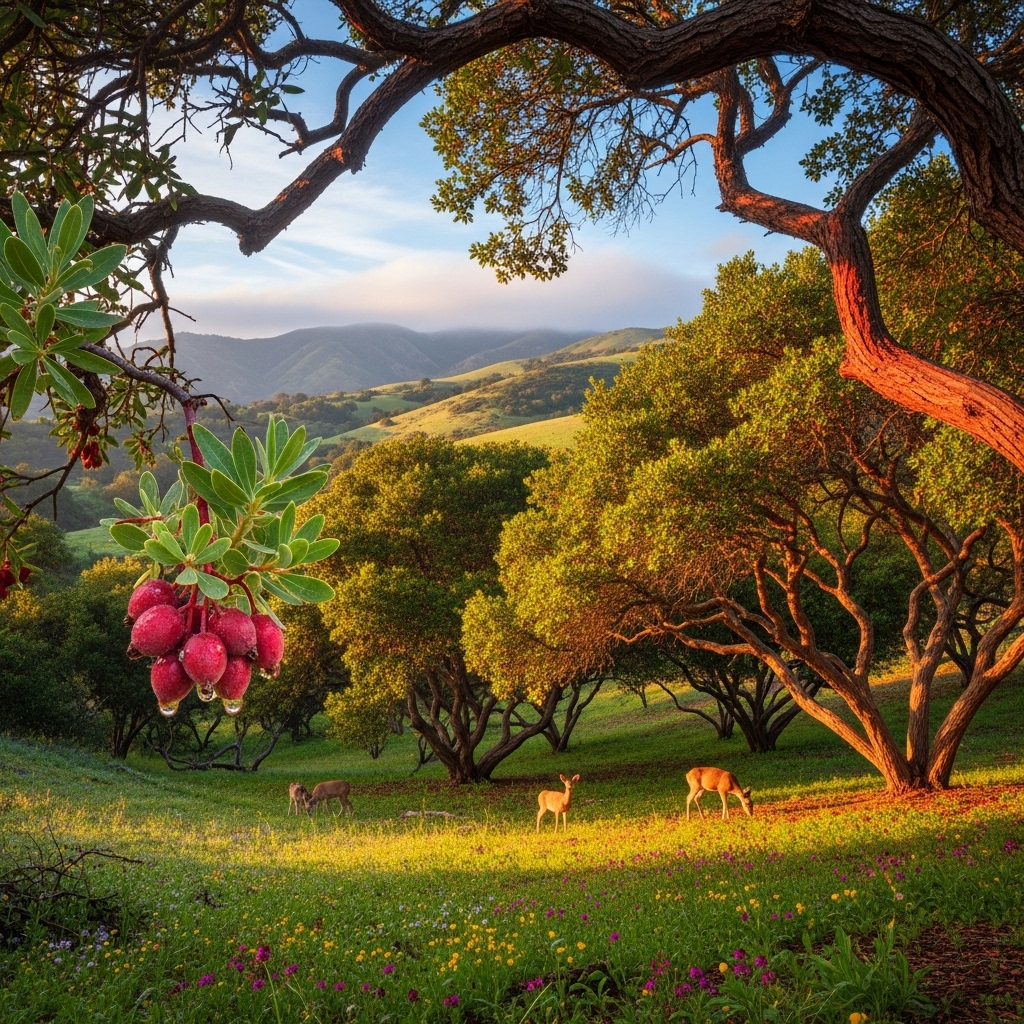
Manzanita, belonging to the Arctostaphylos genus, is a group of evergreen shrubs and small trees that are native to western North America, particularly California. I’ve always been drawn to their striking, smooth red or brown bark, which contrasts beautifully with their dark green, leathery leaves. The name “manzanita” translates to “little apple” in Spanish, referring to the small, apple-like fruits that some species produce. These plants are not only visually appealing but also serve vital ecological roles in their native habitats.
Scientific Classification
From a scientific perspective, manzanita falls under the family Ericaceae, which includes various other plants like blueberries and heathers. The genus Arctostaphylos encompasses numerous species, with some experts estimating there are over 100 distinct varieties. I find it fascinating how these plants have adapted to thrive in various microclimates across California. Their classification reflects their unique adaptations and ecological significance.
Common Species of Manzanita in California
California is home to many manzanita species, each with its own distinct characteristics. Some of the most common ones include:
- Arctostaphylos manzanita: The classic manzanita, known for its beautiful, twisted branches and dense foliage.
- Arctostaphylos densiflora: Also called the “bearberry,” this species is particularly hardy and often found in coastal ranges.
- Arctostaphylos patula: The “greenleaf manzanita,” which has lighter-colored foliage and a more open growth habit.
In my experience, these species not only add beauty to landscapes but also attract a variety of pollinators, adding life to gardens and natural spaces. For more detailed information on the characteristics and care of these plants, check out Manzanita Tree – Origin, History, Characteristics, Adaptations & Care.
Native Range of Manzanita in California
Geographical Distribution
Manzanita is primarily distributed throughout California, from the coastal regions to the inland mountains. I remember hiking in the Sierra Nevada and being surrounded by these remarkable plants at higher elevations. They can be found thriving in chaparral and forested areas, showcasing their adaptability. Their ability to survive in such varied climates, from foggy coastal environments to arid mountain slopes, is something I’ve marveled at time and again.
Habitat Types
These plants flourish in a range of habitat types. I’ve found manzanita thriving in sandy, well-drained soils, often in areas disturbed by fire or other natural events. Their regenerative capabilities post-fire are impressive, as they often sprout new growth from their roots, contributing to the recovery of the ecosystem. Manzanitas are crucial in these habitats, providing shelter and food for various wildlife species. The dense foliage offers protection for small birds, while the fruits serve as a food source for mammals and birds alike.
Ecological Importance
Manzanita plays a key ecological role in California’s ecosystems. I believe it’s essential for soil stabilization, especially in areas prone to erosion. Their extensive root systems help hold soil in place, preventing landslides and promoting healthy plant communities. Moreover, I’ve noticed that these plants are often among the first to colonize disturbed areas, paving the way for other species to establish themselves. Their presence supports biodiversity, making them invaluable to the health of California’s natural landscapes.
Growing Conditions for Manzanita
Soil Requirements
When it comes to growing manzanita, soil conditions are critical. I’ve learned that these plants prefer sandy or gravelly soils that offer excellent drainage. Heavy clay soils can lead to root rot, which is something I’ve unfortunately encountered in my gardening adventures. If you’re considering planting manzanita, make sure to amend your soil with organic matter to improve drainage if necessary. In my experience, they thrive best in slightly acidic to neutral pH levels, which can be easily tested with a soil kit.
Sunlight and Temperature Preferences
Manzanita loves sunlight. I’ve found that these plants do best in full sun, ideally receiving at least six hours of direct sunlight each day. They are quite resilient to temperature fluctuations, making them suitable for various climates in California. However, I’ve noticed that in extremely hot areas, providing some afternoon shade can help reduce stress on the plants. They are drought-tolerant once established, but young plants appreciate consistent moisture.
Watering Needs
Speaking of moisture, watering manzanita requires a delicate balance. Initially, I recommend establishing a regular watering schedule to ensure they get enough hydration while their roots are still developing. However, overwatering is a common mistake. I learned this the hard way when I lost a few plants due to soggy soil. Once established, manzanita can withstand dry spells, but they do appreciate occasional deep watering during prolonged droughts.
Fertilization Recommendations
In terms of fertilization, manzanita doesn’t require much. I’ve found that a light application of a slow-release, balanced fertilizer in early spring can give them a boost. However, I usually avoid heavy feeding, as this can lead to excessive growth that may weaken the plant. Instead, I focus on enriching the soil with organic matter, which helps maintain healthy growth without the risk of over-fertilization.
Manzanita Cultivation Tips
Propagating Manzanita
When it comes to propagating manzanita, I’ve found that taking cuttings is one of the most effective methods. I often opt for semi-hardwood cuttings taken in late summer or early fall. It’s quite a rewarding experience! I usually select a healthy branch, around 4 to 6 inches long, and make a clean cut just below a node. After removing the lower leaves, I dip the cut end in rooting hormone to encourage root development. Then, I plant it in a well-draining potting mix. Keeping the soil moist but not soggy is crucial during the rooting process. I’ve seen success when I place the pots in a warm, sunny spot, and after a few weeks, I’m thrilled to see new growth starting to appear!
Best Time to Plant
Timing is everything when it comes to planting manzanita. From my experience, the ideal time to plant is in the fall or early spring. I’ve noticed that planting in fall allows the roots to establish before the heat of summer arrives. Early spring planting has also worked well for me, but I’ve had to be careful with watering during the warmer months. I tend to choose a day that’s cooler and overcast for planting, as it reduces stress on the plants. By giving them a good start during their critical early days, I’ve found they are better equipped to thrive in the long run.
Common Pests and Diseases
While manzanita is generally a hardy plant, it isn’t immune to pests and diseases. I’ve encountered a few common issues, such as aphids and spider mites, which can sometimes be a nuisance. I’ve had success using a gentle spray of water to dislodge these pests or applying insecticidal soap when necessary. Additionally, I’ve learned to keep an eye out for root rot, especially if the soil stays too wet. It’s crucial to ensure good drainage, as this seems to be the best defense against such problems. Regularly checking my plants for signs of distress has really helped me catch issues before they escalate.
Uses of Manzanita
Ornamental Uses in Landscaping
Manzanita has an undeniable charm that makes it a popular choice in landscaping. I remember the first time I saw a garden filled with these elegant, sculptural plants; it truly took my breath away. Their unique bark and shiny leaves add visual interest year-round. I like to use manzanita as a focal point in my garden beds, where they can stand out against softer plants. They work beautifully in native plant gardens, rock gardens, or as part of a more traditional landscape design. The way their twisting branches catch the light is simply stunning, and I find that they provide an excellent backdrop for seasonal blooms. For those interested in identifying various species, you can find helpful resources in Manzanita Shrub Pictures: Identification by Leaves, Bark & Form.
Cultural Significance and Uses by Native Americans
Manzanita holds a special place in the culture of many Native American tribes. I’ve learned that its berries were traditionally harvested and used for making beverages and as food. The wood was valued for crafting tools and making fires. I find the stories and traditions surrounding manzanita to be captivating; they remind me of how deeply intertwined our lives are with nature. Some tribes even use the branches to create beautiful woven baskets. It’s a testament to how these plants can serve multiple purposes beyond just being lovely garden specimens.
Wildlife Habitat Benefits
Another reason I love manzanita is its role in supporting local wildlife. I’ve noticed that many birds are drawn to its fruits, and I often find small creatures taking refuge in its dense foliage. The flowers also attract a variety of pollinators, like bees and butterflies. I believe that incorporating manzanita into our gardens helps create a vibrant ecosystem. It’s amazing to think that by planting these beautiful shrubs, we’re providing food and shelter for so many creatures. I’ve seen firsthand how a garden can become a sanctuary for wildlife, and manzanita definitely plays a vital role in that balance.
Challenges in Manzanita Conservation
Threats to Natural Habitats
Despite their resilience, manzanita faces numerous threats in the wild. I’ve learned that urban development, climate change, and invasive species are among the biggest challenges to their natural habitats. As cities expand and wild spaces shrink, these plants can find themselves isolated and struggling to survive. I’ve felt the urgency of conservation efforts, knowing that every little bit helps protect these beautiful species. Additionally, wildfires, while a natural part of many ecosystems, can sometimes be devastating when they occur too frequently or intensely, altering the habitats that manzanita thrives in.
Conservation Efforts in California
Thankfully, there are many organizations focused on the conservation of manzanita and its habitats. I’ve noticed local groups working tirelessly to restore natural areas, replanting native species and educating the community about the importance of biodiversity. It’s uplifting to see people come together to advocate for these plants and their ecosystems. I’ve even participated in a few planting days, which was not only rewarding but also a great way to connect with others who share my passion for the environment. Every action counts, and I believe that raising awareness about manzanita helps ensure its future.
How to Support Manzanita Conservation
Supporting manzanita conservation can be as simple as planting them in our gardens or participating in local conservation efforts. I often recommend that friends and family consider native plants for their landscaping, as it helps maintain local ecosystems. Additionally, donating to conservation organizations or volunteering for restoration projects can make a significant impact. Every little effort adds up, and I truly believe that by working together, we can help preserve the beauty and ecological importance of manzanita for future generations.
Frequently Asked Questions
What is Manzanita?
Manzanita, belonging to the Arctostaphylos genus, is a group of evergreen shrubs and small trees that are native to western North America, particularly California. Its name translates to “little apple” in Spanish, referring to its small, apple-like fruits.
What are the common species of Manzanita found in California?
Some of the most common species of Manzanita in California include Arctostaphylos manzanita (the classic manzanita), Arctostaphylos densiflora (the bearberry), and Arctostaphylos patula (the greenleaf manzanita).
What are the ideal growing conditions for Manzanita?
Manzanita prefers sandy or gravelly soils that offer excellent drainage, full sun with at least six hours of direct sunlight each day, and slightly acidic to neutral pH levels. They are drought-tolerant once established but require consistent moisture when young.
How can Manzanita be propagated?
Manzanita can be propagated effectively by taking semi-hardwood cuttings in late summer or early fall. The cuttings should be around 4 to 6 inches long, and after applying rooting hormone and planting in a well-draining potting mix, the soil must be kept moist but not soggy.
What are the ecological roles of Manzanita in California?
Manzanita plays a key ecological role by stabilizing soil, preventing erosion, and supporting biodiversity. They are often among the first plants to colonize disturbed areas, providing shelter and food for various wildlife species.
What cultural significance does Manzanita have for Native Americans?
Manzanita holds cultural significance for many Native American tribes, with its berries traditionally harvested for food and beverages, and its wood used for crafting tools and making fires. Some tribes also use the branches for creating woven baskets.
What challenges does Manzanita face in the wild?
Manzanita faces numerous threats in the wild, including urban development, climate change, invasive species, and the impact of frequent wildfires, which can alter their natural habitats.
How can individuals support Manzanita conservation?
Individuals can support Manzanita conservation by planting them in gardens, participating in local conservation efforts, donating to conservation organizations, and volunteering for restoration projects.
What are the watering needs for Manzanita?
Manzanita requires a delicate balance in watering, needing regular hydration while establishing roots. Once established, they can withstand dry spells but appreciate occasional deep watering during prolonged droughts.
How does Manzanita benefit local wildlife?
Manzanita provides food and shelter for various wildlife species, including birds that are attracted to its fruits and pollinators like bees and butterflies, contributing to a vibrant ecosystem in gardens.