
The Manzanita plant is a captivating and resilient shrub that enchants nature lovers and gardeners alike. With its distinctive features and thriving habitat, it offers a unique glimpse into the beauty of native flora.
Overview of the Manzanita Plant
What is the Manzanita Plant?
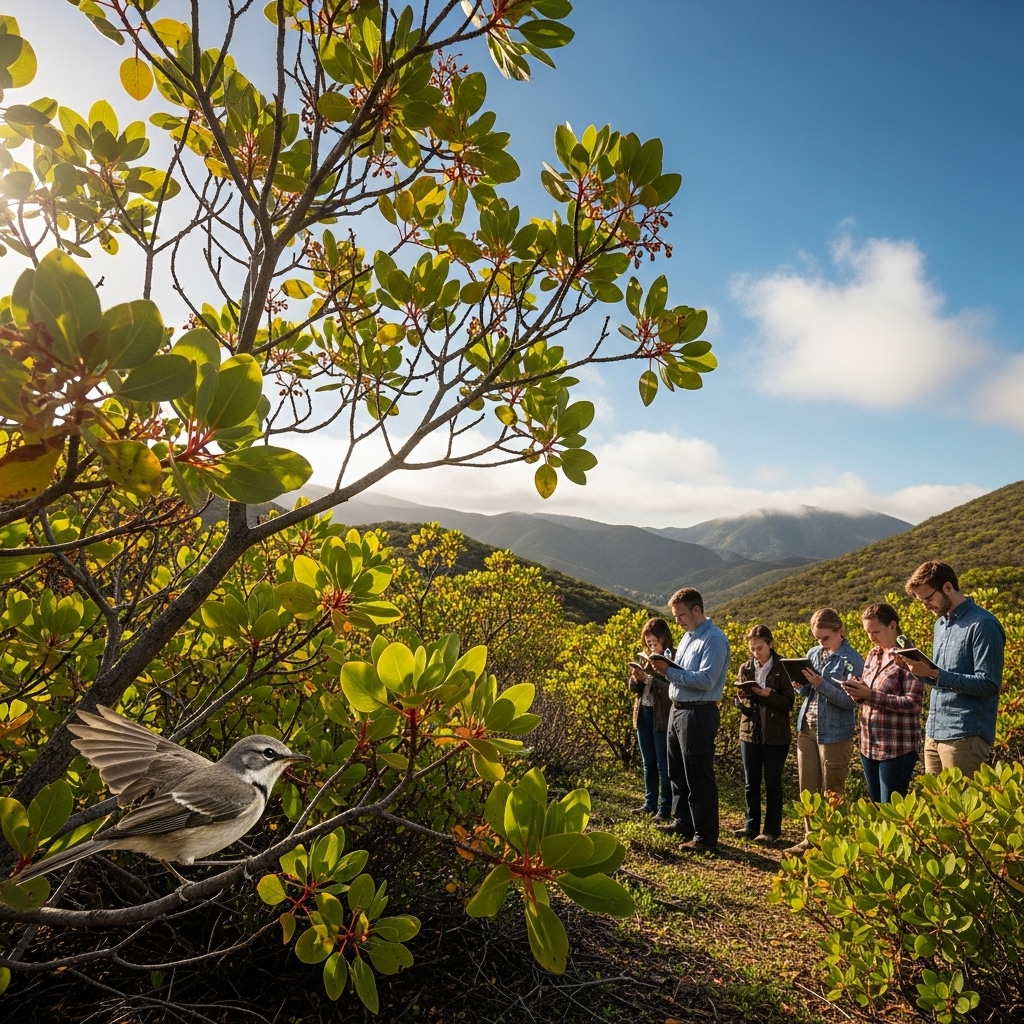
When I first encountered the Manzanita plant, I was instantly drawn to its unique, twisting branches and reddish-brown bark. This evergreen shrub belongs to the genus Arctostaphylos and is known for its striking aesthetic appeal. Manzanitas, which translates to “little apples” in Spanish, often produce small, apple-like berries that add to their charm. Native to North America, particularly the western regions, these plants thrive in a range of environments, from coastal scrub to mountainous areas. They are hardy, drought-resistant, and can adapt to various soil types, making them a favorite among gardeners looking for low-maintenance yet visually appealing plants. Read Interesting article: 10 Essential Tips for Pruning Wild Apple Trees to Boost Fruit Yield
Scientific Classification
Understanding the scientific classification of the Manzanita plant helps to appreciate its diversity and ecological significance. The Manzanita belongs to the Ericaceae family, which also includes blueberries and heathers. The genus Arctostaphylos is comprised of over 100 species, each with unique characteristics. I found it fascinating to learn that these plants have adapted remarkably well to their environments, resulting in variations that can differ significantly in size, shape, and habitat preferences. This diversity makes Manzanitas an intriguing subject for plant enthusiasts and botanists alike.
Common Varieties of Manzanita
During my exploration of Manzanita plants, I discovered several common varieties that caught my eye. One of the most popular is the Arctostaphylos densiflora, or the “California Manzanita.” This variety is known for its dense growth and beautiful pinkish-white flowers that bloom in spring, attracting pollinators like bees. Another striking variety is the Arctostaphylos manzanita, also known as the “Manzanita,” which features smooth, red bark and a more open growth habit. There’s also the Arctostaphylos uva-ursi, or “Bearberry,” which is a low-growing ground cover that produces small, edible berries. Each variety has its own charm, and I encourage anyone interested in native plants to explore these options further. Read Interesting article: Red Oak Tree Growth Rate for Hardwood Timberlands
Habitat of the Manzanita Plant
Geographical Distribution
Manzanitas are predominantly found in the western United States, with a strong presence in California, Oregon, and Washington. I remember hiking in the coastal ranges of California and being surrounded by these beautiful shrubs. They thrive in diverse habitats, ranging from dry, rocky hillsides to coastal scrublands. Their adaptability is impressive; I noticed that even in challenging terrains, they manage to grow and flourish, showcasing their resilience.
Preferred Growing Conditions
For anyone looking to cultivate Manzanitas, it’s essential to understand their preferred growing conditions. These plants generally prefer well-drained soil and can tolerate drought once established. I’ve seen them thrive in areas with minimal rainfall, and I believe this makes them a perfect choice for xeriscaping. They flourish in full sun but can also adapt to partial shade, which is something I found particularly interesting during my research. The key is ensuring they have enough light while providing adequate drainage to prevent root rot.
Soil Types Suitable for Manzanita
In my experience, Manzanitas do best in sandy or loamy soils. They have a unique relationship with certain mycorrhizal fungi, which help them absorb nutrients more efficiently. If you’re planning to plant Manzanitas, I recommend conducting a soil test to determine its composition. Well-draining, slightly acidic to neutral soils are ideal. I’ve learned that adding organic matter can greatly enhance soil quality, making it more suitable for these lovely shrubs.
Climate Preferences
Manzanitas are well-suited to Mediterranean climates, which feature wet winters and dry summers. I’ve noticed that they thrive in areas with mild temperatures, typically between 60°F and 80°F. In cooler climates, they may not thrive as well, while extreme heat can stress them out. It’s crucial to consider local climate factors when planting Manzanitas to ensure they have the best chance of thriving.
Key Features of the Manzanita Plant
Physical Characteristics
One of the things that truly captivated me about the Manzanita plant is its unique physical characteristics. It’s more than just a pretty face! The combination of its leaves, flowers, and bark creates a striking appearance that stands out in any landscape.
Leaves: Shape and Color
Manzanita leaves are generally oval-shaped, with a smooth, leathery texture that I find particularly appealing. They are often a rich, glossy green, which can turn deep red or even purplish in the fall. I remember walking through a Manzanita grove in the autumn and being amazed at how the changing colors brought a new depth to the landscape. The contrast between the vibrant leaves and the reddish bark is simply stunning, making them a favorite among photographers and nature enthusiasts.
Flowers: Appearance and Pollination
As for the flowers, they are another highlight! Manzanitas produce clusters of small, bell-shaped flowers that can be white, pink, or even red, depending on the variety. I’ve had the pleasure of witnessing these blooms in spring, and they attract countless pollinators, including bees and butterflies. Watching these creatures flit around the blossoms really brought the whole scene to life for me. It’s fascinating to see how the plant not only adds beauty to gardens but also supports local wildlife.
Bark: Texture and Color
The bark of the Manzanita plant is a feature that I find particularly distinctive. It has a smooth, shiny texture with a deep reddish-brown hue that peels away in thin strips. This peeling bark gives the plant an almost sculptural quality. I learned that this characteristic not only adds to its visual appeal but also helps the plant shed dead material, promoting healthy growth. It’s like nature’s own way of maintaining its beauty! I often pause to admire the texture of the bark, especially when the sun hits it just right, creating a warm glow that’s simply mesmerizing.
Growth Habit and Size
Manzanitas exhibit a variety of growth habits that can suit different landscaping needs. Some varieties grow as low, sprawling shrubs, while others can reach heights of up to 10 feet or more. I’ve seen some in gardens that were pruned to maintain a certain shape, and I think it’s incredible how versatile they can be. Their growth habit often depends on their environment and the specific variety, and this adaptability makes them perfect for many settings, from rock gardens to naturalized areas. I’ve even noticed them thriving in steep, rocky slopes where other plants might struggle.
Longevity and Lifespan
Another aspect I find remarkable is the longevity of the Manzanita plant. They can live for many years, with some specimens known to reach ages of 50 years or more. I remember visiting an old growth area and coming across a Manzanita that looked ancient, with a gnarled trunk and expansive branches. It made me reflect on the resilience and history of these plants. Their ability to thrive for decades speaks volumes about their adaptability and hardiness, and it’s a great reminder of the beauty of nature enduring over time.
Cultural Significance and Uses
Traditional Uses by Indigenous Peoples
The Manzanita plant holds cultural significance, particularly among Indigenous peoples of the West Coast. I was fascinated to learn that they traditionally used the berries for food. The small, sweet fruits were often made into jams or dried for later use. I’ve even tried some fresh Manzanita berries, and while they have a unique taste, I can see why they were valued as a food source. Additionally, the wood from the Manzanita is dense and durable, making it ideal for crafting tools and utensils. It’s amazing how this plant has been a source of sustenance and utility for generations.
Ornamental Uses in Landscaping
In my own gardening experiences, I’ve found that Manzanitas make excellent ornamental plants. They serve as beautiful focal points due to their striking appearance and are great for creating a low-maintenance landscape. I’ve seen them used in various settings, from formal gardens to more relaxed, naturalistic landscapes. Their drought-resistant qualities also make them a popular choice for xeriscaping, which is something I’ve aimed to incorporate into my garden design. Plus, the way they attract pollinators adds an extra layer of beauty and life to any outdoor space.
Ecological Importance
Beyond aesthetics, the Manzanita plant plays a vital role in its ecosystem. I’ve come to appreciate how these plants provide habitat and food for various wildlife. The flowers attract pollinators, while the berries offer sustenance for birds and other animals. I once spent an afternoon watching a pair of quails forage among the Manzanitas, and it struck me how interconnected everything is in nature. By planting and preserving Manzanitas, we’re not only enhancing our gardens but also supporting local biodiversity. I truly believe that every garden can be a sanctuary for wildlife, and Manzanitas are a beautiful way to contribute to this essential ecosystem. Read Interesting article: Plum Tree Growth Rate for Compact Fruit Trees
Care and Maintenance of Manzanita Plants
Planting Guidelines
When it comes to planting Manzanita, I’ve learned that a little preparation goes a long way. First, choose a location that receives plenty of sunlight, as these plants thrive in full sun. I remember the first time I planted one; I made sure it was in a spot where it would get at least six hours of sunlight daily. Next, I prepared the soil by ensuring it was well-draining. If your site has heavy clay soil, consider amending it with sand or gravel to improve drainage. I also recommend digging a hole that’s twice as wide as the root ball but no deeper than the root system. This helps the roots spread out easily and establishes a strong foundation for growth.
Watering Requirements
Watering is another crucial aspect of caring for Manzanitas. Initially, I found it helpful to give the young plants regular watering to help them establish a robust root system. However, once they’re settled in, these plants are quite drought-tolerant. I remember feeling relieved when I realized that I didn’t have to fuss over them too much during dry spells! Generally, I water them every few weeks during prolonged dry periods, especially in the first couple of years. It’s essential not to overwater; soggy roots can lead to root rot, which is something I’ve seen cause issues with other plants in my garden.
Pruning and Shaping
Pruning is an activity I enjoy, and it can really enhance the appearance of Manzanita plants. I’ve often pruned mine in late winter or early spring, just before the growing season begins. This helps to maintain their shape and encourages new growth. I’ve found that it’s best to remove any dead or damaged branches, and if you want to control their size, you can trim back the tips of the branches. However, I’ve learned not to go overboard with pruning; these plants have a natural beauty that shines through when they’re allowed to maintain their unique shapes.
Pest and Disease Management
In my experience, Manzanitas are relatively pest-resistant, but it’s still important to keep an eye out for potential issues. I’ve spotted some aphids or spider mites on occasion, but they usually don’t cause significant damage. When I do see them, I simply wash them off with a gentle spray of water or, if needed, I apply a mild insecticidal soap. Fungal diseases can sometimes affect Manzanitas, particularly if they’re planted in overly wet conditions. I’ve found that ensuring good air circulation around the plants helps minimize the risk. If you notice any signs of disease, addressing the watering and drainage issues promptly can usually resolve the problem.
Challenges and Conservation
Threats to Manzanita Populations
Despite their resilience, I’ve learned that Manzanita populations face several threats. Habitat loss due to urban development has been particularly impactful. I remember driving through areas where these beautiful shrubs once thrived, only to find them replaced by homes or commercial buildings. Wildfires also pose a significant risk, especially in regions where they are prevalent. While Manzanitas are adapted to recover from fire, the frequency and intensity of wildfires can hinder their ability to regenerate. Additionally, climate change is affecting weather patterns, which can alter the delicate balance that these plants depend on. It’s a challenging time for Manzanitas, and I believe it’s our responsibility to help protect them.
Conservation Efforts and Practices
On a positive note, I’ve discovered that there are various conservation efforts aimed at protecting Manzanita populations. Many organizations and local governments are working to preserve their natural habitats. I’ve participated in community plantings and restoration projects, which have been incredibly rewarding. These initiatives often focus on reintroducing native plant species to areas where they’ve been lost, helping to restore the ecosystem balance. I also recommend supporting local nurseries that sell native plants, as this helps promote the cultivation of Manzanitas and other indigenous flora.
How to Support Manzanita Conservation
There are many ways we can support the conservation of Manzanitas. One of the simplest actions is to plant them in our gardens, as I’ve done. By incorporating native plants, we help create habitats for local wildlife and contribute to the preservation of biodiversity. I also encourage everyone to educate themselves and others about the importance of native plants and their ecosystems. Participating in local conservation groups or volunteering for habitat restoration projects can make a significant difference. Every bit counts, and I believe that together we can help ensure that Manzanitas continue to thrive for generations to come.
Final Thoughts
Reflecting on my journey with the Manzanita plant, I can’t help but feel a deep appreciation for its unique beauty and resilience. I remember the first time I planted one in my garden; it felt like I was not just adding a plant but embracing a piece of nature that has thrived for centuries. Each time I walk past it, I’m reminded of the lessons these plants teach us about adaptability and strength. They withstand harsh conditions and still manage to bring stunning colors and life to our landscapes.
In my opinion, Manzanitas are more than just ornamental plants; they symbolize sustainability and respect for the environment. They invite us to think about how we interact with the natural world and encourage us to make choices that support biodiversity. I’ve witnessed how a garden filled with native plants, particularly Manzanitas, can attract a variety of wildlife—from hummingbirds to butterflies. Every visit to my garden feels like a small celebration of life, and I believe that everyone can create their own patch of nature that echoes this beauty.
As I continue to learn more about these fascinating shrubs, I’m excited about the possibilities they offer in landscaping and conservation efforts. The idea that something as simple as planting a Manzanita can contribute to the health of our ecosystem gives me hope. It reminds me that we all have a role to play in protecting and preserving our natural heritage.
Whether you’re a seasoned gardener or just starting your plant journey, I encourage you to consider adding a Manzanita to your space. Not only will you enjoy its aesthetic appeal, but you’ll also be supporting a plant that has a rich history and ecological significance. Let’s celebrate these incredible plants and take steps toward a greener future together. I truly believe that our collective efforts can make a difference, and planting Manzanitas is a beautiful way to start.
Frequently Asked Questions
What is the Manzanita plant?
The Manzanita plant is an evergreen shrub belonging to the genus Arctostaphylos, known for its unique twisting branches, reddish-brown bark, and small apple-like berries. It is native to North America, particularly the western regions, and thrives in various environments.
What are the common varieties of Manzanita?
Some common varieties of Manzanita include Arctostaphylos densiflora (California Manzanita), Arctostaphylos manzanita (Manzanita), and Arctostaphylos uva-ursi (Bearberry). Each variety has unique characteristics, such as flower color and growth habits.
Where is the Manzanita plant commonly found?
Manzanitas are predominantly found in the western United States, with strong populations in California, Oregon, and Washington. They thrive in diverse habitats ranging from dry, rocky hillsides to coastal scrublands.
What are the preferred growing conditions for Manzanita?
Manzanitas prefer well-drained soil and can tolerate drought once established. They thrive in full sun but can also adapt to partial shade. Ideal soil types include sandy or loamy soils that are slightly acidic to neutral.
What are the key physical characteristics of the Manzanita plant?
The Manzanita plant features oval-shaped, glossy green leaves that can turn red or purplish in fall, small bell-shaped flowers that can be white, pink, or red, and smooth, reddish-brown bark that peels away in thin strips. Its growth habit varies, with some varieties being low-growing and others reaching over 10 feet in height.
What are the traditional uses of Manzanita by Indigenous peoples?
Indigenous peoples of the West Coast traditionally used Manzanita berries for food, making jams or drying them for later use. The wood from the Manzanita plant is also dense and durable, making it ideal for crafting tools and utensils.
How can Manzanita plants be used in landscaping?
Manzanitas make excellent ornamental plants due to their striking appearance and drought-resistant qualities. They can serve as focal points in gardens and are suitable for xeriscaping, attracting pollinators while enhancing the beauty of outdoor spaces.
What are the challenges faced by Manzanita populations?
Manzanita populations face threats such as habitat loss due to urban development, wildfires, and climate change, which can affect their ability to regenerate and thrive in their natural habitats.
What conservation efforts exist for Manzanita populations?
Various conservation efforts aim to protect Manzanita populations by preserving their natural habitats and reintroducing native plant species. Community plantings and restoration projects are also essential in promoting the cultivation of Manzanitas.
How can individuals support Manzanita conservation?
Individuals can support Manzanita conservation by planting them in their gardens, educating themselves about native plants, participating in local conservation groups, and volunteering for habitat restoration projects to help maintain biodiversity.