
Manzanita shrubs are not only beautiful but also fascinating to learn about. Their unique characteristics make them a favorite among gardeners and nature lovers alike. Let’s dive into what makes these shrubs so special! Read Interesting article: Money Tree as: Wedding Gift With Deep Symbolic Meaning
Overview of Manzanita Shrubs
What is a Manzanita Shrub?
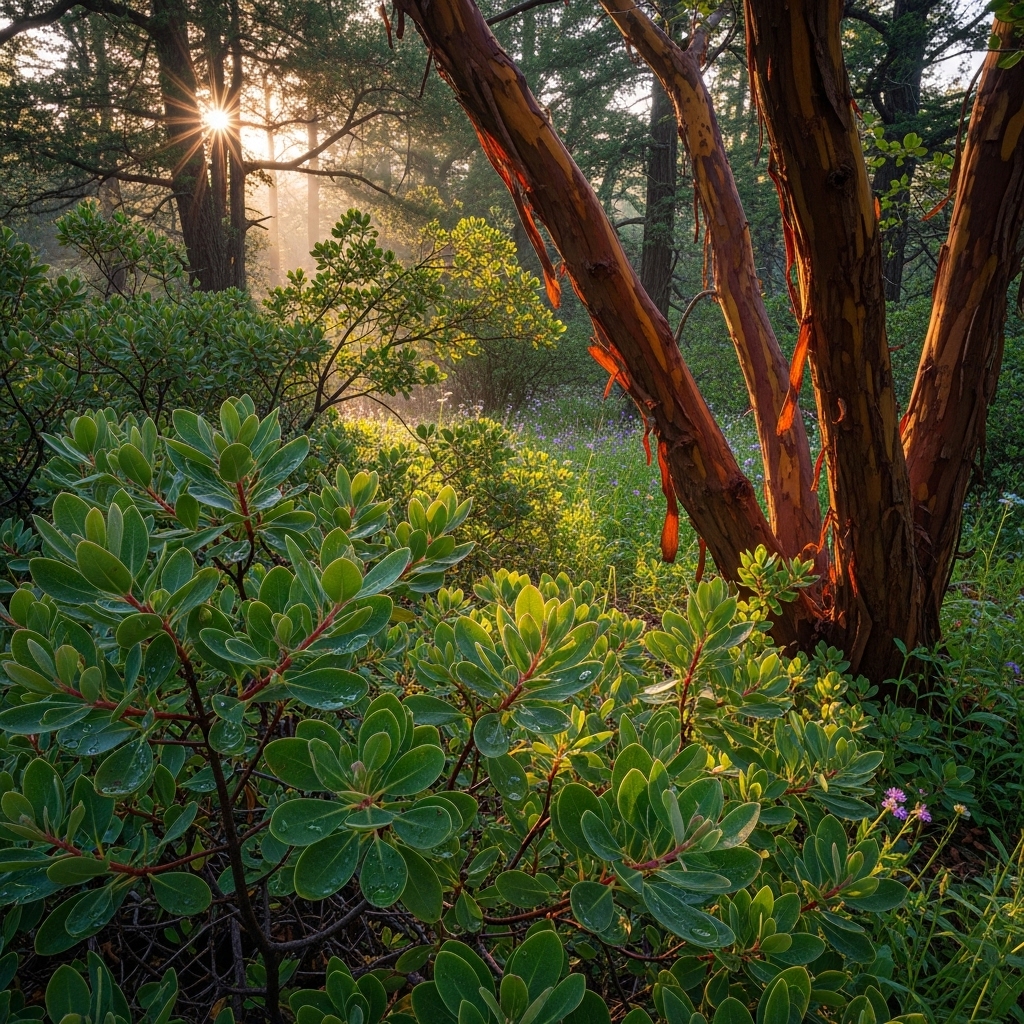
Manzanita shrubs belong to the Arctostaphylos genus, which encompasses around 100 species native to North America, primarily found in the western United States. I remember the first time I stumbled upon one; its glossy leaves and smooth, red bark instantly caught my attention. These shrubs are evergreen, which means they retain their leaves year-round, providing a lush look even in the winter months. Their name, “manzanita,” means “little apple” in Spanish, a nod to the small, apple-like fruit they produce. I found it intriguing how these shrubs adapt to various environments, thriving in rocky, sandy soils where many other plants struggle.
Common Species of Manzanita
Several species of manzanita are popular among enthusiasts, each with its unique traits. One of the most well-known is the Arctostaphylos manzanita, often referred to as the common manzanita. It features reddish-brown bark and is characterized by its low, sprawling form, which I think gives it a charming, rustic appearance. Another favorite is the Arctostaphylos patula, known as the green manzanita, which has a more upright growth habit and lighter green leaves. Each species offers distinct aesthetics that can enhance different landscapes. From my experience, I enjoy exploring local nurseries to discover new varieties that I can add to my garden. Read Interesting article: Can You Plant Spinach With Carrots?
Habitat and Distribution
Manzanita shrubs are predominantly found in dry, hilly regions, often in chaparral or woodland settings. Their ability to thrive in poor soil and withstand drought conditions is impressive. I’ve noticed these shrubs often growing alongside oaks and pines, creating a beautiful contrast in textures and colors. They are most abundant in California, where you can find them flourishing in various habitats, from coastal areas to inland mountains. It’s fascinating to see how these shrubs adapt to their environments, showcasing resilience and beauty. They also play a critical role in their ecosystems by providing habitat and food for various wildlife species.
Identifying Manzanita Shrubs
Leaf Characteristics
Identifying manzanita shrubs can be an enjoyable challenge, especially when examining their leaves. I’ve always been captivated by how unique their leaves are. Understanding these characteristics can help us distinguish one species from another.
Shape and Size of Leaves
Manzanita leaves are generally oval to lance-shaped, often ranging from 1 to 4 inches in length. I find that the size and shape can vary quite a bit among species. For instance, the leaves of the common manzanita tend to be smaller and more elongated compared to those of the green manzanita, which has broader leaves. When I’m out hiking, I like to take a moment to examine the leaves closely; their shape often tells a story about the shrub’s specific environment and adaptations.
Color Variations
The color of manzanita leaves is another defining feature. They usually exhibit a glossy, dark green hue that can brighten any landscape. In some species, I’ve noticed subtle variations, like a bluish tint in the leaves of the Arctostaphylos glauca. There’s something refreshing about these vibrant colors, especially when contrasted against the backdrop of rocky terrain or dry grass. It always seems to draw me in and makes me want to learn more.
Leaf Texture and Surface
The texture of manzanita leaves is quite distinctive as well. They are often leathery and waxy, which helps retain moisture in their arid habitats. I remember feeling the leaves for the first time; they felt robust and smooth, a quality that sets them apart from many other shrubs. This texture not only aids in survival but also contributes to their aesthetic appeal. I find that the interplay of light on these leaves creates a shimmering effect that’s mesmerizing.
Bark Features
When it comes to identifying manzanita, the bark is just as important as the leaves. I’ve always been fascinated by its striking appearance and how it changes with age.
Color and Texture of Bark
The bark of manzanita shrubs is typically reddish-brown and smooth when young, gradually becoming more textured and flaky with age. I remember the first time I touched the bark; it felt almost like polished wood. This smoothness is one of the defining features that can help identify various species. As the bark matures, it develops a more rugged appearance, adding character to the shrub. I often appreciate how the bark’s color contrasts beautifully with the vibrant leaves.
Age and Thickness of Bark
As manzanita shrubs age, their bark thickens and changes, which is something I’ve found intriguing. The older the shrub, the more pronounced these features become. In many cases, I’ve noticed that older shrubs have a more deeply ridged bark, which makes them look almost sculptural. This transformation over time adds to the overall charm of manzanita shrubs and makes them a focal point in any landscape.
Growth Form and Structure
The growth form of manzanita shrubs is another key identification factor. Their structure can vary significantly depending on the species and the conditions in which they grow.
Height and Spread
Generally, manzanita shrubs range from 3 to 10 feet tall, with some species creeping lower to the ground. I’ve seen some stunning specimens that spread out widely, creating a lovely ground cover effect, while others grow tall and upright. Their height and spread can influence how they fit into garden designs. I’ve often chosen shorter varieties for my smaller spaces, while larger species work perfectly as focal points in bigger gardens.
Branching Patterns
The branching patterns of manzanita shrubs can be quite complex. Some species have a sprawling, low habit, while others display a more upright structure. I enjoy observing how their branches twist and turn, often creating interesting shapes. This variability adds to their charm and makes each shrub feel unique.
Overall Shape of the Shrub
Finally, the overall shape of manzanita shrubs can range from wide and bushy to tall and narrow. When I’m out in nature, I often find myself drawn to their graceful forms, especially when they’re in full bloom with clusters of delicate flowers. The shape can tell you a lot about the species and its growth environment, making it a fascinating aspect to consider when identifying these beautiful plants.
Comparative Identification
Differences Between Manzanita Species
When it comes to identifying the various manzanita species, I’ve learned that a few key differences can help us distinguish them. For instance, the leaf shape and size can vary significantly. The common manzanita (Arctostaphylos manzanita) has narrow, elongated leaves that are typically smaller compared to the broader, more rounded leaves of the green manzanita (Arctostaphylos patula). I’ve often found it helpful to take a closer look at the leaf edges; some species have smooth edges, while others might be slightly serrated or have a more textured feel.
Another notable difference is the bark. While most manzanitas have that beautiful reddish-brown bark, the texture and thickness can change based on the species and age. For example, the bark of the Arctostaphylos glandulosa tends to be rougher and more textured compared to the smoother bark of the smaller species. Observing these characteristics has deepened my appreciation for the diversity within the genus.
Additionally, I’ve noticed that growth habits can vary widely. The sprawling nature of the Arctostaphylos uva-ursi creates a lovely ground cover, while the taller varieties like the Arctostaphylos columbiana can reach impressive heights, making them stand out in the landscape. Knowing these differences helps me select the right species for my garden and understand how they fit into their natural habitats.
Similar Shrubs and How to Differentiate
Sometimes, it can be tricky to identify manzanita shrubs, especially when they share environments with other similar-looking plants. One shrub that often gets confused with manzanita is the California lilac (Ceanothus). While both can feature similar leaf shapes and colors, I find that manzanita has the distinct smooth bark and thicker leaves. The California lilac tends to have a more textured bark and produces clusters of blue flowers, whereas manzanita typically showcases pink or white flowers.
Another shrub I’ve encountered is the buckthorn (Rhamnus). While it can also thrive in similar habitats, buckthorn usually has serrated leaf edges and a more upright growth form. I remember a particular hike where I initially mistook a buckthorn for manzanita until I examined the leaves more closely. It’s these little details that make plant identification such an enriching experience.
In my journey of identifying various species, I’ve found that carrying a good plant guidebook can be incredibly helpful, especially when I’m out in the field. Photographs and descriptions really help in differentiating the nuances of each species and their close relatives.
Visual Identification: Manzanita Shrub Pictures
High-Quality Images of Manzanita Leaves
One of the best ways to become adept at identifying manzanita shrubs is by studying high-quality images of their leaves. There’s something truly captivating about the variety in leaf shapes and colors. I remember browsing through a collection of images online, and being amazed at how the glossy green leaves could look so different across species. Observing these photos helped me better understand what to look for when I’m out in nature. I think having access to a visual reference is invaluable, whether you’re a seasoned gardener or a beginner.
Pictures of Manzanita Bark
Images capturing the unique bark of manzanita can also enhance our understanding. The way the bark transitions from smooth to flaky as the shrub ages is fascinating. I’ve seen photos that beautifully highlight this transformation, showcasing the rich colors and textures that can be found. When I look at these images, I’m often reminded of the tactile experience of touching the bark myself. It’s a great way to familiarize yourself with the characteristics of different species and appreciate their beauty.
Images Showing Growth Form and Structure
Finally, exploring images that depict the growth forms and structures of manzanita shrubs can help us visualize how they fit into various landscapes. I love seeing the contrast between the sprawling forms of some species and the upright growth of others. These images can inspire us when planning our gardens, as they give us a sense of how these shrubs can complement other plants. From my experience, having a visual reference not only aids in identification but also sparks creativity in designing our outdoor spaces.
Ecological Importance of Manzanita Shrubs
Role in Ecosystems
Manzanita shrubs play a crucial role in their ecosystems. I’ve learned that they are not just beautiful plants; they provide essential habitat and food for a variety of wildlife. Birds, in particular, are drawn to their berries, while insects find refuge within their dense foliage. I often enjoy watching birds flitting in and out of the shrubs, and I’ve spotted several species nesting among the branches. This connection between manzanita and local fauna highlights the importance of preserving these plants in our landscapes.
Wildlife Interactions
In my own backyard, I’ve noticed that manzanita shrubs attract butterflies and bees. The flowers, which bloom in clusters, are a rich source of nectar. I remember a warm afternoon when I sat outside, watching bees buzz around the delicate pink blossoms. It filled me with joy to see how these shrubs contribute to the pollinator population. Understanding these interactions has made me more conscious of the plants I choose to cultivate, as I want to support our local ecosystems.
Conservation Status
Despite their beauty and ecological importance, some manzanita species face threats from habitat loss and climate change. I’ve read about efforts to conserve these unique plants, and it’s inspiring to see communities coming together to protect them. Knowing that my gardening choices can impact local biodiversity encourages me to select native plants and participate in conservation initiatives. I feel that every little effort can contribute to preserving these shrubs for future generations to enjoy.
Growing and Caring for Manzanita Shrubs
Ideal Growing Conditions
Growing manzanita in my garden has been an incredibly rewarding experience. These shrubs thrive in well-drained soil, often preferring sandy or rocky substrates. I’ve learned that they don’t do well in overly wet conditions, so ensuring proper drainage is key. I remember when I first planted my manzanita, I made sure to amend the soil with sand to mimic their natural environment. This little trick has helped my shrubs flourish!
Common Pests and Diseases
Like any plant, manzanita shrubs can face a few challenges. I’ve encountered some pests, like aphids, which can sometimes gather on the new growth. I found that a simple spray of water can help dislodge them without damaging the plant. It’s also important to keep an eye out for fungal diseases, particularly in overly moist conditions. I’ve learned that good air circulation around the plants can help prevent these issues. Regular checks and maintenance have become a part of my gardening routine.
Pruning and Maintenance Tips
Pruning is another aspect that I’ve found beneficial for my manzanita shrubs. I usually prune them after they flower to encourage new growth and maintain their shape. I’ve noticed that light pruning can promote bushier growth, which enhances their overall appearance. It’s satisfying to step back and admire how a little care goes a long way in keeping these beautiful plants healthy and thriving.
Manzanita Shrubs in Landscaping
Designing with Manzanita Shrubs
Incorporating manzanita shrubs into landscaping designs can be incredibly rewarding. I love how their unique shapes and vibrant colors can create focal points in any garden. When I plan my garden layout, I often think about how the textures of manzanita will contrast with other plants. For instance, pairing them with softer, flowering plants can create a visually stunning display. I also find that their evergreen nature adds year-round interest to my garden.
Companion Planting Options
When it comes to companion planting, I’ve discovered that manzanita pairs well with other native plants. I often combine them with California fuchsia or sage, which not only complement the manzanita’s beauty but also attract similar pollinators. This diversity in planting enhances the ecological health of my garden while providing a vibrant palette of colors throughout the seasons.
Native Plant Gardens and Xeriscaping
For anyone interested in sustainable gardening, manzanita shrubs are fantastic choices for native plant gardens and xeriscaping. I’ve embraced this approach in my own yard, focusing on plants that are well-suited to our local climate. Not only do manzanita shrubs require less water, but they also provide critical habitat for local wildlife. It’s gratifying to know that my gardening choices can have a positive impact on the environment.
Manzanita Shrubs in Landscaping
Designing with Manzanita Shrubs
When I think about incorporating manzanita shrubs into my garden design, I get excited about the endless possibilities. Their unique shapes and vibrant colors can truly elevate any landscape. For example, I’ve seen manzanita used as a striking focal point in rock gardens, where their smooth bark and glossy leaves contrast beautifully with the rugged textures of stones. One of my favorite designs I attempted involved planting manzanita near a pathway, creating a natural archway that welcomed visitors with its elegant form.
Another approach I enjoy is layering plants to create depth in my garden. Manzanita can be placed behind shorter flowering plants to provide a stunning backdrop. I love the way the pink or white flowers of manzanita can enhance the colors of nearby blossoms. In my own experience, I’ve paired manzanita with colorful succulents, which not only highlight each plant’s beauty but also require similar care, making maintenance easier.
Moreover, their evergreen nature ensures that my garden stays lively throughout the year. I often find myself looking out at my landscape during winter months and appreciating how manzanita continues to shine, standing out even when the rest of the garden may be dormant.
Companion Planting Options
Finding the right companions for my manzanita shrubs has been an enjoyable journey. I’ve discovered that they thrive wonderfully alongside other native plants. For instance, California fuchsia (Epilobium canum) adds a burst of color during the summer months, and the hummingbirds love it! I remember the first time I noticed a hummingbird flitting between the fuchsia and the manzanita; it filled me with joy to see the synergy in action.
Another excellent companion is the California sagebrush (Artemisia californica), which complements manzanita both aesthetically and ecologically. The aromatic leaves of sagebrush create a delightful sensory experience in the garden while attracting beneficial insects. I often recommend this pairing to friends who are starting their gardens; it’s a dynamic duo that’s hard to beat!
In my experience, companion planting not only enhances the beauty of the garden but also promotes biodiversity. I’ve seen firsthand how attracting different pollinators and beneficial insects leads to a healthier ecosystem in my yard. It’s rewarding to know that my choices have a positive impact on the environment.
Native Plant Gardens and Xeriscaping
For anyone interested in sustainable gardening practices, manzanita shrubs are a perfect fit for native plant gardens and xeriscaping. I’ve embraced this approach in my own landscape, focusing on plants that thrive in our local climate and require minimal water. Manzanita is particularly well-suited for these gardens, as they are drought-tolerant and can flourish even in dry spells.
What I love about xeriscaping is how it encourages a beautiful, low-maintenance garden that benefits both the environment and my own sanity! I’ve learned to group plants with similar water needs, which reduces the time I spend watering. This doesn’t mean my garden lacks color or vibrancy; quite the opposite! I’ve created a stunning tapestry of colors and textures by carefully selecting native plants, and manzanita plays a starring role in that design.
Additionally, my native plant garden has attracted a variety of wildlife. I often catch glimpses of butterflies, bees, and birds visiting the manzanita flowers, all while they enjoy the other plants around them. This interconnectedness in my garden makes me feel like I’m part of something bigger, and I truly believe that creating a native plant garden is one of the best contributions I can make to support local ecosystems.
Every time I step into my garden, I’m reminded of how manzanita shrubs not only enhance the beauty of my space but also play a vital role in fostering a sustainable environment. Their hardiness, unique aesthetics, and ecological importance make them an essential component of any landscape design.
Frequently Asked Questions
What is a Manzanita shrub?
Manzanita shrubs belong to the Arctostaphylos genus, which includes around 100 species native to North America, primarily found in the western United States. They are evergreen and known for their glossy leaves and smooth, red bark.
Where are Manzanita shrubs commonly found?
Manzanita shrubs are predominantly found in dry, hilly regions, often in chaparral or woodland settings. They thrive in poor soil and are most abundant in California, where they grow in various habitats from coastal areas to inland mountains.
What are the leaf characteristics of Manzanita shrubs?
Manzanita leaves are generally oval to lance-shaped, ranging from 1 to 4 inches in length. They usually exhibit a glossy, dark green hue, and their texture is often leathery and waxy, helping retain moisture in arid habitats.
How can I identify different species of Manzanita?
Identifying different species of Manzanita can be done by examining leaf shape and size, bark texture, and growth habits. For example, the common manzanita has narrower leaves compared to the broader leaves of the green manzanita.
What role do Manzanita shrubs play in their ecosystems?
Manzanita shrubs provide essential habitat and food for various wildlife, including birds that are attracted to their berries. They also support pollinators like bees and butterflies through their flowers.
What are the ideal growing conditions for Manzanita shrubs?
Manzanita shrubs thrive in well-drained soil, often preferring sandy or rocky substrates. They do not do well in overly wet conditions, so ensuring proper drainage is crucial for their health.
What common pests and diseases affect Manzanita shrubs?
Common pests include aphids, which can be managed with a simple spray of water. Fungal diseases can also occur in overly moist conditions, so maintaining good air circulation around the plants is important.
How should I prune Manzanita shrubs?
It is beneficial to prune Manzanita shrubs after they flower to encourage new growth and maintain their shape. Light pruning can promote bushier growth and enhance the overall appearance of the shrubs.
What are some good companion plants for Manzanita shrubs?
Manzanita shrubs pair well with other native plants such as California fuchsia and California sagebrush. These companions not only complement the beauty of Manzanita but also attract similar pollinators, enhancing biodiversity in the garden.
Why are Manzanita shrubs suitable for xeriscaping?
Manzanita shrubs are drought-tolerant and well-suited for xeriscaping as they thrive in low-water conditions. They help create beautiful, low-maintenance gardens that benefit both the environment and the gardener. Read Interesting article: Tree Diameter Growth Rate Calculation and Growth Formula