
The maximum height of fully mature balsam fir trees typically ranges from 40 to 60 feet, although some exceptional specimens can reach heights of up to 80 feet under ideal conditions.
Understanding Balsam Fir Trees
Balsam fir trees, scientifically known as Abies balsamea, are evergreen conifers native to North America. They are primarily found in the northeastern United States and Canada. Known for their symmetrical shape and fragrant needles, these trees are a popular choice for landscaping and holiday decorations. Their beauty, along with their ecological benefits, makes them an important species in forest ecosystems.
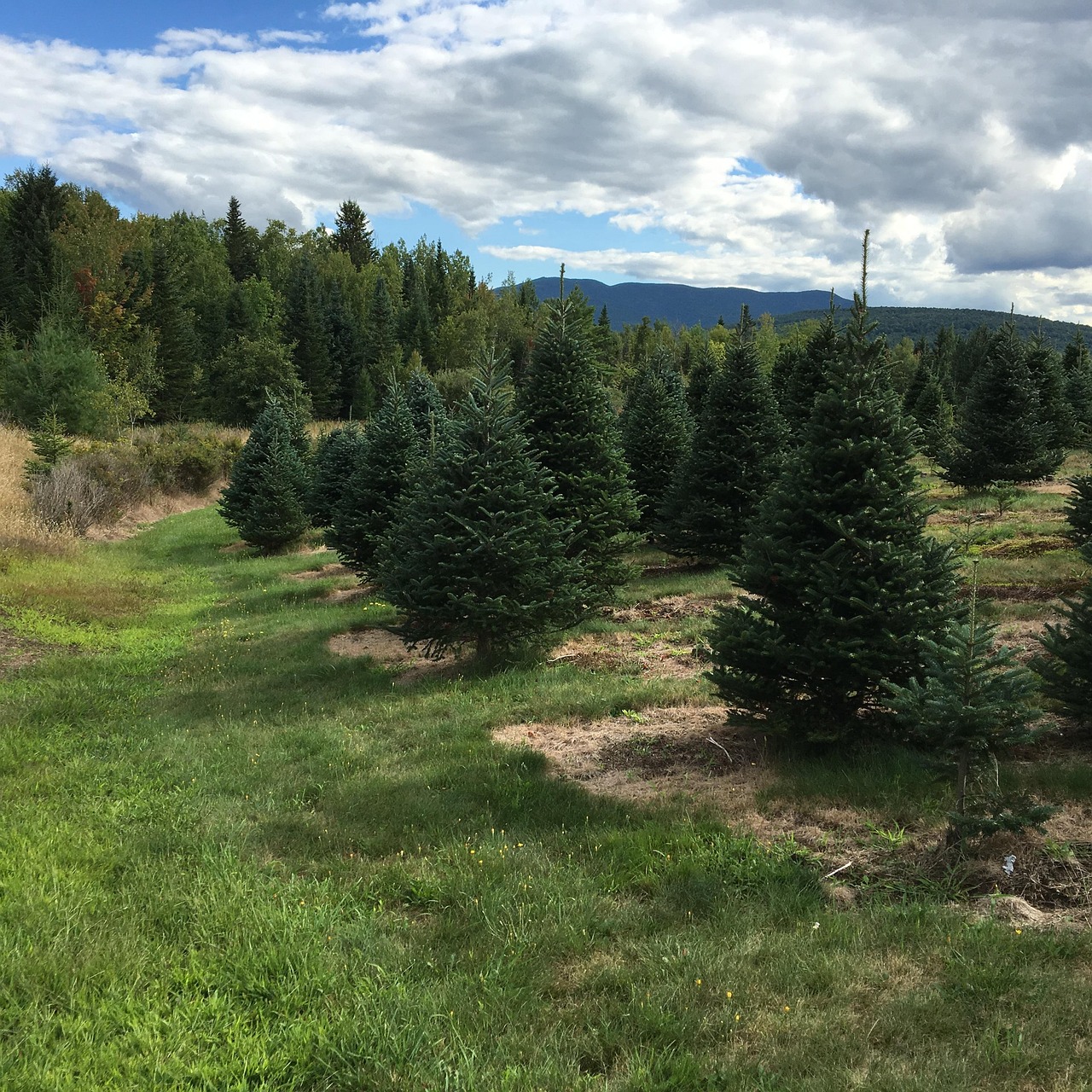
These trees thrive in cool, moist climates and prefer well-drained, acidic soils. Balsam firs often grow in mixed forests alongside other conifers like spruce and pine. They play a crucial role in providing habitat for various wildlife species, including birds and small mammals. As they mature, balsam firs exhibit distinctive qualities that set them apart from other tree species.
Growth Characteristics
The growth rate of balsam fir trees can vary based on environmental conditions, soil quality, and competition with other vegetation. On average, they can grow about 1 to 2 feet per year during their early life stages. However, growth may slow as they reach maturity, typically around 30 to 50 years old.
Factors influencing the maximum height of a balsam fir include:
- Soil quality
- Water availability
- Sunlight exposure
- Climate conditions
- Competition from neighboring plants
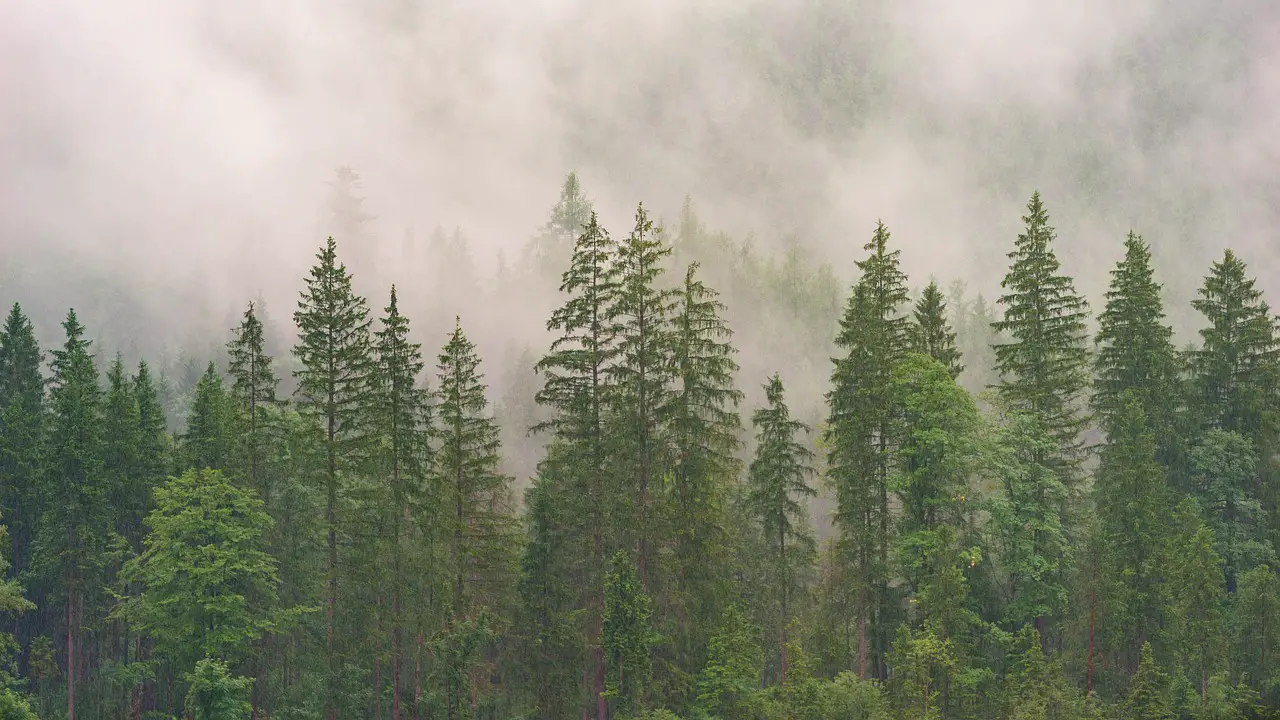
In optimal conditions, these trees can reach impressive heights. The tallest recorded balsam fir was measured at approximately 80 feet, but such specimens are rare. Most mature balsam firs fall within the average height range mentioned earlier.
Physical Characteristics of Balsam Fir Trees
Balsam fir trees are known for their distinctive physical attributes. Understanding these characteristics can help appreciate their beauty and value in natural landscapes and managed forests.
| Characteristic | Description |
|---|---|
| Needles | Flat, soft, and dark green with a pleasant fragrance. |
| Bark | Smooth and grayish-brown when young, becoming scaly with age. |
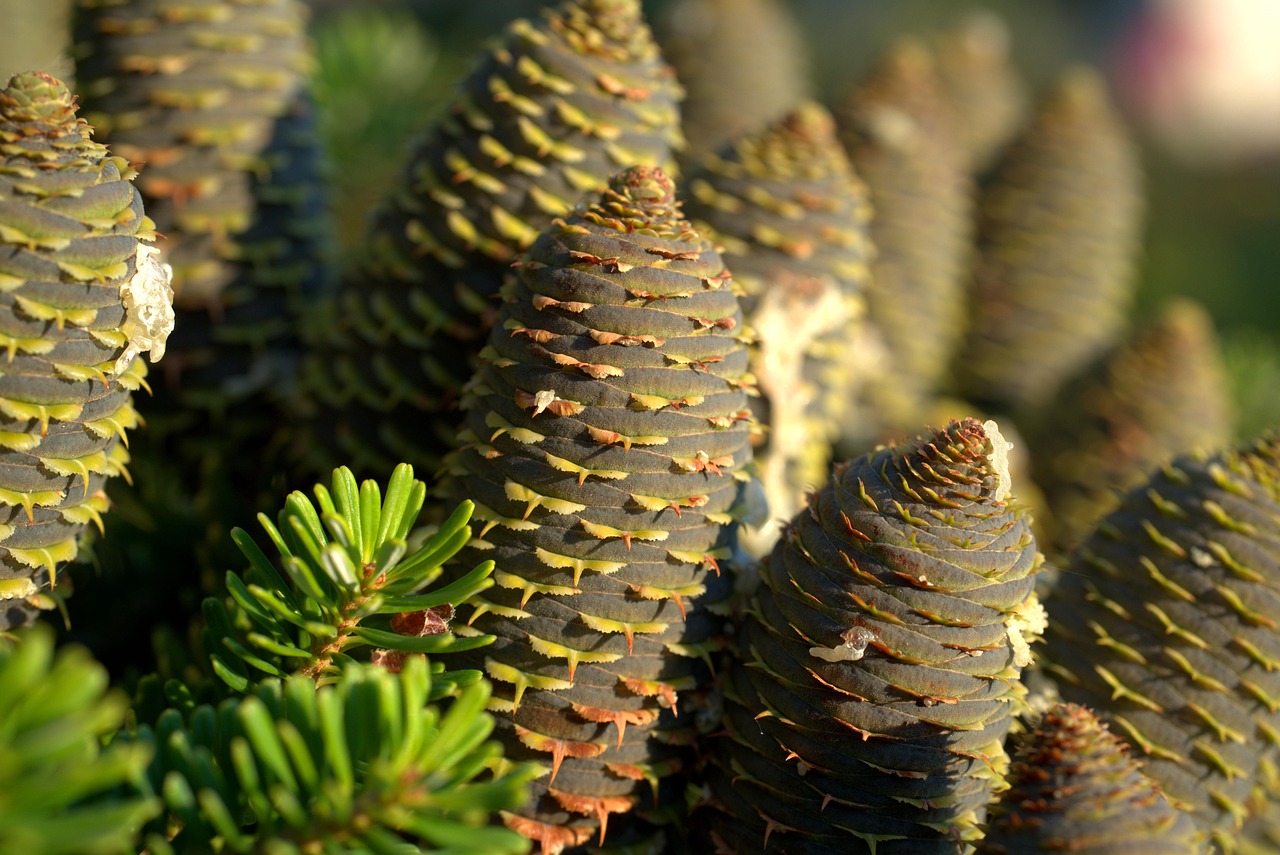
| Cones | Cylindrical and upright, with a length of 2 to 4 inches. |
| Roots | Shallow root system that can be susceptible to windthrow. |
The needles of balsam fir trees are particularly notable for their soft texture and aromatic qualities. This makes them a favorite among those who use them for holiday decorations or as ornamental trees in yards and parks. The cones are also a unique feature, as they grow upright on the branches rather than hanging down like those of many other conifers.
Ecological Importance of Balsam Fir Trees
Balsam firs contribute significantly to the ecosystem. They provide essential habitat for various wildlife species, including birds that nest in their branches and mammals that feed on their cones and foliage. Additionally, their dense foliage offers shelter from harsh weather conditions.
Forests dominated by balsam fir are known for their biodiversity. These trees support a variety of understory plants, contributing to the overall health of the forest ecosystem. The presence of balsam firs in a forest can also influence soil composition and quality over time.
In summary, understanding the maximum height of fully mature balsam fir trees provides insight into their growth patterns and ecological significance. These majestic trees not only enhance the beauty of our landscapes but also serve vital roles in our natural ecosystems.
Factors Affecting the Height of Balsam Fir Trees
The height of balsam fir trees can be influenced by a variety of factors. Understanding these factors is essential for anyone interested in forestry, landscaping, or ecology. Each element contributes to the overall growth and maximum height these trees can achieve.
Soil Conditions
Soil plays a critical role in the growth of balsam firs. Ideal soil conditions include:
- Well-Drained Soil: Balsam firs prefer soil that drains well to avoid root rot.
- Acidity: These trees thrive in acidic soils with a pH level typically between 4.5 and 6.0.
- Nutrient-Rich: Soils rich in organic matter provide essential nutrients for healthy growth.
In areas where soil conditions are poor, balsam fir trees may struggle to reach their maximum height. Soil testing can help determine the best amendments to support growth.
Climate and Weather
The climate in which balsam fir trees grow significantly affects their height. Factors to consider include:
- Temperature: Balsam firs prefer cooler temperatures. Extreme heat can hinder their growth.
- Precipitation: Regular rainfall is important. Consistent water availability promotes healthy growth.
- Exposure to Winds: Strong winds can damage older trees, potentially stunting growth or causing breakage.
Regions that experience harsh winters may also challenge the growth of balsam firs, leading to shorter trees over time.
Competition from Other Vegetation
Balsam fir trees often grow in forests with various other species. This competition can impact their height and overall health. When competing for resources, balsam firs may not grow as tall as they could in less crowded environments.
Types of Competition
There are several types of competition that balsam firs face:
- Light Competition: Taller trees can block sunlight from reaching younger balsam firs, limiting their growth potential.
- Nutrient Competition: Other plants may consume the nutrients in the soil that balsam firs need.
- Water Competition: Trees nearby may absorb water from the soil, leaving less available for balsam firs.
In managed forests, selective thinning may help reduce competition and promote taller growth in remaining balsam firs.
Pests and Diseases
Pests and diseases pose significant threats to the health and height of balsam fir trees. Identifying and managing these threats is crucial for maintaining healthy populations.
Common Pests
Pests that commonly affect balsam fir include:
- Balsam Woolly Adelgid: This small insect can weaken trees by feeding on their sap, leading to stunted growth.
- Spruce Budworm: The larvae of this moth feed on the foliage, which can result in decreased vigor and height.
Diseases Impacting Growth
Balsam firs are also susceptible to several diseases, such as:
- Root Rot: Caused by various fungi, this disease affects the root system and can lead to tree mortality.
- Bacterial Blight: This disease affects the foliage, causing discoloration and premature needle drop, impairing overall health.
Regular monitoring and prompt management of pests and diseases can help ensure that balsam firs reach their maximum potential height.
Cultivation Practices
The way balsam fir trees are cultivated can significantly influence their height. Proper cultivation practices can promote healthier and taller trees.
Silvicultural Techniques
Some effective silvicultural techniques include:
- Thinning: Reducing the density of trees allows for more sunlight and nutrients for remaining balsam firs.
- Controlled Burns: This technique can remove competing vegetation and improve soil quality.
- Fertilization: Providing nutrients through fertilizers can enhance growth rates under certain conditions.
Implementing these techniques requires knowledge of local ecosystems and careful planning to avoid negative impacts on the environment.
Environmental Benefits of Balsam Fir Trees
Balsam fir trees offer numerous environmental benefits, making them valuable to ecosystems and urban landscapes. Their contributions extend beyond mere aesthetics, playing a vital role in maintaining ecological balance.
Air Quality Improvement
Balsam firs, like other coniferous trees, significantly contribute to improving air quality. They do this by:
- Carbon Sequestration: Balsam firs absorb carbon dioxide from the atmosphere, helping to mitigate climate change.
- Oxygen Production: Through photosynthesis, these trees release oxygen, which is essential for life.
Their ability to filter pollutants from the air further enhances their role in promoting cleaner environments.
Soil Erosion Prevention
The root systems of balsam fir trees help anchor the soil, preventing erosion. Key aspects include:
- Root Structure: The shallow but extensive root system stabilizes the soil, reducing the risk of landslides.
- Organic Matter Contribution: As balsam firs shed needles and branches, they contribute organic matter to the soil. This enriches the soil and promotes healthy microbial activity.
By preventing soil erosion, balsam firs also help maintain water quality in nearby streams and rivers.
Wildlife Habitat Provided by Balsam Fir Trees
Balsam fir forests provide critical habitat for a variety of wildlife species. This habitat is essential for different life stages of many animals.
Bird Species
Balsam fir trees are particularly beneficial for bird species. They serve as nesting sites and provide food sources. Common birds found in balsam fir habitats include:
- Black-capped Chickadee: Known for their curious nature, these birds often nest in the cavities of balsam firs.
- Crossbills: These birds feed on the seeds from the cones of balsam firs, making these trees an important food source.
- Woodpeckers: Various woodpecker species utilize balsam firs for nesting and foraging.
Mammalian Wildlife
Balsam fir forests also support a range of mammals, including:
- Squirrels: These agile creatures often forage for seeds and nuts in the branches.
- Deer: Balsam firs provide shelter and forage during winter months when other food sources are scarce.
- Bears: In some regions, bears may use balsam firs as part of their habitat, particularly during the mast season when seeds are abundant.
Cultural and Economic Importance of Balsam Fir Trees
Balsam fir trees carry cultural significance and have economic value in various sectors. Understanding these aspects can highlight their importance beyond ecological contributions.
Cultural Significance
For many indigenous communities and local cultures, balsam firs hold traditional significance. They are often used in:
- Ceremonies: Balsam fir branches may be used in rituals or celebrations due to their aromatic properties.
- Crafts: The wood is valued for making traditional items, such as tools or decorations.
Economic Value
The economic importance of balsam fir trees can be seen in several industries:
- Lumber Industry: Balsam fir wood is used in construction and furniture-making due to its workability and aesthetic appeal.
- Christmas Tree Industry: Balsam firs are popular as Christmas trees, prized for their shape and scent.
- Essential Oils: The needles are harvested for their essential oils, used in aromatherapy and personal care products.
The economic benefits derived from balsam firs contribute to local economies and provide jobs in forestry and related industries.
Challenges Facing Balsam Fir Populations
Despite their many benefits, balsam fir trees face various challenges that threaten their populations. Understanding these threats is crucial for conservation efforts.
Climate Change Impacts
Climate change poses significant risks to balsam fir forests. Key impacts include:
- Temperature Increases: Warmer temperatures can lead to tree stress and increase susceptibility to pests.
- Altered Precipitation Patterns: Changes in rainfall can affect water availability, impacting growth rates and health.
Pest Invasions
The spread of invasive pests can devastate balsam fir populations. For example:
- Agrilus anxius (Bronze Birch Borer): This pest can weaken trees, making them more vulnerable to diseases.
- Cydia pomonella (Codling Moth): This pest can also affect the health of balsam firs through sap feeding.
Effective management strategies are essential to mitigate these threats and preserve healthy populations of balsam fir trees.
Conservation Efforts for Balsam Fir Trees
To ensure the survival of balsam fir trees, various conservation strategies are being implemented. These efforts are crucial for maintaining both the ecological health of forests and the economic benefits associated with these trees.
Forest Management Practices
Proper forest management is essential in promoting the growth and health of balsam fir populations. Some effective practices include:
- Sustainable Logging: Employing selective logging techniques allows for the harvesting of mature trees while preserving younger ones to continue growing.
- Restoration Projects: Replanting balsam firs in areas where they have been depleted helps restore natural habitats and promotes biodiversity.
- Monitoring and Research: Continuous research on balsam fir health and growth patterns can provide valuable data to improve management strategies.
Implementing these practices requires collaboration between government agencies, environmental organizations, and local communities.
Community Involvement
Engaging local communities is vital for the success of conservation efforts. Community involvement can take many forms, including:
- Education Programs: Informing the public about the importance of balsam firs can foster a sense of stewardship and encourage sustainable practices.
- Volunteer Initiatives: Organizing community clean-up days or tree planting events can strengthen community ties while benefiting local ecosystems.
- Advocacy: Encouraging community members to advocate for policies that protect balsam fir forests can lead to long-term conservation success.
Research and Technology
Advancements in technology and research are playing significant roles in the conservation of balsam firs. Key areas of focus include:
- Genetic Research: Studying the genetic diversity of balsam fir populations can help identify resilient strains that may better withstand climate change conditions.
- Pest Management Innovations: Developing environmentally friendly pest control methods can protect balsam firs from harmful infestations without disrupting their ecosystems.
- Remote Sensing Technologies: Utilizing satellite imagery and drones can help monitor forest health, allowing for early detection of issues like pest outbreaks or disease spread.
Final Thoughts
The maximum height of fully mature balsam fir trees is influenced by a multitude of factors, including environmental conditions, competition, and management practices. Understanding these elements is critical for anyone involved in forestry or conservation efforts.
Balsam firs not only enhance the beauty of our landscapes but also provide essential ecological functions. Their contributions to air quality, soil stabilization, and wildlife habitat underscore their importance in both natural and managed ecosystems. As challenges such as climate change and pest invasions continue to threaten these majestic trees, proactive conservation measures become increasingly vital.
By implementing sustainable management practices, fostering community involvement, and leveraging technological advancements, we can protect and preserve balsam fir populations for future generations. The collective effort of individuals, communities, and organizations will be key to ensuring that these trees continue to thrive in our forests.
In conclusion, the future of balsam fir trees relies on our commitment to understanding their needs and addressing the challenges they face. Through education, conservation, and responsible management, we can ensure that balsam firs remain a thriving part of our natural heritage.