
The May Apple plant, known for its unique appearance and potential benefits, is a perennial herb native to North America. This intriguing plant is not only a part of traditional medicine but also serves various ecological purposes.
Overview of the May Apple Plant
What is the May Apple?
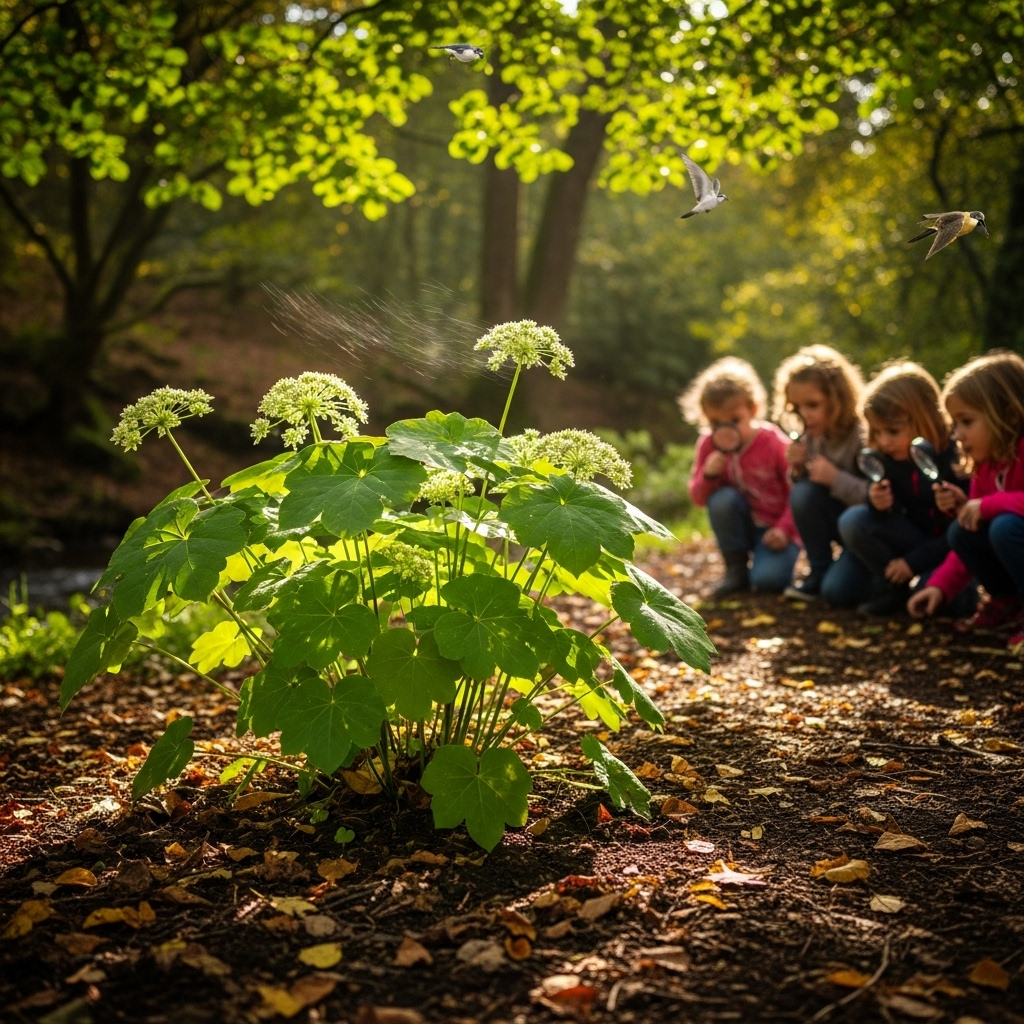
The May Apple (Podophyllum peltatum) is a fascinating plant that thrives in woodland areas across the eastern United States and parts of Canada. Often referred to as “American mandrake,” this plant is easily recognizable due to its distinct umbrella-like leaves and striking white flowers. Growing in colonies, May Apples can blanket the forest floor, creating a beautiful green landscape during the warmer months.
Scientific Classification
From my experience, understanding the scientific classification of the May Apple helps provide context about its characteristics and relationships with other plants. The May Apple belongs to the Berberidaceae family, which includes other medicinal plants like goldenseal and barberry. Its genus, Podophyllum, includes several species, but the peltatum variety is the most common in North America. This classification helps highlight its unique traits and potential uses.
Physical Description
When I first encountered the May Apple, I was struck by its unique physical features. The plant typically grows to about 12 to 18 inches tall, with each plant producing a single stem that supports two large, lobed leaves. These leaves can measure up to 12 inches wide and are reminiscent of an umbrella, providing shade for the delicate white flowers that bloom underneath. The flowers, usually appearing in May, are about 1-2 inches in diameter and can be quite charming, with their waxy petals and yellow centers. Following the flowers, the plant produces a round, green fruit, which ripens to a yellow color by late summer. It’s important to note that while the fruit looks enticing, it should only be consumed when fully ripe, as unripe fruits can be toxic.
Habitat and Growing Conditions
Native Range and Distribution
The May Apple is native to North America, particularly in the eastern regions, ranging from southern Maine to northern Florida and as far west as Texas and Wisconsin. I remember hiking through various forests and encountering this plant, often in rich, moist soil under the shade of larger trees. This plant thrives in deciduous forests, where it enjoys the dappled sunlight filtering through the treetops.
Preferred Soil Types
May Apples prefer well-drained, loamy soil enriched with organic matter. I’ve found that they thrive best in slightly acidic to neutral pH levels. While they can tolerate various soil types, they flourish in areas where the soil retains moisture without becoming waterlogged. When I planted my own May Apples, I made sure to amend the soil with compost, which really helped with growth and vitality.
Sunlight and Water Requirements
This plant is well adapted to thrive in shady environments, making it a perfect addition to any woodland garden. I’ve found that May Apples do best in partial to full shade, as too much direct sunlight can scorch their leaves. Regarding water, they prefer consistently moist soil but are relatively forgiving if the moisture levels fluctuate. During particularly dry spells, I make it a point to water them to ensure they stay happy and healthy.
Identification of the May Apple Plant
Leaf Structure and Appearance
Identifying the May Apple is relatively straightforward once you know what to look for. The leaves are distinctive, with their broad, umbrella-like shape that emerges from the central stem. Each leaf has 5 to 7 lobes, giving it a palmate appearance. I remember the first time I spotted these leaves in the wild; they stood out against the forest floor, creating a striking contrast with the surrounding greenery. The leaves are a deep green color, often turning a beautiful yellow in the fall.
Flower Characteristics
The flowers of the May Apple are a delightful surprise, often hidden beneath the large leaves. Each plant typically produces a solitary flower, which can be somewhat shy and easily missed if you’re not looking closely. The flowers are white, with six petal-like sepals, and they often have a faint, sweet fragrance. I’ve found that they bloom in late April to early May, and their beauty adds a lovely touch to the forest landscape.
Fruit Identification
The fruit of the May Apple is another key identifying feature. Initially green, the fruit ripens to a bright yellow color, resembling a small, round apple. I’ve learned that while the fruit can be enticing, it is crucial to wait until it is fully ripe before consuming it. The ripe fruit is soft to the touch and has a sweet taste, making it a treat for those who know how to prepare it properly.
Common Look-Alikes
While the May Apple is quite distinct, there are a few plants that can be easily confused with it. One common look-alike is the false solomon’s seal (Maianthemum racemosum), which has similar foliage but produces clusters of small white flowers instead of a solitary bloom. I’ve noticed that the key difference lies in the leaf structure and flower arrangement, which helps in accurate identification. Another plant to watch out for is the jack-in-the-pulpit (Arisaema triphyllum), which has similar growth habits but features a distinctive flower structure. Knowing these look-alikes has helped me appreciate the uniqueness of the May Apple even more.
Benefits of the May Apple Plant
Medicinal Uses
The medicinal properties of the May Apple plant truly fascinate me. Traditionally, Native Americans have used various parts of this plant for different ailments. The root, in particular, has been utilized for its potential therapeutic effects, such as treating conditions like rheumatism and digestive issues. I’ve read that some herbalists even recommend it for more serious concerns, like cancer treatment, although I strongly emphasize that one should never attempt to use it without proper guidance from a healthcare professional. It’s essential to approach herbal remedies carefully, as they can be potent and have side effects. I believe there’s a lot to learn from how this plant has been used historically, but it’s crucial to do thorough research and consult with experts before diving into any medicinal usage. Read Interesting article: How to Grow a Plant From a Pineapple (Easy Guide)
Ecological Benefits
Beyond its medicinal uses, the May Apple plant plays an important role in its ecosystem. I’ve noticed that its presence can be quite beneficial for woodland areas. The plant provides food and habitat for various wildlife species. For instance, I’ve seen birds enjoy the ripe fruit, and I’ve read that small mammals often forage among the May Apple colonies. Additionally, these plants help prevent soil erosion with their extensive root systems, which I think is vital for maintaining a healthy forest floor. The leaves, when they fall, create a layer of organic matter that enriches the soil, promoting a thriving ecosystem. It’s a beautiful reminder of how interconnected our natural world is.
Culinary Uses
While I’m always cautious about foraging, I find the culinary uses of the May Apple quite intriguing. The ripe fruit, when prepared correctly, can be a delightful treat. It’s soft and sweet, making it an excellent addition to jams or baked goods. I remember coming across a recipe for May Apple jelly that sounded absolutely delicious! However, I can’t stress enough that the unripe fruit and other parts of the plant, such as the leaves and roots, are toxic and should never be consumed. If you’re considering exploring the culinary potential of May Apples, make sure to do your homework and only work with ripe fruit, as the flavor can be quite unique and enjoyable when handled properly. Read Interesting article: How to Grow a Pineapple Plant From the Top Easily
Uses of the May Apple in Landscaping
Ground Cover Properties
One of my favorite things about the May Apple is its ability to serve as a ground cover in shaded garden areas. I’ve personally experimented with using these plants to create a lush, green carpet beneath my trees. It’s incredible how they thrive, transforming an otherwise dull spot into a vibrant space. Their broad leaves not only add texture but also help suppress weeds, making gardening a bit easier. I’ve found that they spread naturally, creating a seamless look that blends beautifully with the surrounding flora. If you’re considering adding some greenery to your shaded areas, I highly recommend May Apples for their aesthetic appeal and practical benefits.
Attracting Pollinators
Another wonderful aspect of planting May Apples is their ability to attract pollinators. I’ve noticed that the flowers, albeit shy, do intrigue bees and other beneficial insects. It’s heartwarming to see these little creatures buzzing around in my garden, and I believe that May Apples contribute to a more diverse and healthy ecosystem. If you’re looking to create a pollinator-friendly garden, incorporating May Apples can be a fantastic choice. Their late spring blooms coincide with the emergence of various pollinators, creating a lovely symbiotic relationship.
Shade Tolerance
For anyone struggling with shady spots in their garden, like I often do, May Apples are a perfect solution. These plants thrive in partial to full shade, making them ideal for areas where sunlight is limited. I’ve found that they not only survive but flourish, providing a lush, green environment that can brighten up even the shadiest corners of my yard. This shade tolerance is a huge bonus for gardeners like us who might have large trees overshadowing our spaces. I always feel a sense of accomplishment when I can beautify those tricky areas with plants that enjoy the same conditions.
Harvesting and Preparing May Apples
When to Harvest
Harvesting May Apples is a delicate process that I’ve learned to approach with care. The best time to pick the fruit is when it has turned a bright yellow and is soft to the touch. I remember my first time harvesting them; I was so excited to find ripe fruit that I almost picked them too early! It’s crucial to wait for that perfect ripeness because, as I mentioned earlier, unripe fruit can be toxic. The late summer months are typically when the fruit is at its peak, so I always mark my calendar to remind myself to check back in during that time. Patience is key, and the reward is definitely worth it.
Safe Preparation Techniques
Preparing May Apples for consumption requires some knowledge and caution. After harvesting, I like to wash the fruit thoroughly to remove any dirt. Then, I carefully slice it open to remove the seeds, which are also toxic. I usually enjoy the fruit raw, but I’ve also experimented with cooking it down into a sauce or jelly. If you choose to cook with May Apple, always ensure you’re working with ripe fruit and avoid any other parts of the plant. It’s essential to follow safe preparation techniques to enjoy the full flavor without any risks.
Recipes Featuring May Apples
When it comes to recipes, I’ve discovered a few that highlight the delightful taste of May Apples. One of my favorites is a simple May Apple jam, where I cook the ripe fruit with sugar and lemon juice until it thickens. The result is a sweet, tangy spread that’s perfect on toast or mixed into yogurt. I’ve also enjoyed making a May Apple pie, incorporating the fruit with spices and a flaky crust. If you’re adventurous, I encourage you to look up some recipes and try your hand at cooking with this unique fruit. Just remember, the focus should always be on the ripe, yellow fruit! Read Interesting article: How to Grow a Pineapple Plant From a Pineapple (Step-by-Step)
Potential Risks and Toxicity
Toxic Parts of the Plant
While the May Apple has many appealing features, it’s crucial to recognize that not all parts of this plant are safe for consumption. I’ve learned that the leaves, roots, and unripe fruits contain toxic compounds, particularly podophyllotoxin. This compound can cause serious health issues if ingested. The unripe fruit, which is green and firm, is especially dangerous and should be avoided at all costs. It’s essential to educate ourselves about these toxic parts to ensure a safe experience with the plant. My advice is to appreciate the May Apple for its beauty and benefits while being cautious about what we consume.
Symptoms of Poisoning
If someone accidentally consumes the toxic parts of the May Apple, the symptoms can range from mild to severe. I remember reading about individuals who faced nausea, vomiting, and abdominal pain after ingesting unripe fruit or other parts of the plant. In more severe cases, it can lead to serious complications, including respiratory distress and even coma. If you ever suspect someone has ingested a toxic part of the May Apple, it’s vital to seek medical attention immediately. Being aware of these symptoms can help us act quickly if the need arises.
Safety Precautions
To safely enjoy the May Apple, I always emphasize the importance of proper identification and preparation. If you’re foraging, make sure to familiarize yourself with the plant and its features to avoid any mix-ups. I also recommend carrying a guidebook or using a reliable app for plant identification. When it comes to harvesting, only pick the ripe, yellow fruits and ensure you handle them with care, avoiding any contact with the leaves or roots. For those considering using May Apples for their medicinal properties, consulting with a healthcare professional is crucial. It’s better to be safe than sorry, and I believe that knowledge is our best tool for enjoying this fascinating plant responsibly.
Growing May Apples in Your Garden
Planting Tips
If you’re inspired to grow May Apples in your own garden, I’ve found that the process can be quite rewarding. When planting, I recommend choosing a shady spot, as these plants thrive in partial to full shade. Ideally, you should plant them in early spring or fall. I like to dig holes that are about two to three times wider than the root ball, allowing plenty of space for growth. When planting, I make sure the top of the root ball is level with the surrounding soil. Giving them room to spread out is essential for their health and vitality.
Care and Maintenance
After planting, keeping an eye on the moisture levels is vital. May Apples prefer consistently moist soil, so I often check the ground, especially during dry spells. Mulching around the base can help retain moisture and suppress weeds, which I’ve found particularly beneficial. I also like to fertilize them lightly with organic matter in the early spring to give them a little boost for the growing season. Regularly observing my plants allows me to catch any issues early, ensuring they have the best chance to thrive.
Pest and Disease Management
In my experience, May Apples are relatively pest-resistant, but they can occasionally fall victim to some common garden pests. I’ve noticed aphids and slugs might show up, especially in moist conditions. I recommend checking the leaves regularly and, if you spot any pests, gently washing them off with water or using insecticidal soap if necessary. Fungal diseases can also be a concern in overly damp conditions, so ensuring proper air circulation is essential. I’ve learned to space my plants appropriately and avoid overcrowding to minimize this risk. With a little attention and care, you can keep your May Apples healthy and flourishing.
Frequently Asked Questions (FAQs)
Can you eat May Apples?
Yes, but with caution! Only the ripe yellow fruit is safe to eat, while the unripe fruit, leaves, and roots are toxic. I always emphasize the importance of waiting until the fruit is fully ripe before enjoying it.
How do you propagate May Apples?
May Apples can be propagated through seeds or root division. I’ve found that planting seeds in the fall works well, as they benefit from a natural stratification process over the winter. If you’re dividing roots, make sure each section has at least one eye, and plant them in a shaded area to thrive.
Are May Apples invasive?
No, May Apples are not considered invasive. They tend to grow in colonies but generally don’t outcompete other plants. I appreciate their ability to enhance woodland gardens without overwhelming the surrounding flora.
Frequently Asked Questions
What is the May Apple plant?
The May Apple (Podophyllum peltatum) is a perennial herb native to North America, particularly found in woodland areas across the eastern United States and parts of Canada. It features distinct umbrella-like leaves and white flowers, and typically grows in colonies.
What are the ideal growing conditions for May Apples?
May Apples thrive in rich, moist soil found in deciduous forests, preferring well-drained, loamy soil with slightly acidic to neutral pH levels. They flourish in partial to full shade and require consistently moist soil to grow well.
What parts of the May Apple plant are toxic?
The leaves, roots, and unripe fruits of the May Apple contain toxic compounds, particularly podophyllotoxin, which can cause serious health issues if ingested. It is important to avoid consuming these parts of the plant.
How can you identify a May Apple?
May Apples can be identified by their broad, umbrella-like leaves that typically have 5 to 7 lobes, solitary white flowers that bloom in late April to early May, and round fruit that ripens from green to yellow.
What are the medicinal uses of the May Apple?
Traditionally, various parts of the May Apple have been used in herbal medicine, particularly the root for treating ailments like rheumatism and digestive issues. However, it is essential to consult with a healthcare professional before using it for medicinal purposes.
Can May Apples be used in cooking?
Yes, the ripe fruit of the May Apple can be used in cooking, especially when prepared correctly. It can be made into jams or added to baked goods. However, only the ripe, yellow fruit is safe to eat, as other parts of the plant are toxic.
What role does the May Apple play in its ecosystem?
The May Apple provides food and habitat for wildlife, including birds and small mammals. Its extensive root system helps prevent soil erosion, and fallen leaves enrich the soil, promoting a healthy ecosystem.
What safety precautions should be taken when foraging for May Apples?
When foraging for May Apples, it is crucial to properly identify the plant, only harvest the ripe yellow fruit, and avoid any contact with the toxic leaves and roots. Consulting a guidebook or expert is recommended for safe foraging.
How do you propagate May Apples?
May Apples can be propagated through seeds or root division. Planting seeds in the fall allows for natural stratification, while root division should ensure each section has at least one eye and is planted in a shaded area.
Are May Apples considered invasive plants?
No, May Apples are not considered invasive. They grow in colonies but do not outcompete other plants, making them a suitable addition to woodland gardens without overwhelming the surrounding flora.