
The monarch butterfly, renowned for its vibrant colors and incredible migration, symbolizes profound meanings across various cultures. This article explores the rich tapestry of its cross-cultural symbolism, focusing on transformation, spiritual significance, and environmental awareness.
The Monarch Butterfly: A Global Symbol of Transformation
The monarch butterfly is more than just a pretty insect. It represents transformation and growth in many cultures around the world. Let’s dive into how different societies view this amazing creature.
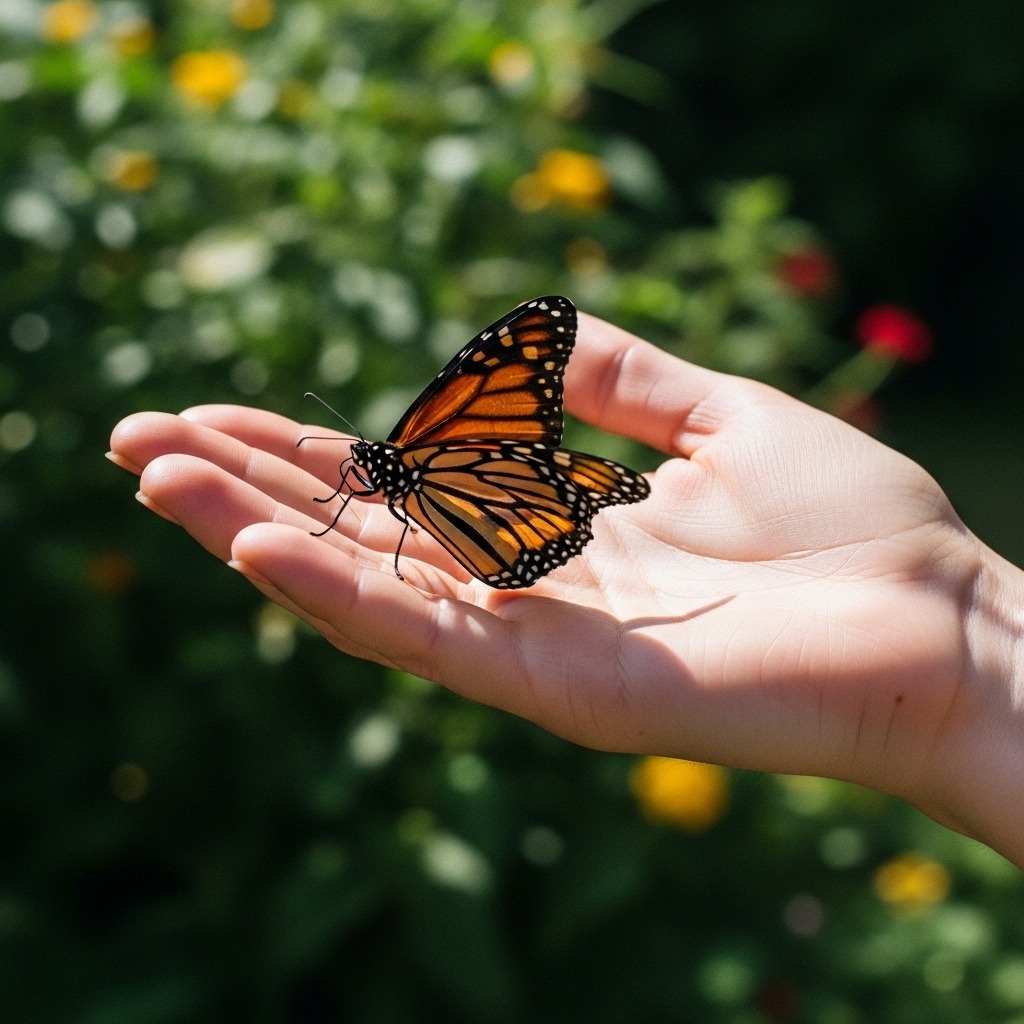
Transformation in Native American Beliefs
In Native American cultures, the monarch butterfly is often seen as a symbol of change and renewal. The journey from caterpillar to butterfly mirrors personal growth. For tribes like the Ojibwe and Hopi, this metamorphosis symbolizes overcoming challenges.
- Spiritual Growth: The life cycle of the monarch teaches lessons about resilience. It encourages individuals to embrace their own transformations.
- Cultural Connection: These butterflies are not just insects; they are part of spiritual teachings that highlight the importance of change.
Monarchs in Mexican Culture
In Mexico, the monarch butterfly holds a special place, especially during Día de los Muertos (Day of the Dead). Here, they are seen as the souls of loved ones returning to visit. This connection emphasizes themes of life, death, and rebirth.
- Spiritual Significance: During this celebration, seeing a monarch butterfly is considered a sign of good fortune and a reminder of the cycle of life.
- Cultural Celebration: The vibrant colors of the butterfly reflect joy and remembrance, making it a powerful symbol during this time.
Western Interpretations of Change
In Western cultures, the monarch butterfly also symbolizes change. Its stunning transformation from caterpillar to butterfly resonates with many people’s journeys of self-discovery.
- A Sign of Hope: For some, spotting a monarch can be a reminder to embrace change and let go of the past.
- Environmental Awareness: The increasing challenges faced by monarch populations due to climate change also encourage a conversation about conservation. Protecting these butterflies is essential for preserving their symbolic meaning.
Cultural Symbolism Summary
Here’s a quick comparison of how the monarch butterfly symbolizes transformation across different cultures:
| Culture | Symbolism | Key Themes |
|---|---|---|
| Native American | Change and Renewal | Spiritual Growth |
| Mexican | Souls of the Departed | Life, Death, Rebirth |
| Western | Change and Hope | Self-Discovery, Conservation |
The monarch butterfly serves as a universal reminder of transformation, connecting various cultures through its rich symbolism. Each interpretation enriches our understanding of change in personal and communal contexts.
Table of Contents
Spiritual Significance of the Monarch Butterfly
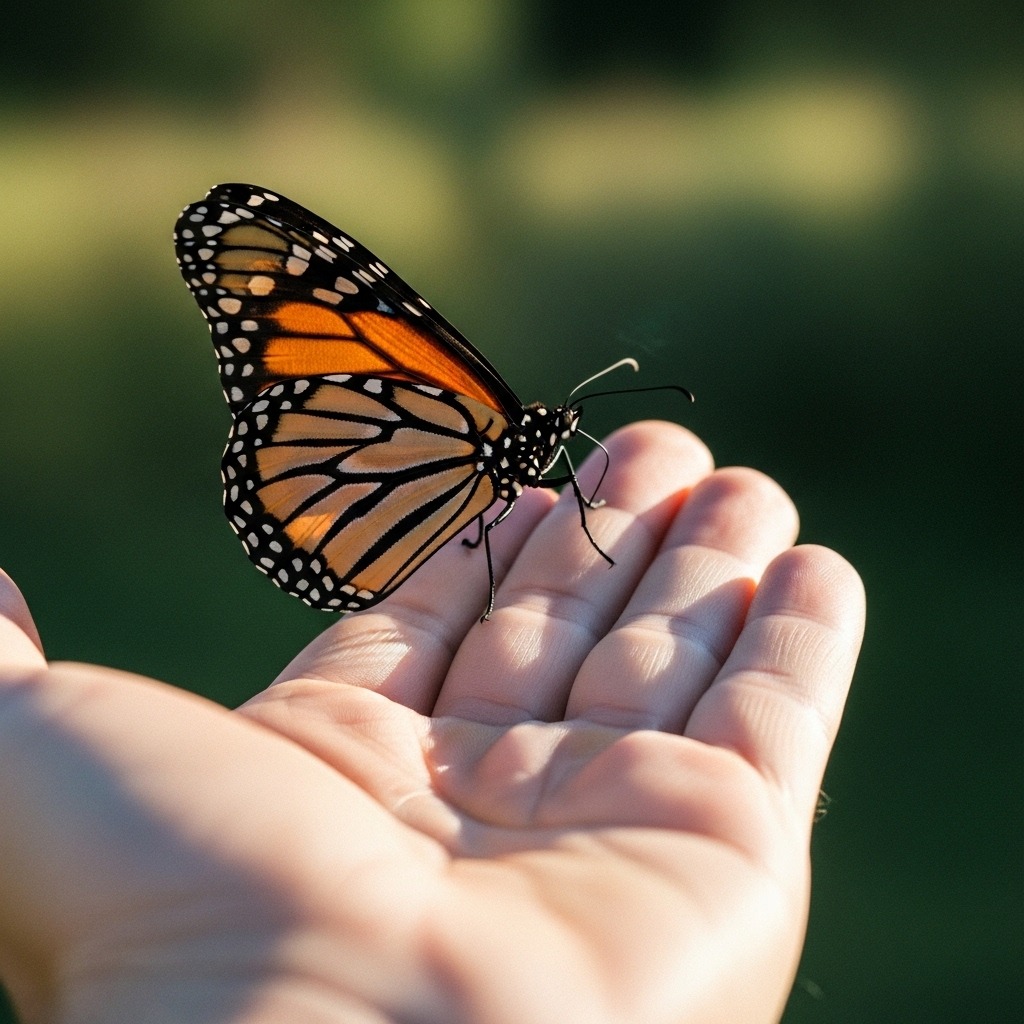
The monarch butterfly holds deep spiritual meanings across many cultures. Often seen as a bridge between the earthly and the divine, these butterflies remind us of transformation and connection to those who have passed.
Monarch Butterflies as Messengers of the Ancestors
In various traditions, monarch butterflies are viewed as messengers from the spirit realm. For example, in Mexican culture, during Día de Muertos, it’s believed that these butterflies carry the souls of ancestors returning to visit their families. People often share stories of seeing a monarch at significant moments, feeling it as a sign of their loved ones’ presence.
Symbol of Hope and Renewal
The journey of the monarch butterfly is a powerful symbol of hope. Its metamorphosis represents personal growth and renewal. Many cultures see the butterfly’s transformation as a reminder that change can lead to beautiful new beginnings. For instance, in Native American traditions, the monarch embodies the spirit of renewal. This symbolism encourages individuals to embrace their own changes, fostering resilience during tough times.
Connection to Nature and the Divine
Monarch butterflies also highlight our connection to nature. Their vibrant colors and graceful flight remind us of the beauty in our environment. In Canadian culture, they symbolize the importance of environmental conservation. Protecting these butterflies is seen as a way to honor the balance of nature and the interconnectedness of all living beings.
- Cultural Symbolism:
- Mexican Traditions: Souls of the departed visiting.
- Native American: Transformation and rebirth.
- Canadian: Environmental awareness and connection to nature.
Sharing personal experiences or testimonials about encountering monarch butterflies can enrich our understanding of their spiritual significance. Many people describe feeling uplifted or guided when they see one, reinforcing the idea that these creatures carry messages of hope, love, and renewal.
Cultural Celebrations Featuring Monarch Butterflies
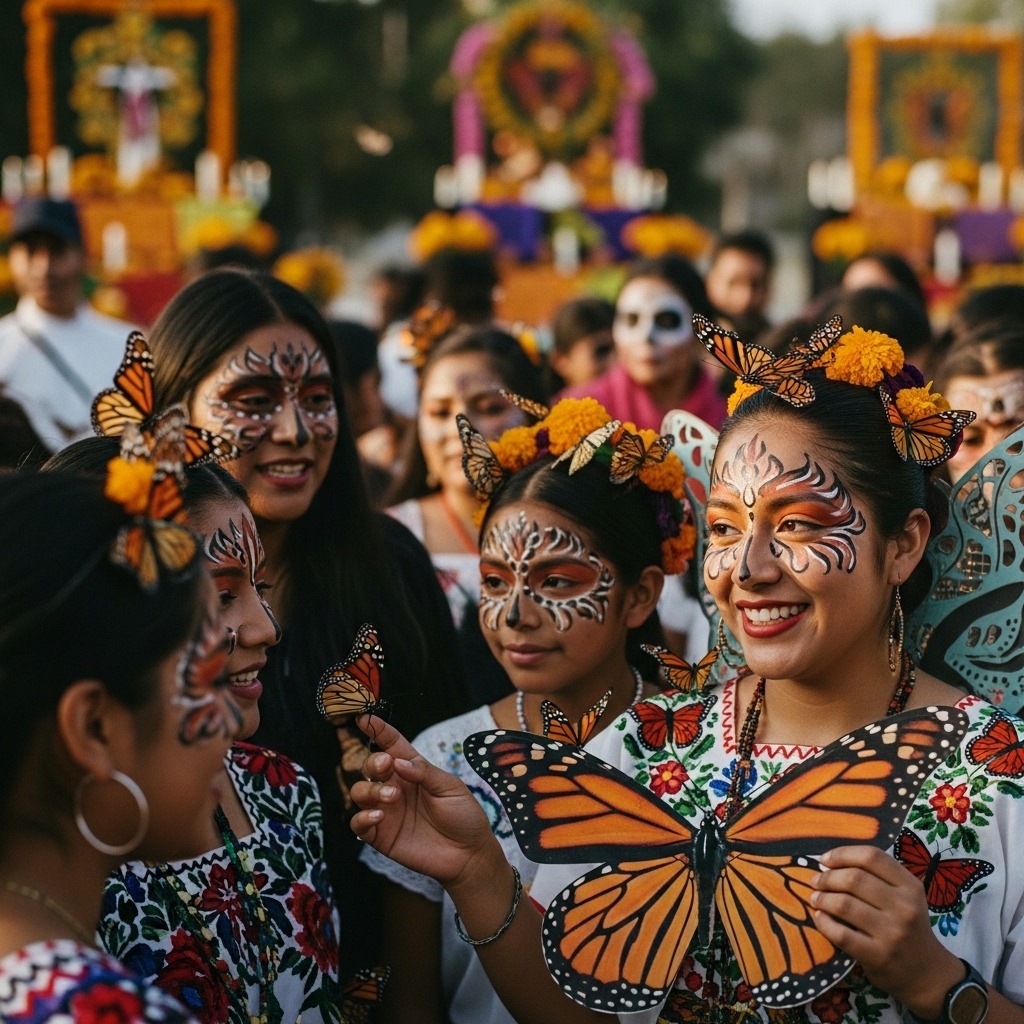
The monarch butterfly plays a vibrant role in various cultural celebrations worldwide. One of the most notable is Día de Muertos, where these beautiful creatures symbolize a connection to the afterlife.
The Role of Monarchs in Día de Muertos
In Mexico, during Día de Muertos (Day of the Dead), monarch butterflies are believed to be the spirits of deceased loved ones returning to visit. This tradition highlights the belief that the butterflies carry the souls of ancestors. Families create altars adorned with marigolds, sugar skulls, and offerings. Monarchs fluttering around symbolize love and remembrance.
- Altars (ofrendas): Families build altars to honor their loved ones. Monarchs are often featured in decorations.
- Marigold Connection: The vivid color of marigolds attracts the butterflies, guiding spirits home.
- Celebratory Activities: People share stories of the departed, creating a warm atmosphere of love and memory.
Celebrations Around the World
While Día de Muertos is a prominent example, other cultures also celebrate the monarch butterfly.
- Native American Culture: For many tribes, the monarch represents transformation and rebirth. They incorporate butterflies into art and storytelling, reflecting their connection to nature.
- Western Celebrations: In various festivals, the monarch is seen as a symbol of change. Events often include butterfly releases, symbolizing letting go of the past and embracing new beginnings.
- Asian Traditions: In some Asian cultures, butterflies symbolize love and joy. The bright colors of the monarch are celebrated during festivals, highlighting beauty and the fleeting nature of life.
Environmental Awareness through Cultural Practices
Cultural celebrations often raise awareness about the challenges monarch butterflies face today. Climate change impacts their migration patterns and habitats.
- Education through Festivals: Events often include information booths on conservation efforts. This educates attendees on how to help protect these vital species.
- Community Involvement: Many festivals encourage planting milkweed, the main food source for monarch caterpillars. This fosters a sense of responsibility towards the environment.
By embracing the rich cultural symbolism of the monarch butterfly, we can honor traditions while advocating for their conservation.
The Environmental Symbolism of the Monarch Butterfly

The monarch butterfly has become a powerful symbol of environmental conservation. Its struggles highlight the urgent need to protect our planet.
Threats to Monarch Populations
Monarch butterflies face several serious threats today. Climate change is a major factor, affecting their migration patterns and habitats. Here are some key challenges:
- Habitat Loss: Urban development and agriculture have reduced milkweed plants, the main food source for caterpillars.
- Climate Change: Changes in temperature and weather disrupt their migration routes.
- Pesticides: Chemical use in farming harms both adult butterflies and their larvae.
These threats not only endanger the species but also impact the cultural symbolism they carry in various societies.
Conservation Efforts and Community Involvement
Many communities are stepping up to protect monarchs. Conservation efforts are essential for their survival. Here are some successful initiatives:
- Milkweed Planting Campaigns: Communities organize events to plant milkweed, helping to restore habitats.
- Education Programs: Schools and organizations host workshops to teach people about the importance of monarchs and their role in ecosystems.
- Citizen Science Projects: Local residents participate in tracking monarch populations, contributing valuable data to researchers.
For example, a recent project in Texas involved students planting milkweed at their schools. This hands-on approach not only restored habitats but also educated young people about environmental stewardship.
The Monarch as a Symbol of Biodiversity
The monarch butterfly serves as a reminder of the delicate balance of nature. Its decline signals broader environmental issues. Here’s why it matters:
- Indicator Species: Monarchs are often seen as indicators of ecosystem health. Their decline can reflect wider environmental problems.
- Cultural Significance: In many cultures, monarchs symbolize transformation and renewal. Protecting them also means honoring these traditions.
- Global Awareness: Conservation efforts for monarchs raise awareness about biodiversity. They highlight the interconnectedness of all species.
By focusing on the plight of the monarch butterfly, we not only advocate for a single species but also promote a healthier planet for all living beings.
Comparative Symbolism: Monarch Butterflies Across Cultures
The monarch butterfly holds a special place in the hearts and minds of people worldwide. Each culture interprets its beauty and transformation in unique ways. Let’s explore these perspectives and see what they reveal.
Monarchs in Western Culture
In Western cultures, the monarch butterfly symbolizes transformation and change. This is largely due to its incredible life cycle—from caterpillar to chrysalis to a beautiful butterfly. Here are some key points:
- Transformation: The life cycle of the monarch is often seen as a metaphor for personal growth and renewal.
- Hope: It represents the idea that change can lead to something beautiful.
- Environmental Significance: The decline of monarchs prompts discussions about environmental conservation, making them symbols of hope for a healthier planet.
Asian Cultural Views on Butterflies
Across many Asian cultures, butterflies carry deep meanings. They often symbolize freedom, love, and transformation. The monarch butterfly, with its striking colors, adds to this rich symbolism. Here are some insights:
- Transformation: Much like in Western views, the monarch symbolizes personal growth and new beginnings.
- Good Luck: In some cultures, seeing a monarch butterfly is believed to bring positive energy and good fortune.
- Art and Tradition: Butterflies are frequently featured in art, representing beauty and the ephemeral nature of life.
Common Themes and Divergences
While there are many similarities in how cultures view the monarch butterfly, there are also intriguing differences. Here’s a comparison:
| Symbolism Aspect | Western Culture | Asian Culture |
|---|---|---|
| Transformation | Strong focus on personal growth | Emphasis on new beginnings |
| Spiritual Meaning | Hope and renewal | Freedom and love |
| Environmental Impact | Symbol of conservation efforts | Less focus on environmental issues |
In both Western and Asian cultures, the monarch butterfly shines as a symbol of transformation. However, the nuances in meaning reveal the diverse ways people connect with nature.
Personal Anecdote
In Mexico, during Día de los Muertos, the arrival of monarchs is believed to signal the return of loved ones’ spirits. This highlights how deeply intertwined cultural practices are with the natural world. The butterflies serve as a reminder of the cycle of life and death, making them sacred in this context.
By understanding these cultural interpretations, we see how the monarch butterfly transcends borders, embodying universal themes of change, hope, and resilience.
Frequently Asked Questions
These quick answers cover the most common questions about this topic, including key details, practical tips, and common concerns.
What is the cultural significance of the monarch butterfly?
The monarch butterfly is a powerful symbol of transformation, renewal, and hope across many cultures. In Native American traditions, it represents personal growth and overcoming challenges. In Mexican culture, especially during Día de los Muertos, it signifies the spirits of loved ones returning to visit. Western societies often see it as a sign of change and resilience, inspiring individuals to embrace new beginnings.
What do butterflies symbolize across cultures?
Butterflies generally symbolize transformation, hope, and the fleeting nature of life. In Western cultures, they are linked to personal growth and renewal. In Asian traditions, they often represent love, freedom, and joy. Many cultures also see butterflies as messengers from the spiritual realm or symbols of rebirth and renewal, reflecting their metamorphic life cycle.
What does a monarch butterfly symbolize spiritually?
Spiritually, monarch butterflies are seen as messengers from ancestors or the divine. They symbolize hope, renewal, and transformation. In Mexican culture, they are believed to carry souls of the departed during Día de Muertos. They serve as reminders of life’s cyclical nature and the ongoing connection between the earthly and spiritual worlds.
What does the monarch butterfly symbolize politically?
Politically, the monarch butterfly has become a symbol of environmental conservation. Its declining populations highlight issues like habitat loss, climate change, and pesticide use. Many conservation campaigns use the monarch as a rallying symbol to promote biodiversity and ecological responsibility, emphasizing the importance of protecting natural habitats.
How can I attract monarch butterflies to my garden?
To attract monarchs, plant milkweed, which is their primary food source during the caterpillar stage. Include nectar-rich flowers like goldenrod, asters, and coneflowers for adult butterflies. Avoid pesticides, and create a habitat with sunny, sheltered areas. Participating in local planting initiatives can also support monarch populations.
What are the conservation efforts for monarch butterflies?
Conservation efforts include planting milkweed and nectar plants, reducing pesticide use, and protecting natural habitats. Organizations and communities organize butterfly gardens, citizen science projects, and educational campaigns to raise awareness. These initiatives aim to stabilize and increase monarch populations and preserve their migration routes.
How do monarch butterflies relate to the Day of the Dead?
During Día de los Muertos in Mexico, monarch butterflies are believed to carry the spirits of ancestors returning for a visit. They symbolize the cycle of life, death, and rebirth. People create altars and decorations featuring monarchs to honor loved ones, emphasizing remembrance and spiritual connection.
What myths exist about monarch butterflies?
In various cultures, myths portray monarchs as spiritual messengers or symbols of good luck. Some legends suggest they are souls of the deceased or divine beings guiding humans. Others believe that seeing a monarch can bring hope during difficult times. These stories highlight the butterfly’s role as a bridge between worlds and a symbol of transformation.
What are the different interpretations of monarch butterfly colors?
The bright orange and black coloration of monarchs often symbolizes vitality, resilience, and protection. In some cultures, the vivid colors are seen as a reflection of joy and celebration. Others interpret the colors as warning signals to predators, emphasizing the butterfly’s strength and survival spirit.
What should readers know about climate change effects on monarch migration and habitat loss?
Climate change disrupts monarch migration by altering weather patterns and affecting milkweed growth. Rising temperatures and unpredictable storms can hinder their journey and reduce breeding habitats. Protecting milkweed, reducing pesticide use, and supporting habitat restoration are vital to ensuring the survival of these iconic butterflies.