
Money Tree Bonsai is an excellent choice for compact urban spaces due to its small size and low maintenance requirements. With proper care, it thrives indoors, adding a touch of greenery and elegance to your home or office.
Understanding the Money Tree Bonsai
The Money Tree, scientifically known as Pachira aquatica, is a popular indoor plant. It is native to Central and South America. This plant is revered not only for its aesthetic appeal but also for its cultural significance. In many cultures, it is believed to bring good luck and prosperity.

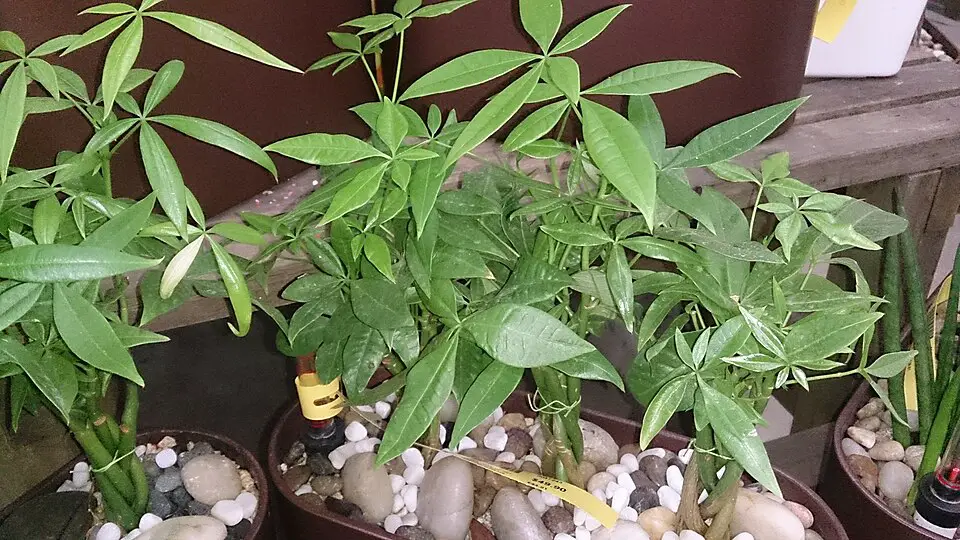
As a bonsai, the Money Tree is pruned and shaped to maintain a compact form. Its unique braided trunk and lush, green leaves make it an attractive addition to any urban setting. This adaptability makes it ideal for small apartments or offices where space is limited.
One of the most appealing aspects of the Money Tree Bonsai is its resilience. This plant can withstand various indoor conditions, making it suitable for beginners. However, understanding its specific care needs is crucial for optimal growth.
Ideal Growing Conditions
To ensure your Money Tree Bonsai thrives, it’s essential to recreate its natural environment as closely as possible. Here are some key factors to consider:
| Factor | Recommendation |
|---|---|
| Light | Bright, indirect light is ideal. Avoid direct sunlight. |
| Temperature | Maintain temperatures between 60°F and 75°F (15°C to 24°C). |
| Humidity | Moderate humidity levels are beneficial. Consider misting the leaves. |
Providing the right light conditions is crucial. While the Money Tree can adapt to lower light levels, it flourishes best in bright, indirect sunlight. Placing it near a window that filters harsh rays is ideal.
Table of Contents
Temperature plays a significant role in the health of your bonsai. It prefers warm environments but should not be exposed to drafts or extreme temperature changes. Maintaining moderate humidity can also enhance its growth, particularly in dry indoor climates.
Watering and Feeding
Proper watering is vital for the well-being of your Money Tree Bonsai. Overwatering can lead to root rot, while underwatering may cause leaf drop. Here are some tips for effective watering:
- Allow the top inch of soil to dry out before watering again.
- Use room-temperature water to avoid shocking the roots.
- Ensure that the pot has drainage holes to prevent water accumulation.
Fertilization also supports healthy growth. During the growing season (spring and summer), use a balanced liquid fertilizer every four to six weeks. Reduce feeding in the fall and winter when growth slows down.
Monitoring your plant’s response to watering and feeding will help you adjust your care routine as needed. Observing signs like yellowing leaves or wilting can guide you in making necessary changes.

Pruning and Shaping Your Bonsai
Regular pruning helps maintain the compact size and shape of your Money Tree Bonsai. This process encourages bushier growth and removes any dead or unhealthy branches.
Here are some steps for effective pruning:
- Use clean, sharp scissors or pruning shears.
- Trim back excessive growth in spring to promote new shoots.
- Aim for a balanced appearance by pruning evenly across the plant.
Shaping your bonsai can also involve wiring branches to create desired angles. Be gentle during this process to avoid damaging the bark.
Caring for a Money Tree Bonsai in compact urban spaces requires attention to its light, water, and pruning needs. By providing a proper environment and consistent care, you can enjoy this beautiful plant for years to come.
Common Pests and Diseases
While the Money Tree Bonsai is generally resilient, it is not immune to pests and diseases. Regularly inspecting your plant can help you catch any issues early, preventing more severe damage. Here are some common pests to look out for:
- Aphids: These small insects can cluster on new growth, sucking sap from the leaves.
- Spider Mites: Often found on the undersides of leaves, spider mites create fine webbing and cause leaf discoloration.
- Mealybugs: These pests appear as white, cottony masses on stems and leaves, draining the plant’s nutrients.
- Scale: These pests look like small bumps on stems and leaves and can weaken the plant significantly.
To manage these pests, consider the following strategies:
- Use insecticidal soap or neem oil to treat infestations.
- Wipe the leaves with a damp cloth to remove smaller pests.
- Introduce beneficial insects like ladybugs to help control pest populations naturally.
In addition to pests, Money Tree Bonsai may also face diseases, primarily due to overwatering or poor air circulation. Common issues include:
- Root Rot: Overwatering can lead to root rot, a condition that can kill your plant. Signs include yellowing leaves and a foul odor from the soil.
- Leaf Spot: Fungal infections can cause brown spots on leaves. Ensure proper air circulation and avoid wetting the leaves when watering.
Repotting Your Money Tree Bonsai
Repotting is an essential aspect of caring for your Money Tree Bonsai. It allows the plant to have fresh soil and provides room for growth. Consider repotting every two to three years or when the roots become overcrowded. Here are some steps to follow:
- Choose the Right Time: Early spring is the best time to repot your bonsai, as it aligns with the plant’s growing season.
- Select a New Pot: Choose a pot that is slightly larger than the current one. Ensure it has adequate drainage holes.
- Prepare the Soil: Use a well-draining bonsai soil mix that retains moisture but allows excess water to escape.
- Remove the Plant Carefully: Gently take the Money Tree out of its pot. Be cautious not to damage the roots.
- Inspect and Trim Roots: Check for any unhealthy roots and trim them back. This promotes healthy growth.
- Position the Plant: Place your bonsai in the new pot and fill it with fresh soil, ensuring it is stable and well-positioned.
After repotting, water the plant thoroughly and place it in a location with indirect sunlight. It might experience some transplant shock initially, so monitor its condition closely during this period.
Seasonal Care Tips
Caring for a Money Tree Bonsai involves adjusting your care routine according to the seasons. Here are specific tips for each season:
Spring
As your bonsai comes out of dormancy, it will begin to grow actively again. This is an excellent time for:
- Pruning and shaping to encourage new growth.
- Fertilizing with a balanced fertilizer every four weeks.
- Checking for pests that may have emerged with the warmer weather.
Summer
The summer months require consistent watering due to increased evaporation. Keep in mind:
- Monitor soil moisture regularly; water when the top inch feels dry.
- Avoid placing your bonsai in direct sunlight for prolonged periods to prevent leaf scorch.
Fall
As temperatures begin to drop, adjust your care by:
- Reducing watering as growth slows down.
- Avoiding fertilization as the plant prepares for dormancy.
winter
During winter, your Money Tree Bonsai may go into dormancy. Key considerations include:
- Maintaining indoor humidity levels, as heating can dry out air.
- Reducing watering further; only water if the soil feels dry more than an inch deep.
Seasonal adjustments are vital for keeping your Money Tree Bonsai healthy year-round. By understanding its needs during different times of the year, you can ensure its longevity and beauty in compact urban spaces.
Creating the Perfect Environment
For your Money Tree Bonsai to thrive in compact urban settings, creating the right environment is essential. This involves considering factors such as light, humidity, and temperature. Understanding how to manipulate these conditions can significantly enhance the health of your plant.
3>Light Requirements
While the Money Tree prefers bright, indirect sunlight, achieving this in urban spaces can be challenging due to limited natural light. Here are some tips to optimize light exposure: Maintaining optimal humidity levels is crucial for your Money Tree Bonsai, especially in dry indoor environments. Here are effective ways to boost humidity: The ideal temperature range for a Money Tree Bonsai is between 60°F and 75°F (15°C to 24°C). Here are some tips to maintain appropriate temperatures: The choice of pot can greatly influence the aesthetic appeal of your Money Tree Bonsai. When selecting a pot, consider both functionality and style. Here are some tips for choosing the right pot: If you wish to expand your collection or share your Money Tree Bonsai with friends, propagation is a rewarding process. The most common methods include stem cuttings and air layering. Below are detailed steps for each technique: Propagation not only allows you to cultivate new plants but also provides an opportunity to experiment with different styles and care techniques. By mastering these methods, you can enjoy an even more extensive collection of Money Tree Bonsai in your urban space. As you become more familiar with caring for your Money Tree Bonsai, you may want to explore advanced techniques that can enhance its growth and aesthetic appeal. Here are a few methods that can take your bonsai care to the next level: While basic fertilization is essential, understanding advanced techniques can significantly improve your plant’s health. Consider the following: Preventing pests and diseases is often more effective than treating them after they appear. Here are some proactive strategies: The art of bonsai is as much about aesthetics as it is about care. Styling your Money Tree can enhance its beauty and reflect your personal taste. Here are some popular styling techniques: When styling your bonsai, consider the overall visual balance, including the trunk thickness, branch placement, and leaf density. Experimenting with different styles can help you discover what resonates most with your aesthetic preferences. Caring for a Money Tree Bonsai can be even more rewarding when shared with others. Engaging with the bonsai community offers opportunities for learning and inspiration. Here are some ways to connect: Caring for a Money Tree Bonsai in compact urban spaces is a fulfilling endeavor that combines art, nature, and personal expression. By understanding its specific needs regarding light, humidity, water, and nutrients, you can create a thriving environment for your plant. Regular pruning and styling not only enhance its appearance but also contribute to its health. Furthermore, engaging with a community of bonsai enthusiasts can provide invaluable support and knowledge. As you continue your journey with the Money Tree Bonsai, remember that patience and observation are key. Each plant is unique, requiring tailored care to flourish in its specific environment. With dedication and love, your Money Tree Bonsai can become a beautiful focal point in your home or office, bringing joy and serenity to your compact urban space. Whether you are just starting or looking to refine your skills, the journey of cultivating this unique plant is sure to be rewarding. Embrace the process, experiment with different techniques, and enjoy the beauty that your Money Tree Bonsai brings into your life.
Humidity Control
Temperature Considerations
Enhancing Aesthetics with Decorative Pots
Propagation Techniques
Stem Cuttings
Air Layering
Advanced Care Techniques for Your Money Tree Bonsai
Fertilization Techniques
Pest and Disease Prevention
Styling Your Money Tree Bonsai
Community and Resources
Final Thoughts