
To successfully care for a Money Tree, provide bright, indirect light, maintain moderate humidity, and water it when the top inch of soil feels dry. Fertilize during the growing season and keep it in a well-draining potting mix for optimal growth.
Understanding the Money Tree
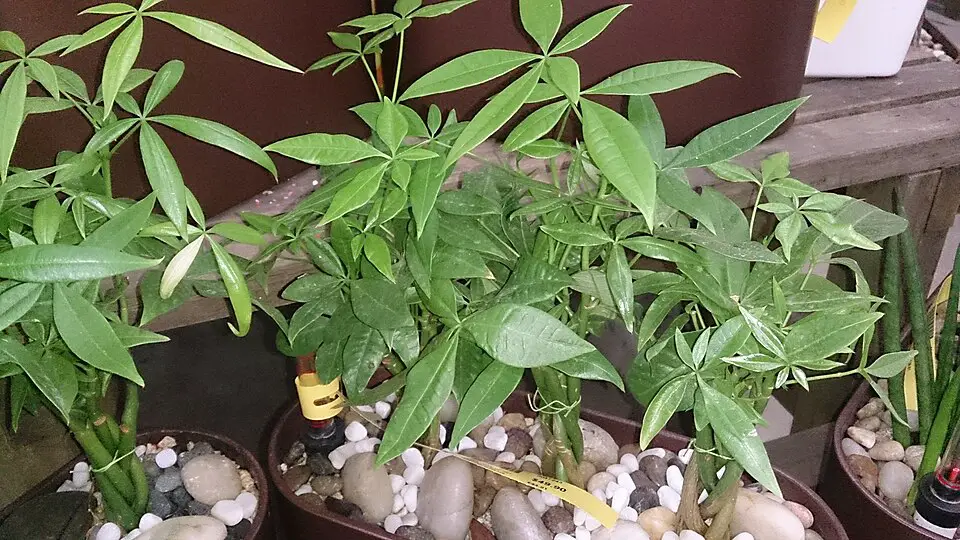
The Money Tree, scientifically known as Pachira aquatica, is a popular houseplant admired for its lush, green leaves and attractive braided trunk. Native to Central and South America, this plant thrives in tropical environments. It is believed to bring good luck and prosperity, making it a favored choice among plant enthusiasts.

As a new plant parent, caring for a Money Tree can seem daunting. However, with the right knowledge and practices, you can ensure your plant flourishes. Understanding its needs is crucial to providing the best care possible. This article will cover essential tips for nurturing your Money Tree successfully.
Light Requirements
Money Trees prefer bright, indirect light. Direct sunlight can scorch their leaves, while too little light may hinder their growth. Placing your plant near a window with filtered sunlight is ideal. If natural light is limited, consider using grow lights to supplement its needs.
Watering Practices
Watering is one of the most critical aspects of Money Tree care. Overwatering can lead to root rot, while underwatering may cause the leaves to droop. Follow these guidelines for proper watering:
- Check the top inch of soil. If it feels dry, it’s time to water.
- Water thoroughly until it drains out of the bottom of the pot.
- Empty the saucer after watering to prevent water from sitting at the bottom.
Humidity and Temperature
Money Trees thrive in humid conditions. If the air in your home is dry, especially during winter months, consider increasing humidity around your plant. Here are some effective methods:
Table of Contents
- Mist the leaves regularly with water.
- Place a humidifier near the plant.
- Group plants together to create a microenvironment with higher humidity.
The ideal temperature range for a Money Tree is between 60°F to 75°F (15°C to 24°C). Avoid exposing it to cold drafts or sudden temperature changes.
Soil and Potting
A well-draining potting mix is essential for the health of your Money Tree. A mixture designed for succulents or cacti works well due to its drainage properties. When repotting, choose a pot that is slightly larger than the current one and has drainage holes. This allows excess water to escape and prevents root rot.
Signs of Stress
New plant parents should be aware of stress signals from their Money Tree. Common signs include:
- Yellowing leaves: This may indicate overwatering or poor drainage.
- Wilting leaves: This can be a sign of underwatering or low humidity.
- Browning leaf tips: This often results from dry air or inconsistent watering.
Fertilizing Your Money Tree
During the growing season, which typically spans from spring to summer, fertilizing your Money Tree can promote healthy growth. Use a balanced liquid fertilizer diluted to half strength every four to six weeks. Avoid fertilizing during the fall and winter months when the plant’s growth slows down.

Pest Management
Pests like spider mites and mealybugs can occasionally affect Money Trees. Regularly inspect your plant for any signs of infestation. If you notice pests:
- Wipe the leaves with a damp cloth to remove them.
- Use insecticidal soap or neem oil as needed for severe infestations.
By following these tips, new plant parents can create an optimal environment for their Money Trees. These plants not only enhance home decor but also provide a sense of tranquility and prosperity.
Repotting Your Money Tree
Repotting is an essential part of Money Tree care. As your plant grows, it may outgrow its pot, becoming root-bound. Recognizing when to repot and how to do it properly will help maintain your plant’s health and vitality.
When to Repot
Signs that your Money Tree needs repotting include:
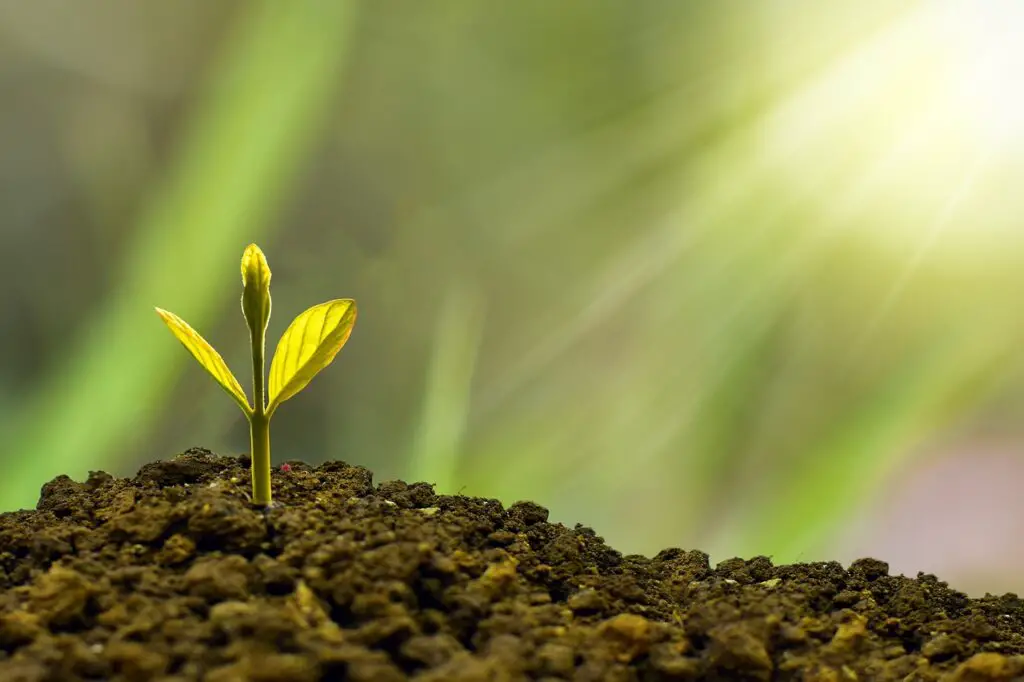
- The roots are growing through the drainage holes.
- The plant appears top-heavy or begins to topple over.
- The soil dries out too quickly after watering.
Typically, Money Trees should be repotted every two to three years. Early spring is the best time for repotting, as it coincides with the plant’s active growth period.
Steps to Repot
- Choose a new pot that is 1-2 inches wider in diameter than the current one and has drainage holes.
- Prepare fresh, well-draining potting mix to fill the new pot.
- Gently remove the Money Tree from its current pot. You can tap the sides or run a knife around the edges to help release it.
- Examine the roots. Trim any dead or rotten roots with sterilized scissors.
- Place the plant in the new pot and fill around it with fresh soil, ensuring the root ball is level with the rim of the pot.
- Water thoroughly to settle the soil and remove air pockets.
Common Issues and Solutions
Even with proper care, you may encounter some common issues with your Money Tree. Understanding these problems can help you address them quickly.
Leaf Drop
If your Money Tree is dropping leaves, it may be due to:
- Sudden changes in temperature or light conditions.
- Inconsistent watering practices.
- Pests or diseases affecting the plant.
To resolve this, ensure you maintain stable conditions and check for pests regularly. Adjust your watering schedule based on seasonal changes.
Brown Spots on Leaves
Browning spots can occur for several reasons, including:
- Overwatering, which can lead to root rot.
- Underwatering, which can stress the plant.
- Fungal infections caused by excess moisture.
If you notice brown spots, first evaluate your watering habits. Allow the soil to dry out slightly before watering again. If you suspect fungal issues, consider using a fungicide and improving air circulation around the plant.
Stunted Growth
If your Money Tree seems to have stopped growing, it may need more nutrients or better conditions. Possible solutions include:
- Fertilizing during the growing season.
- Ensuring adequate light exposure.
- Repotting if it is root-bound.
Seasonal Care Tips
Caring for your Money Tree may vary with the changing seasons. Here are some tips for each season:
Spring and Summer
During these warm months, your Money Tree will be actively growing. Focus on:
- Increasing watering frequency as temperatures rise.
- Fertilizing every four to six weeks with a balanced fertilizer.
- Monitoring humidity levels, especially if using air conditioning or heating systems.
Fall and Winter
As temperatures drop and daylight decreases, your Money Tree will enter a dormant phase. Consider these care tips:
- Reduce watering frequency to prevent overwatering.
- Avoid fertilizing during this period to allow the plant to rest.
- Keep the plant away from cold drafts and heaters.
By understanding seasonal needs and common issues, new plant parents can provide effective care for their Money Trees. This knowledge will contribute to a thriving, healthy plant that adds beauty to any space.
Propagating Your Money Tree
Propagation is an exciting way to expand your collection of Money Trees. It allows you to create new plants from cuttings and can be a rewarding experience for new plant parents. Below, you will find methods and tips for successfully propagating your Money Tree.
3>Methods of Propagation
There are two primary methods for propagating a Money Tree: water propagation and soil propagation. Each method has its advantages, and your choice may depend on personal preference. Water propagation is a straightforward technique that allows you to watch the roots develop. Here are the steps: Soil propagation is another effective method. Here’s how to do it: Selecting the right container for your Money Tree is essential for its health and growth. The container impacts drainage, root development, and overall aesthetics. Containers come in various materials, each with its benefits: When choosing a pot size, consider the following: As with many popular houseplants, several myths surround Money Trees. Understanding these misconceptions can help you care for your plant more effectively. While Money Trees are believed to attract prosperity and good luck, they do not guarantee instant wealth. They serve as a positive reminder of growth and financial success but require care and attention like any other plant. Although Money Trees can adapt to various conditions, they still require regular care. This includes proper watering, light exposure, and occasional pest management. Neglecting these needs can lead to health issues. Money Trees require bright, indirect light to thrive. Placing them in low-light conditions can stunt their growth and lead to leaf drop. It’s essential to find a suitable location in your home that meets their light requirements. Y our home environment plays a significant role in the care of your Money Tree. Here are some tips for specific settings: If you live in an apartment, consider placing your Money Tree near windows that receive filtered sunlight. Use grow lights if natural light is limited. Maintain humidity levels by grouping plants together or using a humidifier. In an office setting, ensure your Money Tree receives adequate light from nearby windows. Rotate the plant regularly to promote even growth. Be cautious of drafts from air conditioning or heating vents, which can stress the plant. If you choose to place your Money Tree outdoors during warmer months, select a location with filtered sunlight. Protect it from direct sun exposure and strong winds. When bringing it back indoors, gradually acclimate it to indoor lighting conditions. A s you gain confidence in caring for your Money Tree, consider implementing some advanced care tips to enhance its growth and overall health. These strategies can help elevate your plant care game and ensure your Money Tree thrives for years to come. Regular pruning is beneficial for maintaining the shape and health of your Money Tree. Here are some tips for effective pruning: While commercial insecticides can be effective, many plant parents prefer natural methods for pest management. Here are some options: To maximize growth during the active growing season, consider creating a fertilization schedule. Here’s a simple outline: Caring for a Money Tree can be a fulfilling experience that enhances your living space. By understanding its specific needs—such as light, water, humidity, and temperature—you can create an environment where your Money Tree thrives. Remember that patience is key; plants take time to adjust and grow. Your journey as a new plant parent involves learning and adapting to the unique characteristics of your Money Tree. Embrace the process, and don’t hesitate to seek advice from experienced plant enthusiasts or local gardening centers. With time and care, your Money Tree will flourish, providing you with beauty, tranquility, and, perhaps, a bit of good luck. As you continue to cultivate your plant care skills, consider sharing your experiences with others. Engaging with the plant community can provide valuable insights and foster connections with fellow plant lovers. Happy gardening!Water Propagation
Soil Propagation
Choosing the Right Container
Container Material
Size Considerations
Common Myths About Money Trees
Myth 1: Money Trees Bring Instant Wealth
Myth 2: They Are Low-Maintenance Plants
Myth 3: They Thrive in Any Light Condition
Caring for Money Trees in Different Environments
Apartments
Offices
Outdoor Care
Money Tree Care: Advanced Tips
Pruning and Shaping
Repelling Pests Naturally
Creating a Fertilization Schedule
Final Thoughts