
The growth of a Money Tree typically unfolds in several stages, beginning with seed germination. As it develops, you can expect to see its leaves expand and the trunk thicken. Proper care during these stages is crucial for a healthy plant.
Table of Contents
Understanding Money Tree Growth Stages
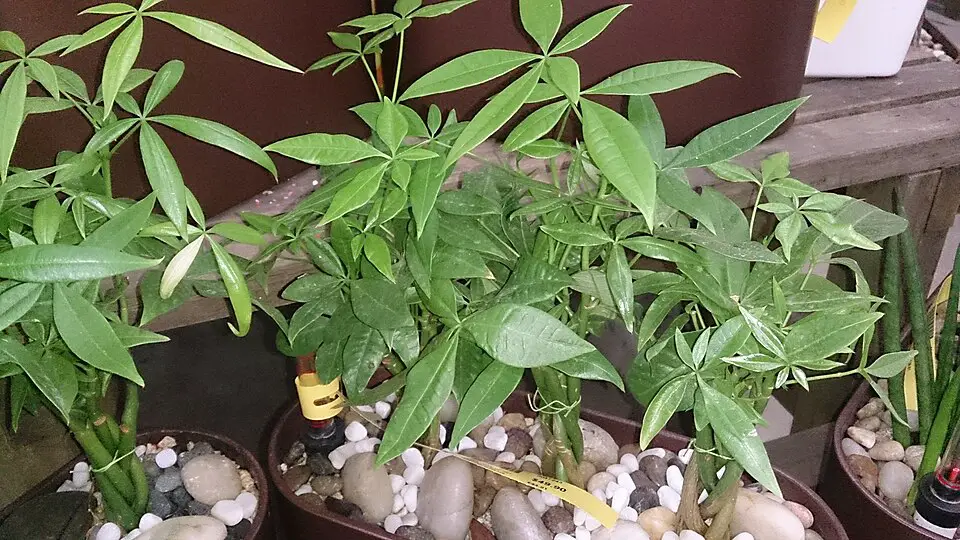
The Money Tree, scientifically known as Pachira aquatica, is a popular houseplant cherished for its unique braided trunk and lush green leaves. Native to Central and South America, this plant symbolizes good luck and prosperity. Understanding the stages of its growth can help you provide the best care possible, ensuring that your Money Tree thrives.

Money Trees grow in distinct stages, each requiring different care and attention. From the moment a seed is planted to the time it reaches maturity, there are several key phases. Here’s a breakdown of what to expect during each stage:
| Growth Stage | Description | Care Tips |
|---|---|---|
| Germination | Seeds begin to sprout, developing roots and shoots. | Keep soil moist and provide warmth. |
| Seedling Stage | Young plants develop their first true leaves. | Ensure adequate light and water regularly. |
| Juvenile Stage | The plant grows taller, and leaves become larger. | Fertilize monthly and check for pests. |
| Mature Stage | The tree reaches full height and may produce flowers. | Prune as needed and maintain humidity levels. |
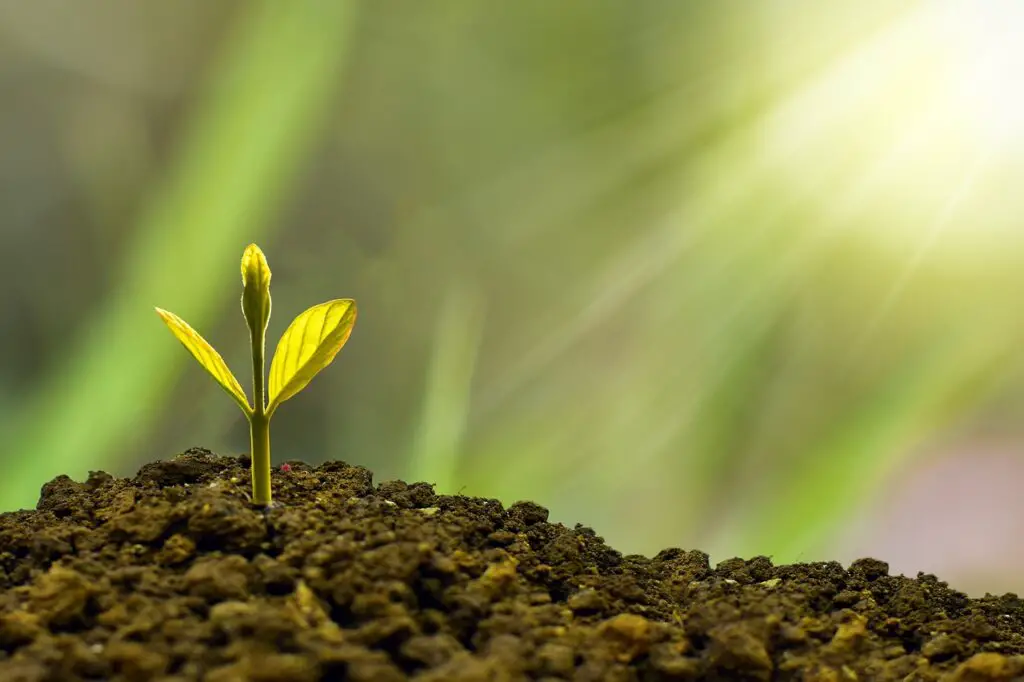
In the germination phase, the seeds require warmth and moisture. It typically takes about two to three weeks for the seeds to sprout. During this time, it is essential to keep the soil consistently moist but not waterlogged. Once seedlings appear, they enter the seedling stage, where they develop their first leaves.
As the seedlings grow, they transition into the juvenile stage. At this point, the plants need plenty of light to promote healthy growth. Providing balanced fertilizer once a month can help support this growth. Regularly checking for pests like spider mites or aphids is also crucial at this stage.
Once your Money Tree reaches the mature stage, it may grow to heights of up to six feet or more indoors. Mature plants often exhibit a fuller appearance with a thicker trunk and larger leaves. If conditions are right, you may even witness the plant blooming with white flowers, adding to its charm.
Each stage of growth presents its own challenges and rewards. By understanding these stages, you can better care for your Money Tree and set the stage for its long-term health and vitality. From the early days of germination to the excitement of seeing flowers bloom, nurturing your Money Tree can be a fulfilling experience.
Essential Care for Each Growth Stage
Proper care is vital for the healthy growth of a Money Tree. Each stage of growth requires specific attention to ensure the plant flourishes. Below are some essential care tips tailored to each growth stage.
Germination Care
During the germination phase, the focus should be on creating an ideal environment for the seeds. Consider the following aspects:
- Soil: Use a well-draining potting mix. A mix designed for seedlings or a combination of peat moss and perlite works well.
- Temperature: Keep the seeds in a warm area. A temperature between 70°F to 80°F is optimal for germination.
- Moisture: Lightly mist the soil to keep it moist without overwatering. A humidity dome can help retain moisture.
Seedling Stage Care
As the seedlings emerge, they need more attention to thrive. Here are some care tips:

- Light: Place seedlings in a location with bright, indirect sunlight. A south or west-facing window is ideal.
- Watering: Water the seedlings when the top inch of soil feels dry. Avoid letting them sit in water, as this can lead to root rot.
- Fertilization: Introduce a diluted, balanced liquid fertilizer after the seedlings develop their first true leaves. Apply every four to six weeks.
Juvenile Stage Care
Moving into the juvenile stage, the plant’s growth accelerates. The following care practices will support its development:
- Repotting: If the plant outgrows its container, consider repotting into a larger pot with fresh potting mix. This encourages root growth.
- Pest Management: Regularly inspect leaves for pests. Use insecticidal soap or neem oil to manage any infestations effectively.
- Humidity: Money Trees prefer humidity levels around 40-60%. Misting the leaves or using a humidity tray can help maintain appropriate levels.
Mature Stage Care
Caring for a mature Money Tree involves maintaining its health and aesthetic appeal:
- Pruning: Trim any dead or yellowing leaves to promote new growth. Pruning can also help shape the tree and manage its size.
- Watering Schedule: Water deeply but infrequently. Allow the top couple of inches of soil to dry out between waterings.
- Lighting Needs: Ensure mature plants receive bright, indirect sunlight. If necessary, rotate the pot regularly to maintain even growth.
Common Issues and Solutions
Even with proper care, Money Trees can encounter issues during their growth stages. Here are some common problems and how to address them:
Pests
Pests like spider mites, aphids, and mealybugs can affect Money Trees. Signs of pest infestation include discolored leaves, webbing, or small insects on the plant.
- Treatment: Use insecticidal soap or neem oil on affected areas. Repeat treatment every few days until pests are gone.
- Prevention: Regularly inspect your plant and maintain cleanliness around it to deter pests.
Leaf Yellowing
If the leaves of your Money Tree turn yellow, it may indicate overwatering or nutrient deficiency.
- Solution for Overwatering: Check the soil moisture and adjust your watering schedule accordingly. Ensure proper drainage in the pot.
- Nutrient Deficiency: If yellowing persists, consider applying a balanced fertilizer to provide essential nutrients.
Stunted Growth
If your Money Tree is not growing as expected, several factors could be at play.
- Light Levels: Ensure it receives adequate light. If necessary, move it closer to a window or provide supplemental grow lights.
- Root Bound Condition: Check if the roots are cramped in the pot, indicating a need for repotting.
By addressing these common issues promptly, you can promote healthy growth throughout all stages of your Money Tree’s life cycle.
2>Propagating Your Money Tree
Propagation can be a rewarding way to expand your collection of Money Trees or share them with friends. There are several methods for propagating a Money Tree, each with its own steps and considerations. Below, we will explore the most effective techniques. One of the simplest ways to propagate a Money Tree is through leaf cuttings. This method involves taking a healthy leaf and encouraging it to develop roots. Stem cuttings can also be an effective method for propagation. This technique typically provides better results than leaf cuttings. To ensure successful growth and propagation of your Money Tree, understanding its environmental needs is essential. Here are some critical factors to consider: Money Trees thrive in bright, indirect light. However, they can adapt to lower light conditions as well. Here are some tips regarding light: Money Trees prefer higher humidity levels. Here are some strategies to maintain adequate humidity: Nourishing your Money Tree with appropriate nutrients is key to its continued health. Below are some guidelines on fertilizing your plant: Selecting the right type of fertilizer can significantly impact your Money Tree’s growth. Here’s what to consider: The frequency of fertilization depends on the growth stage of your Money Tree: Nourishing your Money Tree properly will help ensure it remains healthy and vibrant throughout its life cycle. As you care for your Money Tree, you may have various questions or concerns about its growth and health. Below are some frequently asked questions related to Money Tree care, along with their answers to help guide you. The growth rate of a Money Tree can vary depending on several factors, including the environment and care provided. Generally, under optimal conditions, a Money Tree can grow anywhere from 24 inches to 36 inches per year. Young Money Trees tend to grow faster than older ones, especially during the spring and summer months when they actively grow. If you prefer a smaller Money Tree, regular pruning can help keep it at a manageable size. Remove any dead or leggy branches to encourage bushier growth. Additionally, repotting into a smaller container can limit root growth and help maintain a smaller size. Leaf drop can be alarming. Common reasons for leaf loss include: Yes, Money Trees are excellent indoor plants. They adapt well to various indoor conditions and can help improve air quality. Just ensure they receive adequate light and humidity. Additionally, keep them away from areas with direct heat sources like radiators or heating vents. T o ensure your Money Tree remains healthy for years to come, consider the following long-term care tips: Caring for a Money Tree can be a rewarding experience that offers not only aesthetic pleasure but also a sense of accomplishment as you nurture its growth. Understanding the various stages of growth, along with the specific care needs at each stage, will help you foster a healthy and thriving plant. Remember that factors such as light, humidity, water, and nutrition all play critical roles in the well-being of your Money Tree. By addressing common issues proactively and providing the right environment, you can enjoy the beauty of your Money Tree for many years. Whether you’re propagating new plants or simply caring for a mature specimen, the journey of growth is both fulfilling and enriching. Embrace the process, and let your Money Tree flourish as a symbol of prosperity in your home.Leaf Cuttings
Stem Cuttings
Understanding Environmental Needs
Light Requirements
Humidity Levels
Nutritional Needs
Choosing Fertilizer
Fertilization Schedule
Common Questions About Money Tree Growth
How fast does a Money Tree grow?
Can I keep my Money Tree small?
Why is my Money Tree losing leaves?
Is it safe to keep a Money Tree indoors?
Tips for Long-Term Care
Final Thoughts