
The Money Tree plant thrives in a humidity range of 40% to 60%. This level mimics its natural tropical habitat, promoting healthy growth and vibrant foliage. Maintaining proper humidity is essential for preventing issues like leaf drop and pests.
Table of Contents
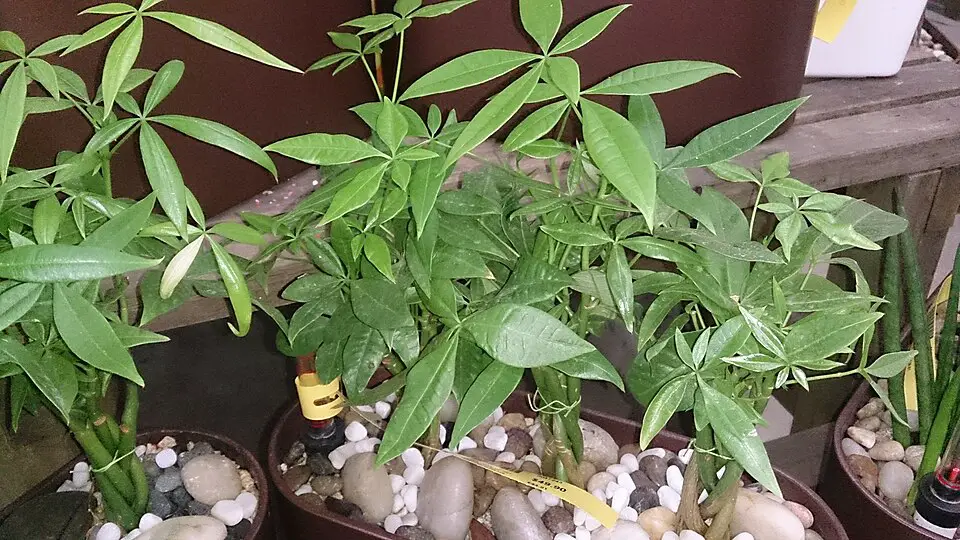
The Money Tree, scientifically known as Pachira aquatica, is a popular houseplant appreciated for its unique braided trunk and lush green leaves. Native to Central and South America, it is often associated with good luck and prosperity. While many factors contribute to the health of a Money Tree, humidity plays a crucial role in creating the perfect growing environment.

In its natural habitat, the Money Tree experiences warm temperatures and high humidity. Replicating this environment indoors can be challenging, especially in dry climates or during winter months when indoor heating reduces humidity levels. Understanding the specific humidity requirements of the Money Tree can help enthusiasts cultivate a thriving plant.
Understanding Humidity Needs
Humidity refers to the amount of moisture present in the air. For the Money Tree, the ideal humidity level ranges between 40% and 60%. Here are some key points to consider regarding humidity:
- Below 40%: Low humidity can lead to stress, causing leaves to turn brown and drop. The plant may also become more susceptible to pests.
- Above 60%: Excessively high humidity can promote fungal diseases and root rot, which can be detrimental to the plant’s health.
To ensure your Money Tree thrives, it’s essential to monitor and adjust humidity levels as necessary. Here are some effective methods to achieve the desired humidity:
Methods to Maintain Ideal Humidity
There are various ways to create a humid environment for your Money Tree. Implementing these strategies can significantly enhance your plant’s growth:
- Use a Humidifier: Placing a humidifier near your Money Tree is one of the most effective ways to increase humidity. This device adds moisture to the air, creating a comfortable environment for your plant.
- Group Plants Together: If you have multiple houseplants, grouping them can create a microclimate with higher humidity. The moisture released from their leaves will benefit all the plants in proximity.
- Water Trays: Place a shallow tray filled with water and pebbles underneath your Money Tree’s pot. As the water evaporates, it will increase humidity around the plant without overwatering it.
- Misting: Lightly misting the leaves of your Money Tree can provide temporary relief from low humidity. However, this should not be the only method used, as it does not significantly raise overall humidity levels.
Measuring Humidity Levels
To effectively manage your Money Tree’s environment, it’s important to measure humidity levels regularly. A hygrometer is a useful tool for this purpose. Here are some tips on measuring humidity:
- Placement: Place the hygrometer near your Money Tree to get an accurate reading of the local humidity level.
- Time of Day: Measure humidity at different times throughout the day. Humidity can fluctuate, so checking at various intervals helps in understanding trends.
Keeping track of humidity levels allows you to make informed adjustments, ensuring that your Money Tree remains healthy and vibrant.
| Humidity Level | Effect on Money Tree |
|---|---|
| Below 40% | Leaf drop and brown tips |
| 40% – 60% | Optimal growth and health |
| Above 60% | Risk of fungal diseases |
By adhering to these guidelines, you can create a favorable environment for your Money Tree. Proper humidity management is essential for promoting lush foliage and overall plant vitality.
Signs of Inadequate Humidity
Recognizing the signs of inadequate humidity is vital for maintaining the health of your Money Tree. When the humidity levels drop below the ideal range, the plant may exhibit several telltale symptoms. Understanding these signs can help you take timely action to remedy the situation.

- Brown Leaf Tips: One of the first indicators of low humidity is the browning of leaf tips. This occurs as the plant struggles to retain moisture.
- Leaf Drop: If your Money Tree starts shedding leaves, it may be a sign that it is not getting enough humidity. This can lead to a sparse appearance.
- Wilting Leaves: Leaves may appear limp or droopy, indicating that the plant is under stress due to dry air.
- Pest Infestation: Low humidity can weaken the plant’s defenses, making it more susceptible to pests like spider mites and aphids.
Creating an Ideal Environment
To ensure your Money Tree flourishes, it’s important to create an environment that mimics its natural habitat as closely as possible. Here are several strategies you can implement:
Location Matters
Choosing the right location for your Money Tree is crucial. Consider the following:
- Avoid Drafts: Keep your Money Tree away from drafty windows and doors, as sudden temperature changes can affect humidity levels.
- Indirect Sunlight: Place the plant in an area that receives bright, indirect sunlight. Direct sunlight can cause the soil to dry out quickly, leading to lower humidity.
Soil Considerations
The type of soil used for your Money Tree also plays a role in its humidity needs. Well-draining soil is essential to prevent overwatering while retaining some moisture. Consider using a potting mix that includes:
- Pine bark: Provides aeration and helps retain moisture.
- Perlite: Improves drainage and prevents compacting of the soil.
- Coconut coir: A sustainable option that helps retain moisture without becoming soggy.
Seasonal Adjustments
Humidity levels can change with the seasons. During winter, indoor heating can significantly lower humidity. Therefore, you may need to adjust your care routine accordingly:
- Increase Misting: During dry winter months, increase the frequency of misting your Money Tree to help boost humidity.
- Use a Humidifier: If humidity consistently drops below 40%, consider investing in a humidifier to maintain a comfortable level for your plant.
- Monitor Watering: Be cautious with watering during winter. The plant may require less water in lower humidity as evaporation rates decrease.
Common Myths About Money Tree Care
There are several misconceptions regarding the care of Money Trees, particularly concerning humidity and watering:
- Myth 1: Money Trees thrive in any humidity level. This is false; they require specific humidity levels for optimal growth.
- Myth 2: Misting is enough to maintain humidity. Misting alone may not be sufficient; combining methods is often necessary.
- Myth 3: Money Trees do not need much water. While they prefer slightly drier conditions, they still need regular watering to prevent stress.
By dispelling these myths and adhering to best practices, you can provide your Money Tree with the ideal environment it needs to thrive. Understanding its specific humidity requirements and adjusting care routines accordingly will result in a healthier, more resilient plant.
Additional Tips for Success
Here are some additional tips that can help enhance the growing conditions for your Money Tree:
- Regularly Check Soil Moisture: Use your finger or a moisture meter to ensure that the soil remains damp but not soggy.
- Avoid Overcrowding: If you have multiple plants, ensure they have adequate space to avoid competition for moisture and light.
- Rotate Your Plant: Rotating your Money Tree every few weeks ensures even exposure to light, promoting uniform growth.
Caring for a Money Tree requires attention to detail, particularly regarding humidity levels. By fostering a suitable environment, you can enjoy the beauty and benefits of this unique plant for years to come.
2>Humidity and Watering: Finding the Balance
Watering your Money Tree appropriately is closely tied to maintaining the right humidity levels. Understanding how these two factors interact can significantly enhance your plant’s health. Over or under-watering can lead to various issues, making it crucial to strike the right balance. When it comes to watering your Money Tree, consider the following techniques: Recognizing the signs of overwatering and underwatering is essential for maintaining your Money Tree’s health. Here are some indicators: The relationship between humidity and fertilization is another important aspect of caring for your Money Tree. Humidity levels can influence how well fertilizer is absorbed by the plant. When fertilizing your Money Tree, consider the following tips: Humidity can also impact pest populations. In humid environments, certain pests may thrive, making it essential to monitor your Money Tree closely. Some pests to watch for include: If you notice pests on your Money Tree, consider these control strategies: T he role of humidity in overall plant growth cannot be overstated. Proper humidity not only impacts leaf health but also influences growth rates and flowering potential. A Money Tree grown in optimal humidity conditions will generally exhibit faster growth rates compared to those in drier environments. Humidity promotes transpiration, which is essential for nutrient uptake through the roots. While Money Trees are primarily grown for their foliage, they can produce flowers under optimal conditions. Maintaining appropriate humidity levels can encourage blooming, especially during their active growth period in spring and summer. By understanding the intricate relationship between humidity, watering, fertilization, pest management, and overall plant growth, you can create an ideal environment for your Money Tree to flourish. In addition to understanding humidity and its impact on your Money Tree, implementing advanced care techniques can further enhance the health and vitality of your plant. These practices ensure that your Money Tree not only survives but thrives in your home environment. If you wish to expand your Money Tree collection, propagating new plants can be a rewarding process. Here are two common methods of propagation: As seasons change, so do the needs of your Money Tree. Adapting care techniques based on seasonal changes can optimize growth: Repotting is essential for maintaining healthy root growth and preventing root bound conditions. Here’s how to do it effectively: No plant care routine is without challenges. Being prepared for common issues can help you address them quickly: Caring for a Money Tree involves understanding its unique needs, particularly regarding humidity. This beautiful plant not only adds aesthetic value to your home but also contributes positively to indoor air quality. By keeping humidity levels within the ideal range of 40% to 60%, regularly checking soil moisture, and ensuring proper watering and fertilization practices, you can cultivate a thriving Money Tree. The journey of caring for a Money Tree is both rewarding and educational. Each plant has its own personality, and observing how it responds to different care techniques can deepen your appreciation for this remarkable species. As you implement these strategies, remember that patience and observation are key to successful plant care. In conclusion, with dedication and attention to detail, your Money Tree can flourish, bringing joy and prosperity into your living space. Embrace the process, learn from any challenges, and enjoy the vibrant greenery that this plant provides.Watering Techniques
Signs of Overwatering and Underwatering
Overwatering Signs
Underwatering Signs
Humidity and Fertilization
Optimal Fertilizer Use
Pest Management in Humid Conditions
Common Pests
Pest Control Strategies
The Role of Humidity in Plant Growth
Effects on Growth Rate
Flowering Potential
Advanced Care Techniques for Money Trees
Propagation Methods
Seasonal Care Adjustments
Repotting Your Money Tree
Common Issues and Solutions
Final Thoughts