
Money tree propagation can be successfully achieved through cuttings, allowing you to grow new plants. This process involves taking sections of the plant, preparing them properly, and nurturing them until they develop roots.
Table of Contents
Understanding the Money Tree
The money tree, scientifically known as Pachira aquatica, is a popular houseplant cherished for its unique braided trunk and lush green leaves. Many people believe that this plant brings good luck and prosperity. Native to Central and South America, the money tree thrives in warm, humid environments. This adaptability makes it a favorite among indoor gardeners.

One of the appealing aspects of the money tree is its ability to be propagated from cuttings. This method not only allows you to expand your collection but also provides an opportunity to share plants with friends and family. It is a relatively straightforward process, making it accessible even for novice gardeners.
Benefits of Propagating Money Trees
Propagating money trees offers several advantages. Here are some key benefits:
- Cost-Effective: Growing new plants from cuttings is more affordable than purchasing new ones.
- Personal Satisfaction: Successfully propagating plants can be a rewarding experience.
- Sharing Plants: You can easily share your plants with friends or family.
- Customization: You can create a unique arrangement or collection of money trees.
Ideal Conditions for Propagation
To ensure successful propagation of your money tree, it’s crucial to provide ideal conditions. Factors such as lighting, humidity, and temperature play significant roles in the growth of new cuttings.
| Factor | Ideal Condition |
|---|---|
| Light | Bright, indirect sunlight |
| Humidity | Higher humidity (around 50-70%) |
| Temperature | 65°F to 75°F (18°C to 24°C) |
Providing these optimal conditions will help your money tree cuttings thrive as they begin their journey to becoming healthy plants. Monitoring these factors closely will increase the chances of successful root development.
Steps for Propagation from Cuttings
To propagate a money tree from cuttings, follow these simple steps:
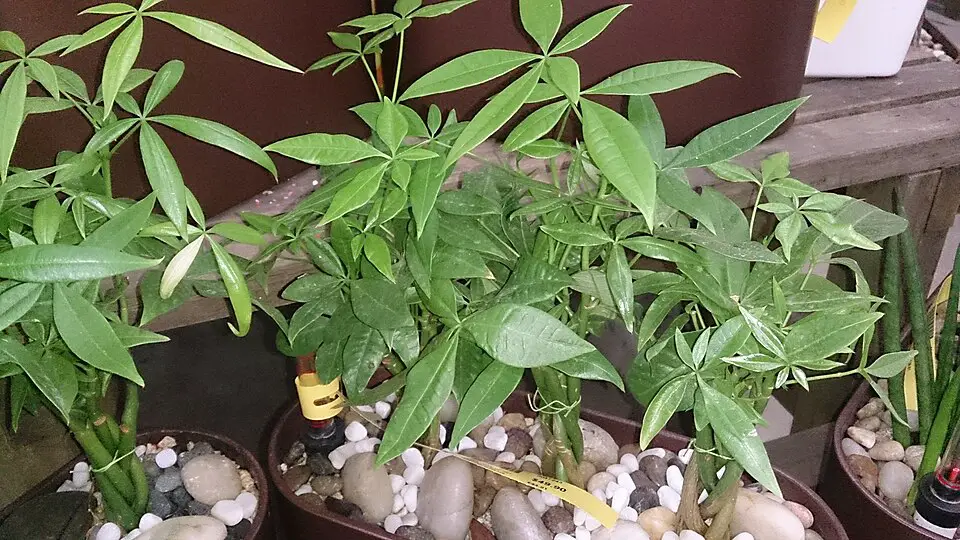
- Select Healthy Cuttings: Choose a healthy stem from your existing money tree. Look for a cutting that is at least 6 inches long and has several leaves.
- Prepare the Cutting: Use clean, sharp scissors or pruning shears to take the cutting. Remove any leaves from the bottom half to expose the stem.
- Rooting Medium: Place the cutting in water or a well-draining potting mix. If using water, ensure that only the stem is submerged.
- Provide Care: Maintain proper lighting and humidity levels while the cutting develops roots. Change the water every few days if using this method.
- Transplanting: Once roots are at least a few inches long, transplant the cutting into a pot with suitable soil.
By following these steps carefully, you can successfully propagate new money trees from cuttings. This process not only enriches your plant collection but also enhances your gardening skills.
Choosing the Right Time for Propagation
Timing plays a crucial role in the success of propagating money trees. Understanding when to take cuttings can significantly affect root development and overall plant health. The best time for propagation is during the growing season, typically in spring or early summer. During these months, plants are more active and capable of recovering from cutting.
Additionally, consider the following factors when choosing the right time:
- Weather Conditions: Avoid periods of extreme heat or cold, as these can stress the plant.
- Plant Health: Ensure your parent plant is healthy and free from pests or diseases before taking cuttings.
- Growth Stage: Look for new growth on the plant, as this is often the most vigorous and likely to root successfully.
Preparing Your Tools and Materials
Before you start propagating your money tree, gather all necessary tools and materials. Having everything ready will streamline the process and help ensure success.

Essential Tools
- Clean Pruning Shears: Sharp and sterile shears are essential for making clean cuts.
- Rooting Hormone (optional): While not necessary, rooting hormone can promote faster root growth.
- Containers: Use small pots or jars for water propagation.
- Potting Mix: If using soil, choose a well-draining potting mix suitable for tropical plants.
Preparation Steps
Once you have gathered your tools, follow these preparation steps:
- Sterilize Your Tools: Clean your pruning shears with rubbing alcohol to prevent disease transmission.
- Prepare Containers: Ensure that pots or jars are clean. For soil, fill pots with the prepared potting mix.
- Mix Rooting Hormone (if using): If you choose to use rooting hormone, follow the instructions on the package to prepare it.
Caring for Your Cuttings
After transplanting your cuttings, providing the right care is essential for their growth. Here are some key care tips:
Watering
Watering is critical for the establishment of roots. Follow these guidelines:
- Watering Frequency: Water the cuttings when the top inch of soil feels dry. Avoid overwatering, which can lead to root rot.
- Water Quality: Use room temperature water. Distilled water or rainwater is preferable for sensitive plants.
Light Requirements
Your new cuttings need adequate light to thrive. Consider the following:
- Indirect Light: Place cuttings in a location with bright, indirect sunlight to avoid leaf scorch.
- Avoid Direct Sunlight: Too much direct sun can harm young cuttings and prevent proper root development.
Humidity Levels
Maintaining high humidity levels is beneficial for your cuttings. Here are some tips to achieve this:
- Misting: Lightly mist the leaves daily to maintain moisture levels.
- Humidity Dome: Consider using a plastic cover or humidity dome over your cuttings to trap moisture.
Signs of Successful Root Development
Recognizing when your cuttings have developed roots is crucial for their future growth. Here are some signs to look for:
- New Growth: Look for new leaves or buds forming on the cutting.
- Root Visibility: If propagating in water, check for visible roots extending from the cutting.
- Firmness of Cutting: A rooted cutting will feel firm when gently tugged, indicating established roots.
By carefully monitoring these signs and providing the right care, you will set your money tree cuttings on the path to healthy growth and development.
Transplanting Your Money Tree Cuttings
Once your money tree cuttings have developed healthy roots, it’s time to transplant them into their permanent pots. This is a crucial step that requires care and attention to ensure the young plants thrive.
3>Choosing the Right Pot
Selecting an appropriate pot is essential for the growth of your new money trees. Here are some important factors to consider: The right soil mix is vital for the health of your transplanted cuttings. Here are some recommendations: Follow these steps carefully to ensure a successful transplant: After transplanting your money tree cuttings, proper care is essential for their establishment. Here are some key tips: Your watering routine may need adjustment after transplanting: Your newly transplanted money tree will still require specific light and temperature conditions: Keep an eye out for pests that may affect your young money tree. Here are some common pests and how to manage them: Once your cuttings are well-established, they will benefit from regular fertilization. Here are some guidelines for feeding your money tree: A fertilization schedule can help maintain healthy growth: This comprehensive approach to transplanting and caring for your money tree cuttings will set them on a path to healthy growth and development. With patience and proper attention, you will soon enjoy flourishing money trees in your home. Even with the best care, you may encounter some challenges when propagating money trees. Understanding common issues and their solutions can help ensure your success. If you notice yellowing leaves on your cuttings, it could indicate several problems: Wilting or drooping leaves can signal stress in your cuttings: If pests appear on your money tree, it is essential to address them promptly: Once you feel confident in propagating money trees, consider expanding your plant collection further. Here are a few ideas: The money tree has several related species and varieties that you can explore: Propagation not only allows you to grow your collection but also makes a wonderful gift for loved ones. Share cuttings or fully rooted plants with friends and family. It’s a great way to spread joy and connect over gardening. Joining local or online plant communities can enhance your gardening experience. These platforms allow you to: Propagating money trees from cuttings is an enriching experience that allows you to expand your plant collection while enjoying the process of nurturing new life. By understanding the ideal conditions, proper care techniques, and common issues, you can successfully grow healthy money trees. The journey from taking cuttings to transplanting thriving plants can be both rewarding and educational. Not only do you gain new plants, but you also enhance your gardening skills. Remember to share your knowledge with others and foster a love for plants within your community. Happy gardening!
Soil Preparation
Steps to Transplant
Post-Transplant Care
Watering Schedule
Light and Temperature Requirements
Pest Management
Fertilizing Your Money Tree
Choosing Fertilizer
Fertilizing Schedule
Common Issues and Troubleshooting
Yellowing Leaves
Wilting or Drooping
Pest Infestation
Expanding Your Collection
Experiment with Different Varieties
Share with Friends and Family
Create a Plant Community
Final Thoughts