
The ideal soil mix for a Money Tree includes peat moss, perlite, and pine bark. This combination promotes healthy root development by ensuring proper drainage and aeration while retaining essential moisture. Aim for a mix that balances nutrients and allows roots to breathe easily.
Table of Contents
Understanding the Money Tree’s Soil Needs
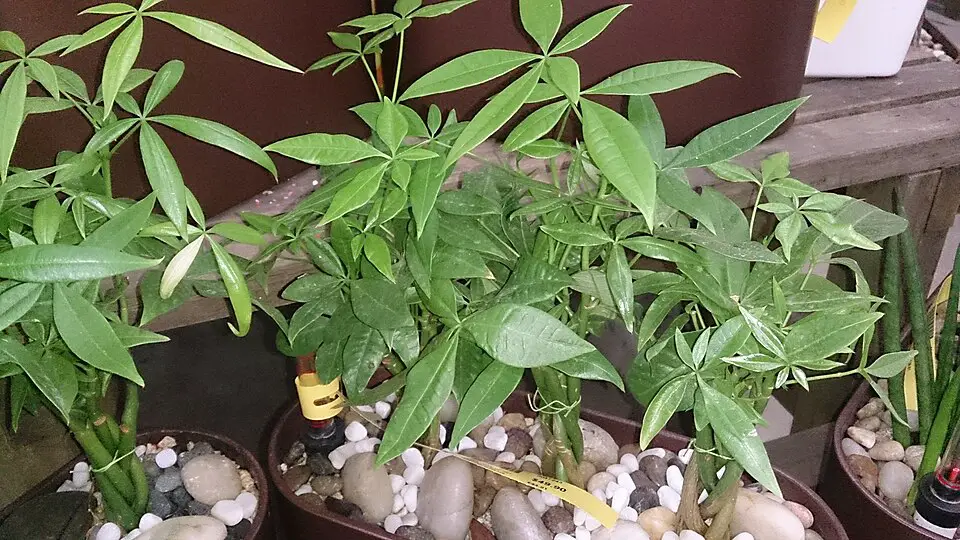
The Money Tree, or Pachira aquatica, is a popular houseplant known for its resilience and unique braided trunk. It thrives in various environments, making it a favorite among plant enthusiasts. However, to ensure optimal growth and health, the right soil mix is crucial. The Money Tree prefers well-draining soil that can retain moisture without becoming waterlogged.

Choosing the right soil not only affects how well your Money Tree grows but also impacts its overall health. The roots require air circulation and cannot tolerate standing water. A proper soil mix will provide the necessary balance between moisture retention and drainage.
Key Components of an Ideal Soil Mix
To create the perfect soil mix for your Money Tree, consider including the following components:
- Peat Moss: This organic material helps retain moisture while providing some nutrients.
- Perlite: A volcanic glass that improves aeration and drainage, preventing root rot.
- Pine Bark: This adds texture and enhances drainage, contributing to a well-aerated environment.
- Activated Charcoal: This helps with odor control and can improve drainage.
Each of these components plays a vital role in creating a balanced soil mix that meets the Money Tree’s needs. When combined correctly, they form a blend that supports healthy root development.
Recommended Soil Mix Recipe
Here’s a simple recipe to create an effective soil mix for your Money Tree:
| Component | Proportion |
|---|---|
| Peat Moss | 40% |
| Perlite | 30% |
| Pine Bark | 20% |
| Activated Charcoal | 10% |
This recipe creates a light and airy soil mix that helps promote strong root growth. Adjust the ratios slightly based on your specific environmental conditions to find what works best for your plant.
Additives for Enhanced Growth
In addition to the basic components of your soil mix, consider adding supplements to further enhance growth:
- Fertilizers: Use a balanced, slow-release fertilizer to provide essential nutrients throughout the growing season.
- Worm Castings: These can add beneficial microorganisms to the soil, improving overall plant health.
- Mycorrhizal Fungi: This can help improve nutrient uptake and promote root growth.
Incorporating these additives can give your Money Tree a boost, leading to healthier growth and development.
Importance of Drainage
Good drainage is vital for any Money Tree. If the roots sit in waterlogged soil, they may rot. To prevent this issue, ensure your pot has adequate drainage holes. Additionally, consider using a potting mix designed specifically for cacti or succulents if you prefer a ready-made option. These mixes typically offer excellent drainage while retaining some moisture.

Regularly check the moisture level of your soil. Allow it to dry out slightly between waterings for best results. This practice encourages strong root development and helps avoid common issues associated with overwatering.
Choosing the Right Pot for Your Money Tree
The pot you choose for your Money Tree plays a significant role in its overall health. A well-selected pot will not only complement the plant’s aesthetic but also support its growth by providing the right environment for root development. Here are some factors to consider when selecting a pot for your Money Tree:
- Size: Choose a pot that is slightly larger than the current root ball. This gives the roots room to grow without being cramped.
- Material: Terra cotta pots are excellent for promoting airflow, while plastic pots retain more moisture. Consider your watering habits when choosing a material.
- Drainage: Ensure the pot has drainage holes at the bottom. This helps prevent water from accumulating and causing root rot.
- Weight: Heavier pots can provide stability for larger plants, preventing them from toppling over.
Repotting Your Money Tree
Repotting is essential for maintaining a healthy Money Tree as it grows. It allows you to refresh the soil, provide more space for the roots, and prevent nutrient depletion. Here’s how to effectively repot your Money Tree:
- Timing: The best time to repot is during the spring or early summer when the plant is actively growing.
- Preparation: Gather your new pot, soil mix, and any tools you need, such as gloves and a trowel.
- Remove the Plant: Gently slide the plant out of its current pot. Tap the sides if necessary to loosen it.
- Inspect the Roots: Check for any signs of rot or damage. Trim away any unhealthy roots with clean scissors.
- Add New Soil: Place some fresh soil mix in the bottom of the new pot before positioning your Money Tree.
- Fill Around the Roots: Add more soil mix around the roots, ensuring it is packed lightly to avoid air pockets.
- Watering: Water the newly potted Money Tree thoroughly, allowing excess water to drain out.
This process helps rejuvenate your plant and ensures it continues to thrive in its new environment. Regular repotting every few years will keep your Money Tree in optimal condition.
Signs of Trouble: Recognizing Soil Issues
Even with the right soil mix and pot, problems can arise. Being able to recognize signs of soil-related issues can help you take corrective action quickly. Here are some common indicators that your Money Tree may be experiencing soil problems:
- Yellowing Leaves: This often signals overwatering or poor drainage. Check the soil moisture and adjust your watering schedule accordingly.
- Wilting Leaves: If leaves are wilting despite adequate watering, this may indicate root rot due to overly soggy soil.
- Pest Infestation: Pests like fungus gnats thrive in overly wet soil. If you notice small flying insects, consider adjusting your watering habits.
- Mold or Fungal Growth: White mold on the surface of the soil suggests overwatering. Allow the soil to dry out before watering again.
Caring for Your Soil Over Time
Your Money Tree’s soil requires ongoing attention. Regularly check its condition and make adjustments as needed. Here are some tips for maintaining healthy soil:
- Monitor Moisture Levels: Use your finger to test the soil moisture about an inch below the surface. Water only when necessary to prevent overwatering.
- Aeration: Periodically aerate the soil by gently loosening it with a fork or stick to improve airflow around the roots.
- Top Dressing: Consider adding a layer of fresh soil or compost on top every few months to replenish nutrients.
- Fertilization Schedule: Follow a regular fertilization schedule during the growing season to ensure your plant receives essential nutrients.
Caring for your Money Tree’s soil is crucial for its longevity and health. By staying vigilant and proactive, you can support robust root development and ensure your plant flourishes year after year.
2>Watering Techniques for Your Money Tree
Watering is a critical aspect of caring for your Money Tree, and doing it correctly can significantly impact its health and root development. Understanding when and how much to water can prevent many common issues, including overwatering and underwatering. Knowing when to water your Money Tree is essential for maintaining soil health. Here are some methods to help you determine the right time: Once you’ve determined that your Money Tree needs water, use the following techniques for effective watering: By following these techniques, you can establish a healthy watering routine that supports your Money Tree’s growth and development. Pests can thrive in the soil of your Money Tree, impacting its health and root system. Being aware of potential pests allows you to take proactive measures to protect your plant. Here are some common pests that may affect your Money Tree and how to identify their presence: To prevent pest infestations in your Money Tree’s soil, consider implementing these strategies: Additions of organic matter can significantly enhance the quality of your Money Tree’s soil. Here are some ways to incorporate organic materials into your soil mix: Consider adding the following types of organic matter to improve soil structure and nutrient content: To incorporate organic matter into your Money Tree’s soil, follow these steps: Incorporating organic matter will improve your Money Tree’s soil health and support vibrant growth. By paying attention to watering practices, pest management, and soil quality, you can create an ideal environment for your plant to thrive. Beyon d soil mix and watering techniques, several other factors contribute to the health of your Money Tree. Understanding these elements can help you create a thriving environment for your plant. The Money Tree prefers bright, indirect light. While it can tolerate lower light conditions, proper lighting is essential for robust growth. Here are some tips regarding light: Temperature and humidity levels also play a vital role in the overall health of your Money Tree. Here are some considerations: As the seasons change, so should your care routine for your Money Tree. Here are some seasonal adjustments to consider: Caring for your Money Tree involves understanding its unique needs, especially regarding soil health, watering practices, and environmental conditions. By creating a well-balanced soil mix that promotes healthy root development, you set the foundation for your plant’s success. The combination of organic matter, proper potting techniques, and attentive watering habits will ensure your Money Tree flourishes. Additionally, being mindful of light, temperature, and seasonal changes allows you to adapt your care routine effectively. Ultimately, a healthy Money Tree not only enhances the beauty of your space but also contributes to a positive atmosphere. With the right care and attention, you can enjoy a vibrant, thriving Money Tree for years to come. Remember that patience is key in plant care. Each plant is unique, and observing how your Money Tree responds to its environment will guide you in providing the best possible care.Determining When to Water
Watering Technique
Pest Management in Soil
Common Pests and Their Signs
Preventative Measures
Enhancing Soil Quality with Organic Matter
Types of Organic Matter
How to Incorporate Organic Matter
Additional Considerations for Your Money Tree
Light Requirements
Temperature and Humidity
Seasonal Care Adjustments
Final Thoughts