
Certain species of morning glory, such as Ipomoea aquatica and Ipomoea batatas, are edible, while others can be toxic.
Table of Contents
Morning glory plants belong to the Convolvulaceae family, encompassing both edible and toxic varieties [1]. Understanding which species are safe to consume and how to prepare them is essential for avoiding health risks and enjoying their culinary benefits.
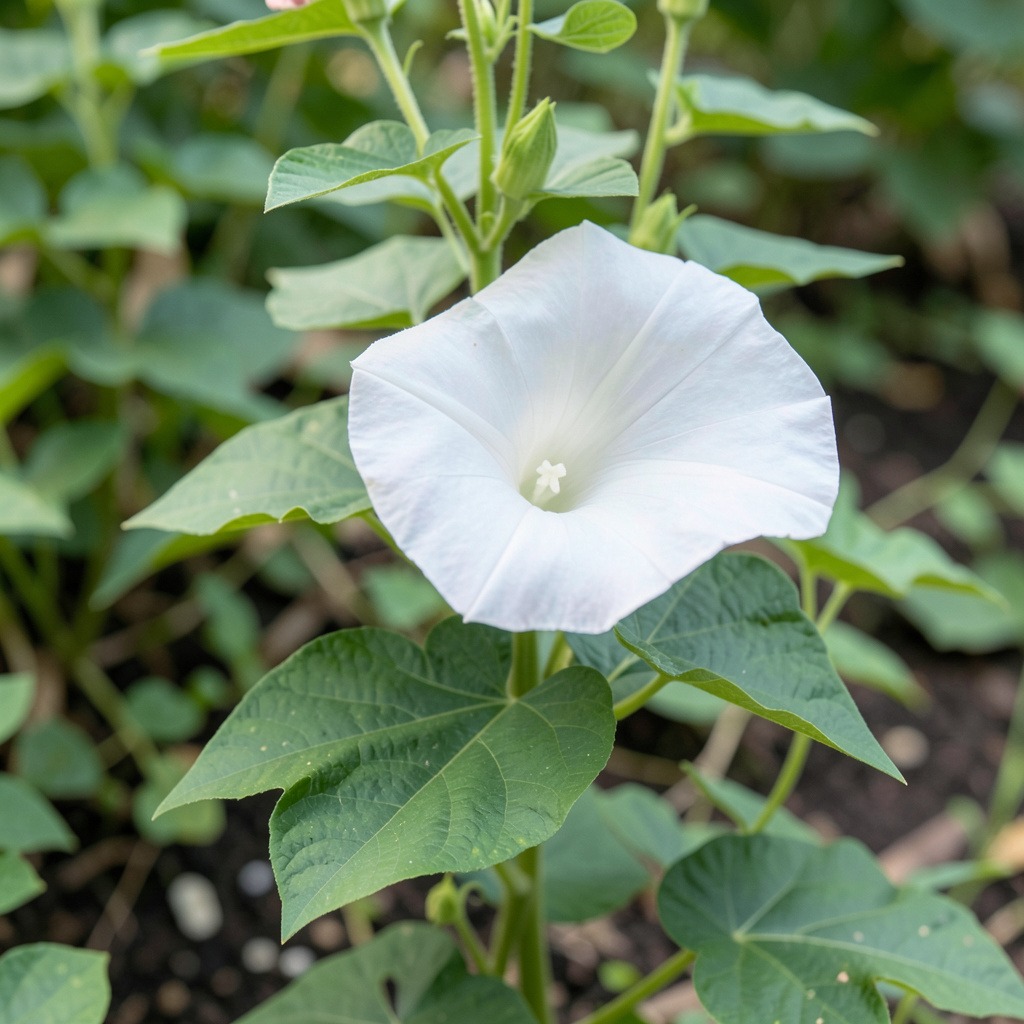
Understanding Morning Glory: Edible vs. Toxic Varieties
Identifying safe morning glory species is critical for safe consumption. Some varieties are edible, while others contain toxic compounds that can pose serious health risks. Proper knowledge and identification techniques are essential.
Identifying Edible Species
The two most recognized edible morning glory species are Ipomoea batatas (sweet potato) and Ipomoea aquatica (water spinach). These varieties have safe edible parts that are commonly used in various cuisines.
- Ipomoea batatas: Edible tubers are rich in starch and nutrients.
- Ipomoea aquatica: Tender leaves and stems can be consumed in salads or cooked dishes.
Recognizing Toxic Varieties
Certain morning glory varieties, such as Ipomoea purpurea, contain toxic compounds. These species can lead to adverse health effects, including nausea, vomiting, and even hallucinations if consumed.
- Toxic Compounds: Many varieties produce seeds containing ergoline alkaloids, which can cause psychoactive effects when ingested in large quantities.
Common Misidentifications
Misidentification is a common risk when foraging. Some ornamental varieties may look similar to edible ones but are toxic. For example:
- Ornamental vs. Edible: Ornamental morning glories often display vivid flowers and may lack the tuberous root system found in edible species. Always verify the species before consumption.
| Feature | Edible Varieties | Toxic Varieties |
|---|---|---|
| Scientific Name | Ipomoea batatas, Ipomoea aquatica | Ipomoea purpurea, others |
| Edible Parts | Tubers, leaves, stems | Seeds, certain flowers |
| Toxic Compounds | None | Ergoline alkaloids |
| Identification | Broad, heart-shaped leaves | Delicate foliage, vivid flowers |
Understanding these distinctions can help prevent the serious health risks associated with consuming the wrong species. Always cross-reference multiple sources or consult with experts when foraging for edible morning glories. Misidentification can lead to severe health consequences, so caution is paramount [1][3].
Safe Preparation Methods for Edible Morning Glory
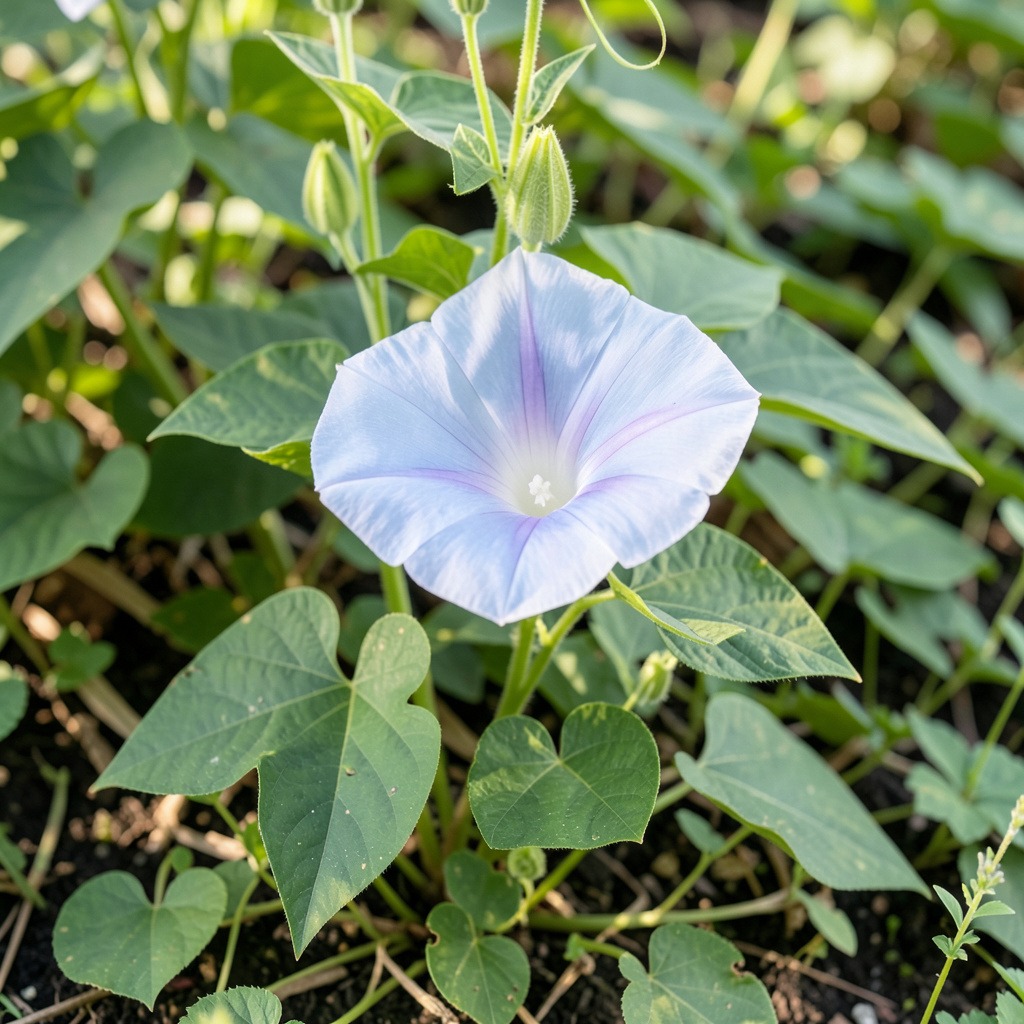
Proper preparation methods are essential for safely consuming edible morning glory species. Misidentification and improper handling may lead to adverse health effects. Here, we outline guidelines for harvesting, cooking, and storing these plants.
Harvesting Guidelines
1. Identify Edible Varieties: Focus on species like Ipomoea batatas (sweet potato) and Ipomoea aquatica (water spinach). Avoid ornamental types like Ipomoea purpurea, which can contain toxic compounds.
2. Choose the Right Parts: The edible parts typically include young leaves, shoots, and tubers. Use a reliable field guide to confirm the species and their edibility.
3. Avoid Contaminated Areas: Harvest morning glory from clean, chemical-free environments. This minimizes exposure to toxins.
Cooking Techniques
1. Thorough Cooking: Boil or steam young leaves and shoots for 5-10 minutes. This reduces the risk of potential toxins and enhances flavor. Cooking also softens the texture, making it more palatable.
2. Leaching Method: When preparing tubers, peel and soak them in water for several hours before cooking. This process helps leach out harmful compounds.
3. Use in Dishes: Incorporate cooked morning glory into stir-fries, soups, or salads. For example, sautéed morning glory with garlic and soy sauce makes a nutritious side dish.
Storage Tips
1. Refrigeration: Store harvested morning glory in a cool, dry place. Use airtight containers to maintain freshness. Refrigerating can extend shelf life for a few days.
2. Freezing: Blanch leaves and shoots in boiling water for 2 minutes, then cool in ice water. Freeze in portions for later use.
3. Avoid Long-term Storage: Consume fresh morning glory within a week to prevent spoilage. Regularly check for signs of decay.
Following these guidelines ensures safe consumption of edible morning glory and enhances its flavor when incorporated into meals.
Culinary Uses and Nutritional Benefits of Edible Morning Glory
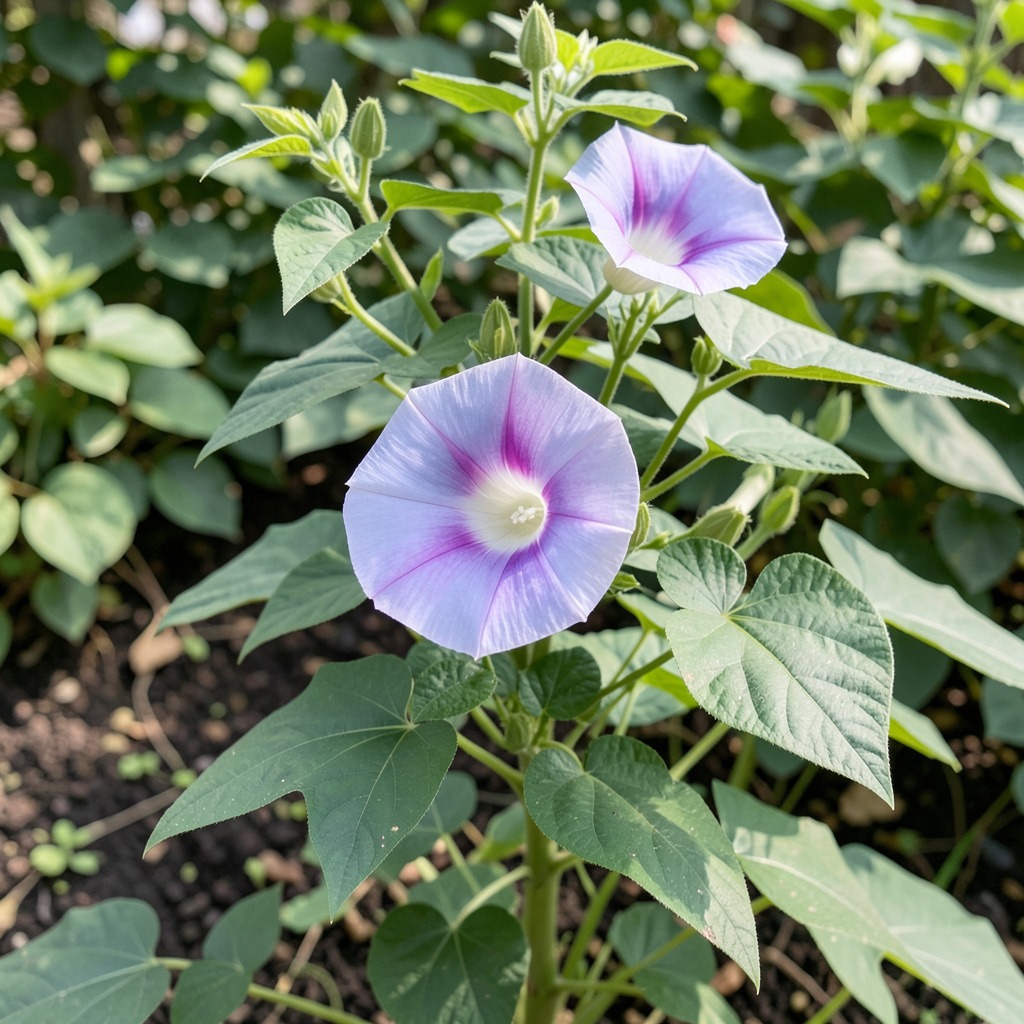
Edible morning glory species offer diverse culinary applications and significant nutritional benefits. Different cultures incorporate these plants into their diets, enhancing both flavor and health.
Culinary Applications Around the World
Edible morning glory, particularly from the Ipomoea genus, is a staple in various cuisines. Here are some prominent uses:
- Asian Cuisine: In countries like Vietnam and Thailand, morning glory, known as “rau muống” or water spinach, is stir-fried with garlic and chili. It adds a crunchy texture and mild flavor to dishes.
- Mesoamerican Dishes: Certain varieties, such as those used in traditional Mexican cooking, are added to soups and stews for both flavor and nutrition.
- African Recipes: In parts of Africa, morning glory leaves are used in stews and sauces, providing essential vitamins.
These diverse applications highlight the plant’s versatility in enhancing meals.
Nutritional Profile of Edible Varieties
Edible morning glory species are nutrient-dense. They typically contain:
- Vitamins: High in vitamin A and C, contributing to immune support and skin health.
- Minerals: Good sources of manganese and copper, essential for metabolic processes.
- Fiber: Supports digestive health.
For example, sweet potato vines (Ipomoea batatas) are particularly rich in vitamin A, offering a significant portion of daily needs in a single serving [8].
Traditional Recipes Featuring Morning Glory
Many cultures have traditional recipes that showcase the culinary potential of morning glory. Here are a few notable examples:
1. Vietnamese Stir-Fried Water Spinach: This dish combines morning glory with garlic, fish sauce, and chili, creating a flavorful side that pairs well with rice.
2. Japanese Morning Glory Salad: Lightly blanched morning glory is dressed with sesame oil and soy sauce. It’s a refreshing addition to any meal.
3. Mexican Morning Glory Soup: A hearty soup that incorporates morning glory leaves, tomatoes, and spices, providing both warmth and nutrition.
These recipes not only celebrate the unique flavors of morning glory but also illustrate its nutritional value and cultural significance.
Health Risks and Poisoning Symptoms Related to Morning Glory
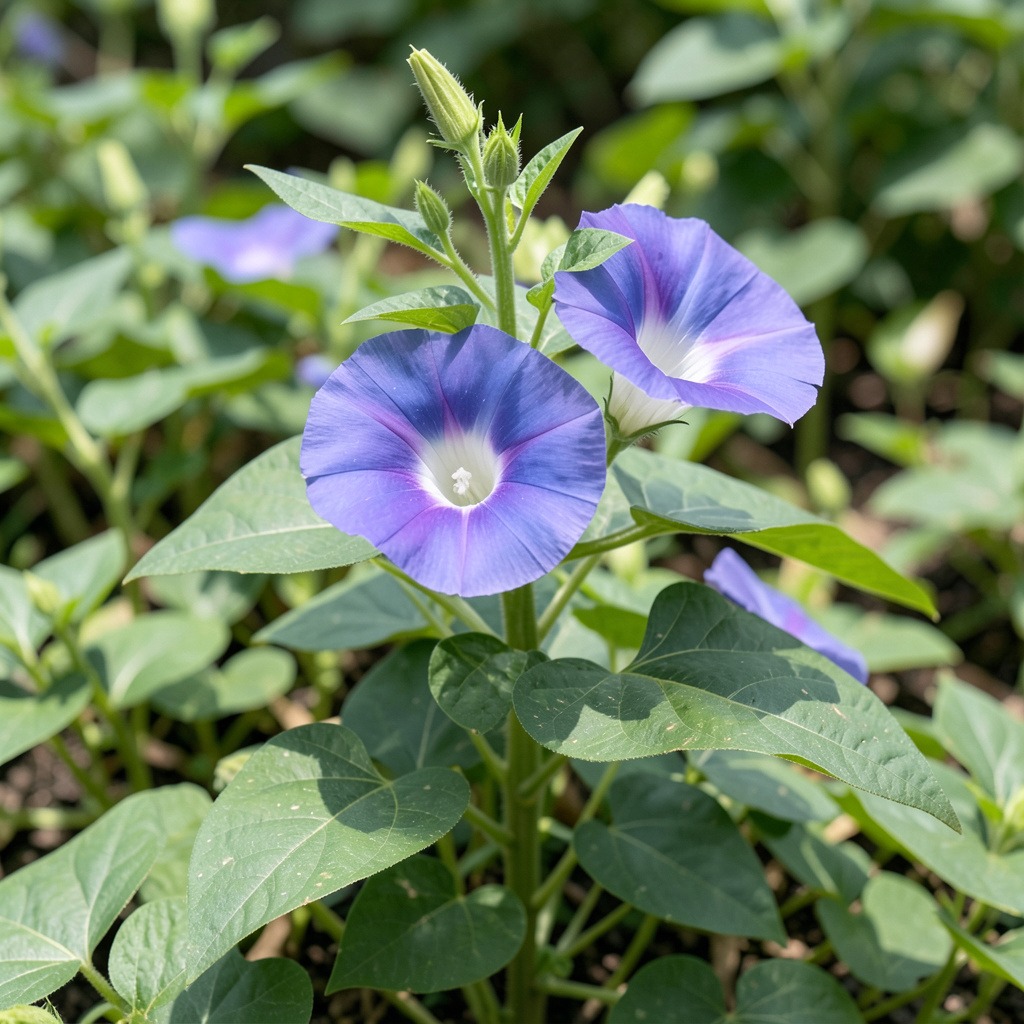
While certain morning glory species are edible, others pose significant health risks. Understanding these risks is crucial for safe consumption. Here’s what you need to know about poisoning symptoms and safety precautions.
Recognizing Symptoms of Poisoning
Ingesting toxic varieties of morning glory can lead to various adverse health effects. Symptoms may vary but often include:
- Nausea
- Vomiting
- Diarrhea
- Hallucinations
These symptoms are primarily associated with seeds from non-edible varieties, which contain ergoline alkaloids. Consuming large amounts can escalate symptoms, leading to serious health complications [6][10].
Emergency Responses to Poisoning
If you suspect morning glory poisoning, take immediate action:
1. Seek Medical Attention: Contact a healthcare professional or poison control.
2. Provide Information: Be ready to share what was consumed and in what quantity.
3. Do Not Induce Vomiting: Not all situations require this, and it can sometimes worsen the condition.
Prompt treatment can mitigate severe effects, so do not delay seeking help [5][10].
Preventative Measures for Safe Consumption
To enjoy edible morning glory safely, follow these guidelines:
- Identify Safe Varieties: Focus on species like Ipomoea batatas (sweet potato) and avoid ornamental types like Ipomoea purpurea [2].
- Harvest Carefully: Only collect morning glory from known safe sources.
- Know the Parts: Only consume the leaves and flowers of edible varieties. Seeds can be harmful and should be avoided [4][6].
- Prepare Properly: Some edible parts may require cooking or specific preparation methods to neutralize any potential toxins [4][7].
Checklist for Safe Consumption
- [ ] Confirm species is edible (Ipomoea batatas or similar safe varieties).
- [ ] Avoid seeds from unknown or ornamental varieties.
- [ ] Cook or process the plant as necessary to remove toxins.
- [ ] Keep all morning glory seeds out of children’s reach to prevent accidental ingestion [3].
By adhering to these safety measures, you can enjoy the culinary benefits of morning glory while minimizing health risks.
Conclusion: Enjoying Morning Glory Safely
Understanding which morning glory species are edible is crucial for safe culinary exploration. Proper identification, preparation, and awareness of potential health risks will enhance your experience.
Key Edible Varieties
1. Ipomoea batatas (Sweet Potato): Edible tubers and leaves.
2. Ipomoea aquatica (Water Spinach): Tender stems and leaves suitable for stir-frying.
3. Wild Potato Vine: Edible tubers, though identification is key.
Preparation Methods for Safety
- Cooking: Always cook edible parts to neutralize toxins. Boiling or steaming is effective.
- Leaching: Some species benefit from soaking in water to remove bitter compounds.
- Avoid Raw Consumption: Many varieties should not be eaten raw due to possible toxicity.
Health Risks to Consider
- Toxic Parts: Certain parts of ornamental varieties, especially seeds, can be harmful if ingested.
- Symptoms of Poisoning: Nausea, vomiting, and hallucinations can result from consuming toxic species. Always verify the plant’s identity before harvesting.
- Storage Safety: Keep seeds and plants stored securely to prevent accidental ingestion by children, who may be curious and prone to putting objects in their mouths [2].
Checklist for Safe Consumption
- [ ] Confirm the species is edible (Ipomoea batatas or similar).
- [ ] Avoid seeds from unknown or ornamental varieties.
- [ ] Cook or process the plant as necessary to remove toxins.
- [ ] Store all morning glory seeds out of children’s reach to prevent accidental ingestion [3].
By following these guidelines, you can safely enjoy the diverse flavors and nutritional benefits of edible morning glory species. Consider exploring local foraging opportunities and experimenting with traditional recipes to expand your culinary repertoire.
Frequently Asked Questions
These quick answers cover the most common questions about this topic, including key details, practical tips, and common concerns.
What part of the morning glory is hallucinogenic?
The seeds of certain morning glory species, particularly Ipomoea purpurea, contain ergoline alkaloids, which can produce hallucinogenic effects when consumed in large quantities. These compounds can lead to symptoms such as nausea and hallucinations. It’s crucial to avoid these seeds and focus on safe edible varieties like Ipomoea batatas and Ipomoea aquatica.
Is it legal to grow morning glory?
In many regions, it is legal to grow morning glory plants, including both edible and ornamental varieties. However, some areas may have restrictions on specific species known for their psychoactive properties. Always check local regulations before planting to ensure compliance.
Is it safe to touch morning glory flowers?
Touching morning glory flowers is generally safe. However, some individuals may experience skin irritation or allergic reactions. If you are foraging or handling these plants, it’s wise to wash your hands afterward to avoid any potential reactions.
What are the medicinal uses of morning glory flowers?
Morning glory flowers, particularly from edible species, have been used in traditional medicine for their anti-inflammatory and antioxidant properties. Some cultures utilize them in herbal remedies for digestive issues and skin ailments. Always consult with a healthcare professional before using any plant for medicinal purposes.
Are morning glories poisonous?
Yes, certain morning glory species can be toxic. For instance, Ipomoea purpurea contains compounds that can cause poisoning if ingested. Symptoms include nausea, vomiting, and hallucinations. To avoid risks, focus on consuming known edible varieties like Ipomoea batatas and Ipomoea aquatica.
Can morning glory vines have edible roots?
Yes, some morning glory vines, particularly Ipomoea batatas (sweet potato), have edible tubers that are rich in nutrients. These tubers can be harvested and cooked in various dishes. Always ensure proper identification to avoid toxic varieties.
Is the leaf of morning glory edible?
Yes, the leaves of certain morning glory species, especially Ipomoea aquatica (water spinach), are edible and commonly used in cooking. They can be prepared in salads, stir-fries, or soups. However, ensure you are consuming the correct species to avoid toxic varieties.
What should readers know about visual identification guides?
Visual identification guides are essential for distinguishing between edible and toxic morning glory species. These guides often include images, descriptions of leaf shapes, flower colors, and growth habits. Always consult a reputable guide or expert when foraging to ensure safe identification and avoid misidentification with ornamental varieties.
References
1. Which Morning Glories Are Edible?
3. Morningglories / Weeds Identification Gallery / UC Statewide …
4. Small Parts Ban and Choking Hazard Labeling
5. Home | U.S. Department of Education
6. Morning Pages – A Clearer Mind, Better Ideas & Less Anxiety
7. Morningglories – Cornell CALS
8. USAGov: Making government services easier to find
9. Morning Star Natural Resources Conservation Area – WA DNR
11. Thistle: It’s That Spine of Year – Eat The Weeds and other things, too
12. Growing annual morning glory | OSU Extension Service
13. Species Recovery Grants to States