
The Mountain Horned Lizard, native to Southeast Asia, is renowned for its unique adaptations and fascinating behavior. This guide explores its physical characteristics, diet, habitat, and conservation efforts, providing a comprehensive overview of this remarkable reptile.
Physical Characteristics and Unique Adaptations
The Mountain Horned Lizard is a stunning reptile with several unique features. From its striking coloration to its interesting physical traits, these adaptations help it thrive in its mountainous habitats.
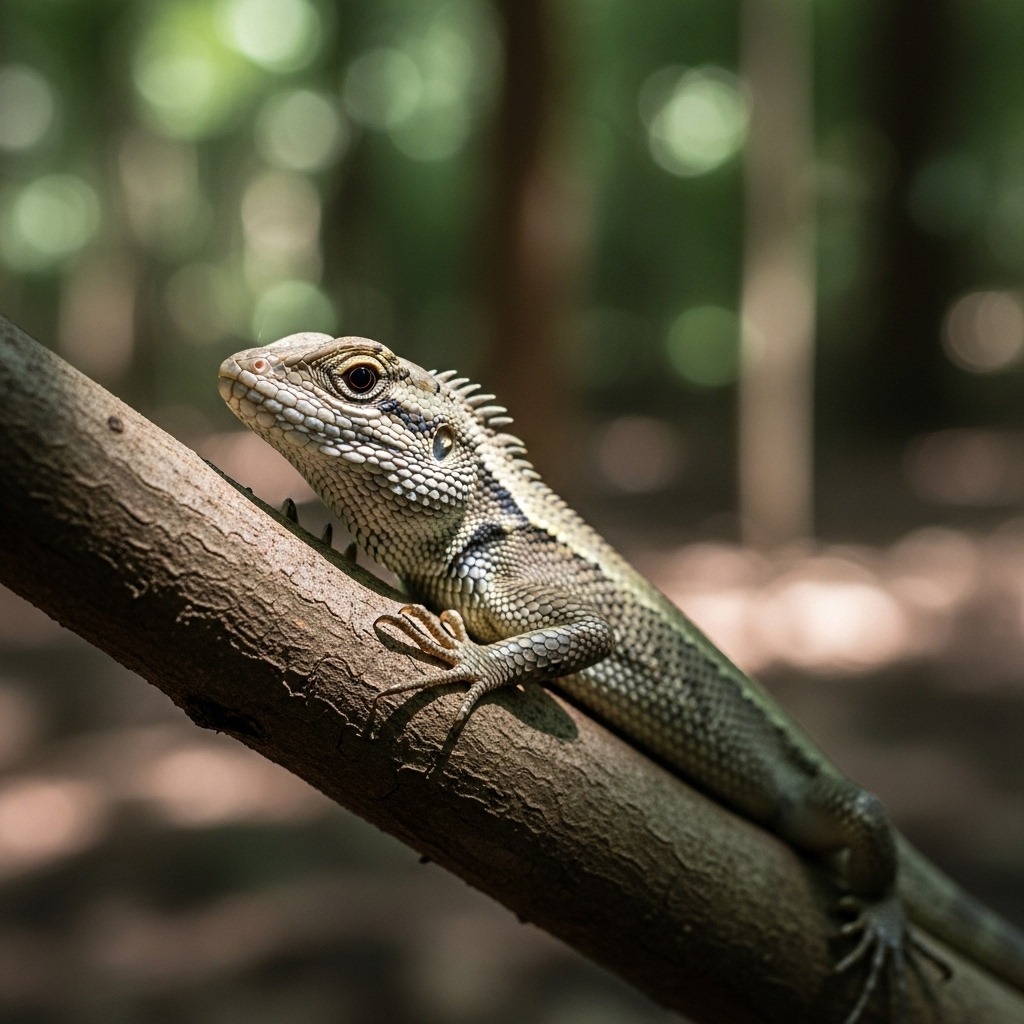
Size and Coloration
Mountain Horned Lizards are medium-sized reptiles, typically reaching lengths of about 6 to 8 inches. Their coloration varies, usually showcasing earthy tones like:
- Brown
- Gray
- Green
This range of colors helps them blend into their rocky environments. A fascinating fact? Their skin can change color slightly, allowing them to adapt to different temperatures and lighting conditions.
Camouflage and Defense Mechanisms
These lizards are experts at hiding. Their rough, pebble-like scales mimic the texture of the rocks around them. This camouflage is a key defense mechanism against predators like snakes and birds of prey. When threatened, they can remain motionless, making them nearly invisible.
In addition to their camouflage, Mountain Horned Lizards have strong limbs and sharp claws. These adaptations allow them to climb steep surfaces with ease. They can cling to vertical rocks, escaping danger when needed.
Horn-Like Projections: Purpose and Function
One of the most striking features of the Mountain Horned Lizard is its horn-like projections. These appendages stick out from their heads and are larger in males. They serve several purposes:
Table of Contents
- Territorial Displays: Males use their horns to assert dominance during disputes.
- Courtship Rituals: They play a role in attracting mates.
This unique trait sets them apart from other lizards, making them a standout in the reptile world. Unlike many other species, the horns of the Mountain Horned Lizard are not just for show; they have real functions that aid in survival and reproduction.
In summary, the Mountain Horned Lizard’s adaptations are fascinating and crucial for its survival in rocky, mountainous areas. These reptiles showcase a blend of beauty and practicality that makes them truly unique.
Behavioral Ecology and Hunting Strategies
The Mountain Horned Lizard has some truly fascinating behaviors. Its hunting techniques and territorial nature make it a unique creature in the reptile world.
Hunting Techniques: Sit-and-Wait Strategy
This lizard is an insectivore, meaning it primarily eats insects. Its hunting strategy is called “sit-and-wait.” Here’s how it works:
- Perching: The Mountain Horned Lizard often finds a spot on a branch, usually two meters above ground.
- Staying Still: It remains motionless, blending into its surroundings. This camouflage is key for avoiding predators.
- Quick Reflexes: As soon as an insect comes near, the lizard pounces with impressive speed.
This method allows it to conserve energy while waiting for the perfect moment to strike. Environmental changes, like deforestation, can impact its hunting success. Fewer trees mean less cover, making it harder to catch food and escape predators.
Territorial Behavior and Social Structure
Mountain Horned Lizards are quite territorial. Males are especially aggressive in defending their space. They do this for several reasons:
- Resource Access: Each lizard needs enough food, shelter, and mates.
- Courtship Displays: Males perform displays, extending their gular sacs and bobbing their heads to attract females.
This territorial behavior creates a structured social environment. It ensures that each lizard can thrive in its habitat.
Communication Methods Among Lizards
Communication is crucial for these lizards, too. They use both visual and physical signals to convey messages. Here are some methods:
- Body Language: Head bobbing can signal dominance or attraction.
- Color Changes: Shifts in color may indicate stress or readiness to mate.
Understanding these signals helps them navigate their social interactions and maintain their territories.
This rich tapestry of behaviors makes the Mountain Horned Lizard a captivating subject for study and admiration.
Diet and Feeding Habits

The Mountain Horned Lizard is an insectivore, meaning its diet primarily consists of insects. This lizard plays a vital role in its ecosystem by controlling insect populations. Let’s dive into their preferred food sources and unique hunting strategies.
Preferred Food Sources
Mountain Horned Lizards have a varied diet. They love munching on:
- Mealworms
- Silkworms
- Grasshoppers
- Moths
These lizards are not picky eaters. They will eat whatever insects are available in their habitat. Their ability to adapt their diet helps them thrive in the wild.
Hunting Efficiency and Strategies
These lizards are masters of patience. They use a “sit-and-wait” strategy to hunt. Here’s how it works:
1. Perching: They often sit on branches, waiting for prey to come close.
2. Observation: With keen eyesight, they spot insects from a distance.
3. Quick Strike: Once the prey is in range, they pounce with impressive speed.
This method not only conserves energy but also increases their success rate in capturing food.
Nutritional Needs in Captivity
When it comes to keeping Mountain Horned Lizards as pets, their dietary needs shift slightly. In captivity, they require a balanced diet for optimal health. Here’s a quick comparison of the dietary needs of wild versus captive lizards:
| Dietary Aspect | Wild Mountain Horned Lizard | Captive Mountain Horned Lizard |
|---|---|---|
| Primary Food Source | Various insects | Mealworms, crickets, and supplements |
| Frequency of Feeding | Daily, based on availability | Every 1-2 days |
| Nutritional Supplements | Not needed | Calcium and vitamins recommended |
Understanding these needs is crucial for pet owners. Proper diet ensures that your Mountain Horned Lizard remains healthy and active, both in the wild and in captivity.
Reproductive Behaviors and Life Cycle

The Mountain Horned Lizard has a unique reproductive cycle that showcases its fascinating behavior. From courtship displays to egg-laying, each stage of its life cycle is captivating.
Mating Rituals and Courtship Displays
Mating season kicks off in July. During this time, male Mountain Horned Lizards show off to attract females. They perform elaborate courtship rituals, which include:
- Head-bobbing: A rhythmic motion to catch the female’s attention.
- Gular sac displays: Males puff out their colorful throat sacs to stand out.
These displays help establish dominance and attract potential mates. The more impressive the male’s performance, the higher his chances of mating.
Egg Laying and Nesting Practices
After successful mating, the female digs a burrow to lay her eggs. Here’s what you need to know:
- Clutch size: Usually, she lays between 10 to 16 eggs.
- Gestation period: Eggs incubate for about 140 to 190 days, depending on the conditions.
Proper nesting is crucial. In captivity, ensure the substrate allows for digging. This mimics their natural behavior and promotes healthy egg-laying.
Growth Stages of the Mountain Horned Lizard
From hatchling to adult, the Mountain Horned Lizard goes through several growth stages:
1. Hatchlings: These tiny lizards emerge after the incubation period. They’re vulnerable and require a proper diet and habitat to thrive.
2. Juveniles: As they grow, they become more independent, hunting insects and exploring their surroundings.
3. Adults: Fully mature, they exhibit territorial behaviors and complex hunting strategies.
In captivity, providing a structured environment can help replicate these growth stages. Monitor their diet and habitat closely to avoid common challenges like metabolic bone disease.
Keeping these factors in mind will help you appreciate the unique life cycle of the Mountain Horned Lizard and ensure their well-being, whether in the wild or in captivity.
Conservation Status and Environmental Threats
The Mountain Horned Lizard is currently classified as “Least Concern” by the IUCN. However, it faces significant challenges that threaten its survival in the wild. Let’s dive into its conservation status and the major threats it encounters.
Current Conservation Status
Despite its status, the Mountain Horned Lizard is not out of the woods. Habitat loss, primarily due to deforestation, poses a serious risk. This lizard thrives in Southeast Asia’s forests, but as these areas shrink, so does its home.
Major Threats to Survival
Here are the main threats facing the Mountain Horned Lizard:
- Habitat Loss: Deforestation and urbanization are major culprits.
- Illegal Pet Trade: These lizards are often captured for the pet market, putting pressure on wild populations.
- Predation: Natural predators like birds of prey and snakes also threaten their survival.
- Diseases: In captivity, they can suffer from metabolic bone disease and fungal infections if not cared for properly.
Each of these threats adds to the pressure on this unique reptile.
How You Can Help
Want to make a difference? Here are some ways to get involved:
- Support Conservation Organizations: Groups focused on habitat restoration and wildlife protection are essential. Look for local or global organizations dedicated to reptile conservation.
- Spread Awareness: Educate others about the threats facing the Mountain Horned Lizard.
- Responsible Pet Ownership: If you own one, provide a proper habitat and diet. This helps prevent health issues and promotes a thriving population.
Successful Conservation Initiatives
Some organizations are already making strides in conservation efforts. For instance, habitat restoration projects aim to rehabilitate areas affected by deforestation. These initiatives not only benefit the Mountain Horned Lizard but also support various other species that share its ecosystem.
By understanding the conservation status and threats to the Mountain Horned Lizard, you can play a role in ensuring this fascinating reptile continues to thrive.
Interesting Facts About the Mountain Horned Lizard
The Mountain Horned Lizard is not just any reptile; it has some truly unique traits that make it stand out. From its striking appearance to its clever hunting techniques, here are some fascinating facts about this arboreal wonder.
Eye-Catching Features
- Vibrant Colors: These lizards boast a mix of green, brown, and gray tones, helping them blend into their forest surroundings.
- Distinctive Horns: Their spiny bodies and horn-like structures give them a dragon-like appearance, making them look fierce and ready to defend their territory.
- Large Eyes: Their prominent eyes provide excellent vision, crucial for spotting prey and predators alike.
Unique Hunting Strategies
- Sit-and-Wait Predator: The Mountain Horned Lizard uses a clever hunting strategy. It remains motionless on a branch, waiting for insects to come close. When they do, it pounces with quick reflexes!
- Insectivorous Diet: Their diet primarily consists of insects like mealworms, grasshoppers, and moths. This makes them essential for controlling insect populations in their habitat.
Fun Trivia
- Territorial Behavior: Male Mountain Horned Lizards are quite territorial. They often display their horns and colors to ward off rivals.
- Adaptation Experts: These lizards can change their color slightly to better blend into their environment, enhancing their camouflage against predators.
Quick Quiz: Test Your Knowledge!
1. What is the primary diet of the Mountain Horned Lizard?
- A) Plants
- B) Insects
- C) Small mammals
2. How does the Mountain Horned Lizard hunt its prey?
- A) By chasing them
- B) By using a sit-and-wait technique
- C) By digging holes
3. What unique feature helps the Mountain Horned Lizard blend into its environment?
- A) Its size
- B) Its color
- C) Its speed
Feel free to share your answers and see how much you know about this incredible reptile!
Frequently Asked Questions
These quick answers cover the most common questions about this topic, including key details, practical tips, and common concerns.
What makes a mountain horned lizard unique?
The Mountain Horned Lizard is distinguished by its prominent horn-like projections on its head, which are larger in males and used for territorial and courtship displays. Its remarkable camouflage, ability to change color slightly, and specialized adaptations for climbing rocky mountainous habitats set it apart from other lizards. Its physical traits and behaviors make it a fascinating example of evolutionary adaptation.
Can lizards hear your voice?
Lizards, including the Mountain Horned Lizard, do not have external ears or eardrums like mammals. They can detect vibrations and low-frequency sounds through their skull bones. While they may not hear voices clearly, sudden loud noises or vibrations can startle or alert them to nearby movement.
What lizard has 3 genders?
Some species of skinks and other reptiles exhibit a form of gender or reproductive variation, but the Mountain Horned Lizard does not have three genders. Most reptiles, including this species, have distinct male and female individuals. Any references to multiple genders in reptiles usually relate to reproductive roles rather than true gender diversity.
What is a unique feature of some species of horned lizards?
Many horned lizard species have the ability to squirt blood from their eyes as a defense mechanism. This startling display confuses predators and helps them escape danger. Additionally, some species have elaborate horns or crests that serve for display and camouflage, enhancing their survival in harsh environments.
How do Mountain Horned Lizards communicate?
They primarily communicate through visual signals like head-bobbing, color changes, and horn displays. Males use these signals during territorial disputes and courtship. They may also produce subtle body movements to convey stress or dominance, aiding in social interactions within their territory.
What do Mountain Horned Lizards eat in the wild?
Their diet mainly consists of insects such as grasshoppers, moths, beetles, and crickets. They are sit-and-wait predators, patiently observing and then quickly striking at passing prey. Their insectivorous diet helps control insect populations in their mountainous habitats.
How can I help conserve Mountain Horned Lizards?
Supporting habitat preservation is key. Avoid purchasing wild-caught lizards and promote awareness about their ecological role. Participating in or donating to conservation organizations focused on Southeast Asian habitats can also make a difference. Educating others about their threats helps foster community efforts to protect them.
When is the breeding season for Mountain Horned Lizards?
Breeding typically occurs during the warmer months, around July to September, depending on local climate conditions. During this time, males perform displays to attract females, and courtship rituals are more elaborate. Females lay eggs shortly after mating, usually in sheltered, soil-based nests.