
Nannyberry trees (Viburnum lentago) provide ecological benefits and edible fruit but may require specific growing conditions and can be prone to pests.
Table of Contents
Nannyberry trees, or Viburnum lentago, are valued for their wildlife benefits and ornamental appeal. However, like any plant, they come with their own set of advantages and disadvantages that gardeners should consider before planting.
Understanding Nannyberry Trees: An Overview
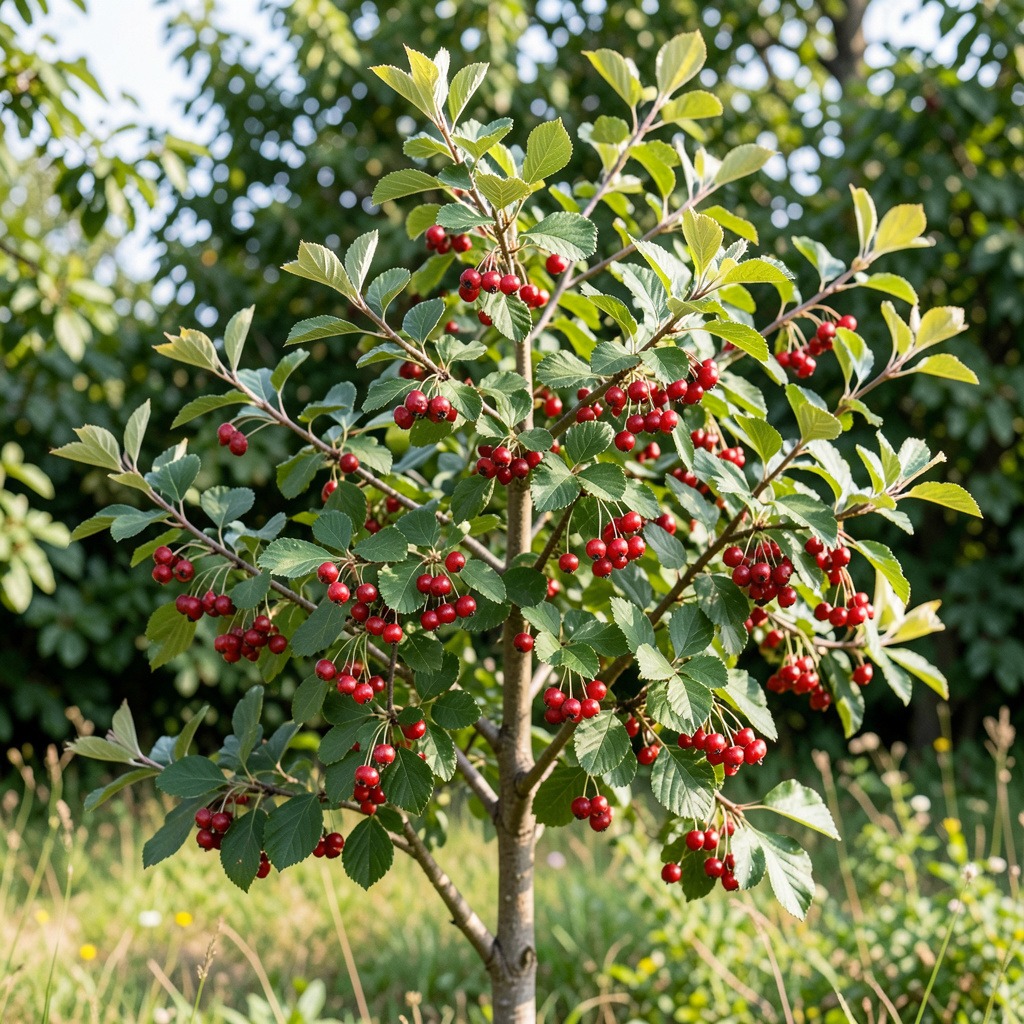
Nannyberry trees, scientifically known as Viburnum lentago, are versatile native plants that offer significant ecological benefits and ornamental value. They are well-suited for various landscaping needs.
Classification and Characteristics
- Scientific Name: Viburnum lentago
- Family: Adoxaceae
- Common Names: Nannyberry, Wild Raisin, Sheepberry
Nannyberries typically grow as large, multi-stemmed shrubs but can also develop into small trees under optimal conditions. They reach heights of 15 to 30 feet and have a rounded to oval crown with a mature spread of 6 to 12 feet. Their growth habit is upright and somewhat spreading, making them attractive for screening and habitat purposes.
Growth Habits
Nannyberry trees thrive in full sun to partial shade and prefer medium to moist, well-drained soils. They naturally occur along woodland edges and stream banks, showcasing remarkable adaptability. Here’s a summary of their growth habits:
- Height: 15 to 30 feet
- Spread: 6 to 12 feet
- Soil Preference: Rich loam, adaptable to clay or sandy soils
- Sunlight Requirements: Full sun to partial shade
Ecological Significance
Nannyberries provide essential habitat and food for wildlife. Their creamy flowers attract pollinators, while the dark blue-black berries are a food source for birds and mammals. Establishing Nannyberry trees in your landscape can enhance local biodiversity and contribute positively to the ecosystem.
For instance, planting Nannyberries in hedgerows or wildlife gardens can create corridors for wildlife movement and support a range of species. This ecological value enhances the overall health of local ecosystems, making Nannyberries a practical choice for environmentally-conscious gardeners.
Ecological Benefits of Nannyberry Trees
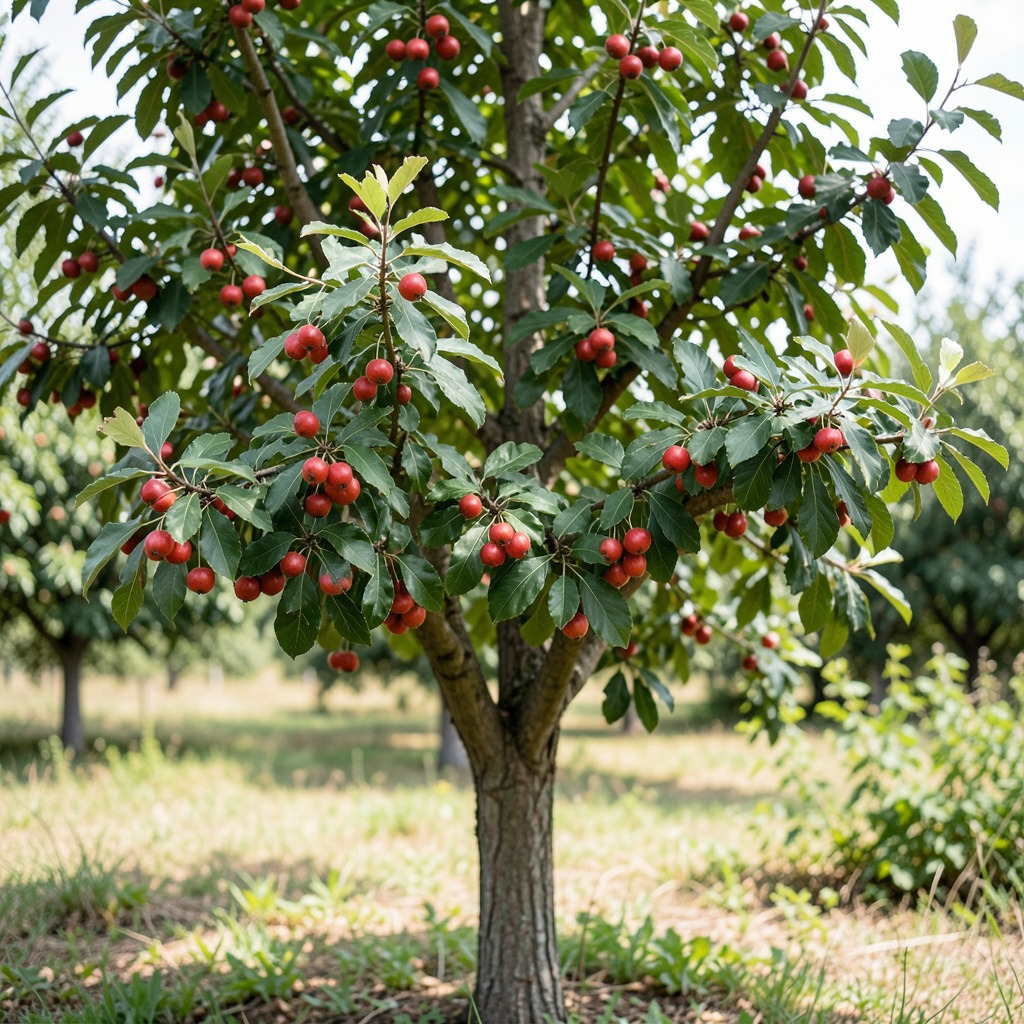
Nannyberry trees (Viburnum lentago) offer significant ecological benefits, particularly in supporting wildlife and enhancing biodiversity. Their various features make them indispensable in native plant landscaping.
Wildlife Habitat Support
Nannyberry trees provide vital habitat for numerous species. Their dense branching structure offers excellent nesting sites for birds. For example, American Robins and Northern Cardinals commonly utilize these shrubs for shelter. Additionally, small mammals, such as chipmunks and squirrels, find refuge among the branches, contributing to the overall health of the ecosystem.
Food Sources for Pollinators
The creamy white flowers of the Nannyberry tree bloom in early spring, attracting a wide range of pollinators. Native bees, honeybees, and various beneficial insects rely on these flowers for nectar and pollen. This extended blooming period ensures that pollinators have food sources during critical early-season months. Such support is essential for maintaining pollinator populations, which are crucial for the overall health of our ecosystems.
Biodiversity Enhancement
Nannyberry trees contribute to biodiversity by serving as a food source for various wildlife. The dark blue-black berries ripen in late summer and persist into winter. At least 40 bird species, including Cedar Waxwings and Blue Jays, consume these berries, especially when other food sources are scarce. Moreover, Nannyberries support specialized insects, which in turn sustain larger wildlife communities.
Quick Facts on Nannyberry’s Ecological Value:
- Flowering Period: Early spring, attracting diverse pollinators.
- Bird Species Supported: Over 40, including thrushes and sparrows.
- Mammals: Provides food for chipmunks, squirrels, and deer.
- Habitat: Dense thickets offer shelter and nesting sites.
By integrating Nannyberry trees into your landscape, you not only beautify your garden but also play a significant role in promoting local biodiversity and supporting wildlife.
Ideal Growing Conditions for Nannyberry Trees
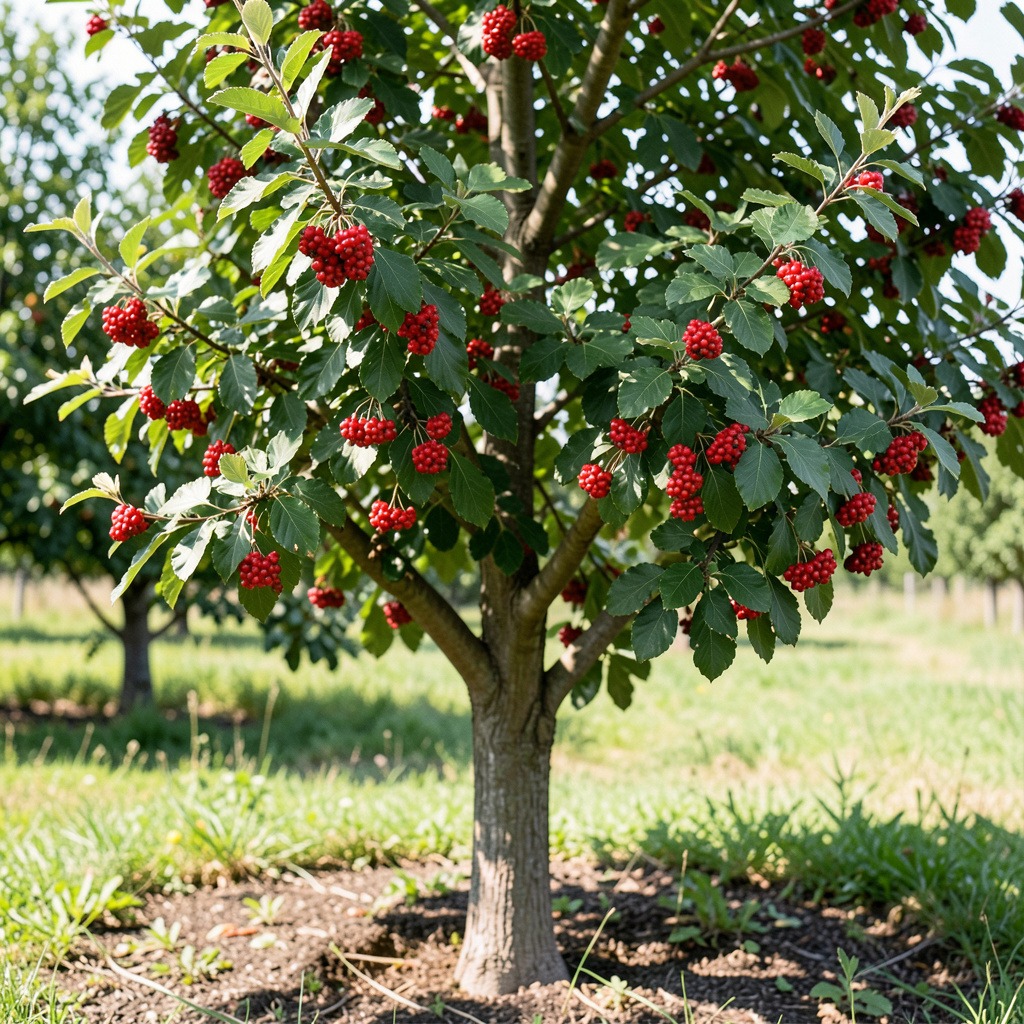
Nannyberry trees thrive under specific conditions that enhance their growth and fruiting. Understanding their soil, light, and watering needs is essential for successful cultivation.
Soil Requirements
Nannyberry trees prefer well-drained soils but are remarkably adaptable. They can thrive in various soil types, including:
- Loamy Soil: Ideal for rich nutrients and moisture retention.
- Clay Soil: Tolerates heavy soil conditions, though drainage must be managed.
- Sandy Soil: Drier conditions are acceptable, but consistent moisture is best during the growing season.
Checklist for Soil Conditions:
- Ensure good drainage to prevent root rot.
- Test soil pH; Nannyberry prefers slightly acidic to neutral (pH 5.5-7.0).
- Incorporate organic matter to improve nutrient content.
Light Preferences
Nannyberry trees flourish in full sun to partial shade. Their light needs significantly affect flowering and fruit production:
- Full Sun: Produces compact, dense growth with abundant flowers and berries.
- Partial Shade: Grows taller and more open but still yields satisfactory flowers and fruits.
Decision Rule for Light Conditions:
- For optimum fruiting, provide at least six hours of sunlight daily.
- Morning sun with afternoon shade can enhance performance in hotter climates.
Watering Needs
Proper watering is crucial, especially for young plants. Nannyberry trees require:
- Moderate Moisture: Regular watering is important, particularly during dry spells.
- Drought Tolerance: Once established, they can withstand short periods of drought but may produce fewer fruits.
Watering Tips:
- Water deeply and infrequently to encourage deep root growth.
- Mulch around the base to retain moisture and suppress weeds.
By assessing these growing conditions, gardeners can optimize their Nannyberry trees’ health and productivity, ensuring a vibrant addition to their landscapes.
Common Issues with Nannyberry Trees
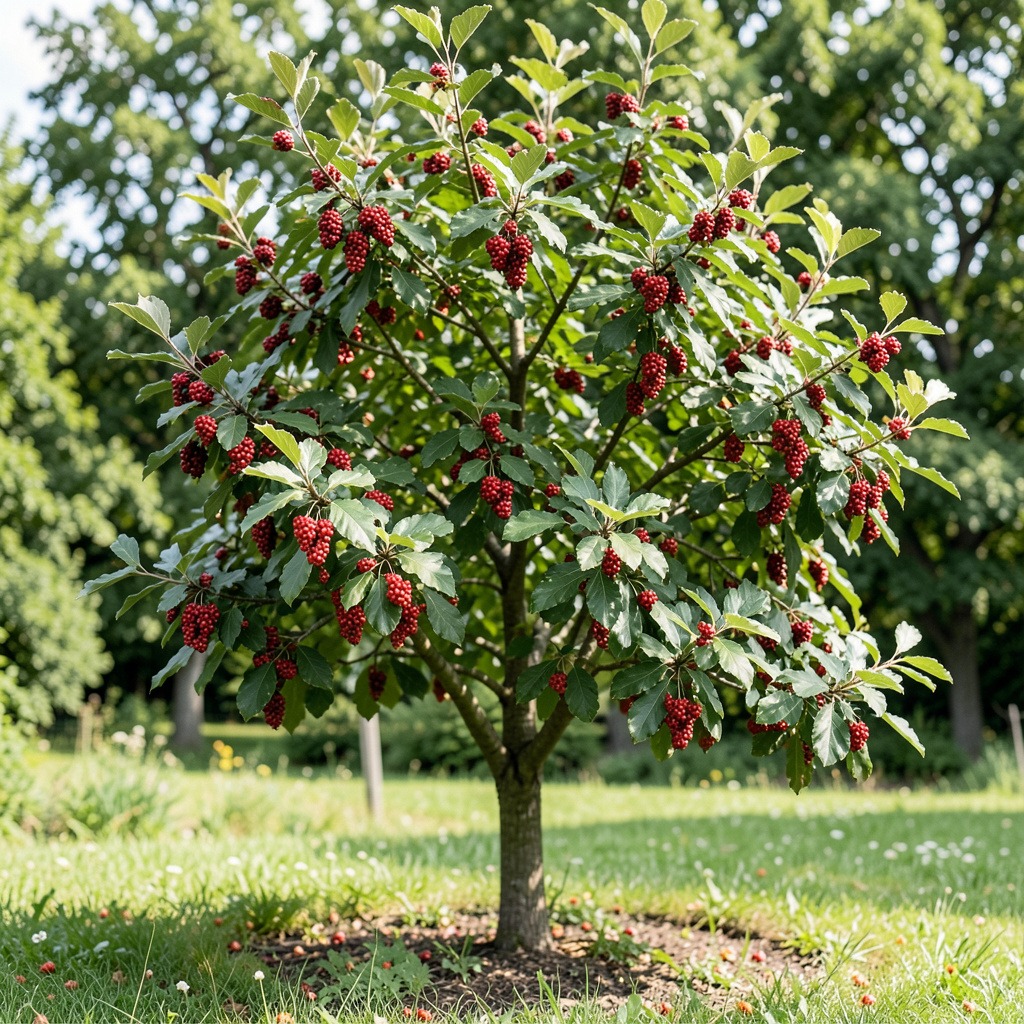
While Nannyberry trees (Viburnum lentago) are generally resilient, they can encounter several issues related to pests and diseases. Understanding these challenges will help gardeners maintain healthy plants and maximize their ecological benefits.
Identifying Common Pests
Nannyberry trees may attract various pests that can impact their health. Here are some common pests to watch for:
- Aphids: Small, soft-bodied insects that feed on sap. They can cause leaf curling and may lead to sooty mold.
- Scale Insects: These pests attach themselves to stems and leaves, sucking sap and weakening the plant.
- Spider Mites: These tiny arachnids thrive in dry conditions and can cause stippling and leaf discoloration.
Managing Diseases
Nannyberry trees are susceptible to a few diseases that can affect their vitality. Key diseases include:
- Powdery Mildew: A fungal disease that appears as a white powder on leaves, reducing photosynthesis.
- Leaf Spot: Caused by various fungi, it leads to dark spots on leaves, potentially causing premature leaf drop.
- Root Rot: Often a result of overwatering or poorly drained soil, this condition can kill the plant.
Preventive Care Tips
Implementing preventive care is essential for maintaining healthy Nannyberry trees. Consider the following strategies:
- Regular Monitoring: Inspect plants frequently for signs of pests and diseases. Early detection is crucial.
- Proper Watering: Avoid overwatering to prevent root rot. Ensure good drainage in the soil.
- Cultural Practices: Maintain good air circulation around plants by spacing them appropriately. This helps prevent fungal diseases.
- Natural Predators: Encourage beneficial insects, such as ladybugs, to control aphid populations.
By staying vigilant and employing these management strategies, gardeners can effectively mitigate potential issues with Nannyberry trees, ensuring they thrive in their landscapes.
Comparing Nannyberry to Other Native Plants
Understanding how Nannyberry (Viburnum lentago) compares to other native plants can help gardeners make informed choices for their landscapes. This section contrasts Nannyberry with two similar plants: Serviceberry and Blackhaw Viburnum, focusing on care, benefits, and aesthetic qualities.
Nannyberry vs. Serviceberry
| Feature | Nannyberry | Serviceberry |
|---|---|---|
| Scientific Name | Viburnum lentago | Amelanchier spp. |
| Growth Habit | Large shrub or small tree | Small tree or large shrub |
| Height | 10-15 feet | 15-25 feet |
| Soil Preference | Adaptable; prefers moist soil | Prefers well-drained, acidic soil |
| Sunlight | Full sun to partial shade | Full sun |
| Wildlife Benefits | Attracts pollinators, birds | Attracts birds and pollinators |
| Edible Fruits | Sweet berries | Sweet, edible berries |
| Aesthetic Appeal | White flowers, attractive foliage | White flowers, beautiful fall color |
Key Takeaways:
- Nannyberry is more adaptable to various soil conditions than Serviceberry, which thrives in well-drained, acidic soils.
- Both plants can attract wildlife, but Nannyberry provides a longer blooming period, supporting pollinators throughout the spring.
Nannyberry vs. Blackhaw Viburnum
| Feature | Nannyberry | Blackhaw Viburnum |
|---|---|---|
| Scientific Name | Viburnum lentago | Viburnum prunifolium |
| Growth Habit | Large shrub or small tree | Small to medium-sized tree |
| Height | 10-15 feet | 12-20 feet |
| Soil Preference | Tolerant of various soils | Prefers moist, well-drained soil |
| Sunlight | Full sun to partial shade | Full sun |
| Wildlife Benefits | Attracts pollinators, birds | Attracts birds and provides cover |
| Aesthetic Appeal | White flowers, ornamental value | White flower clusters, fall color |
Key Takeaways:
- Both Nannyberry and Blackhaw Viburnum are valuable for wildlife, but Nannyberry may have an edge in adaptability to urban conditions.
- Blackhaw Viburnum offers notable fall color, making it an attractive option for seasonal interest.
By comparing Nannyberry with these native plants, gardeners can evaluate their choices based on specific needs, aesthetics, and ecological benefits, ensuring a thriving landscape that supports local wildlife.
Alternatives to Nannyberry Trees
Gardeners seeking alternatives to Nannyberry (Viburnum lentago) can consider several native shrubs that offer similar ecological benefits and aesthetic appeal. These plants support wildlife and enhance landscapes while thriving in comparable growing conditions.
Other Native Shrubs for Wildlife
1. Blackhaw Viburnum (Viburnum prunifolium)
- Wildlife Support: Attracts pollinators and provides berries for birds.
- Aesthetic Value: Offers vibrant fall color and dense foliage.
- Growing Conditions: Thrives in full sun to partial shade.
2. Serviceberry (Amelanchier spp.)
- Wildlife Support: Produces sweet berries that attract birds and mammals.
- Aesthetic Value: Features beautiful spring flowers and stunning fall foliage.
- Growing Conditions: Adapts well to various soil types and light conditions.
3. Elderberry (Sambucus canadensis)
- Wildlife Support: Provides nectar for pollinators and berries for wildlife.
- Aesthetic Value: Showy white flowers in spring and dark berries in summer.
- Growing Conditions: Prefers moist, well-drained soils and full sun to partial shade.
Alternatives to Nannyberry for Landscaping
When selecting alternatives, consider the following factors:
| Plant | Wildlife Benefits | Aesthetic Appeal | Growing Conditions |
|---|---|---|---|
| Blackhaw Viburnum | Attracts birds, supports bees | Vibrant fall colors | Full sun to partial shade |
| Serviceberry | Edible berries for wildlife | Beautiful spring blooms | Various soil types, adaptable light |
| Elderberry | Nectar source, berry production | Showy flowers, dark berries | Moist, well-drained soils, full sun |
These alternatives not only meet similar ecological needs but also enrich garden aesthetics. For example, incorporating Serviceberry can enhance visual interest with its spring blooms while providing vital food sources for local wildlife. When planning your landscape, evaluate each option based on the specific needs of your garden and the wildlife you wish to support.
Frequently Asked Questions
These quick answers cover the most common questions about this topic, including key details, practical tips, and common concerns.
What are the pros and cons of planting a Nannyberry tree?
Pros: Nannyberry trees (Viburnum lentago) offer numerous benefits, including attracting wildlife, providing edible fruit, and enhancing biodiversity. Their creamy flowers support pollinators, while the berries serve as food for over 40 bird species. They are also adaptable to various soil types and light conditions.
Cons: On the downside, Nannyberry trees can be susceptible to pests like aphids and spider mites, as well as diseases such as powdery mildew. They may also require specific moisture conditions and can be less visually appealing in winter when they lose their leaves.
How tall does a Nannyberry tree grow?
Nannyberry trees typically reach heights of 15 to 30 feet, depending on growing conditions. They have a rounded to oval crown and can spread 6 to 12 feet wide. This size makes them suitable for landscaping as small trees or large shrubs.
Is Nannyberry tree fruit edible for humans?
Yes, the fruit of the Nannyberry tree is edible for humans. The dark blue-black berries are sweet and can be eaten raw or used in jams and jellies. However, they are best consumed when fully ripe, as unripe berries may be less palatable.
What wildlife benefits does Nannyberry provide?
Nannyberry trees support a wide range of wildlife. Their flowers attract pollinators such as bees and butterflies, while the berries serve as a food source for birds and small mammals. This tree can enhance local biodiversity by providing habitat and food throughout different seasons.
How do I care for a Nannyberry tree?
Caring for a Nannyberry tree involves ensuring it has the right growing conditions. Plant it in well-drained soil and provide full sun to partial shade. Regular watering is essential, especially for young trees. Monitor for pests and diseases, and prune as needed to maintain shape and health.
What are common problems with Nannyberry trees?
Common issues with Nannyberry trees include infestations of aphids and spider mites, which can weaken the plant. Diseases like powdery mildew and root rot may also occur, especially in overly wet conditions. Regular monitoring and proper care can help mitigate these problems.
What are some alternatives to Nannyberry?
If you’re considering alternatives to Nannyberry, look at native shrubs like Blackhaw Viburnum, Serviceberry, and Elderberry. Each of these plants offers similar wildlife benefits and aesthetic appeal while thriving in comparable growing conditions. They can enrich your garden while supporting local ecosystems.
What should readers know about potential pests and diseases affecting Nannyberry?
Nannyberry trees can be affected by pests such as aphids, scale insects, and spider mites, which suck sap and can lead to leaf damage. Diseases like powdery mildew and root rot may also pose threats. Regularly inspect your trees and maintain good cultural practices to prevent these issues.